For decades, luxury travel was largely about where we stayed. The grand hotel, the private villa, the resort hidden at the end of a coastline. Today, perhaps the more interesting question is no longer where, but how we want to live while we travel.
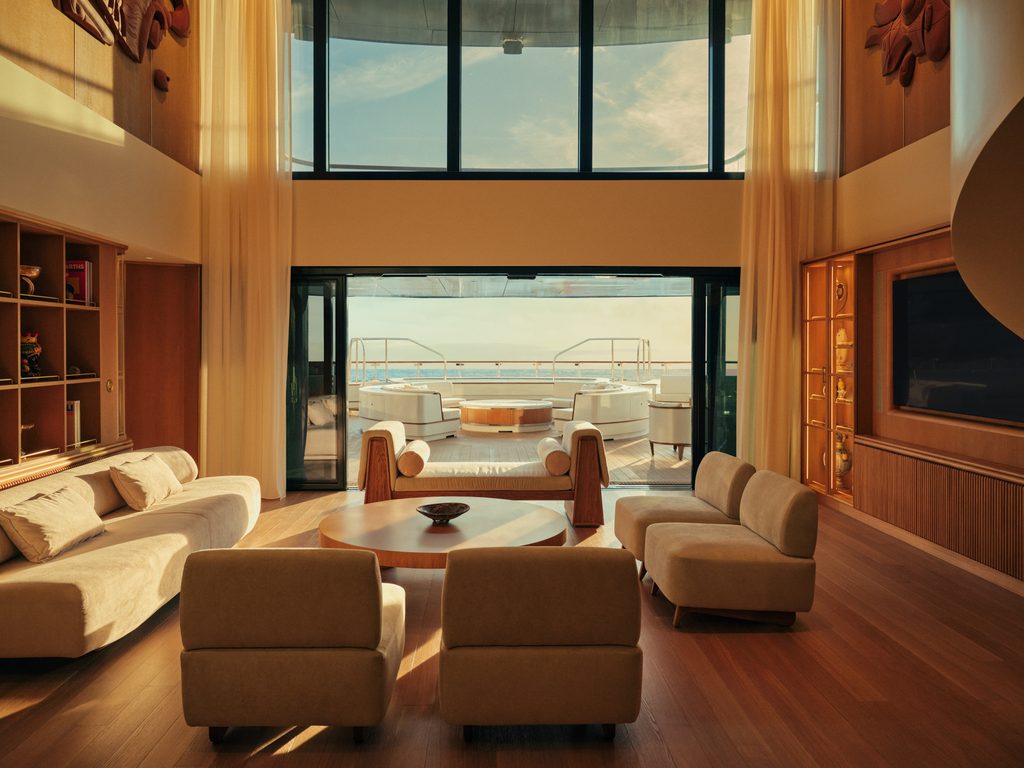
It helps explain why hospitality is moving beyond buildings. Four Seasons already takes its guests around the world by private jet. Now it has gone to sea. Four Seasons I, which made its inaugural Mediterranean voyage in March 2026, is less an excursion into cruising than an attempt to translate the habits, privacy and familiarity of a hotel into something that never stays in one place.
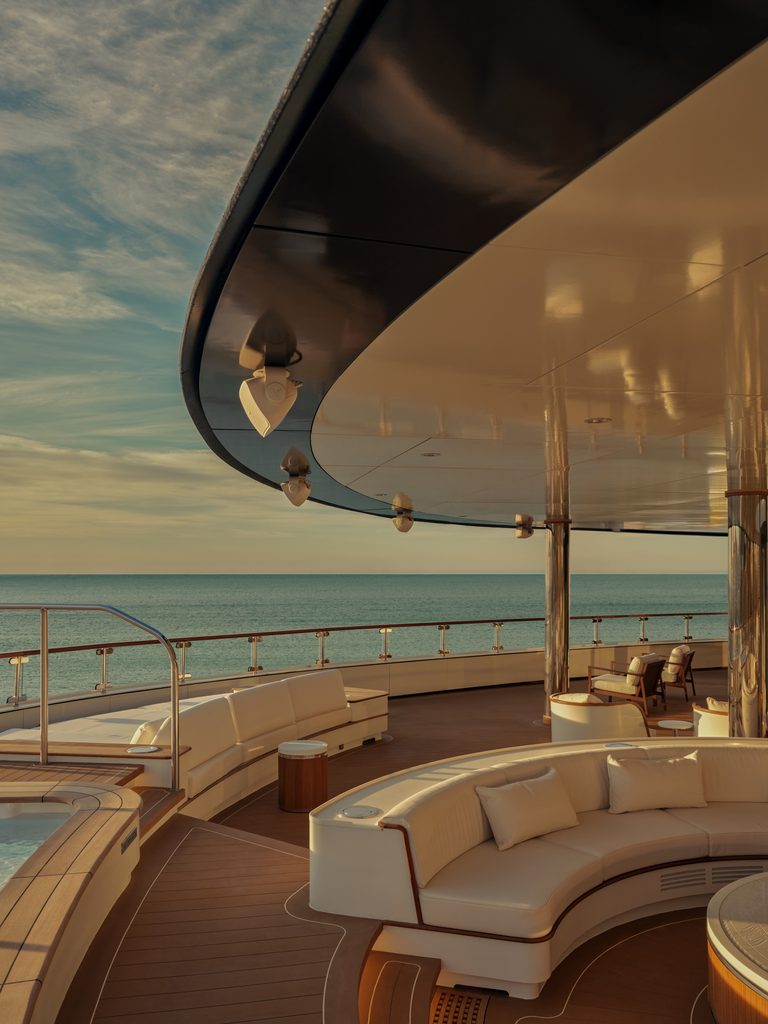
And perhaps the appeal of a yacht begins precisely there. A hotel asks us to arrive. A yacht allows the world to arrive around us.
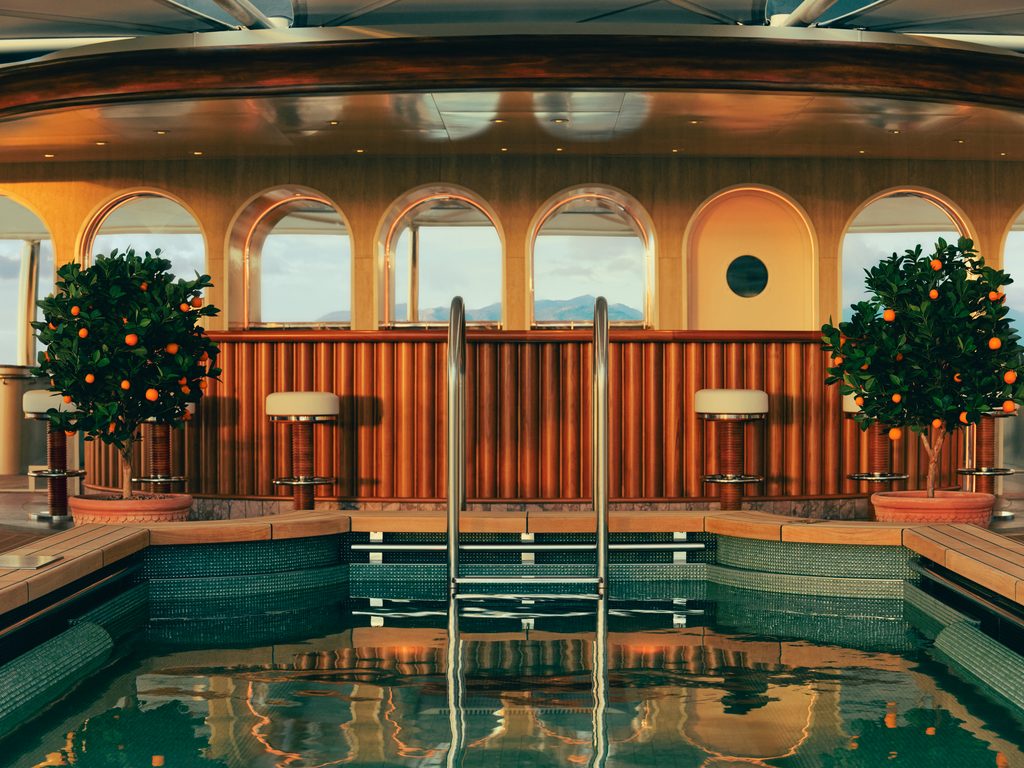
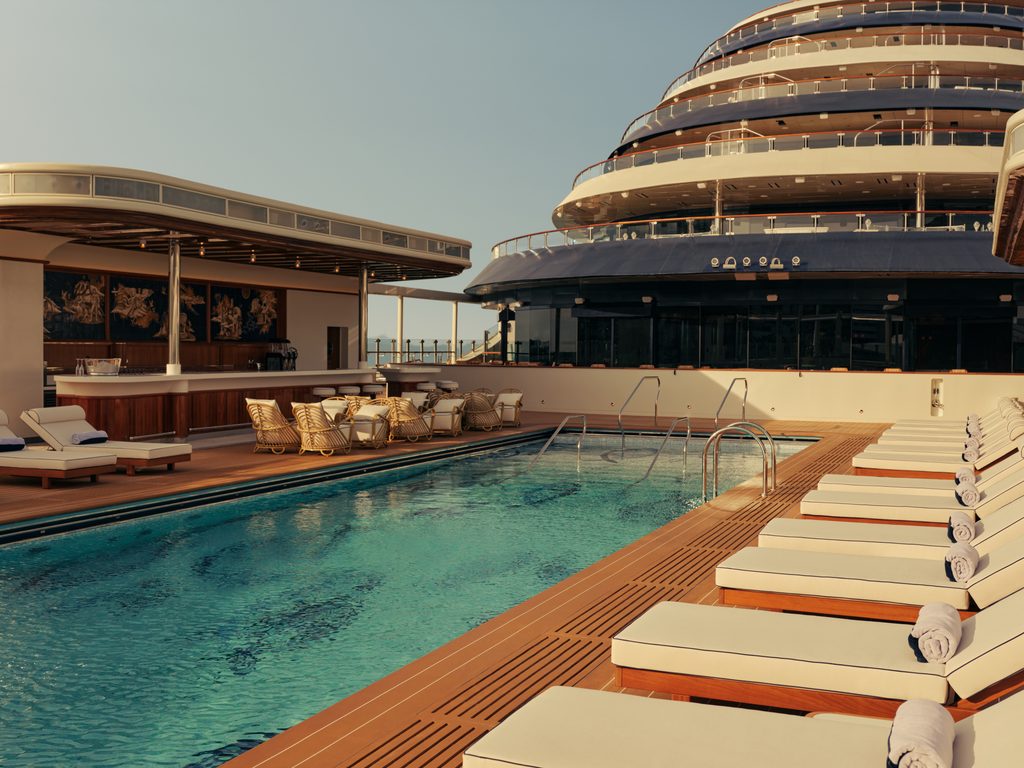
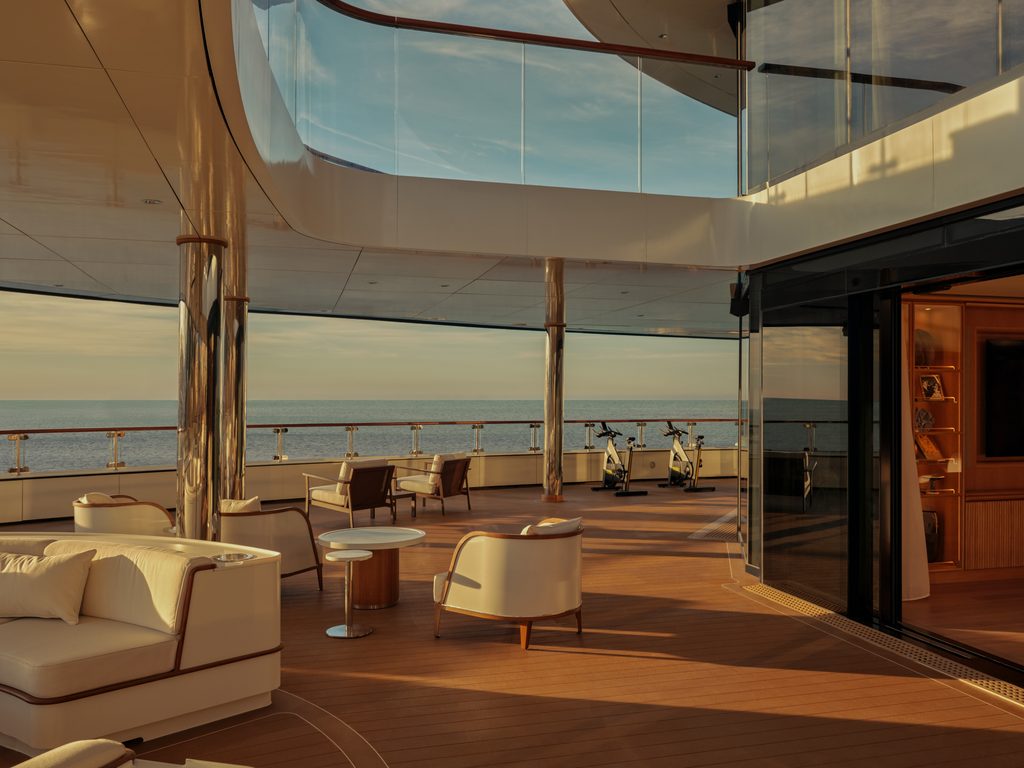
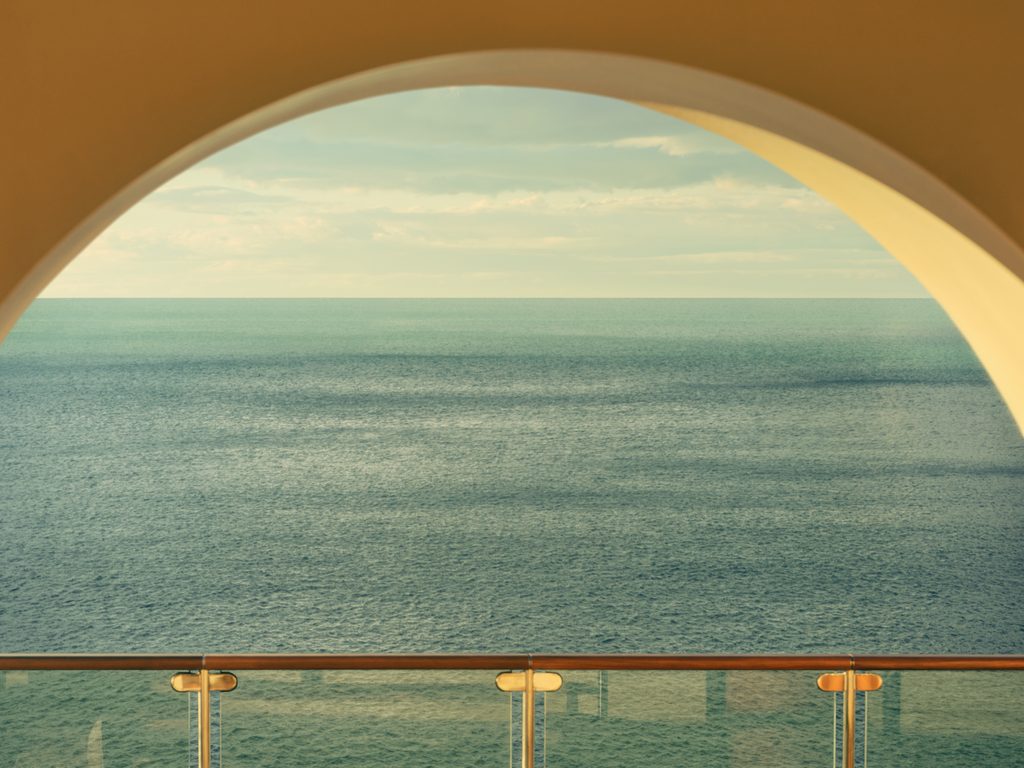
That distinction has shaped the design of Four Seasons I. At 207 metres long, with only 95 suites and no interior cabins, the vessel was conceived less as a ship than as a collection of residences facing the sea. Every suite looks outward. Windows stretch from floor to ceiling, terraces extend the rooms towards the water and interiors are deliberately restrained so that the horizon remains part of the architecture.
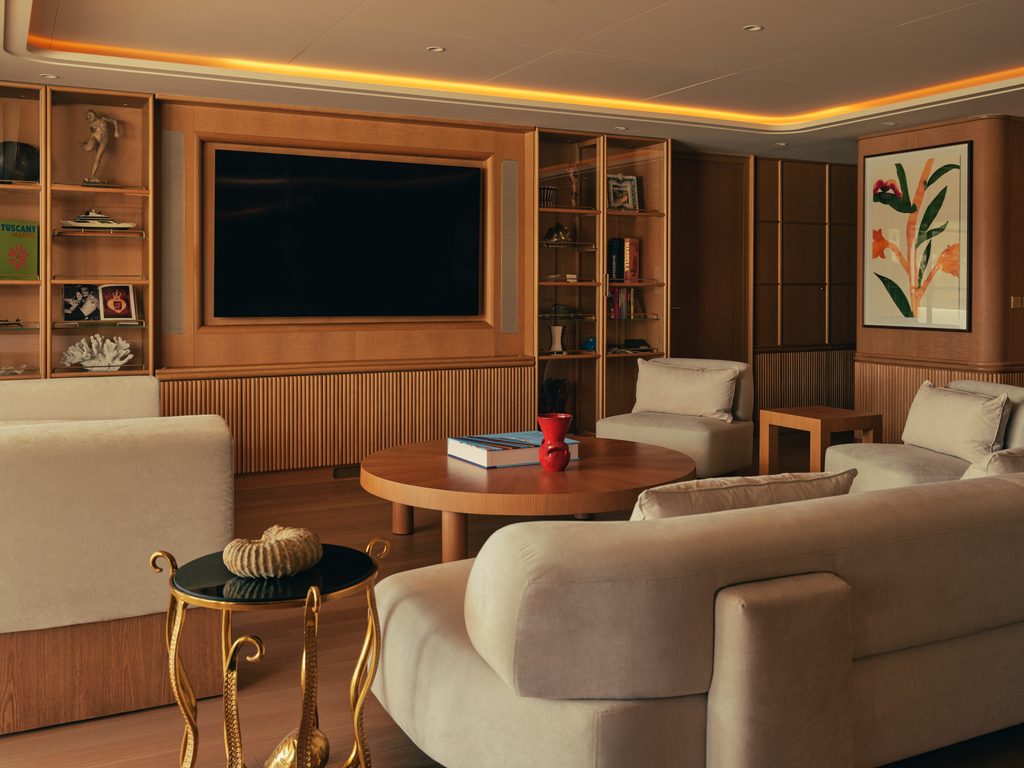
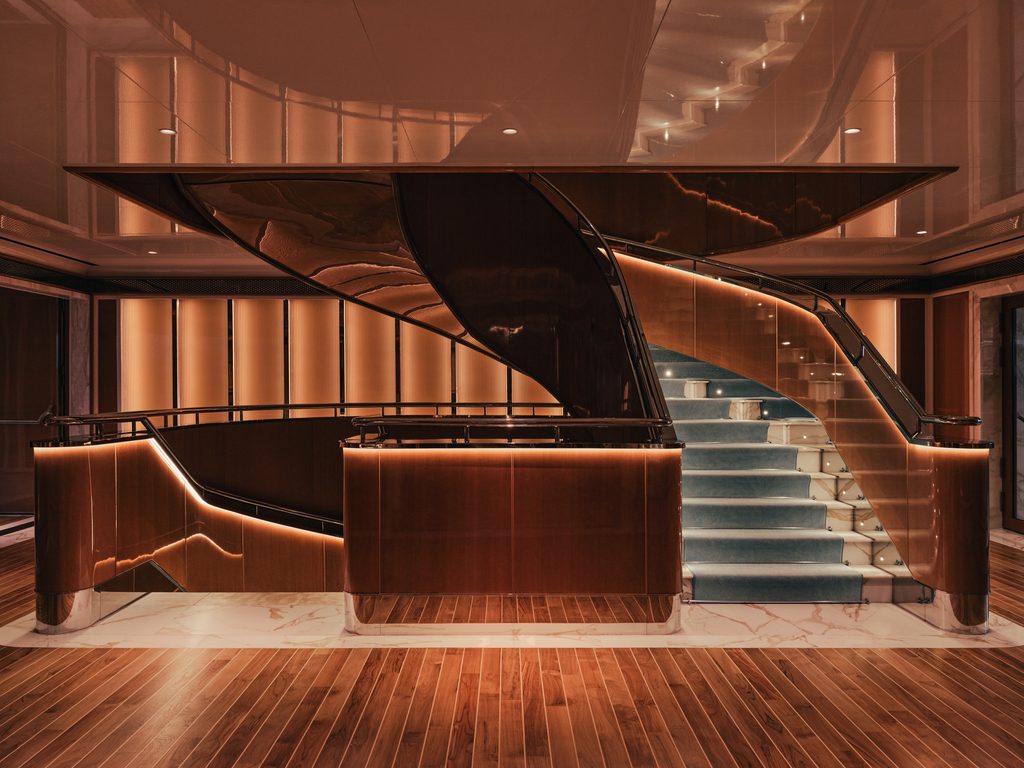
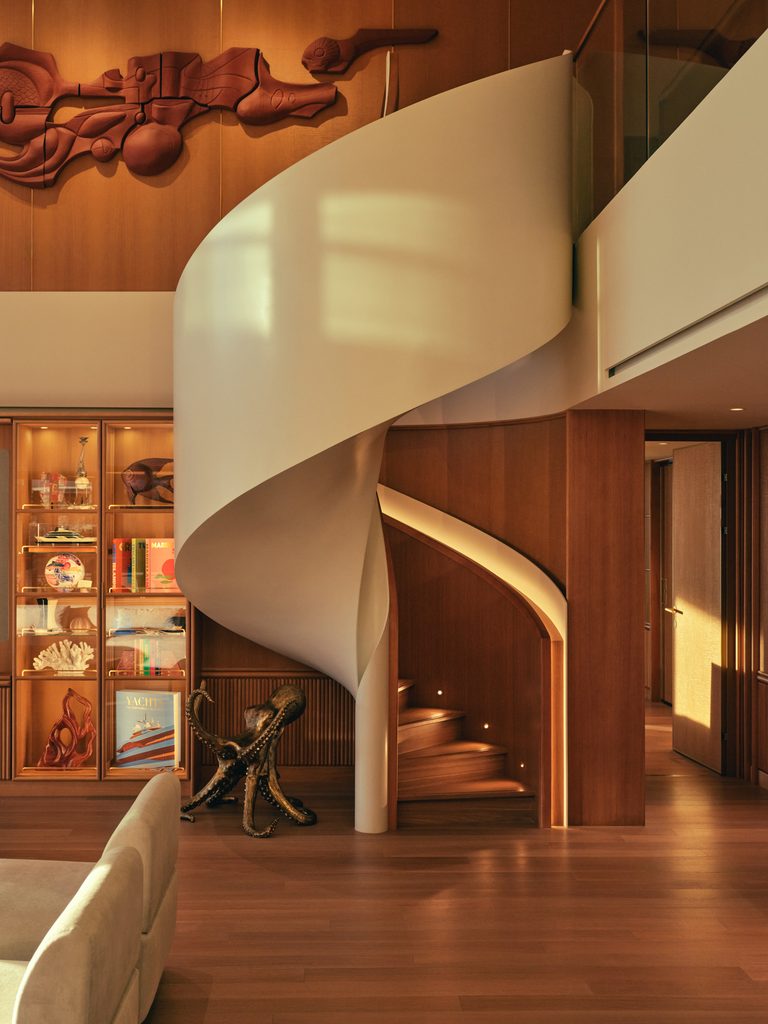
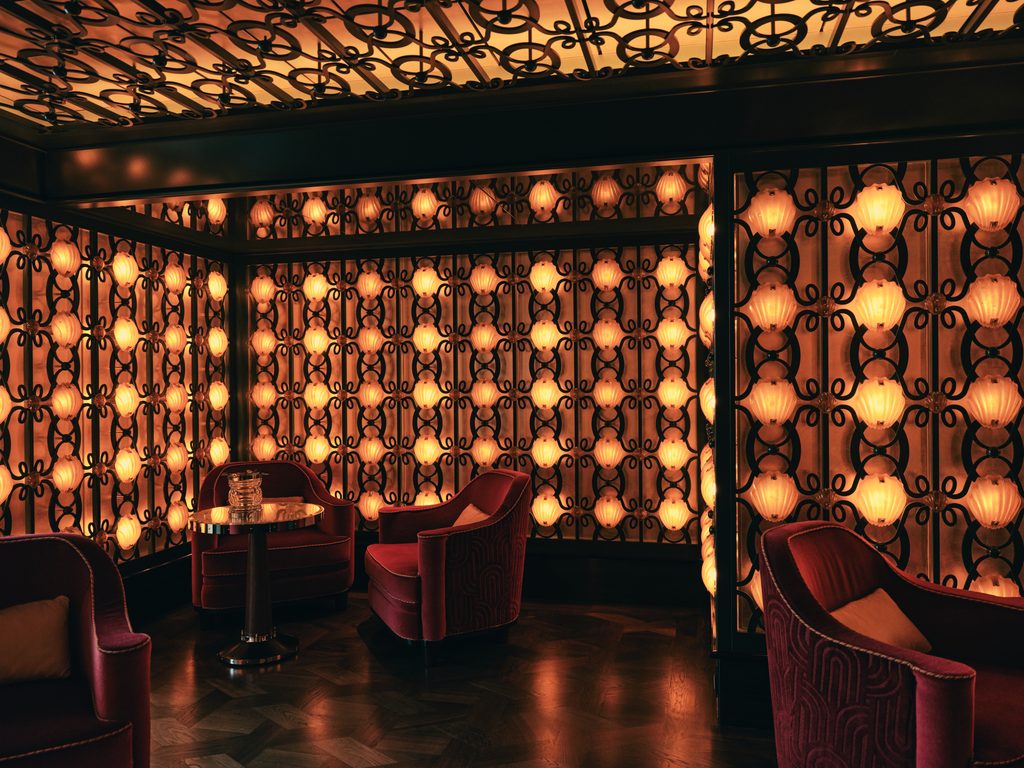
The project brings together Tillberg Design of Sweden, Martin Brudnizki Design Studio and Prosper Assouline, drawing on the glamour of the golden age of yachting and vessels such as Christina O without recreating their world. Instead, history appears through craftsmanship and detail.
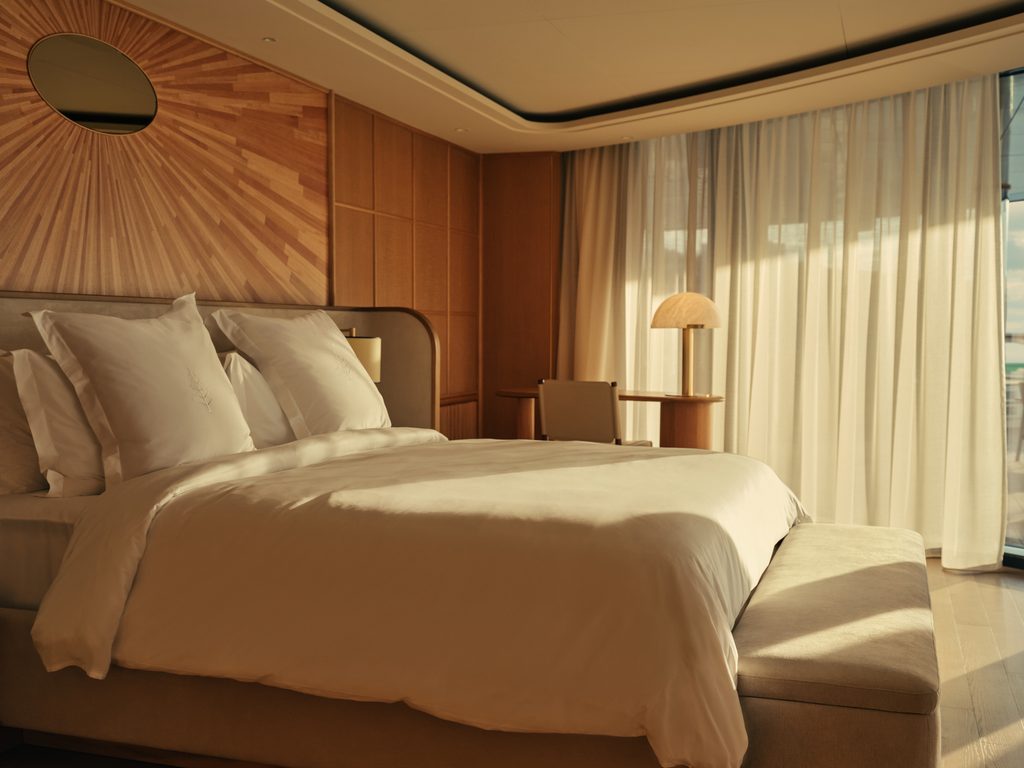
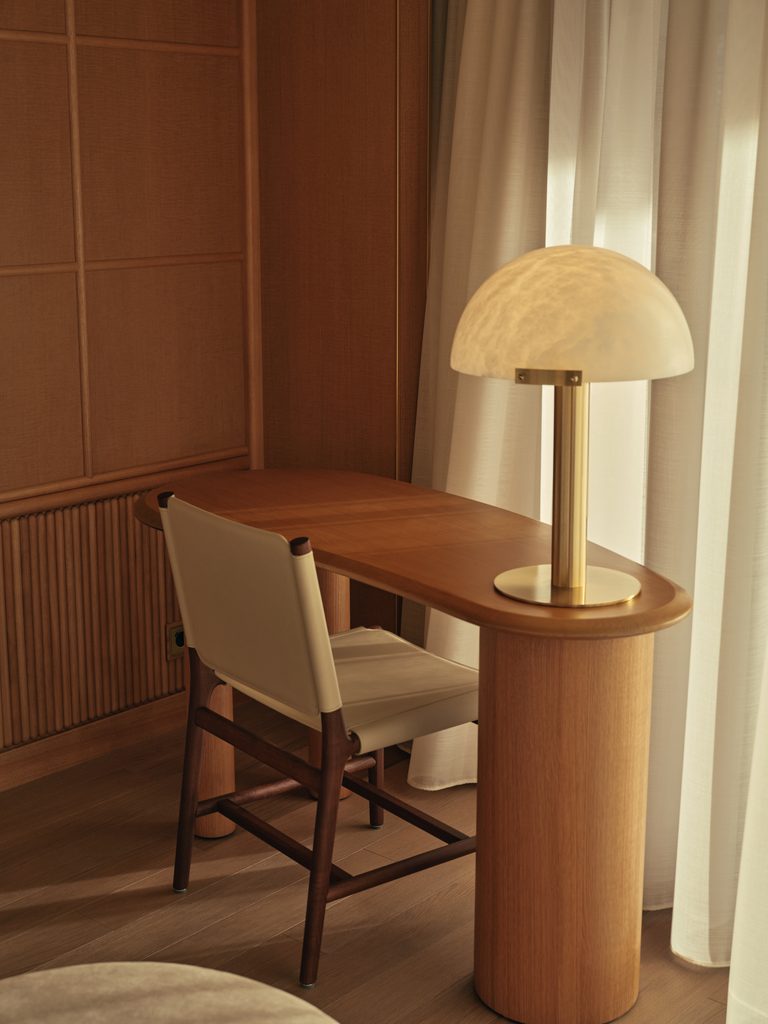
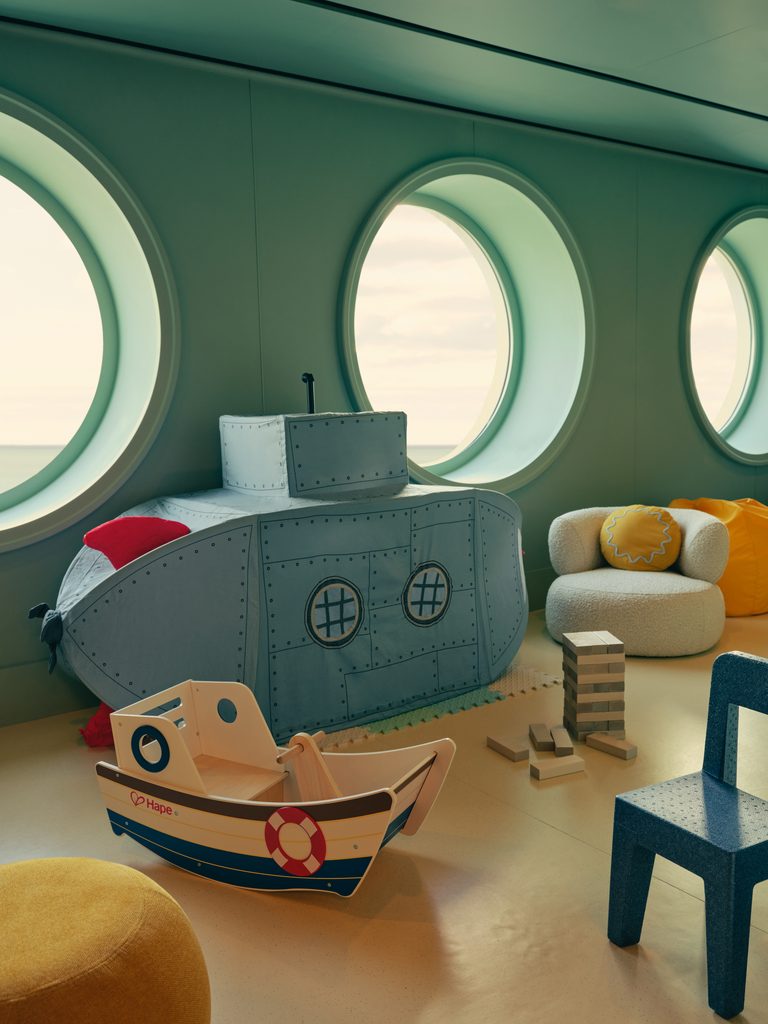
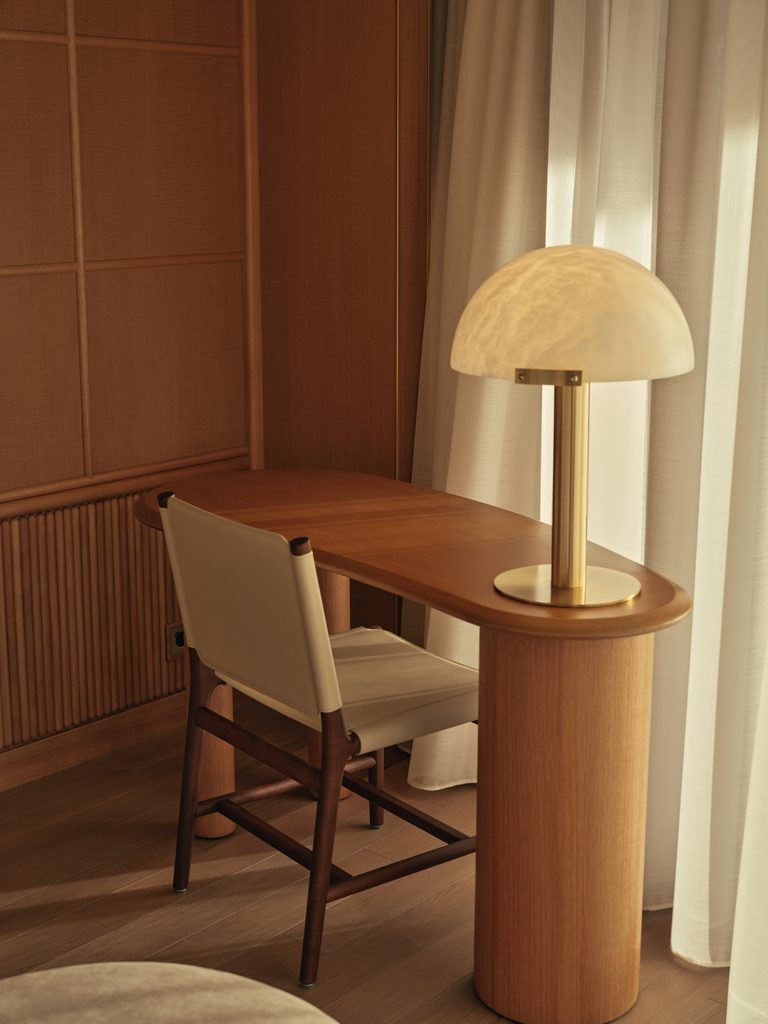
There are chairs embroidered with de Gournay and inspired by Art Deco ocean liners, historic sailing maps translated into eglomisé glass, handmade mosaics and frescoes that took weeks to complete. Artist Francesca Guicciardini hand painted murals aboard the yacht, while each suite contains a cabinet of curiosities personally assembled with objects and keepsakes selected by Assouline.

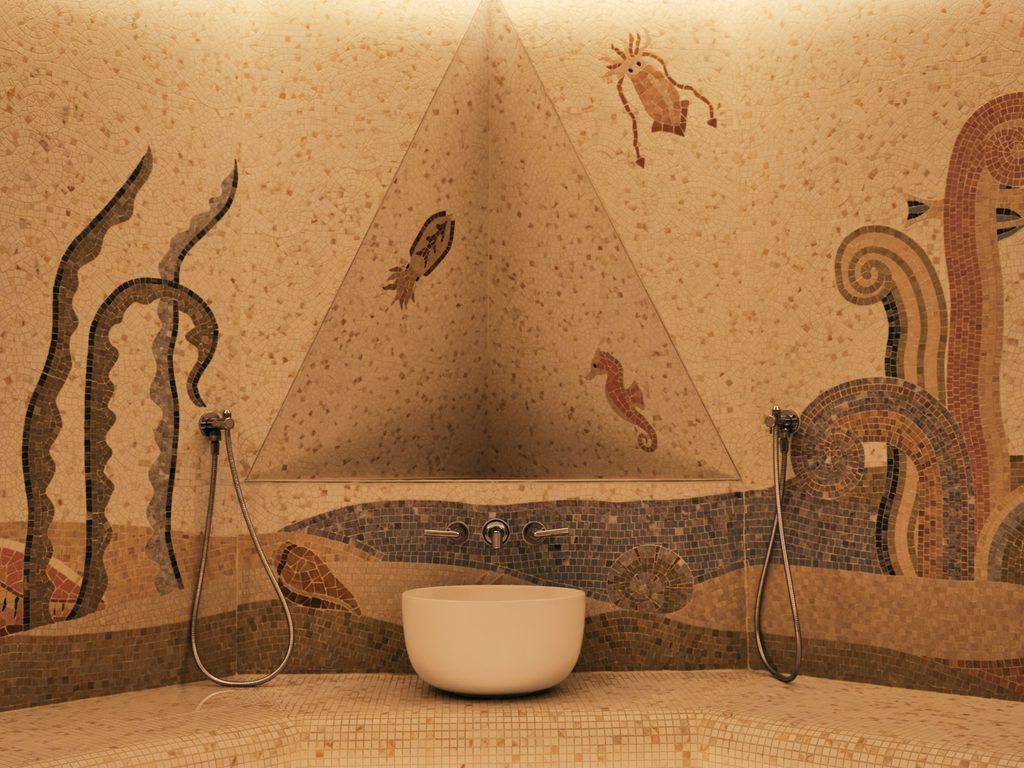
Even technology has been designed to disappear. Lighting, climate and privacy adjust to the rhythm of the day, while a transparent Bang & Olufsen screen rotates silently towards the bed when required.
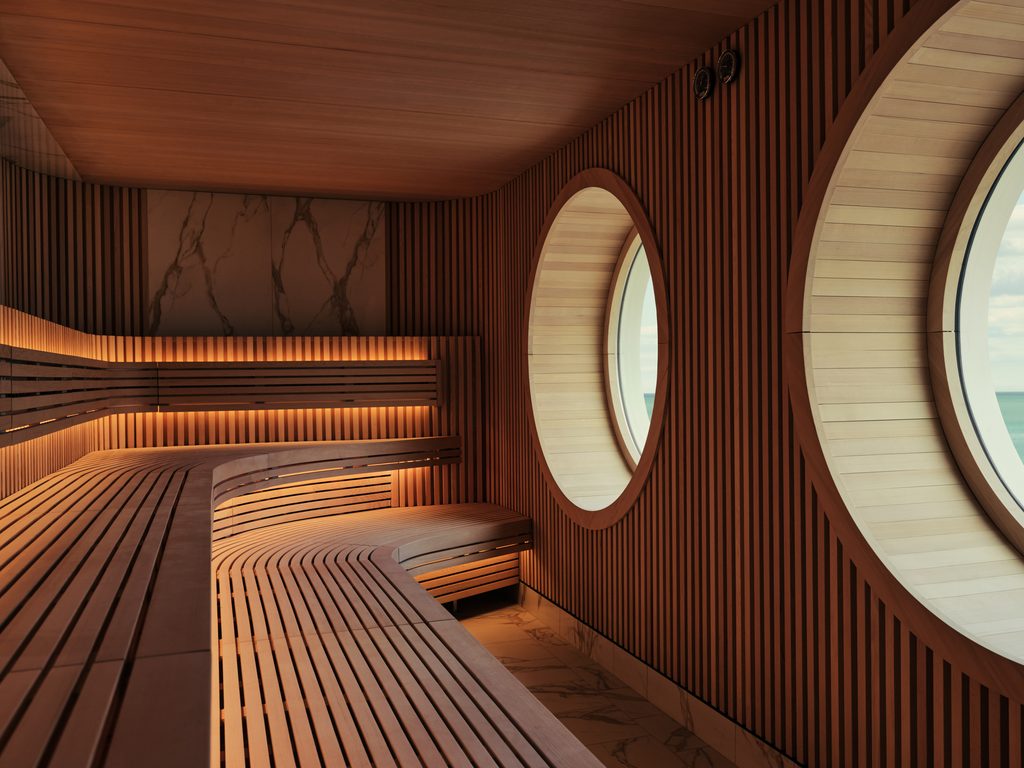
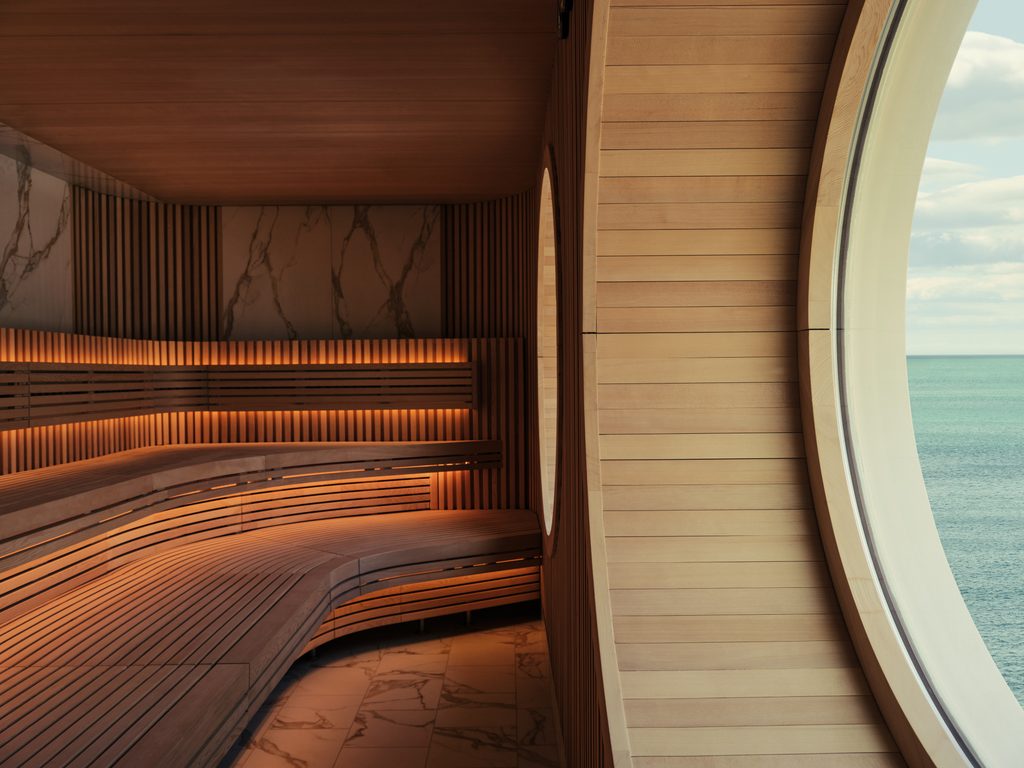
The result says something interesting about luxury now. We may travel further than ever, yet increasingly we want the places that take us there to feel less temporary. Four Seasons I ultimately proposes a different idea of inhabiting: one in which architecture remains constant while place itself is continuously changing. A home that is fixed in itself, yet perpetually redefined by the world moving around it.