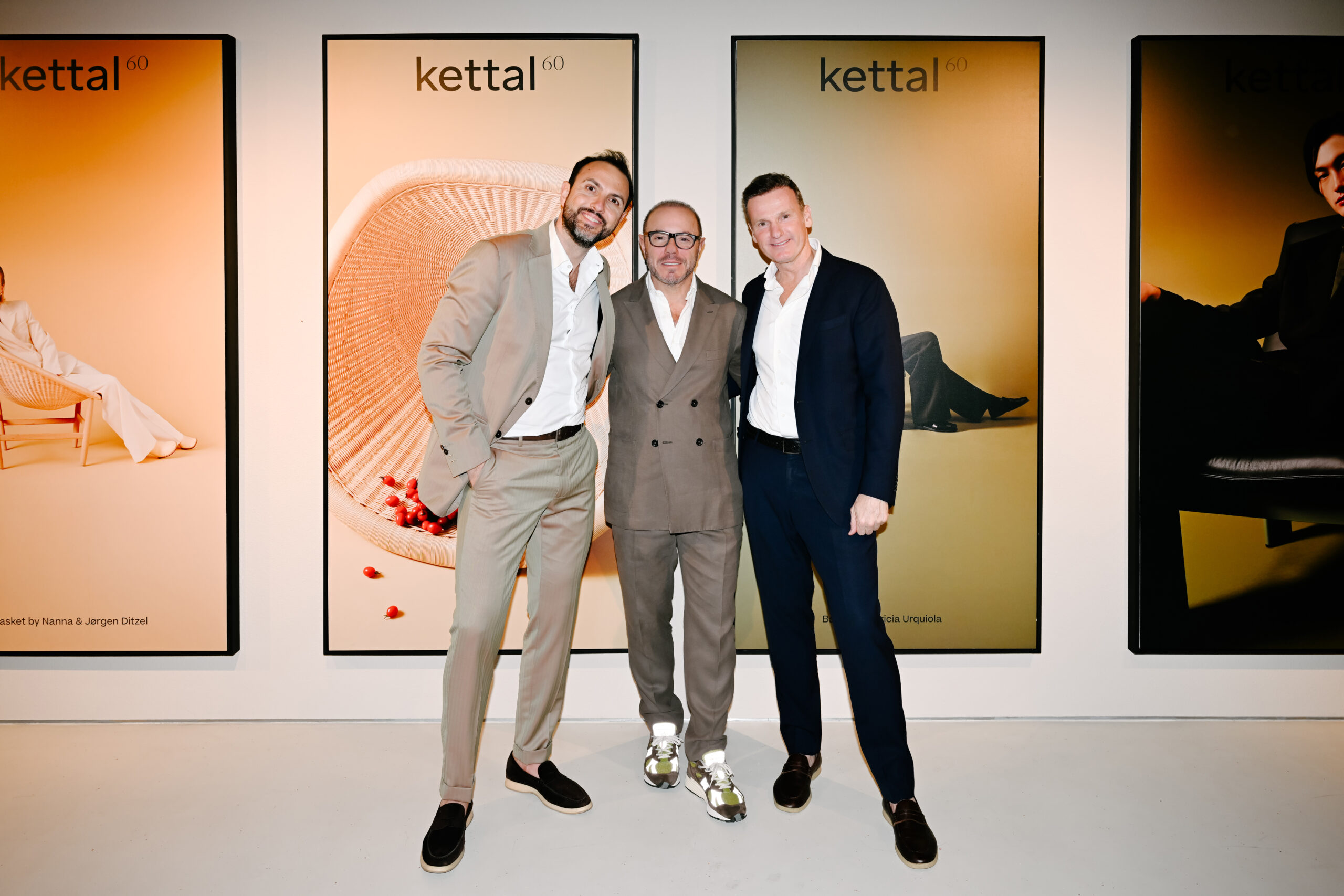
On the occasion of the opening of the Kettal showroom in Dubai, Marie Claire Maison Arabia convened a conversation with Alex Alorda, CEO of Kettal; Ruggero Ottogalli, CEO of Atelio; and Elie Khouri, Founder and Chairman of Vivium — to examine how architecture, climate, and long-term cultural investment are reshaping the design landscape of the Middle East.
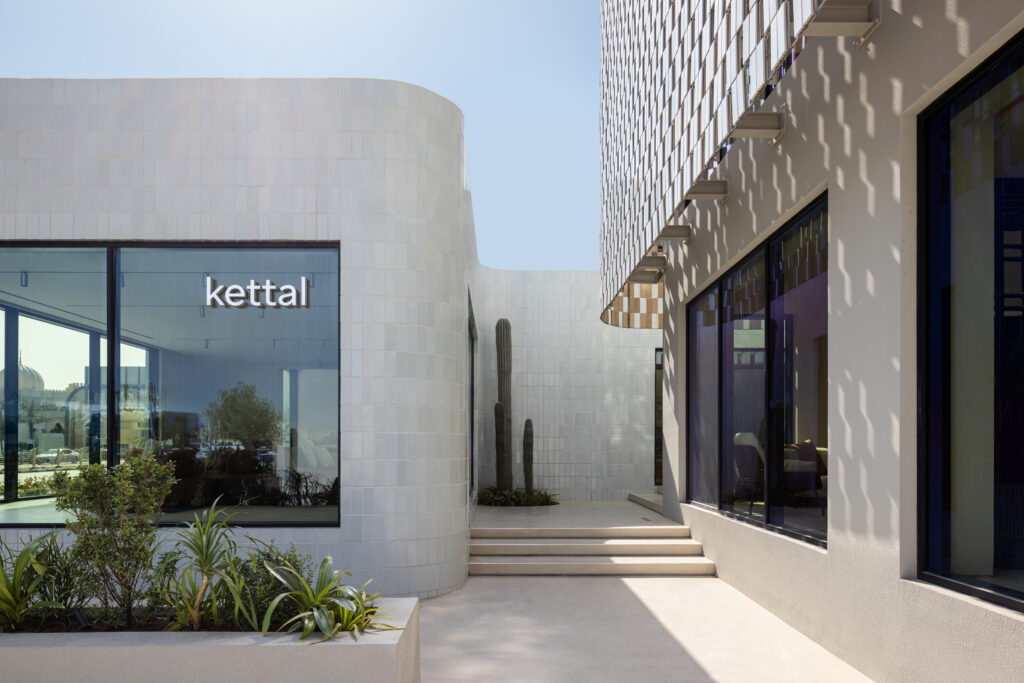
Kettal has long blurred the line between furniture and architecture. How do you see this philosophy evolving as the brand establishes a permanent presence in the Middle East?
Alex Alorda — CEO, Kettal: “For Kettal, furniture has never been an isolated object. We design pieces that behave like architecture — they define rooms.
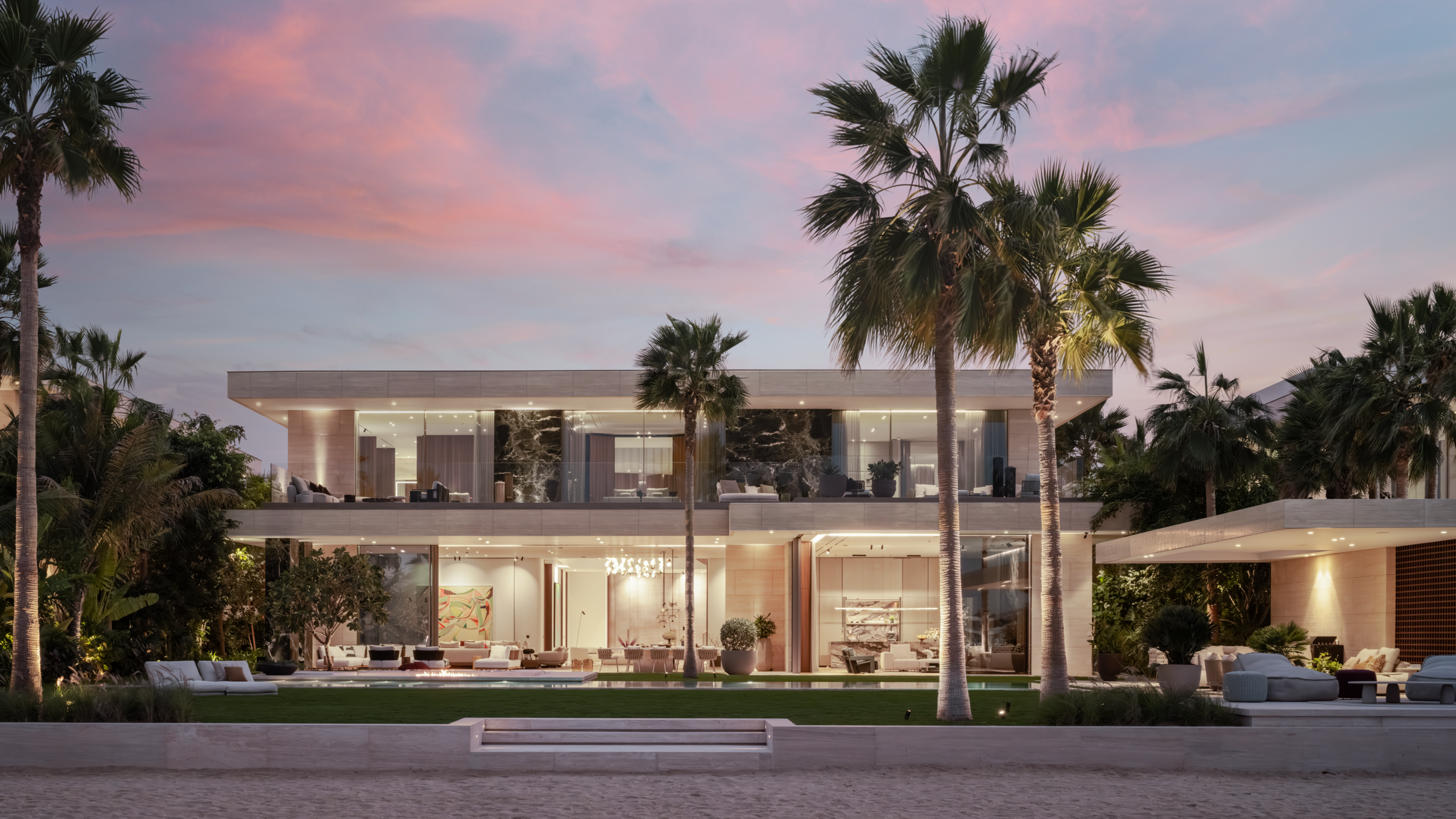
Our presence here allows us to work even more closely with architects and developers, becoming a true partner in the conception of spaces, from hospitality and residential projects to work environments. We see Kettal not just as a furniture brand, but as a provider of architectural systems for outdoor and semi-outdoor living — pergolas, pavilions, shading structures, and modular environments that respond to heat, sun, and social life.
In this region, the boundary between inside and outside is being redefined, and Kettal can play a key role in shaping that new way of living.”
Mediterranean living is central to Kettal’s DNA. What elements of this culture translate most naturally to life in Dubai — and which ones required reinterpretation?
Alex Alorda — CEO, Kettal: “What translates most naturally is the spirit of living outdoors. The Mediterranean way of life is about extending the home into terraces, gardens, and courtyard spaces for gathering, resting, and sharing. Dubai, in its own way, shares this desire for open living, especially in villas, resorts, and rooftop environments.
What requires reinterpretation is the climate and the cultural context. In Dubai, it needs to be carefully designed — shade, cooling, privacy, and materials that perform under extreme conditions become essential. We adapt by integrating technology and architectural thinking: structures that filter light, create microclimates, and deliver comfort in extreme conditions.”
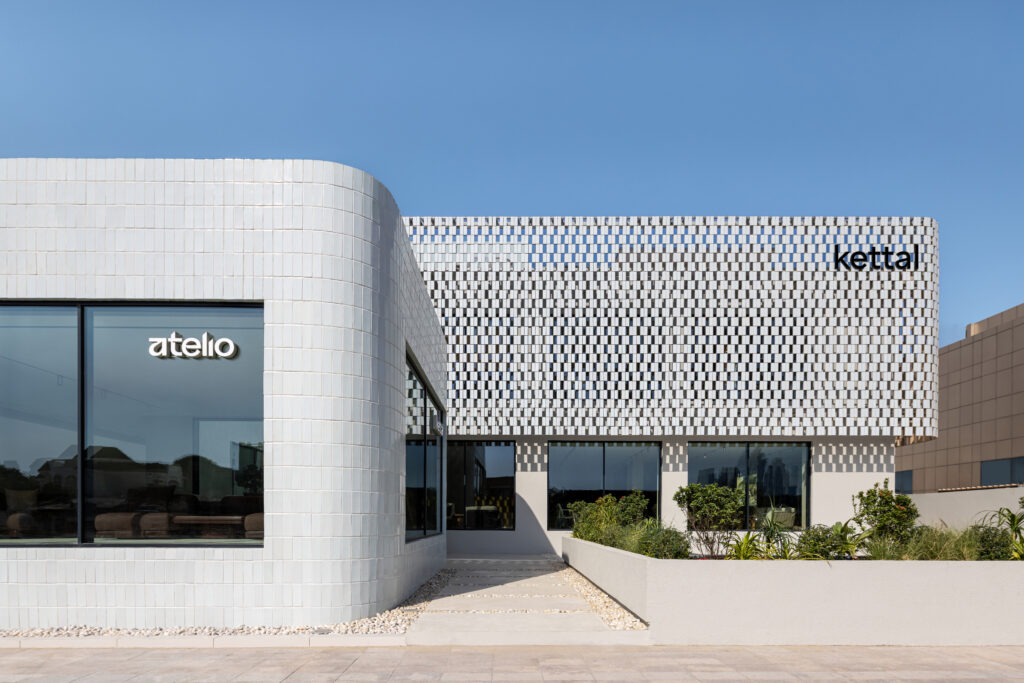
Atelio positions itself beyond traditional retail. How do you approach the responsibility of translating global design brands into a regional lifestyle context?
Ruggero Ottogalli — CEO, Atelio: “Atelio is a bridge between global design excellence and the way people live in this region. Our role is to ensure that each brand is experienced in a way that remains authentic to its DNA, while responding naturally to local architecture, climate, and lifestyle.
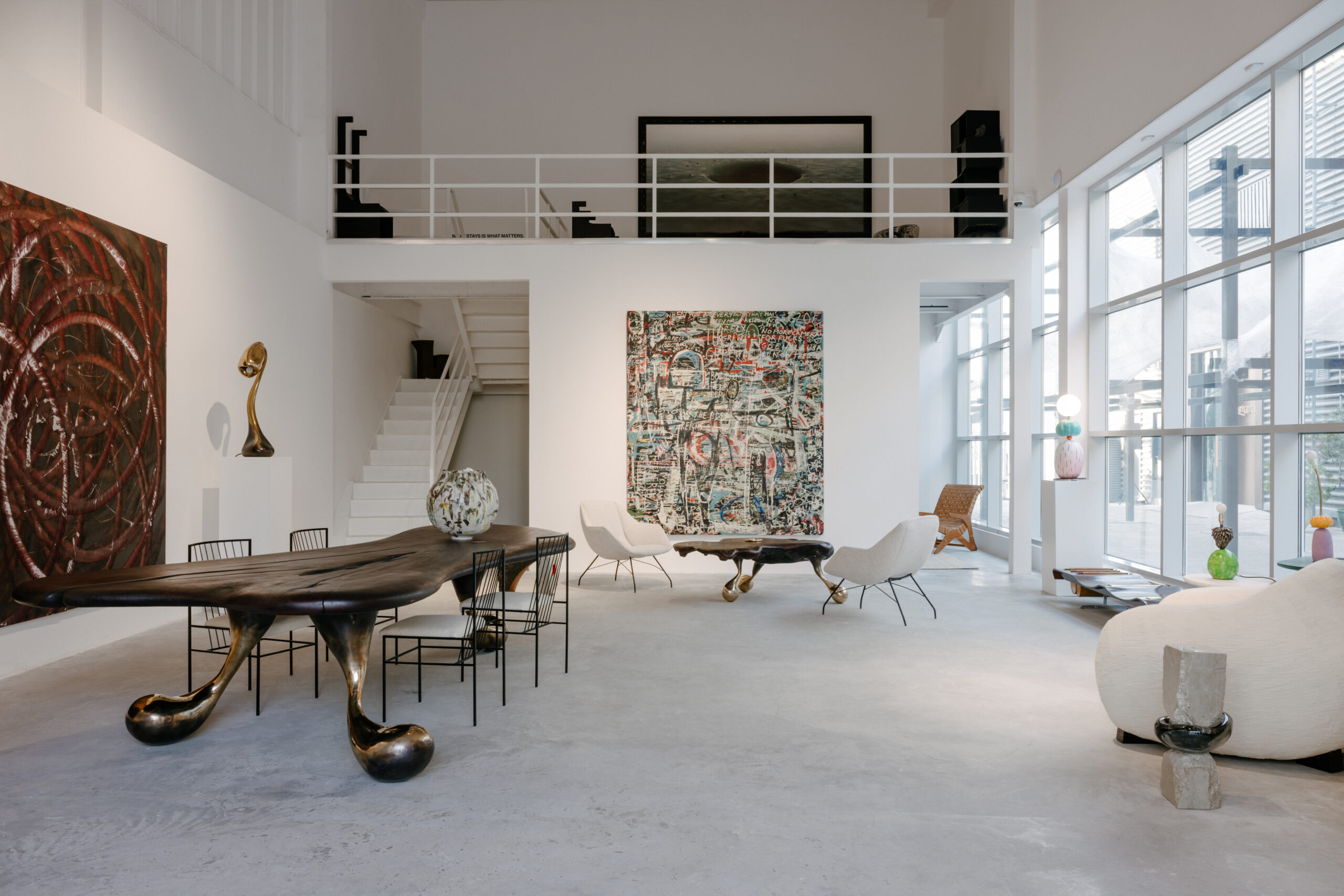
This means going beyond product display and focusing on atmosphere, proportion, and use. Each space is conceived as a destination — a working environment for architects and designers, and an accessible, immersive experience for end users. Allowing brands to be understood in real spatial contexts, not just for how they look, but for how they perform and live within everyday environments.”
In your view, how is the role of the design curator changing as clients seek more meaningful, experience-driven spaces rather than objects?
Ruggero Ottogalli — CEO, Atelio: “The curator today is no longer simply selecting pieces; they are shaping experiences. Clients are looking for spaces that feel coherent, comfortable, and emotionally engaging, rather than collections of objects.
Our role is to bring clarity, to curate with intention — ensuring that design serves daily life while maintaining a sense of beauty and excellence. It is about balance: between aesthetics and function, brand identity and personal expression — creating spaces that feel both considered and lived in.”
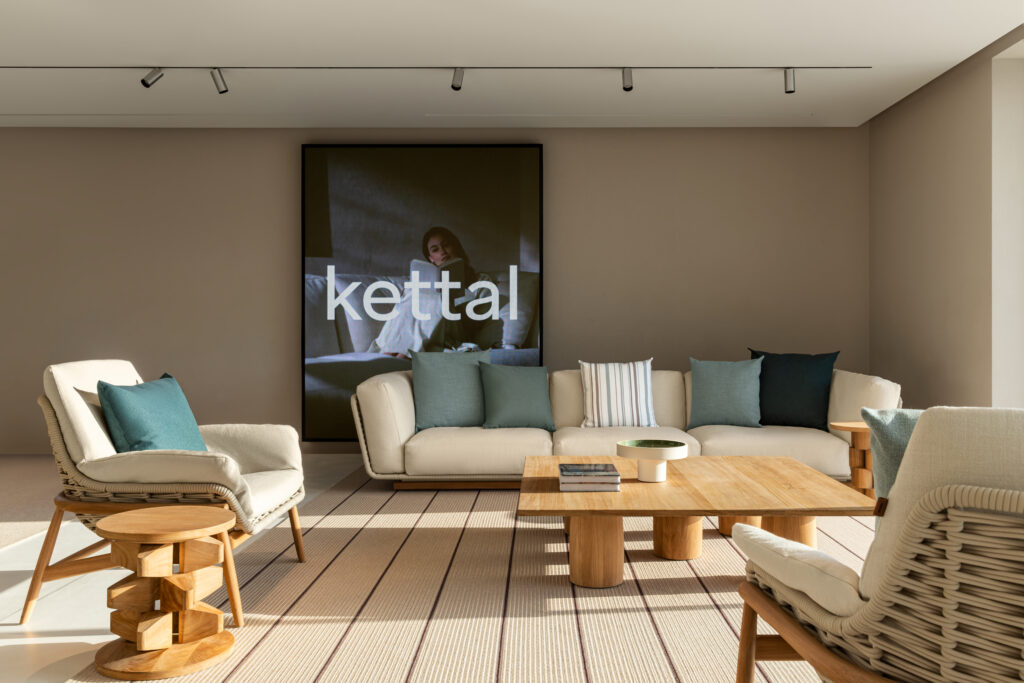
Vivium invests in design as a long-term cultural asset. Why is it important today to support brands through architectural and experiential spaces rather than conventional retail?
Elie Khouri — Founder & Chairman, Vivium: “Because architecture creates understanding, not just visibility. Conventional retail is transactional and short-term. Architectural and experiential spaces allow brands to be experienced with depth, clarity, and time.
When brands are supported through permanent, well-considered environments, they become part of the cultural fabric rather than passing moments. That is where long-term value is built.”
How do you see design contributing to the cultural and urban maturity of cities like Dubai in the years to come?
Elie Khouri — Founder & Chairman, Vivium: “Design shapes how cities mature over time. It influences how people live, gather, and relate to their surroundings.
In cities like Dubai, design has an important role to play in adding depth through quality, permanence, and intention. Over time, this contributes to a more confident urban culture and a clearer sense of identity.”