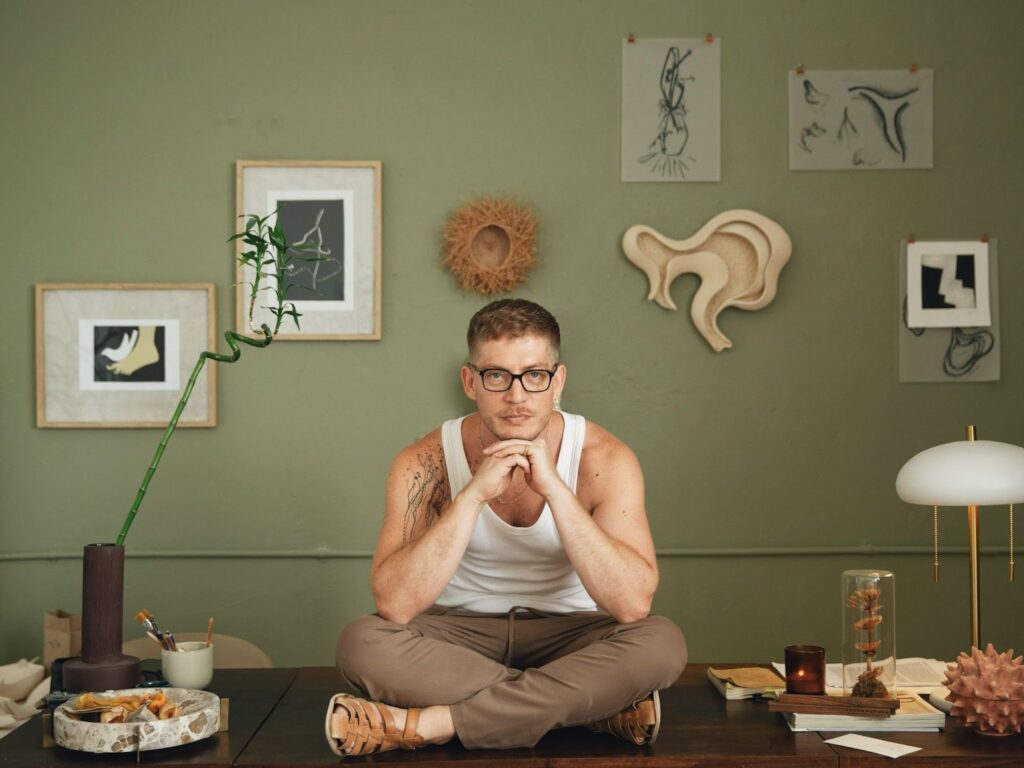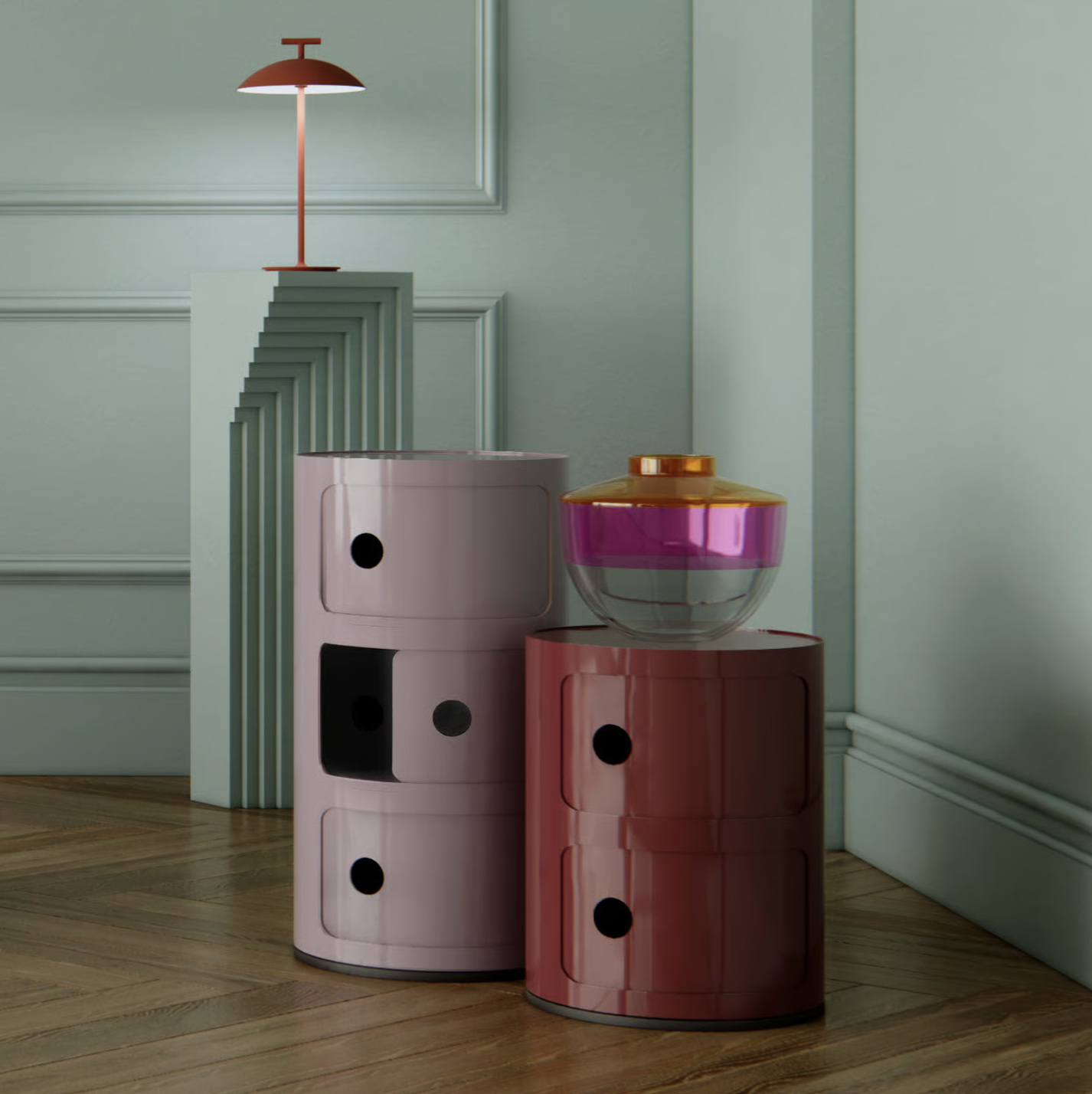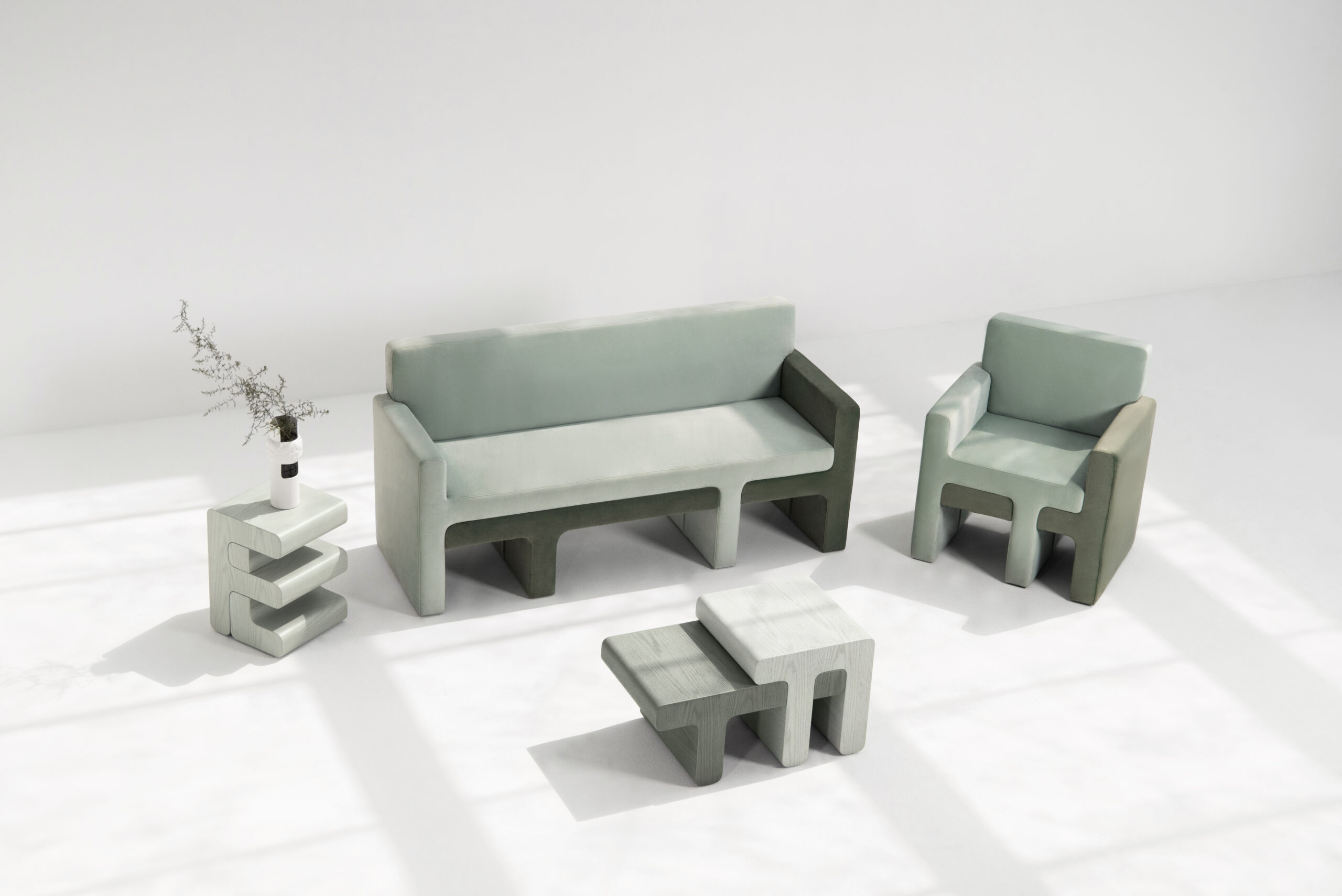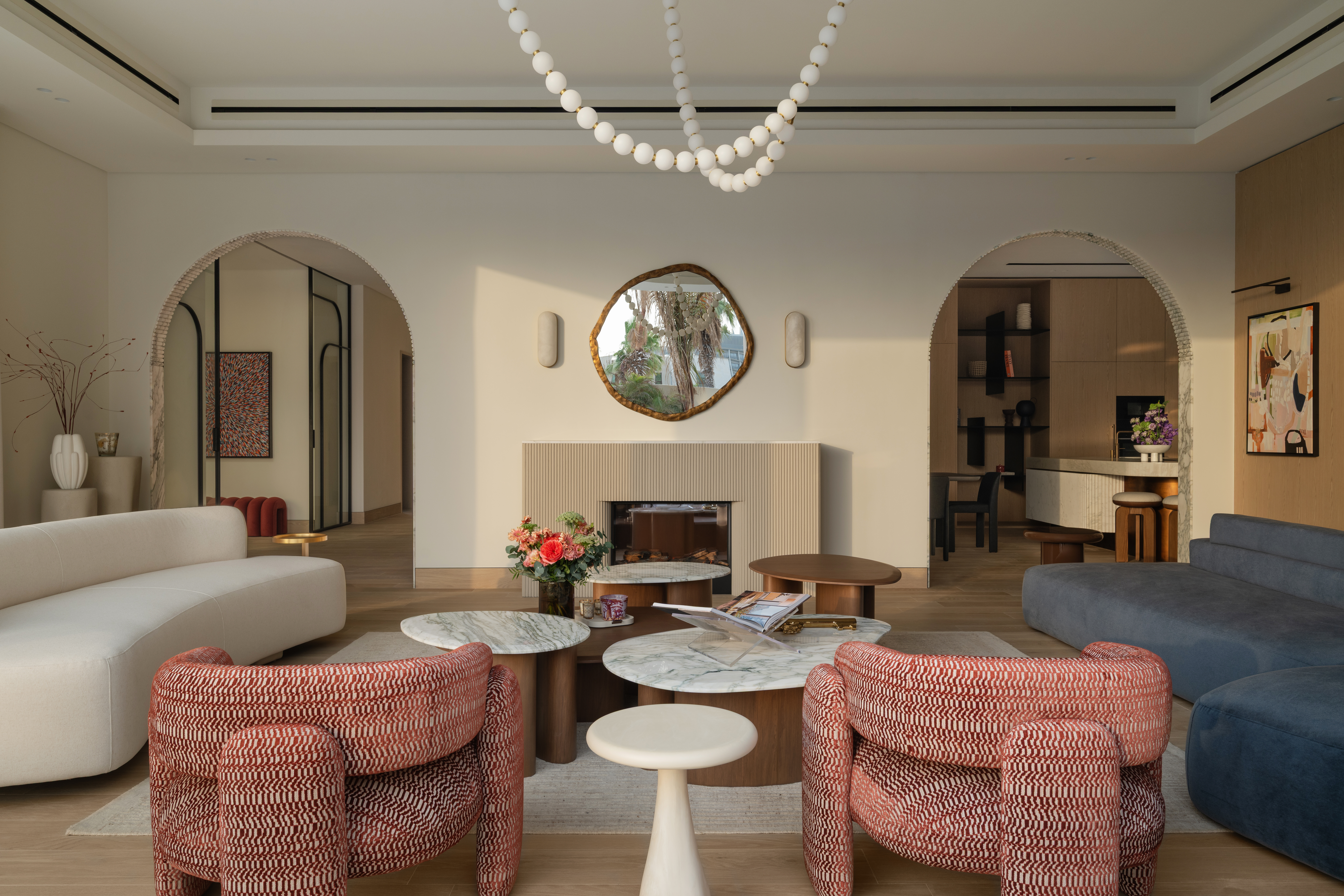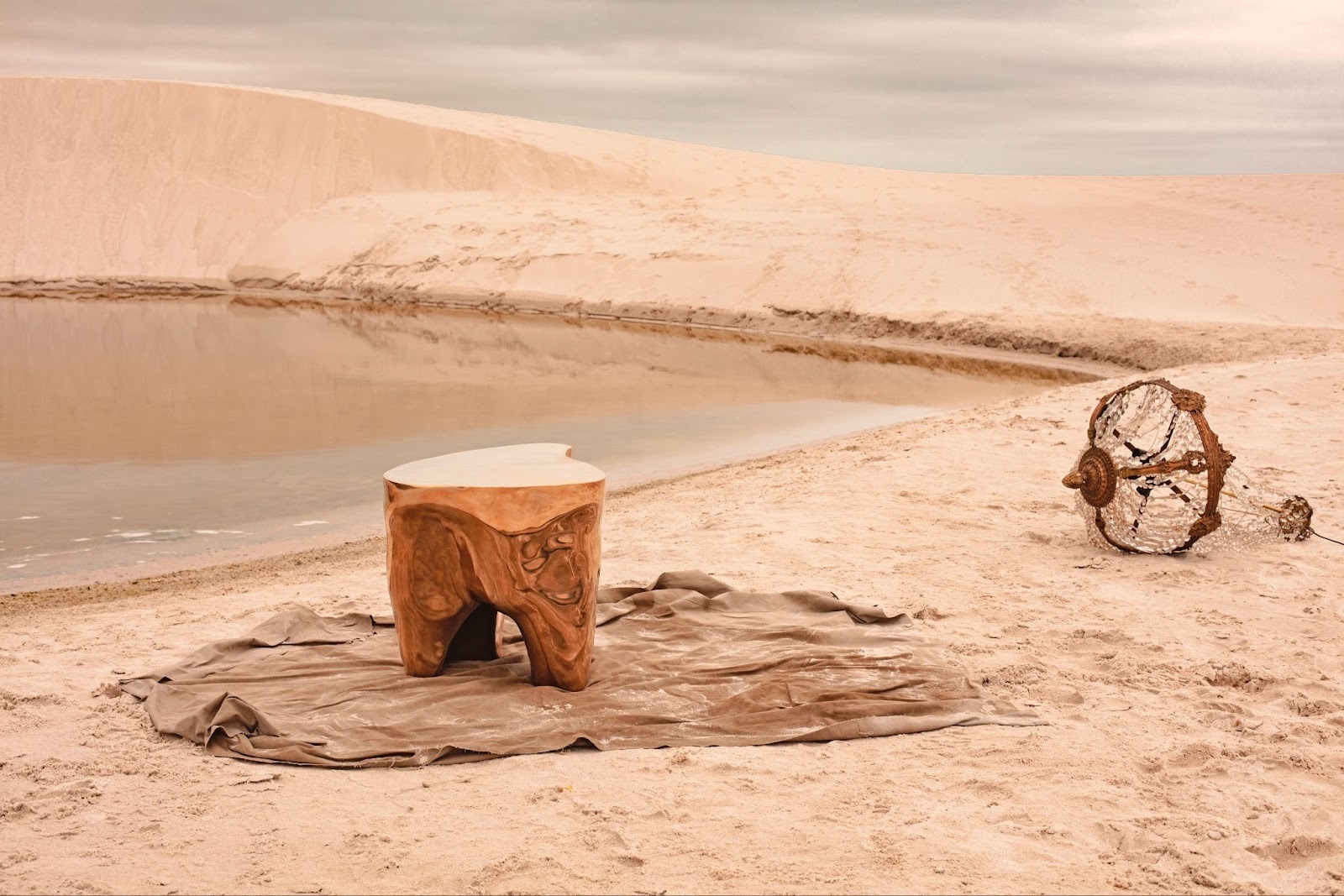
There is a quiet ambiguity in the work of Jan Ernst, where objects seem less designed than discovered. His pieces unfold like living forms, suspended between the logic of structure and the freedom of imagination. Ceramics ripple into soft silhouettes, lighting diffuses through sculptural gestures, and surfaces carry the trace of a hand that resists rigidity. What emerges is a language that feels instinctive yet deliberate, grounded yet dreamlike.
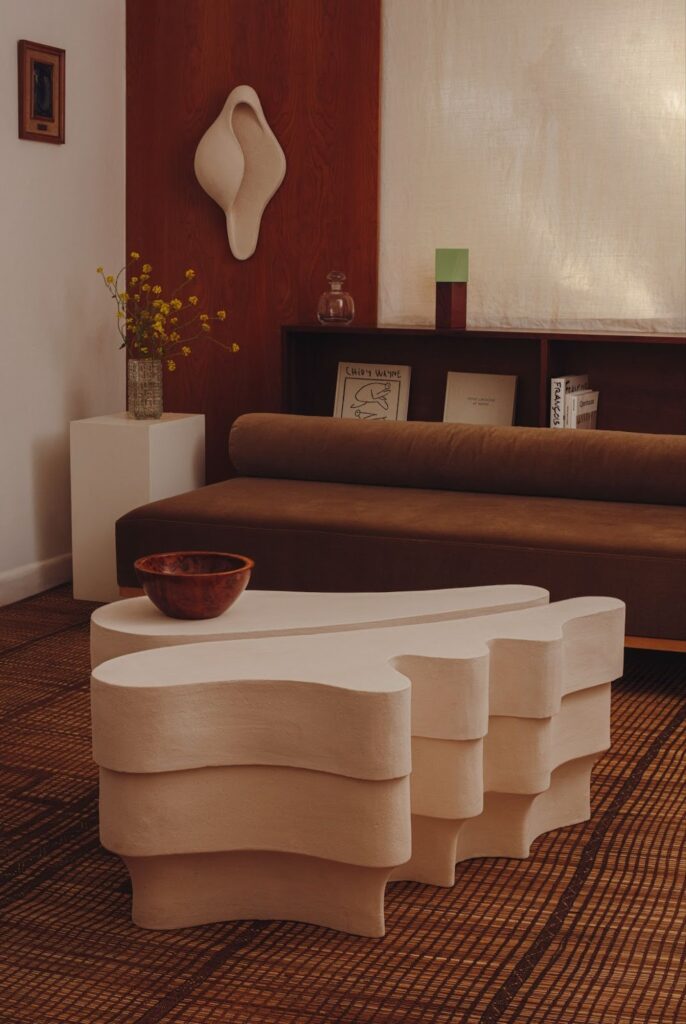
Ernst moves fluidly across disciplines, positioning himself not within a single category but at the intersection of art, architecture, and design. “My work moves fluidly between disciplines: it is concept-driven and sculptural, but also often functional and rooted in material exploration,” he reflects. This duality is not a contradiction but a methodology. Each object negotiates a tension between intuition and precision, between expressive form and spatial logic.
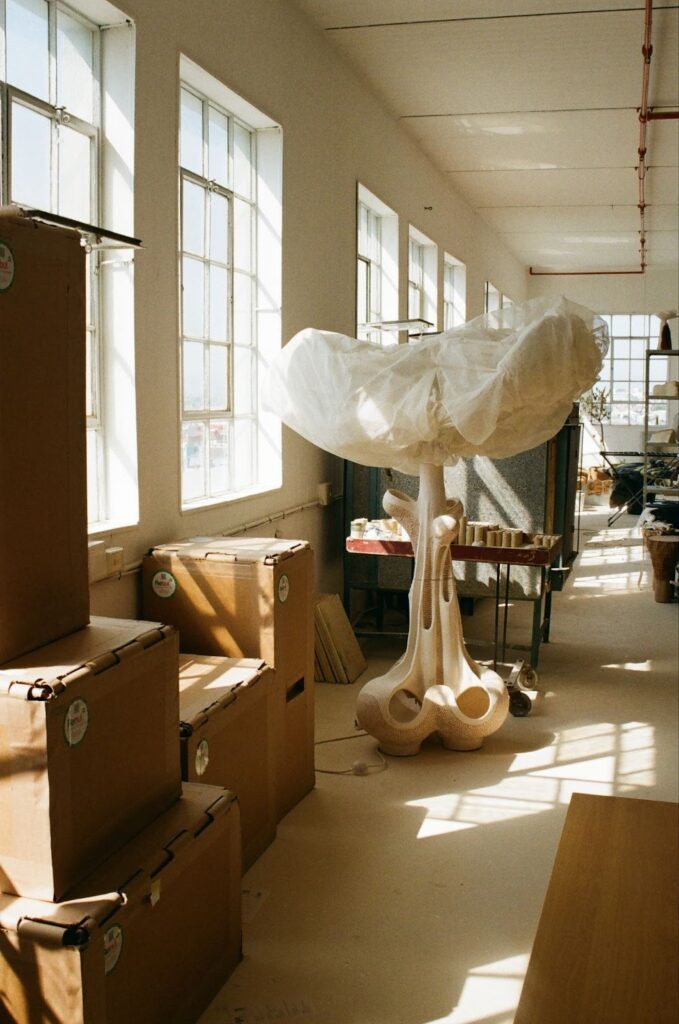
His trajectory reveals a layered sensibility shaped by geography and memory. Raised in South Africa within an agricultural context, Ernst developed an early sensitivity to natural rhythms, to growth, erosion, and transformation. Later, his architectural training in Barcelona refined this instinct through structure, influenced by a tradition where ornament and form dissolve into one another. Yet it was a return to the tactile, through ceramics and sculpture, that allowed his practice to fully emerge. “That led me to ceramics and sculpture, mediums that allowed me to work more intuitively,” he notes, describing a shift toward a more immediate and sensory engagement with material.
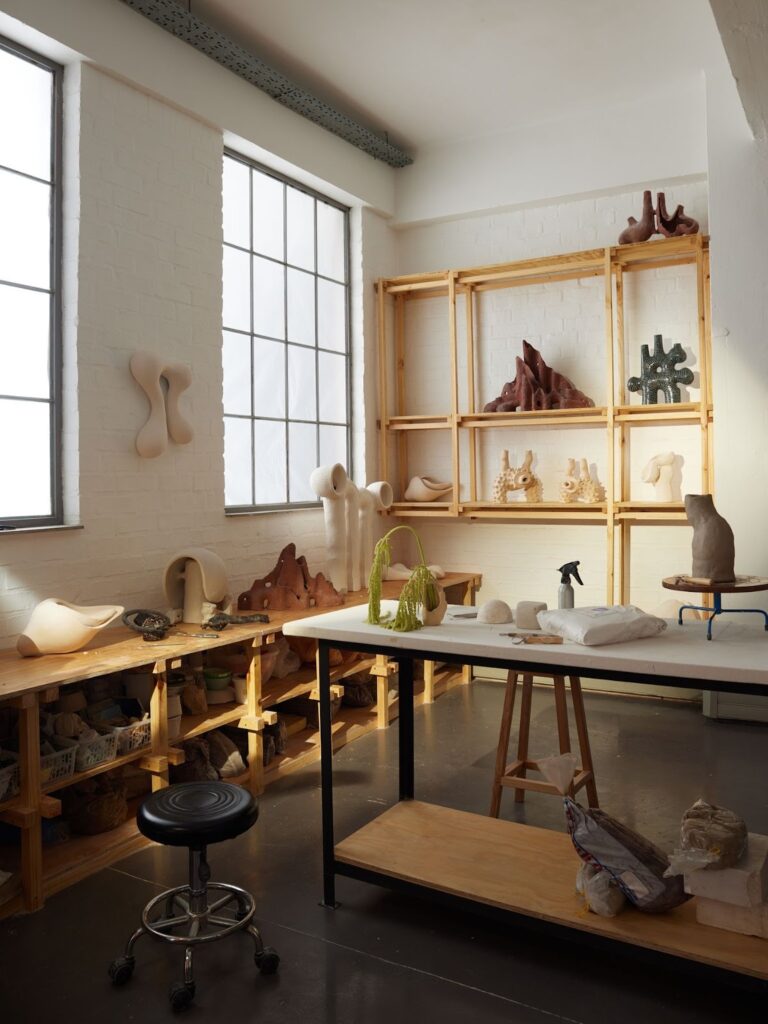
Materiality remains central to his work, not as a constraint but as a collaborator. Plaster, bronze, ceramic, and soon glass, each introduce their own logic, guiding the evolution of form. The dialogue between matte and reflective, dense and translucent, becomes a narrative in itself. In works such as his monumental chandeliers and large scale murals, this exploration expands into space, where objects begin to shape atmosphere rather than simply occupy it.
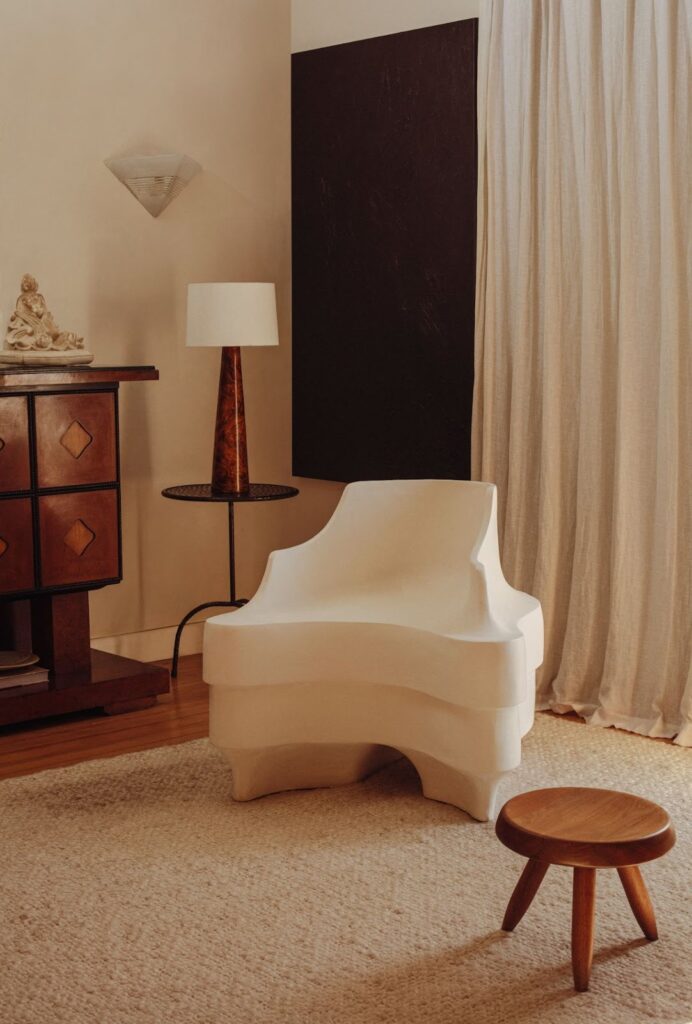
Underlying this practice is a distinctly contemporary African perspective, one that embraces heritage without being bound by it. “My work is a reflection of the rich traditions of craftsmanship and storytelling that Africa has long been known for, but it also embraces the global contemporary design landscape,” Ernst explains. It is precisely within this balance that his work resonates, articulating a vision of design that is at once rooted, evolving, and profoundly human.