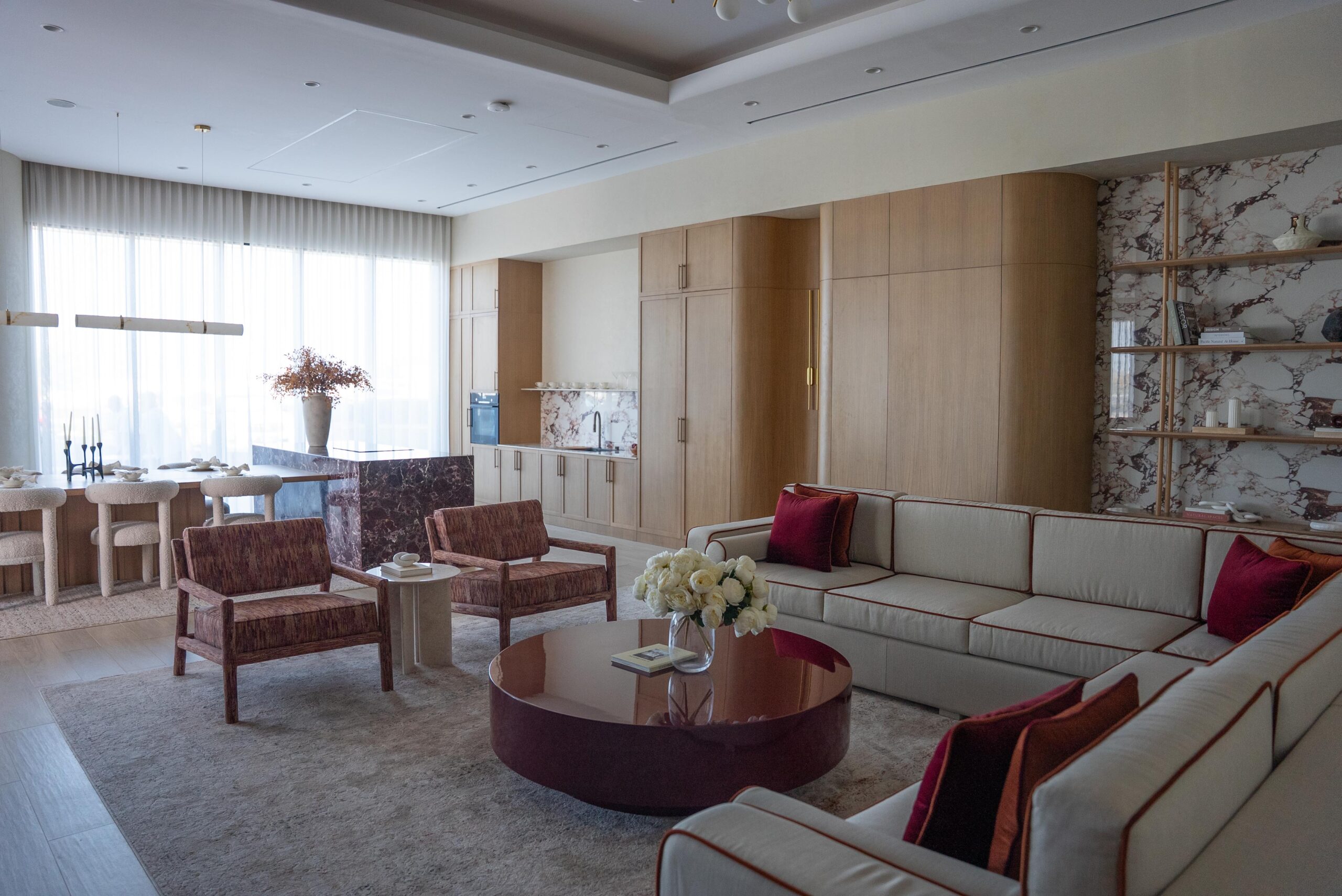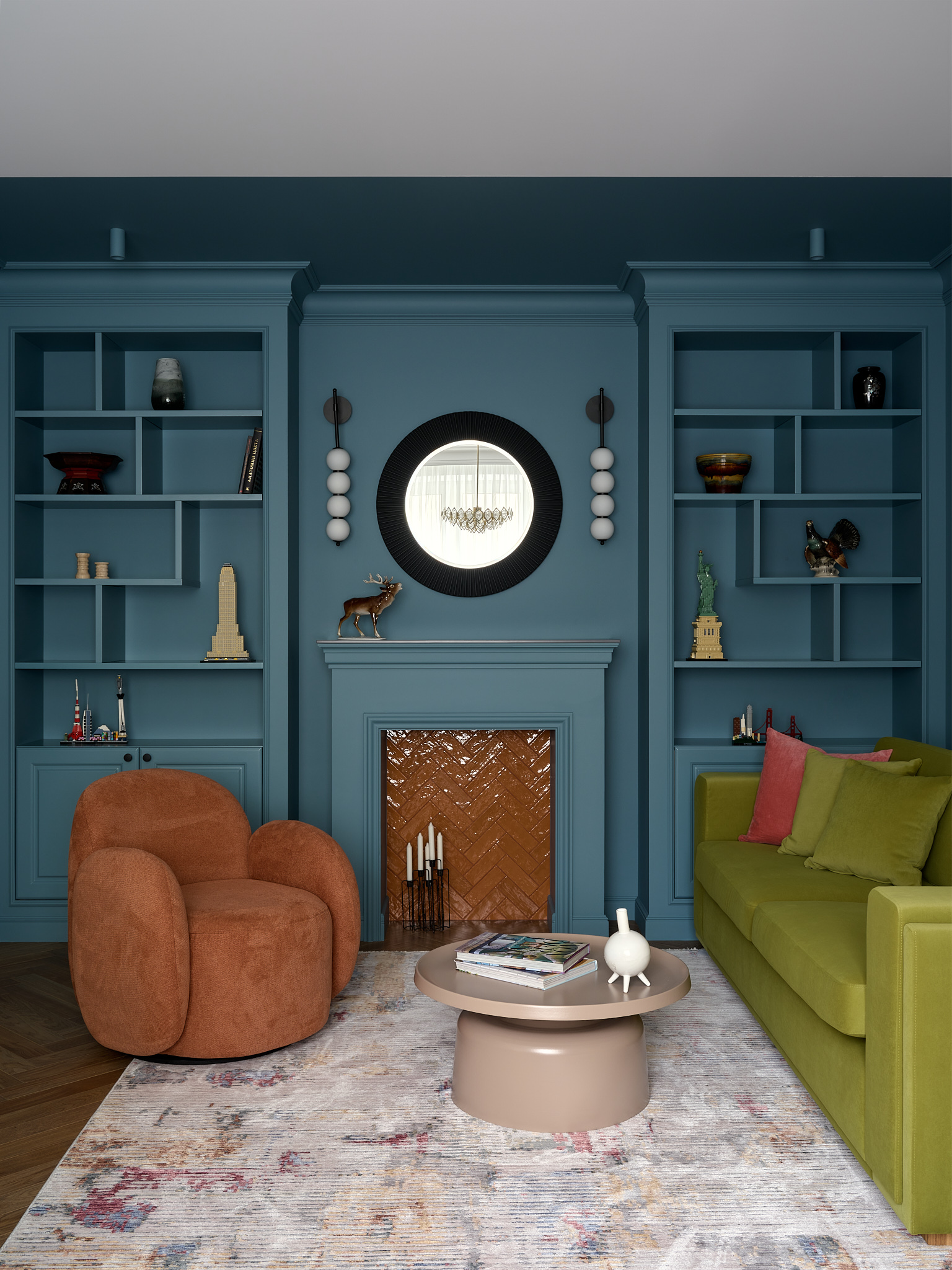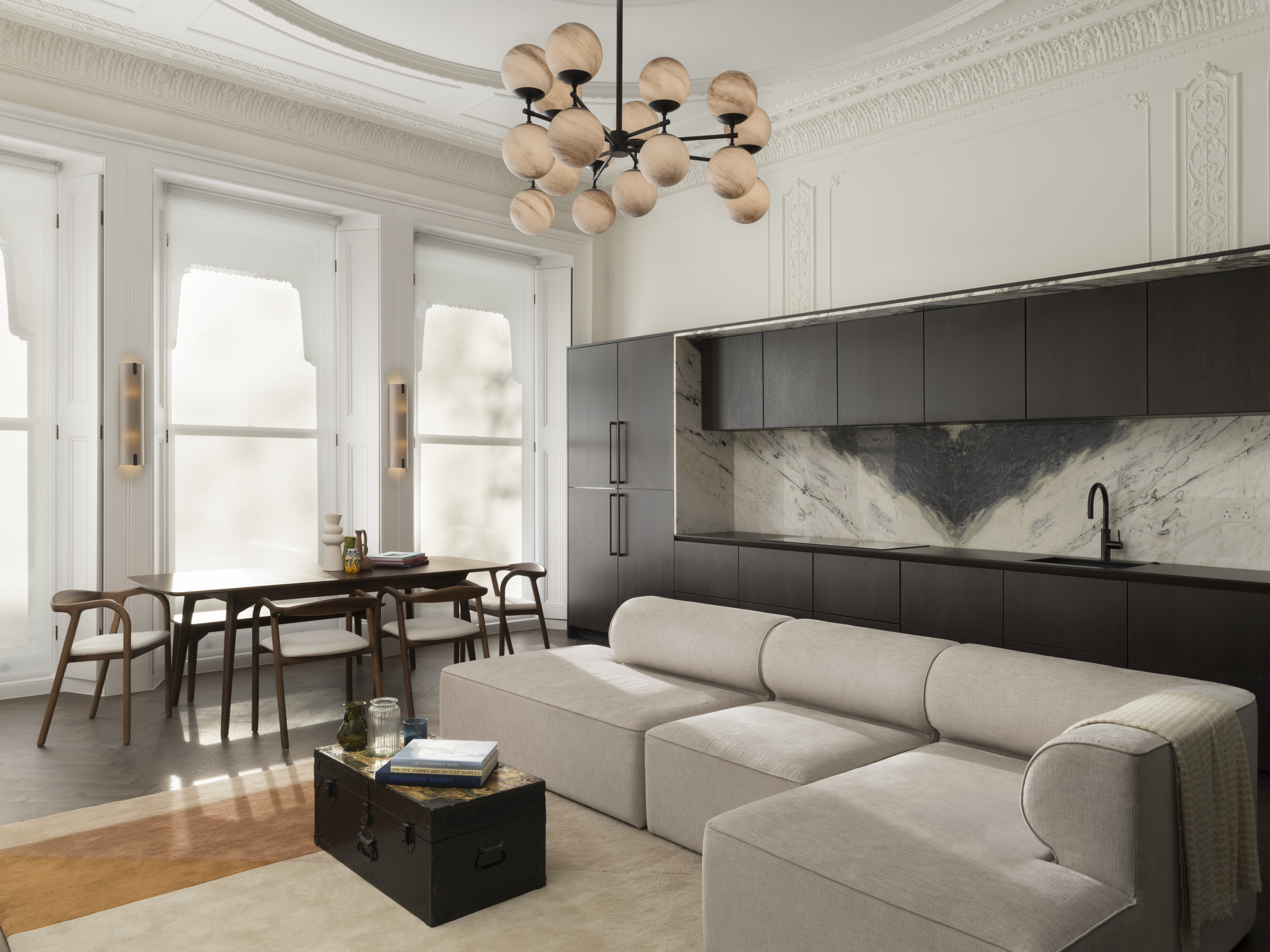
In Toronto’s leafy Lawrence Park neighbourhood, a three-storey stone residence has entered a new chapter. Built in 2000, the 4,800-square-foot property belongs to a couple whose two children are now attending university. With family life taking on a different rhythm, the owners invited interior designer Sabrina Albanese to reconsider the spaces they had inhabited for years, creating a home that would reflect their personalities, travels and evolving relationship with domestic life.
Rather than pursuing a particular decorative style, Albanese found inspiration in the eclectic interiors featured in The World of Interiors, where furniture, art and objects often reveal as much about their inhabitants as the architecture itself. “I wanted to make the home so interesting you were curious to know ‘who lives here?’” she explains.
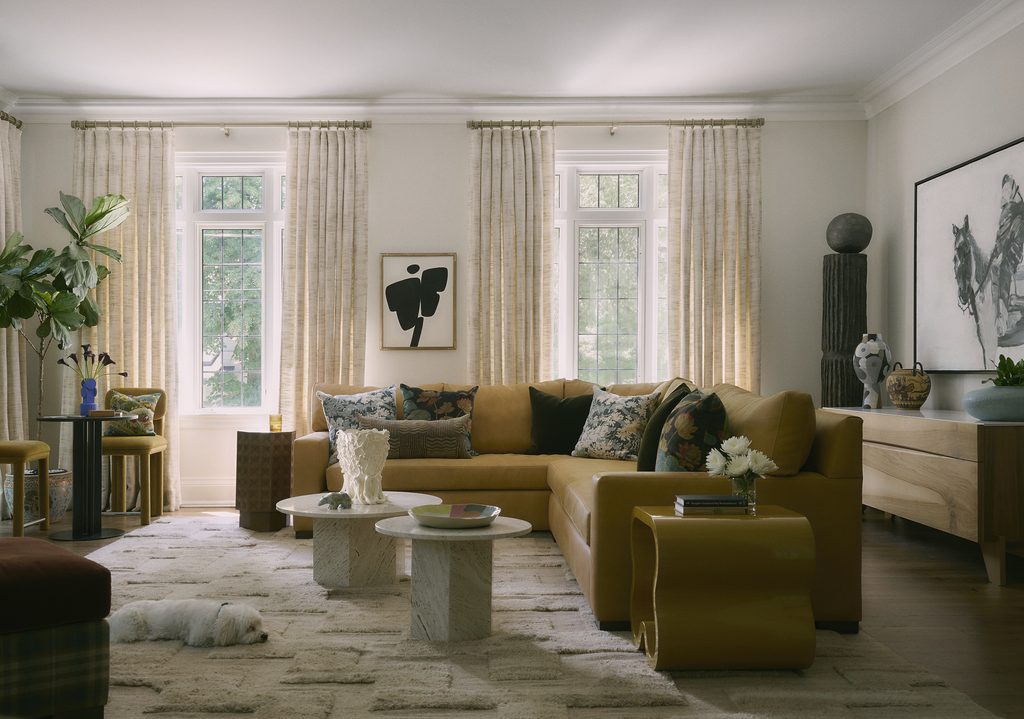
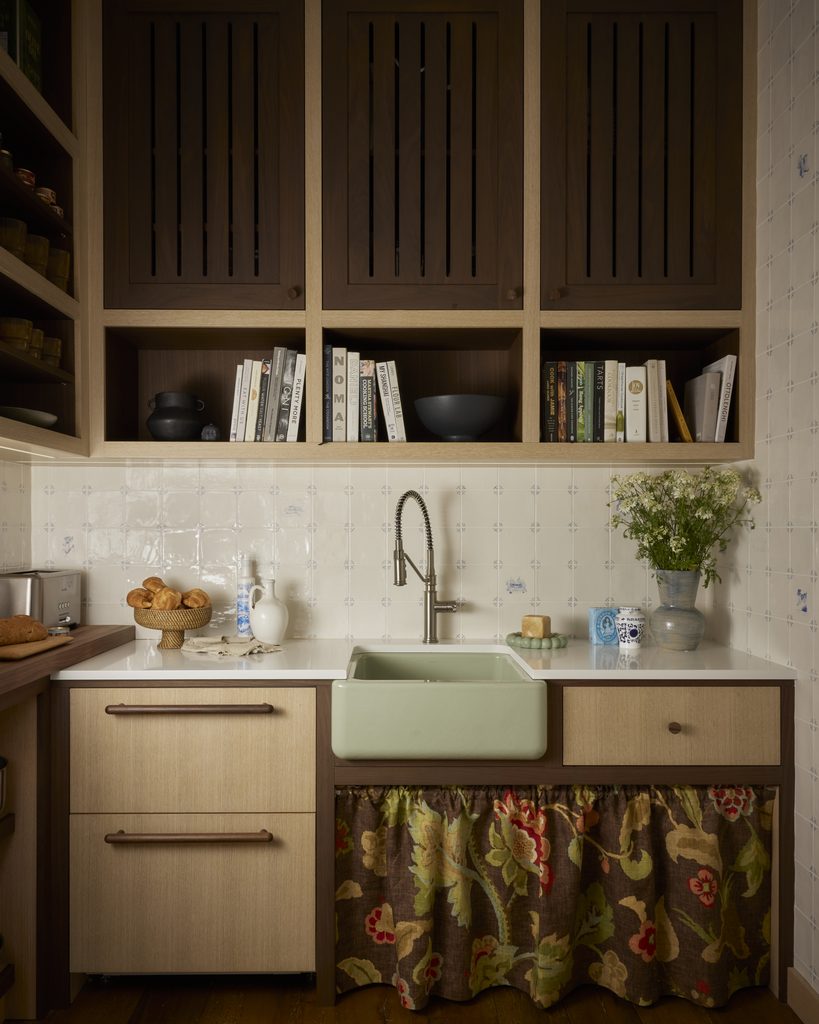
This philosophy translates into an interior defined by unexpected combinations of materials, periods and cultural references. English mohair, Delft tiles and Italian leather coexist with vintage furnishings, bespoke Canadian pieces and Murano lighting. Earthy tones, muted blues and vibrant greens establish a sophisticated chromatic composition, allowing individual rooms to develop their own character while remaining connected through a shared material sensibility.
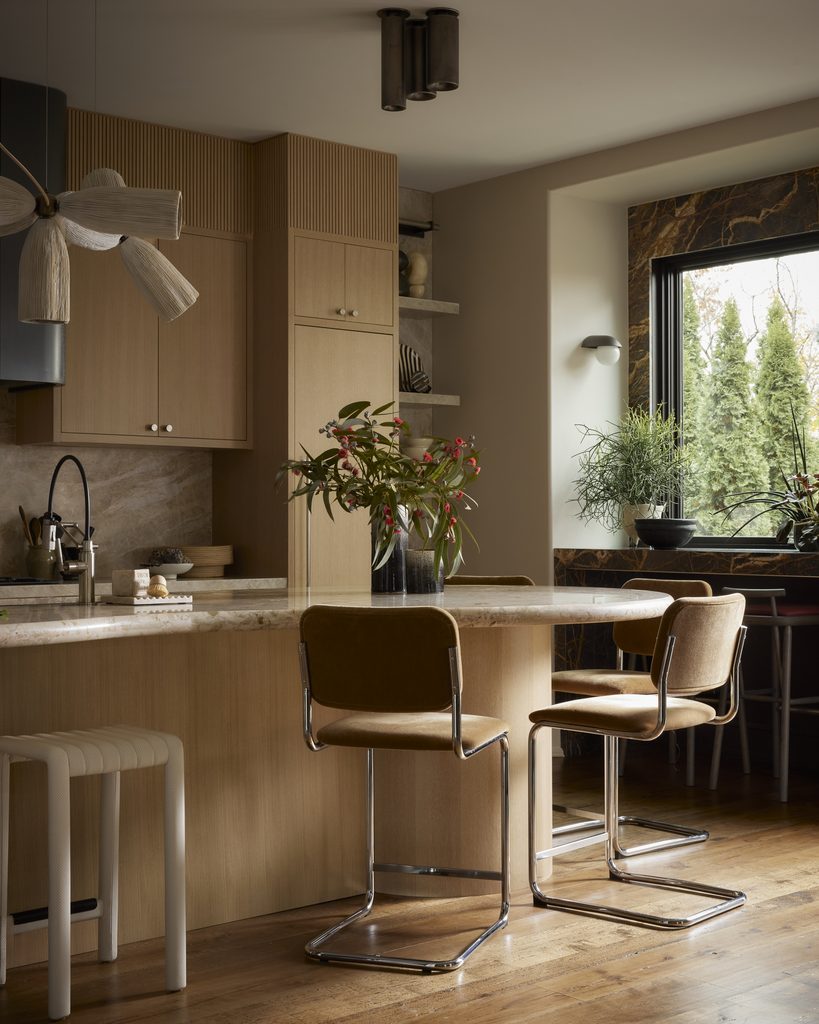
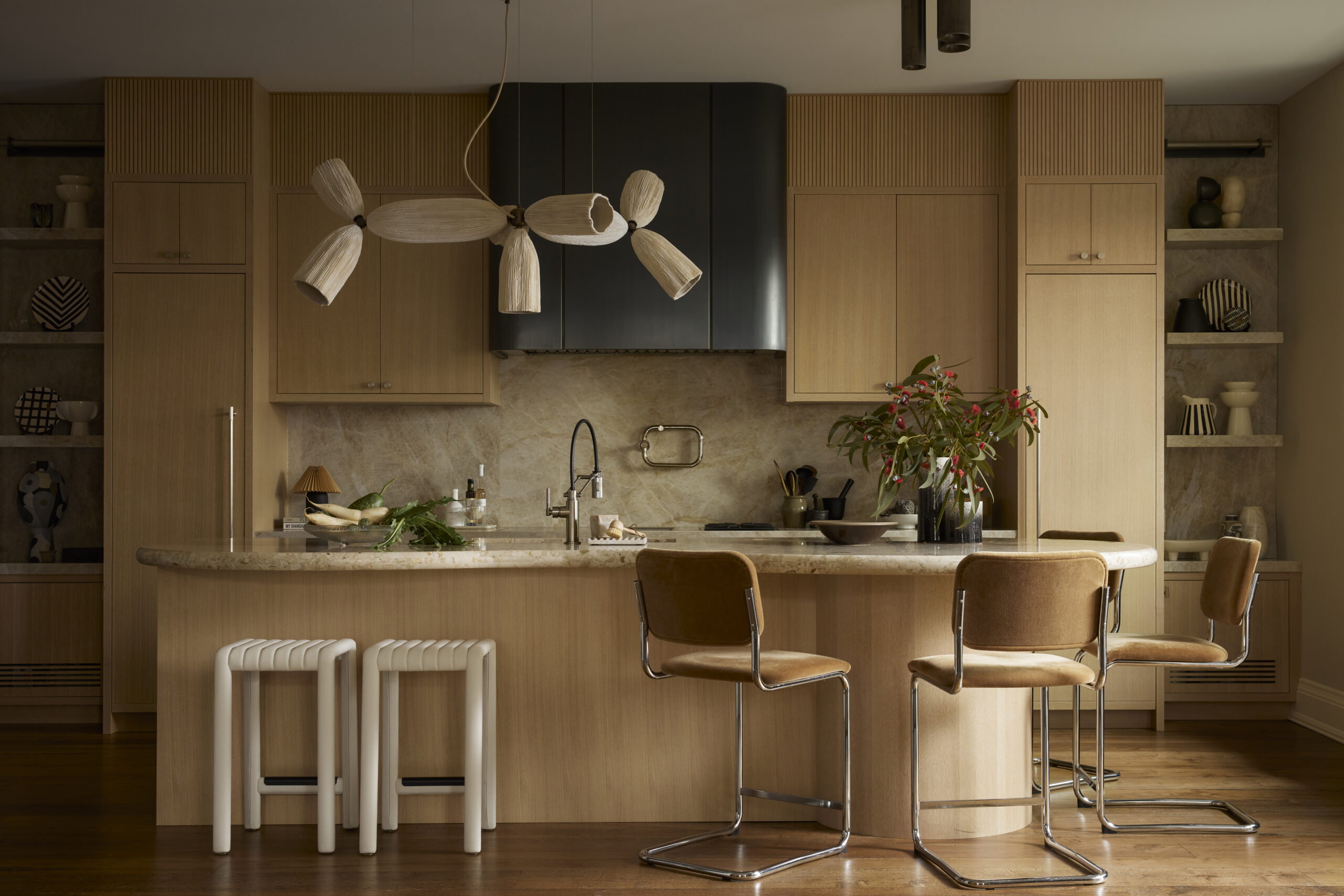
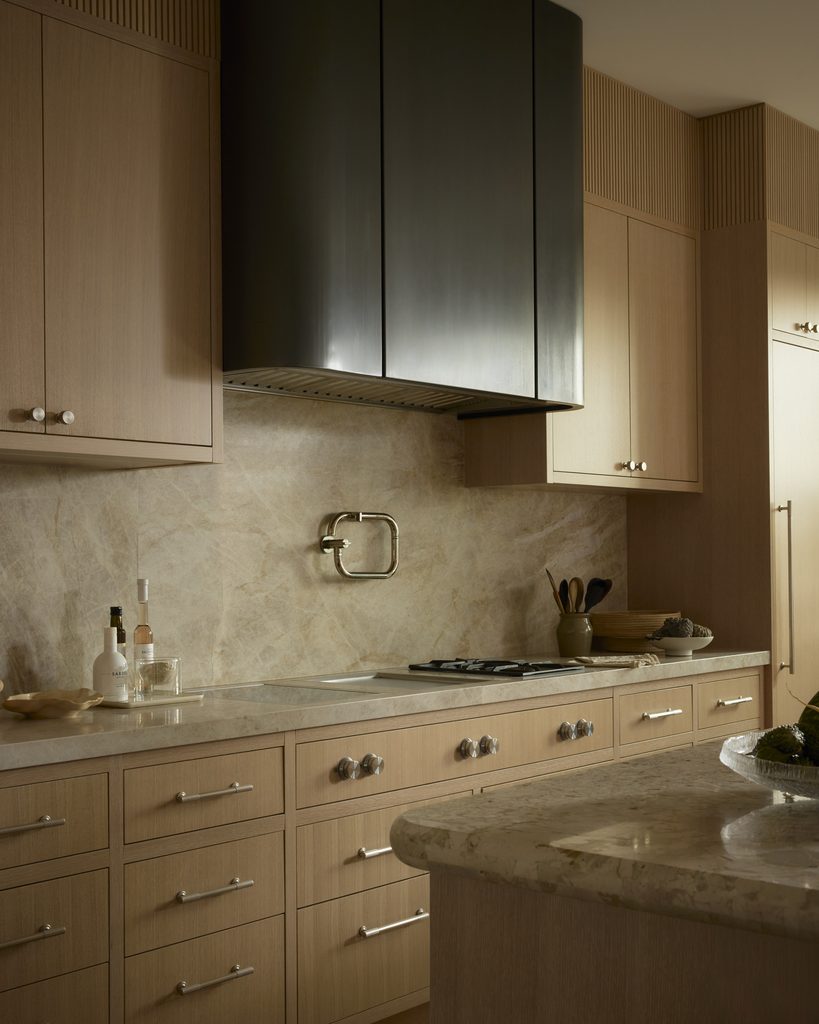
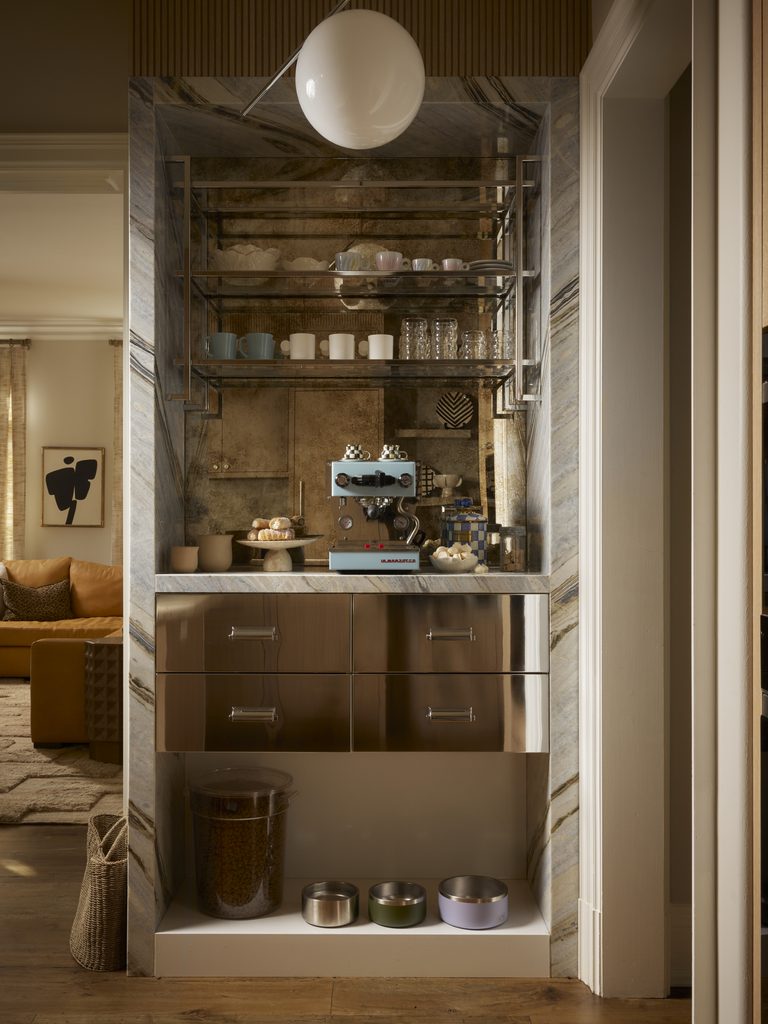
In the kitchen, a sculptural cast-sand light fixture by American design studio Egg Collective introduces an expressive contemporary element above the island. A dedicated coffee station, inspired by the atmosphere of Milanese cafés, transforms an everyday ritual into a carefully considered domestic experience, accommodating porcelain cups, espresso equipment and even the family dog’s feeding station.
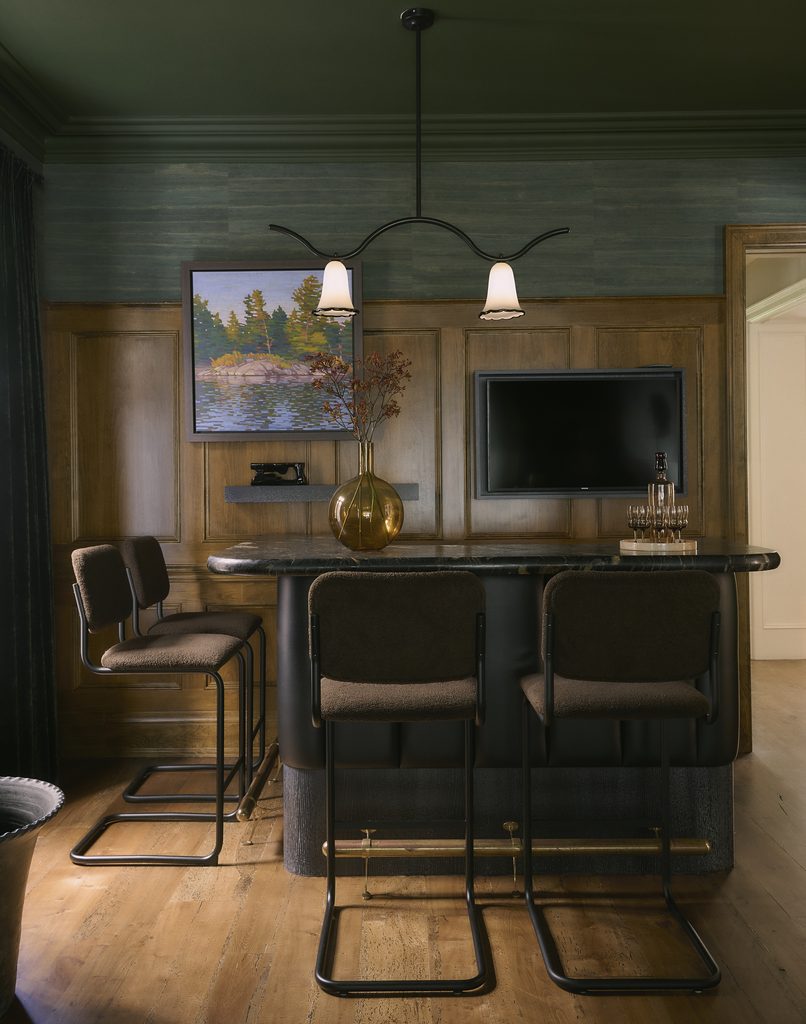
Elsewhere, the dining room incorporates a bespoke bar conceived as both a functional addition and an architectural focal point, reflecting the owners’ enjoyment of entertaining. A conservatory, developed in collaboration with the homeowners, provides a light-filled retreat for plants, particularly welcome during Toronto’s colder months.
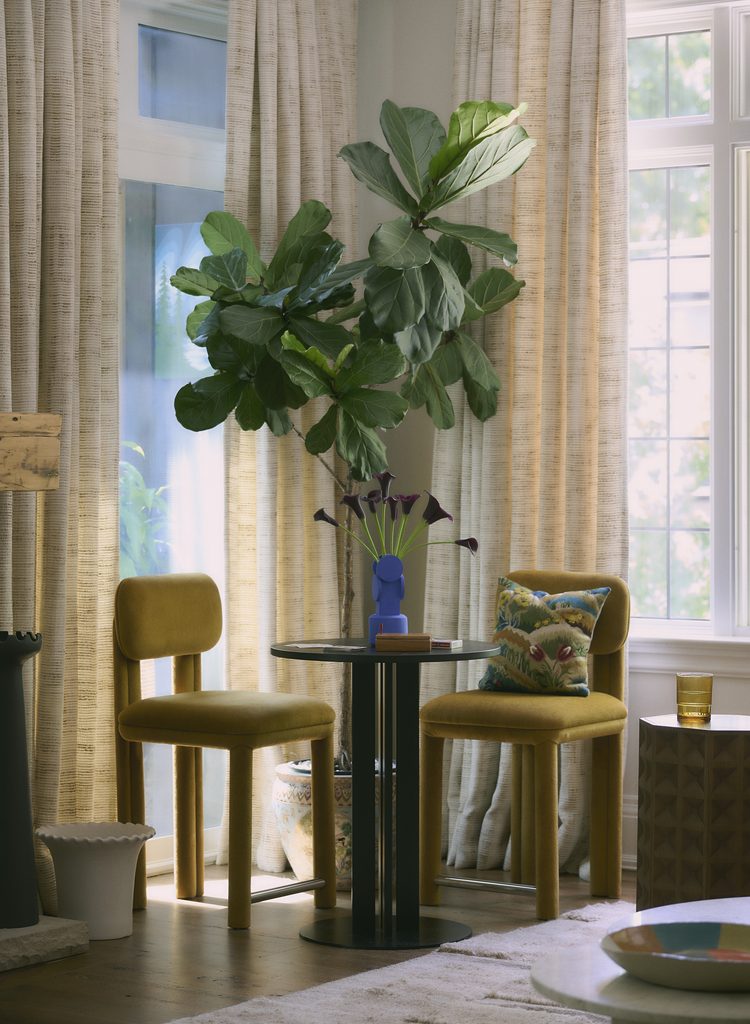
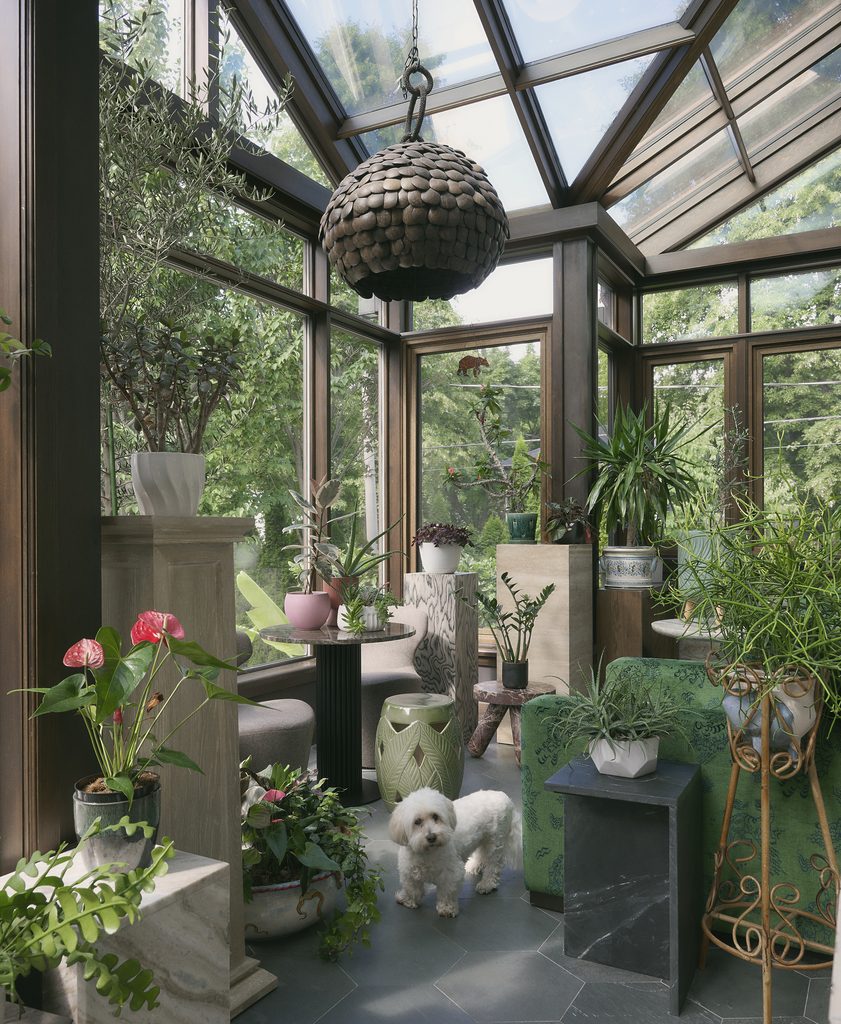
What distinguishes the project is Albanese’s refusal to treat the interior as a fixed aesthetic composition. Instead, the residence accommodates the contrasts inherent in a family’s accumulated experiences, bringing together objects of different origins without demanding stylistic uniformity.
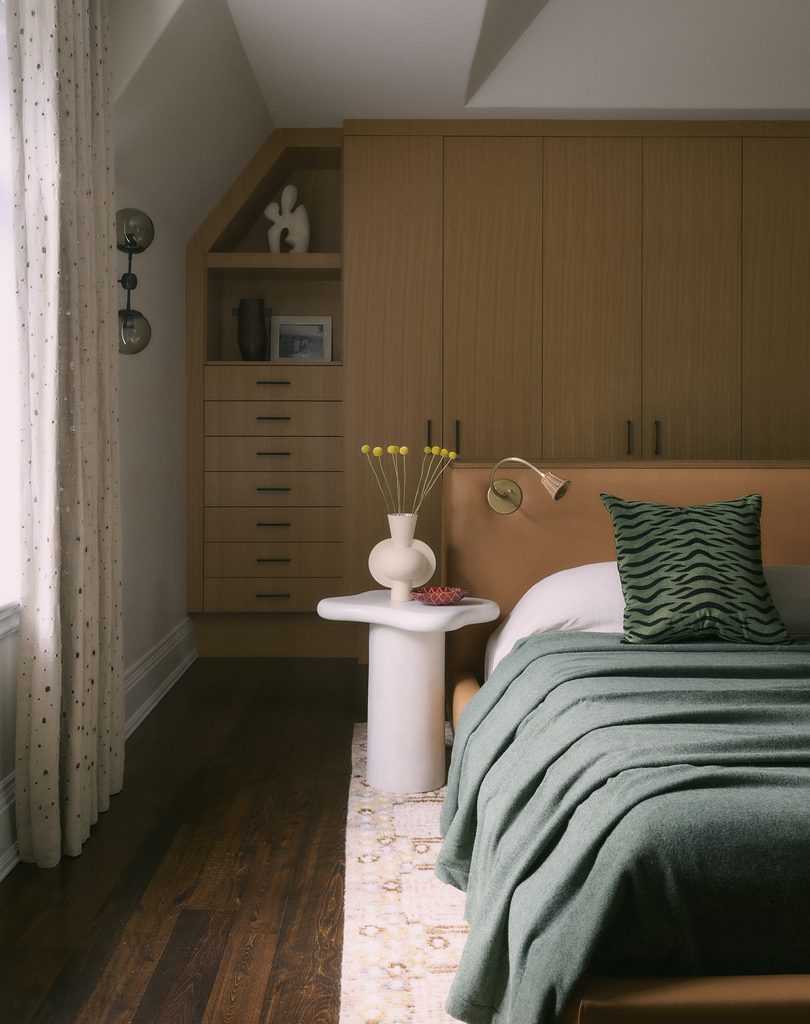
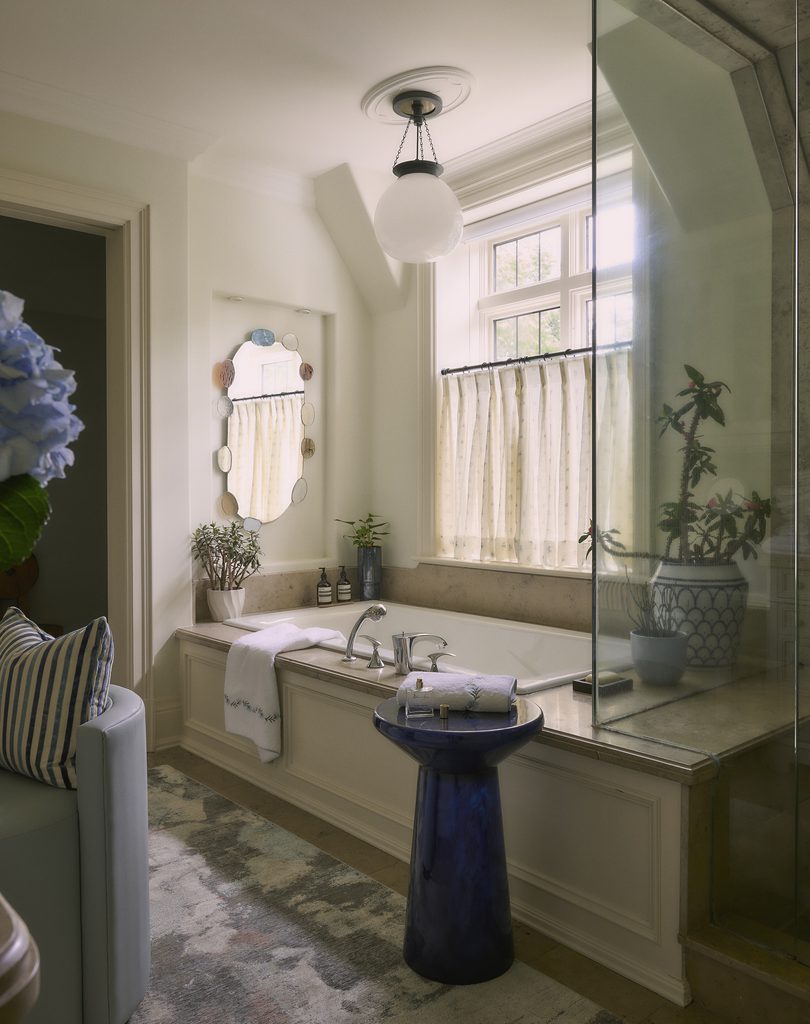
The home feels deliberately assembled rather than conventionally decorated: craftsmanship, memory and contemporary design contribute to an evolving domestic narrative. For Albanese, individuality is not simply expressed through the objects a person owns, but through the relationships established between them.