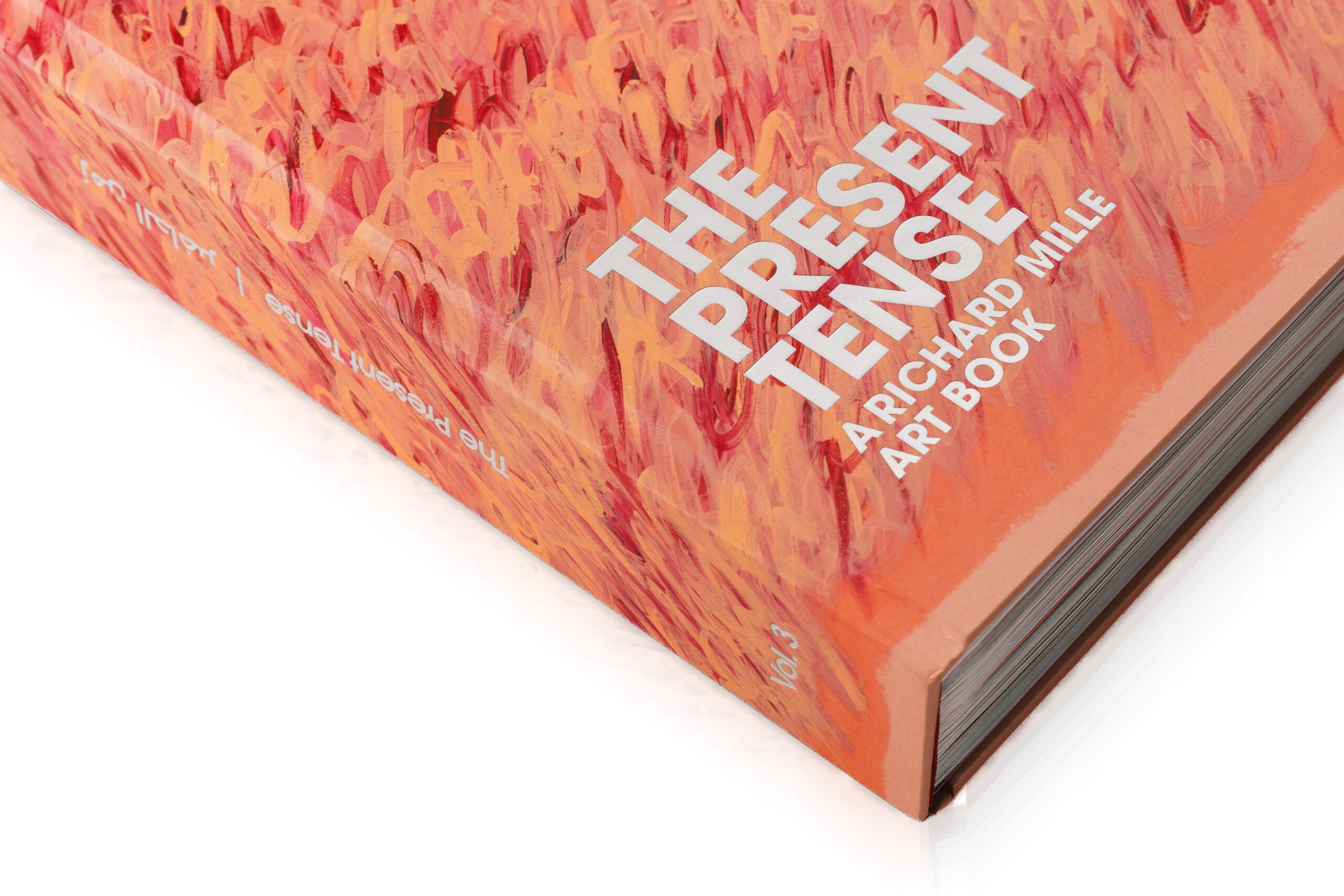
Can contemporary art ever truly exist independently of its past? Every artistic gesture, however radical, carries traces of what preceded it. Traditions are questioned, visual languages dismantled and familiar forms given unexpected meanings. Across the Middle East, North Africa and Türkiye, where artistic expression engages with complex histories, geographies and cultural identities, this dialogue between inheritance and invention is particularly significant.
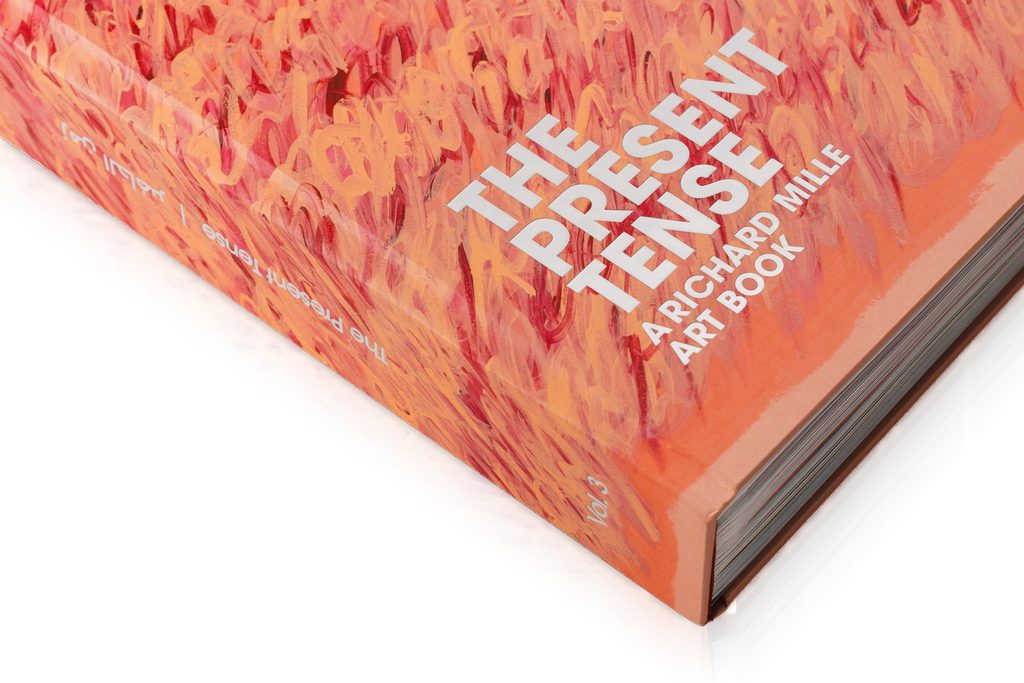
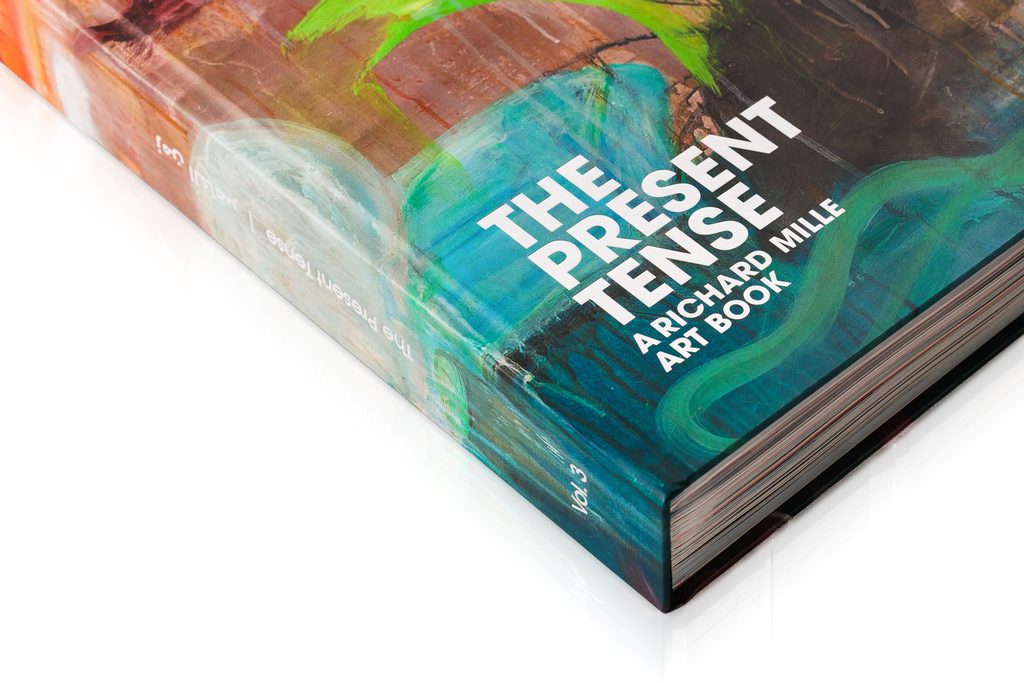
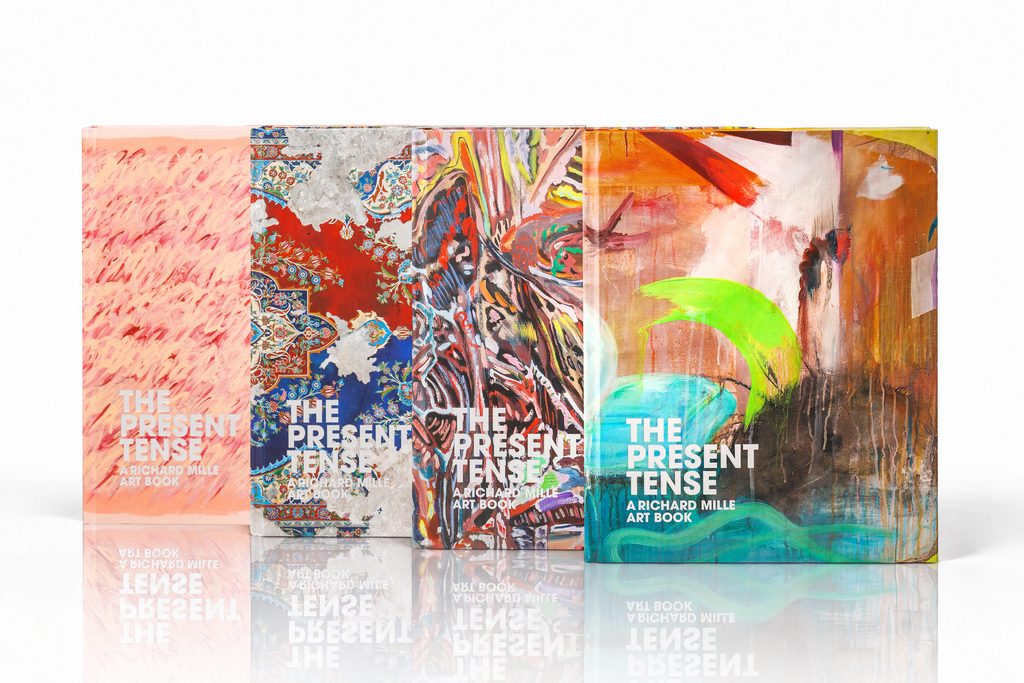
It is precisely this relationship that informs The Present Tense, the third volume in Richard Mille’s Art Book series, curated by Dr Ridha Moumni, Chairman of Christie’s Middle East and Africa, and published by Arabian Publishing. Beyond examining contemporary artistic practices, the publication raises a broader question about how the region’s visual history is being written, and by whom.
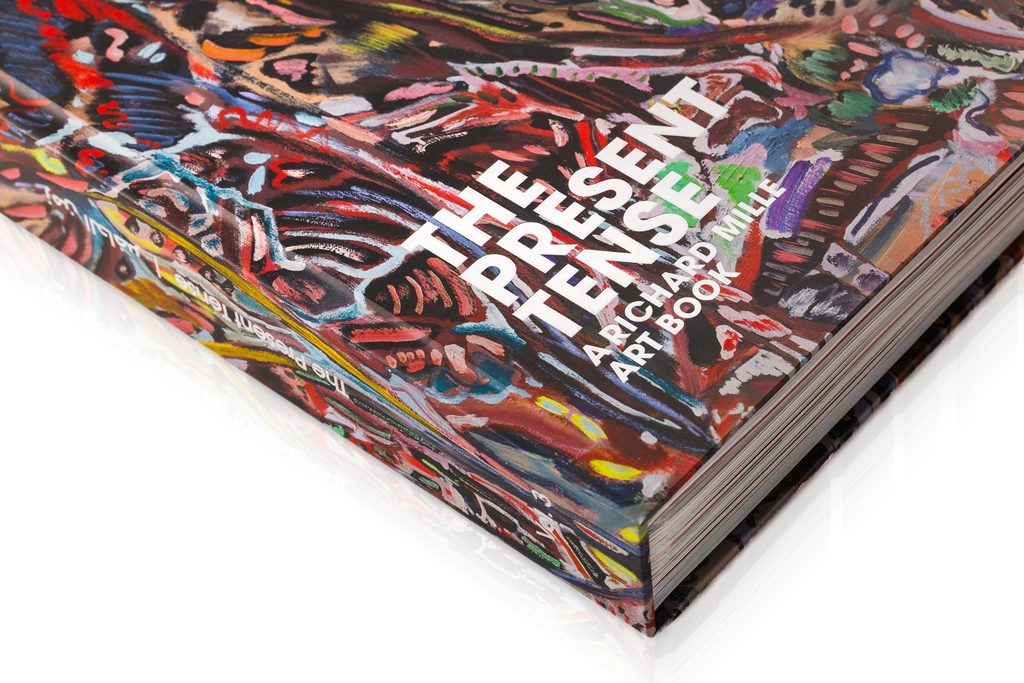
To understand its significance, it is worth considering the two volumes that preceded it. Art in the Gulf, published in 2022, examined the artistic landscape of the GCC, documenting its creative communities and cultural development. Modern Icons, released in 2024 and curated by Dyala Nusseibeh, shifted the perspective towards the artists and movements that helped define modern art across the Middle East, North Africa and Türkiye.
Together, these publications suggest an evolving narrative: first establishing a geography, then examining its artistic history, and now questioning how that history continues to inform contemporary creation.
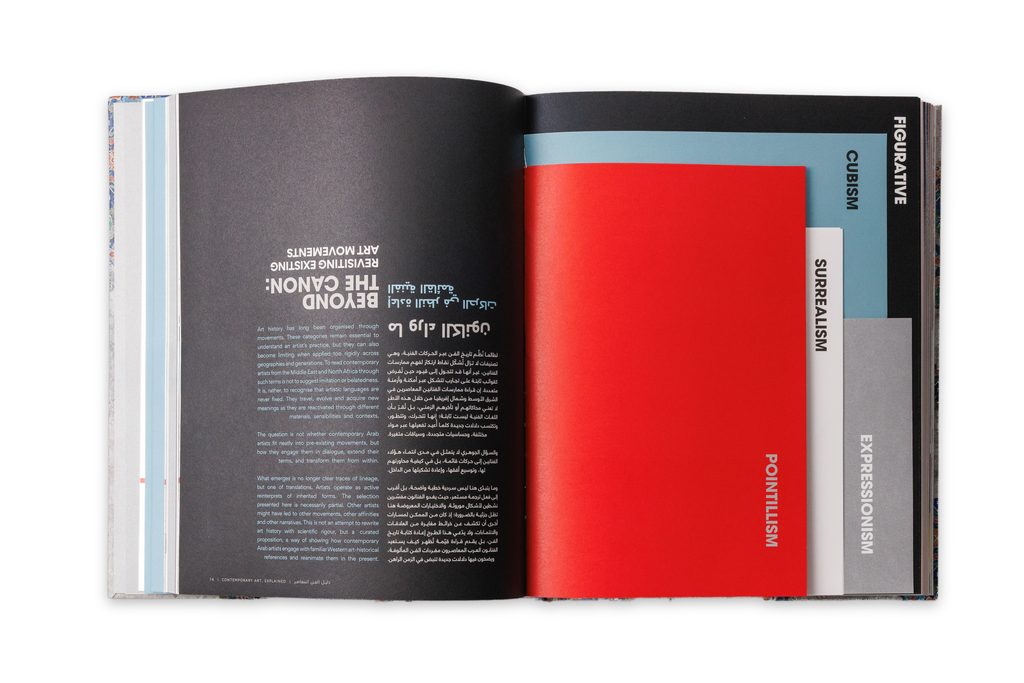
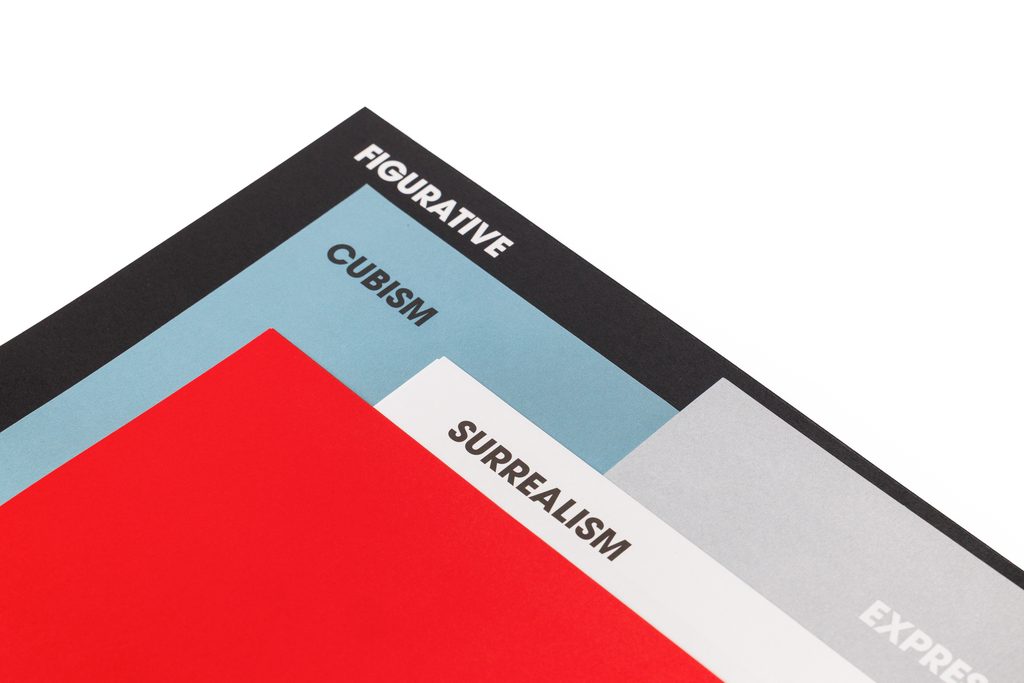
In The Present Tense, the past becomes an active material for experimentation. Calligraphy, textile traditions, geometric abstraction and architectural memory emerge as visual languages capable of continuous reinvention. The book also considers movements such as Cubism, Pointillism and Surrealism, examining how established artistic principles acquire new meanings through different cultural experiences. Questions of displacement, conflict and loss introduce another dimension, revealing how artistic expression can become a means of confronting collective and personal histories.
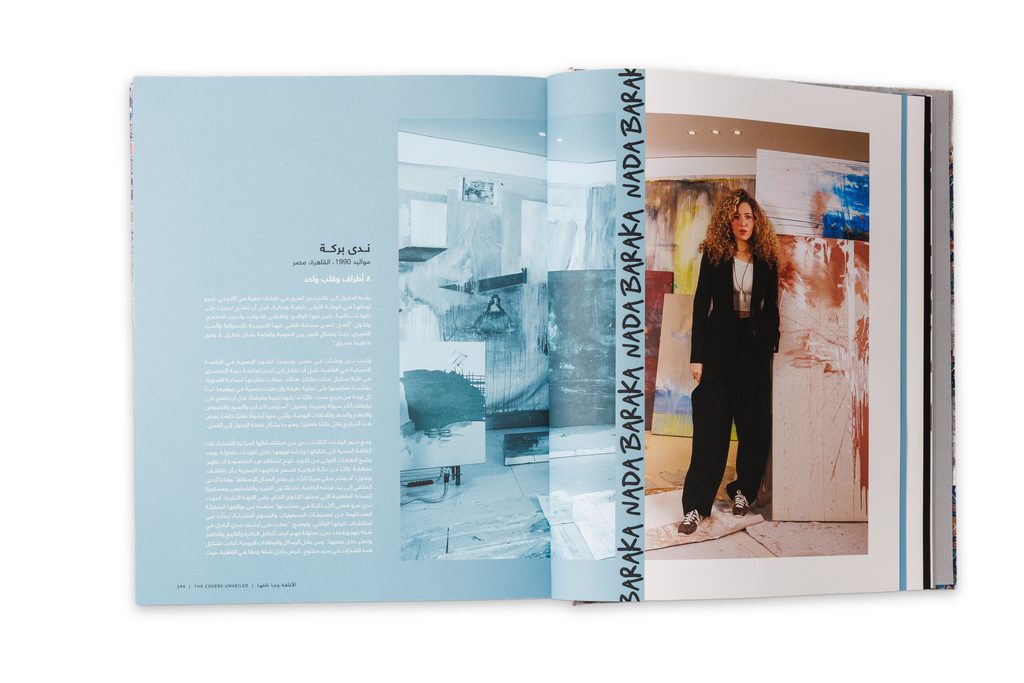
Four artists embody these approaches through the publication’s distinct covers. Saudi artist Alia Ahmad explores memory through atmospheric fields of colour, while Syrian artist Jason Seife revisits the geometry of traditional carpets, allowing ornament to dissolve into concrete. Emirati artist Juma Al Haj approaches writing as visual rhythm, while Egyptian artist Nada Baraka investigates the expressive possibilities of abstraction and surrealism. Their practices challenge the notion of a homogeneous regional aesthetic, revealing instead an artistic landscape shaped by multiple histories and individual perspectives.
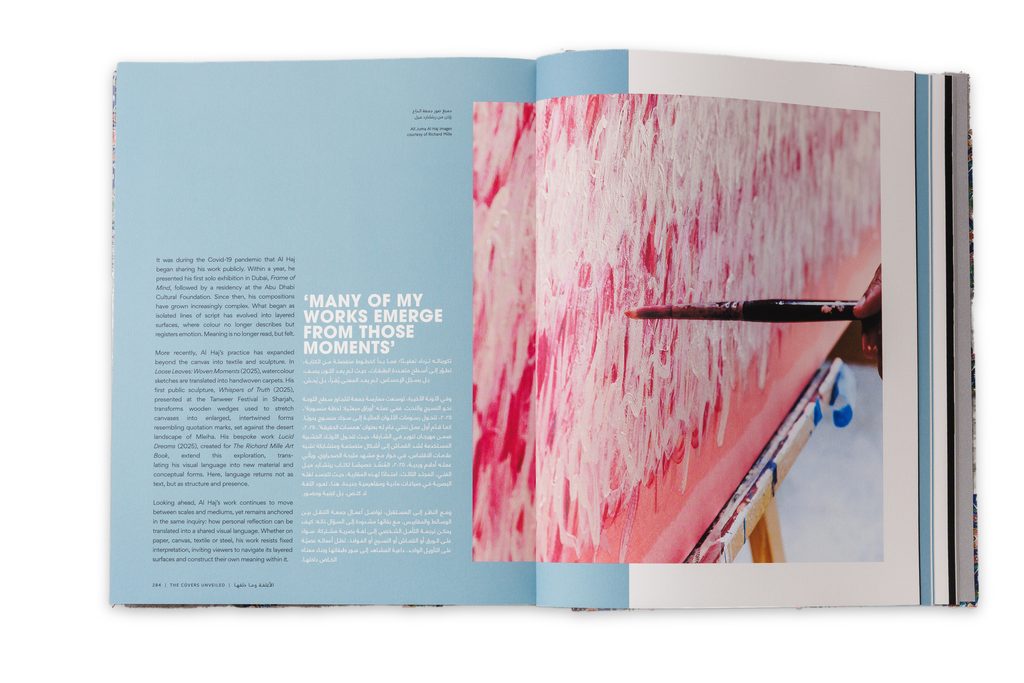
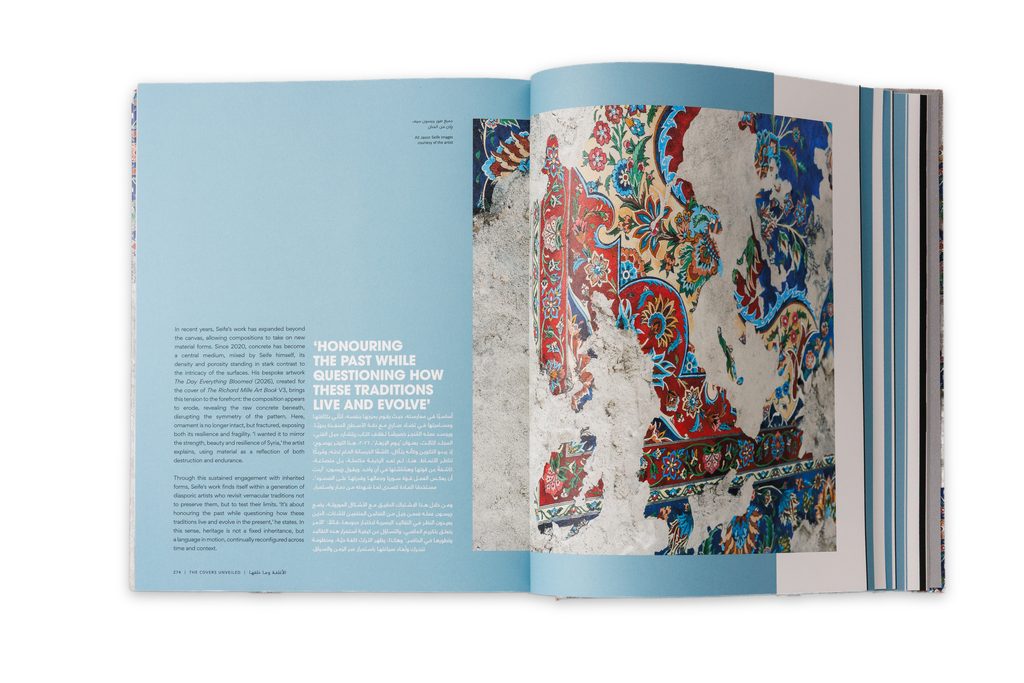
For Richard Mille, this dialogue between historical knowledge and contemporary experimentation extends beyond art publishing. “The relationship between exceptional craft and exceptional art is not decorative, it is structural. Both demand rigour, intention, and a precise understanding of what has come before,” explains Peter Harrison, CEO of Richard Mille EMEA. His observation suggests that craftsmanship and artistic creation are connected not simply by technical mastery, but by the continuous reinterpretation of inherited knowledge.
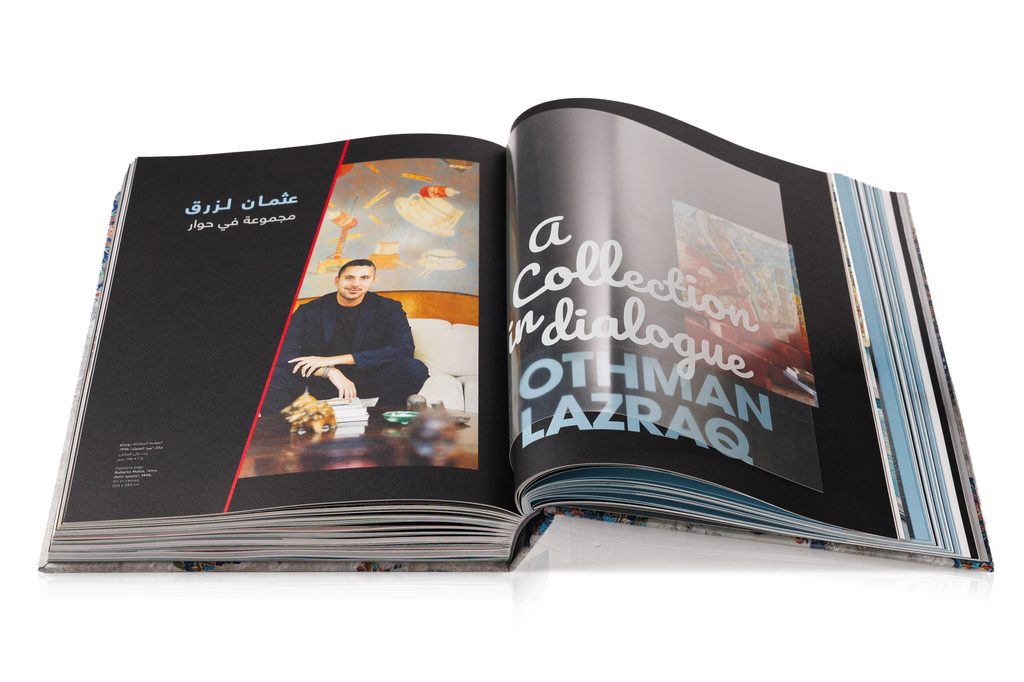
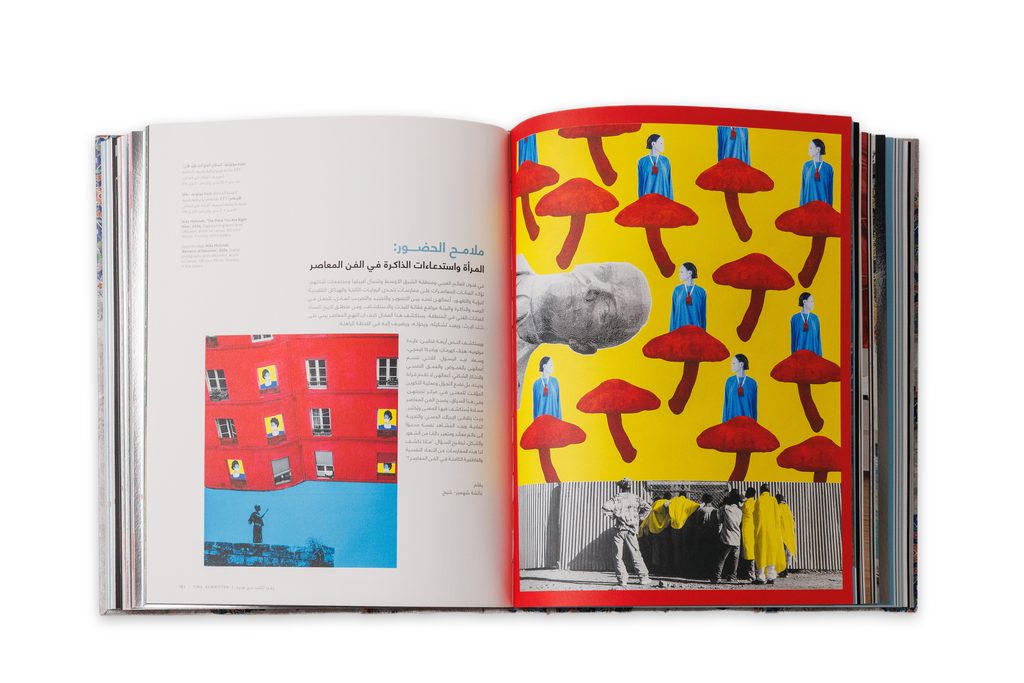
Richard Mille’s engagement with contemporary art also extends to Art Here, the annual exhibition presented at Louvre Abu Dhabi in conjunction with the Richard Mille Art Prize, established in 2021. Across five editions, the exhibition has brought together artists from the Gulf and as far afield as Japan, expanding the dialogue between different artistic traditions and contemporary practices. Where Art Here provides a platform for exhibiting new work, the Art Book series examines the cultural histories, artistic movements and ideas through which such work can be understood.
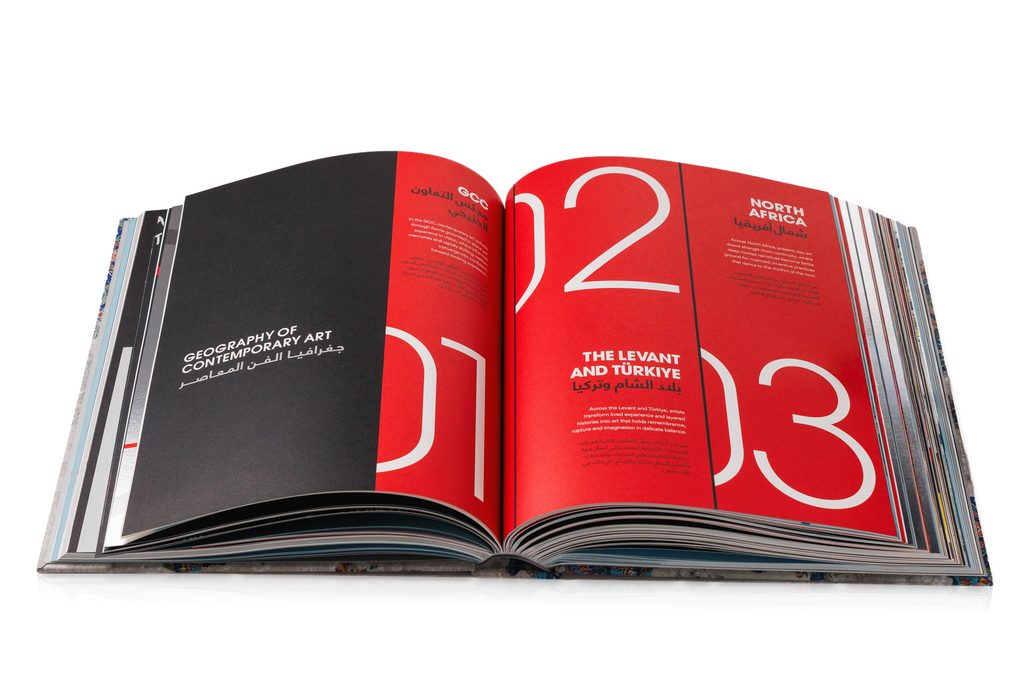
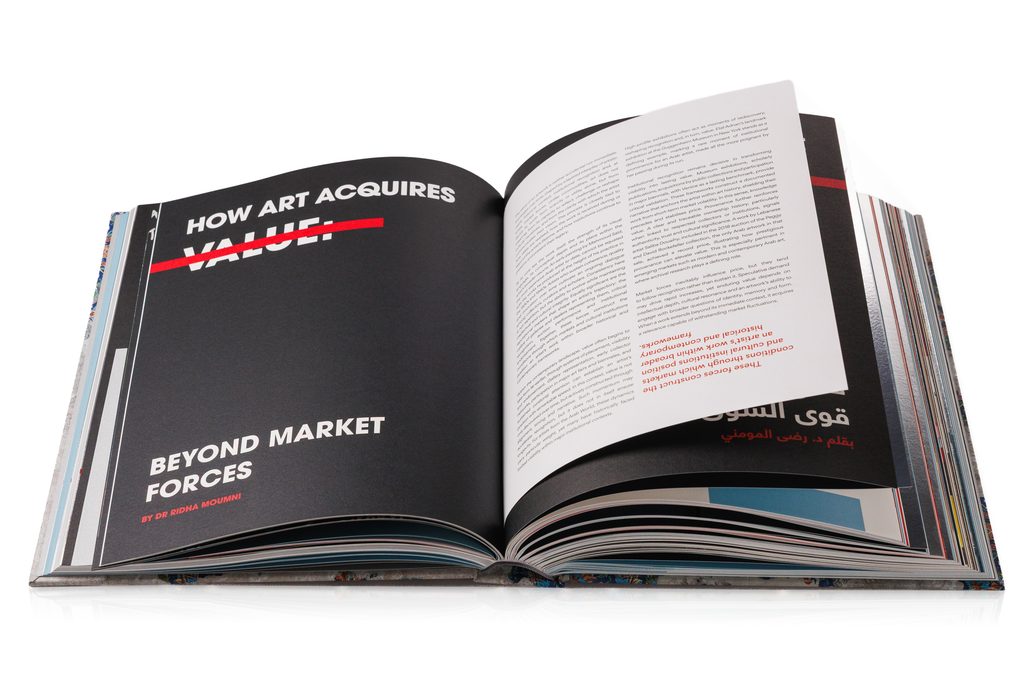
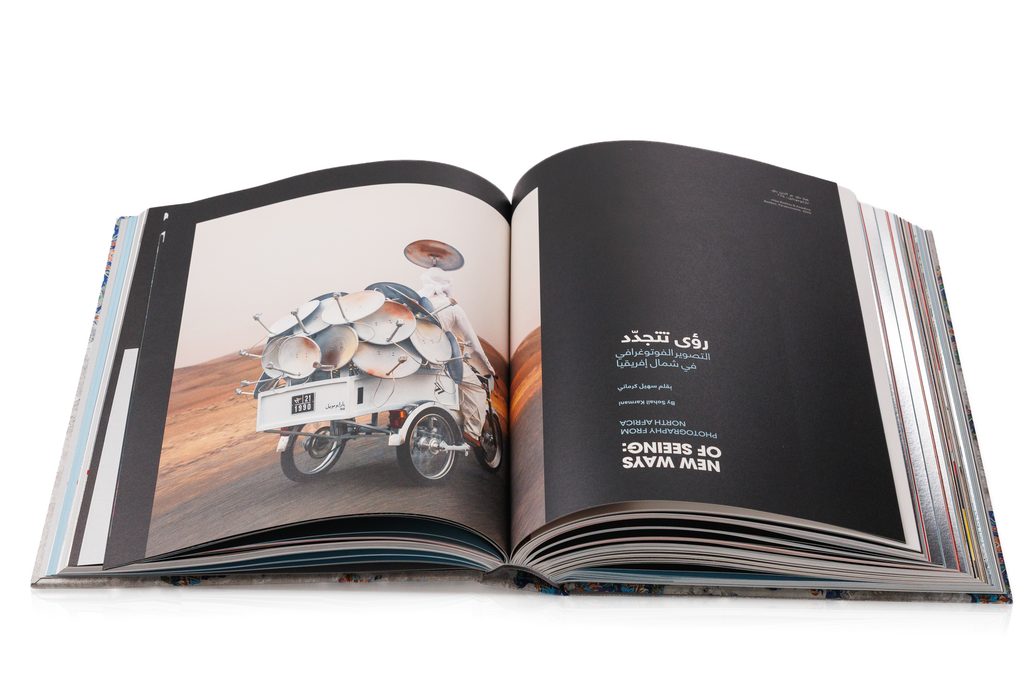
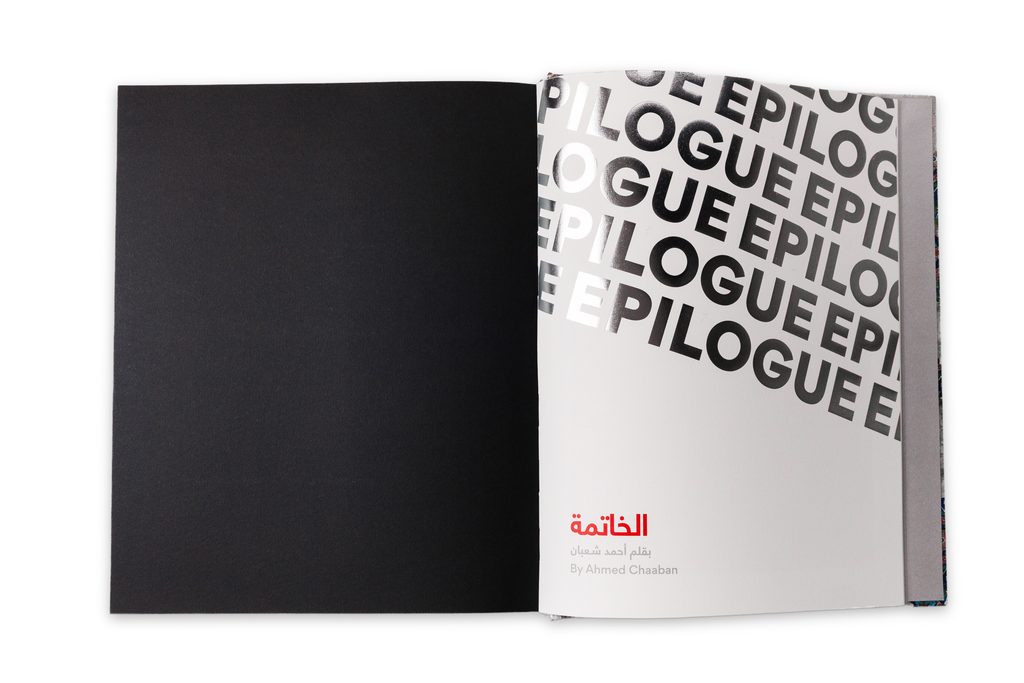
Published in Arabic and English, The Present Tense also invites reflection on the importance of cultural documentation and collecting. Art history is not simply inherited; it is constructed through the choices of curators, collectors, institutions and publishers. Which artists are remembered, which movements receive recognition and how artistic significance is established are questions that extend well beyond the works themselves.
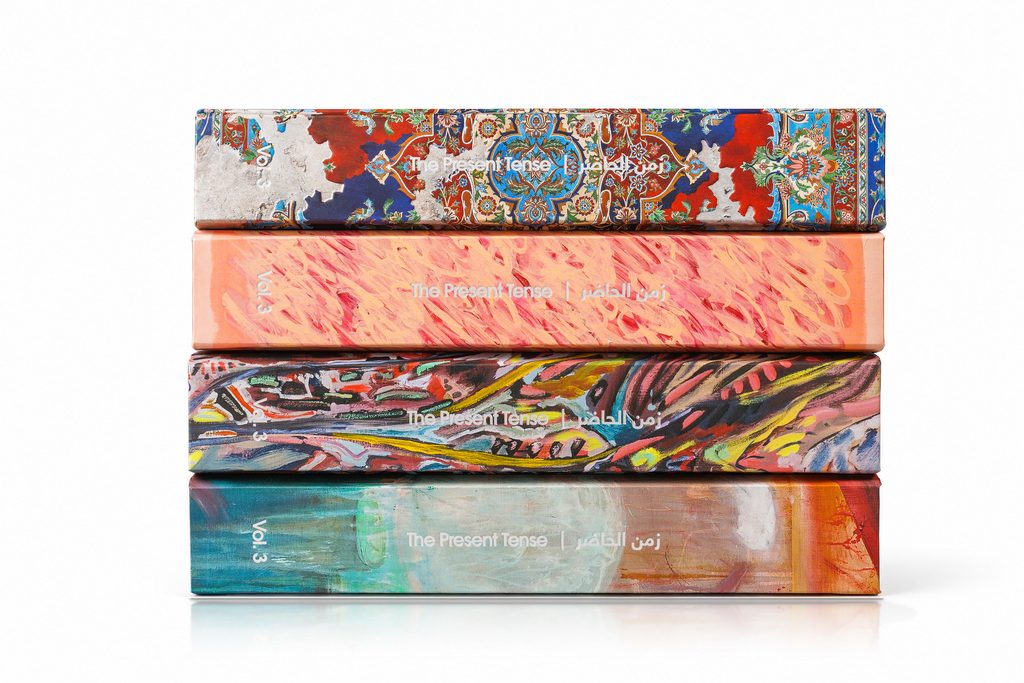
Across three volumes, Richard Mille’s publishing initiative has gradually developed into a record of the region’s artistic evolution, moving from the documentation of its creative landscape to an examination of the histories and ideas informing its present. Yet perhaps the most interesting proposition of The Present Tense lies in its title: the present is never entirely separate from the past. It is where history acquires its next meaning.