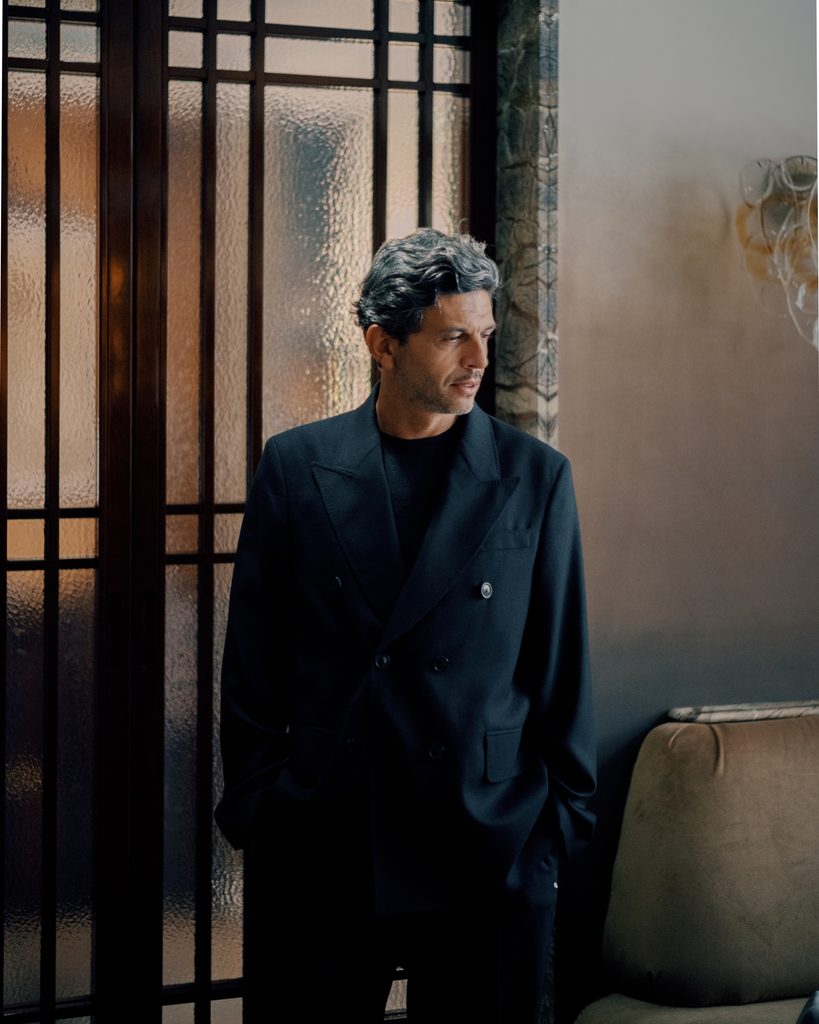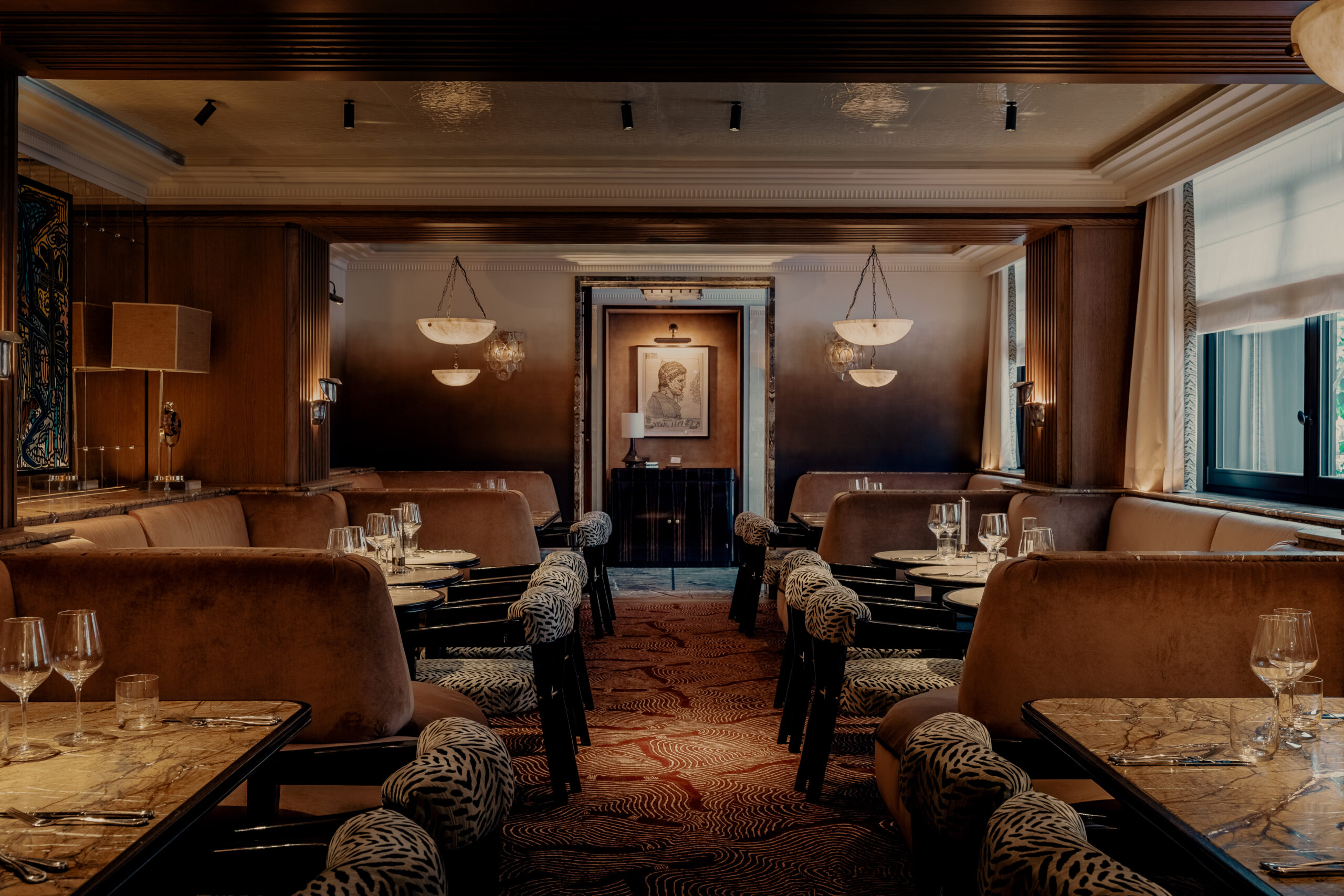
At 26 Rue Marbeuf, in the Golden Triangle, some houses you simply walk into, and some expect you. Doobie‘s is the second kind. It opened in 1938 as a Russian restaurant, became La Caravelle in the 1970s and then Yannick Noah’s legendary Doobie’s in 1993. The address later fell silent, and three years of transformation have now brought it back. Marie Claire Maison interviewed Arnaud Behzadi, the architect behind its revival, who was born in Tehran and raised in Paris, about memory, light and the art of receiving.
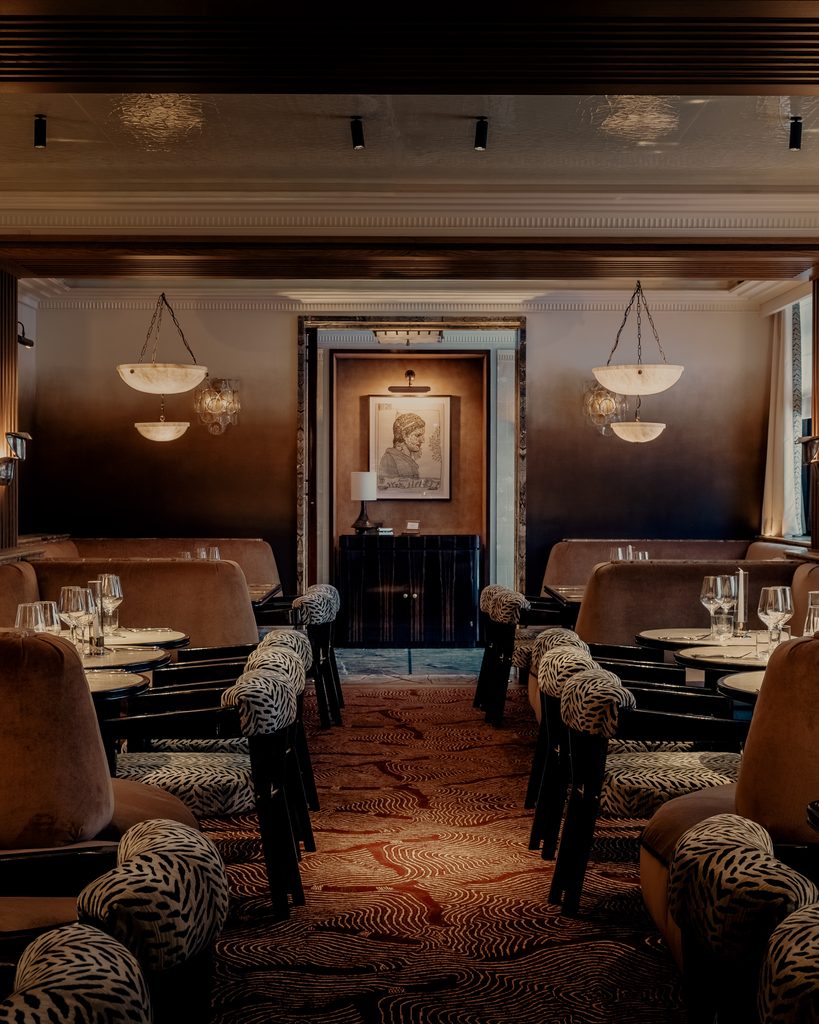
The project was personal long before it was professional. “I did not come to this address as an architect,” he says. “I came to it in my twenties, as a guest.” Rebuilding a period held no interest for him. What had to survive was “a house for people of spirit, where elegance was a manner rather than a display.” He kept the plan of a Parisian apartment and “rewrote the rest for a Paris that no longer dines at the same hour.”
His starting point was fiction: an imaginary couple of collectors, “people who had travelled a great deal, who bought slowly, who preferred one object with a story to ten with a signature.” As he puts it, “once you know how a couple entertains, where they place their friends, where they hide to smoke, the architecture stops being a programme and becomes a biography.”
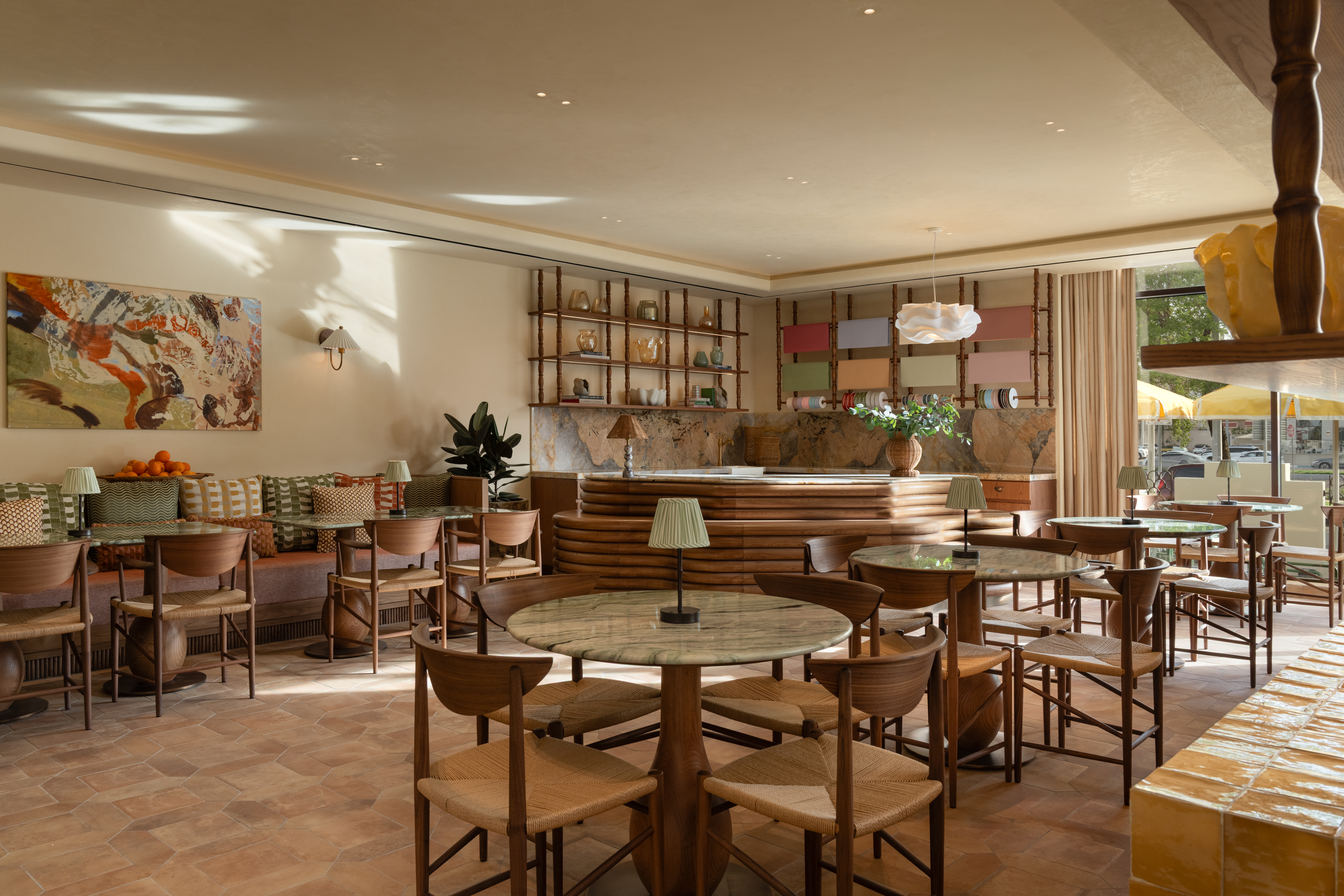
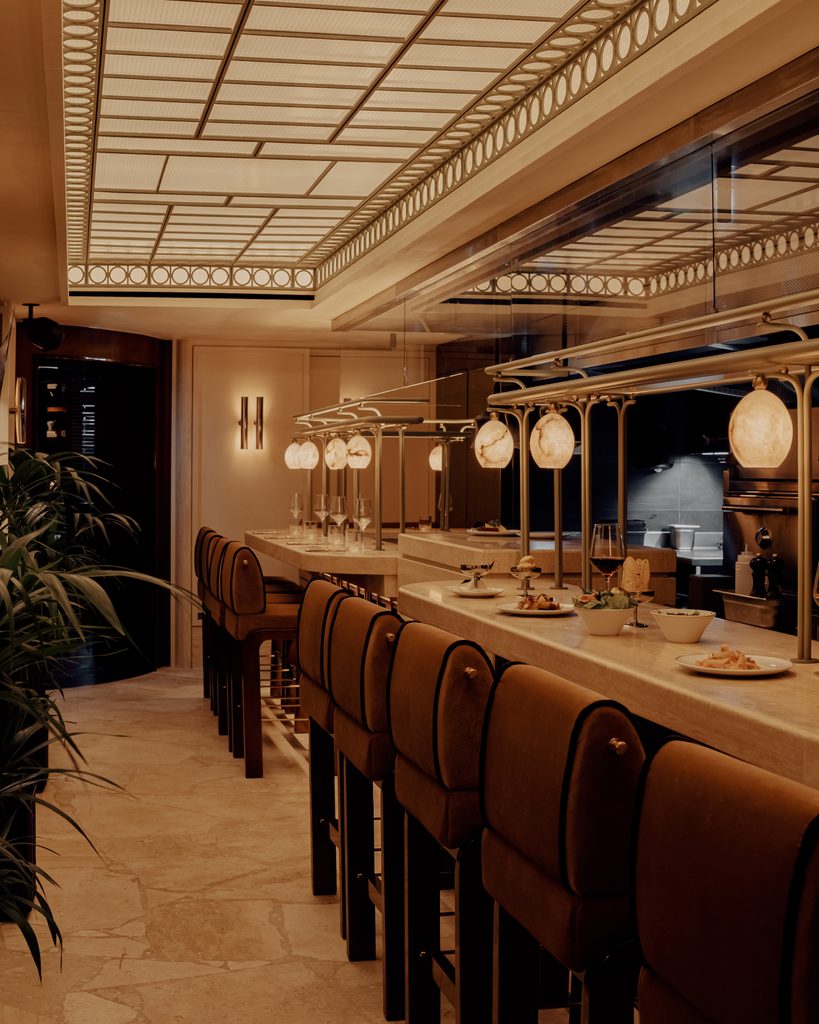
That biography unfolds room by room. “The vestibule strips you of the street. The salons lower the voice.” Beyond them, the Retour de Voyage gathers what the hosts carried home, the Evening Garden opens beneath glass and sage green, and the night counter “closes what the table began.” The guest, Behzadi insists, “does not visit these rooms, the guest passes through them.”
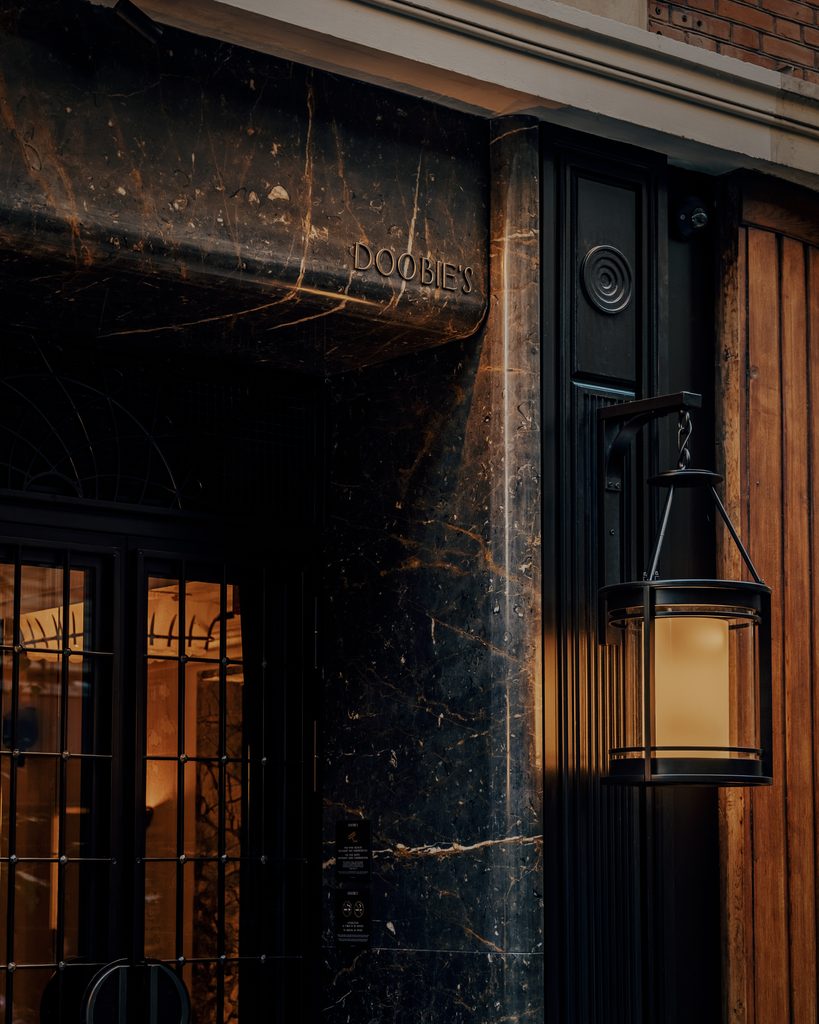
Nothing here looks new, yet nothing was distressed. Lacquered mahogany, burl wood, stained oak, muted metals, marble and garnet velvet were each chosen, he explains, “as though it had arrived at a different moment, from a different journey.” For him, nostalgia copies, memory composes, and a “room that all dates from the same year always looks like a set”.
The art follows the same logic. Working with Galerie Strouk, the question was never whether a work was important, “but whether our imaginary couple could have brought it home,” a rule that “forbids the perfect wall.” Frames hang a little too close together, and a drawing by Kiarostami sits among bronzes and silks. “If a guest thinks a choice was made this year,” he says, “the choice has failed.”
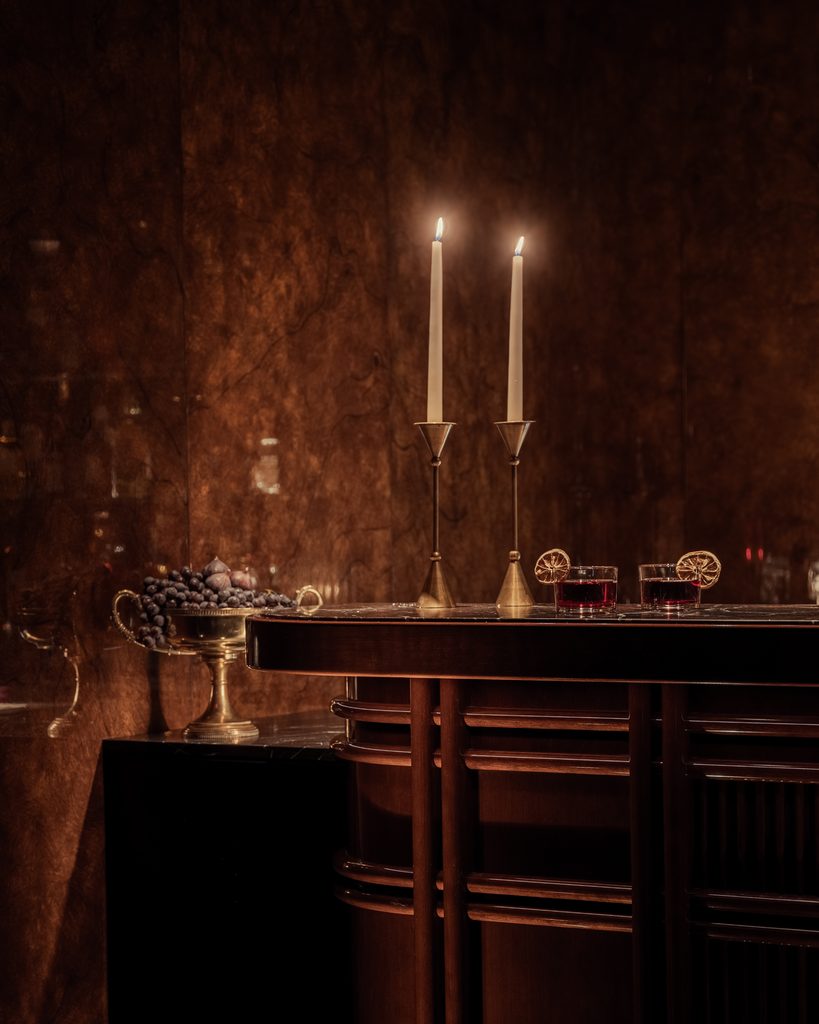
Light carries the house from lunch into the small hours. By day the glazed garden fills the room, at dinner low amber sconces take over, and later comes a red lacquered bar under a black mirrored ceiling with “two real flames on the bar.” In his words, “the same house, three states.”
Beneath it all lies his dual heritage. “Paris gave me the grammar, the enfilade, the proportion, the restraint. Tehran gave me the reason for it.” In an age of spectacle, his idea of luxury is quiet. “Spectacle asks for your attention. Hospitality gives you its own. That is the whole difference between being served and being received.”