For decades, the geography of contemporary culture appeared remarkably fixed. Milan for design. Paris, London and New York for art. Venice and Basel as international meeting points. More recently, cities including Dubai, Doha and Riyadh have established themselves as powerful additions to that circuit. But look beyond these established capitals today and another map begins to appear.
In Almaty, two major contemporary art institutions opened within the space of a week. In Tashkent, a former tram depot has been transformed into Uzbekistan’s first permanent centre for contemporary art. Baku is preparing for the second edition of a citywide art weekend. Damascus has just staged its first Art Week. And in Ramallah, the inaugural Palestine Design Week is bringing together designers, architects, artisans and makers around questions of heritage, identity and contemporary life.
These places have little reason to be grouped together politically or culturally. Nor are their artistic traditions new. What connects them is something more specific: the emergence of new platforms through which culture can be produced, presented and encountered locally, while entering into dialogue with the wider world. The story, then, isn’t about discovering new cultures. It is about witnessing the creation of new cultural centres.
Almaty: A New Cultural Centre Takes Shape
If the international art world has historically looked elsewhere for its centres of gravity, Almaty offers compelling evidence of how quickly that geography can change. In September 2025, Kazakhstan’s largest city saw the opening of two major contemporary cultural institutions within the space of a week.
The first was Tselinny Center of Contemporary Culture, which opened on 5 September inside one of Almaty’s most recognisable modernist buildings. Originally constructed in 1964 as the Tselinny cinema, the structure has been transformed by British architect Asif Khan into a multidisciplinary institution dedicated to contemporary culture in Kazakhstan and the wider Central Asian region. The architecture itself tells part of the story. Rather than erase the building’s Soviet past, Khan’s intervention works with its accumulated histories, preserving elements including its monumental sgraffito while introducing new spaces for exhibitions, performance, research and public programmes.
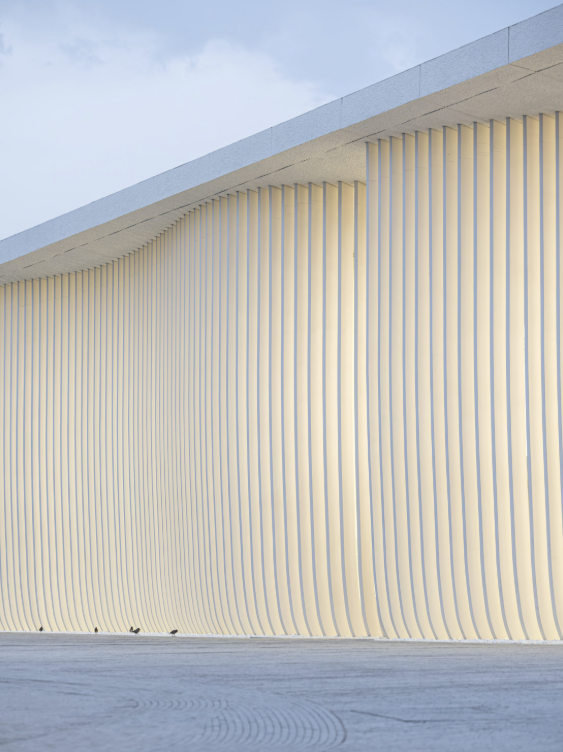
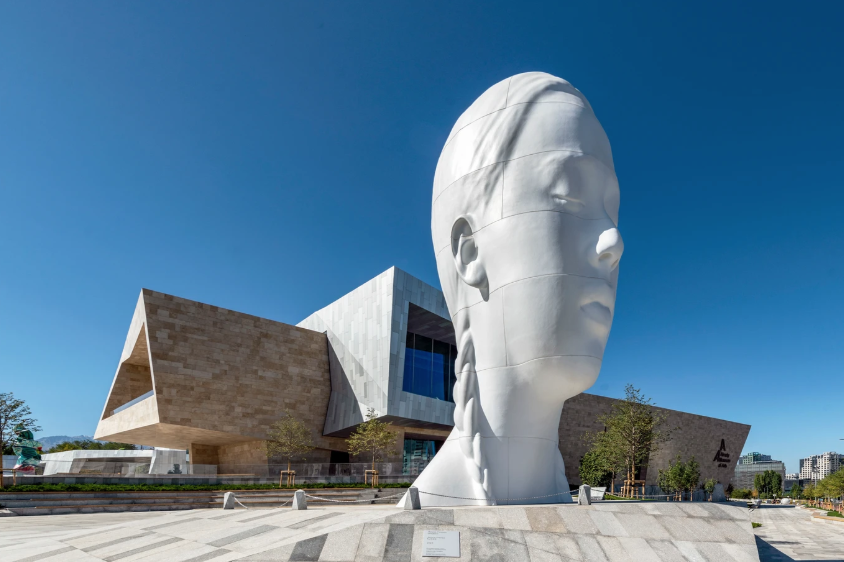
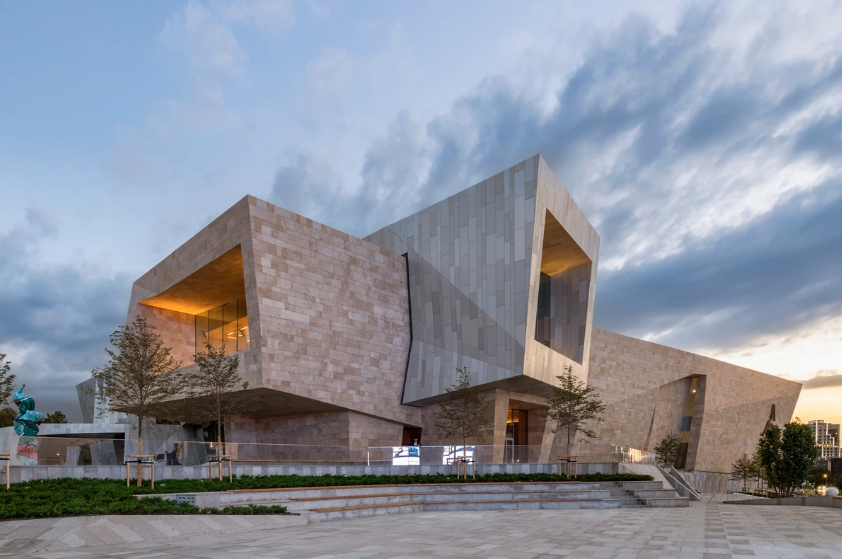
A week later, on 12 September, the Almaty Museum of Arts opened its doors. Founded by Kazakh entrepreneur and collector Nurlan Smagulov, the privately funded museum houses a collection of more than 700 works and positions modern and contemporary art from Kazakhstan and Central Asia within a broader international conversation. The near-simultaneous arrival of two institutions of this scale matters beyond the buildings themselves.
Almaty already possessed an independent contemporary art ecosystem, with organisations and galleries including Aspan Gallery supporting artists from Kazakhstan and across Central Asia. What the new institutions provide is another layer: permanent architectural and institutional spaces capable of bringing that cultural production to larger local and international audiences. And Almaty is not alone. Less than 1,000 kilometres away, another Central Asian capital is undergoing its own cultural transformation.
Tashkent: Building an Institution
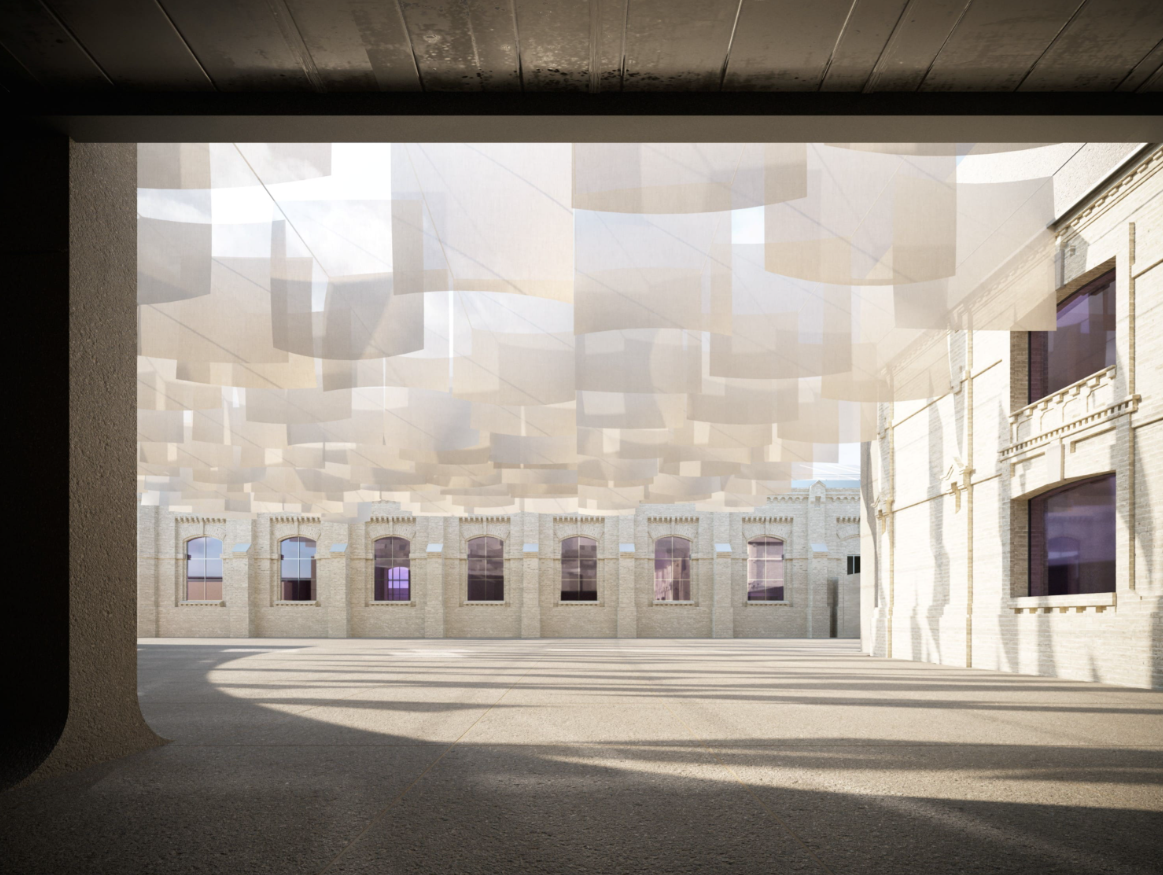
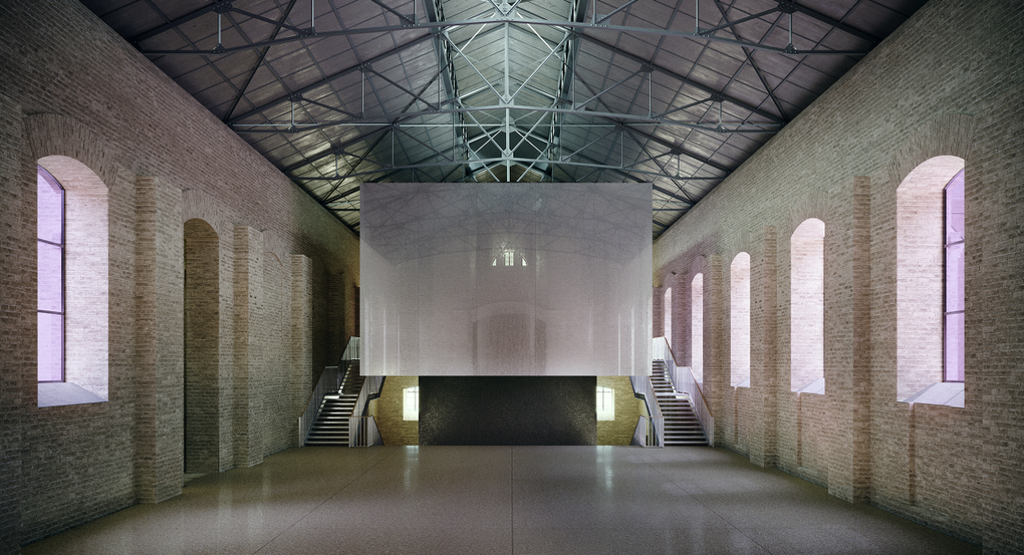
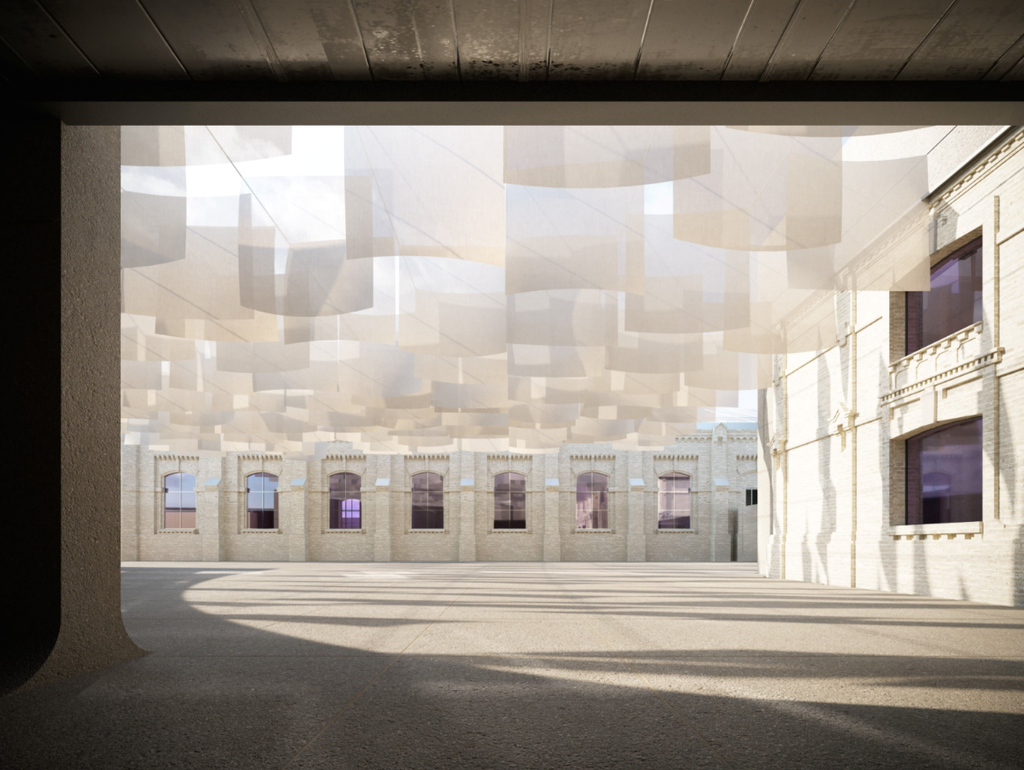
Perhaps nowhere is that ambition currently more visible than in Uzbekistan. On 6 September 2026, the Centre for Contemporary Arts Tashkent opened inside a restored industrial complex dating from 1912. Once a diesel station and tram depot, the building has been transformed by architecture practice Studio KO into the country’s first permanent institution dedicated to contemporary art, research and community engagement.
Its inaugural exhibition, Hikmah, curated by Dr Sara Raza, is particularly revealing of the approach. Rather than treating Uzbek heritage as scenery for contemporary art, the exhibition considers ideas of wisdom, material intelligence, architecture and making. The restoration itself incorporates vernacular methods, materials and crafts from across Uzbekistan.
CCA Tashkent is also part of something larger. In 2025, the inaugural Bukhara Biennial brought contemporary artists together with Uzbek master artisans across the historic Silk Road city. Uzbekistan is participating at the 2026 Venice Biennale, while the country’s Art and Culture Development Foundation has been steadily investing in museums, restoration, exhibitions and international cultural exchange.
There is an important distinction here. Uzbekistan is not suddenly acquiring culture. Bukhara and Samarkand were centres of intellectual, artistic and material exchange centuries before many of today’s art capitals existed. What is new is the infrastructure through which that history is being connected to contemporary cultural production.
That infrastructure is also inseparable from cultural diplomacy. The initiatives are strongly supported by the state-backed Uzbekistan Art and Culture Development Foundation, and critics have questioned the role that international cultural visibility plays in reshaping perceptions of the country. At the same time, commentators have noted the meaningful engagement between contemporary artists, local communities and Uzbekistan’s extraordinary craft traditions. The interesting question is therefore not simply whether Tashkent is becoming an art destination. It is what kind of cultural ecosystem it is attempting to build.
Taken together, Almaty and Tashkent suggest that something larger is taking place across Central Asia: not the sudden appearance of artistic culture, but the construction of institutions capable of giving existing cultural ecosystems greater permanence, visibility and international reach.
Baku: When the City Becomes the Platform
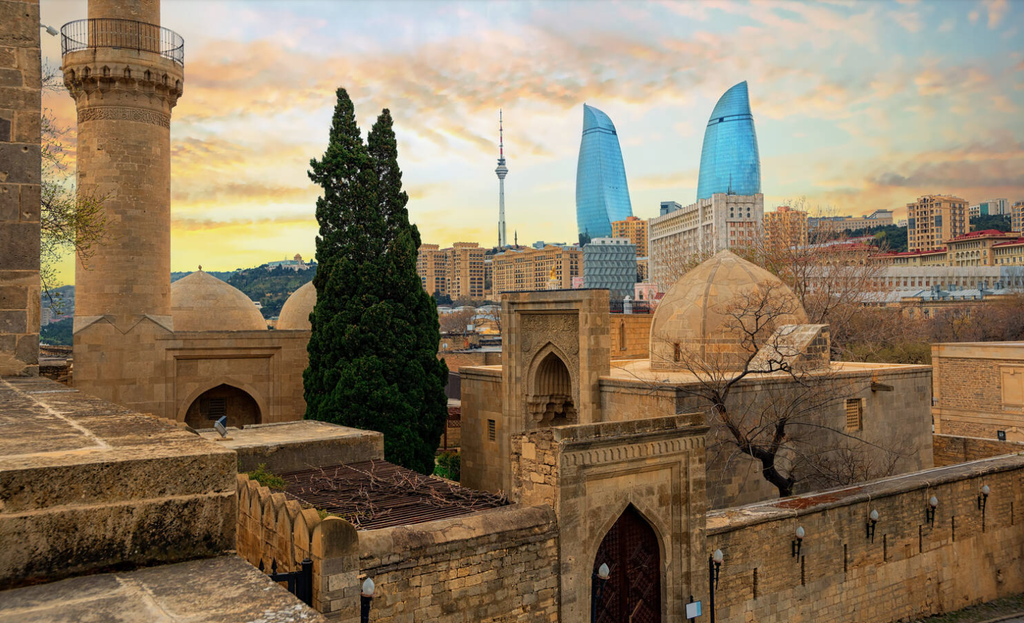
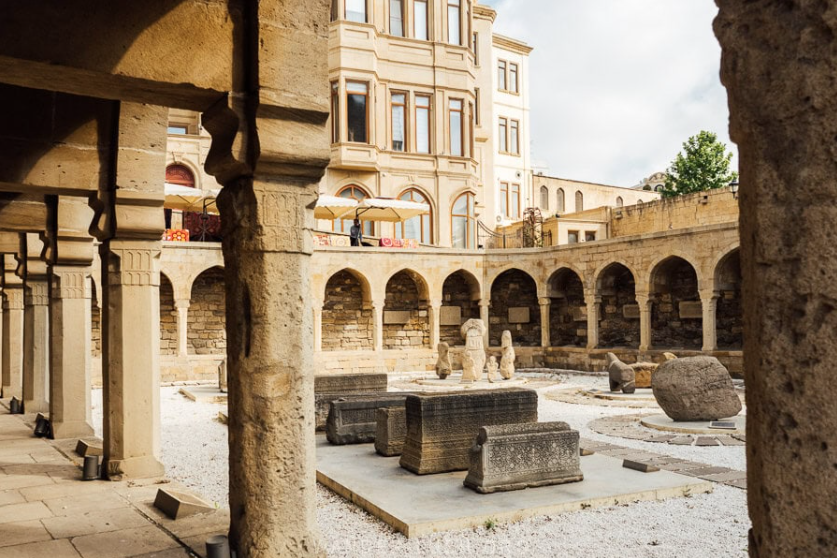
Across the Caspian Sea, Baku offers another model. From 30 October to 1 November 2026, Baku Art Weekend returns for its second edition, spreading exhibitions, installations, performances and conversations across museums, historic sites and public spaces. The organisers make their ambition unusually explicit: Baku itself is intended to become part of the cultural experience. Architecture, heritage and contemporary art are connected across the city rather than contained within a single fair or museum.
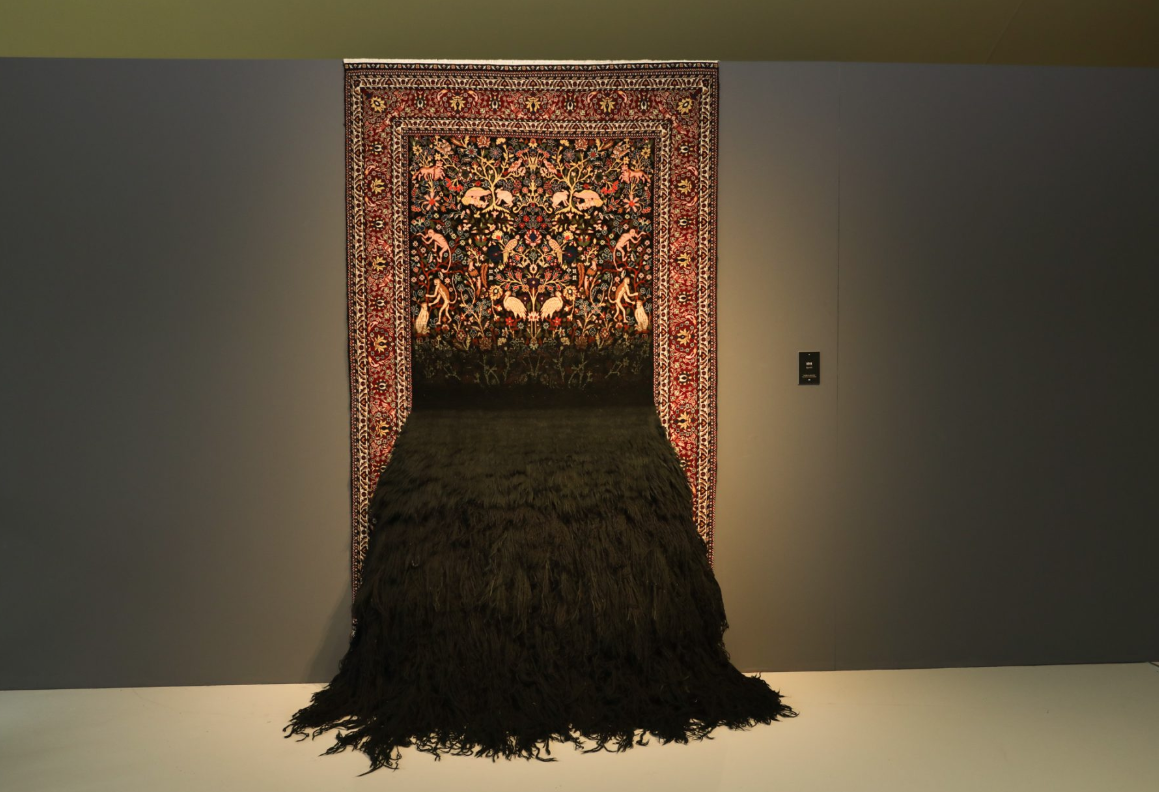
The first edition took place only last year. Its rapid development reflects a wider ambition to position Baku as a meeting point between local cultural identity and international contemporary practice.
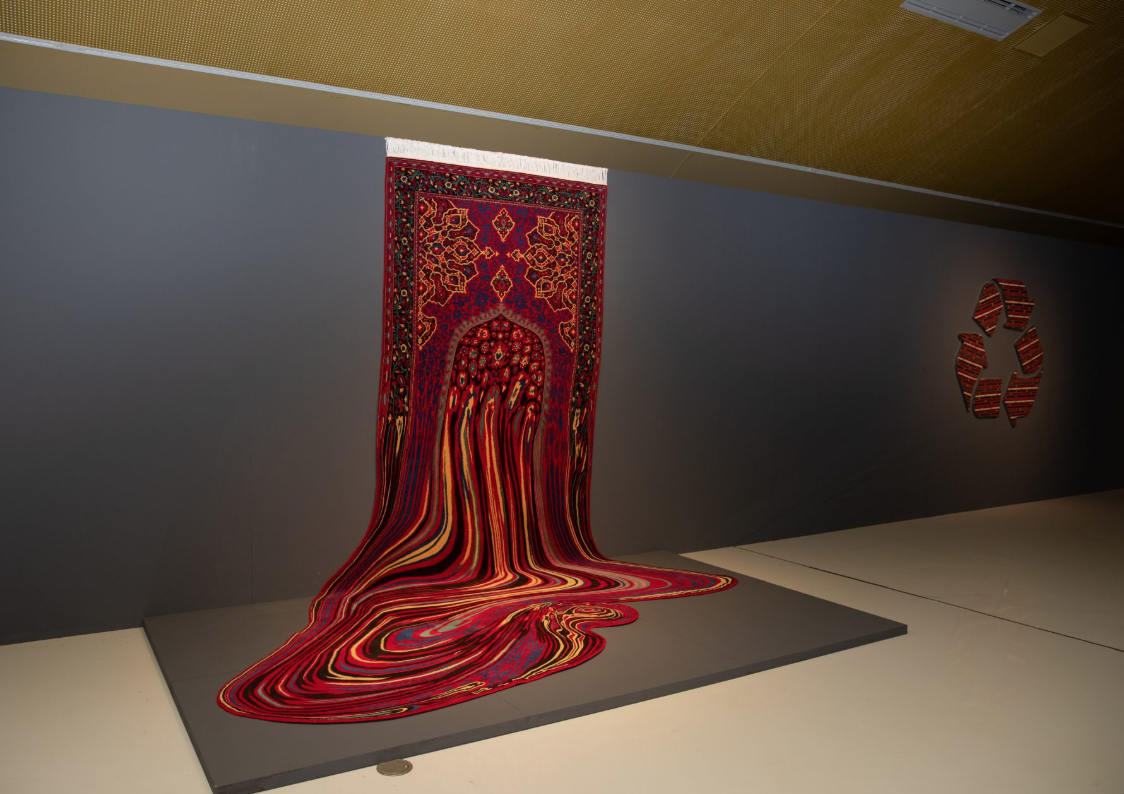
The emergence of a cultural capital is never simply about opening galleries or inviting international artists. It is also about creating the conditions for culture to inhabit the city itself, connecting contemporary practice with architecture, heritage and public space, and allowing a distinct cultural identity to become visible on an international stage.
Damascus: Culture After Rupture
In Damascus, the stakes are entirely different. From 11 to 18 September 2026, the city hosted the inaugural Art Week Syria, bringing together 47 Syrian artists across painting, sculpture, photography, installation, digital art and mixed media, alongside film, music, workshops and conversations.
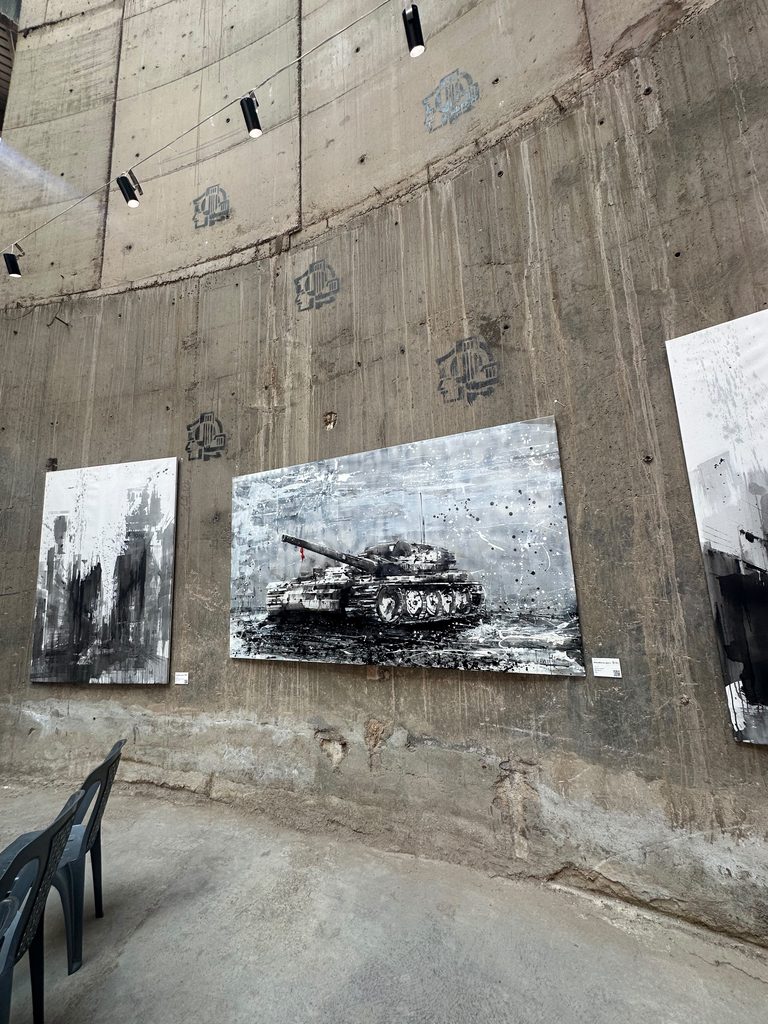
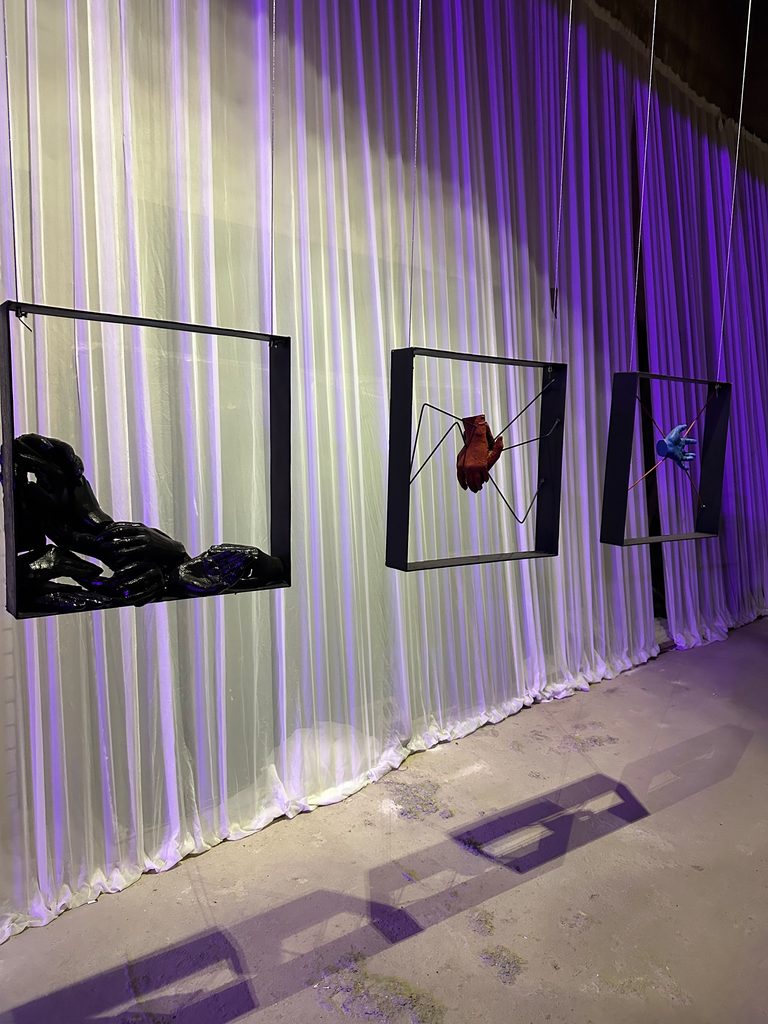
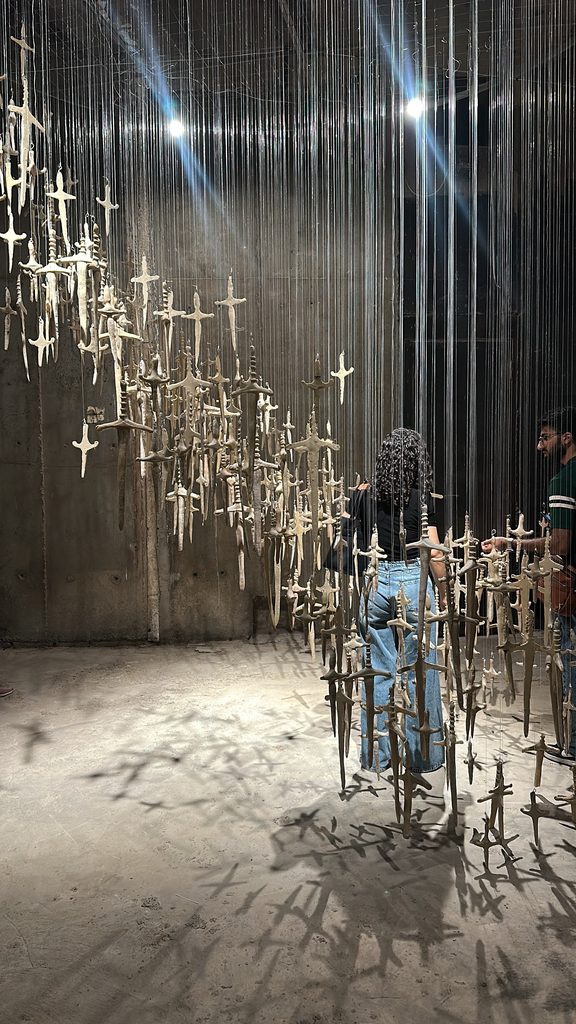
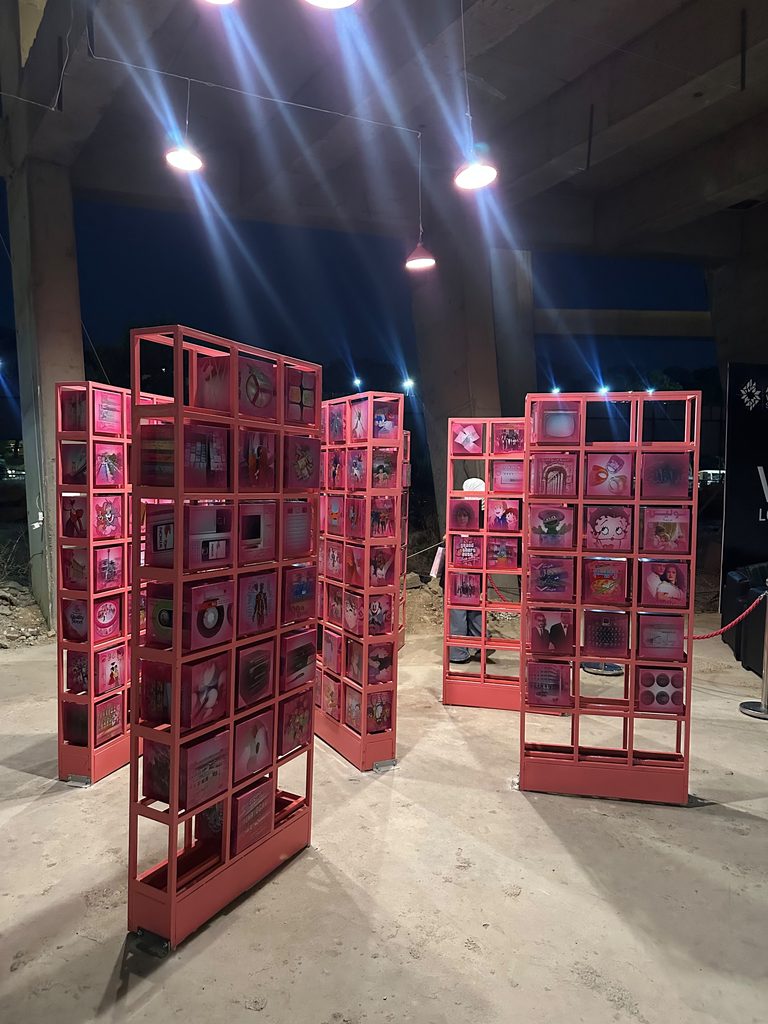
Many participating artists are based inside Syria, where years of war and political upheaval have severely constrained cultural infrastructure and international exchange. Even the venue carries that history. Warda Masar, which hosted the event, had stood abandoned and inaccessible for years, visibly marked by war. More than 100 international visitors reportedly arrived during the event’s first two days.
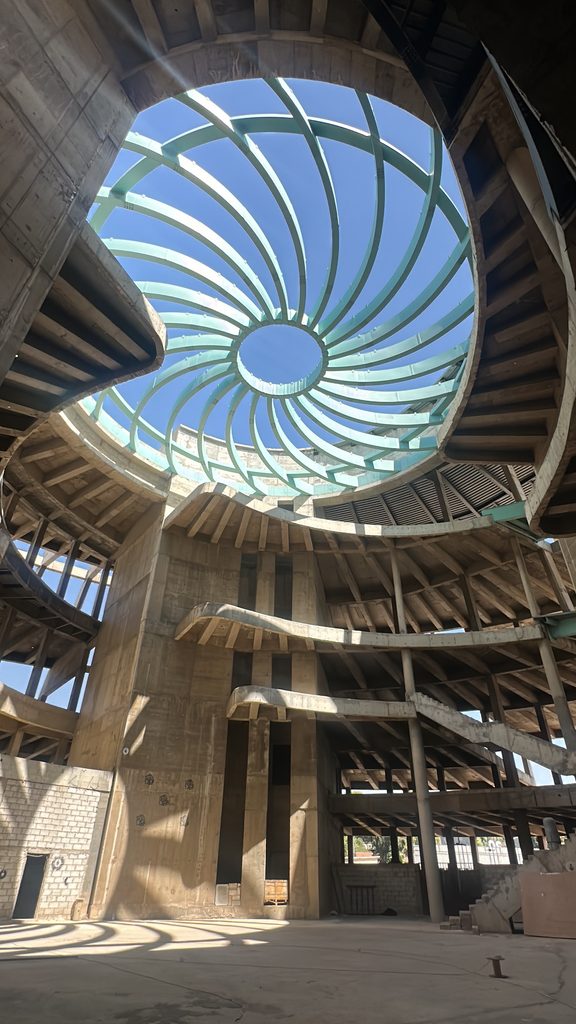
Here, describing Damascus as an “emerging art destination” would miss almost everything that matters. What is emerging is not Syrian culture, whose artistic history stretches back millennia. It is the possibility of rebuilding a public cultural ecosystem after prolonged rupture. Art Week Syria founder Line Kouwatli has explicitly connected the initiative to that process, arguing that cultural reconstruction must accompany the rebuilding of the country. The ambition is to establish a sustainable platform capable of connecting Syrian artists, particularly those working within the country, with audiences at home and abroad.
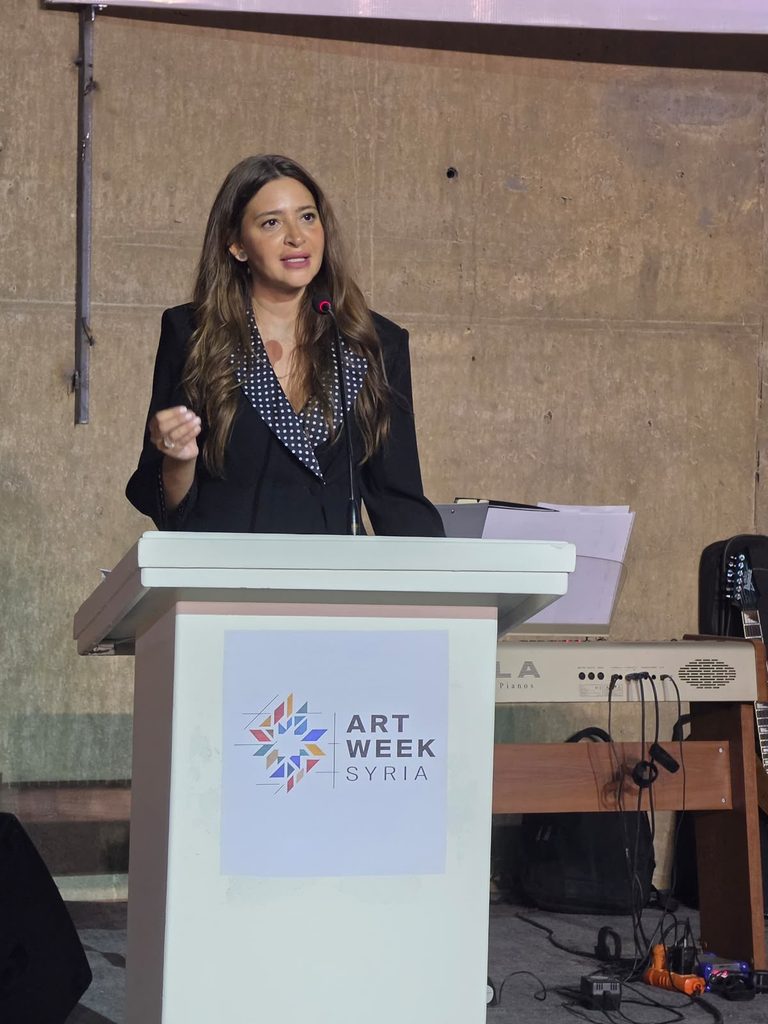
The shift from Tashkent, Almaty and Baku is significant. Culture here is not principally a means of positioning a city internationally. It becomes a way of re-establishing connections: between artists and audiences, between generations, between Syria and its diaspora, and between the country and an international cultural community from which many of its artists have long been separated.
Palestine: Designing Continuity
And then there is Palestine. From 15 to 24 September 2026, the first Palestine Design Week is taking place in Ramallah, bringing together around 70 local and international participants across furniture and object design, architecture, craft, technology, fashion and jewellery.
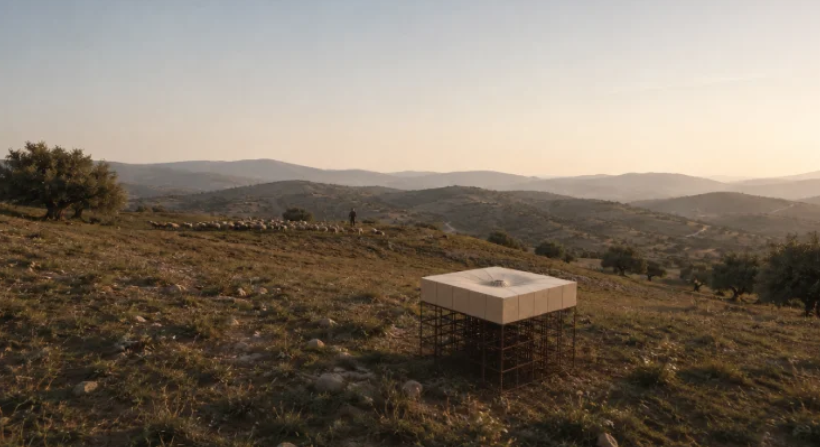
Under the title Without Permission, the inaugural edition looks simultaneously backwards and forwards, asking how Palestinian design can draw upon inherited materials, knowledge and ways of making without being confined by them.
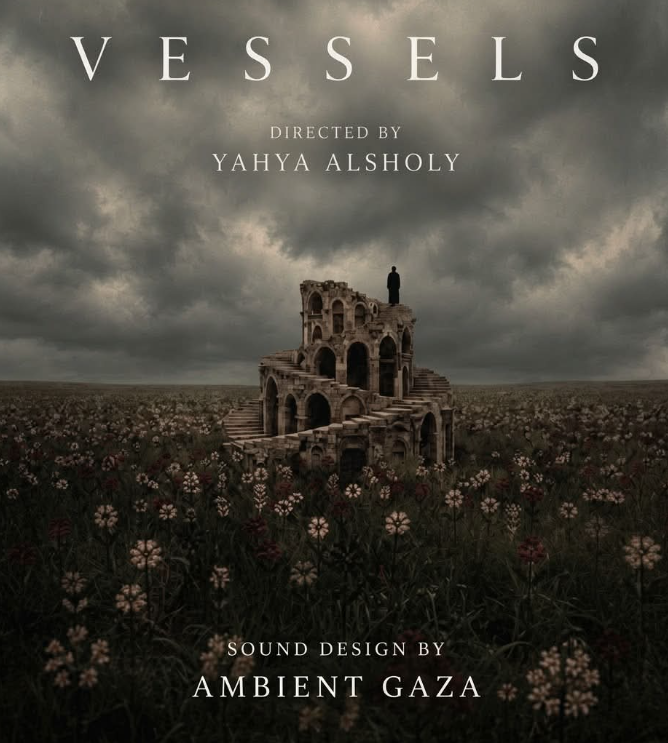
The works themselves make that proposition tangible. Yahya Alsholy and Ambient Gaza present sculptural vessels, while Palestinian designer Victoria Dabdoub’s The Weight of Something (Not So) Light comprises five rounded stone vessels carved in Palestine, using material itself to raise questions around access and agency. Designer and researcher Jessica Azizeh, meanwhile, revisits familiar vernacular objects in A Woman and a Hundred Times, reimagining the clay water jar and woven basket traditionally carried on women’s heads.
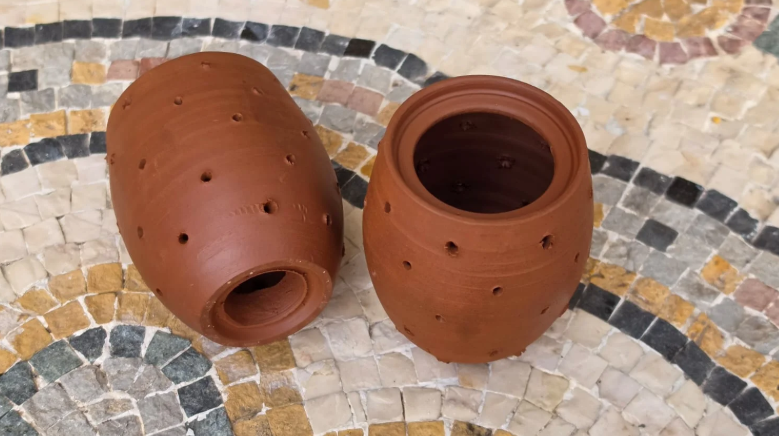
Running alongside this contemporary experimentation is Living Hands: Heritage and Design in Dialogue, an exhibition organised by UNESCO with EU support in partnership with Palestine Design Week and others.
The project focuses on six endangered Palestinian crafts: glassblowing, pottery, olivewood carving, mother-of-pearl inlay, traditional loom weaving and bamboo weaving. Designers, students and master artisans have worked together to translate inherited techniques into contemporary objects, from furniture and lighting to hand-blown glass and tableware.
Here, design performs yet another function. It becomes a mechanism for continuity. A material, technique or gesture can carry knowledge from one generation into another while still being transformed. Heritage ceases to mean preserving an object exactly as it was and instead becomes something capable of producing new objects, new livelihoods and new ideas. In that sense, the contemporary and the traditional are not opposites. One keeps the other alive.
Infrastructure. Platform. Reconstruction. Continuity.
Different processes, yet together they suggest that the geography through which contemporary culture circulates is becoming more complex. For much of the twentieth century, international recognition often required movement towards an established centre: an artist showing in London, a designer exhibiting in Milan, a gallery appearing at Basel, a national story being presented in Venice.
A different model is now taking shape. What happens when the centre moves? Or, more accurately, what happens when there is no longer only one centre? The significance of a new museum in Almaty, an art centre in Tashkent, an art weekend in Baku, an exhibition in Damascus or a design week in Ramallah isn’t that these cities might become the “next” Paris, Milan or London. They don’t need to. Their significance lies in the possibility of building cultural ecosystems on their own terms, connecting local knowledge, materials, artists and audiences with an international conversation without requiring that culture first pass through an established centre to gain international visibility. Perhaps the new geography of culture isn’t about replacing the old capitals at all.
It is about drawing a map with many more centres.