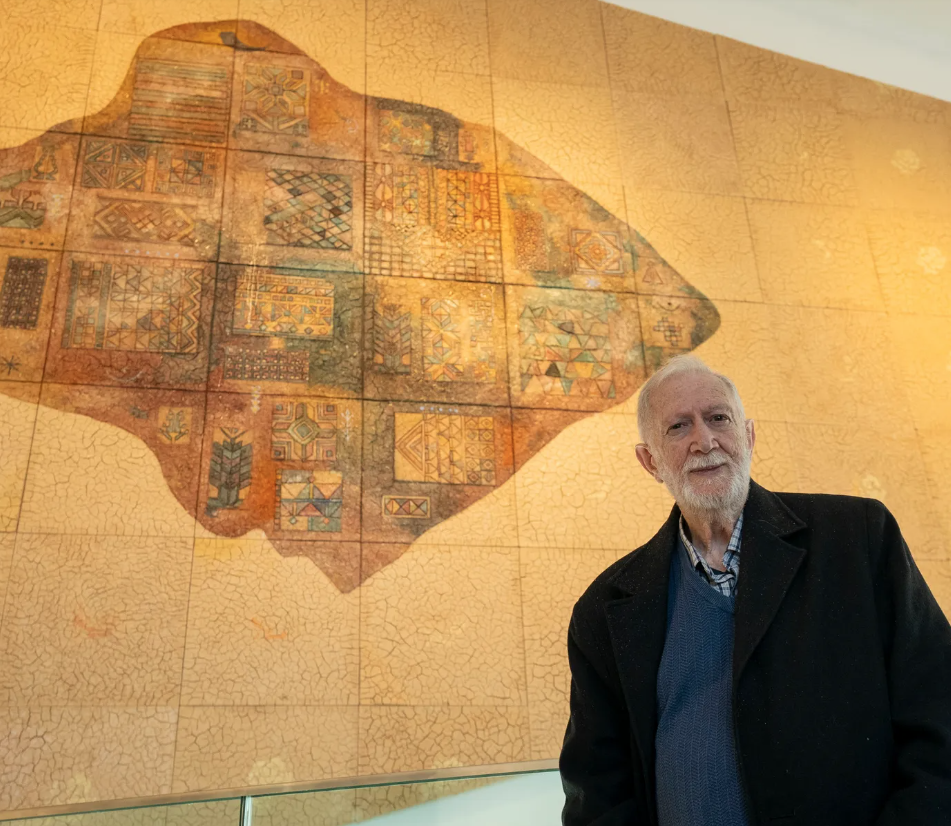
For twenty five years, Rue Kothari has been quietly rewriting how the Middle East relates to design, first as the launch editor of Harper’s Bazaar Interiors, then as the director who turned Downtown Design into the region’s leading fair, and later through Editions and DESIGNEAST, platforms built to give craft, collectible design and Global South talent a stage of their own.
Born in London and shaped by more than two decades in Dubai, Kothari has spent her career translating between worlds, connecting international brands with regional opportunity while mentoring the young studios building that region’s future. Her new role carries that instinct to its widest platform yet: Director of Design Miami Dubai, the brand’s first chapter in the Middle East, opening in partnership with Alserkal Avenue.
In this edition of In Conversation With, Rue Kothari reflects on why access, not cost, will define the fair’s inaugural edition, what she is determined to carry over from Downtown Design, and why the region needs to write its own vocabulary for collectible design rather than translate the West’s.
You’ve spent over fifteen years building the regional design ecosystem, from Downtown Design to Editions to DESIGNEAST. What made this the right moment to take on Design Miami Dubai?
When I met Design Miami’s leadership last year, they were looking for a partner to open a satellite event in the region. I’ve been close to Alserkal for many years now, and understood implicitly that they would be a natural fit. Both organisations are extremely aligned in journey, vision and ambition.
Aside from good chemistry, the timing was essential. I’ve invested two decades building design brands in the region, which has given me a proven instinct for the market. Every signal pointed the same way: commercial design in the region is saturated, art has plateaued globally, but collectible design, especially in MENASA, continues to leap, and the data supports that.
Crucially though, it’s been the evolution of our mindset that’s creating the biggest shift. Our values are more aligned with buying less and buying better, of acquiring objects that resonate with our beliefs and that demonstrate our personal style. We’re moving away from conspicuous purchasing to a more mindful investment for the long term.
Design Miami carries a very specific global identity, forged in Basel and Miami. How much of that identity travels intact to Dubai, and how much has to be reinvented for this region?
Since 2005, Design Miami has been the driving force behind the industry, nurturing galleries, advancing designers’ careers and shaping the terminology and institutional relationships that have allowed collectible design to thrive.
Now, as the recognised global authority on collectible design they are expanding globally, and we’re part of that journey. Their brand equity, credibility and network are our foundation, on which we can build a meaningful platform to support the growth of our own design galleries, young studios and creative people.
Like our sister fairs in Miami, Paris and Seoul, Design Miami Dubai will be a reflection of our own design scene. In the case of our wider region we can dip into the deep cultural mix, draw from a rich heritage of craft practices and weave threads from Africa, India, South East Asia, the Levant and of course the Gulf into storytelling that connects with our particular human experience.
It’s important to remember that what we make, how it shapes us and what we deem valuable are understood very differently in the Global South, and our fair needs to respond to that, positively and viscerally.
You’ve said that value is governed by access, not cost. How does that philosophy shape what you want the inaugural edition to look like?
Access is the most important factor when you’re building a platform that is both seminal and transactional. Cost is an abstract concept if people don’t understand the provenance, the designer’s journey and the material process, so it can often be a barrier that is formed subjectively. Access is an invitation to connect with the maker, ideas and stories of an object. A visceral response to the inner world of design is what creates neurological connections within the mind of the collector, one that ultimately determines the value of a piece to them personally.
We are building a fair for Future Patrons, so we have to keep in mind that the work should be accessible, despite the cost. Every touchpoint should draw the culturally curious closer to the work: designers in situ and in conversation, provenance and process made visible, programming that educates as much as it engages. A first time visitor should be left with the feeling that they have been given access to this world, not priced out of it. At the core is our Future Patron’s programme that pops up around the region to help cultivate familiarity and connection to the work.
Alserkal Avenue has spent over a decade building itself as an independent creative district, outside the museum and biennial system. Why was that the right partner for Design Miami’s first Middle East chapter, rather than a more institutional setting?
Alserkal goes beyond the Avenue itself. First and foremost it’s a cultural organisation that has developed the infrastructure for grassroots creative businesses to grow and thrive. We’re building on that legacy, trust and familiarity, and embedding a new and dynamic cultural asset into the art ecosystem. When we launch during Alserkal Art Week and Art Dubai in the spring of 2028, we have the advantage of an existing footfall, a network of galleries, event spaces, mature programming and a discerning collector base, the basic ingredients required for an impactful debut.
You started in consumer publishing before moving into fairs and platforms. What did it teach you about curation that you still use today?
Being an Editor in Chief is the best possible training for curation. It gives you the global perspective and finesse of a tastemaker, the confidence to trust your own instincts, and a deep understanding of how objects illustrate ideology and add value to our experience. The challenge is transposing what exists on the page into three dimensions. Mistakes are easily missed on the printed page, but not in a fair, so you learn to be exacting about every detail.
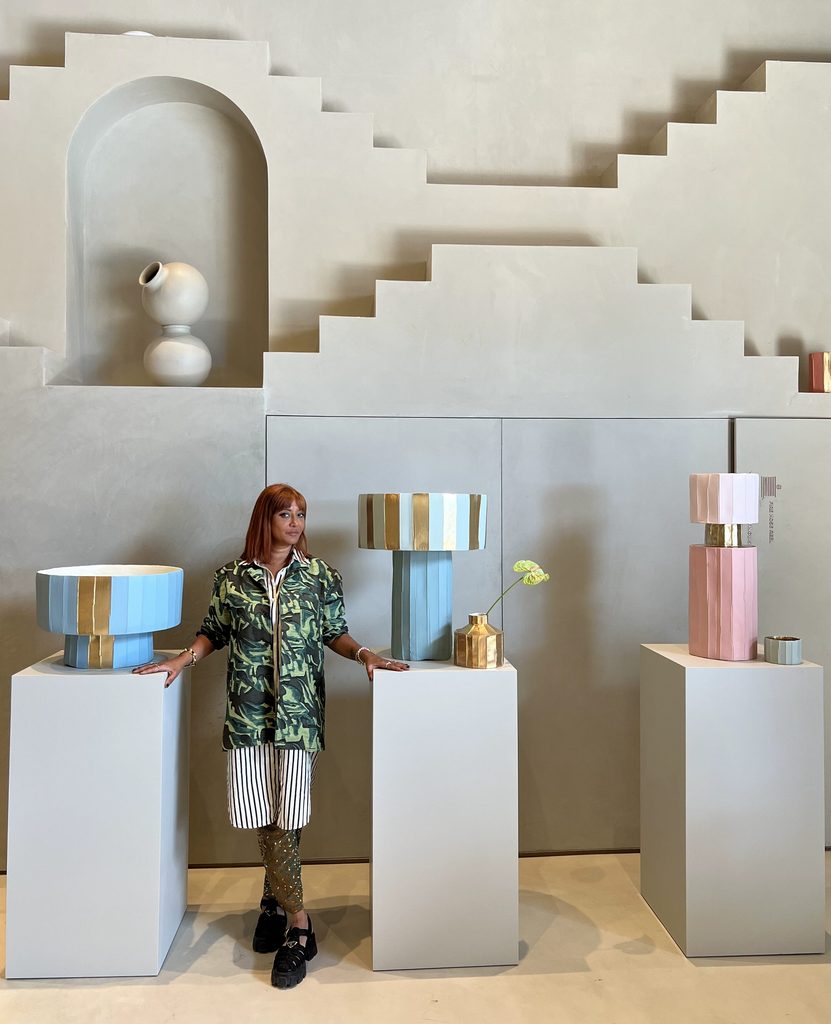
Downtown Design grew under your direction into the region’s leading fair. What is the one lesson from that experience you’re most determined to apply, or avoid, at Design Miami Dubai?
To really work, a fair needs to be a visitor experience, which means understanding your audience and curating for them. Commercial shows can be tempted to take the money and run, but audiences are not easily fooled so you have to operate with authenticity and integrity. Curating for yourself, with no thought for what sells or how, can be obstructive for more creative shows. Success lies in striking the balance: helping galleries and exhibitors shape their offer while giving buyers real opportunities to understand and purchase the work. And then there are the elements that make an experience unforgettable, the personal service you extend to your clients, and the networking, programming and parties that connect people, create entertainment and make memories.
You’ve lived in Dubai for over fifteen years but you’re still introduced as London-born. Design Miami Dubai will inevitably be read as a Western brand landing in the Gulf. Do you see yourself as the person translating it for this region, or as someone who has to convince the region it isn’t being handed something foreign?
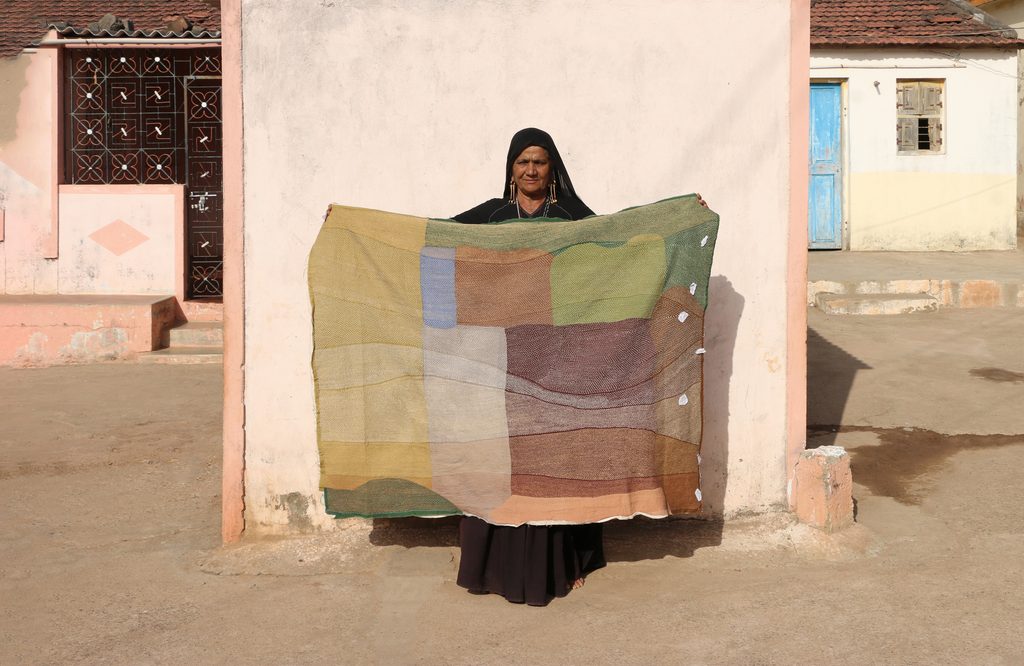
I’m of Indian-African descent, born in London and shaped by Dubai, it’s not an uncommon origin story, especially if you live in the UAE. We are a diverse community that looks outwards, and our vernacular is a heady mix of narratives informed by culture, craft and the built environment. Our Dubai show will be the nucleus, but the real texture of the fair will be created by the distinct and beautiful diversity of output created by design practitioners across MENASA.
Being from London has given me the perspective to understand how Design Miami Dubai can be positioned globally, but it doesn’t factor into the curation or communication.

The inaugural edition is set for early 2028. What does success look like for you in that first year, realistically, versus what you’re hoping for in five years?
We have a long runway to our first fair, in the spring of 2028. It’s a considered and deliberate strategy that gives us the bandwidth to develop the regional market for collectible design. This is not a short term endeavour but a long term commitment to creating the infrastructure through which designers, craftspeople, galleries and collectors can grow sustainably. It has been a challenging year for all of us, and what the region needs right now is support, collaboration and year round connection to the international industry, that’s at the heart of what we are doing.
We are not a fair that emerges once a year and then goes back into hibernation; we are part of a year round, global network our community can draw on, and that will help to nourish the deep vein of talent and creativity that exists in the region.
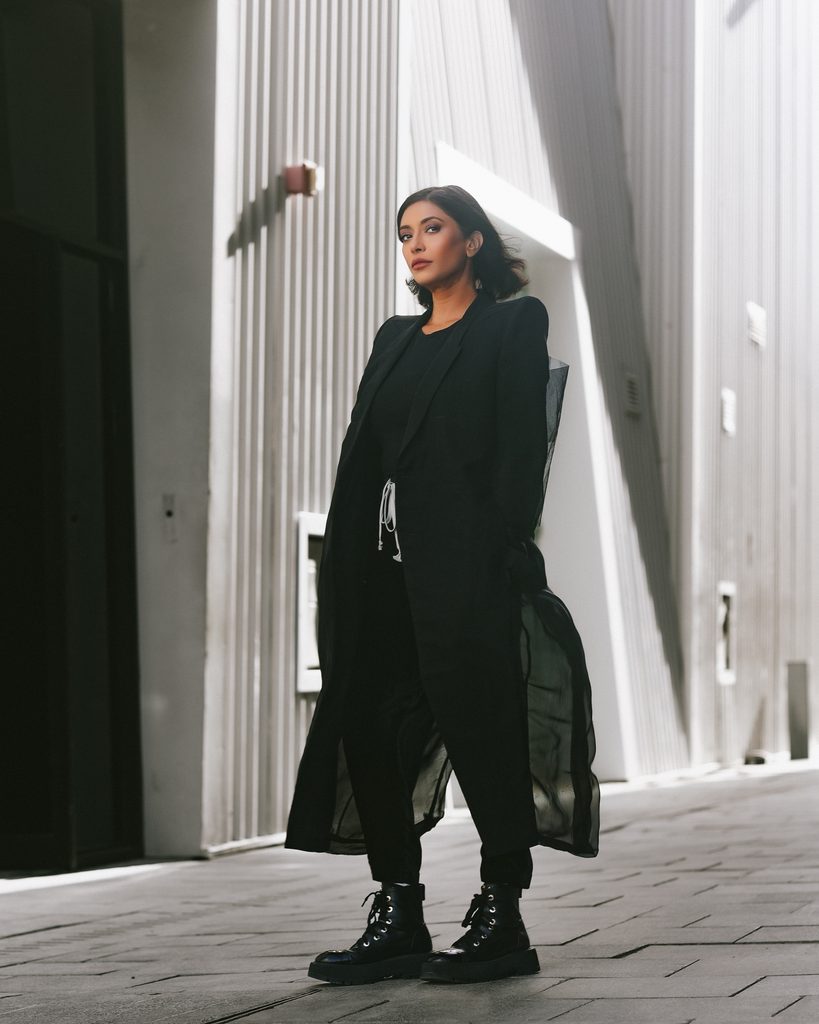
9You’ve spoken about advising international brands on regional opportunity while also mentoring emerging local talent. How do you hold both roles at once without one compromising the other?
The two roles can operate independently or symbiotically. The international brands I’ve advised arrive with a distinct set of objectives, growing their trade audience, and building visibility through press and events that engage the industry and express their values. Regional talent needs something different, and often more fundamental: the confidence to know their work has validity on the global stage, and the guidance to curate, position and define it so that it can be properly understood by an international collector. Where the two intersect is now a trend that’s pervasive across the region, with established international brands seeking collaborations with young regional talent, to localise their collections and integrate into existing social and commercial networks.
Design Miami Dubai sits at a triangulation point between Miami, Paris and the Gulf. What do you think this region can say about collectible design that those other cities can’t?
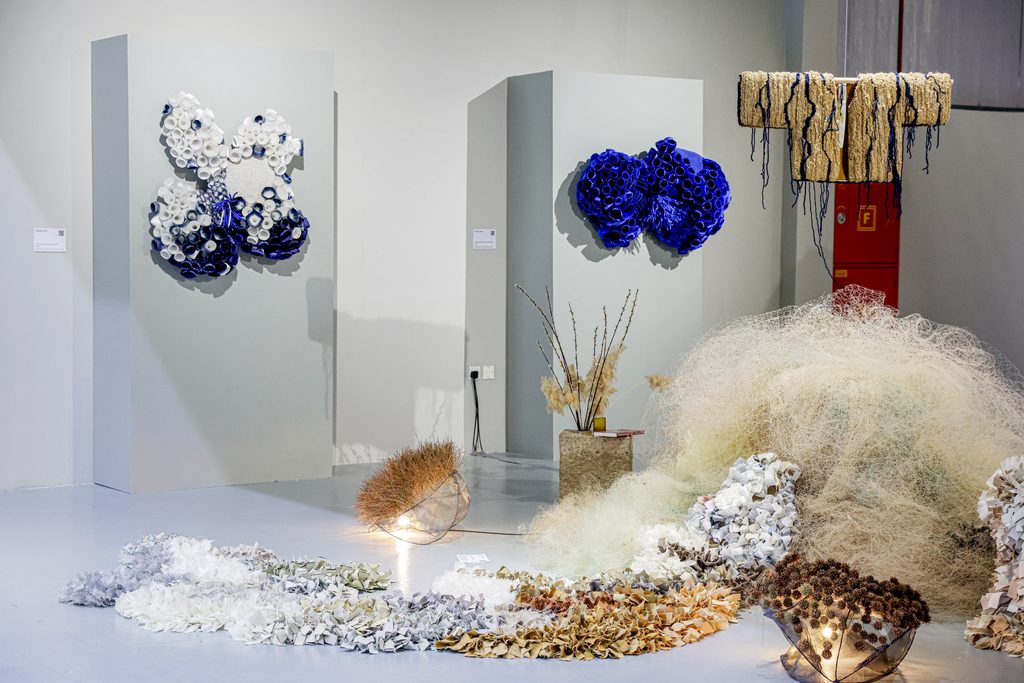
The terminology of collectible design has been institutionalised by the West, and often can feel distant to makers in MENASA. We recognise that this gap needs to be bridged by a new lexicon that lends itself to the nuances of our heritage, craft and culture, to help our Future Patrons to better appreciate and connect to the work. It’s a task we are working on now, that rather than translating the West’s vocabulary, we’re writing our own.
When you imagine a visitor walking through the first edition, what do you want them to feel before they even look closely at a single piece?
I want them to feel the excitement of the unknown, the thrill of seeing something for the first time and the subliminal realisation that they are part of this next generation of design in the region.