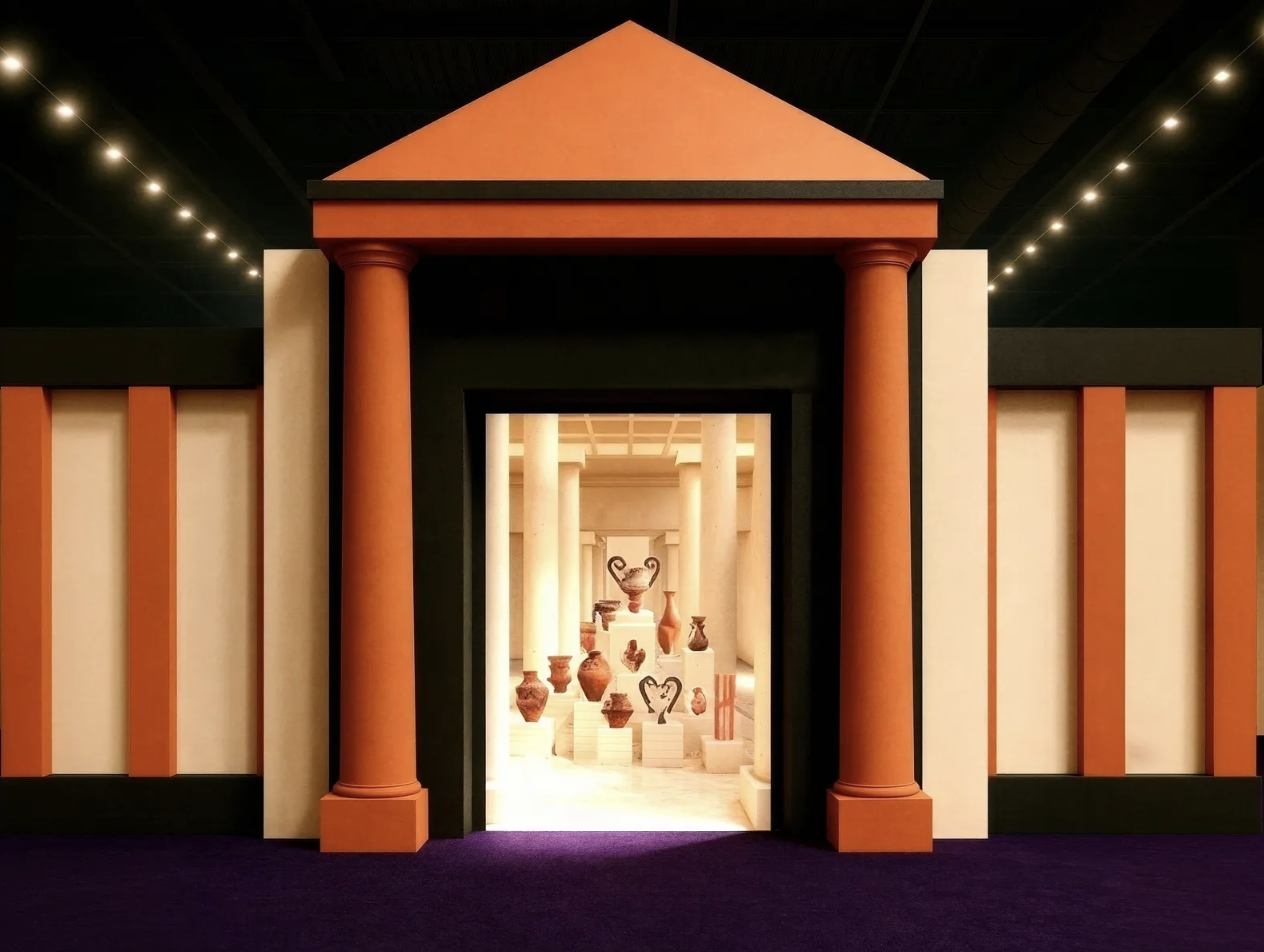
Marie Claire Maison Arabia interviewed Yasmin Alsdais, Maison&Objet’s newly appointed MENA Ambassador, on design, heritage and the region’s first Women & Design dinner in Riyadh.
Maison&Objet has appointed Yasmin Alsdais as its first MENA Ambassador, a role created to strengthen ties between the region’s design community and the fair’s international network. The appointment marks a new chapter for the platform’s engagement with the region, one that reflects the growing international recognition of MENA design.
Alsdais brings a rare vantage point to the role. Her relationship with Maison&Objet began nearly two decades ago as a design student, and her career since has spanned residential, commercial and hospitality projects across the region. In this conversation, she reflects on the growing confidence and authenticity shaping MENA design, and the ambitions behind her first year as Ambassador.
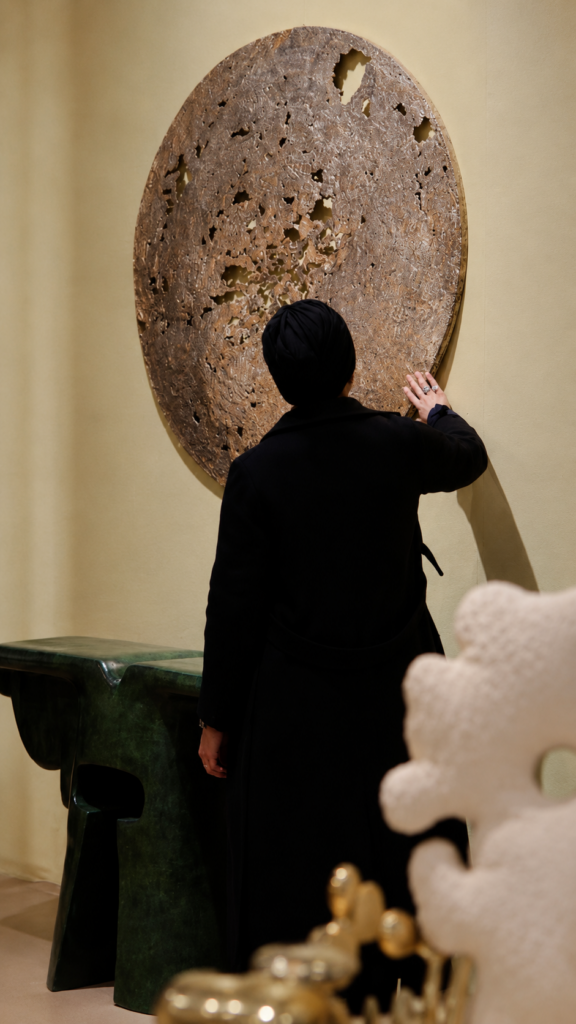
What does the MENA Ambassador role for Maison&Objet mean to you personally, and what drew you to accept it?
Maison&Objet has been part of my journey for nearly two decades now. I first walked through its halls as a design student, and I still remember how inspiring it was to see so many different cultures, materials, and ways of thinking brought together under one roof. I left that first visit feeling that design could be both deeply rooted in tradition and globally relevant.
Since then, I’ve returned whenever I could. Every visit has been an opportunity to learn, discover exceptional craftsmanship, meet designers and makers from around the world, and continue expanding my perspective as an interior designer.
To now be appointed MENA Ambassador feels like a genuine full-circle moment in my career.
What drew me to the role was the opportunity to help build stronger connections between our region and the international design community. The Middle East and North Africa are home to extraordinary creative talent, rich cultural heritage, and a rapidly evolving design industry. I believe this is the right moment to help more designers from our region gain international visibility while also encouraging meaningful exchange between our creative communities.
How do you see your role bridging Maison&Objet’s global platform with the region’s design community?
I see this role as creating value in both directions.
One priority is introducing more of the exceptional designers, artisans, manufacturers, and creative entrepreneurs emerging across the MENA region to an international audience.
Equally important is bringing knowledge, relationships, and new perspectives back to our region. Whether through curated introductions, panel discussions, studio visits, mentorship opportunities, or educational exchanges, I’d like to encourage stronger connections between regional and international creative communities.
I’ve always believed that design evolves when different perspectives meet. My hope is to help build relationships that extend beyond a single exhibition and become lasting collaborations between people who can genuinely learn from one another.
How would you describe the current state of design and craftsmanship across the Middle East and North Africa?
It’s an incredibly exciting moment for design across our region.
There is growing confidence in work that draws from local identity rather than looking elsewhere for validation. Designers are rediscovering regional materials, traditional craftsmanship, vernacular architecture, and cultural narratives, then interpreting them through a contemporary lens that feels both authentic and forward-looking.
In Saudi Arabia, for example, we’re seeing renewed appreciation for local stone, handcrafted plasterwork, woven textiles, and traditional building techniques that are being reimagined for today’s projects.
At the same time, investment in design, hospitality, culture, and the creative industries has created opportunities that simply didn’t exist a decade ago.
Craftsmanship has always existed here. What’s changing is the visibility, ambition, and growing international appreciation for what our region has to offer.
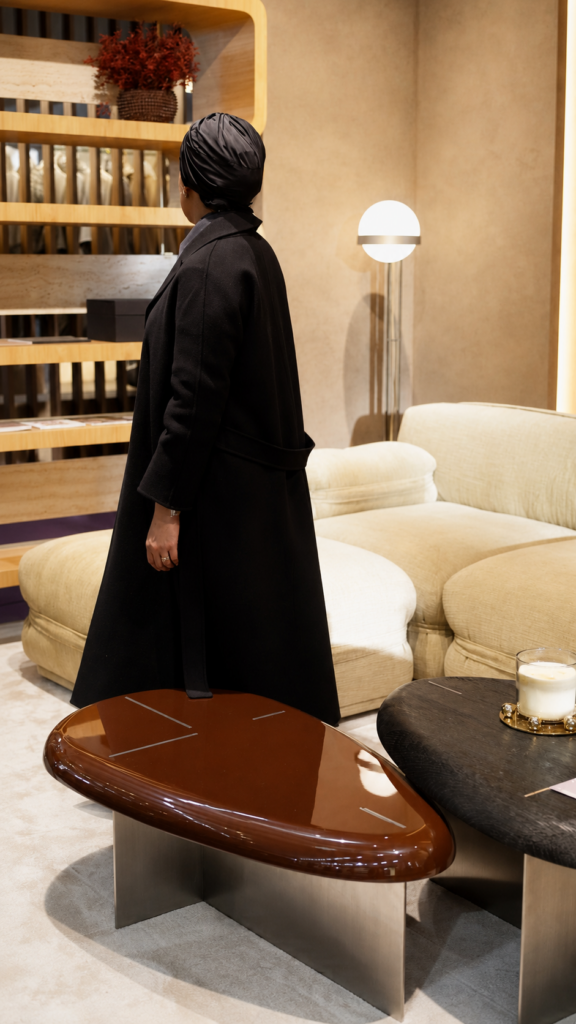
What makes MENA design distinct on the global stage right now? What story is it telling that others aren’t?
I keep coming back to authenticity because I believe it’s becoming one of our greatest strengths.
A growing number of designers across the region are creating work that feels deeply connected to place, climate, materials, and cultural identity while remaining contemporary. Whether it’s the careful restoration of historic districts such as Diriyah or cultural institutions like Ithra, we’re seeing projects where heritage informs design from the very beginning rather than being introduced as decoration later.
The story we’re telling is that tradition and innovation are not opposites. They can strengthen one another.
Our history, craftsmanship, and ways of living provide a rich foundation for contemporary design. Rather than looking backwards, they’re helping shape new ideas that feel relevant today.
I think this resonates at a time when many people are seeking spaces with greater material richness, cultural depth, and a stronger sense of place.
Which emerging voices or studios in the region do you think deserve more international visibility?
It’s difficult to reduce such a diverse region to only a few names because there is remarkable work happening across the Middle East and North Africa.
Across the region there are extraordinary designers and artisans preserving traditional crafts while finding contemporary applications for them.
What excites me most isn’t that these practices all work in the same way. It’s that each represents a different perspective on what contemporary MENA design can become, and together they demonstrate the remarkable diversity emerging across our region.
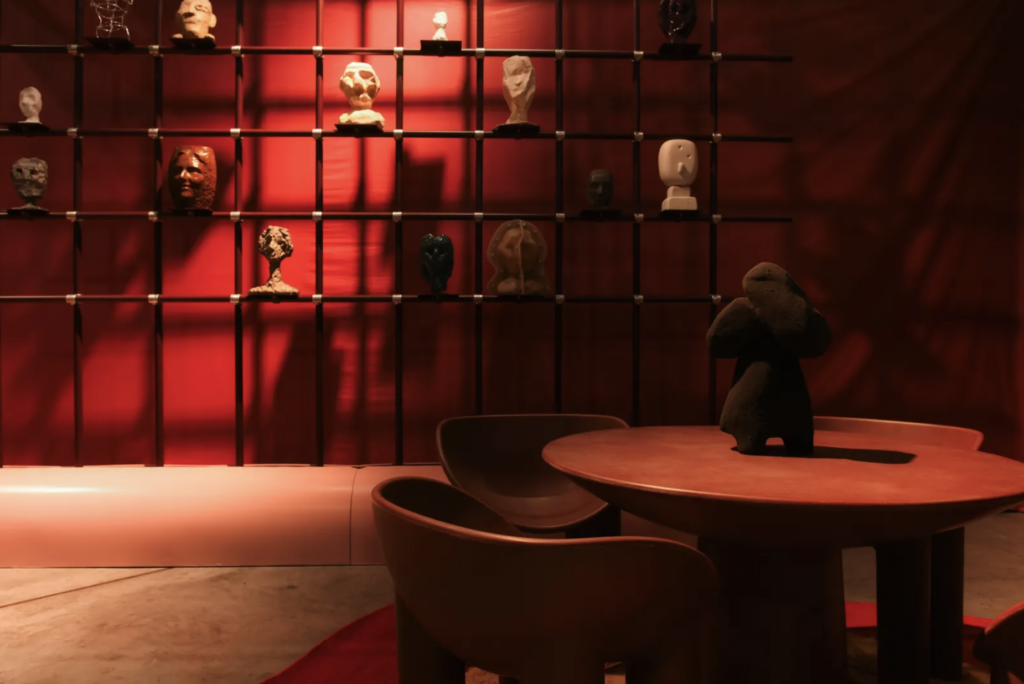
What experiences in your own career shaped how you think about design, and how will they inform this new role?
Working across residential, commercial, and hospitality projects has taught me that great design always begins with understanding the people you’re designing for.
One lesson that has stayed with me came from a residential project where our initial concept changed significantly after spending more time with the family and understanding how they actually lived. Listening carefully reshaped the design completely, and the final outcome was far stronger because it reflected their daily lives rather than our initial assumptions.
That experience reinforced something I still carry: every design begins by listening before drawing.
I also believe that exceptional design never happens in isolation. It comes from close collaboration between clients, artisans, manufacturers, consultants, and skilled craftspeople, each bringing knowledge that strengthens the final outcome.
Travelling regularly, visiting exhibitions, meeting makers, and experiencing design across different cultures has also shaped how I approach creativity. It constantly reminds me that there is always something new to learn.
Those experiences will guide how I approach this ambassador role by encouraging curiosity, supporting collaboration, and creating opportunities for designers from different backgrounds to learn from one another.
Is there a project, object, or space from the region that you consider a personal touchstone for what MENA design can be?
For me, Diriyah is one of the strongest examples.
What inspires me isn’t simply the architecture itself, but the way traditional Najdi design principles have been thoughtfully reinterpreted for contemporary life. Walking through the area, you can feel that heritage isn’t being preserved as something static or nostalgic. Instead, it’s continuing to evolve in a way that feels authentic and relevant.
As a designer, that’s something I think about often in my own work. I don’t believe our role is simply to reference heritage aesthetically. It’s to understand the culture, materials, craftsmanship, and stories behind it, then reinterpret those elements in ways that respond to how people live today.
I think that’s one of the greatest strengths of MENA design. At its best, it doesn’t simply follow global trends. It contributes a distinct perspective shaped by the region’s own history, materials, climate, and ways of living.
What do you hope to achieve in your first year as Ambassador?
My first priority is to build meaningful foundations that will continue beyond my tenure.
I’d like to introduce more regional designers, artisans, and creative businesses to Maison&Objet’s international network while encouraging greater participation from across the MENA region.
I also hope to create practical opportunities for emerging designers through mentorship, curated introductions, studio visits, and conversations that help prepare them to exhibit and collaborate internationally.
Equally important is strengthening relationships between international designers and our regional creative community. I believe there is enormous value in creating opportunities for knowledge exchange, where both sides can learn from one another.
Where do you see the biggest opportunities for MENA designers to connect with international markets?
International exhibitions such as Maison&Objet remain one of the most valuable routes because they allow people to experience design in person and build genuine professional relationships.
Beyond exhibitions, I see significant opportunities through collaborations with international manufacturers, hospitality brands, galleries, and design companies that are looking for fresh perspectives and regional expertise.
Digital platforms have also made global visibility more accessible than ever before. They allow designers to share their work with international audiences instantly. However, long-term success is rarely built through visibility alone. It comes from trust, consistency, and meaningful professional relationships developed over time.
I believe the strongest international presence combines all three: exceptional work, sustained participation, and genuine human connections.
What conversations or collaborations would you like to see happen between the region and the wider Maison&Objet network?
I’d love to see collaborations that extend far beyond showcasing finished work.
Imagine international designers working alongside regional artisans to reinterpret traditional craftsmanship in contemporary ways, manufacturers developing products together across borders, universities creating exchange programmes for emerging designers, or mentorship initiatives that connect established practices with younger studios entering the profession.
I’m also interested in conversations around sustainability, material innovation, and craftsmanship, where traditional regional knowledge can contribute meaningfully to contemporary global challenges.
The most successful collaborations are those where knowledge flows in both directions and every participant brings something valuable to the table.
What would success look like for you at the end of your tenure?
For me, success won’t simply be measured by the number of events we’ve organised or initiatives we’ve launched.
Success would be seeing more designers from our region exhibiting internationally, new collaborations between designers, artisans, manufacturers, and brands, and greater international recognition for the quality and originality of work emerging from the Middle East and North Africa.
I’d also love to see stronger relationships between the MENA design community and Maison&Objet that continue well beyond my ambassador term, creating lasting networks rather than temporary connections.
Ultimately, if emerging designers feel better supported, better connected, and more confident about presenting their work on an international stage, I would consider that a meaningful success.