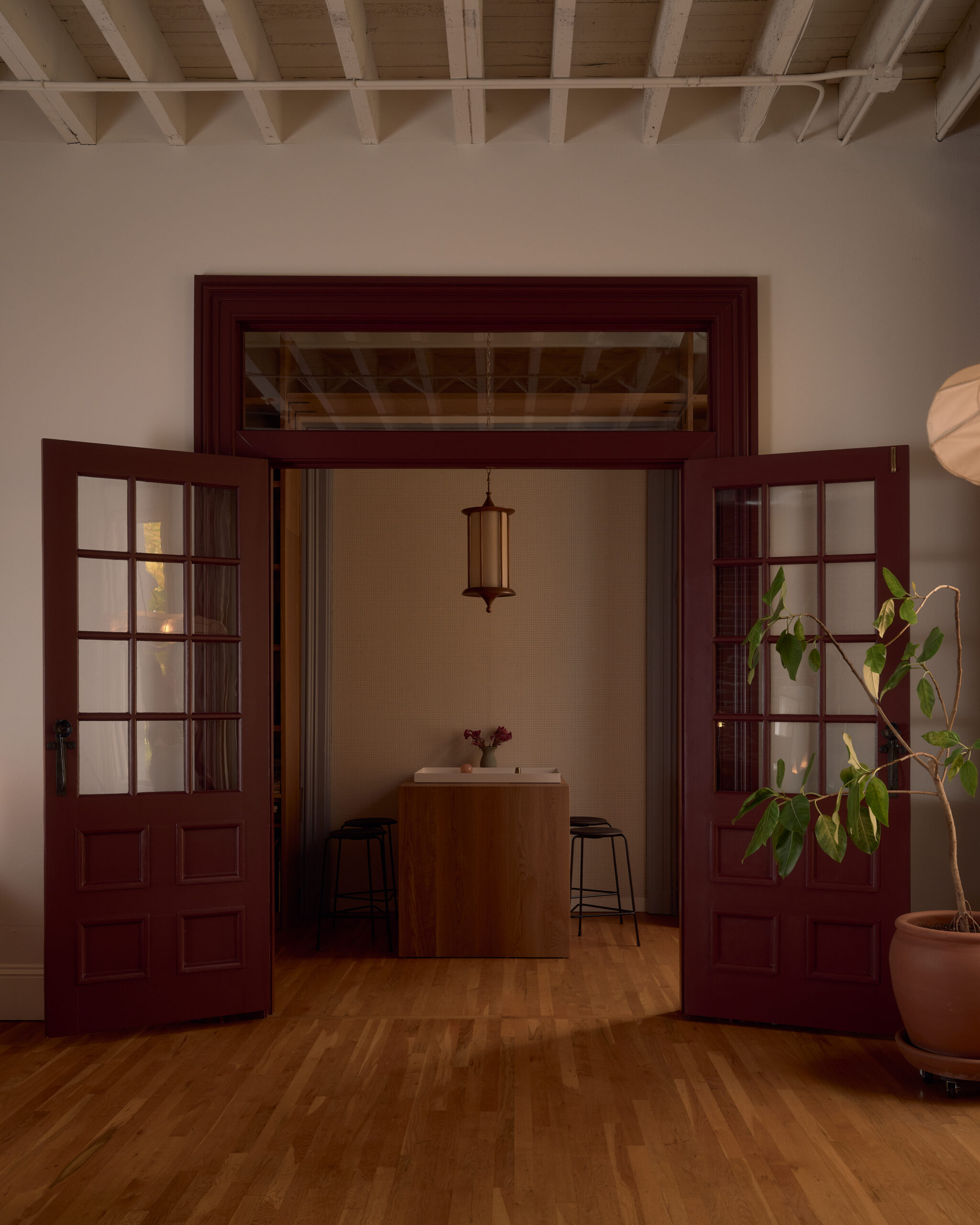
By the time you find Pat Austin, you almost feel like you’ve stumbled onto something that wasn’t meant to be yours yet.
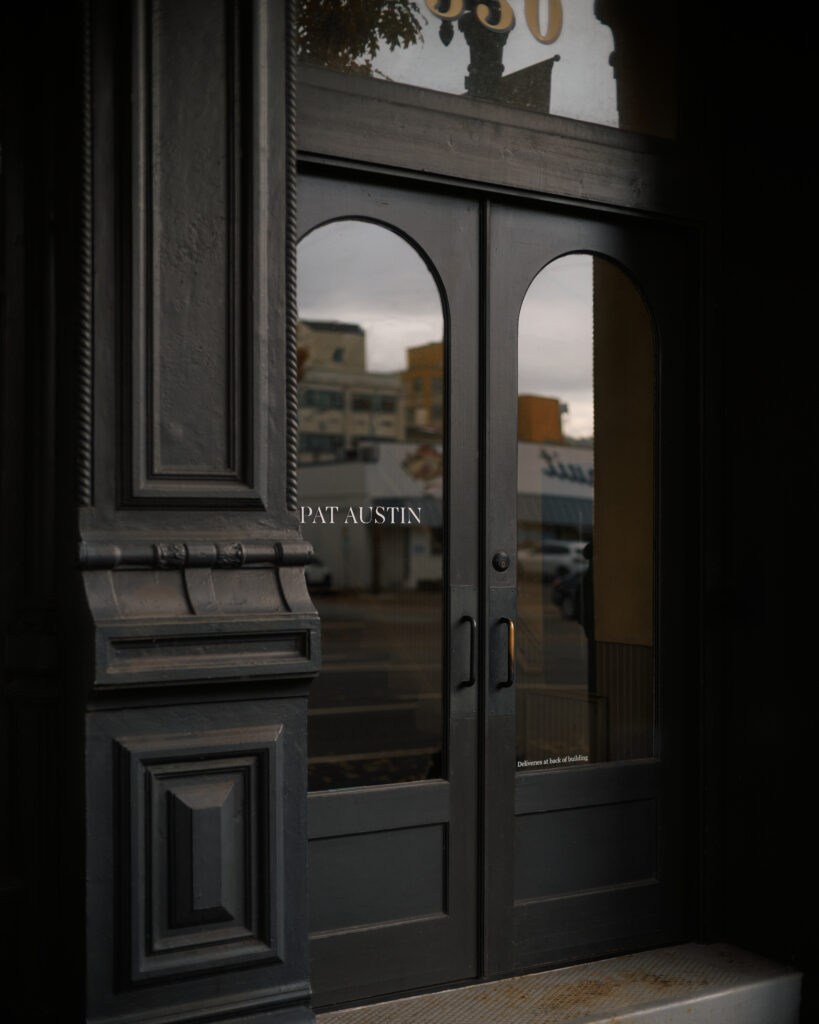
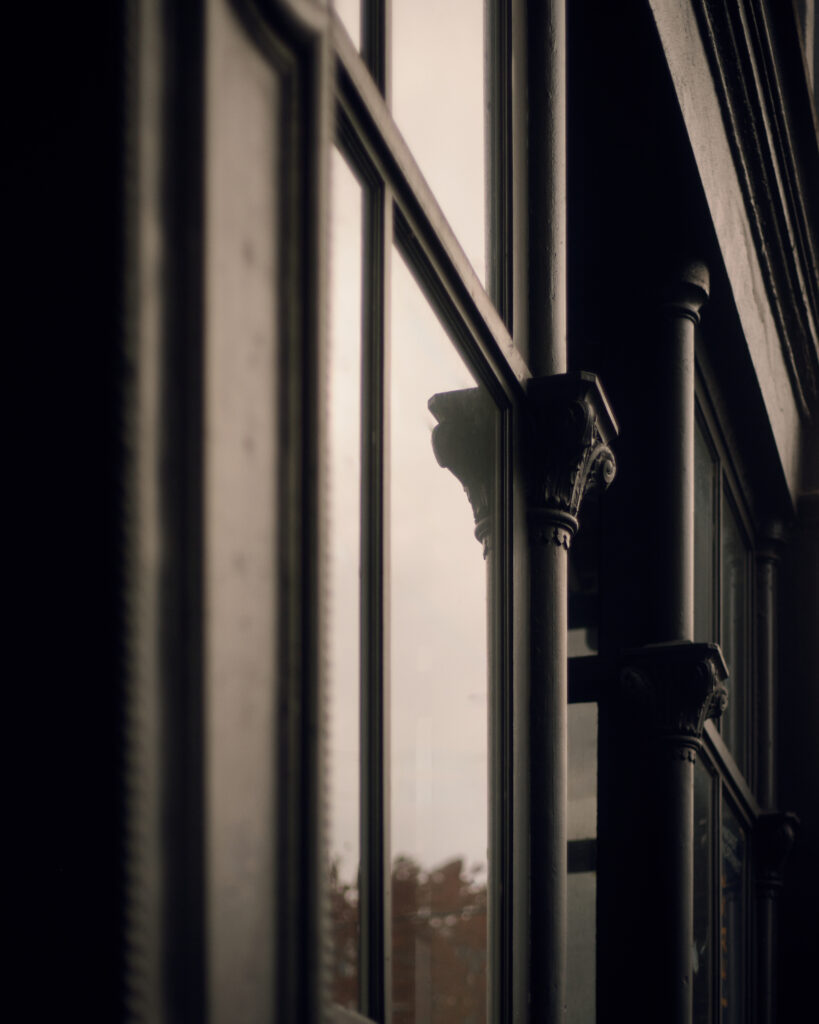
There’s a building on Portland‘s Central Eastside, brick-faced, beam-heavy, built in 1884, that hides one of the most quietly compelling interiors in the Pacific Northwest. Not quietly as in modest, but quietly as in considered. The kind of space that takes a moment to settle into you, and then doesn’t really leave. This is the studio of Pat Austin, the interior design practice led by Candace Cohu and Ally Hasche. And from the second you walk in, you understand why it took them three years to get it right.
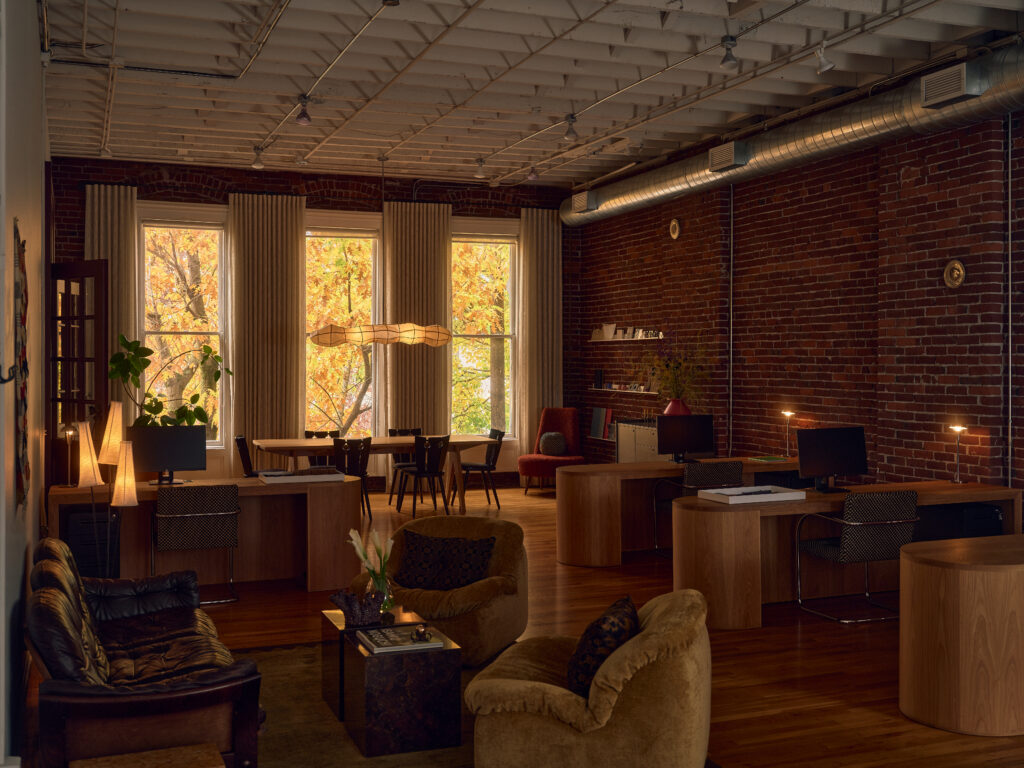
The Central Eastside is one of those neighbourhoods that still feels genuinely unpolished, industrial waterfront on one side, independent restaurants and shops threading through the other. It’s the kind of place you walk through rather than to. And in a building that Thomas Cully put up nearly 150 years ago, Candace and Ally have carved out something that feels both rooted and restless.
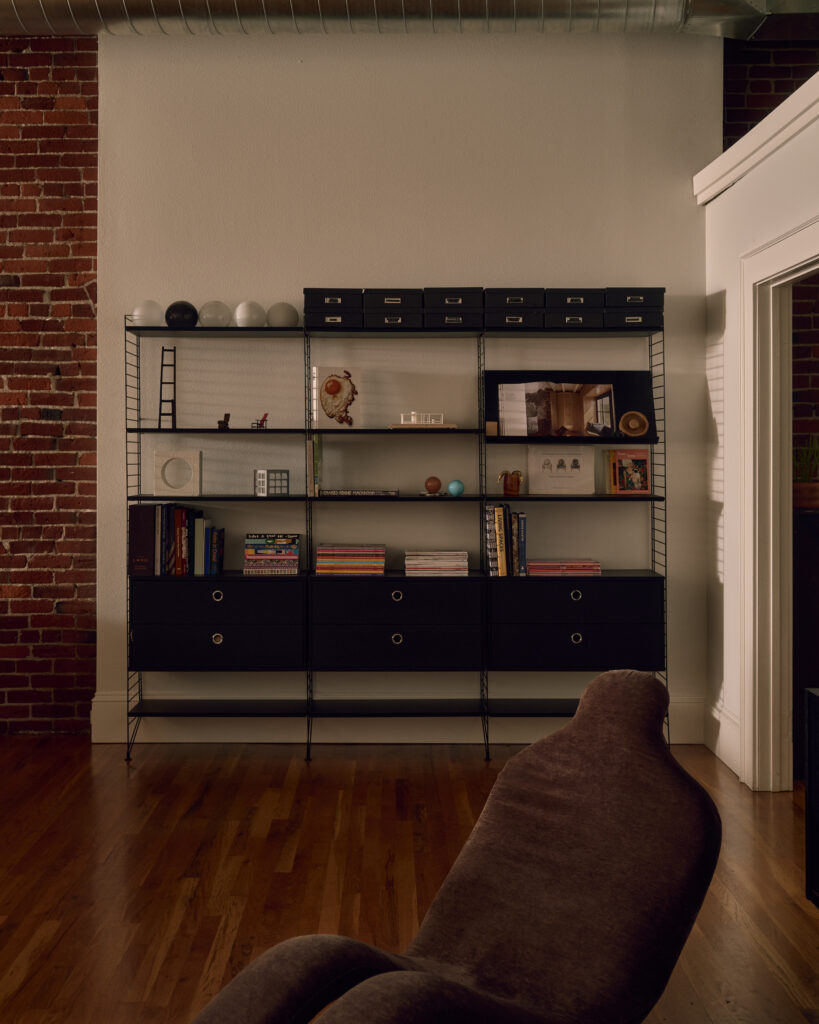
“We walked in and it felt very reminiscent of a Chicago or New York office,” they recall of that first visit. The exposed brick, the generous windows, the oak tree just outside that changes with every season, it was all there. They just had to listen to it.
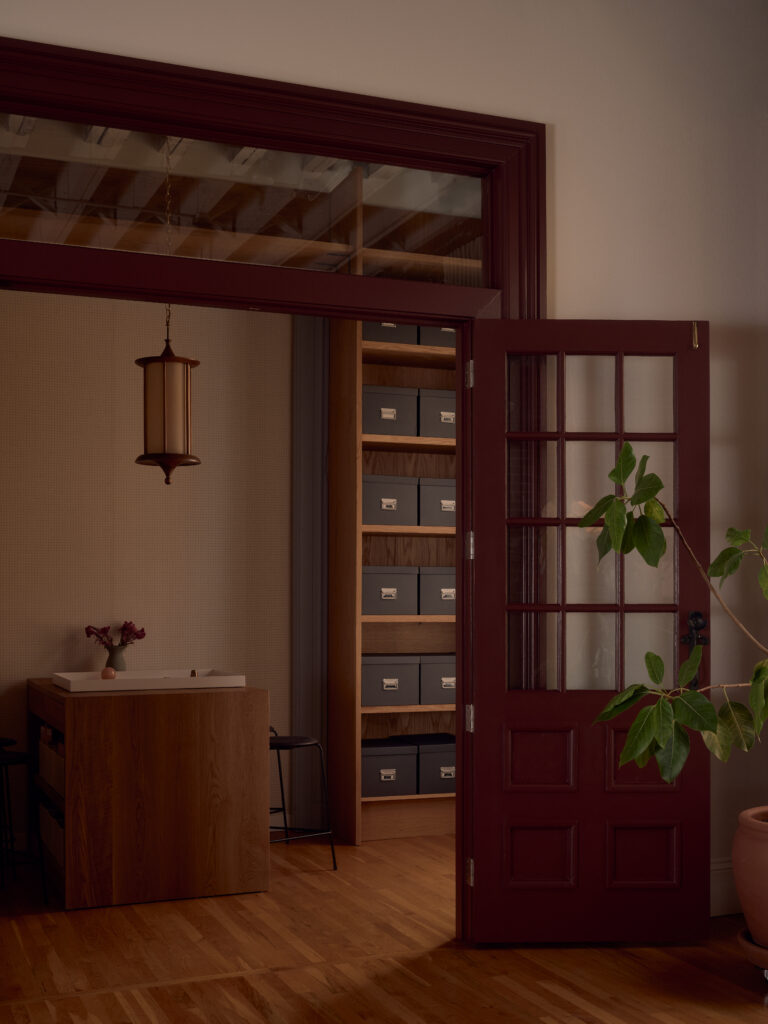
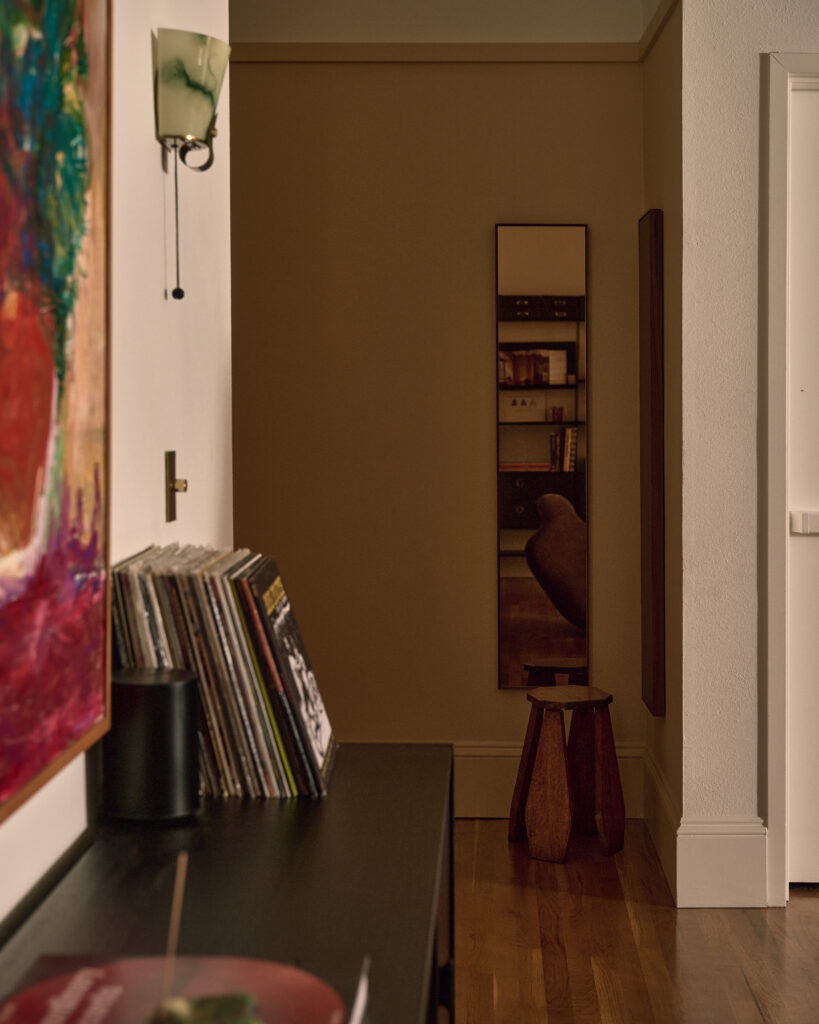
The bones of the space are honest: post-and-beam construction, raw walls, the patina of a building that has genuinely lived. What Pat Austin brought to it is warmth, wit, and an exceptionally discerning eye. The walls stayed white, a deliberate choice to let the rotating cast of furniture, rugs, and art do the talking, while earth tones and natural materials anchor everything to something tactile and real. At roughly 1,200 square feet, the studio holds more than you might expect: a conference area, a generous lounge, a dedicated materials library with custom cabinetry and an upholstered sound-dampening wall panel, a kitchen where the team actually gathers, and an entry hallway that announces itself with a sculptural Bower mirror installation. Each zone is distinct without feeling divided.
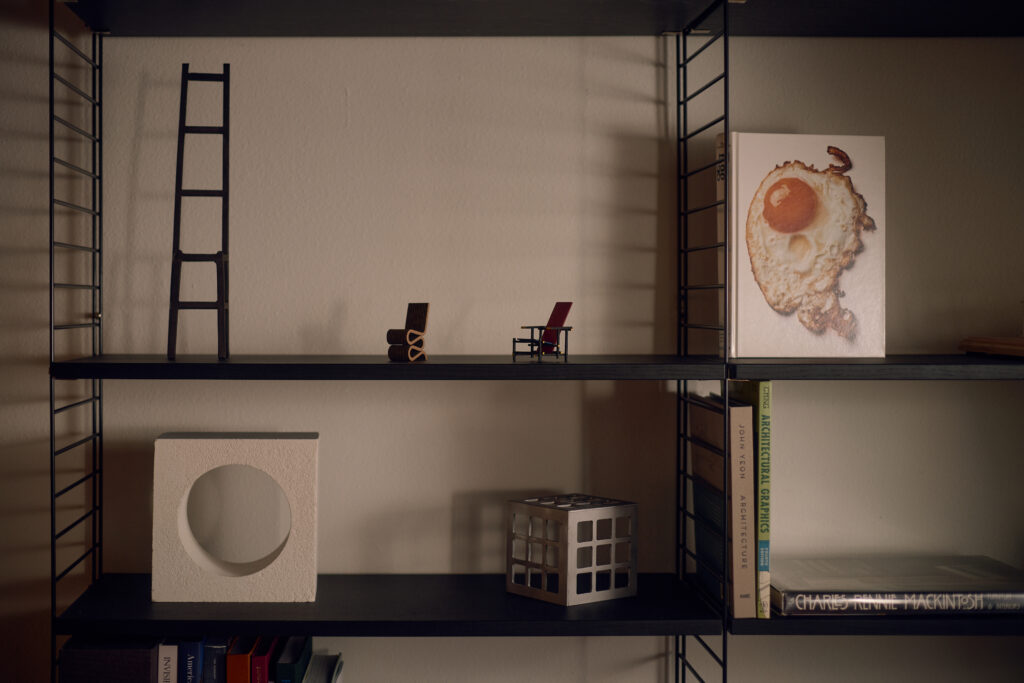
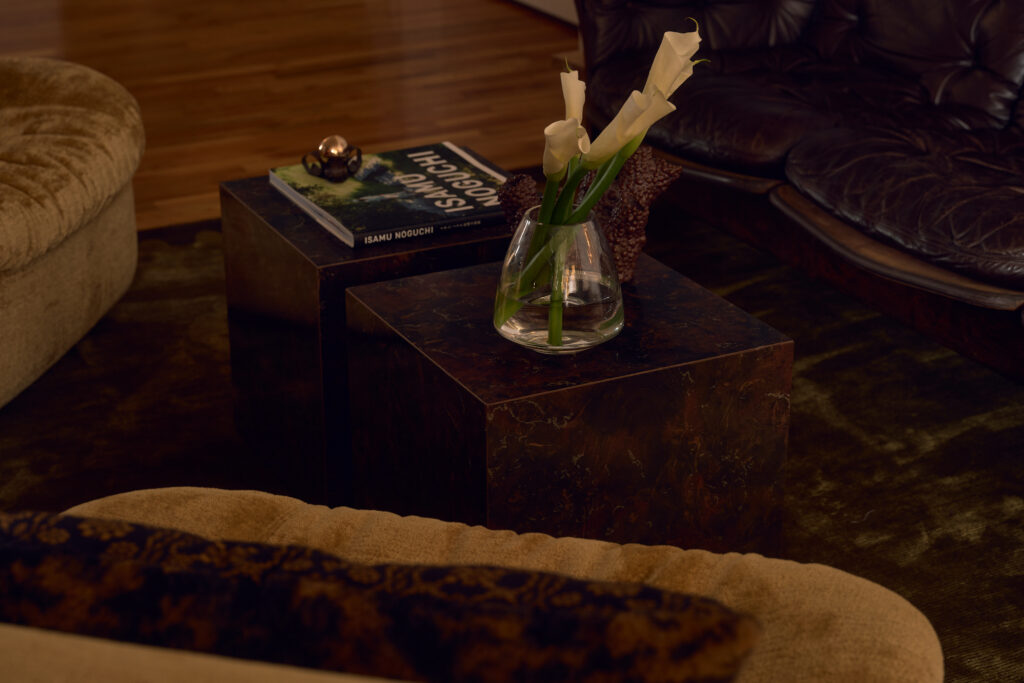
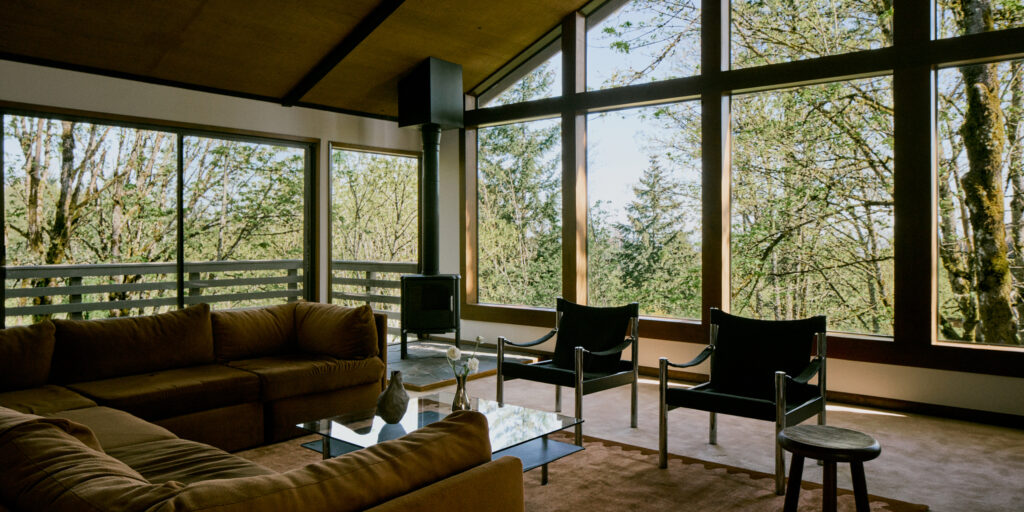
This is not a showroom. That distinction matters enormously. A showroom performs. The Pat Austin studio lives. The furniture rotates, vintage pieces sourced from local Portland vendors sit alongside custom commissions, reupholstered finds, and objects that arrived because someone loved them, not because they completed a look. There’s a vintage Eames chair in the kitchen. A floor lamp from the Seattle Furniture Company. A Human Chair by Olivier Mourgue from Opulence PDX. A George Nelson pendant. A sofa from Wilma. It reads as deeply personal precisely because it is.
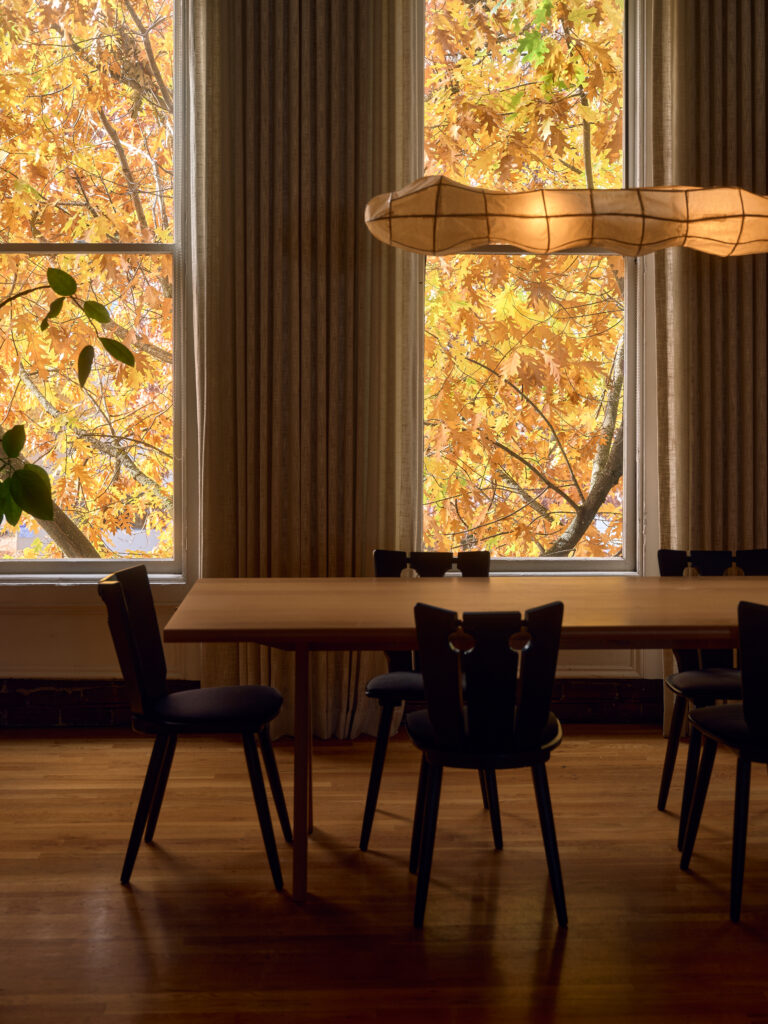
“The space easily came together as a reflection of us, and our appreciation for eclecticism,” say Candace and Ally. “It feels fluid and able to evolve while also being artful and warm.” What they’ve built is essentially a living mood board, one that changes not to stay current, but because curiosity requires it. Studio director Max Pluenneke and senior designer Greer Shively are woven into this evolving practice too, and the space reflects all of them. The biggest challenge, as Candace and Ally tell it, was learning to work with the brick rather than against it. And perhaps that’s the most apt metaphor for the practice itself: the best design doesn’t override what’s already there. It enters into conversation with it.
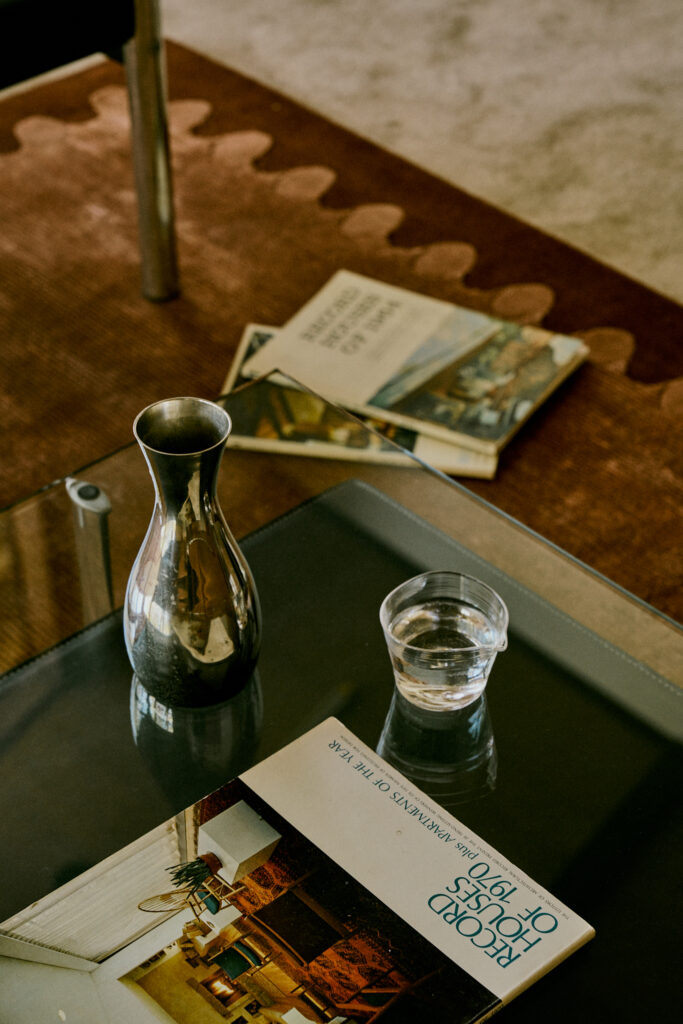
From the studio has grown something new. Patty, Pat Austin’s rug collection, launched recently and feels like a natural extension of everything the studio stands for, beauty rooted in the handmade, in memory, in travel, in the specific joy of noticing things. The first collection was born from a trip that Candace, Ally, and Max took together to the South of France. Wild gardens. Ancient architecture. The colors of an afternoon that you don’t want to end. “You will see lots of beautiful earth and floral tones,” says Max, “but also some play with unexpected palette choices, like the pops of red and purple in When You Were a Tulip.” Six designs, each offered in various colorways, are woven from hand-processed Himalayan wools and Chinese silk on a cotton foundation. The craftsmanship is intentional, and so is the commitment to materials with minimal ecological impact. These are not objects meant to be replaced. Among the standouts: Labelle, whose layered lines were inspired by the architectural soffits of Provençal buildings, and Elysium, covered in small, delicate blooms that carry the warmth of a French garden into any room.
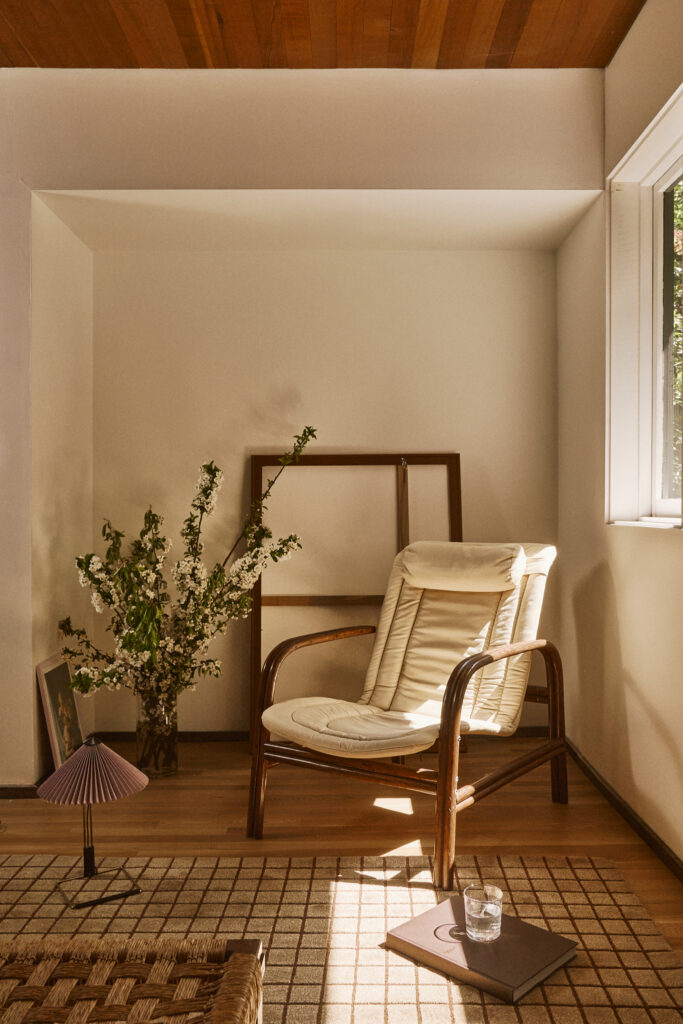
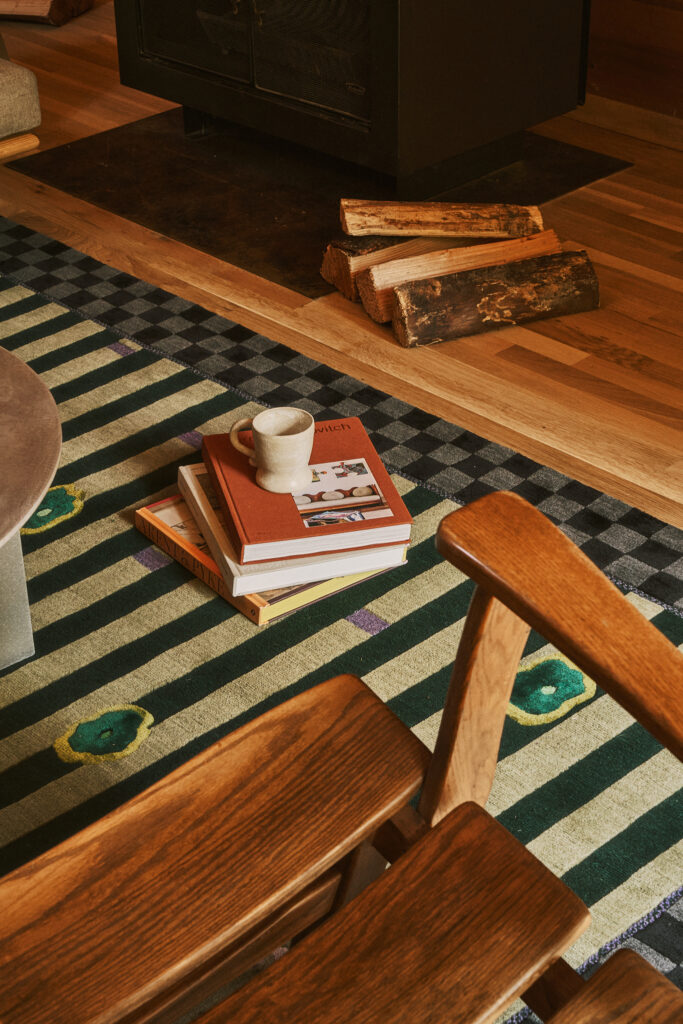
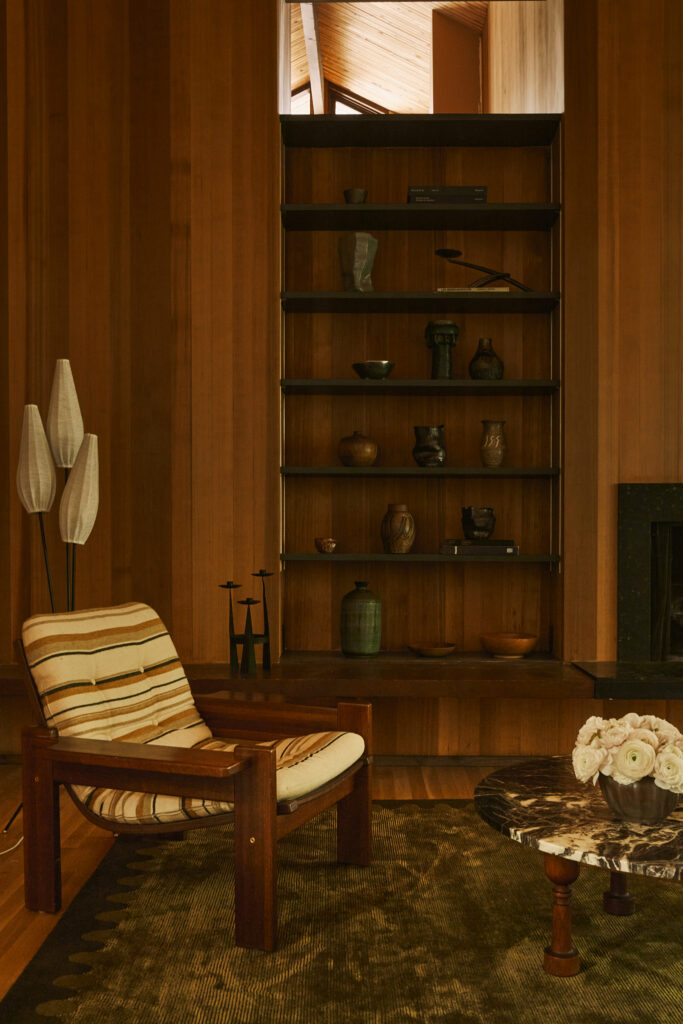
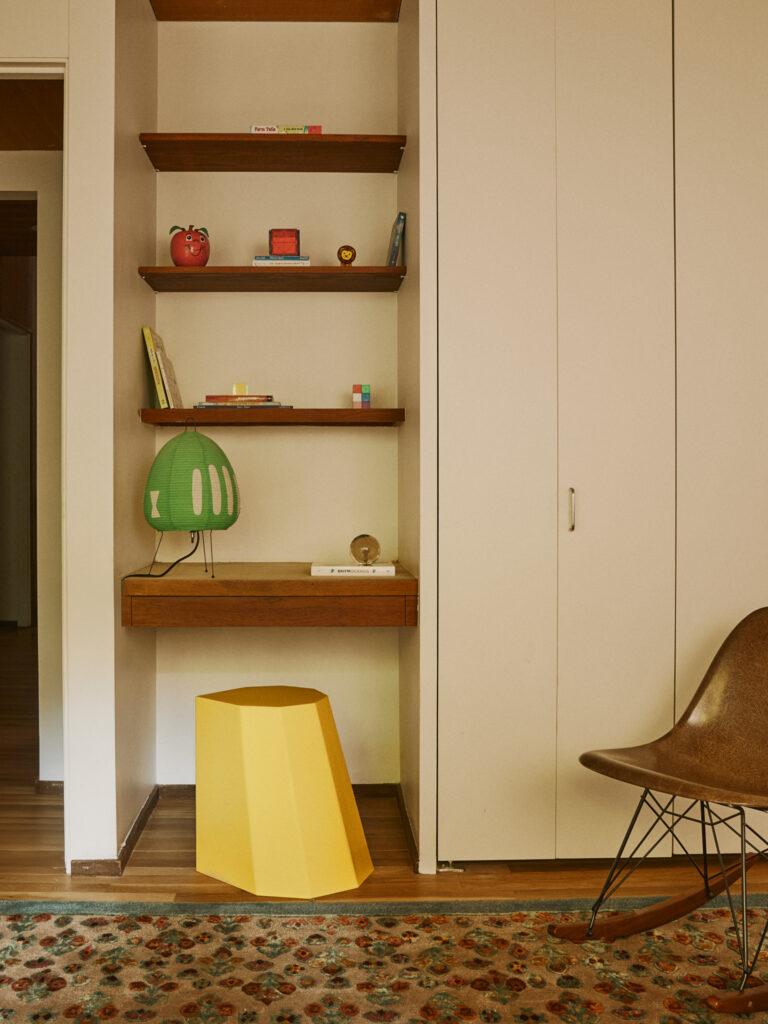
Coming in 2026: a special two-rug collection, plus limited edition colorways of the first. Artist collaborations are in the works, and a second full collection is set for 2027. “Pat Austin and Patty work together in a very harmonious and symbiotic way,” the trio says. “Our knowledge of interior design influences how we approach rug design, but it has also opened up new ways of thinking. Patty offers us a space that is primarily creative, where we can tap into our artistic backgrounds and explore nuanced ideas, historical inspiration, and interesting concepts that take the shape of a rug.” That last line is worth sitting with. Not rugs that serve a concept, but a concept that finds its most honest form in wool and silk and something made slowly by hand. It is, in every sense, the Pat Austin way.