There is a question Myriam Nasr Shuman‘s father used to ask her, every single day: “What did you learn today?” It is a small question. A gentle one. But it carries within it a whole philosophy: the belief that curiosity, learning, and the pursuit of beauty are not extras. They are what make a life.
It is also, perhaps, the best way to understand what Beirut Art Days is really about. This summer, many of Lebanon’s cultural festivals have gone quiet. The reasons are familiar: war, displacement, exhaustion, grief. The kind of circumstances that make it easy to ask: what is the point of art right now?
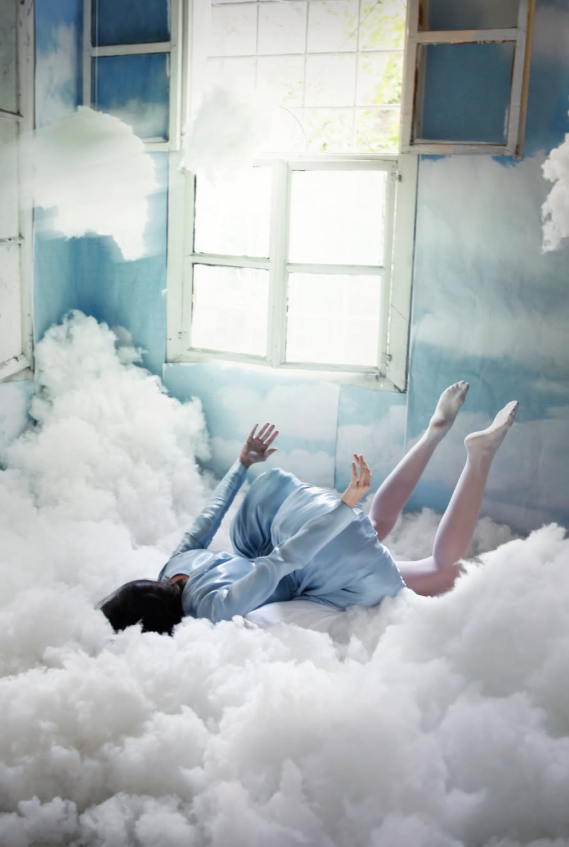
Beirut Art Days has an answer. From June 24 to 27, for the third year running, galleries, museums, heritage houses, artist studios and cultural spaces across Beirut and beyond will open their doors for four days of exhibitions, performances, workshops, concerts, guided tours and open studios. More than 120 events. More than 40 participating institutions. Free and open to everyone.
At the launch event, Agenda Culturel director Myriam Nasr Shuman spoke plainly about why they chose to go ahead despite the weight of the moment. Months of crisis had left many Lebanese consumed by an unrelenting stream of heartbreaking news. And yet the decision was made to move forward: to show each other that everyone is still here, still alive, and to remind the world that Beirut has not gone anywhere.
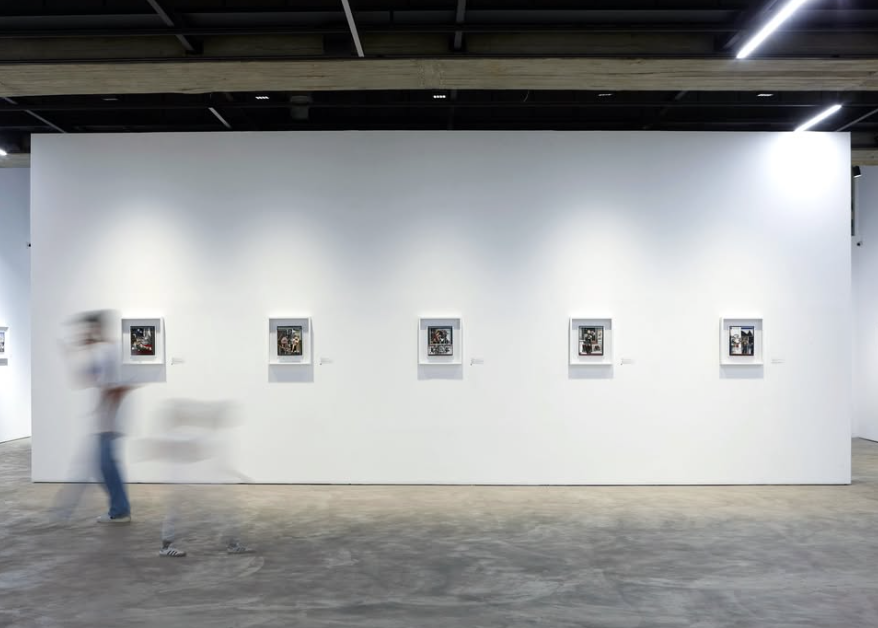
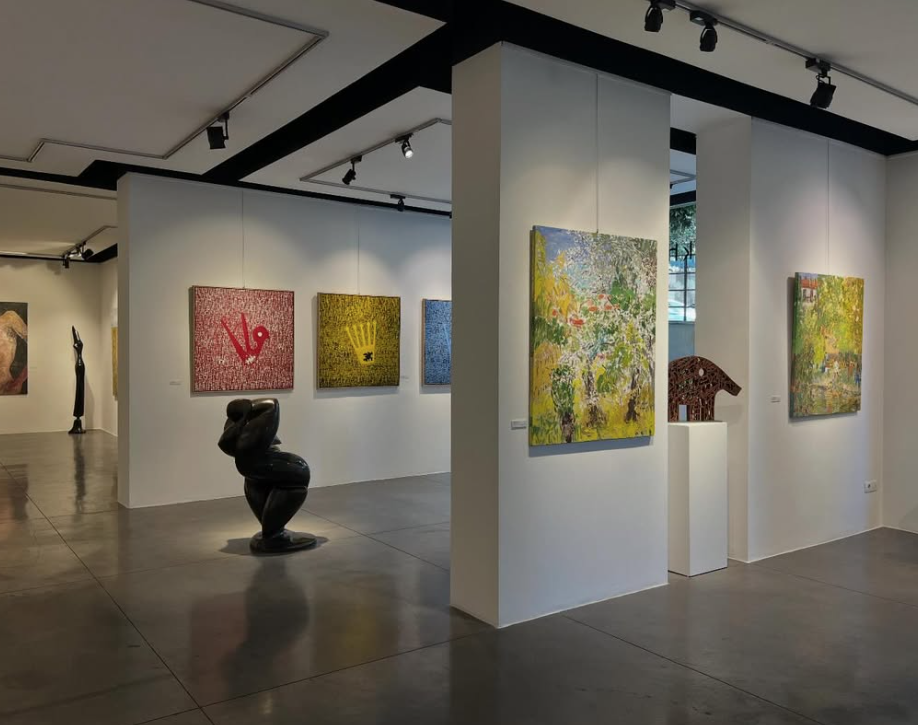
The program stretches from Gemmayzeh and Bourj Hammoud to Batroun, Bsharri and Aley, a reminder that Lebanon’s cultural life was never confined to one neighborhood, one gallery, one kind of expression. Established spaces like Saleh Barakat, Galerie Tanit, Opera Gallery and Mark Hachem sit alongside independent initiatives, heritage houses and community spaces. The breadth is intentional. Art here is not reserved for those who already know where to look.
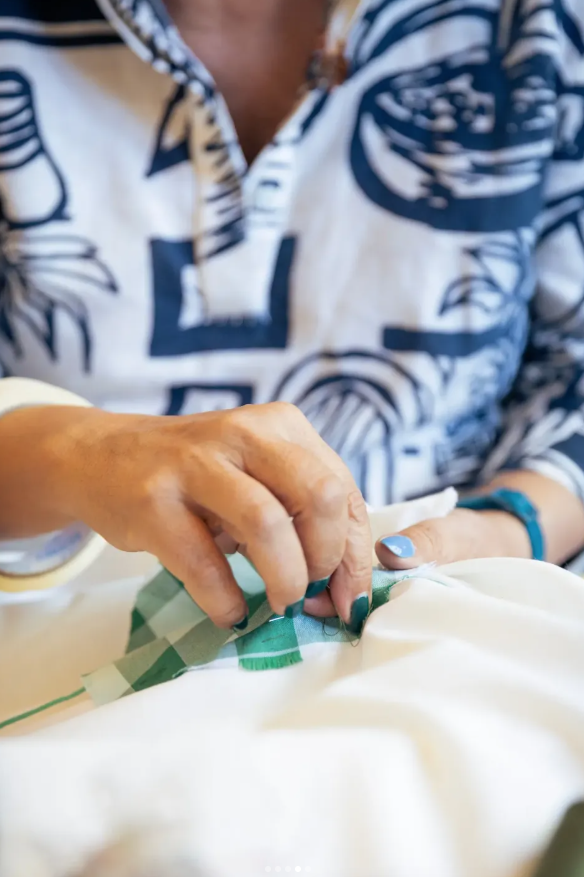
One of the most anticipated exhibitions is [In] Seam, the debut solo show of artist Dima Youssef Rbeiz, presented not in a white-walled gallery but in a traditional house in Gemmayzeh. The works are made from reclaimed fabrics, found objects, fragments gathered over years. At their center is Rainbow, an eight-year project woven from textile remnants and personal stories. Things that might have been thrown away, held together with patience and intention. “[In] Seam is where things are joined and held together,” Rbeiz says. “It’s subtle, easy to miss, and yet nothing would stay connected without it.” It is hard not to read that as something larger than an artist’s statement.
In Bourj Hammoud, Badguèr heritage house becomes a living, breathing archive of Armenian culture. Kilim weaving, embroidery, shoemaking, traditional dance, live music, drawing workshops for children. Not a museum display. A practice. Culture passed from one pair of hands to another.
Elsewhere, artist Marie-Antoinette El Chbeir will paint live at Rebirth Beirut, building a semi-abstract landscape in oil and texture in real time. Darine Semaan’s The Scent of Lebanon offers 116 watercolors honoring potters, soap-makers and farmers whose knowledge shaped generations and whose crafts are slowly disappearing. And at the USEK Museum, visitors are invited to slow down entirely: a session combining guided meditation and artistic contemplation, a reminder that encountering art can itself be an act of presence.
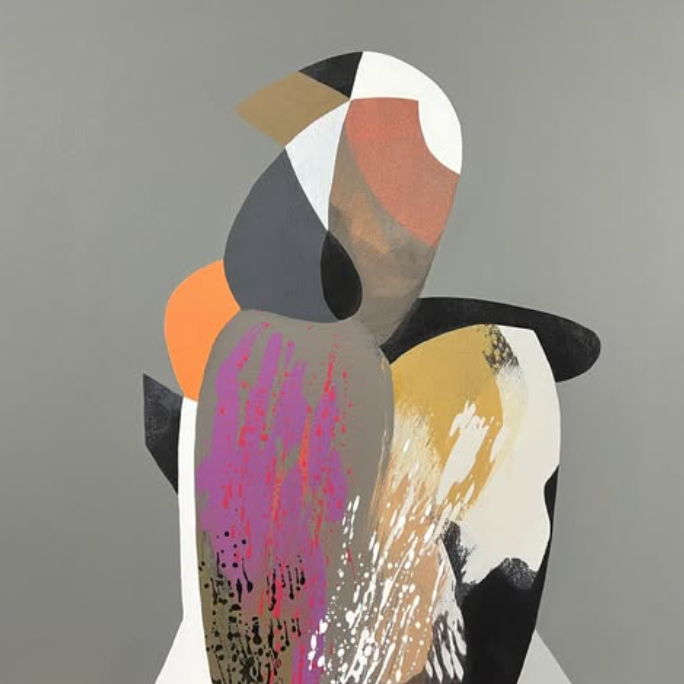
What makes all of this matter beyond Lebanon’s borders is the rare quality of the country’s creative scene: dynamic, deeply committed, and of consistently high quality. Artists here are not content with the ordinary. They want to reinvent art and the way people encounter it. And while the work is rooted in the land, the memory and the culture of Lebanon, it carries an international voice, one that reaches the diaspora and resonates with anyone who has ever left somewhere they loved, or stayed somewhere difficult, or tried to make something beautiful in conditions that were anything but.
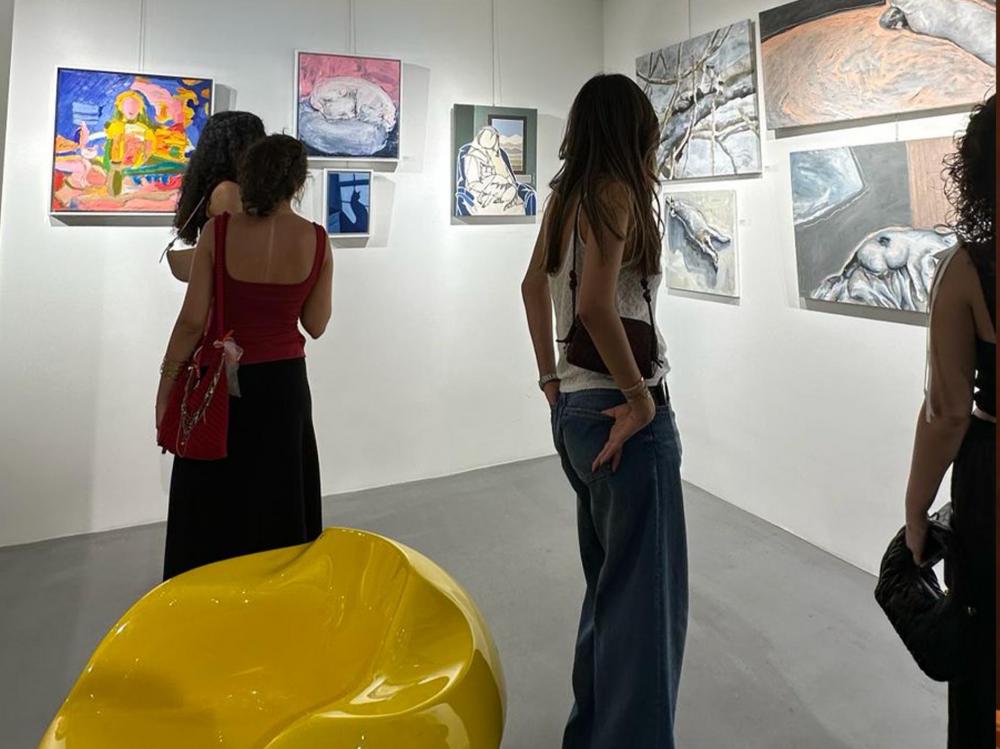
Cultural events, particularly in times of crisis, are more than entertainment. They are a way of preserving what holds communities together: creativity, memory, dialogue and the kind of human connection that no amount of hardship can fully extinguish. Alongside humanitarian efforts and the search for solutions, culture reminds people of the beauty and richness that is still here, still worth fighting for.
That is the quiet argument at the heart of Beirut Art Days. Not that art erases suffering. Not that a gallery visit fixes anything. But that keeping beauty alive, choosing to learn, to create, to gather, is itself an act of resistance. A way of saying: we are still here, and we intend to remain.
What did you learn today? For four days, Beirut has more than 120 answers.
Beirut Art Days runs June 24–27, 2026. Full program at agendaculturel.com/beirut-art-days. Free and open to all.