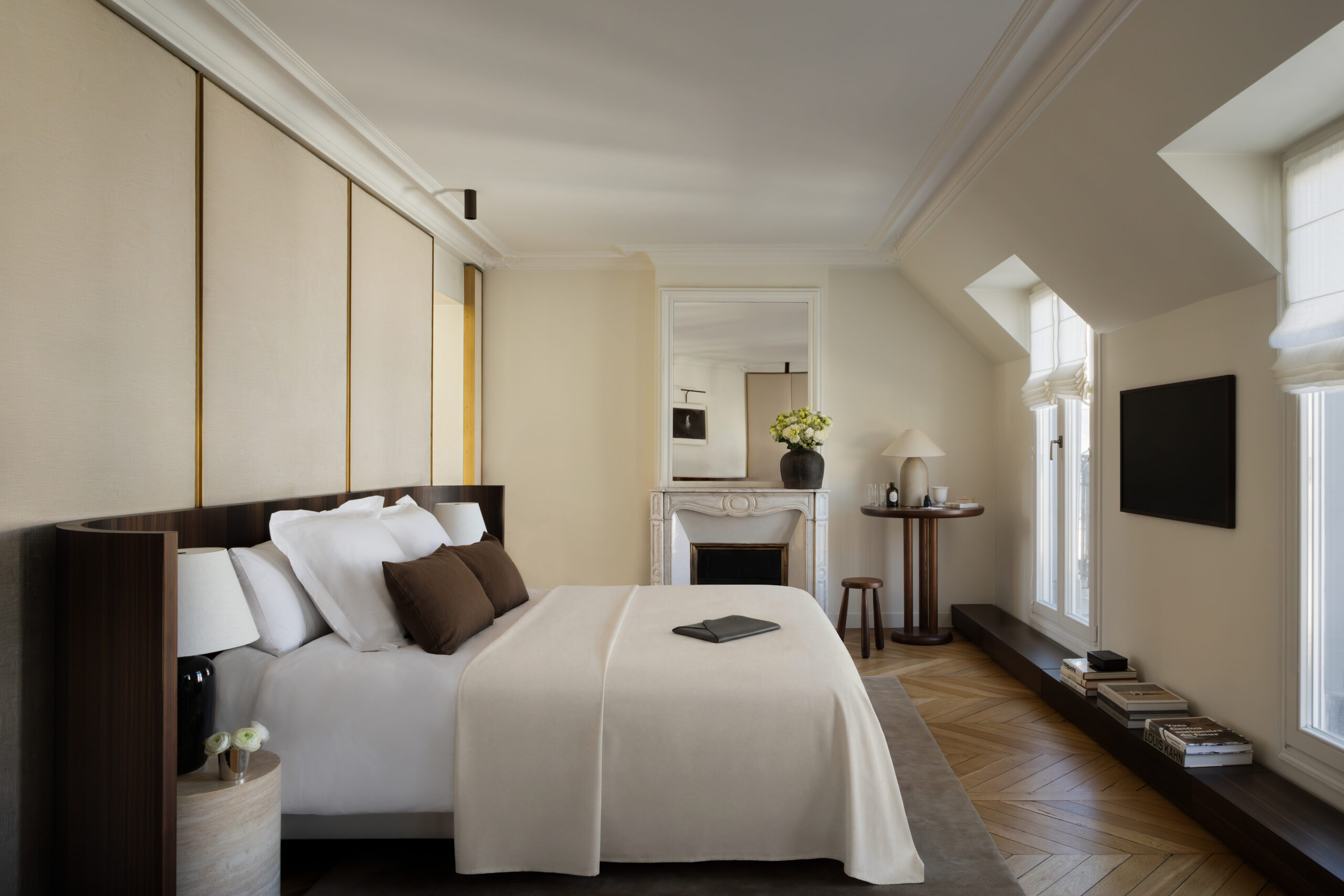
It is very difficult to design a contemporary interior in Paris without falling into nostalgia. Surrounded by layers of architectural history, designers often find themselves caught between preservation and reinvention, between honouring the past and creating something distinctly of the present.
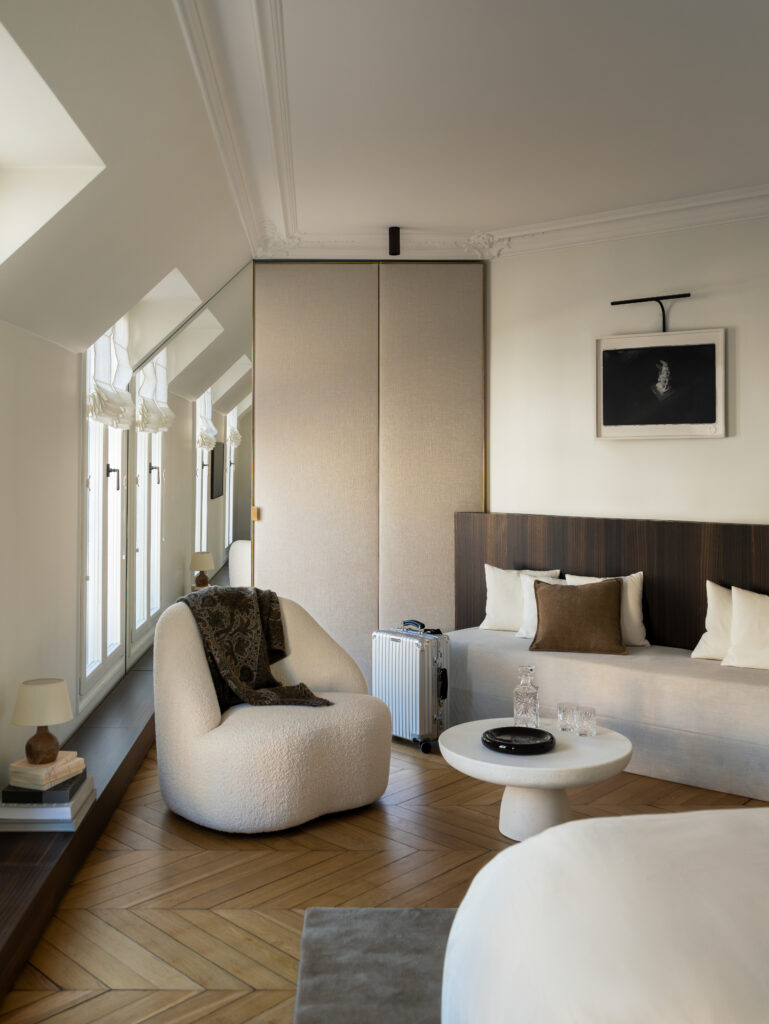
For this compact pied-à-terre designed by Hugues De Blignières, founder of the eponymous interior architecture and design studio with offices in New York, Paris and Biarritz, the ambition was neither to replicate the past nor to erase it, but to establish a dialogue between heritage and contemporary living.
The project draws inspiration from the world of luxury hospitality, yet never loses sight of its residential purpose. Rather than replicating the experience of a hotel suite, the designer sought to distill its most essential qualities. “Hospitality design is about elevating intimacy and comfort to make the client feel truly valued,” he explains. “I wanted to create a domestic space that focuses exclusively on what brings comfort and pleasure, while discreetly concealing everything purely functional.”
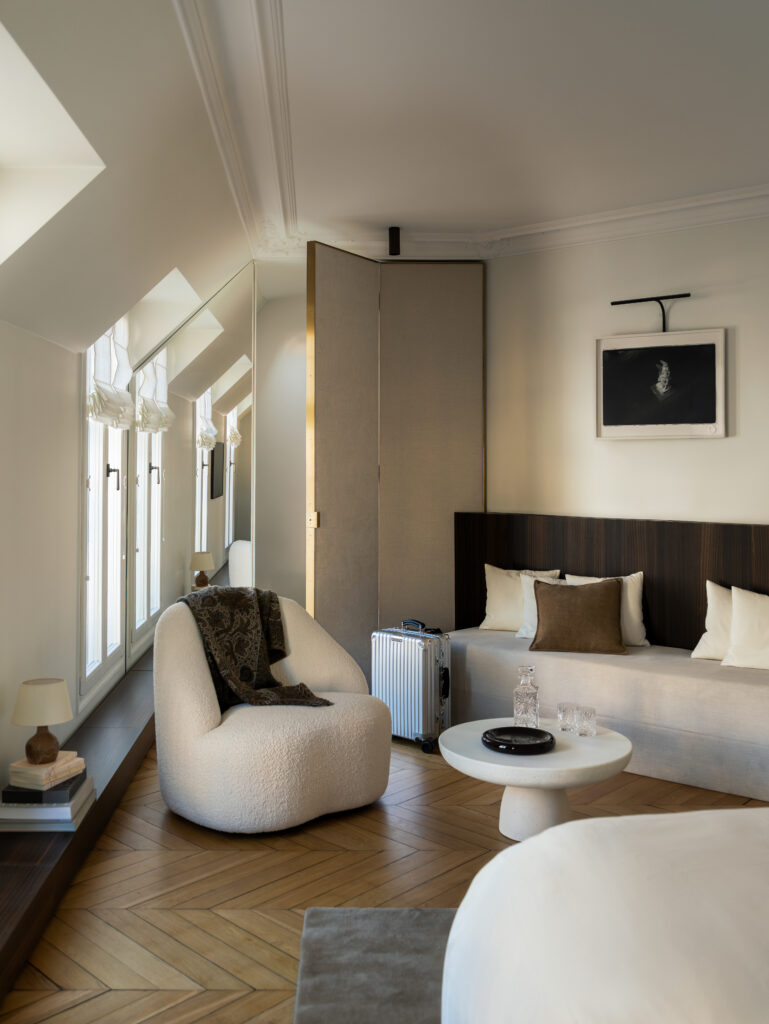
The result is an interior that appears effortless. Storage disappears behind custom fabric and brass panels. Technical functions remain invisible. What remains is an atmosphere of calm precision, where every element seems naturally in place.
For the designer, emotional permanence is not achieved through personal memorabilia or decorative excess, but through a deeper sense of balance. “Creating emotional permanence comes from designing spaces that feel timeless rather than trend-driven,” he says. “Beauty should resonate naturally, almost as an evidence.”
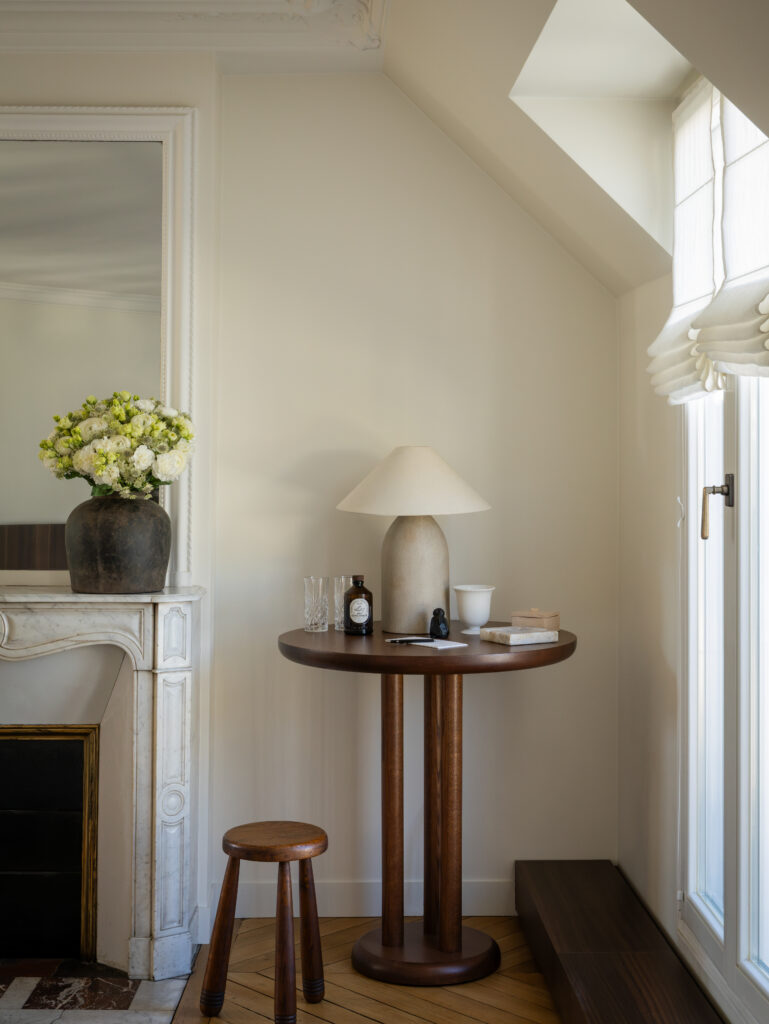
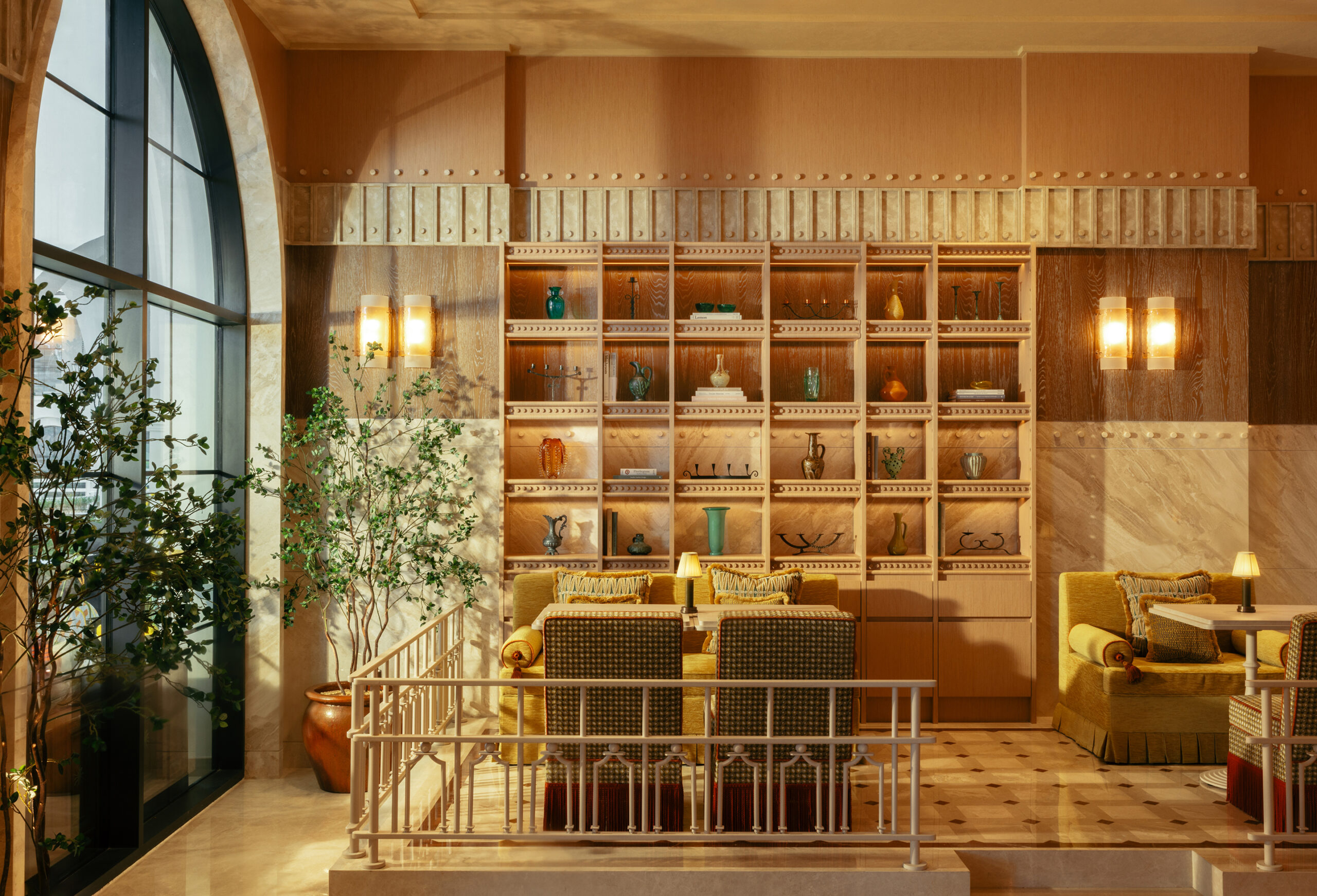
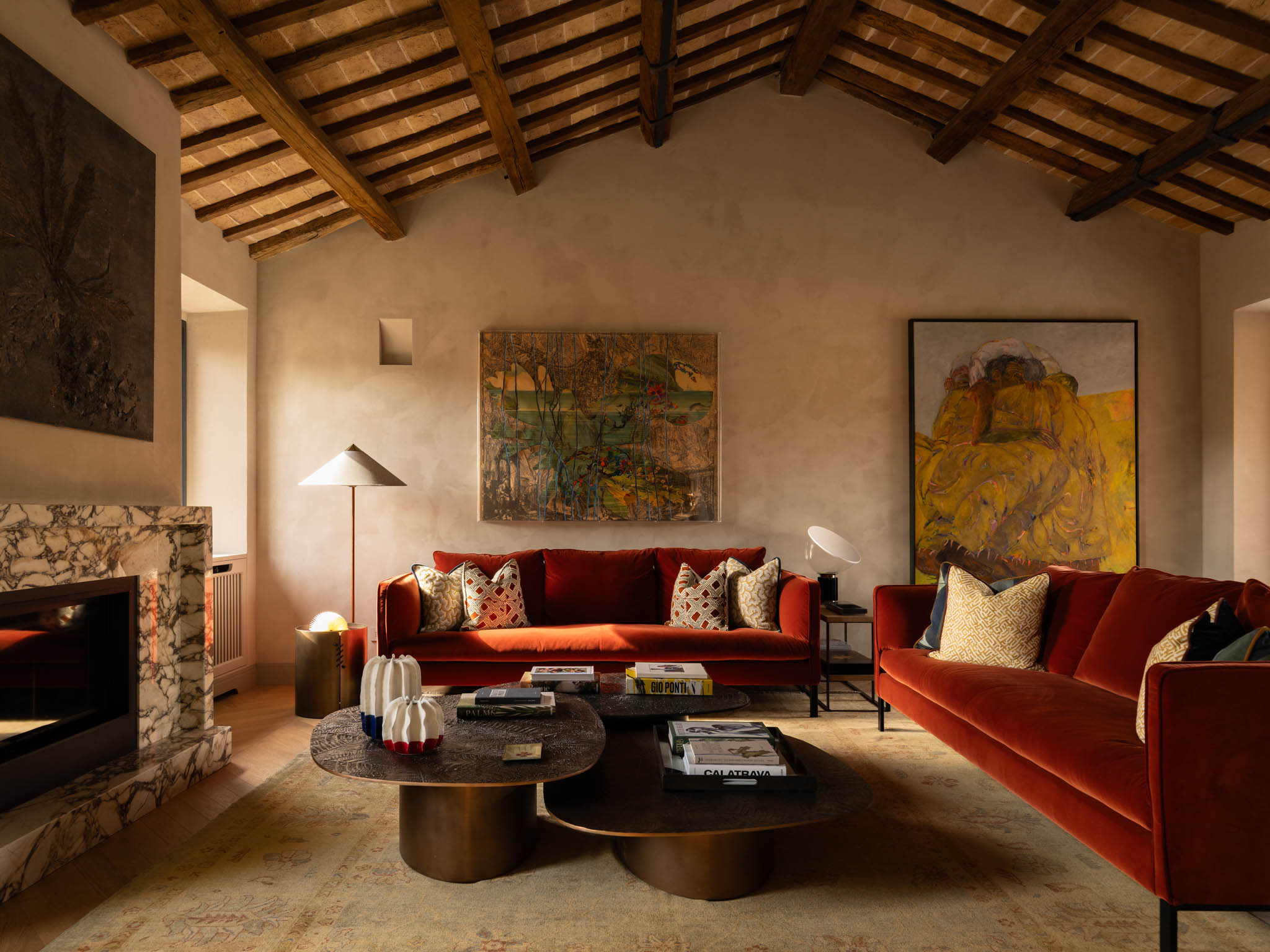
That philosophy is expressed through the combination of brass detailing, fabric-clad panels and a muted range of finishes that bring warmth without overwhelming the apartment’s modest footprint. The apartment functions as what the French might call a point d’ancrage, a point of anchorage, offering stability within a life defined by movement: a familiar landscape to which its owner can repeatedly return.
Throughout the project, craftsmanship plays a central role. The designer often speaks of watchmaking as a source of inspiration, and the influence is immediately apparent in the meticulous attention given to detail. “Nothing feels more luxurious to me than precision executed consistently throughout a project,” De Blignières reflects. Brass insertions, bespoke joinery and resolved junctions reveal an almost horological obsession with perfection.
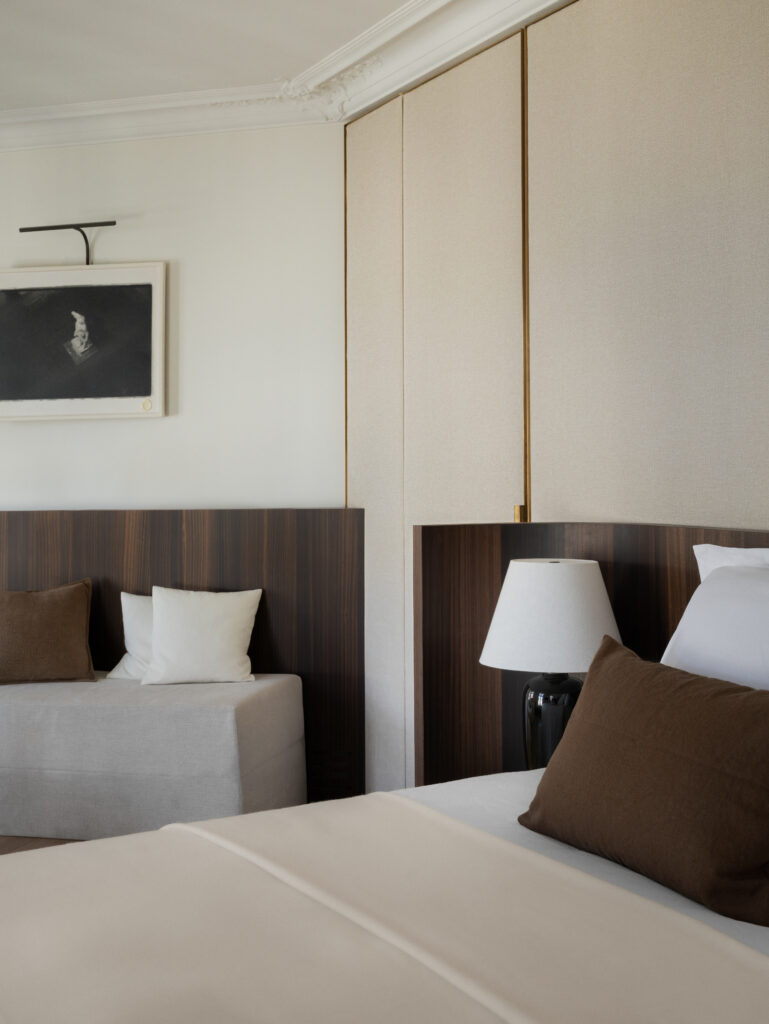
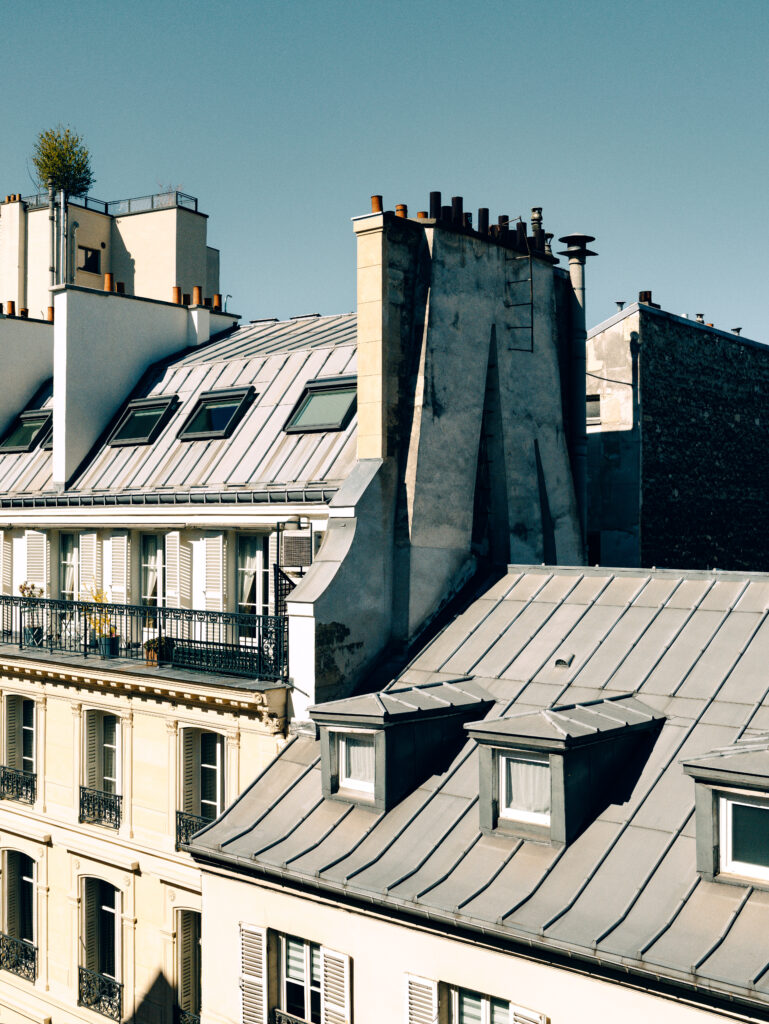
Such restraint is particularly significant within a Parisian context. Historic apartments often tempt designers towards decorative nostalgia, yet this project deliberately avoids that path. Instead, contemporary interventions coexist with the apartment’s original architectural character in a carefully calibrated dialogue.
“I wanted the contemporary interventions to enhance the existing Parisian decor rather than compete with it,” the designer explains. “The goal was to preserve the elegance and heritage of the space while introducing a more restrained and contemporary sensibility.”
Nowhere is this conversation between past and present more visible than in the custom fabric paneling that runs throughout the apartment. Its clean geometry introduces a contemporary architectural language, while existing mouldings remain untouched above. The effect is subtle but powerful. The new does not erase the old. Instead, it frames it.
“I liked the idea that the contemporary architecture would not erase the past, but rather elevate and frame it,” he says. “That dialogue between restraint and ornament became central to the identity of the project.”
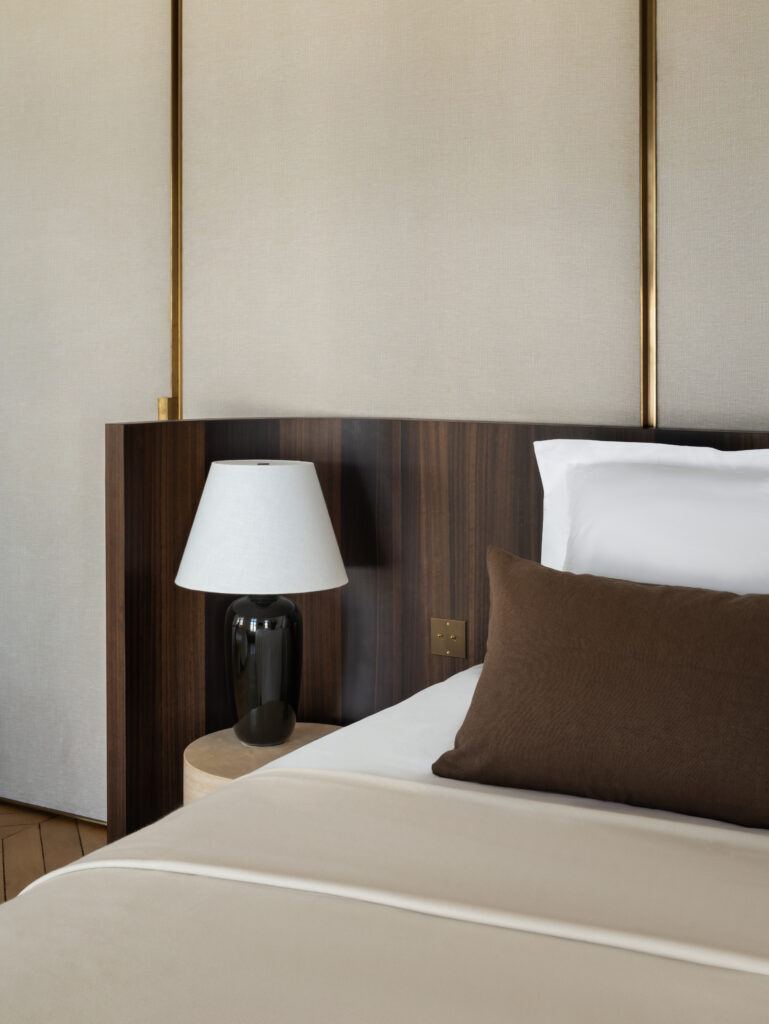
The apartment’s modest footprint demanded an equally thoughtful approach to functionality. Every square metre was well orchestrated, transforming practical requirements into an invisible choreography. Brass and fabric panels conceal storage, while integrated elements maintain visual continuity throughout the space. Comfort is present everywhere, yet rarely announces itself. “Comfort should never visually overpower the atmosphere of a space,” the designer notes.
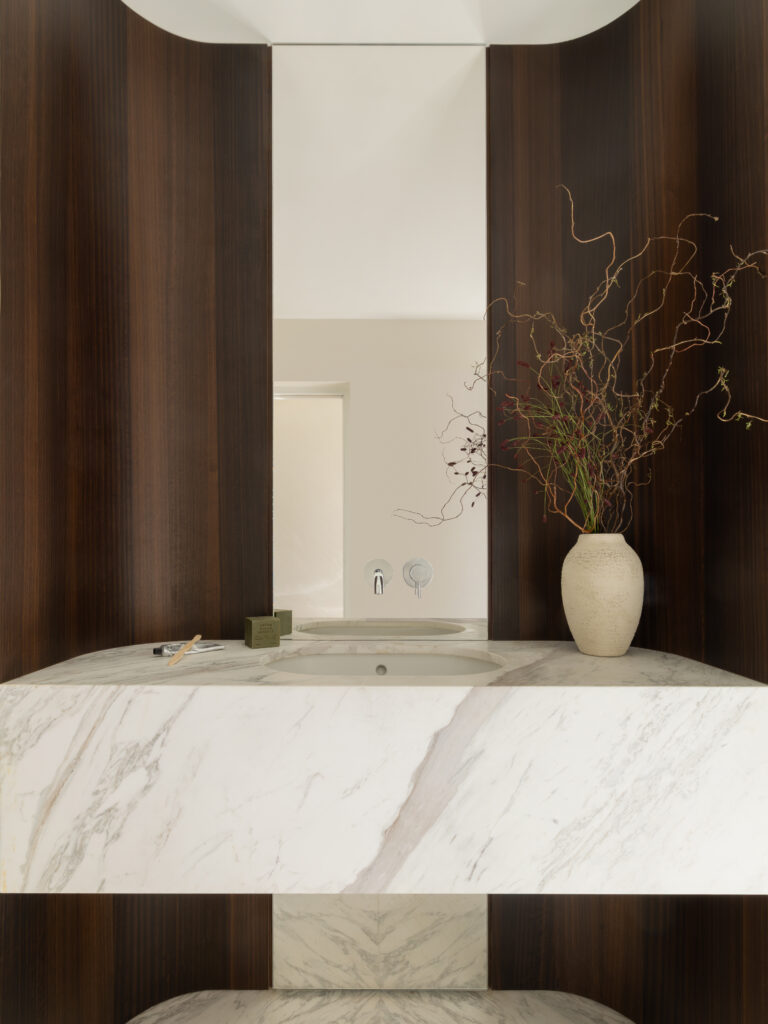
Ultimately, what distinguishes the project is not its sophistication, but its intimacy. Every decision was informed by the client’s rituals, habits and emotional needs. Textures, lighting and proportions were considered not simply as aesthetic tools, but as instruments capable of shaping experience. “In a compact apartment, every gesture becomes meaningful,” he reflects. “The project was conceived almost entirely around the client’s rituals and sense of comfort.”