As the curtains closed on another edition of 3daysofdesign in Copenhagen, one theme lingered long after the installations had been dismantled and the visitors had departed: a renewed appreciation for atmosphere, hospitality and the objects that shape our daily rituals.
Across the Danish capital, designers moved beyond product launches to explore how we gather, live and connect within our homes. Spaces were transformed into dining rooms, galleries became places of conversation, and hospitality emerged as one of the defining languages of contemporary design.
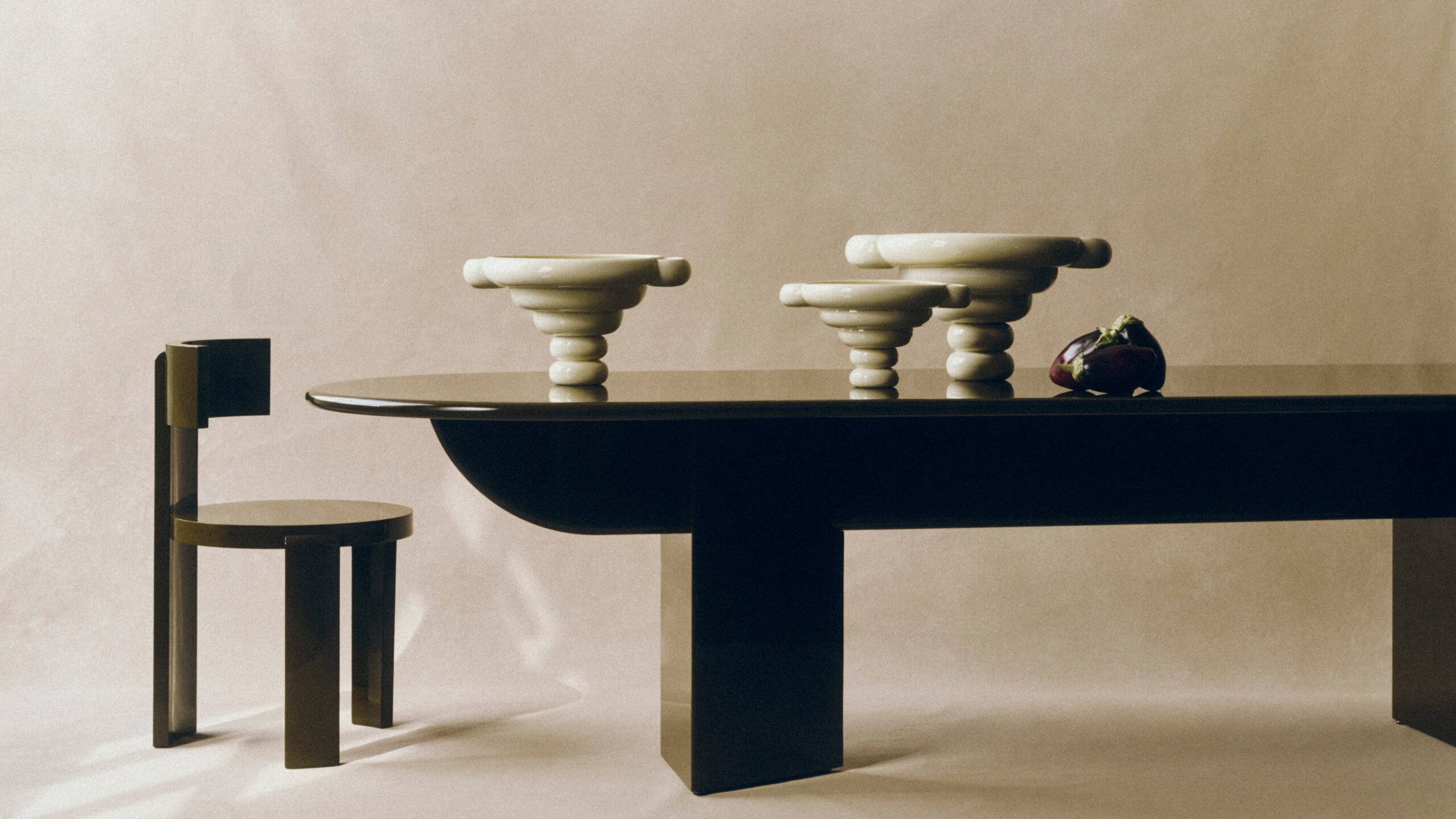
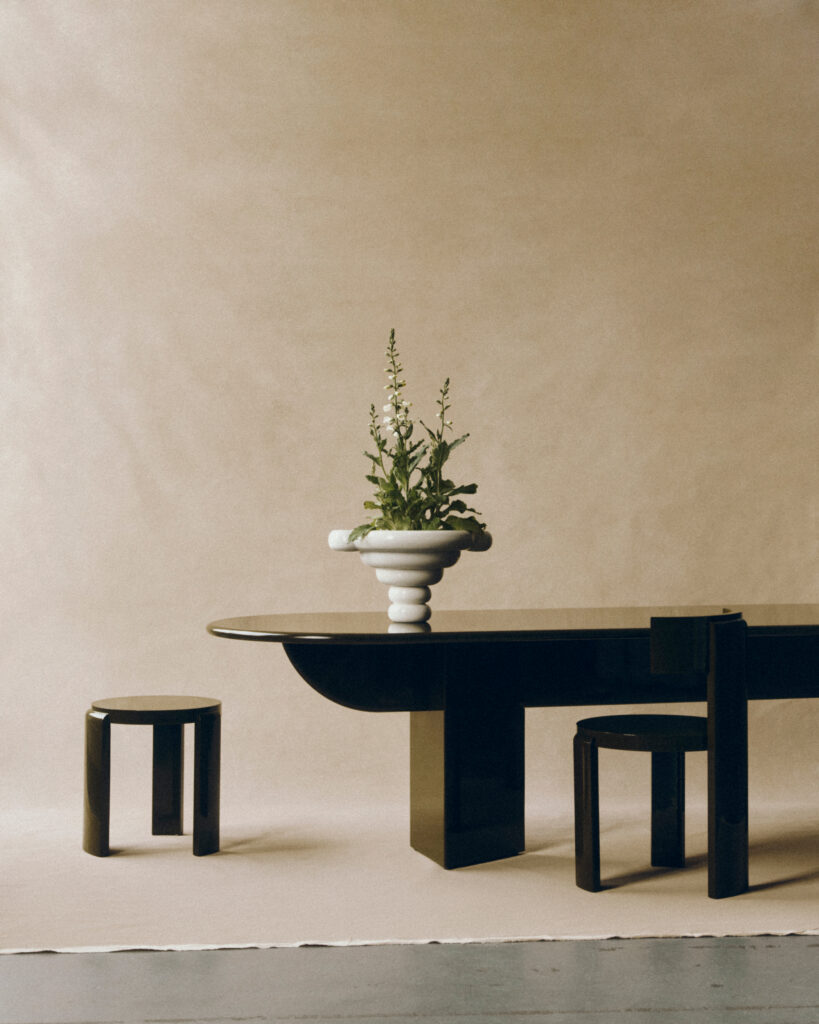
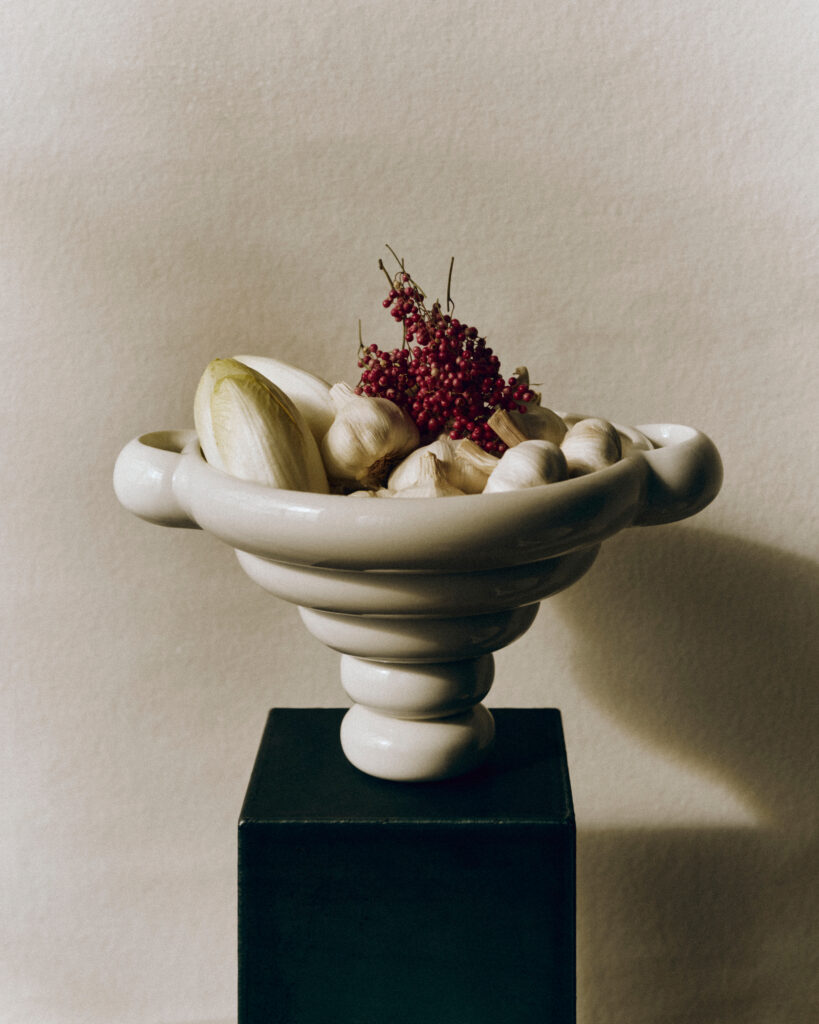
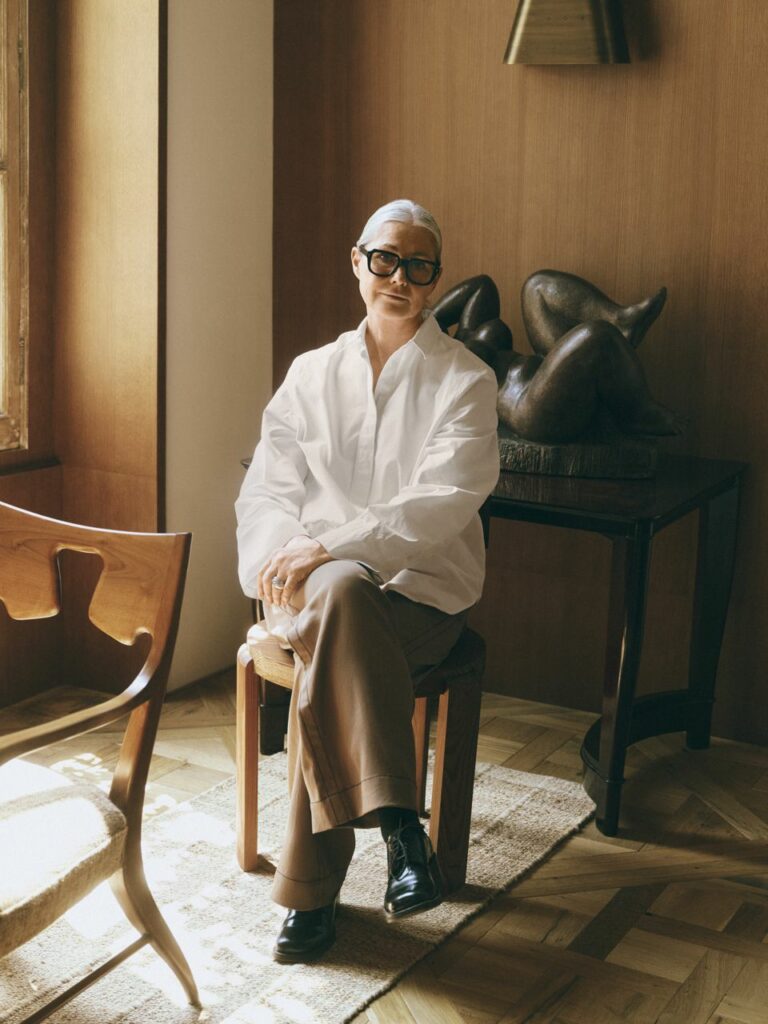
At Louise Roe Gallery, the designer transformed her showroom into an extension of The Roe Bar, creating an environment centred around shared meals, lingering conversations and the rituals that unfold around the table. It felt like the perfect backdrop for a discussion about her latest creation, the Alice Object, a sculptural porcelain vessel inspired by the ancient amphora, and the wider shift it seems to represent.
Because while the object itself is new, the questions behind it are not. Why are we increasingly drawn to timeless forms? Why do certain objects possess the ability to anchor a room? And why, in an age defined by speed and digital distraction, are our homes becoming places where atmosphere matters more than ever?
For Roe, the answers begin with history.
“I have always been drawn to historical objects and shapes that somehow continue through time and still feel beautiful and relevant,” she says. “The amphora carries something very honest to me. It tells a story of daily life, rituals, storing, gathering and beauty living naturally in the home.”
The amphora is one of the oldest domestic forms in existence. For centuries, it was used to carry water, oil, grain and wine, becoming inseparable from everyday life across countless cultures. Yet Roe was never interested in reproducing a historical artefact. Instead, she became fascinated by the enduring relevance of its silhouette and the emotions it continues to evoke.
“I think many of us are longing for more grounding at the moment,” she explains. “We live in a world where everything moves fast, where trends come and go almost instantly.”
While sketching and experimenting with porcelain, a material she describes as possessing both strength and sensitivity, she found herself instinctively returning to the ancient vessel.
“It was never something forced,” she says. “It happened very intuitively. I find myself more and more drawn towards objects that carry a sense of permanence. I was interested in this meeting between something ancient and something contemporary. A shape that holds memory, yet still feels present and alive in the here and now.”
The observation feels particularly relevant today. As digital culture accelerates and visual trends emerge and disappear at unprecedented speed, many homeowners appear to be moving in the opposite direction. Rather than filling spaces with decorative accessories, there is a growing desire for fewer objects with greater presence.
According to Roe, this reflects a broader search for meaning. “People are searching for something meaningful in many aspects of life, including in the objects they choose to surround themselves with at home,” she says. “There is a desire for pieces that bring personality, calmness and honesty into a space, while at the same time creating an experience.”
The home itself has consequently taken on a new role. No longer simply a backdrop to daily life, it has become a place of restoration and emotional refuge. “We are surrounded by so much noise and so many impressions every day,” Roe says. “Because of this, the home has become even more important: a place where we can slow down and feel grounded.”
This philosophy runs through much of her work. Objects are not conceived as decorative additions but as active participants in a space.
“For me, objects have never been only decoration,” she explains. “A single object can completely change the feeling of a room. It can create atmosphere and bring emotion without needing to be loud.”
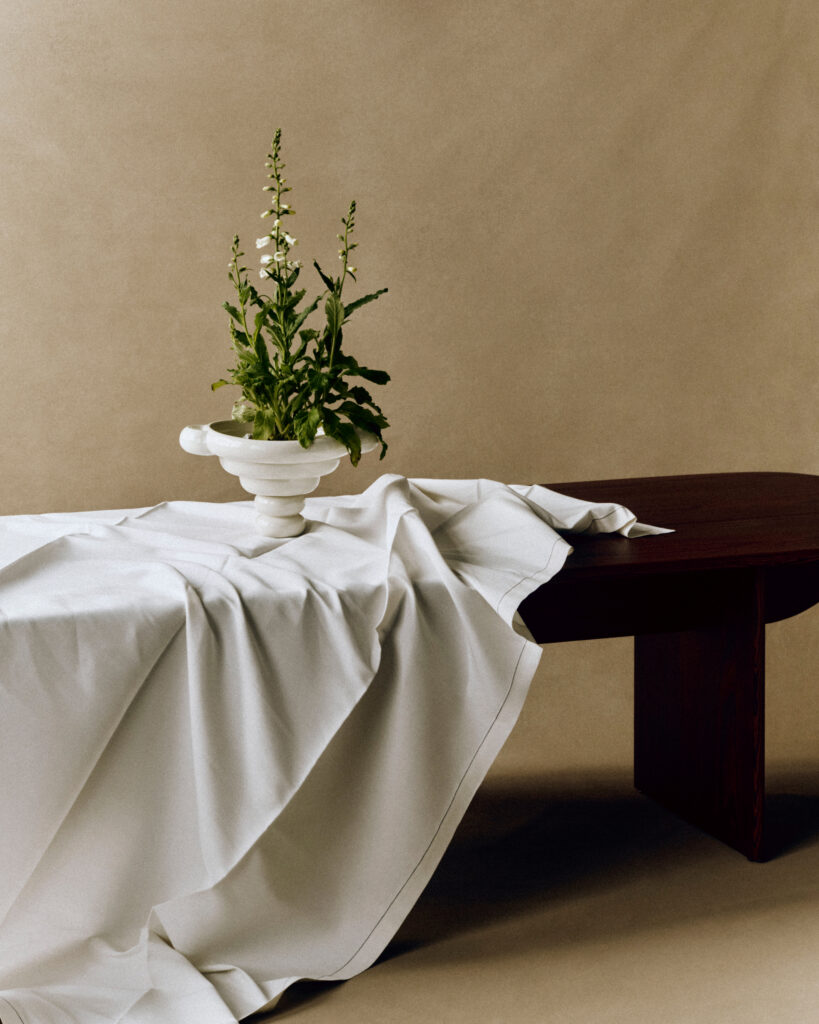

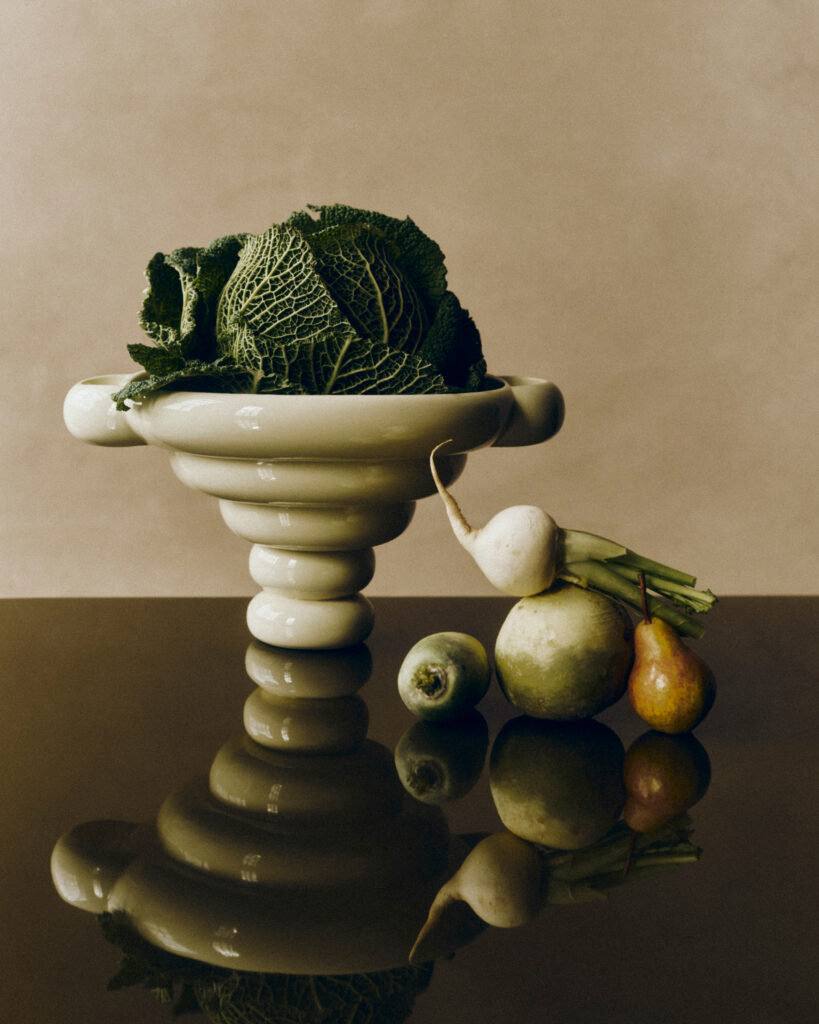
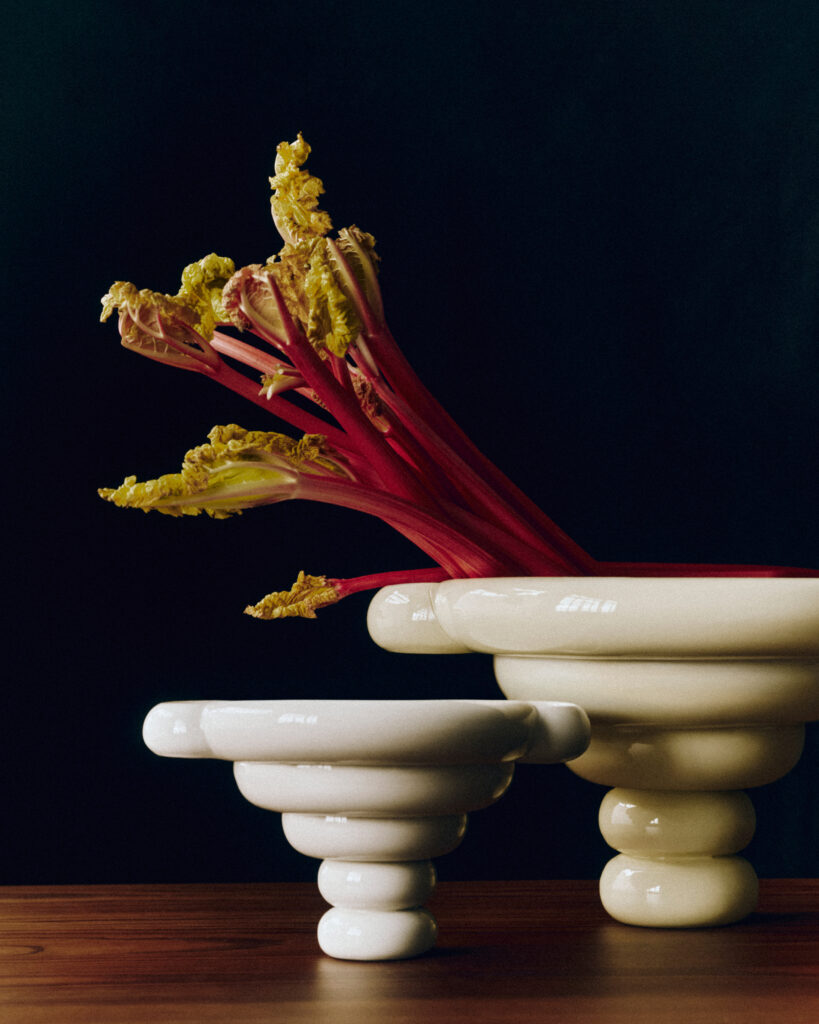
The Alice Object embodies that idea perfectly. While it functions as a vessel, it is equally intended to exist as a sculptural presence within the home, one capable of transforming whatever it contains into part of a larger composition.
Its role sits somewhere between object and architecture.
“For me, I never really begin with function,” Roe says. “I start with beauty, shapes and feeling. I think very much about proportion and how an object lives in a space. Afterwards comes the practical side.”
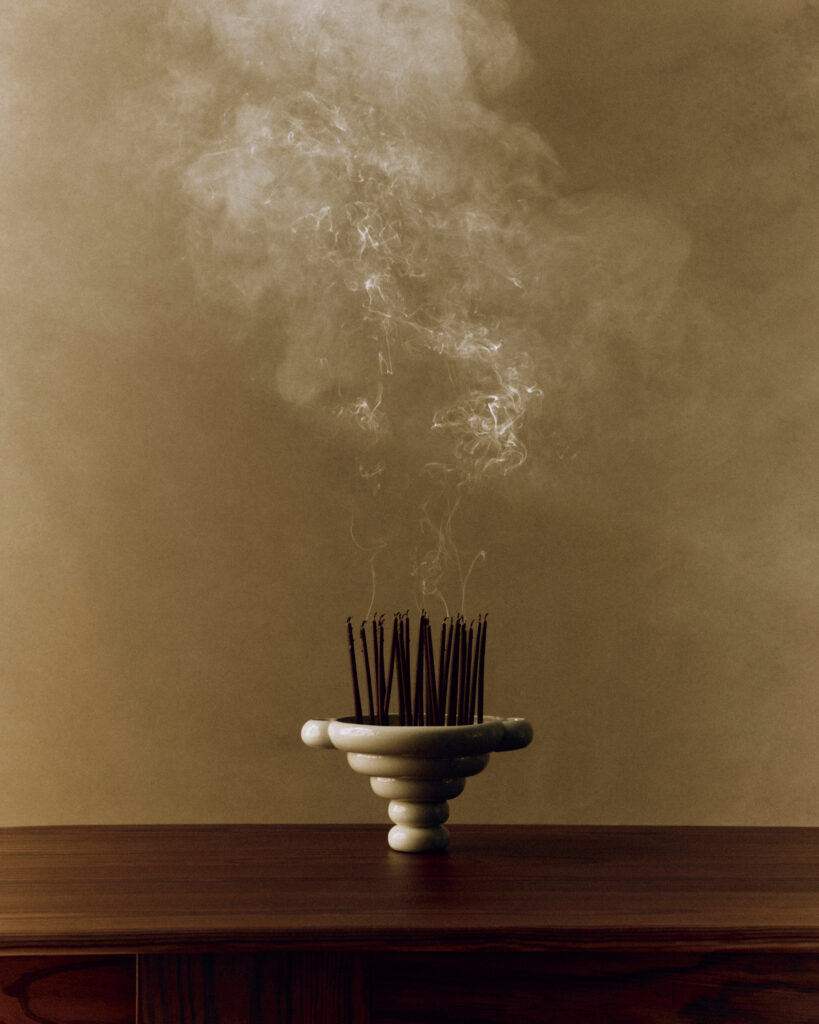
It is an approach that reflects a wider evolution in contemporary interiors. Increasingly, designers are blurring the line between functional objects and artworks, creating pieces that influence not only how a room looks but how it feels.
“I think an object becomes emotional when it starts giving something back to you,” Roe explains. “A feeling, a memory or simply a quiet moment when you look at it. It becomes more architectural when it affects the atmosphere of a room and how your eyes move around the space.”
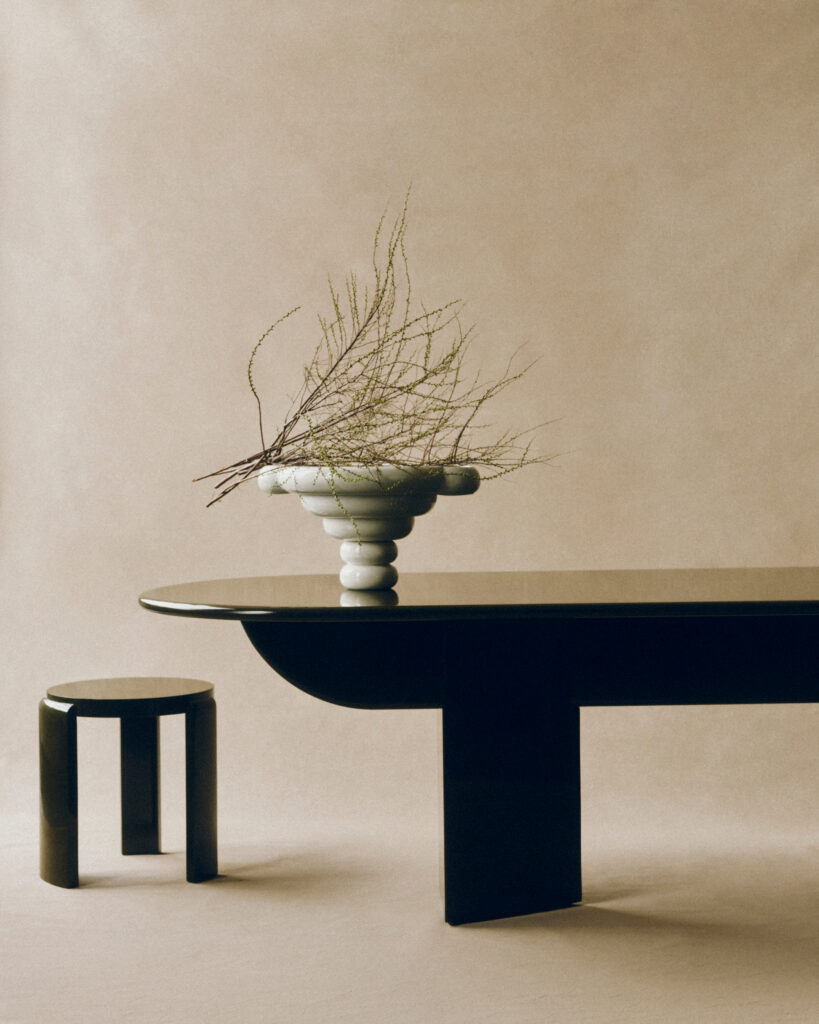
Perhaps nowhere is this shift more visible than on the tabletop itself.
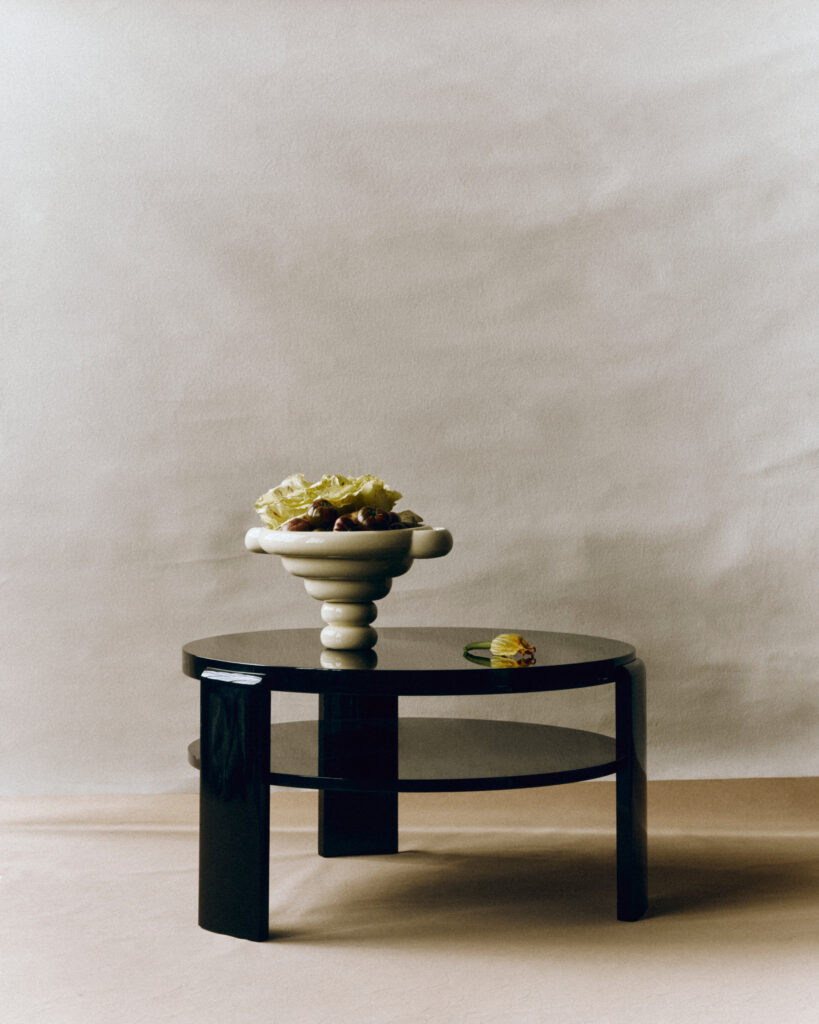
Dining tables, coffee tables and consoles have become carefully considered compositions where materials, textures and proportions interact. What was once a practical surface has evolved into a landscape for storytelling.
“The tabletop almost becomes like creating a little world,” Roe says. “Bringing together materials, shapes and heights. Stone against glass, softness against something more brutal. Reflection and shadow.”
Her description recalls the language of still-life painting, yet Roe sees a closer parallel with hospitality. “I often compare design to food or hospitality,” she says. “We also eat with our eyes. The setting and your feelings matter too. A dinner is not only about the food.”
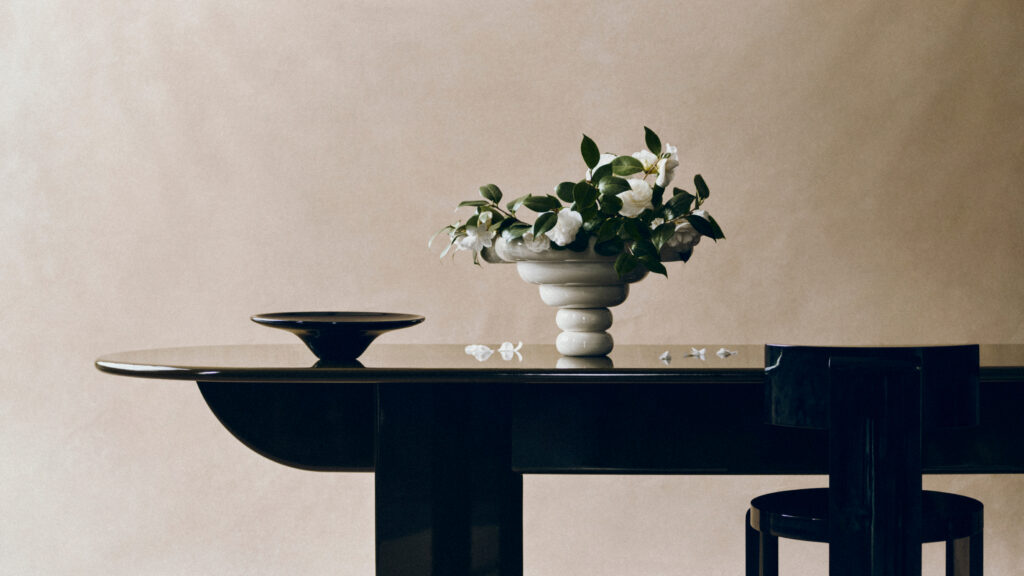
The idea feels particularly resonant in a region where hospitality remains central to domestic culture. Across the Middle East, gathering around a table has long been associated with generosity, ritual and shared experience. In this sense, the contemporary fascination with sculptural vessels, bowls and centrepieces feels less like a passing trend and more like a renewed appreciation for objects that contribute to those rituals.
For Roe, atmosphere is ultimately created through balance.
“I think very deeply about proportions and how they speak together,” she says. “Sometimes very small changes can completely change the feeling of an object or a space.” Much of her work is guided by the tension between opposites: masculine and feminine, sharp and soft, heavy and light. “I like objects with presence and some kind of grounding heavy feeling,” she says. “Something that holds a room and feels honest.”
The philosophy reflects her long-standing fascination with both Bauhaus and Art Deco, two movements that continue to inform her visual language. “I think Scandinavian design will always have simplicity and functionality at its foundation,” Roe says. “At the same time, I feel that people are longing for more emotion and atmosphere in their homes, with greater character and individuality.”
Indeed, contemporary Scandinavian interiors seem increasingly willing to embrace stronger gestures, richer personalities and more sculptural forms while maintaining the clarity and restraint for which they are known. “The aesthetic is still minimal in many ways,” she explains, “but there is now more room for personality, sculptural forms and emotion within a space.”
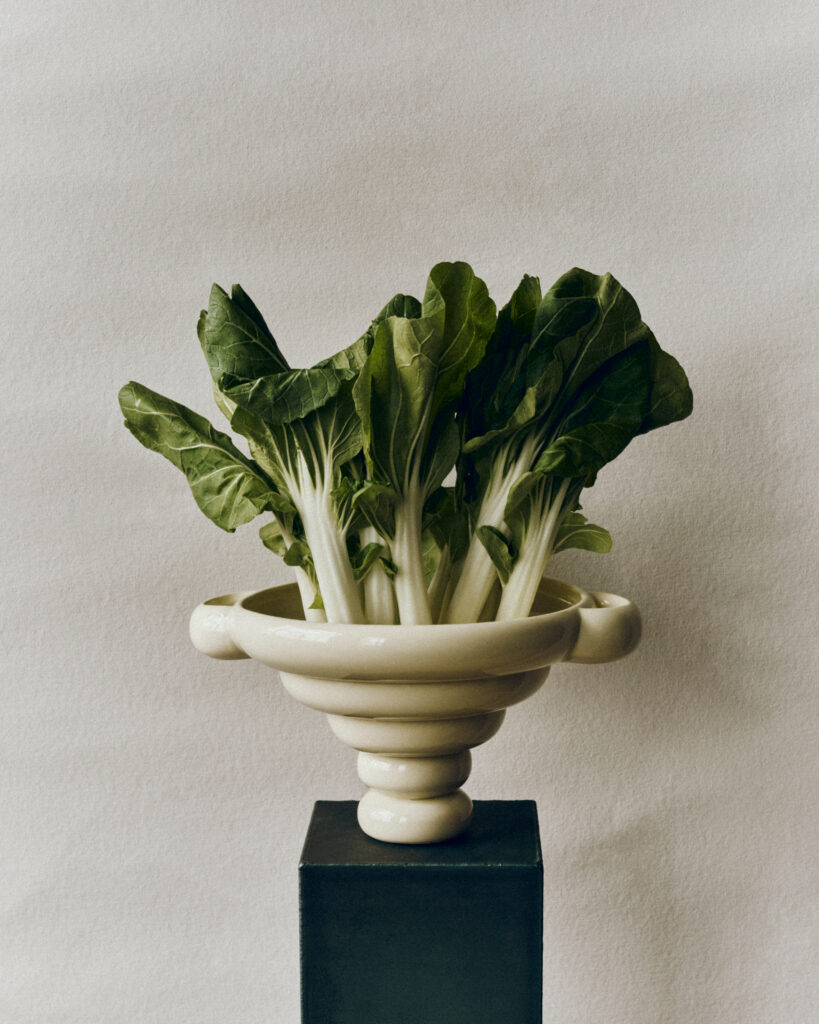
The Alice Object itself carries another, more personal layer. During the design process, Roe began noticing similarities between the piece and her dog Alice, whose quiet presence and noble posture eventually inspired its name. “I suddenly started to notice similarities between the material and my dog Alice,” she recalls. “Being strong but sensitive, and the way she sits with this noble posture.”
The connection was unexpected but revealing. “Alice means noble and somehow the name suddenly felt completely right. She has this quiet beauty and presence that stayed with me during the process.” For Roe, such personal narratives leave traces within an object, whether visible or not. “I think intimacy matters because when something comes from a real feeling or memory, people somehow sense it more strongly,” she says. “Even if they do not know the story behind it.”
As this year’s edition of 3daysofdesign demonstrated, design today is increasingly concerned with emotion and atmosphere. The most compelling objects are no longer necessarily the most technologically advanced or visually complex. Instead, they are the ones that enrich everyday rituals, hold memories and quietly shape the spaces around us.
Beyond decoration, beyond function and beyond trends, objects offer permanence in a transient world. They remind us that the most meaningful interiors are often not the ones filled with the most things, but the ones anchored by a handful of objects that stay with us for years and gradually become part of our own stories.