For decades, Dubai’s design identity has been closely associated with newness. New developments, new furniture, new collections, new beginnings. Yet quietly, another aesthetic language has begun to emerge, one less concerned with perfection and far more interested in personality.
At the centre of this shift is Amy Armitage, founder of Tangerrine Casa, a Dubai-based platform dedicated to curated vintage and preloved homeware. Part stylist, part treasure hunter, part advocate for circular living, Armitage has built a growing community around the idea that the most meaningful interiors are rarely purchased in a single afternoon.
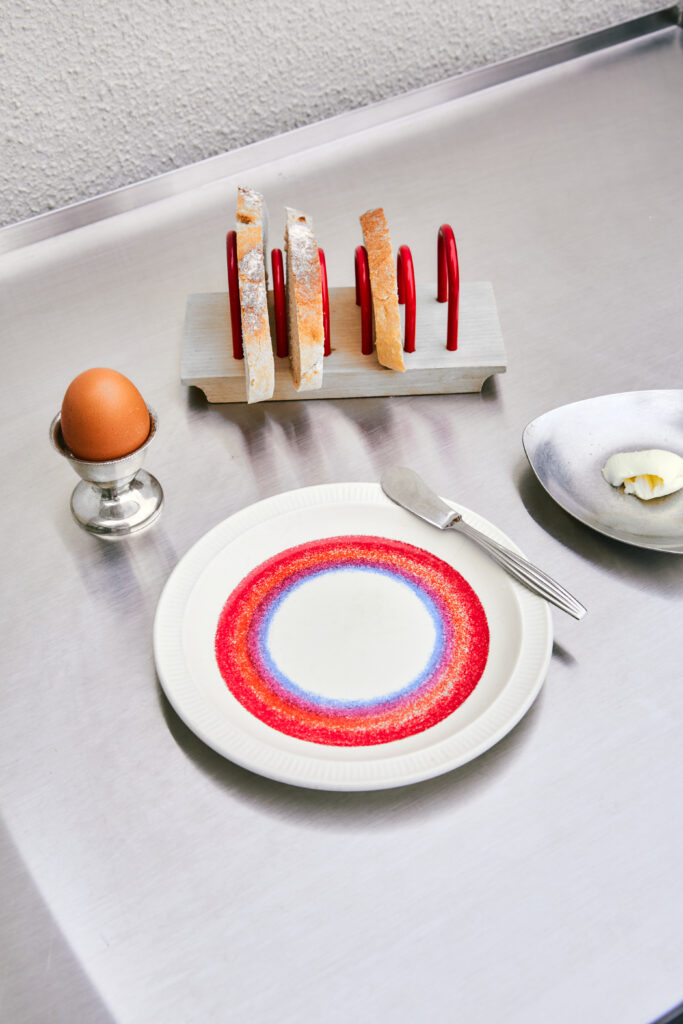
“I’d like Tangerrine Casa to be people’s go-to place to find cool, curated vintage pieces in Dubai,” she says. “It’s a preloved homeware platform founded by a stylist with a passion for keeping things in circulation.”
The appeal of vintage, she believes, goes far beyond sustainability. While contemporary interiors often favour flawless finishes and instant gratification, preloved objects arrive with something harder to manufacture: character.
“They have a certain je ne sais quoi,” she explains. “Something that has a story and adds soul to a space.”
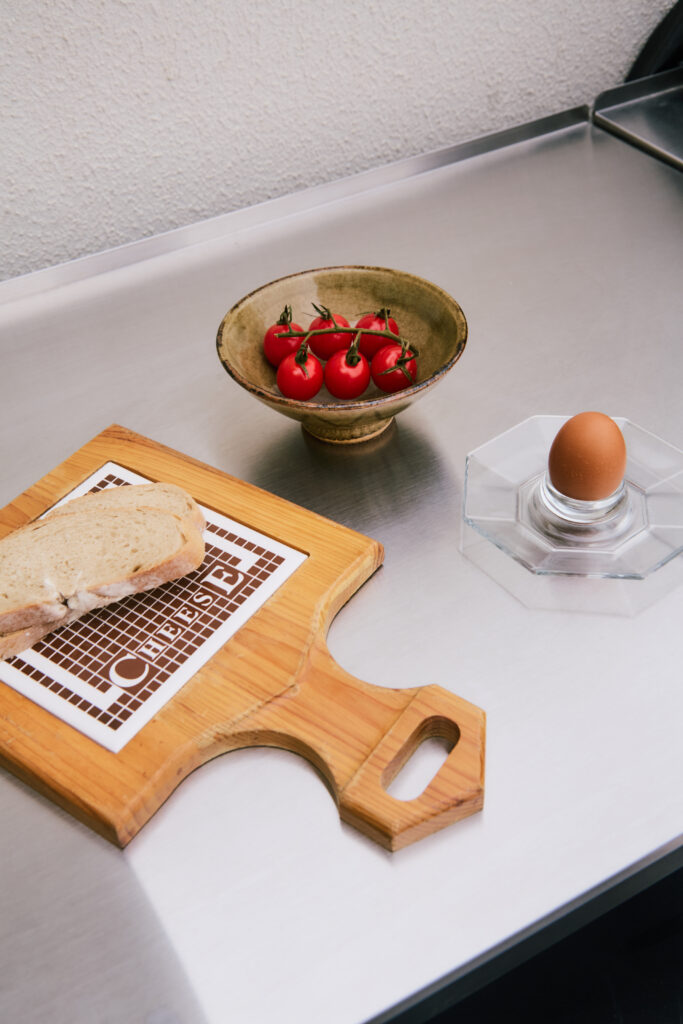
That philosophy feels particularly relevant in a city often defined by its pursuit of the new. Yet according to Armitage, attitudes are changing. More homeowners and designers are embracing what she calls “imperfect living”, spaces that evolve slowly through collecting rather than being completed all at once.
“Home decoration doesn’t have to be a finished project,” she says. “It can be a slower process of collecting objects over time.”
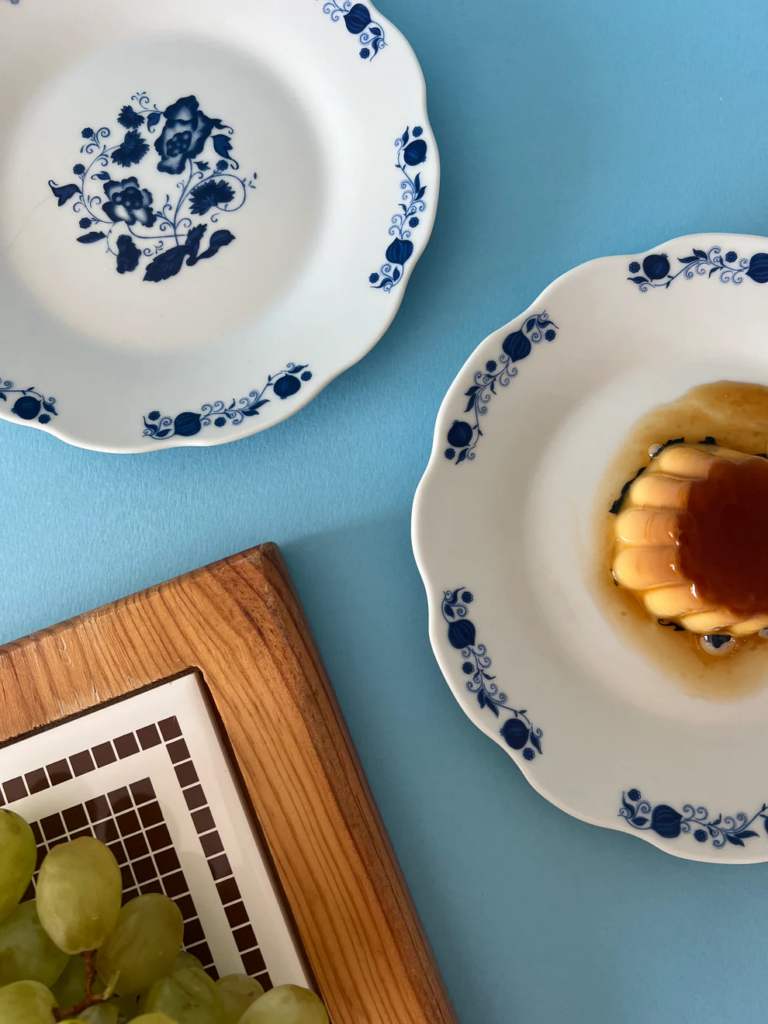
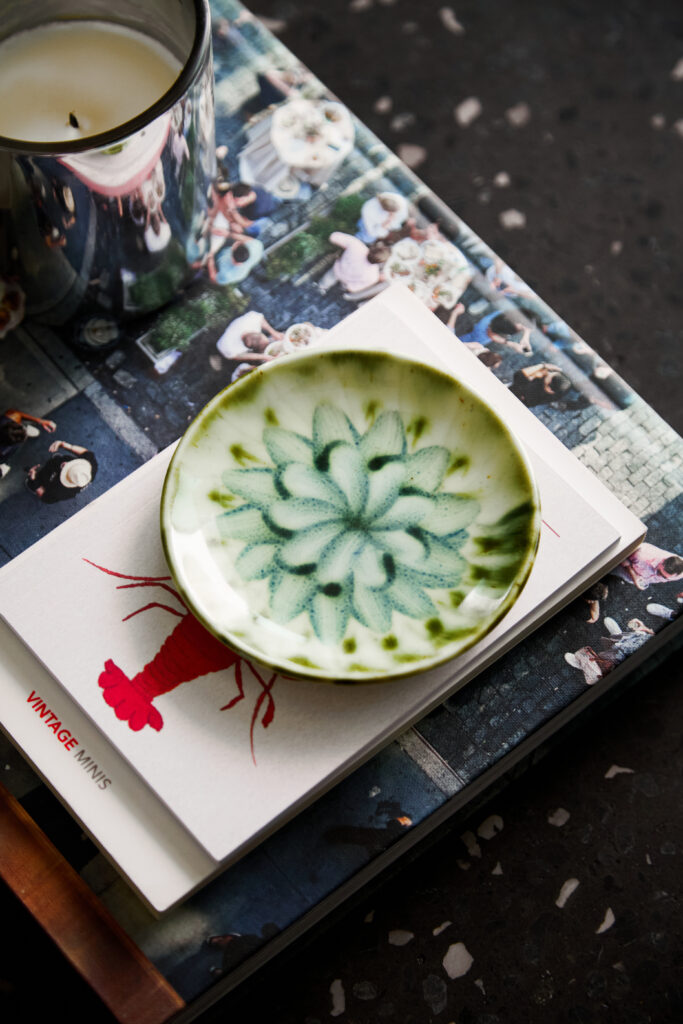
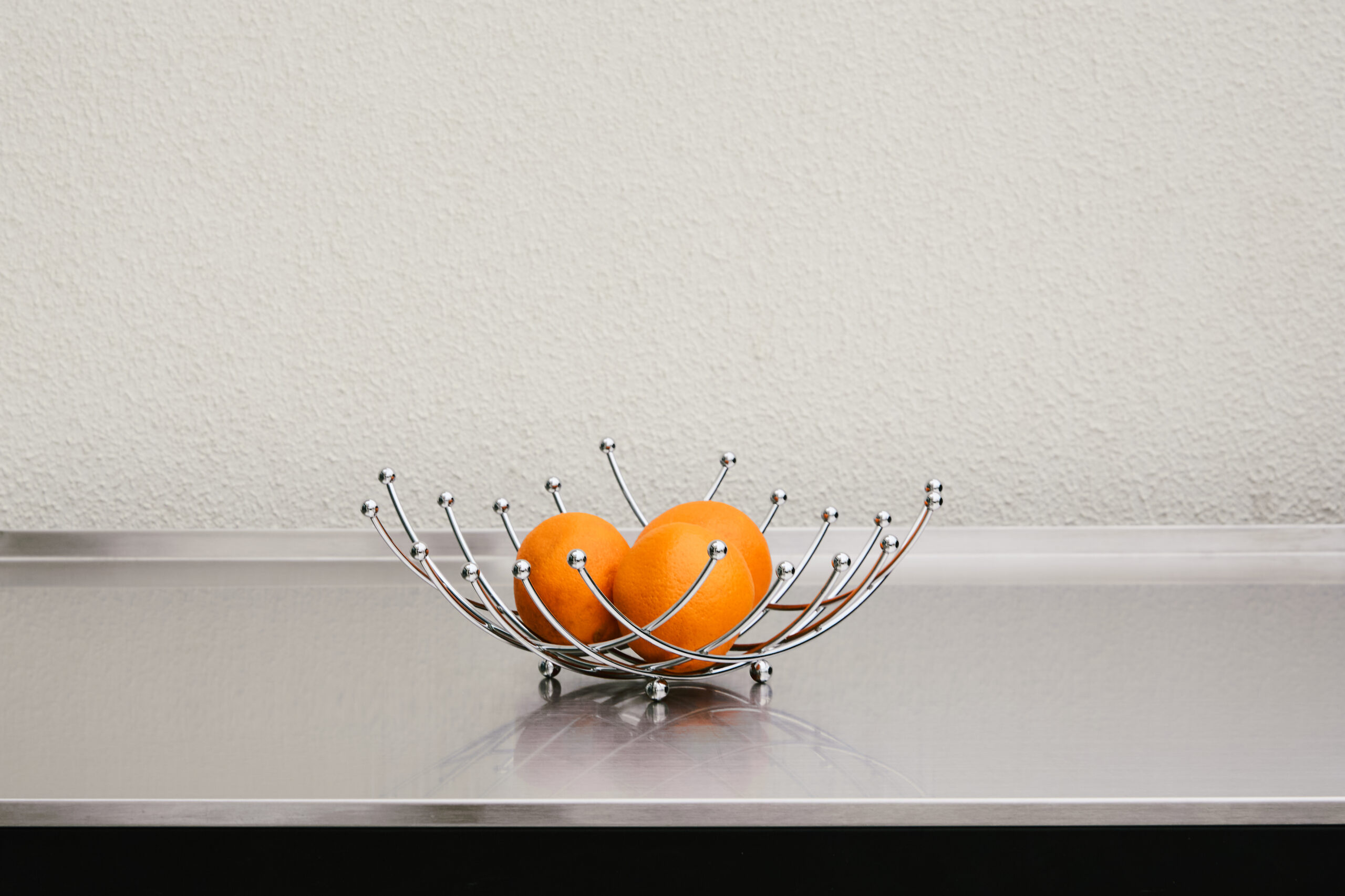
From sculptural chrome pieces and abstract fruit bowls to delicate porcelain and glassware, Tangerrine Casa’s curation reflects a stylist’s eye rather than a collector’s obsession with a specific period. Objects from different decades coexist through shared colours, materials and moods, encouraging people to imagine vintage pieces within contemporary homes.
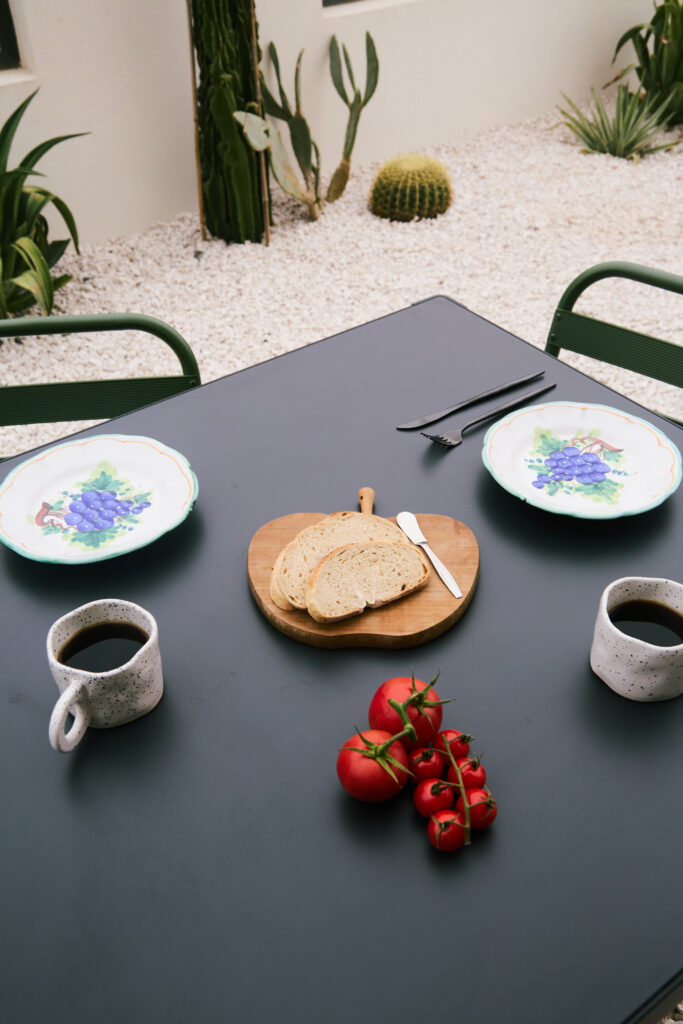
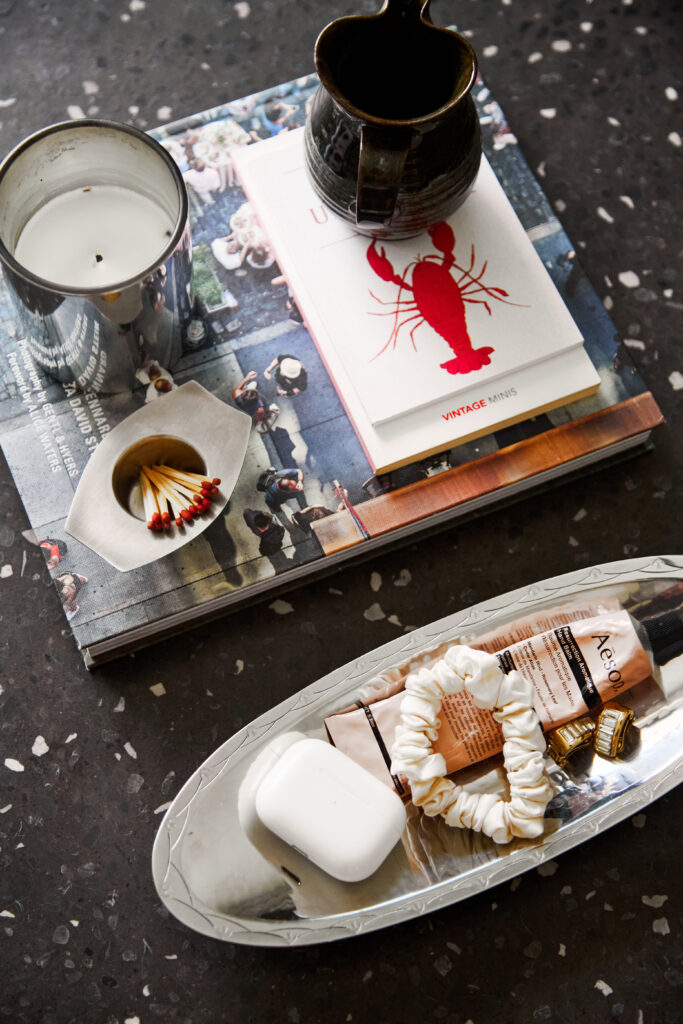
Behind this approach lies a broader ambition: to elevate the perception of preloved design across the region. While the market remains relatively young, Armitage sees growing interest from both private clients and interior designers seeking individuality over uniformity.
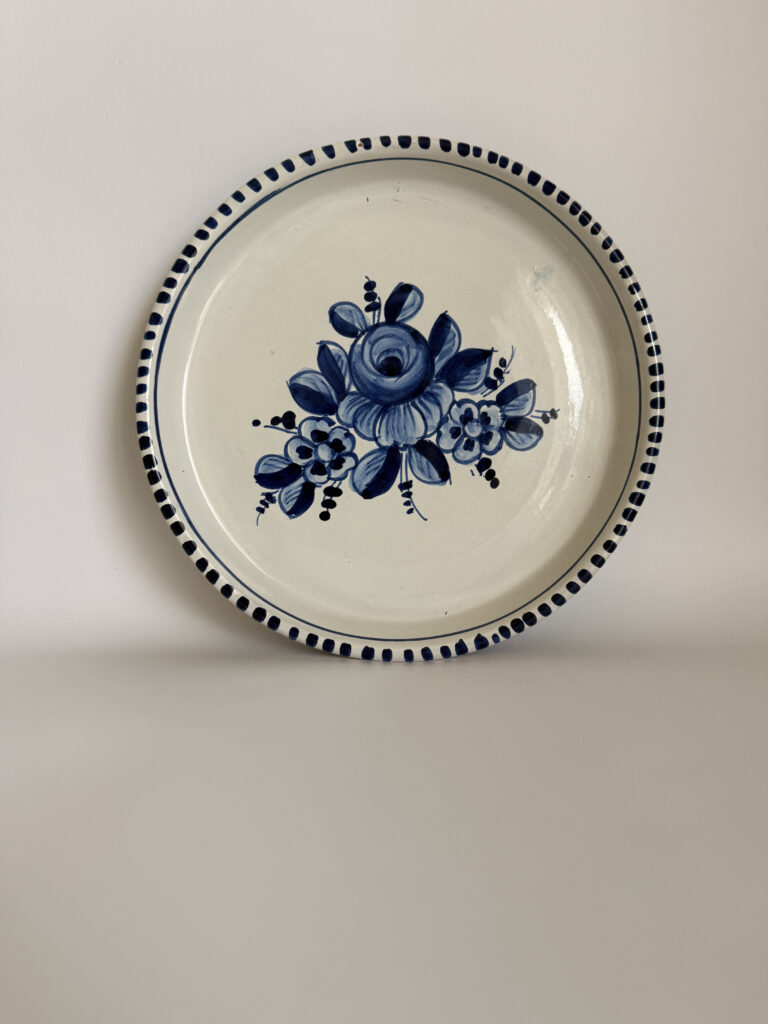
Perhaps the strongest connection people form with vintage objects, however, is emotional. “Nostalgia,” she says simply. Whether a piece recalls a grandparent’s home, a favourite film or a distant holiday, these objects carry memories long before they enter a new interior.
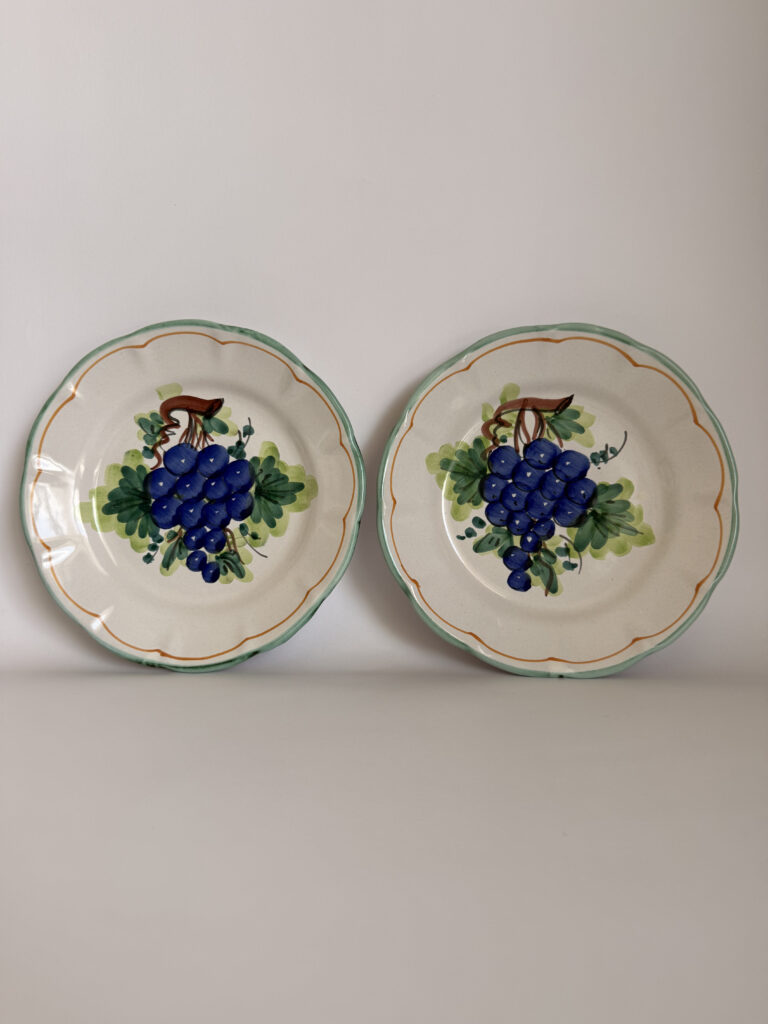
In that sense, Tangerrine Casa is not merely selling homeware. It is creating a different way of thinking about ownership—one where objects continue their stories across generations, and where beauty, sustainability and personal expression become part of the same conversation.