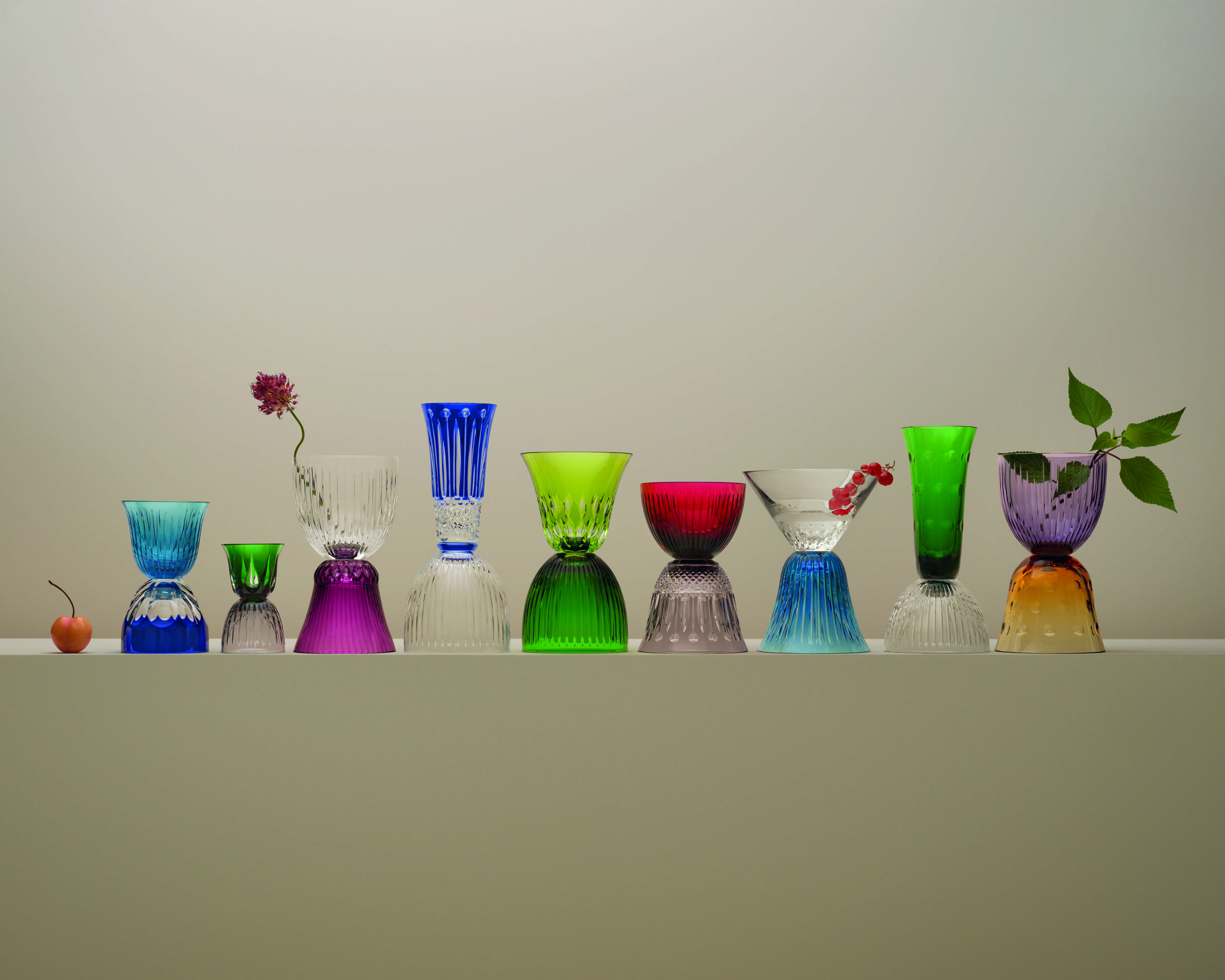
Saint Louis has never struggled with mastery. For more than two centuries, the French manufacture has shaped crystal into chandeliers, stemware and decorative objects whose technical precision borders on the untouchable. But the return of Les Endiablés, originally conceived by designer José Lévy in 2011 and now reintroduced with three new parisons, suggests that mastery today may no longer be about perfection alone. Increasingly, it lies in the ability to disrupt one’s own heritage.
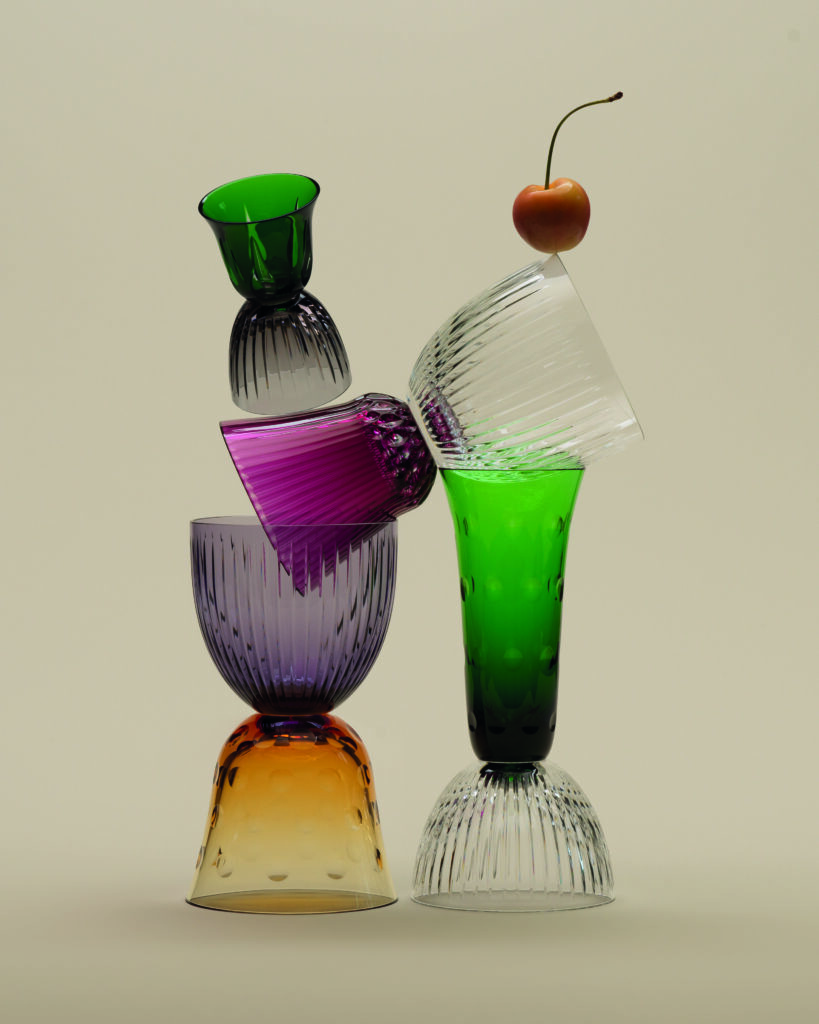
Les Endiablés do not behave like traditional crystal objects. They tilt, balance precariously, invert themselves and resist immediate definition. Somewhere between goblet, sculpture, vase and playful artefact, they seem almost deliberately unstable, as though frozen mid movement. One instinctively wants to turn them upside down, rotate them in the hand, test their equilibrium. They are objects designed not simply to be admired, but to provoke interaction.
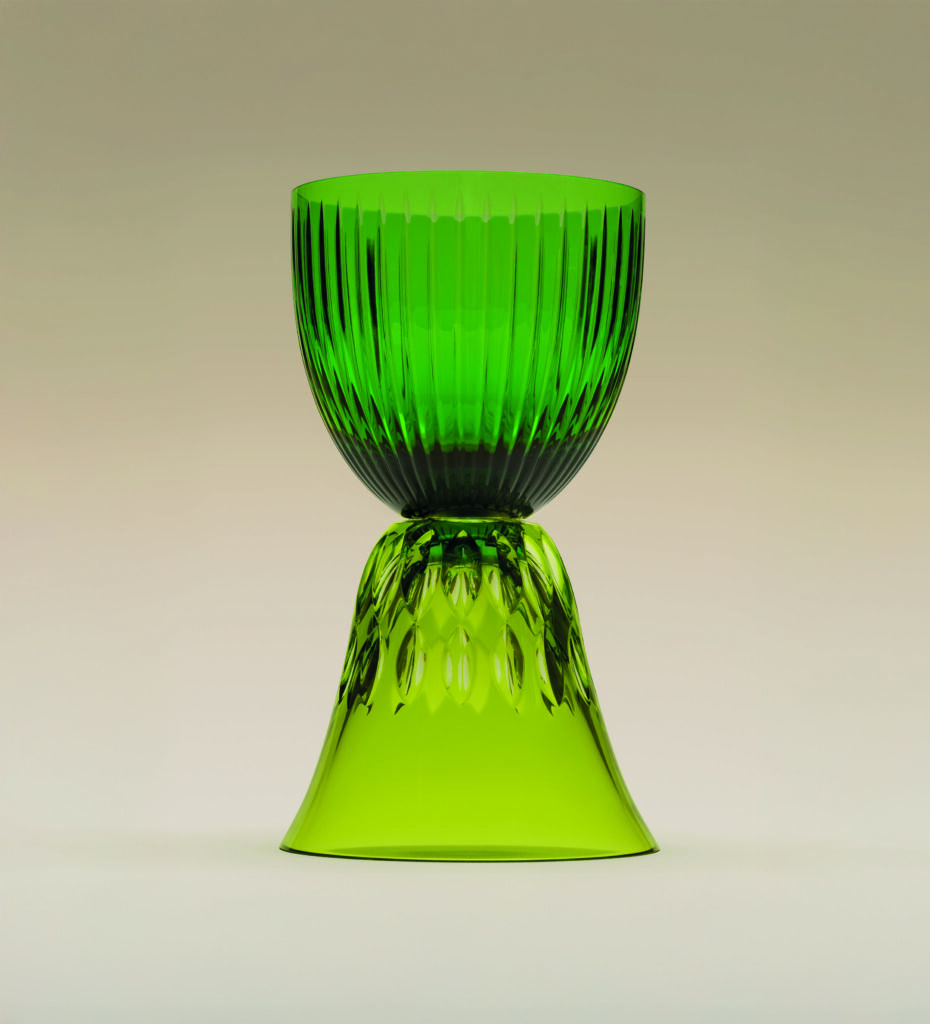
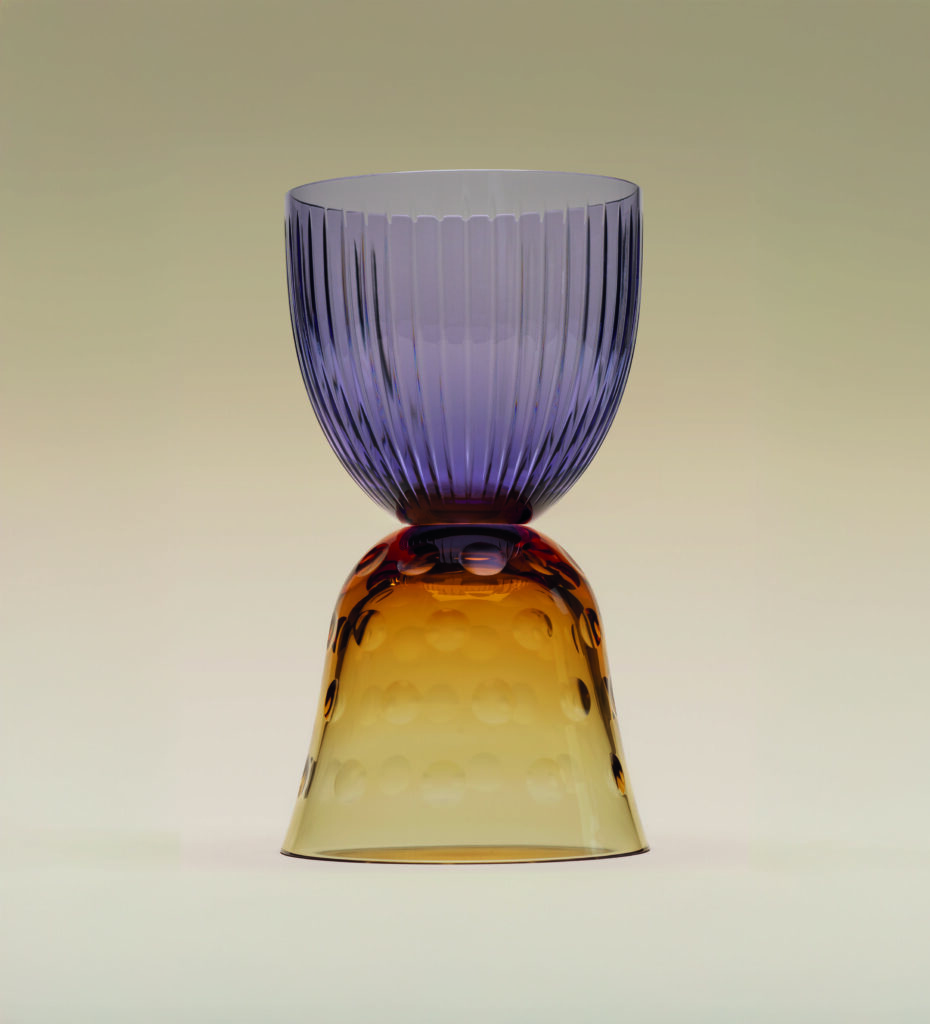
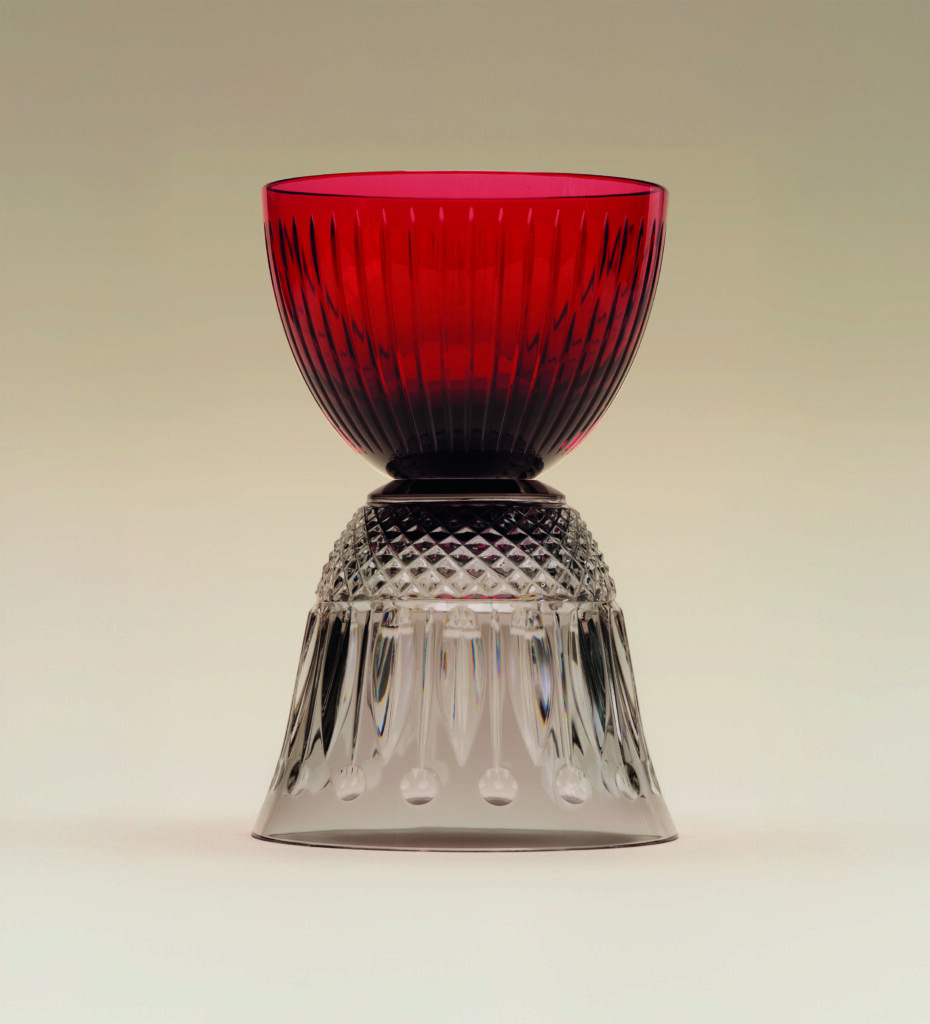
Fifteen years after their debut, their return feels unexpectedly timely. At a moment in which contemporary design is moving away from rigid functionality toward emotional and collectible forms, Les Endiablés occupy a particularly relevant space. Lévy liberates crystal from what he himself describes as the “straitjacket of utility and purpose,” allowing these pieces to exist somewhere between decorative arts and domestic theatre.
That ambiguity is precisely what gives them their seductive power.
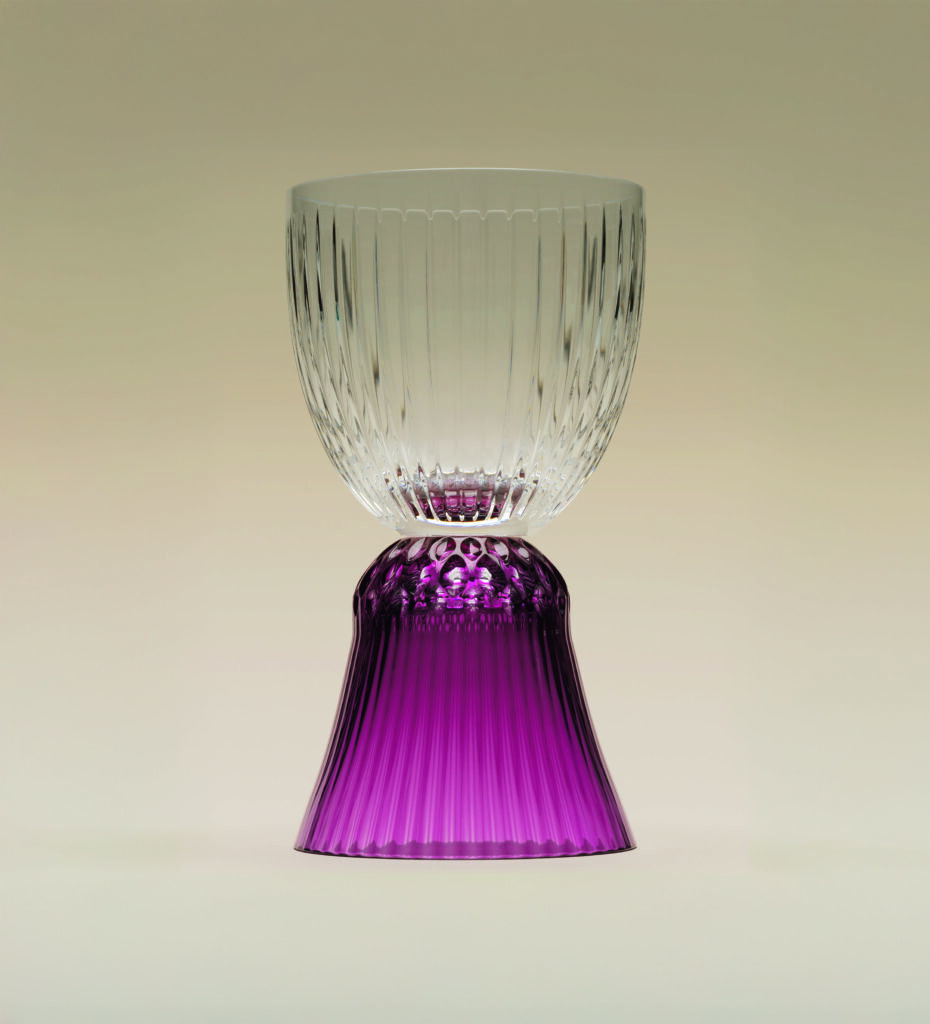
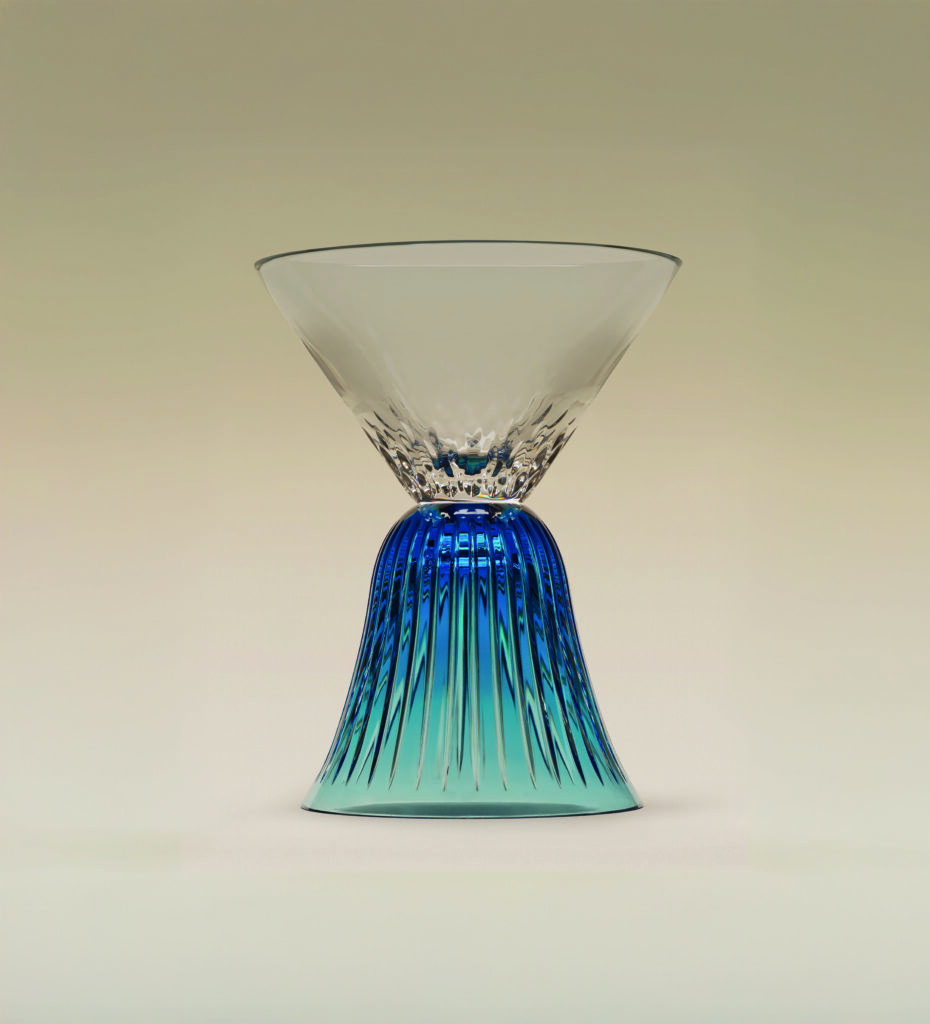
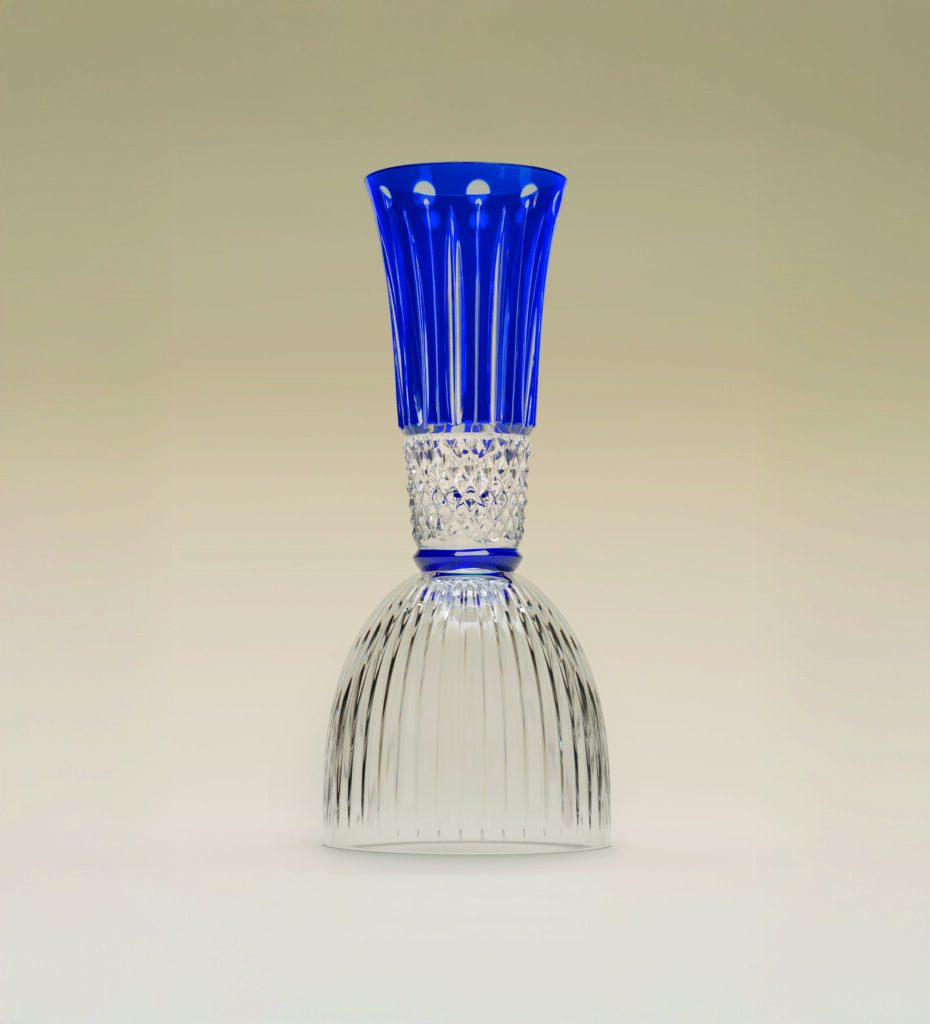
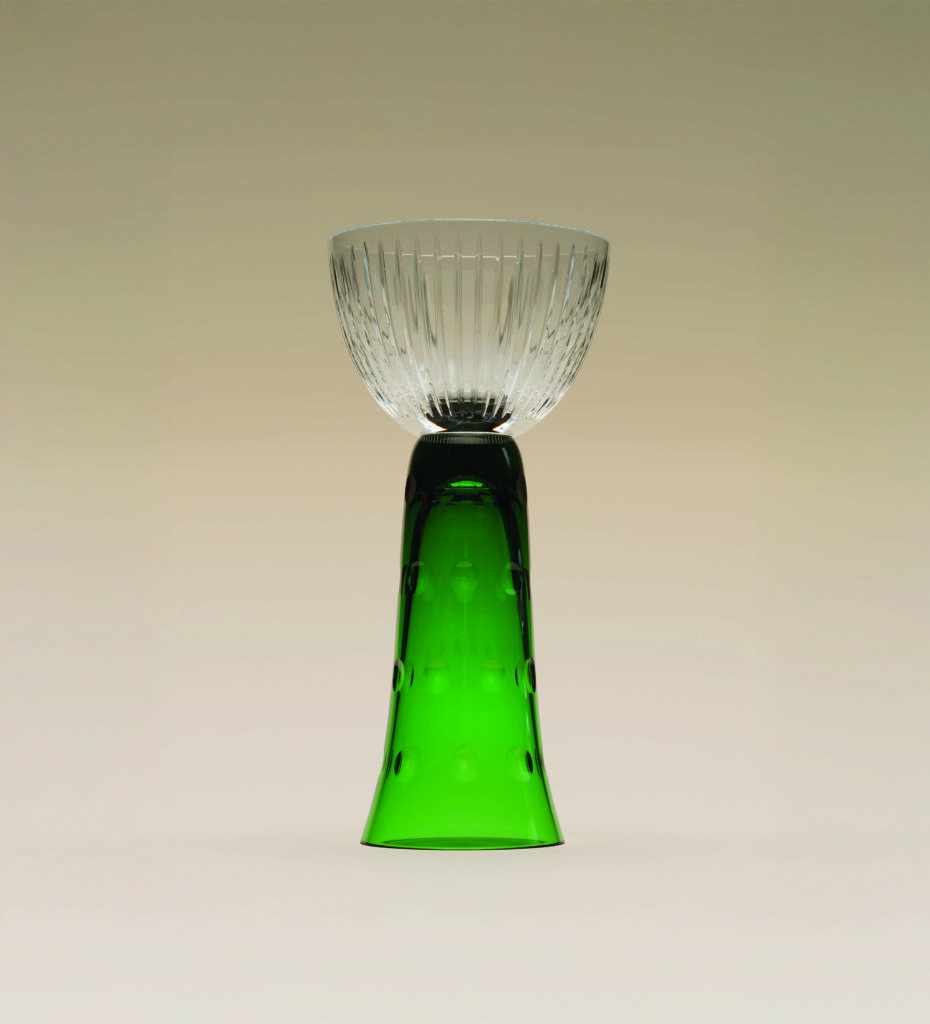
Whether appearing as a candlestick, an hourglass, an eggcup or something entirely undefined, Les Endiablés reject the idea that an object must justify itself through use alone. Instead, they operate emotionally and visually, transforming the table into a stage where colour, reflection and imbalance become part of the experience of living with them. Light fractures through layered crystal and hand cut motifs borrowed from Saint Louis’ historic vocabulary: Tommy, Stella, Apollo, Bubbles, Cerdagne and Chambord all subtly reappear throughout the collection like fragments of memory reassembled into new forms.
The result is neither nostalgic nor entirely contemporary. It exists in tension between both worlds.
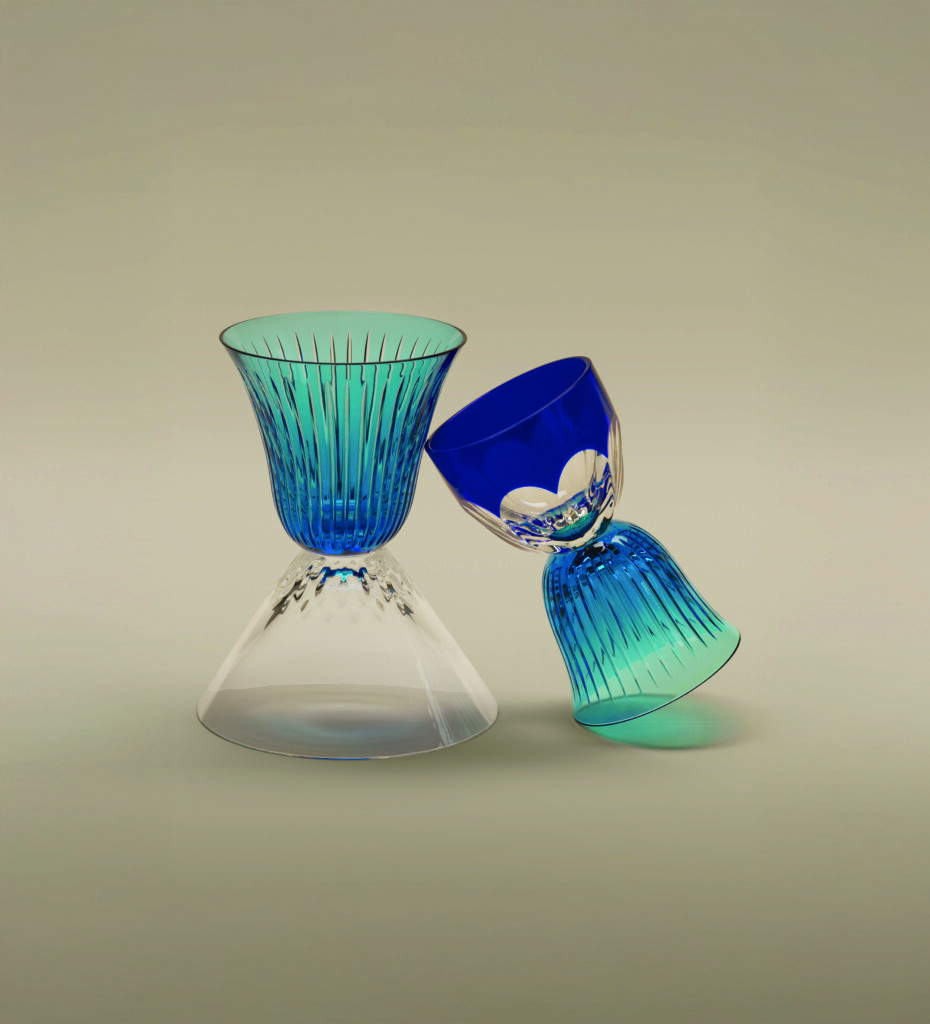
That tension is perhaps what makes the collaboration between Lévy and Saint Louis so compelling. Founded in the eighteenth century under Louis XV and shaped by generations of master glassblowers and cutters, Saint Louis could easily remain confined within reverence for its own history. Instead, the manufacture allows its heritage to be destabilised, reinterpreted and occasionally even made mischievous.
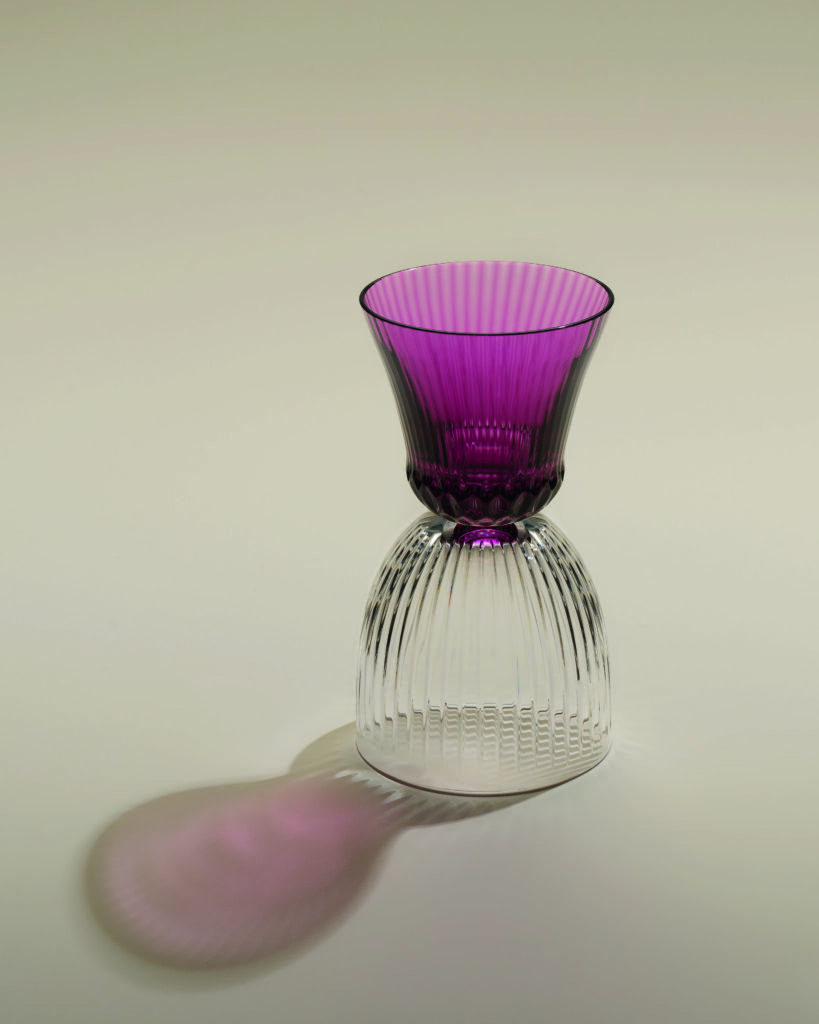
Les Endiablés embody precisely this freedom. Clear crystal, mass coloured crystal and layered crystal merge through nine vibrant Saint Louis shades into combinations that appear almost improbable at first glance. Traditional cuts coexist with silhouettes that feel irreverent and slightly surreal. The pieces are technically rigorous yet emotionally light, carrying the whimsical audacity that has long characterised Lévy’s creative universe.
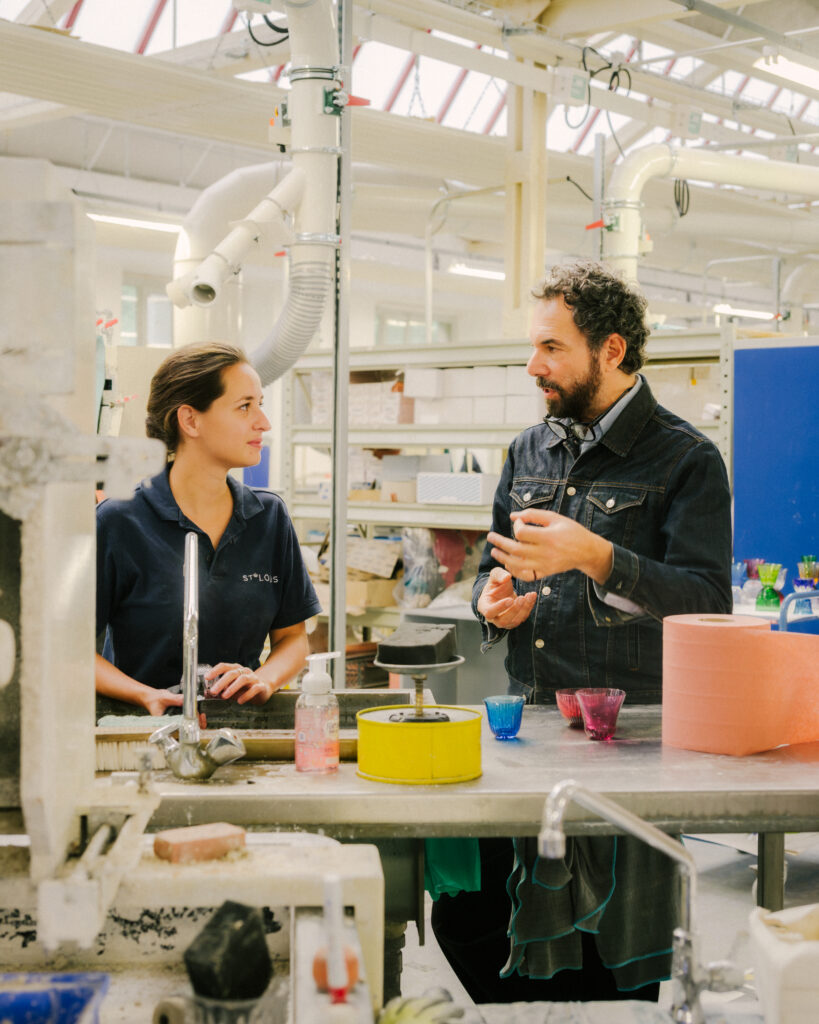
As a multidisciplinary artist working across design, installation and the decorative arts, Lévy has consistently explored objects that remain open to interpretation. His recent appointment as Creative Director of the French Pavilion at Expo Osaka 2025 further confirms a practice deeply invested in imagination, narrative and the fluidity of meaning. With Les Endiablés, he applies that same philosophy to crystal, refusing fixed typologies in favour of objects that evolve depending on how they are handled, displayed or perceived.
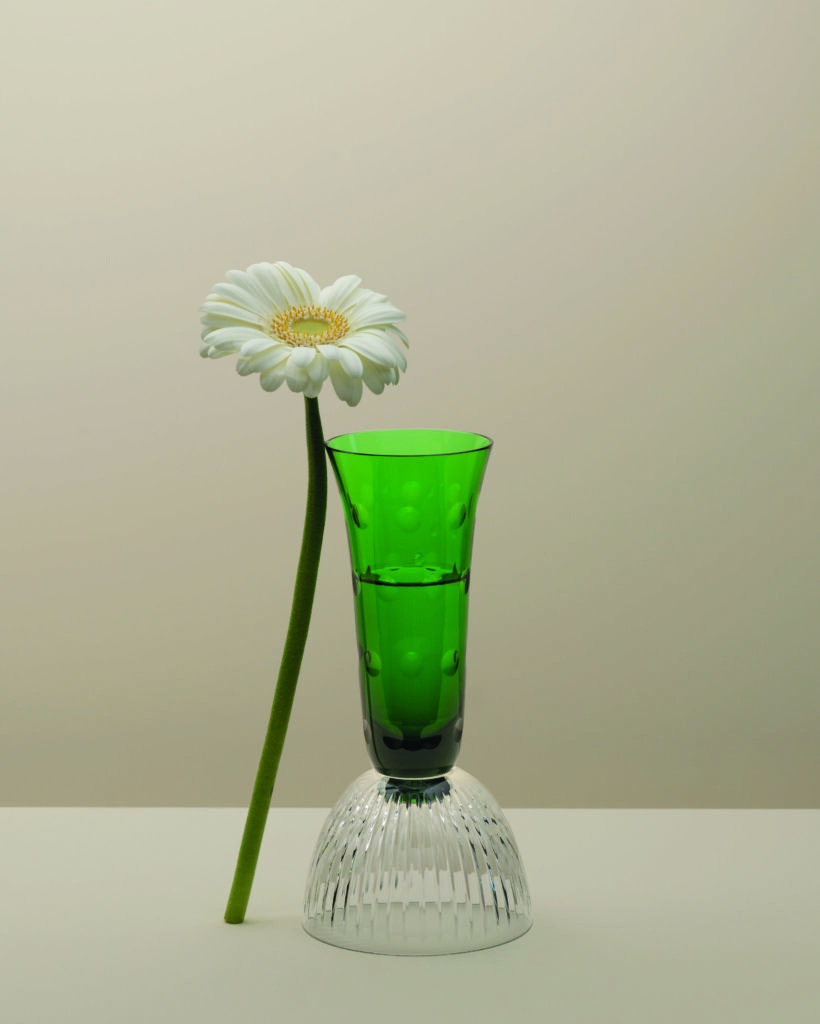
And perhaps this is why the collection continues to resonate fifteen years later. In an era increasingly driven by optimisation, clarity and function, Les Endiablés insist on remaining gloriously unresolved. Neither entirely sculpture nor entirely utilitarian object, they remind us that the most memorable pieces inside a home are often the ones that resist explanation altogether.