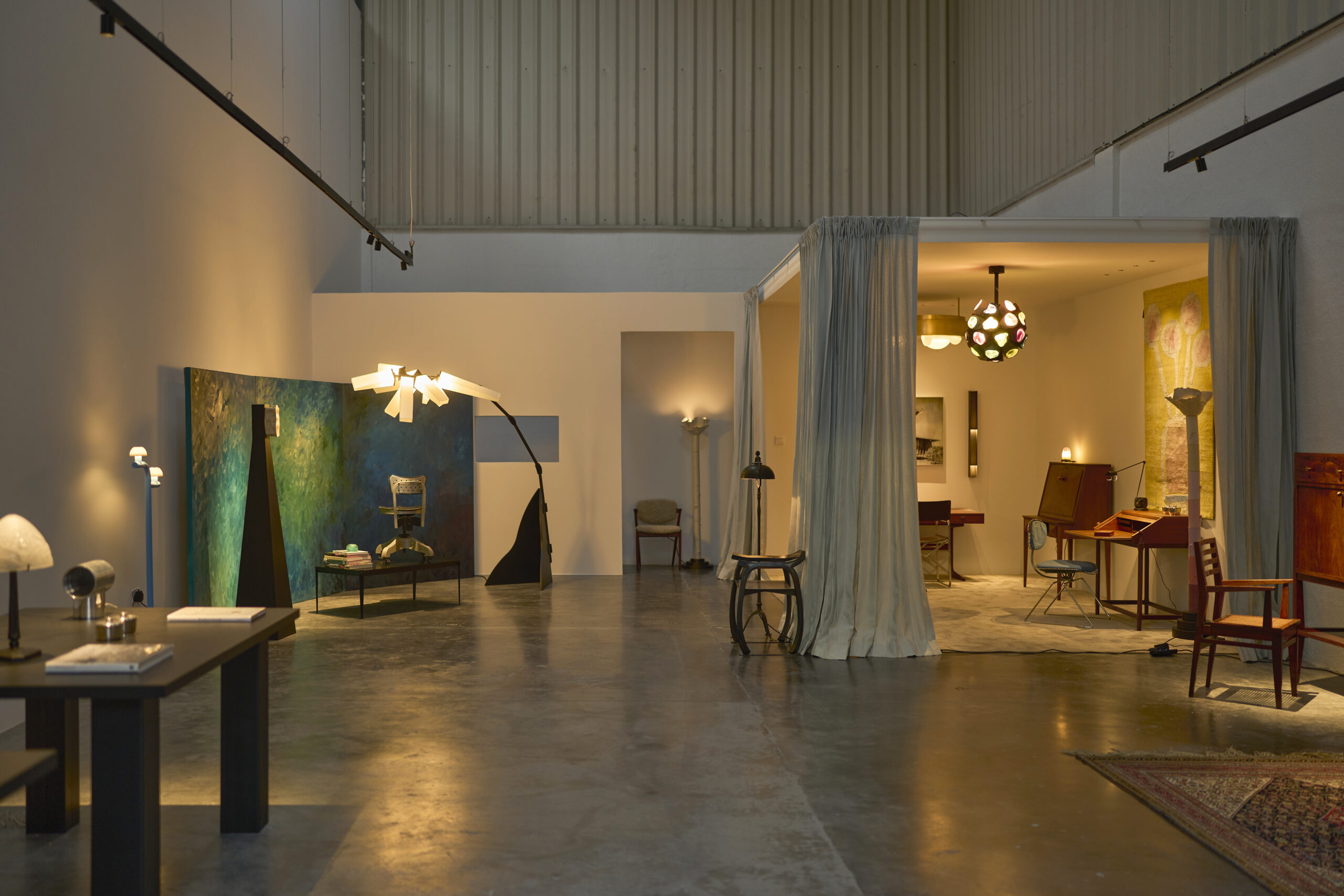
At the growing list of new openings in Alserkal Avenue, another space now enters the conversation around how Dubai is beginning to position design not simply as production or luxury consumption, but as cultural layering. With the opening of Gradient, designer Nader Gammas introduces a gallery that moves beyond the conventional showroom format, bringing together collectible design, lighting, vintage furniture, contemporary objects, and art within a single atmospheric environment. More importantly, the project reflects a wider shift currently unfolding across the region: the growing desire among designers to construct authored worlds rather than isolated products.
This tendency can be seen increasingly across the Gulf, where architects and designers are no longer limiting themselves to interiors or furniture collections alone, but are building spaces of curation, collecting, and narrative. In Dubai especially, a younger generation of creatives is beginning to move away from the immaculate visual language long associated with the city, introducing instead objects with memory, irregularity, and historical weight. Gradient positions itself precisely within this emerging sensibility.
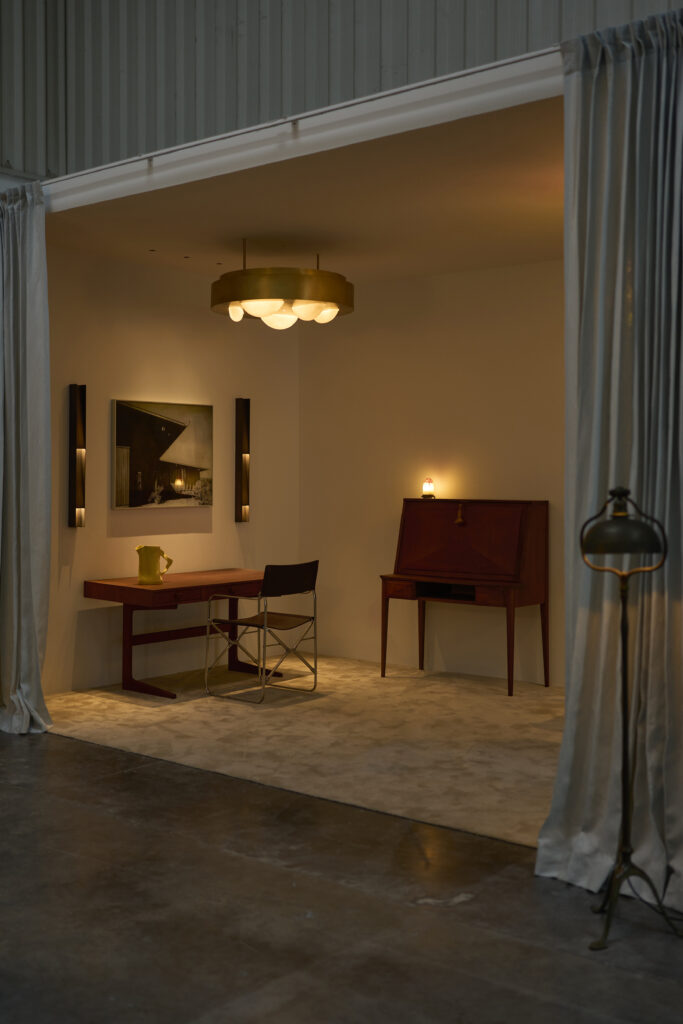
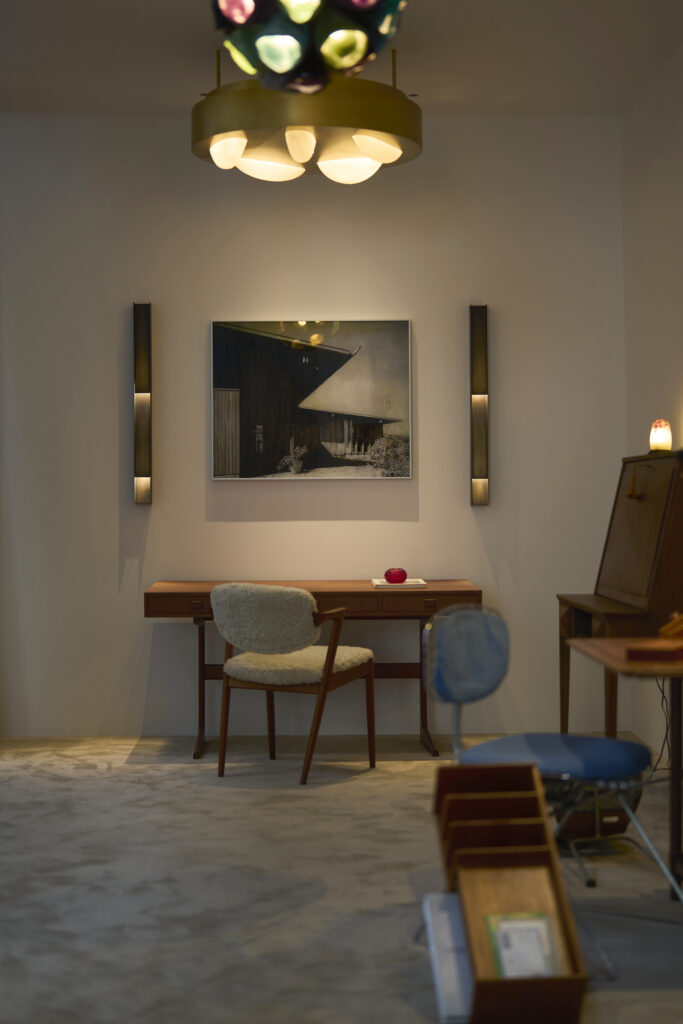
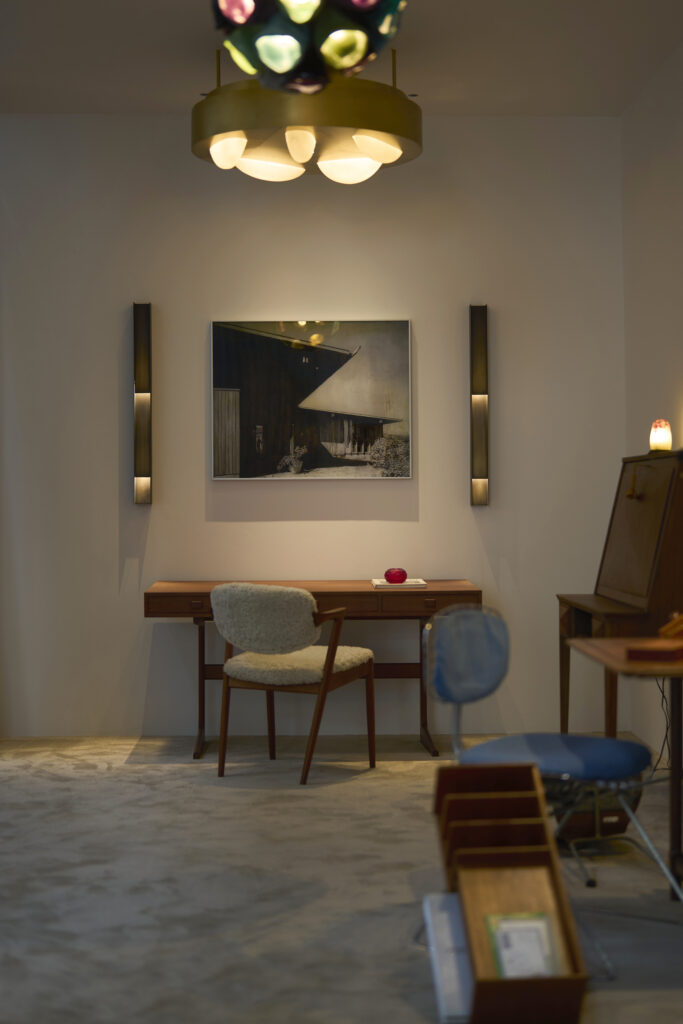
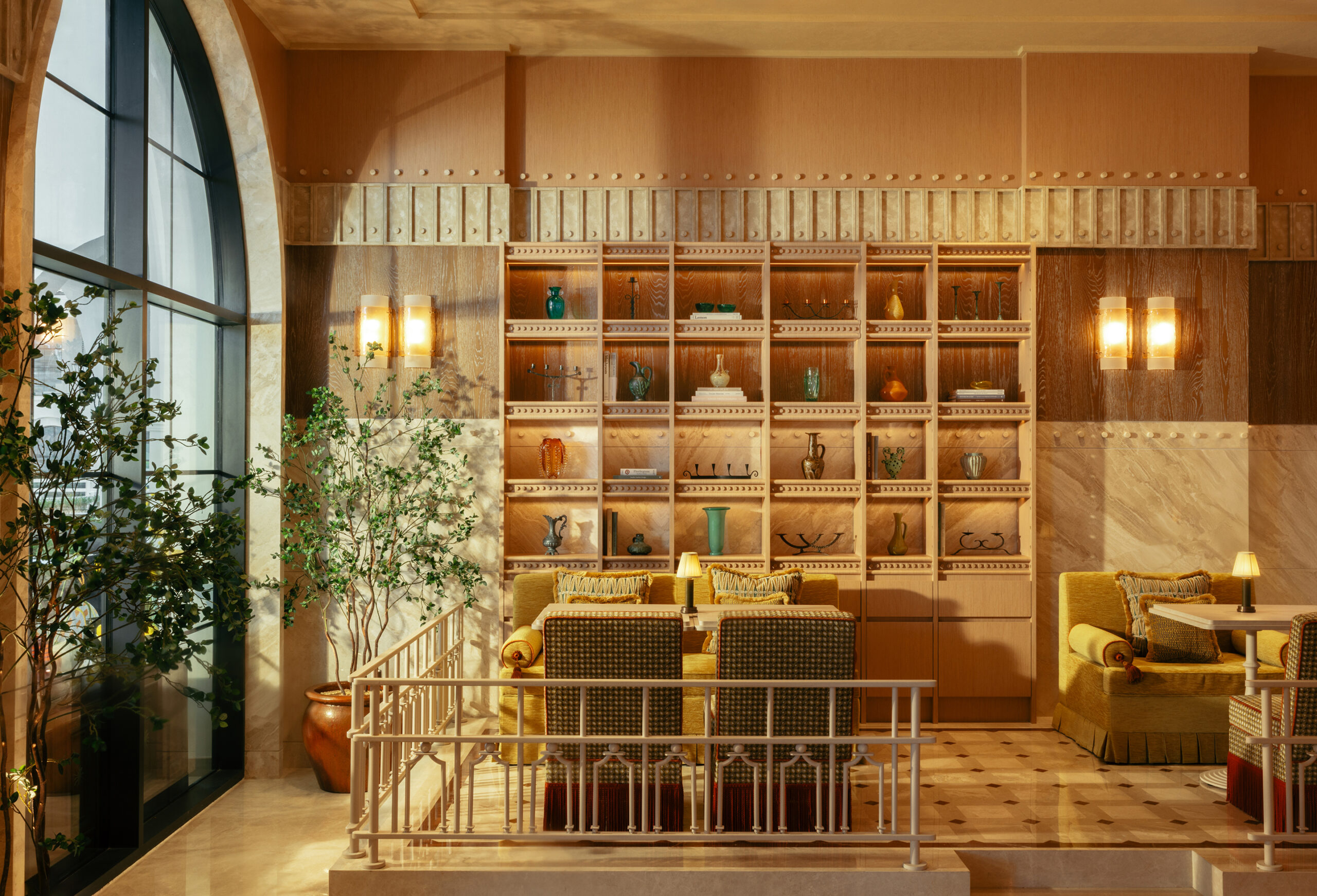
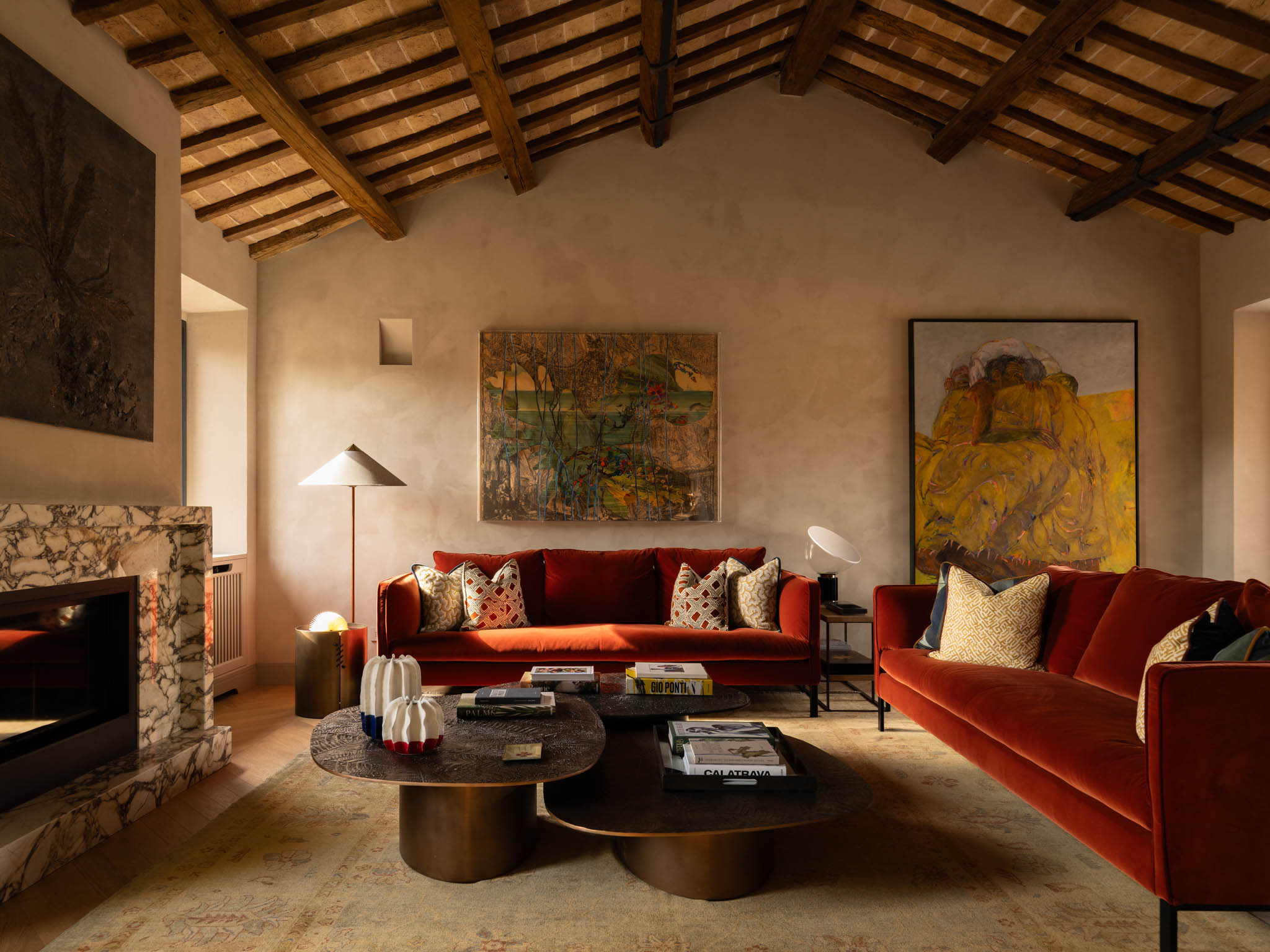
Located inside an industrial warehouse in Alserkal, the gallery was conceived as a space where Gammas could present his own lighting pieces alongside works and objects he has collected over time. The result feels less like a retail environment and more like an interior in permanent evolution, where twentieth century vintage pieces coexist with contemporary regional design through atmosphere rather than chronology.
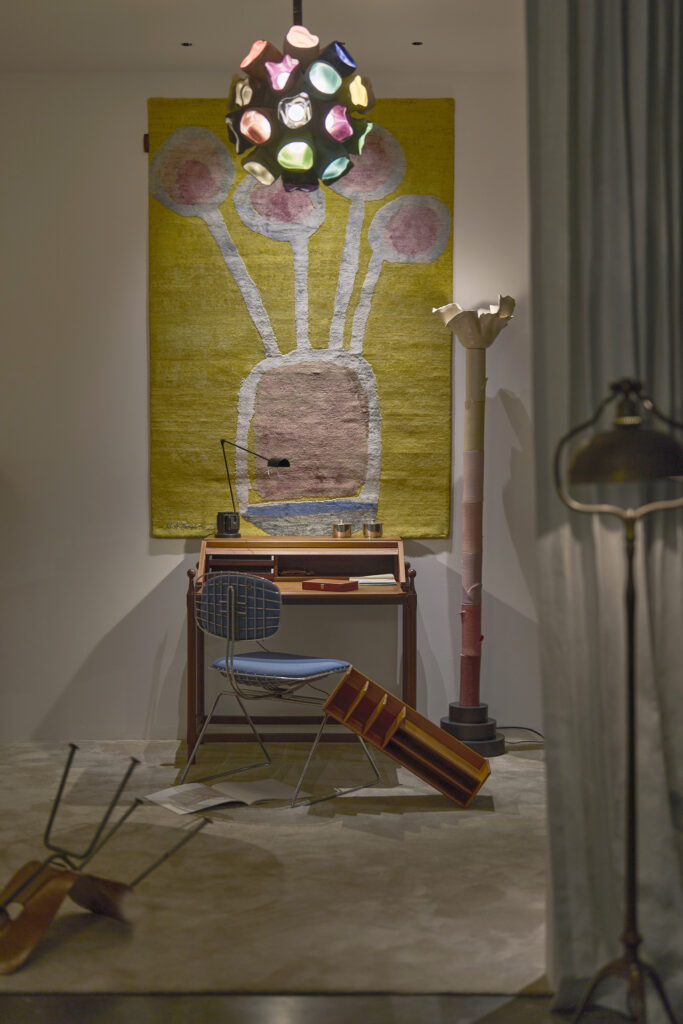
Gammas, whose background is in architecture and lighting design, approaches light less as a technical device than as an emotional structure capable of shaping perception itself. “Lighting can be considered a fourth dimension,” he explains. “It evokes emotion in a way that few other elements can.” That architectural training remains visible throughout the gallery, not through rigid formalism, but through the careful orchestration of rhythm, scale, material tension, and spatial sequencing.
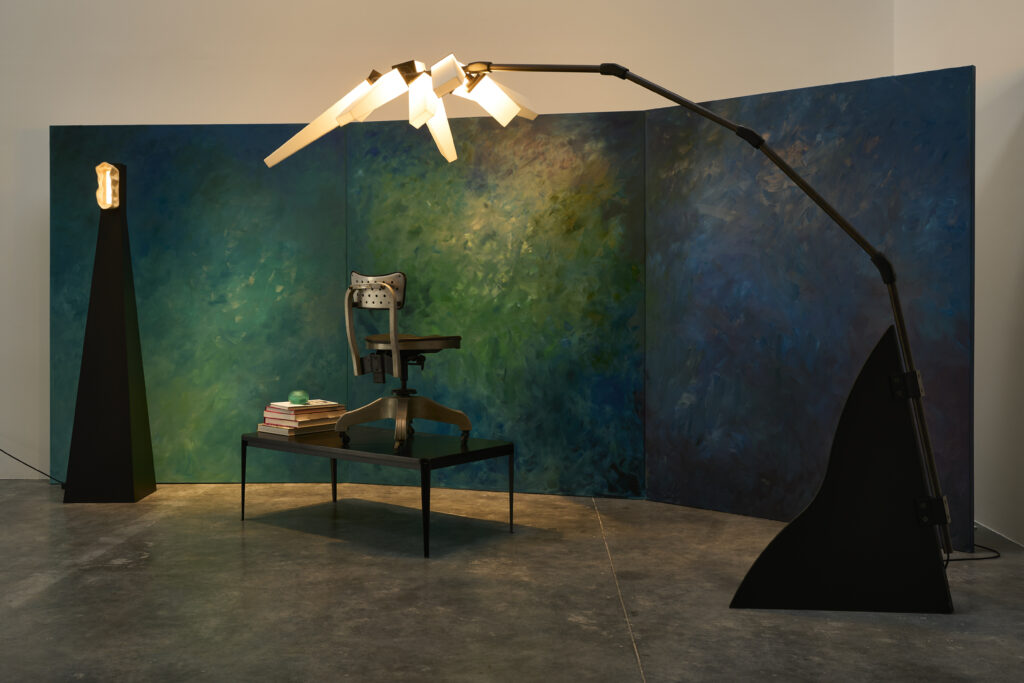
The space unfolds through four distinct zones — a curiosity space, open gallery, vignette room, and mural backdrop — each constructed almost cinematically, allowing visitors to move between density and restraint. What connects the works is not period or geography, but tone. “I believe if there is a clear enough taste palette, everything falls into place,” says Gammas. “Objects, regardless of when or how they were created, carry a feeling that resonates with adjacent pieces. There is a timelessness about them, which is something I strive for.”
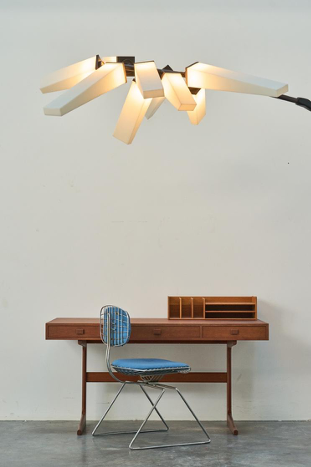
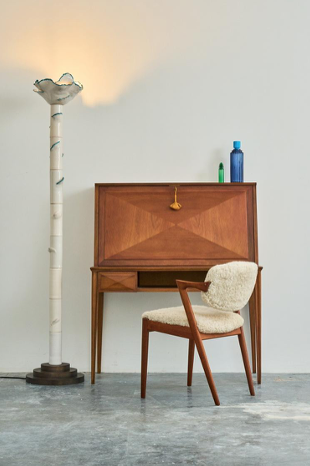
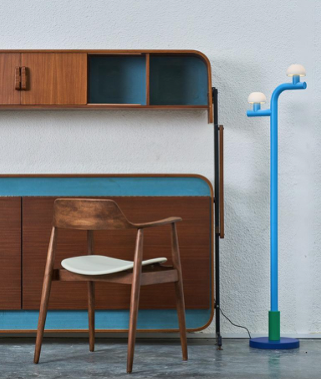
That idea of timelessness becomes particularly significant in Dubai, a city often associated with perpetual newness. What Gradient introduces instead is the value of patina, accumulation, and visual memory. Gammas himself describes the gallery as an attempt to bring “layers” into the city’s design language through vintage and collectible works. In this sense, the project participates in a broader regional evolution where contemporary Middle Eastern interiors are becoming increasingly interested in contrast: between refinement and imperfection, contemporary production and historical continuity, collectible design and lived atmosphere.
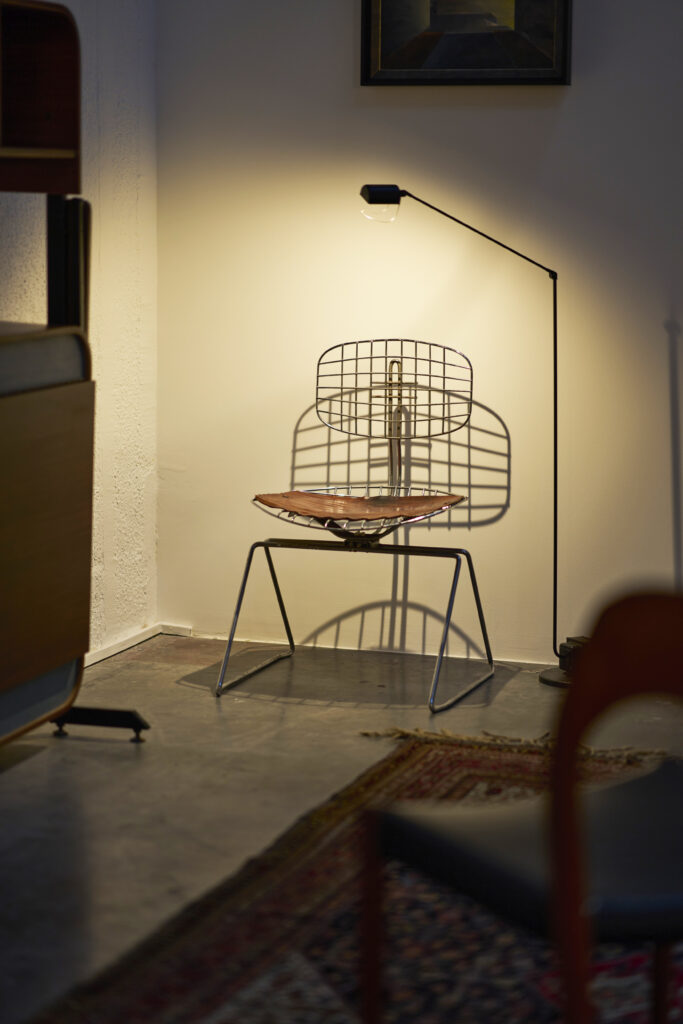
Alongside new lighting pieces such as Sprout and refreshed editions of earlier works, the gallery also includes regional names including Iwan Maktabi, Omar Gurg, Slow Ceramics, and Ammar Kalo, further reinforcing the increasingly porous relationship between art, collectible design, and interior culture in the region.
What emerges through Gradient is not nostalgia, nor a rejection of contemporary design, but a more mature cultural position: one that understands atmosphere as something built slowly through juxtaposition, authorship, and emotional resonance. In a city still largely defined by visual perfection and accelerated production, the opening of Gradient suggests that Dubai’s next design chapter may become less about spectacle and more about sensibility.
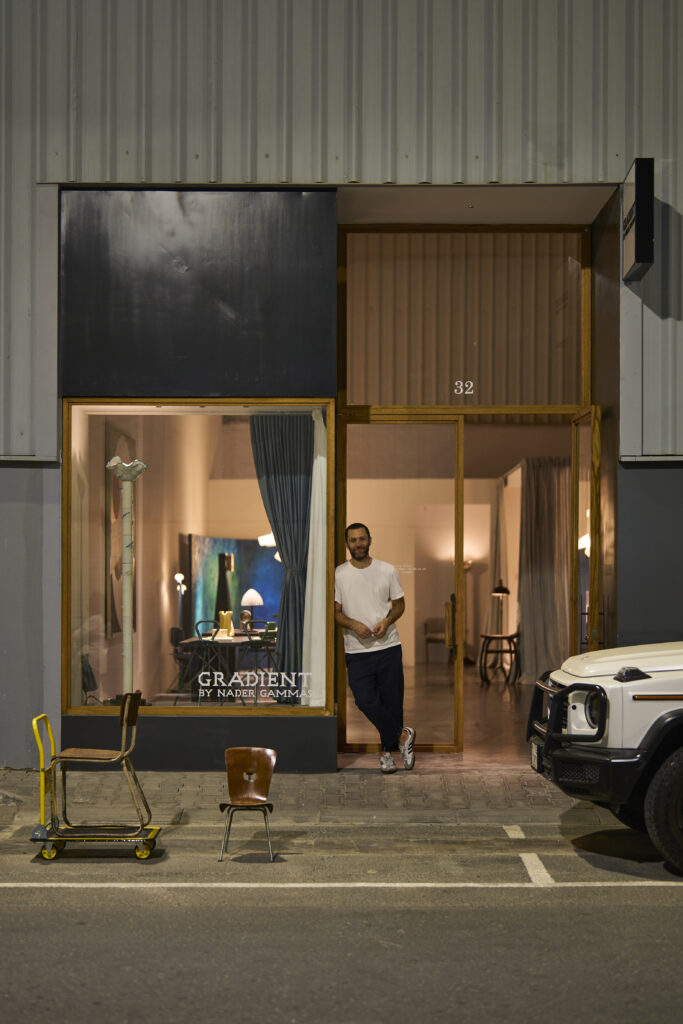
Gradient by Nader Gammas
Alserkal Avenue, Warehouse 32. Street 17, Al Quoz, Dubai.