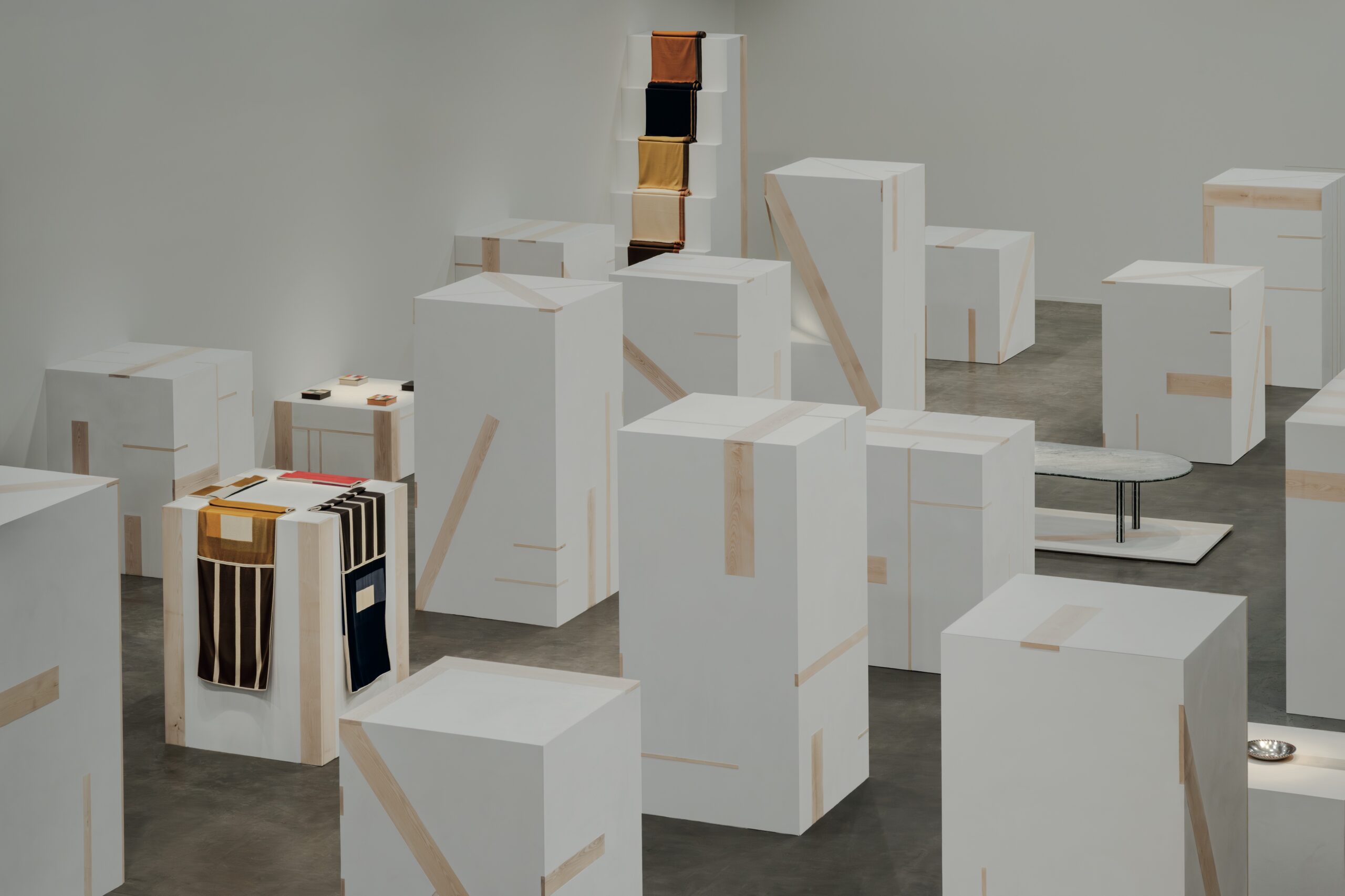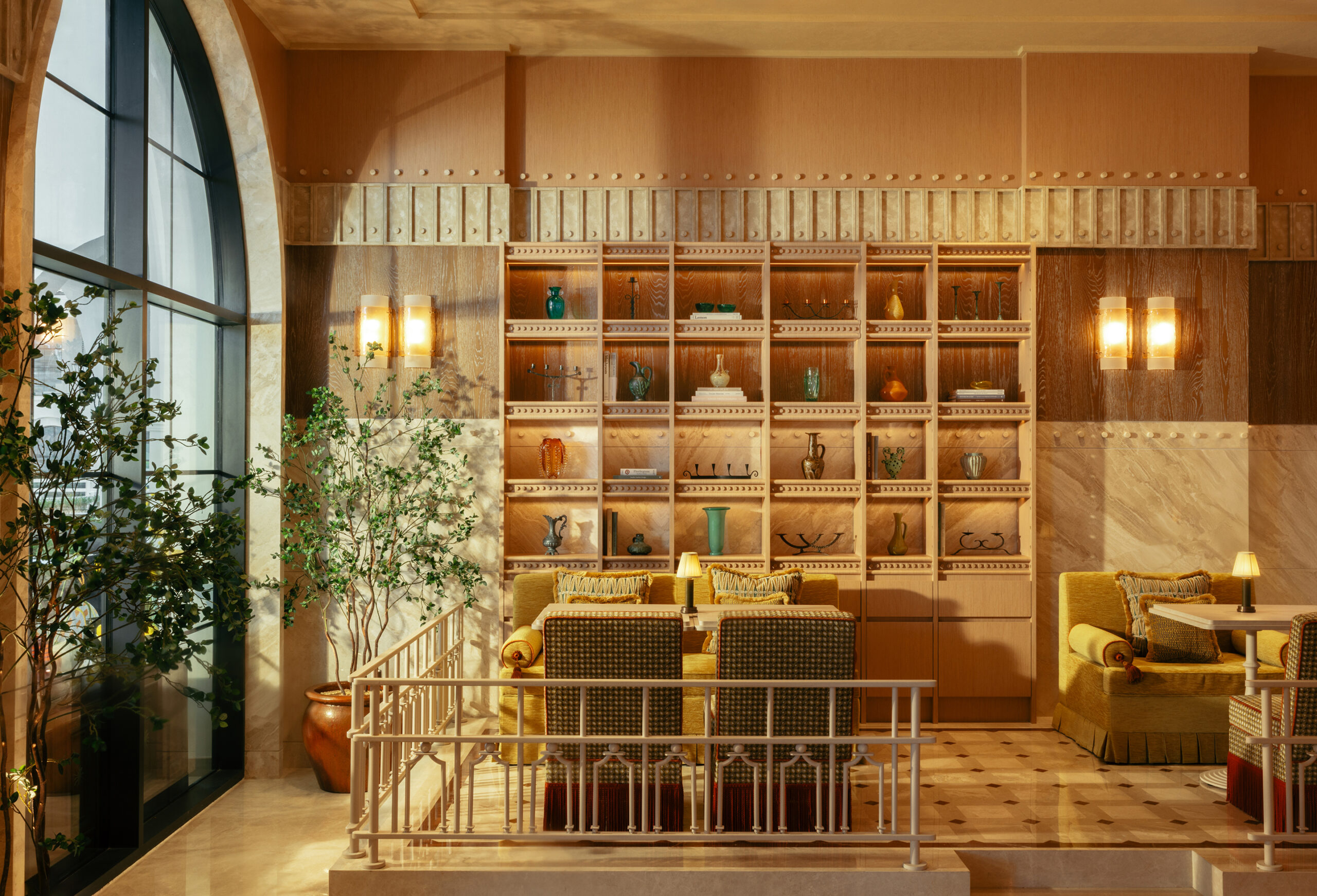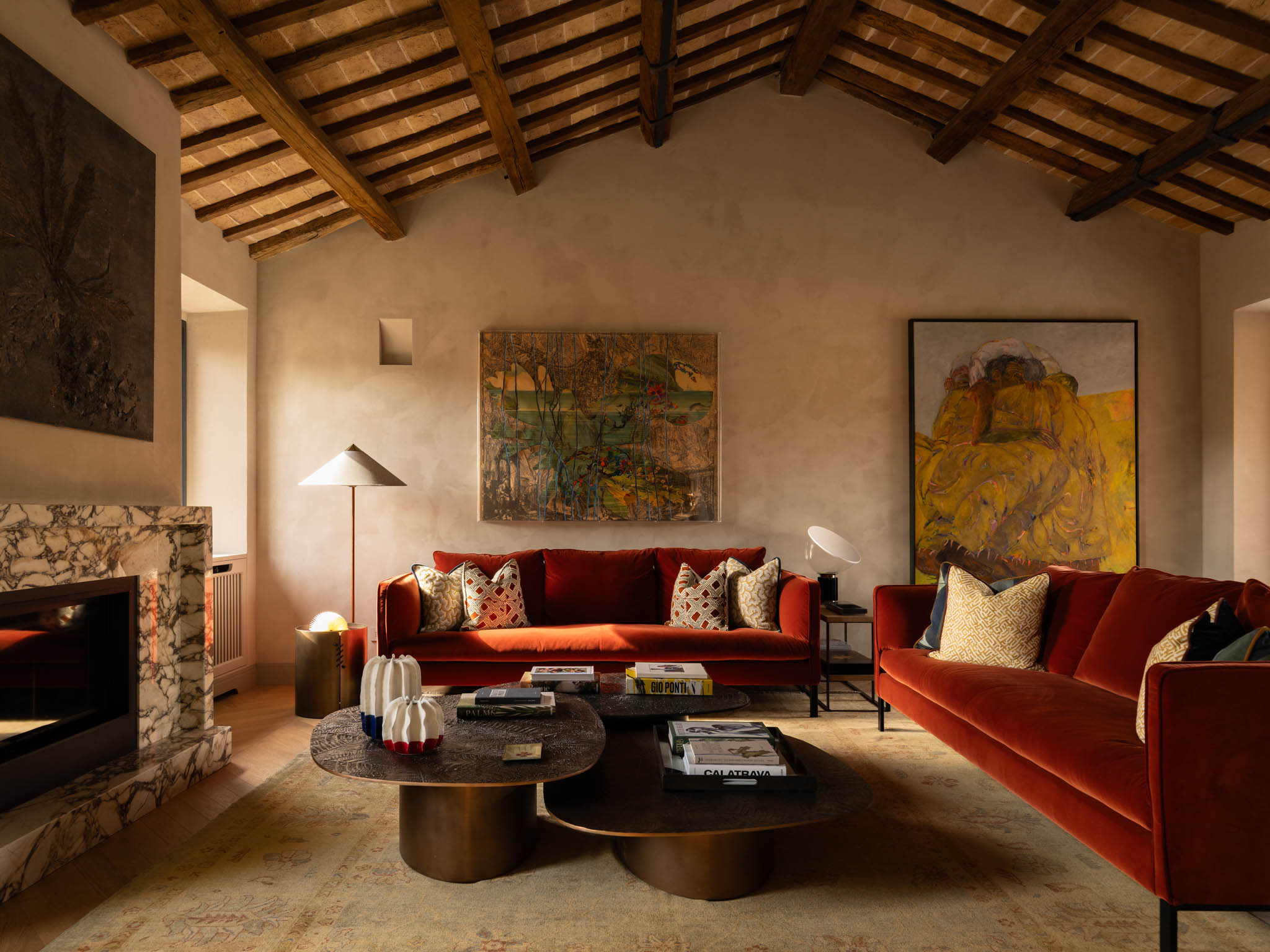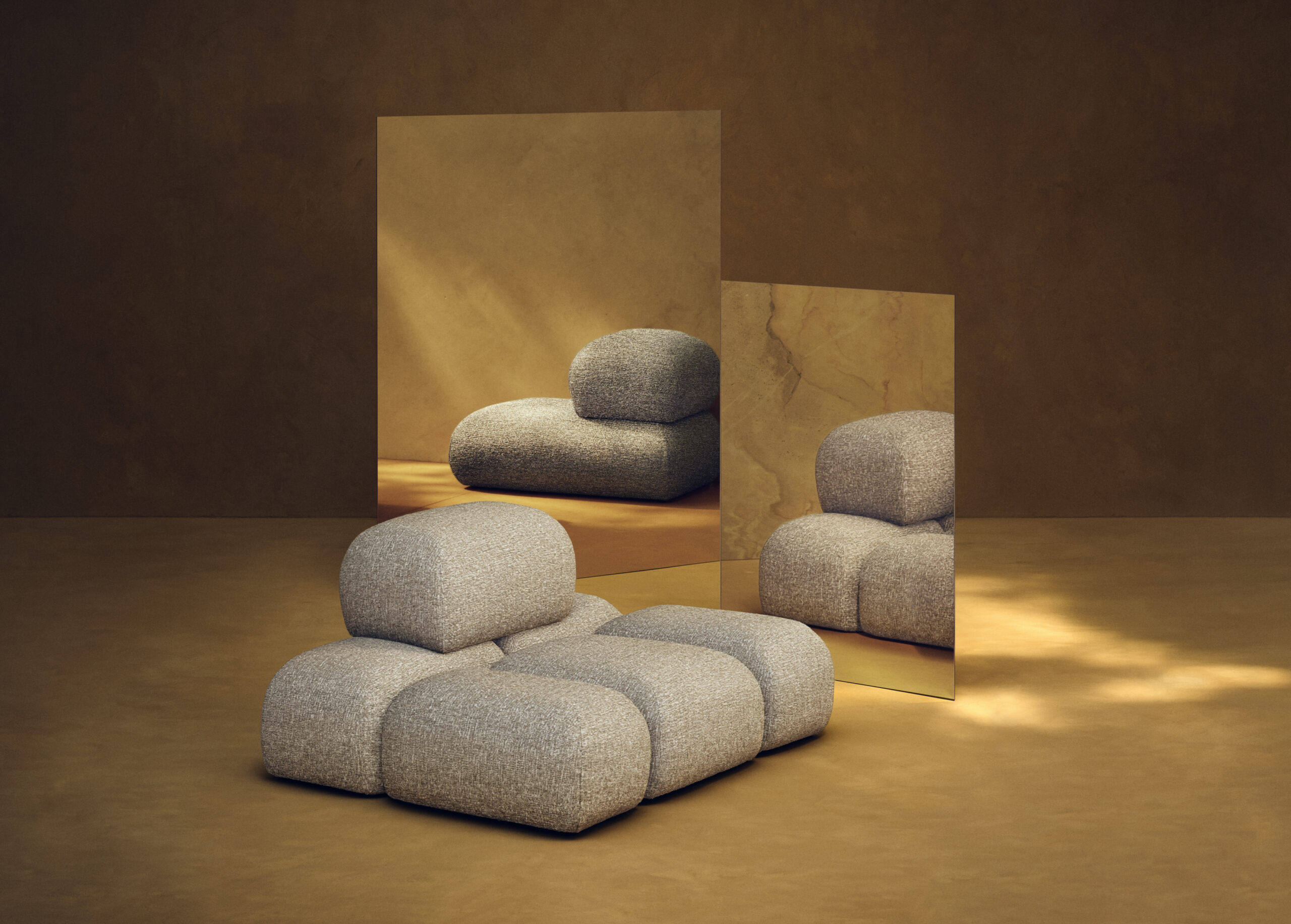
Within the frescoed interiors of Palazzo Acerbi, long closed to the public, a new design vocabulary unfolds. The collaboration between Kelly Wearstler and H&M HOME marks a first for the brand, entering the realm of furniture through a designer partnership, while offering Wearstler a new terrain: translating her layered, materially rich language into a system that can move across contexts and homes.
Rather than approaching the collection as a series of standalone objects, Wearstler constructs it as a framework. “The collection is built around two concepts, ritual and modularity,” she explains. Ritual speaks to instinct, to the objects that naturally find their place in daily life, while modularity introduces openness. “A chair becomes a sofa, a table expands and adapts. Nothing should feel fixed.”
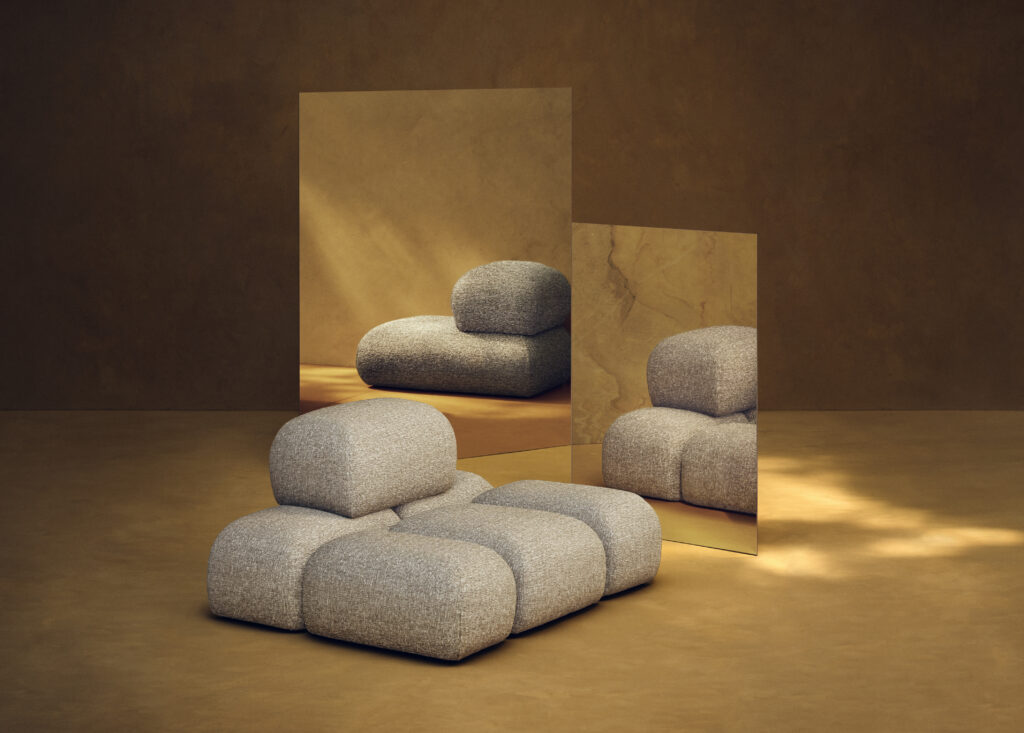
This interplay between familiarity and transformation defines the project. Chairs, tables, lighting and vessels are conceived to exist in relation to one another, forming a flexible landscape rather than a fixed composition. Constraint, in this sense, becomes a generative force. “Every piece had to be modular, but it pushed us to be more creative,” Wearstler notes, framing limitation as a catalyst for invention rather than restriction.
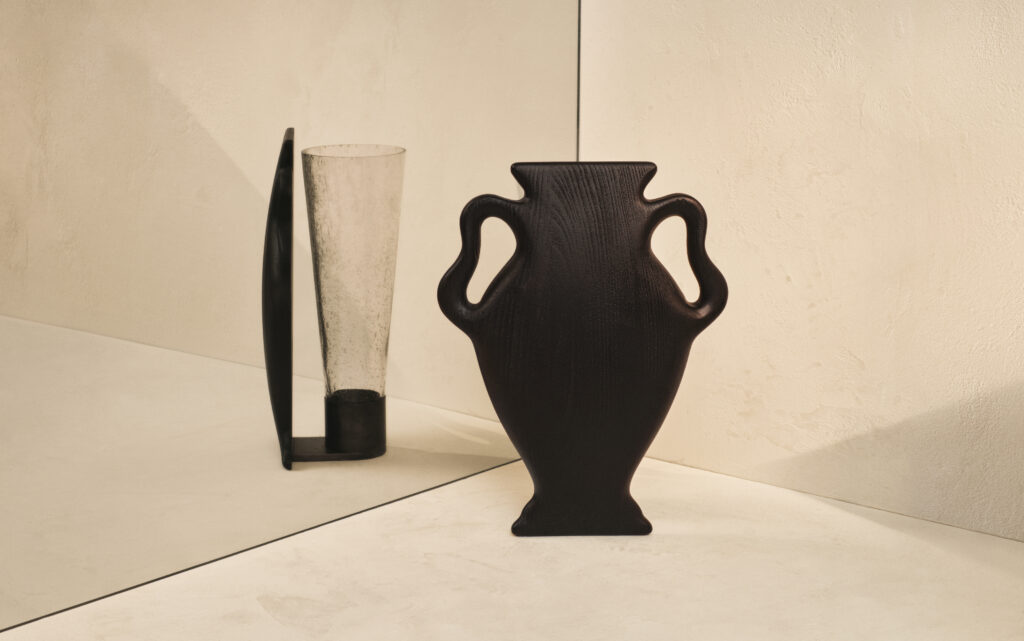
Material remains central. Wood, marble, metal and ceramics are brought together through a process that draws on multiple workshops, reflecting the designer’s longstanding commitment to craftsmanship. Yet here, that attention is recalibrated within a broader ambition: to make design that is both considered and widely accessible, without flattening its identity.
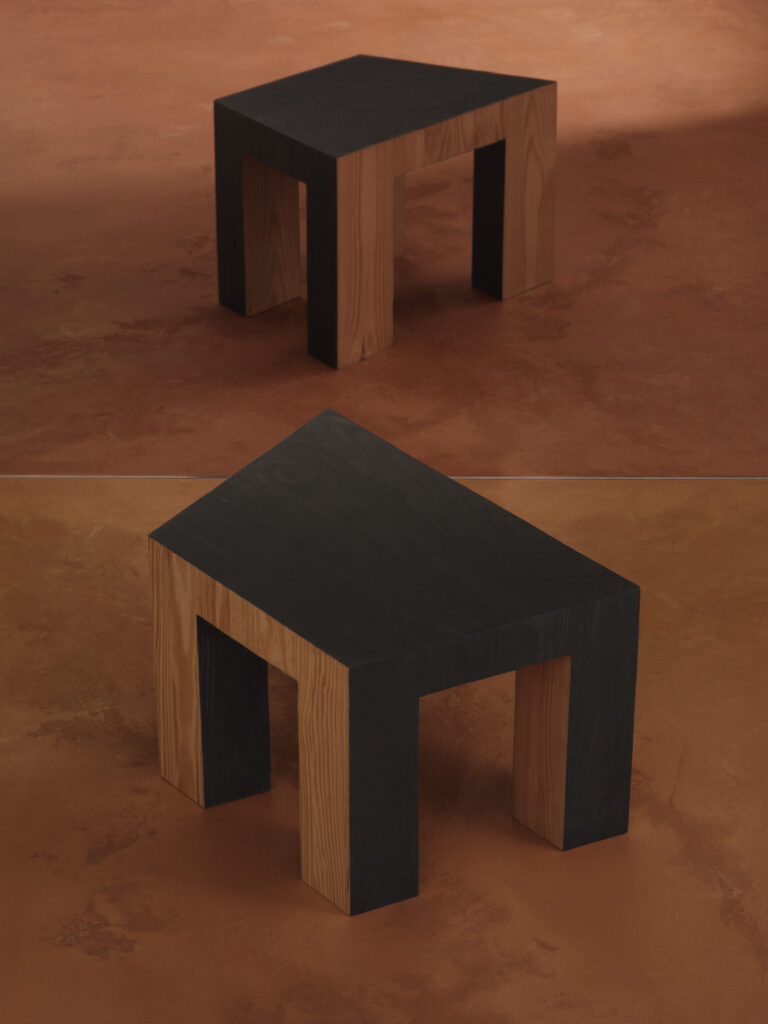
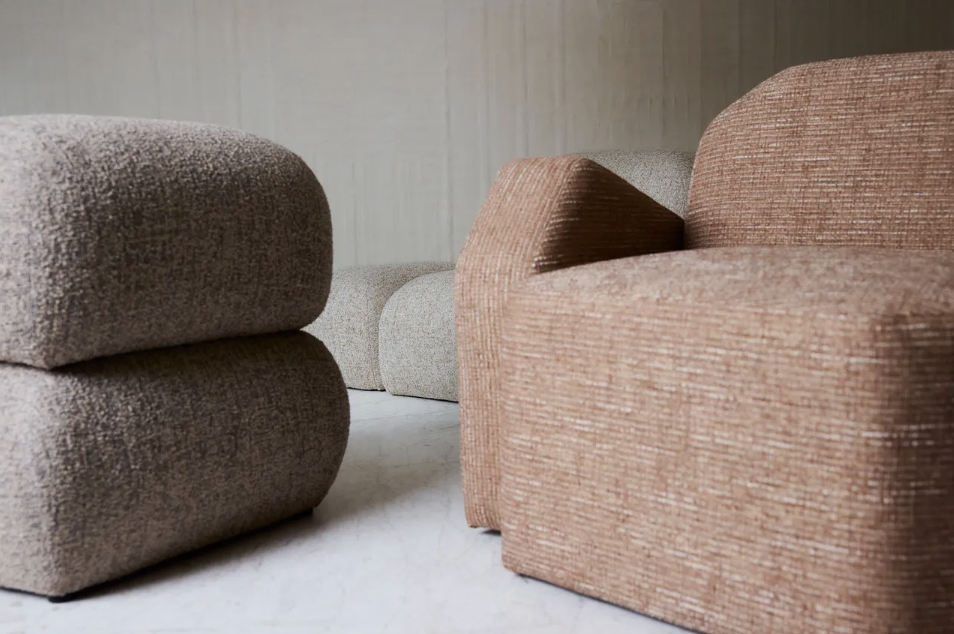
The installation itself extends this thinking. Moving through the palazzo’s architectural layers, visitors encounter objects embedded within a sequence of spaces that emphasise use, movement and sensory perception. Everyday elements, from seating to tabletop pieces, are positioned not as static displays but as participants in lived experience. “These pieces are meant to live with you, layered into your everyday life,” she says.
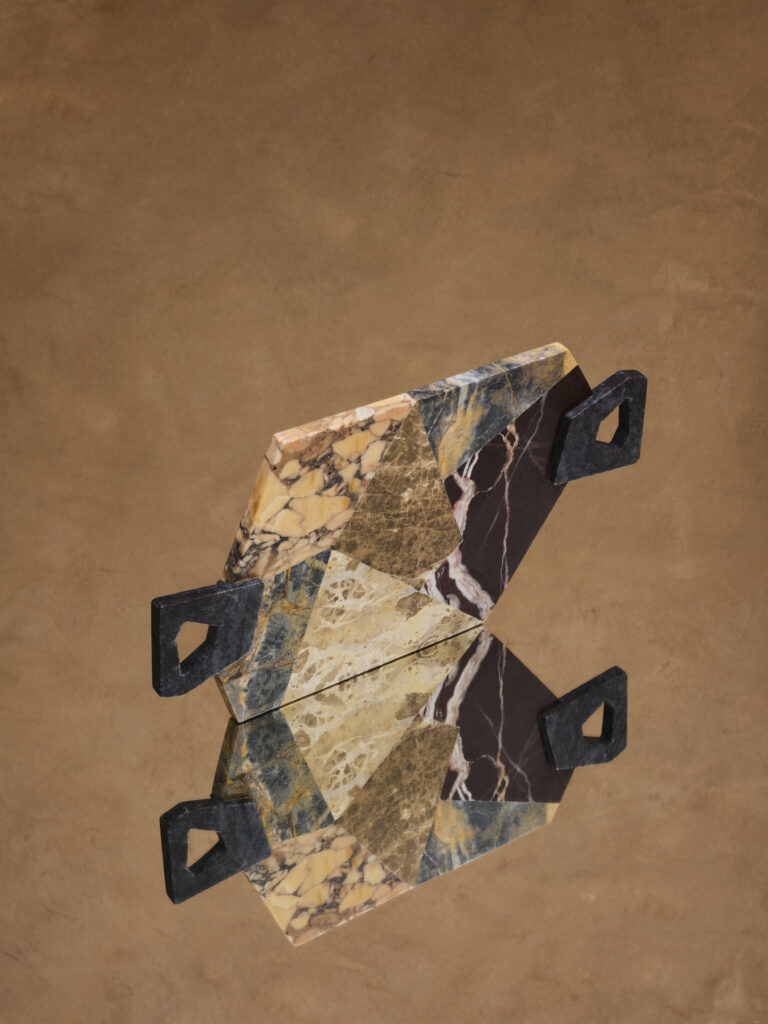
What emerges is a subtle shift in scale and intention. A designer associated with highly expressive interiors engages here with adaptability and repetition, while a global brand steps into a more articulated design discourse. Between them, the collection proposes a way of thinking about interiors not as finished environments, but as systems in flux, shaped continuously by those who inhabit them.
The collection will be available from September 2026 at Dubai Mall and online in the UAE.