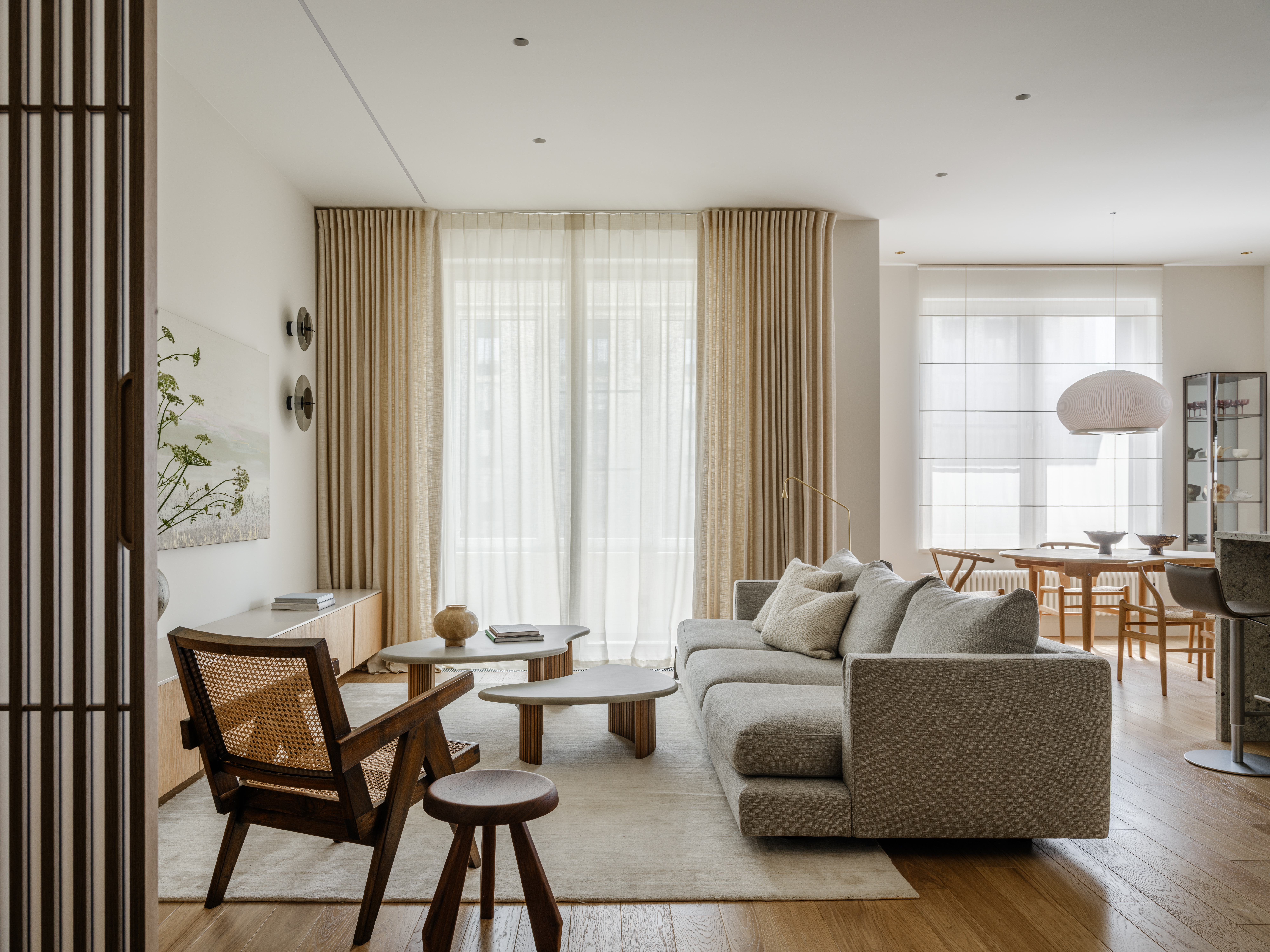
In a monolithic residential complex in Moscow, light becomes the primary material. It settles quietly across surfaces, filters through glass, and softens the geometry of an apartment conceived by Inga Kordya as an intimate cultural landscape. Photographed by Mikhail Loskutov, the project unfolds with a clarity that feels both deliberate and deeply personal.
“This was my first time creating a project with a reference to Korea,” Kordya reflects. The apartment belongs to a Korean couple and their two daughters, and the designer approached the commission with a form of immersion that goes beyond aesthetics. “I wanted to feel the energy of the country and fully grasp its spirit.” She drew inspiration from the historic districts of Seoul, specifically the traditional hanok houses found in Bukchon and Namsangol. Dating back to the 14th century, these structures were designed to exist in harmony with nature.“The festive dresses worn by young girls became very important for my work,” she recalls. “They guided the palette.”
The goal was to translate the minimalist philosophy of the hanok — where every object has a purpose and there should be no unnecessary items in the home — into a modern Moscow context. “The project carried out with love and joy” says Inga Kordya.
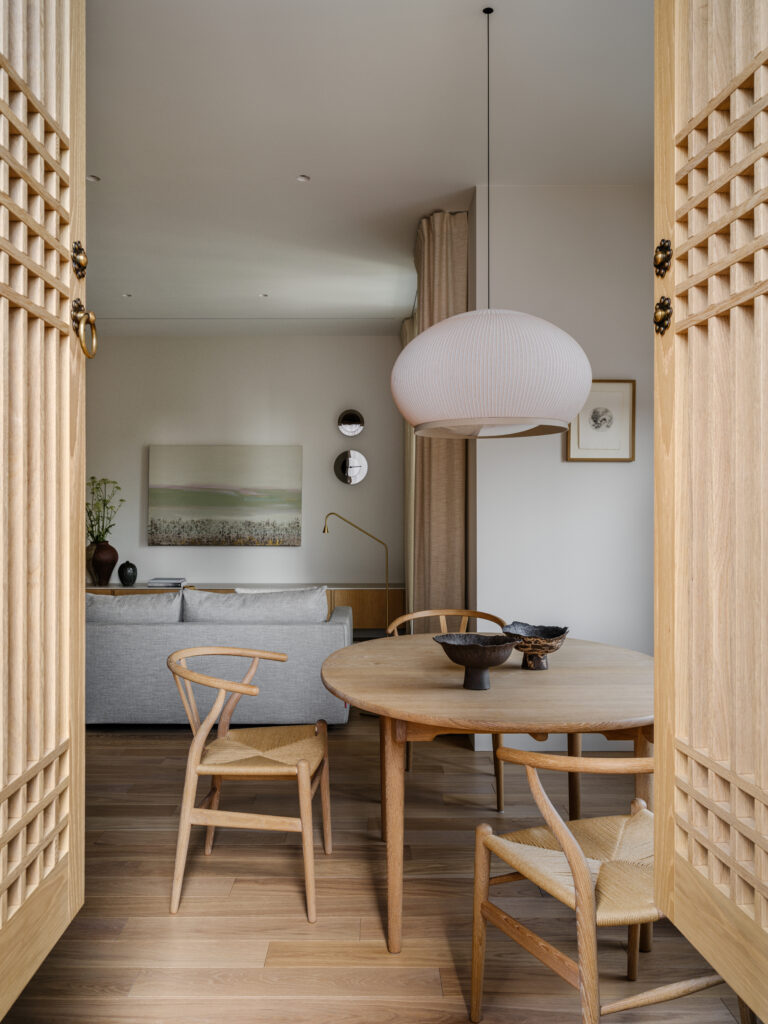
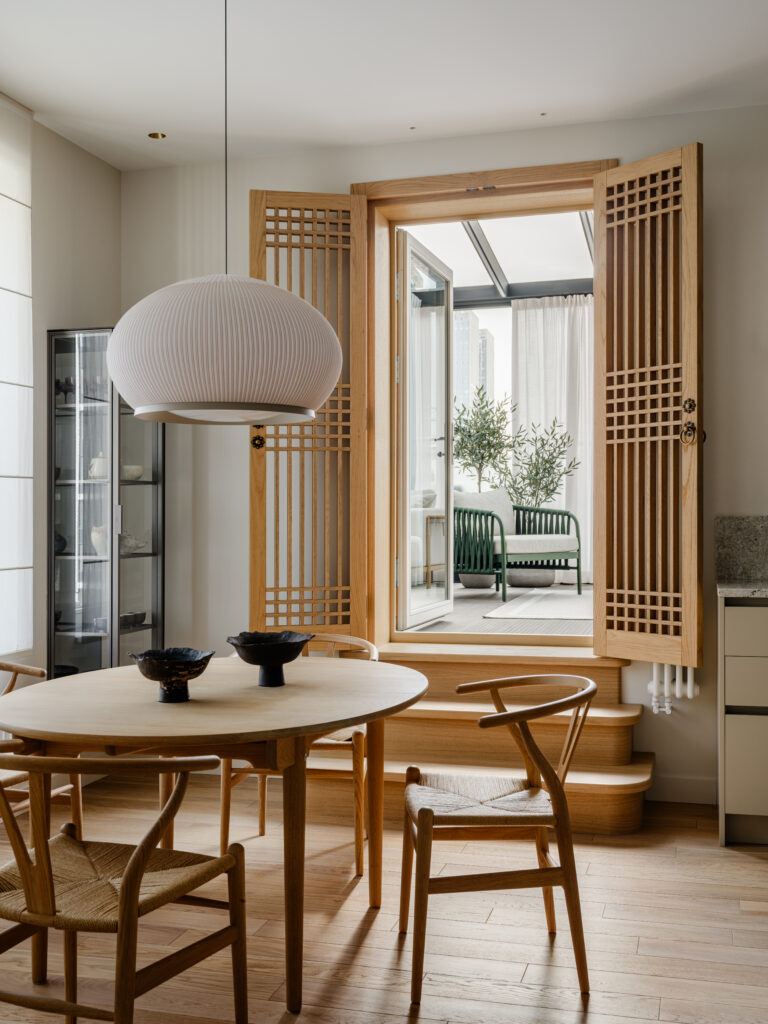
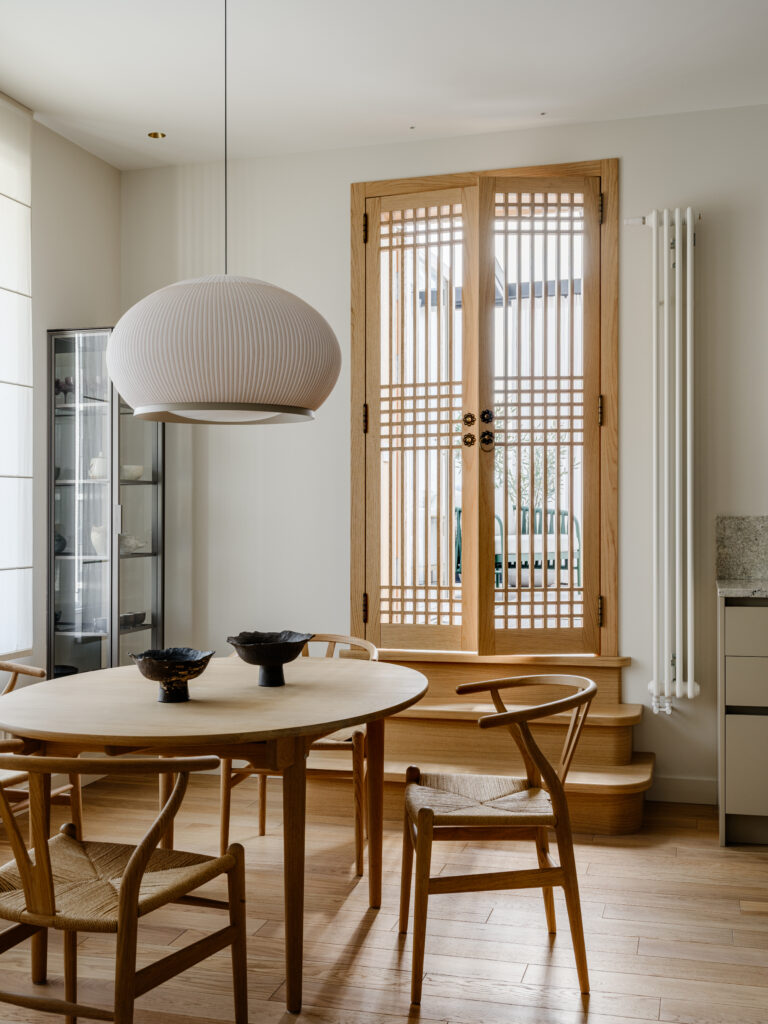
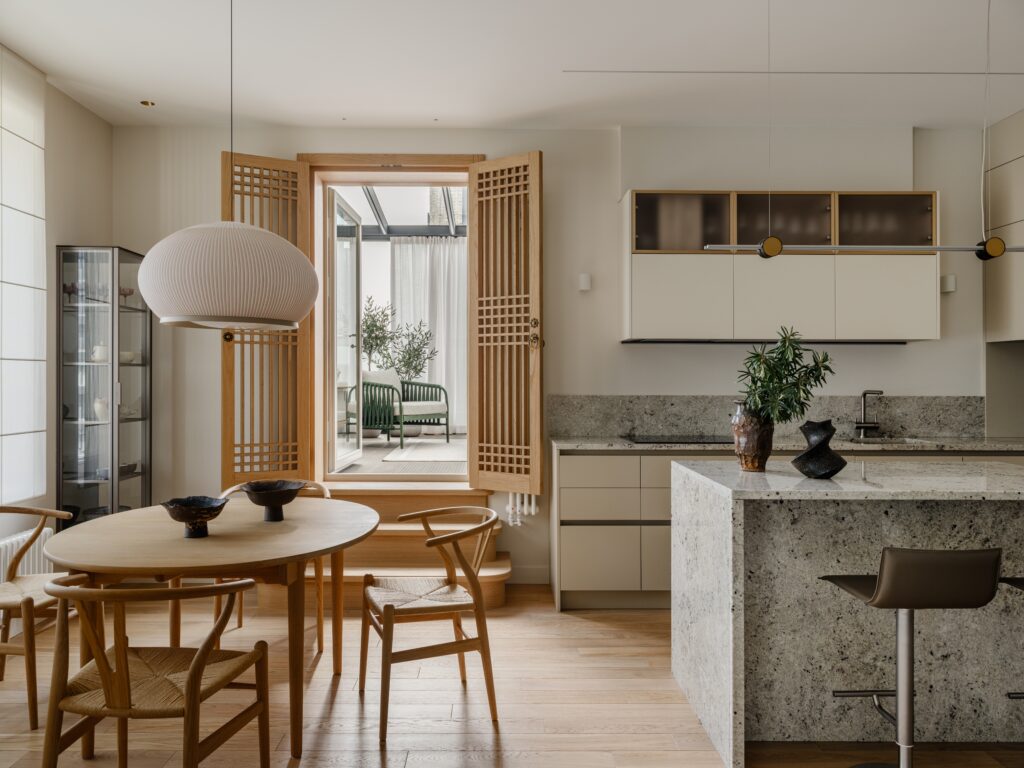
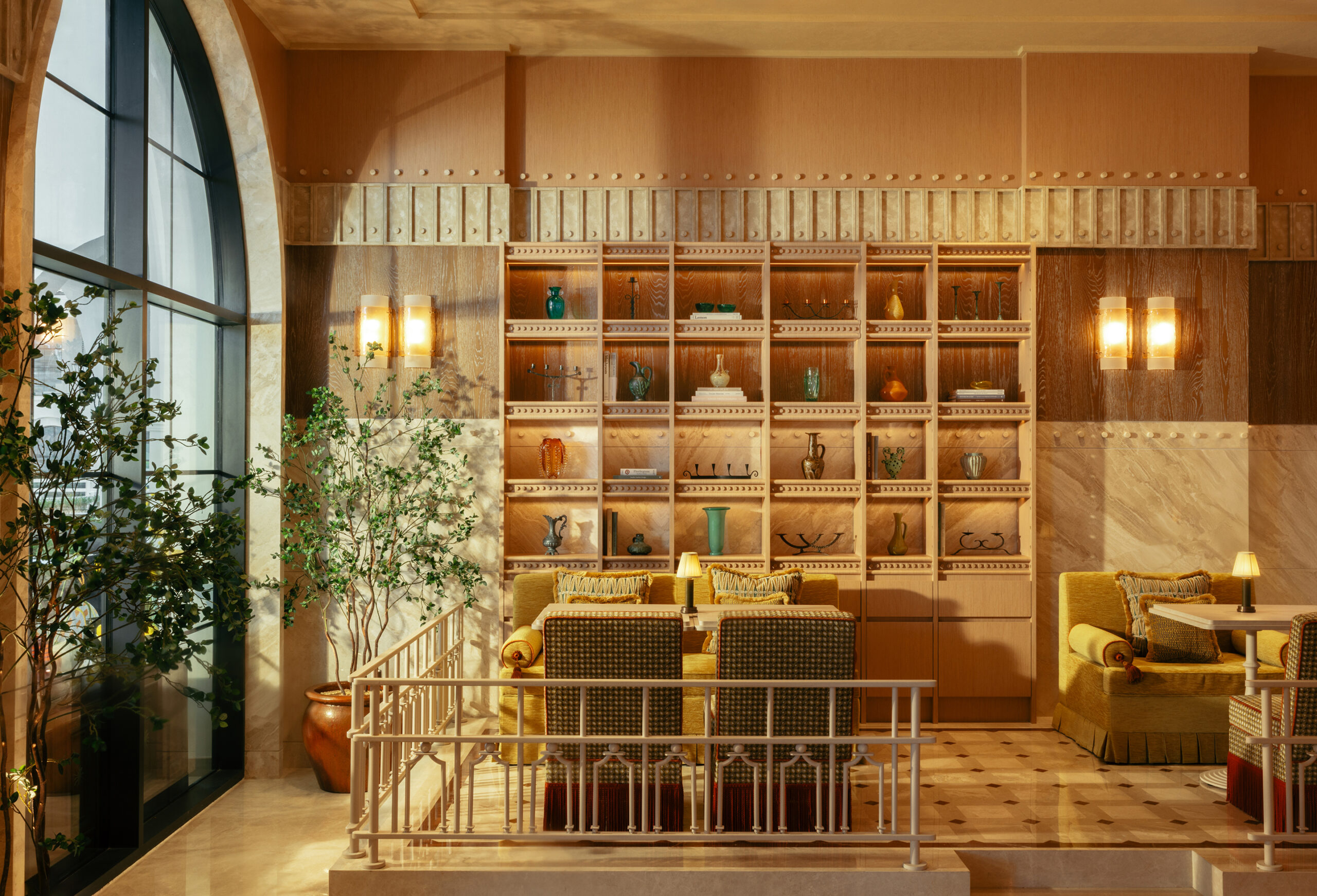
That palette unfolds in softened tones, whites layered with pink and green, punctuated by deeper reds. Materials remain close to their natural state. Marble, granite, wood, linen, wool. “Every object has a purpose. There should be no unnecessary items in the home,” Kordya says, echoing the philosophy that underpins traditional Korean architecture.
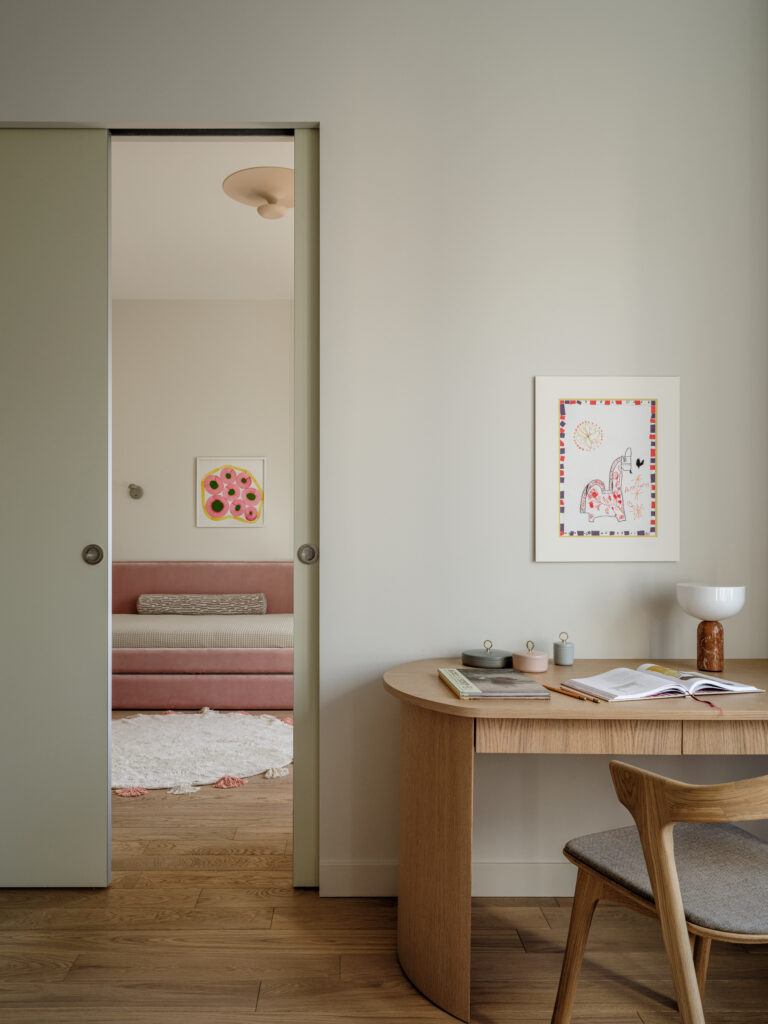
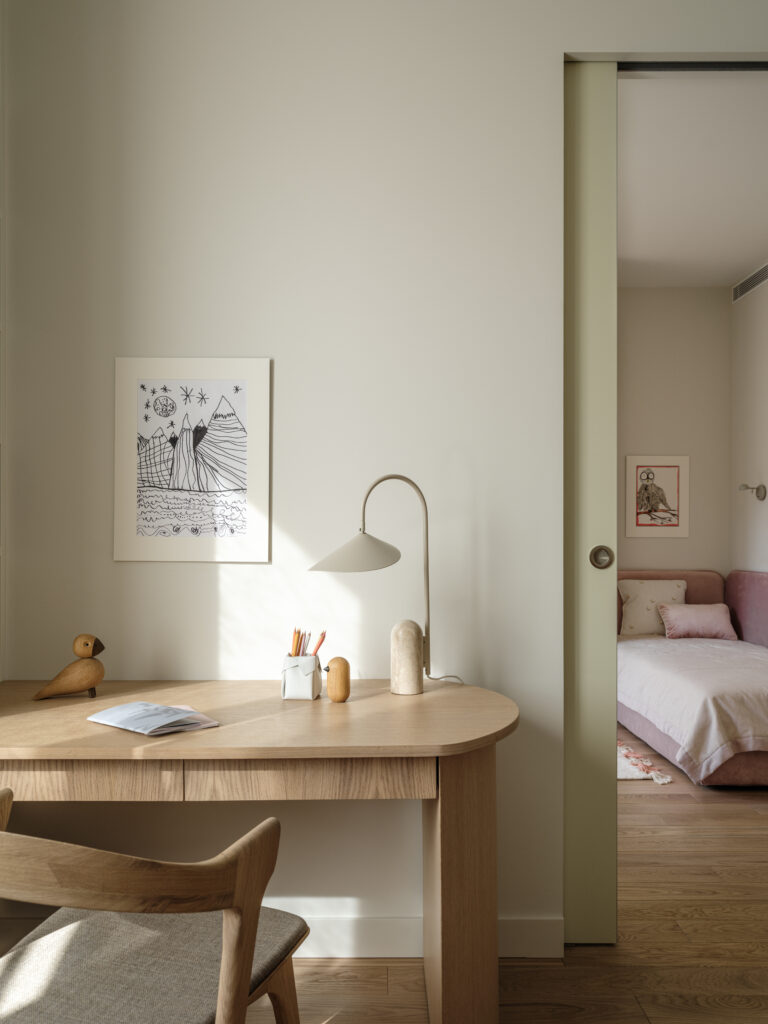
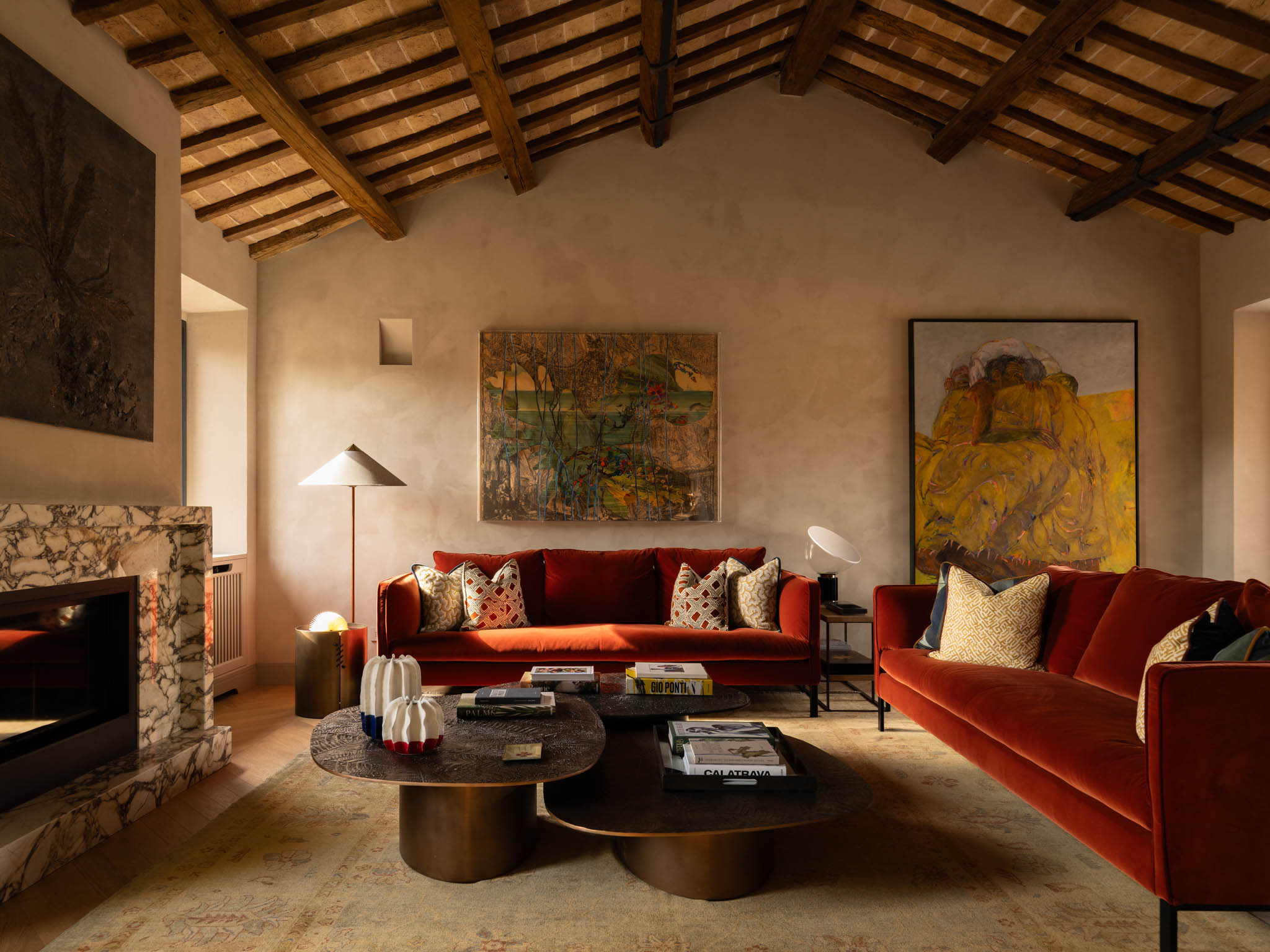
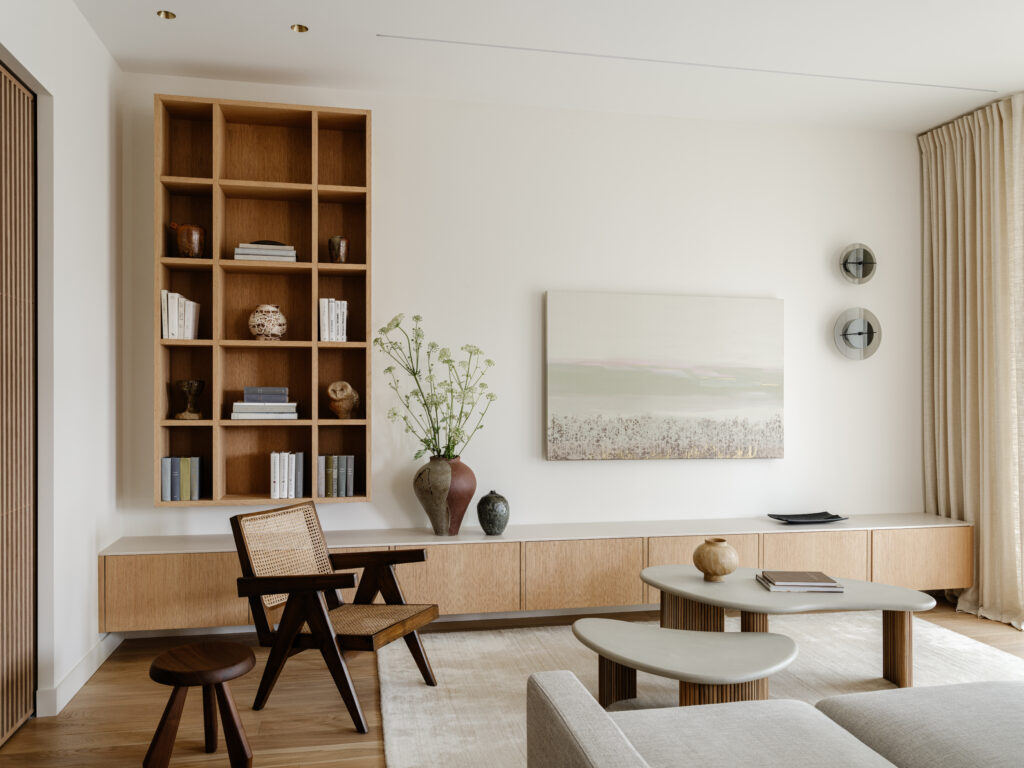
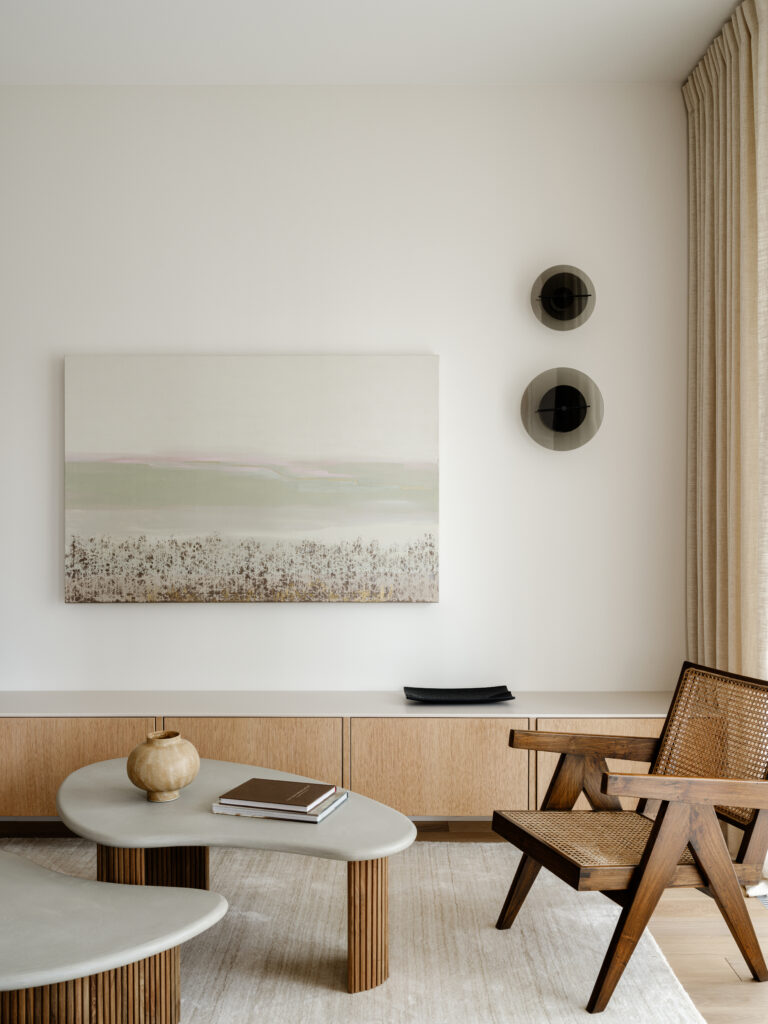
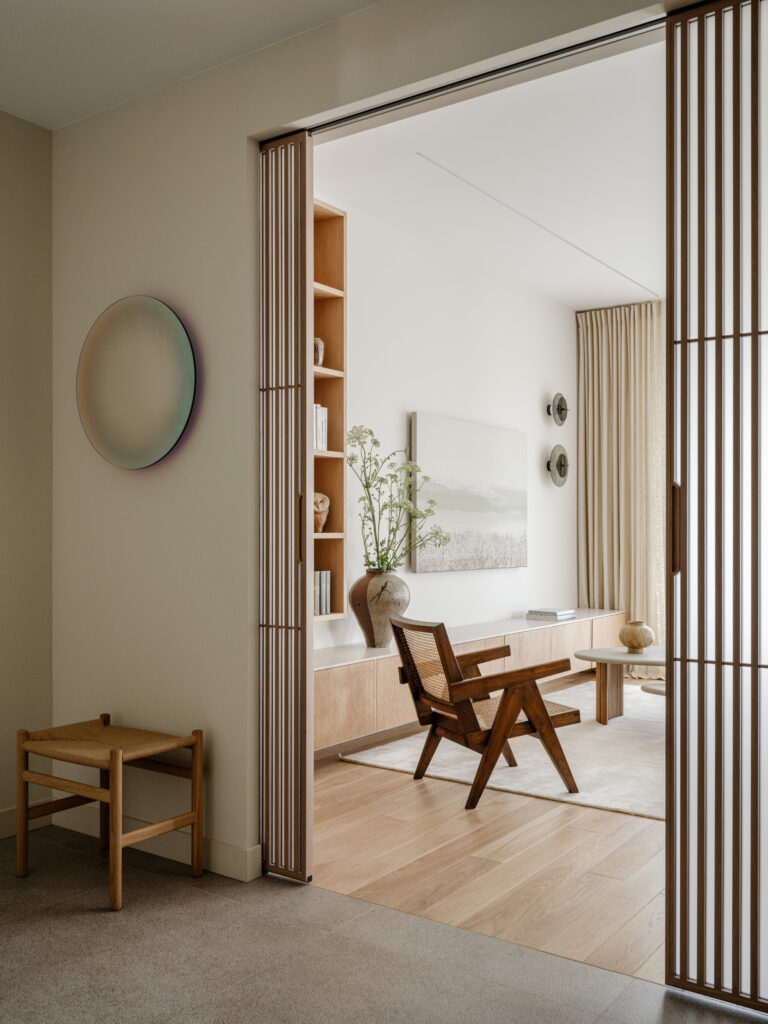
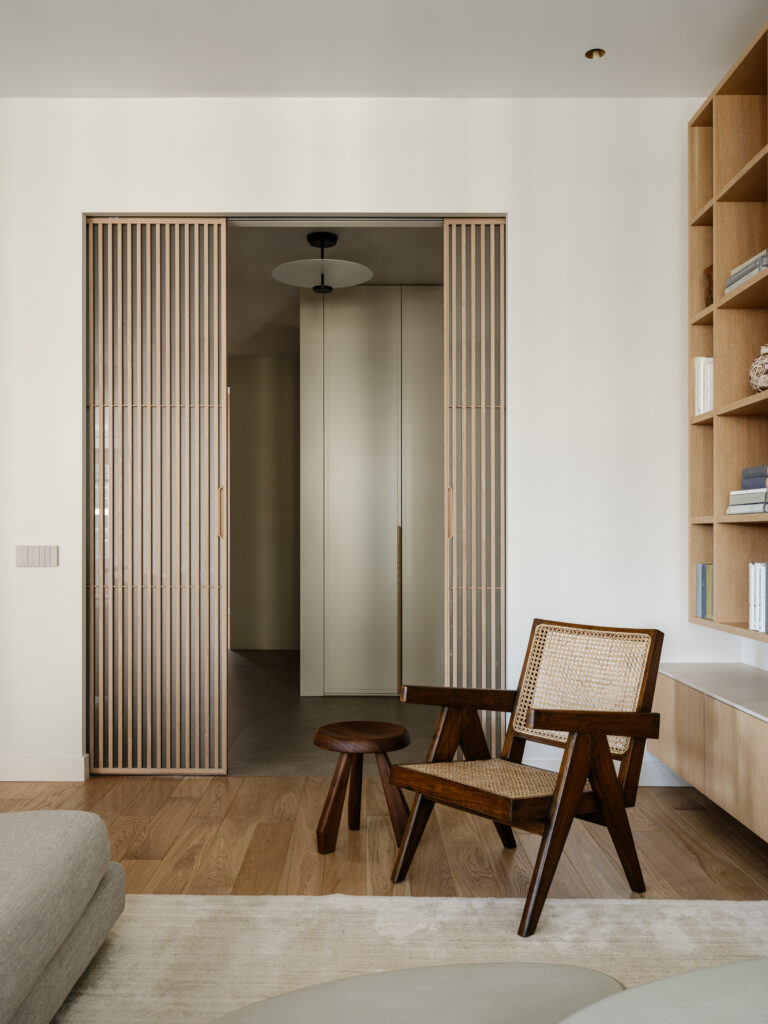
In the living room, custom oak shutters reinterpret historic precedents. “This side receives direct sun at midday,” she explains. “The doors filter the light and create movement across the floor.” Nearby, Rimadesio sliding panels introduce rhythm, their matte glass recalling paper screens. A Flexform sofa anchors the space, joined by pieces from Cassina, Ethnicraft, and Pierre Jeanneret, forming a composition that feels collected over time. Additional elements include a sconce by DWC Editions, curtains by First Textil, integrated lighting by Centersvet, and a vase by Elena Loginova, alongside a custom artwork by Inga Kordya and Nataliia Savenko.
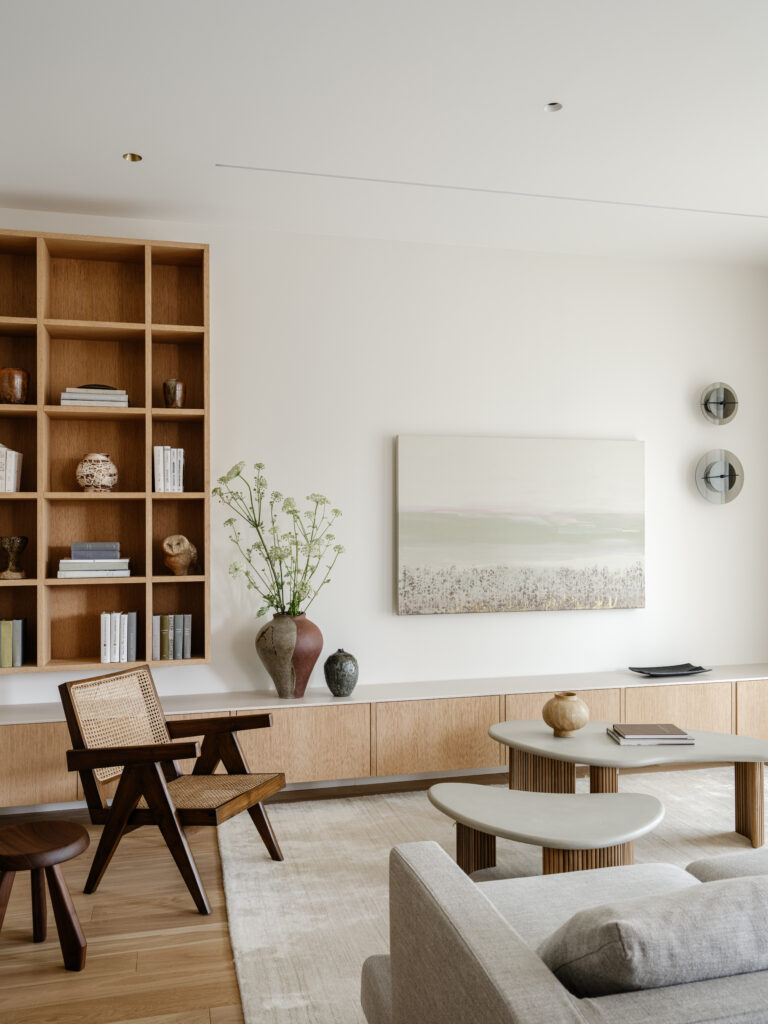
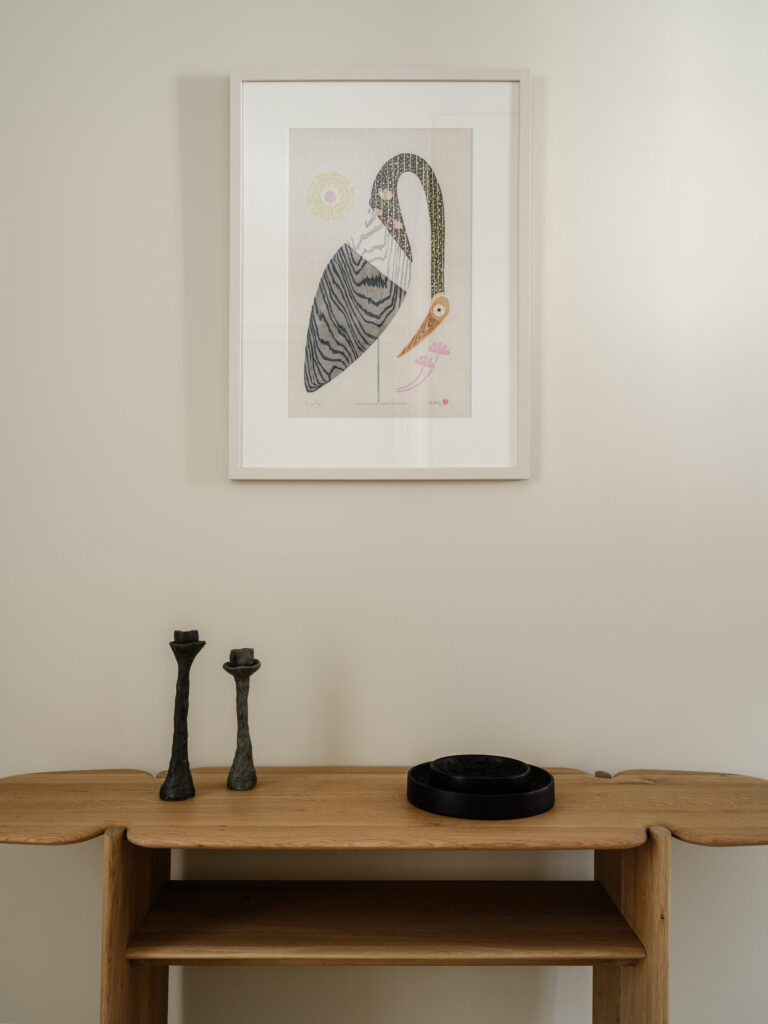
Art punctuates the interior with precision. Works by Kirill Yakovlev and Andrew Krasulin introduce moments of density, while paintings by Henrik Hey, sourced in Utrecht, extend the project’s quiet dialogue between places. The wider interior also includes pieces by 101 Copenhagen, Poliform, Gan Rugs, Atelier Tati, Panzeri, Modular, Maxalto, Poltrona Frau and Guaxs, as well as additional furniture and lighting by Dantone Home, HAY, Muuto, Vibia, Wewer & Ducré, Ferm Living, Normann Copenhagen and Kizu. In the hall and circulation spaces, finishes and elements include Little Greene paints, Union doors, Olivari handles designed by Vincent Van Duysen, a console by Ethnicraft, a mirror by Glassitalia, accessories by Izzi Décor, and seating by Carl Hansen & Søn and E15. The kitchen introduces further pieces by La Palma, Tizo21 and Arbonia, alongside objects by Polina Dudnikova and Konstantin Stanovov, while bathrooms feature fittings by Gessi and a Sugarpine vase by Katya Beleeva.
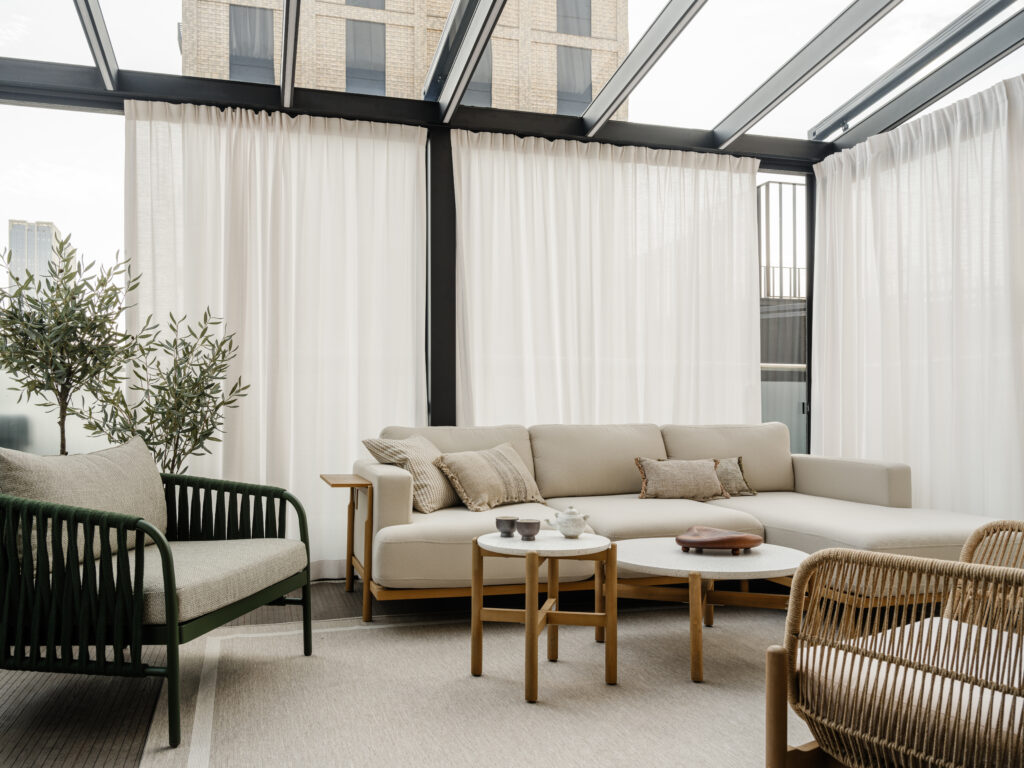
The terrace, conceived as an all season room, required a different kind of attention. “It was completely open,” Kordya says. A system of sliding walls and a motorized cover now allows it to shift with the weather. Morning yoga, tea at sunrise, or an enclosed refuge during winter. Outdoor elements include furniture by Dantone Home and accessories by Ferm Living, with ceramic pieces by Konstantin Stanovov.
What remains most vivid is the sense of authorship shared with its inhabitants. “We were on the same wavelength,” the designer notes. The children drew directly onto the concrete during the first visit, mapping their future rooms. Their gestures remain, translated into walls, partitions, and spaces that adapt to play.
Upon completion, the owners expressed it simply: “We expected it to turn out well, but we didn’t imagine it would feel so completely ours.”