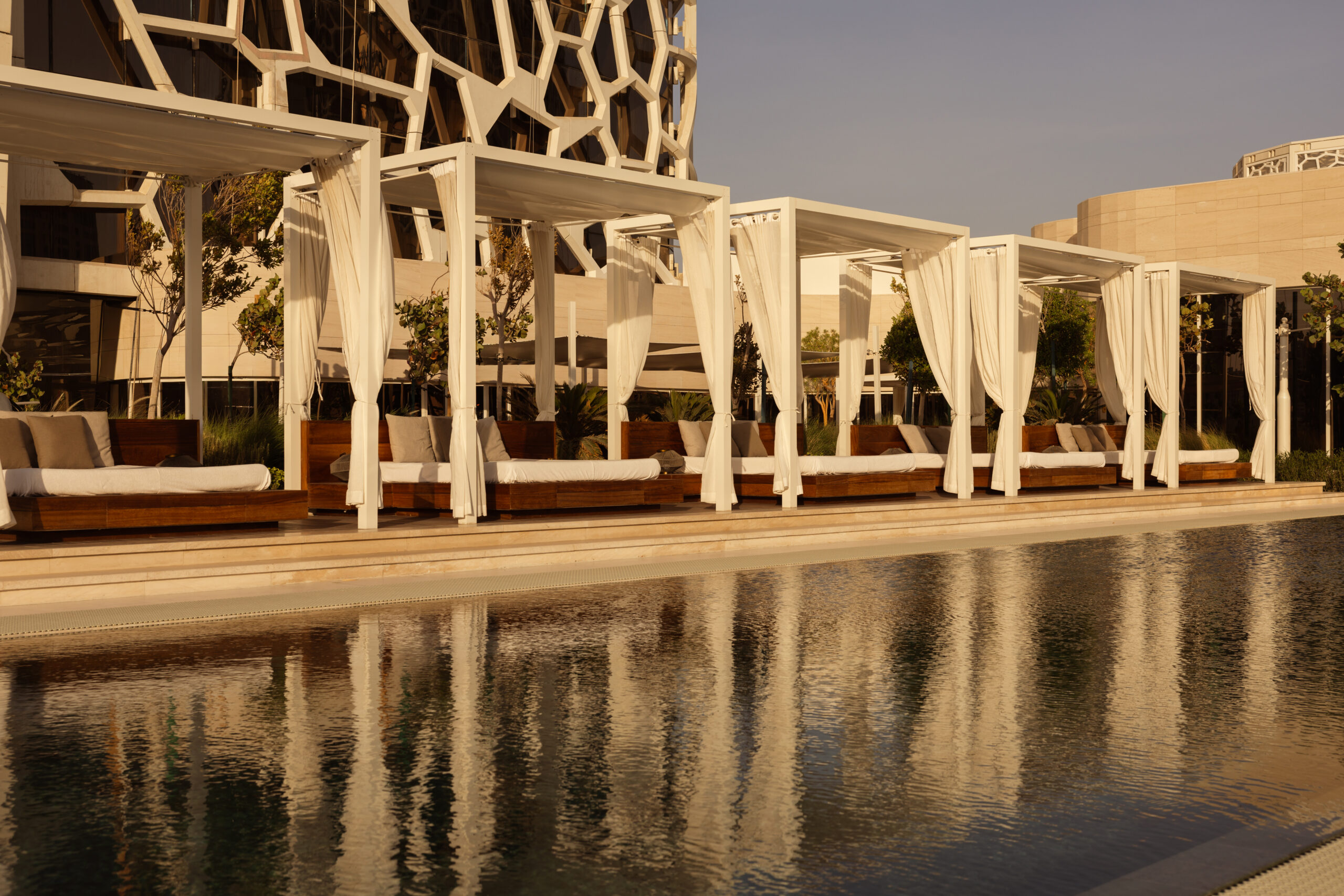
Photographs by Chantal Arnts
Luxury, in its most enduring form, is not declarative. It is perceptual. At Rosewood Doha, recently opened in Lusail, hospitality unfolds as an atmosphere rather than an event—an accumulation of spatial decisions that reveal Qatar through nuance, restraint, and cultural intelligence. This is not a hotel designed for immediacy, but for duration.
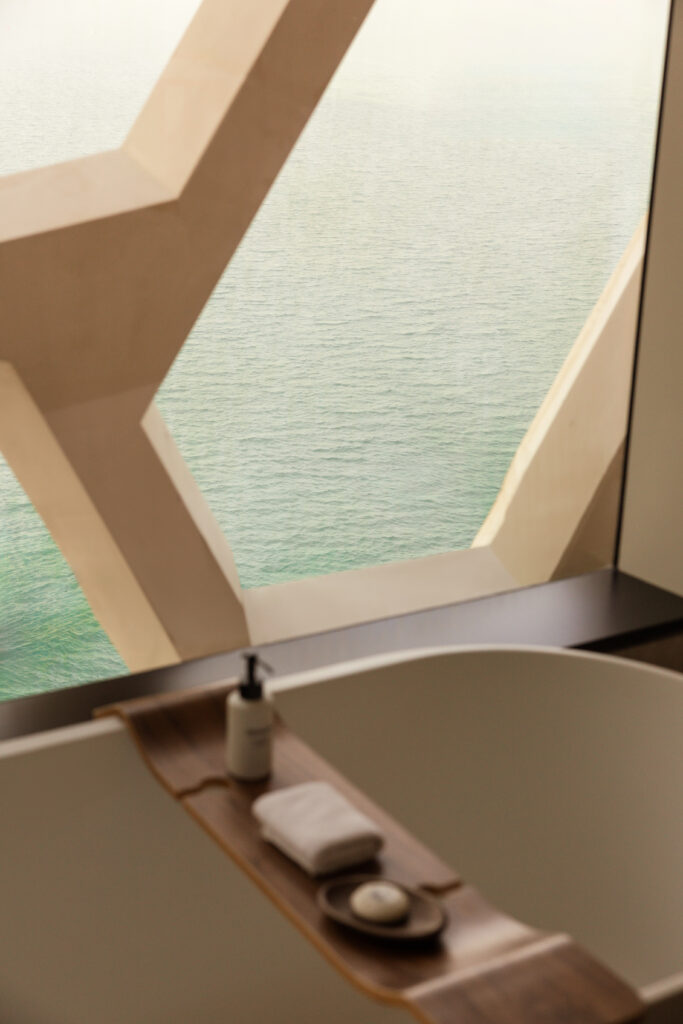
The architectural concept draws from the country’s maritime inheritance while remaining decisively contemporary. “Given the hotel’s seaside location and its setting within a very modern district of the city, the architectural approach was intentionally modern,” explains architect Ibrahim Jaidah. “As with all our projects, we sought to root the design in local cultural references. In this case, the most natural and authentic source of inspiration was the sea itself.” The coral reef becomes both metaphor and method: a structure shaped by accretion, porosity, and resilience, translated into a built form that resists literal symbolism in favour of abstraction.
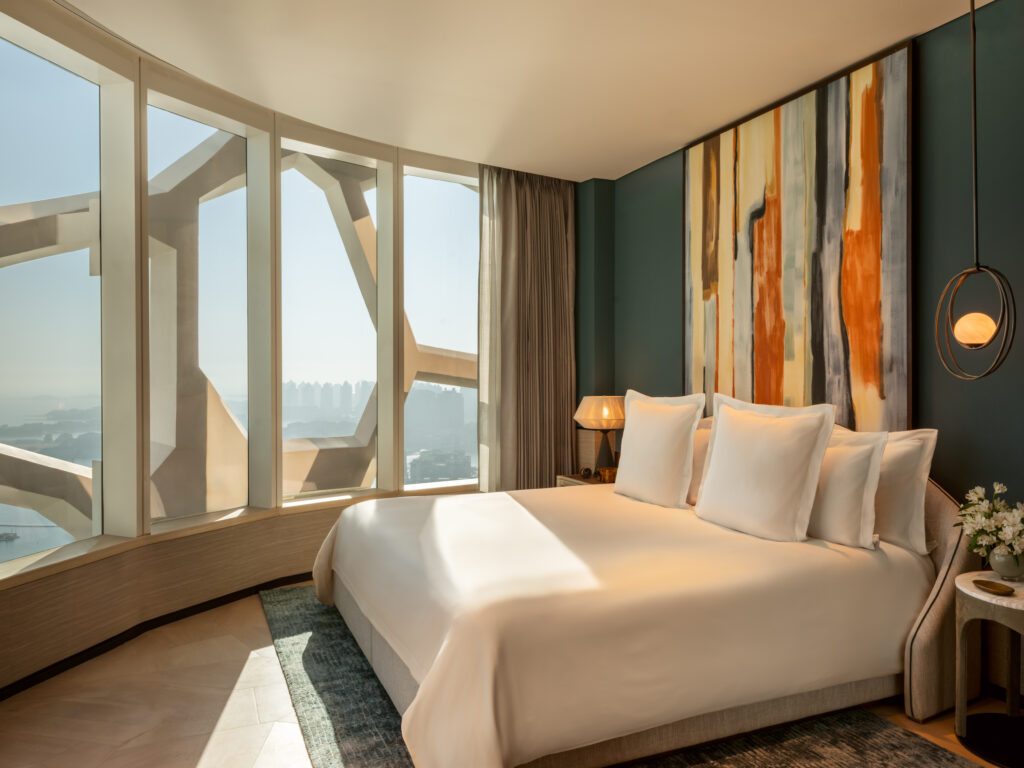
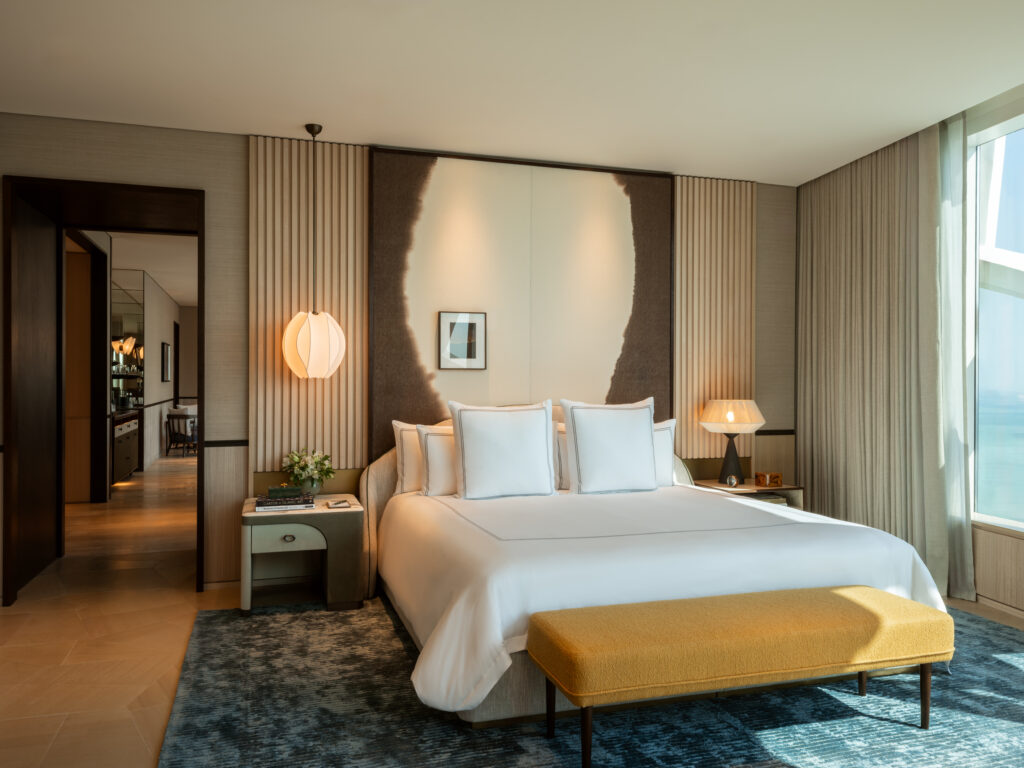
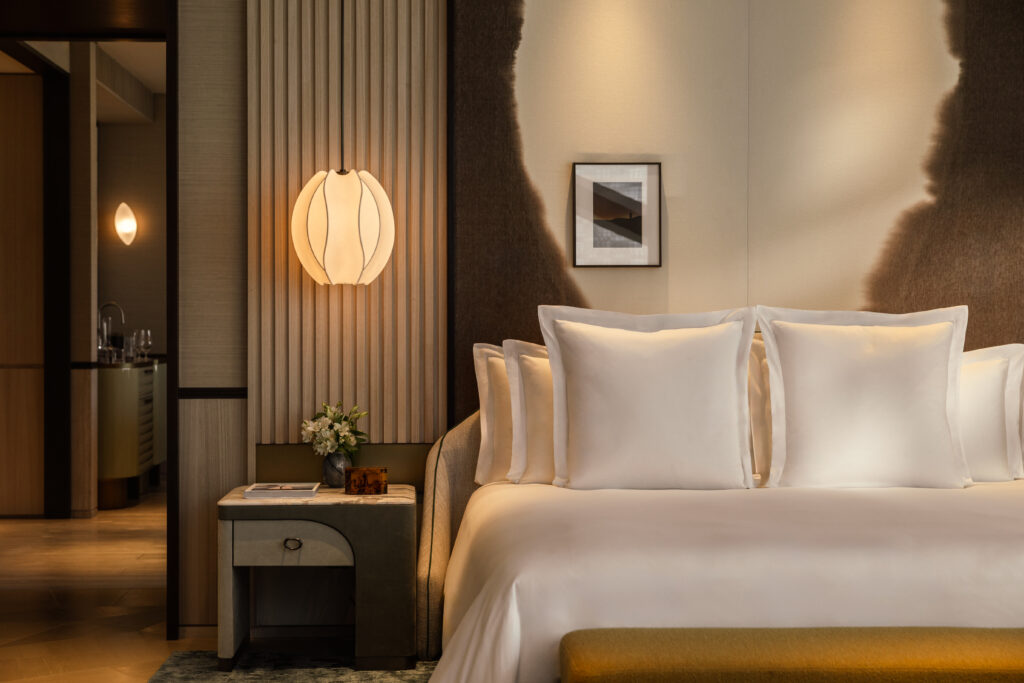
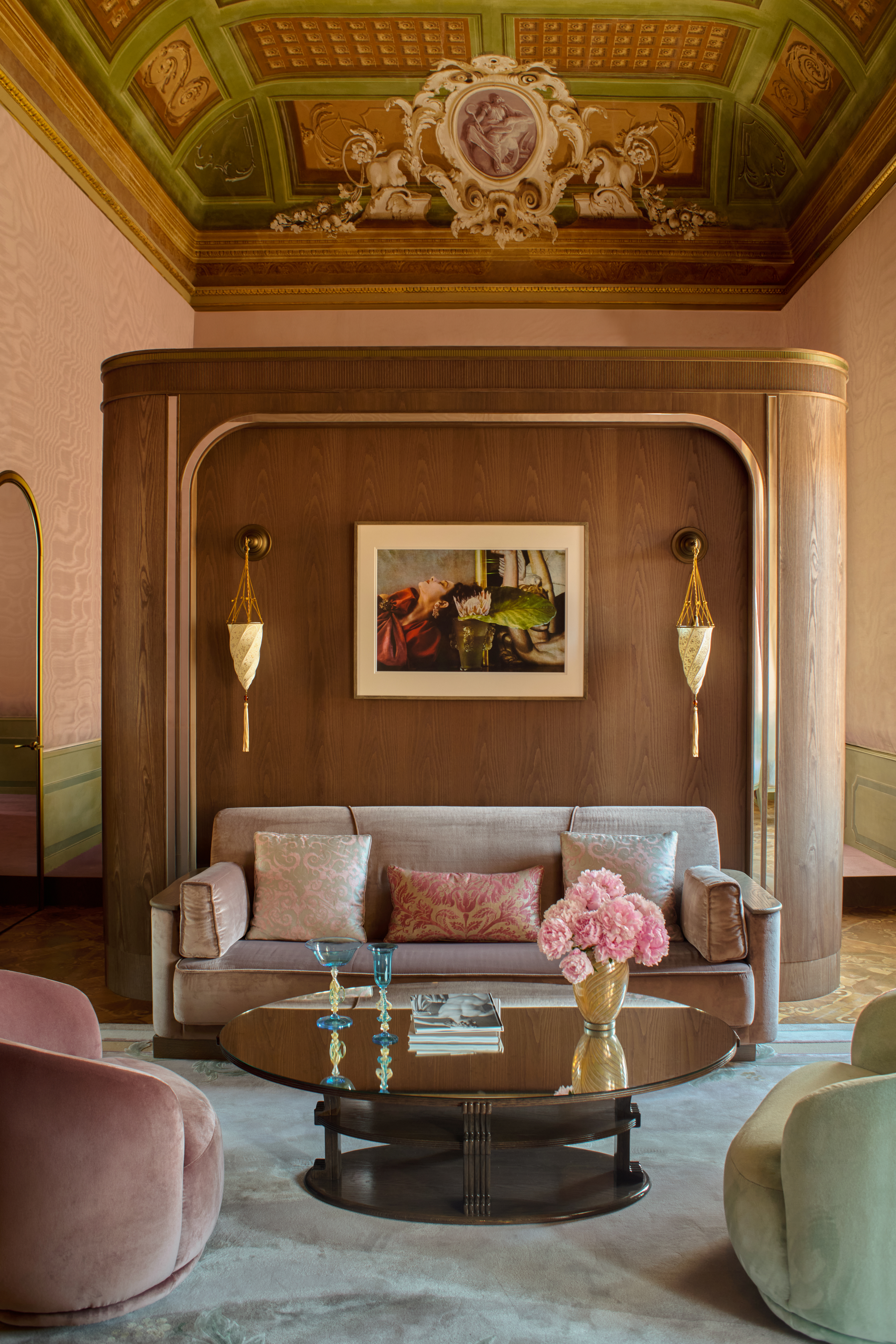
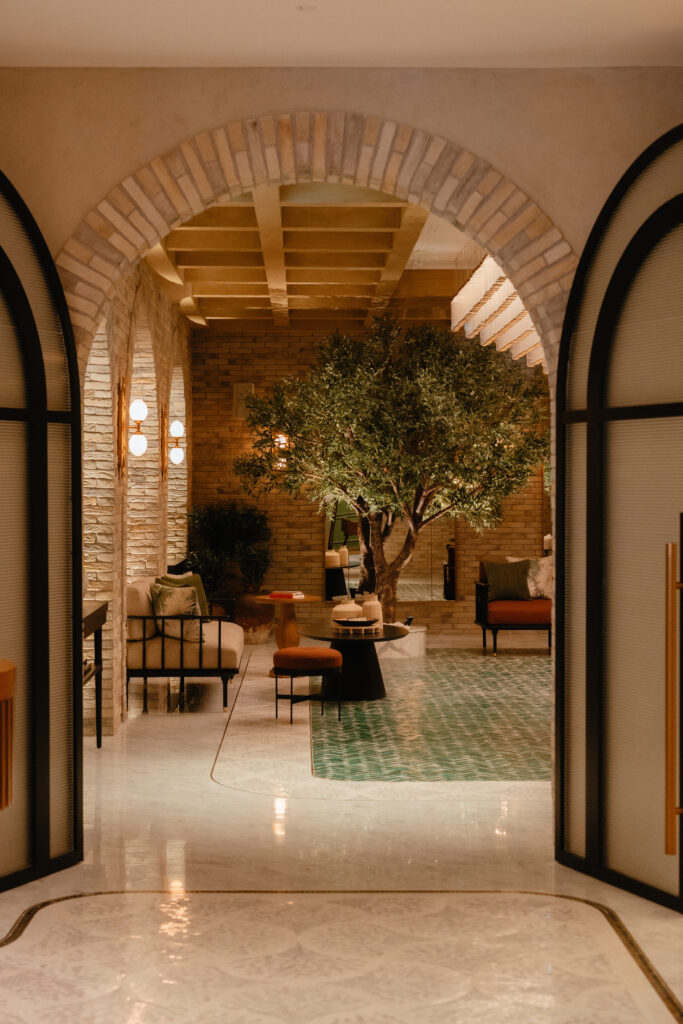
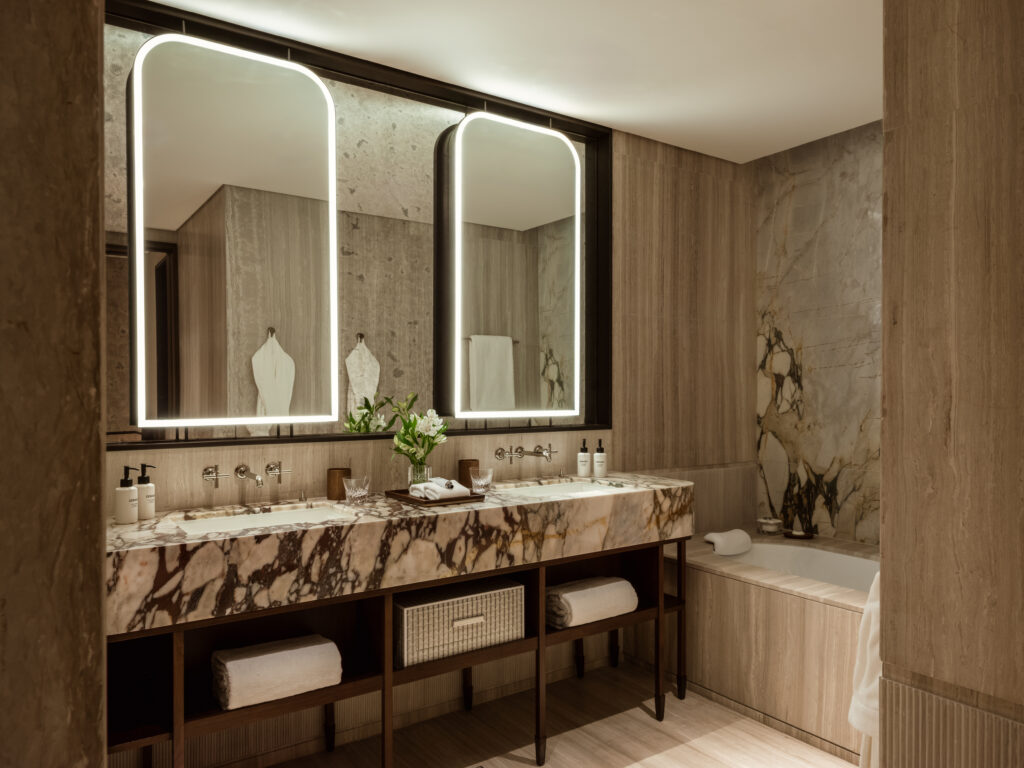
Inside, the language softens. Manor-style living guides the spatial logic, privileging rhythm and pause over monumentality. Rooms, suites, and residences are composed as sequences rather than statements, with light carefully modulated and materials selected for their tactile and emotional resonance. Desert and coastline are evoked through temperature, texture, and tone rather than narrative excess, producing interiors that feel calm without neutrality and refined without rigidity.
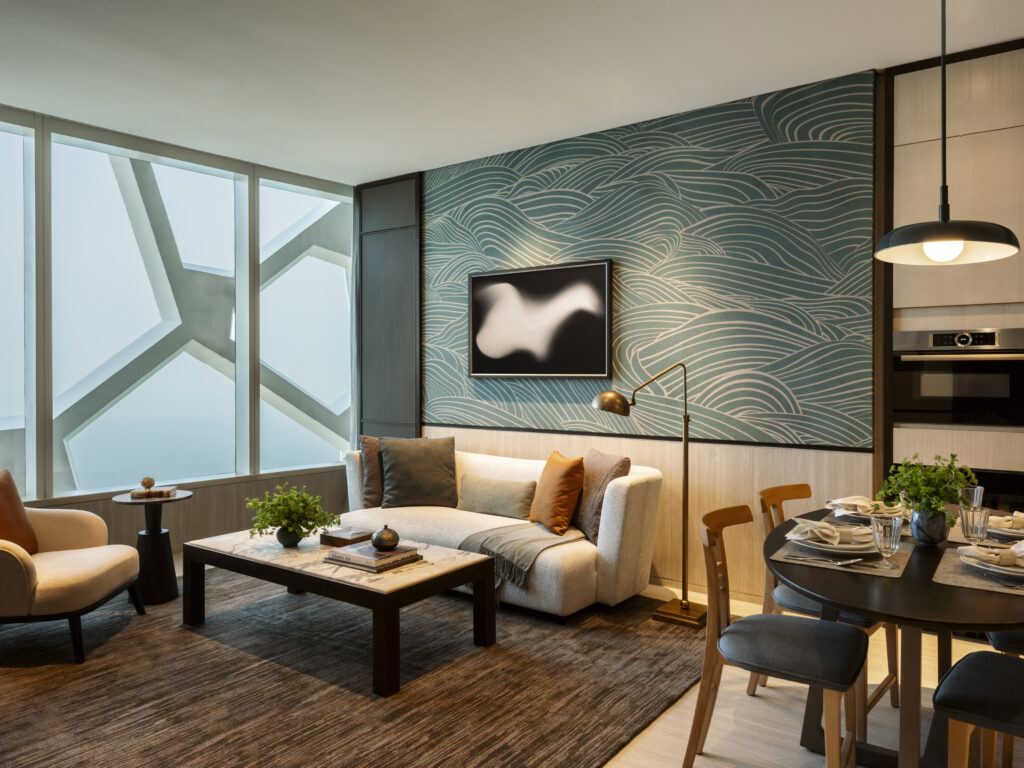
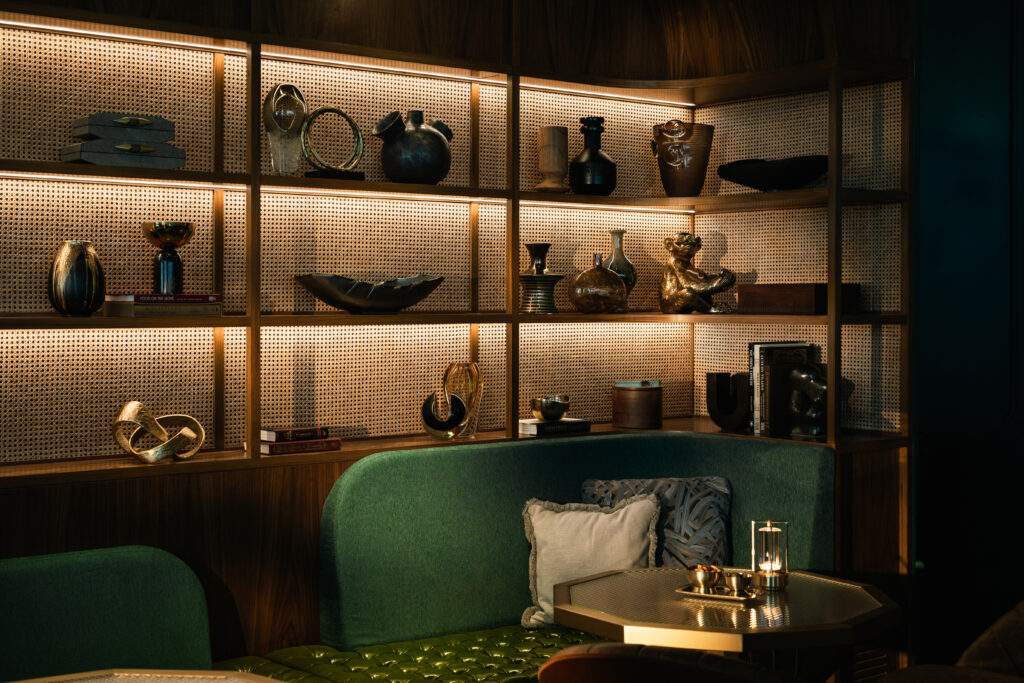
Art operates as a quiet anchor throughout the property. Works by Qatari artists are integrated into suites and public spaces, offering interpretations of landscape, memory, and belonging that feel intimate rather than illustrative. These pieces do not decorate; they situate. They allow the hotel to speak from within its context, countering the placelessness often associated with global luxury.
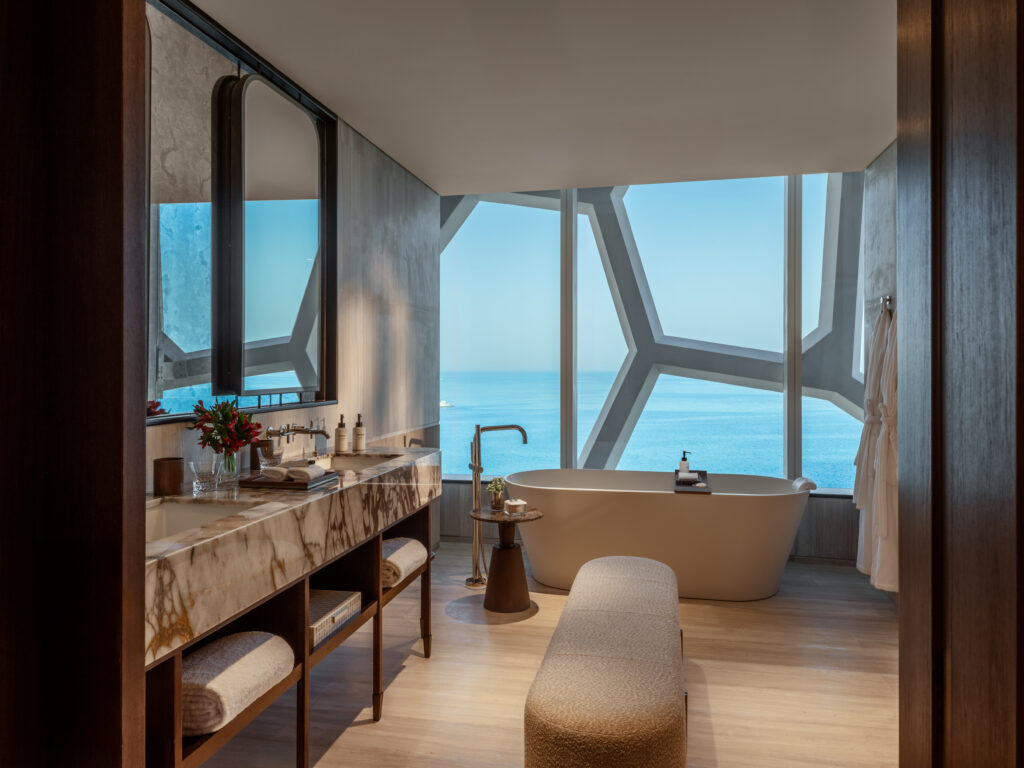
Material intelligence underpins this restraint. “Material selection was driven primarily by environmental performance, durability, and sustainability,” notes Jaidah, citing high-performance glazing and climate-responsive cladding systems designed to meet Lusail’s stringent standards. Sustainability is not treated as an overlay, but as a structuring principle that reinforces both longevity and architectural coherence.
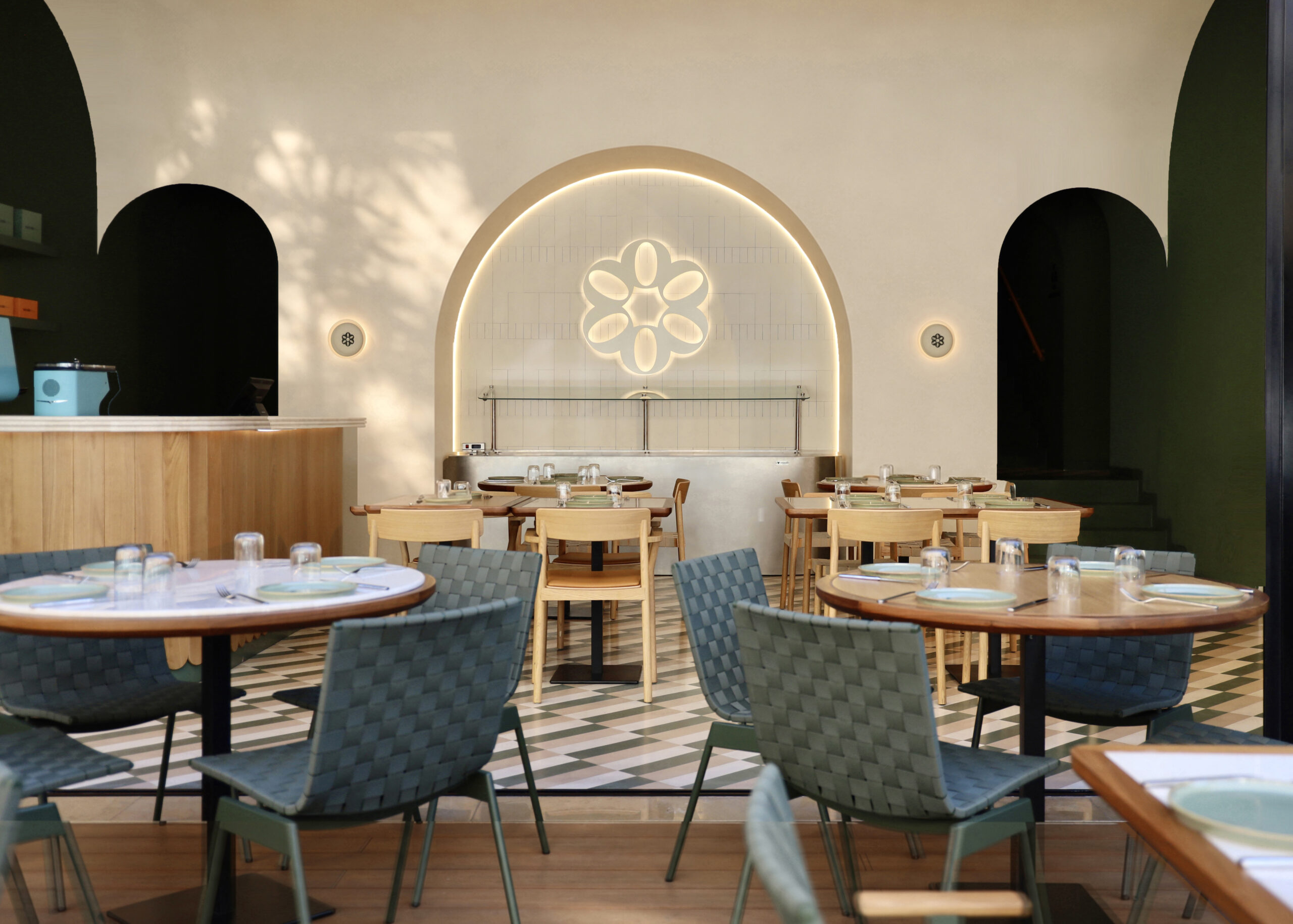
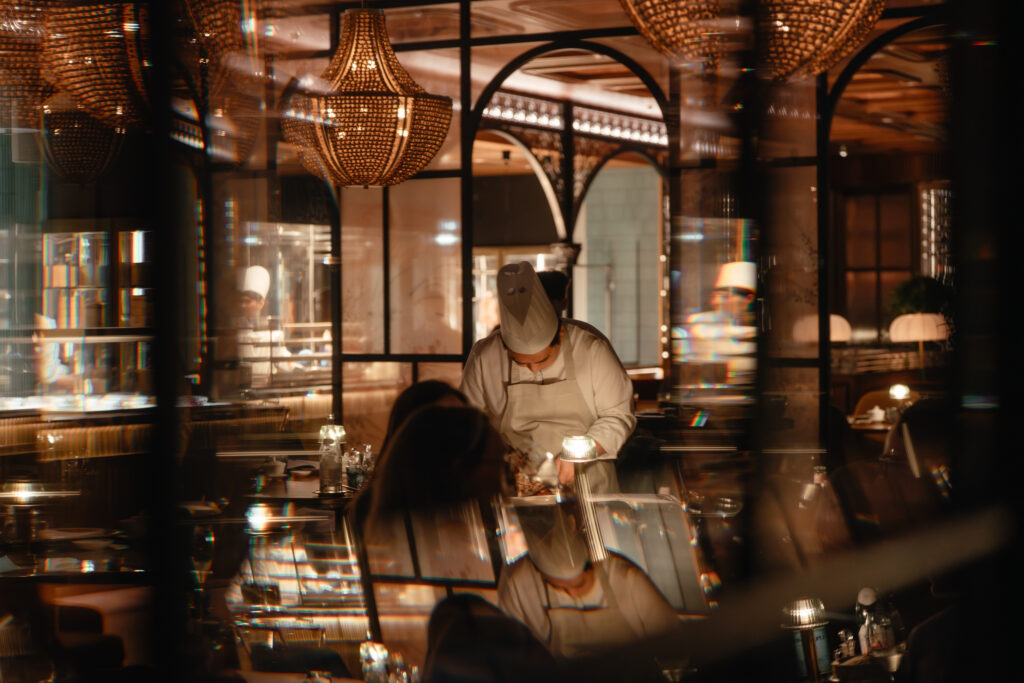
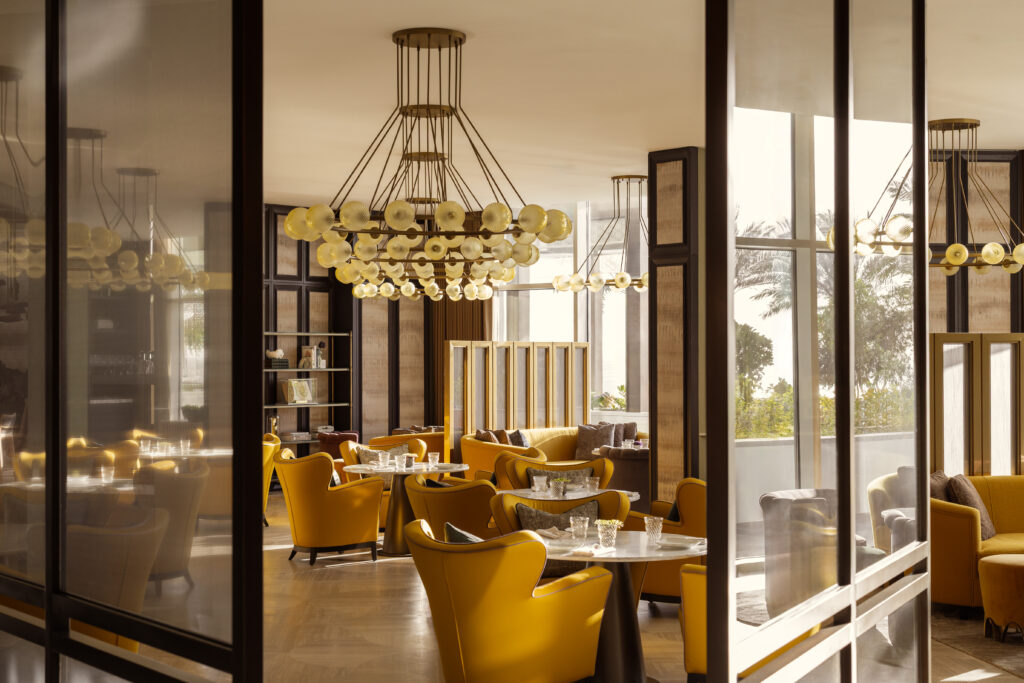
Social spaces extend the same ethos. Dining venues are conceived as cultural rooms rather than destinations, while the Manor Club reframes exclusivity as quietude—an architecture of discretion shaped by care rather than display. Wellness at Asaya similarly resists prescription, proposing care as a personal and evolving journey where technology and ritual coexist.
Rosewood Doha ultimately suggests a recalibration of luxury in the Gulf. One that listens before it speaks. One that understands design not as ornament, but as a framework for living. Neither nostalgic nor futuristic, it offers a portrait of Qatar that is quietly assured—rooted in memory, shaped by intention, and revealed over time.