Words by Allegra Salvadori | Photographs by Walid Rashid
The transformation of this downtown Beirut apartment began not with a drawing, but with a feeling. When Lebanese designer May Jbara first entered the space, she sensed a density that seemed to resist the natural light pouring through Maria Tower’s curved façade. “The interior felt like it was working against the light rather than with it,” she recalls. “My intuition was to liberate the space, to let it breathe again.”
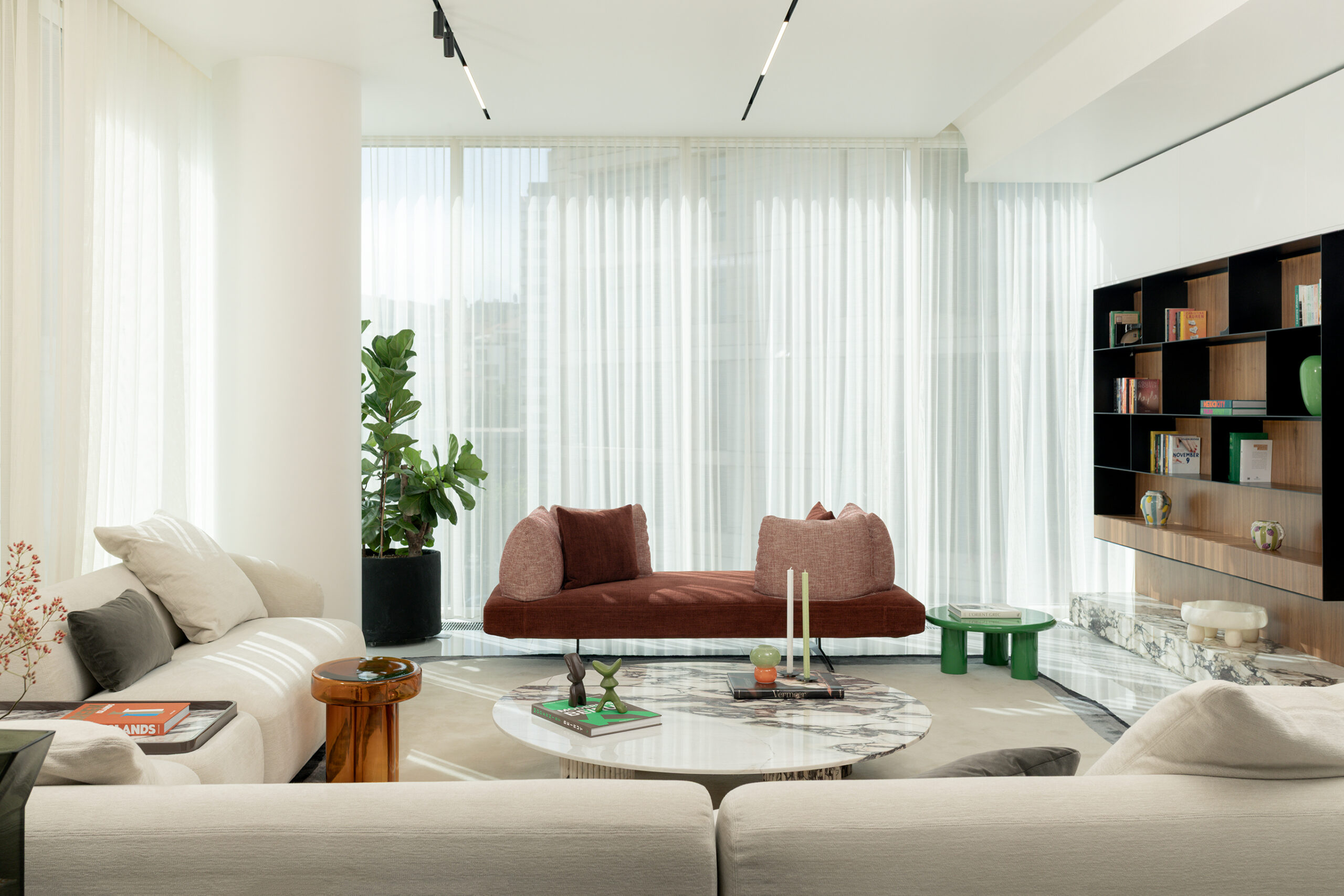
From this instinct emerged an entirely new design language—one defined by softness, fluidity, and a kind of architectural quietness. The goal was not to impose a style, but to release an atmosphere. Light would become a primary material; curves would soften once-rigid geometries; textures and tones would choreograph a calm, contemporary sensibility. The architecture and interiors entered into a dialogue, each refining the other until they aligned in emotion as much as in form. As she explains, “The project became a conversation. Where the architecture was linear and strong, the interiors brought warmth and softness.”
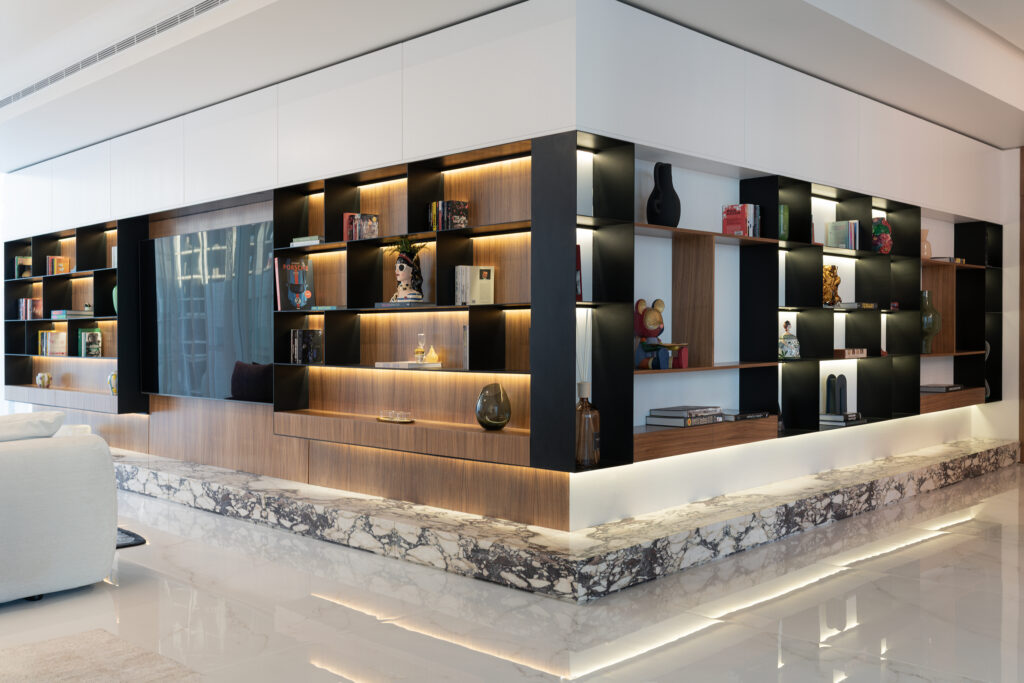
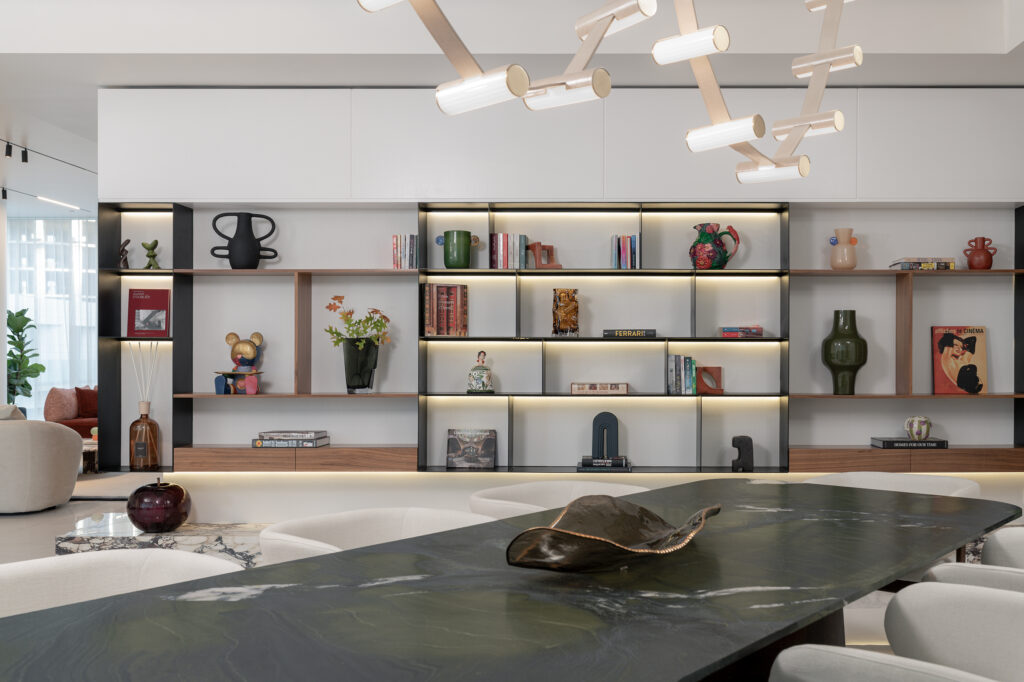
Atmosphere guided every decision. Rather than beginning with objects, Jbara began with a desired state of mind—a luminous serenity that could be felt before it was seen. Daylight, filtered through sheer floor-to-ceiling drapery, washes the rooms in a soft glow, turning stone, fabric, and sculptural silhouettes into quiet tonal variations. At night, warm integrated lighting elongates the walls, outlines architectural lines, and animates the home with a gentle rhythm. “Atmosphere isn’t an afterthought; it is the foundation,” she says. “I wanted a space where light, material, and form produce a quiet, contemporary elegance.”
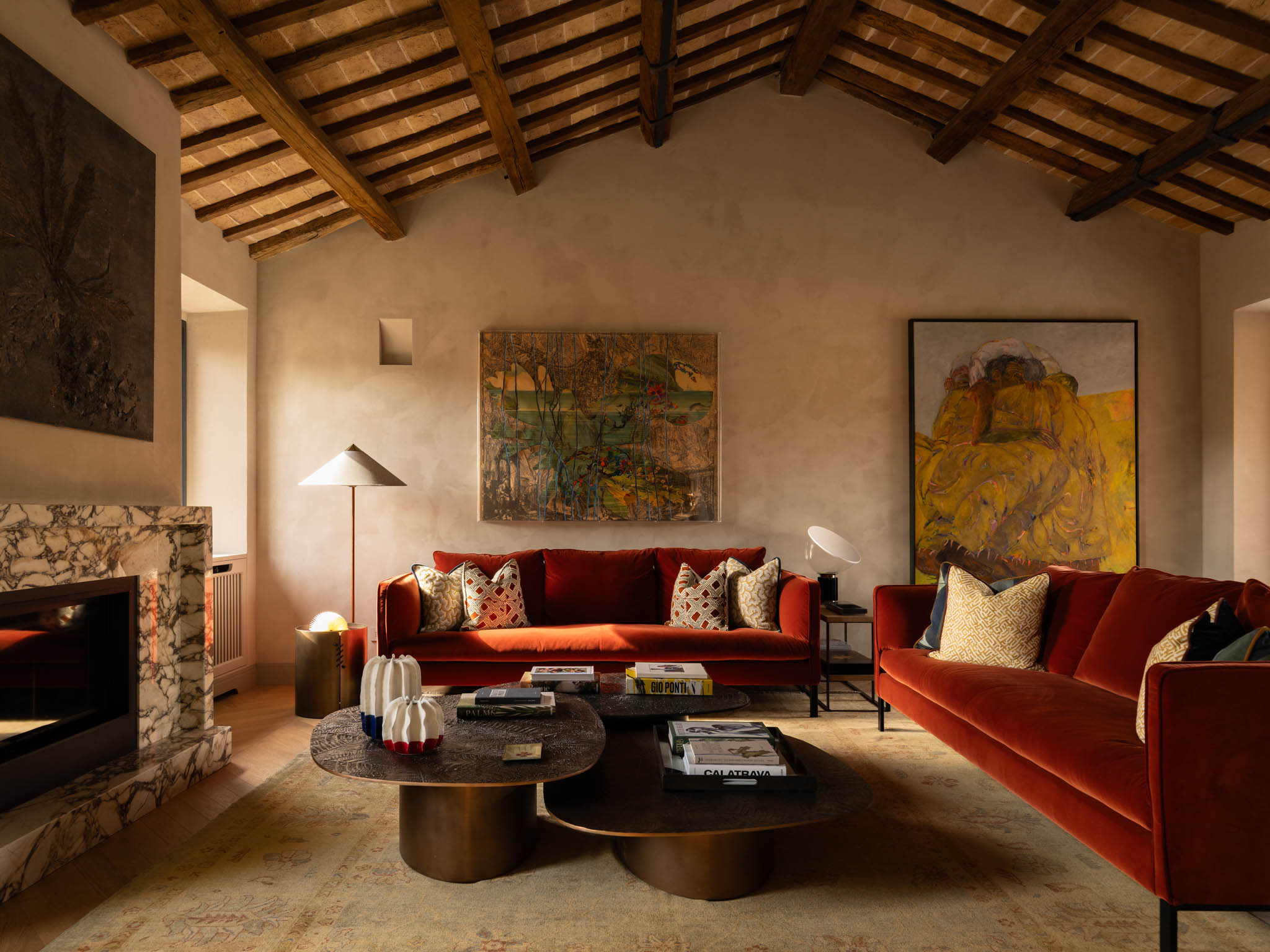
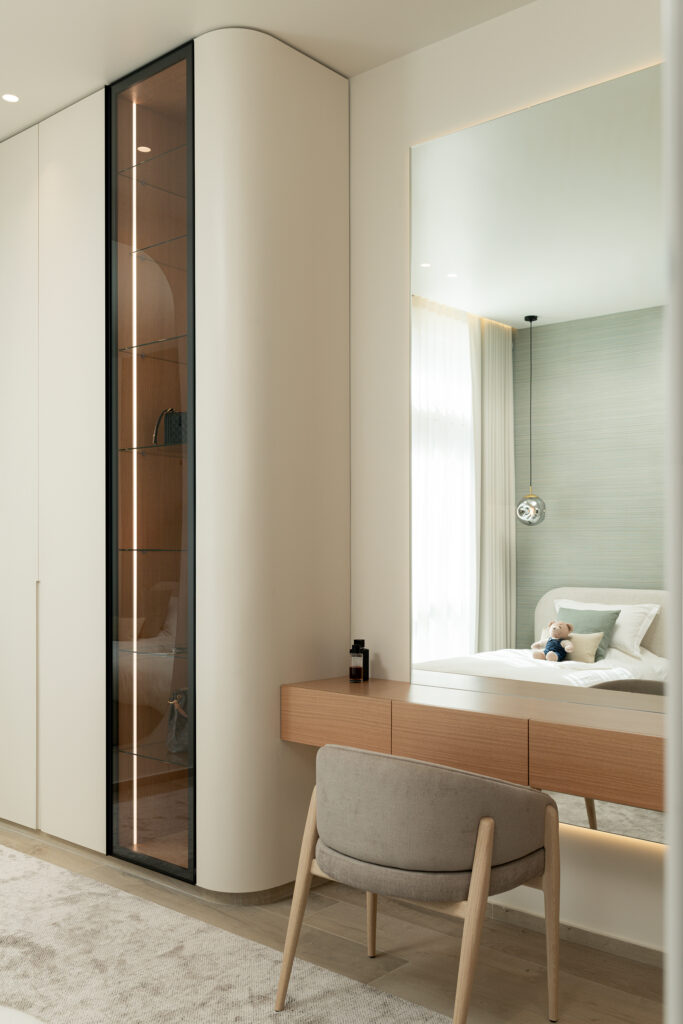
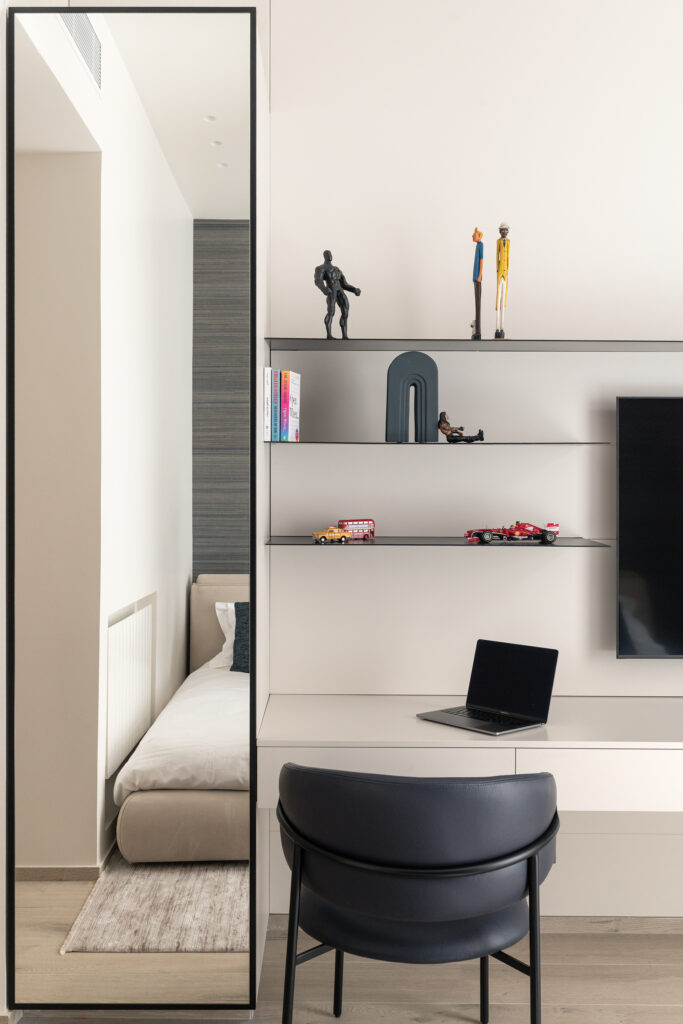
Restraint became the anchor of the redesign. Dark stones, heavy woodwork, and visual fragmentation were replaced with seamless paneling, concealed cabinetry, and a monochromatic backdrop that allows certain pieces to speak with intention: the deep green sculptural sofa, the terracotta-toned lounge chair, the amber glass tables. These objects become focal points precisely because the room around them remains hushed. “Restraint is not about removing emotion—it’s about protecting it,” she notes. “By allowing some elements to disappear into silence, others can truly shine.”
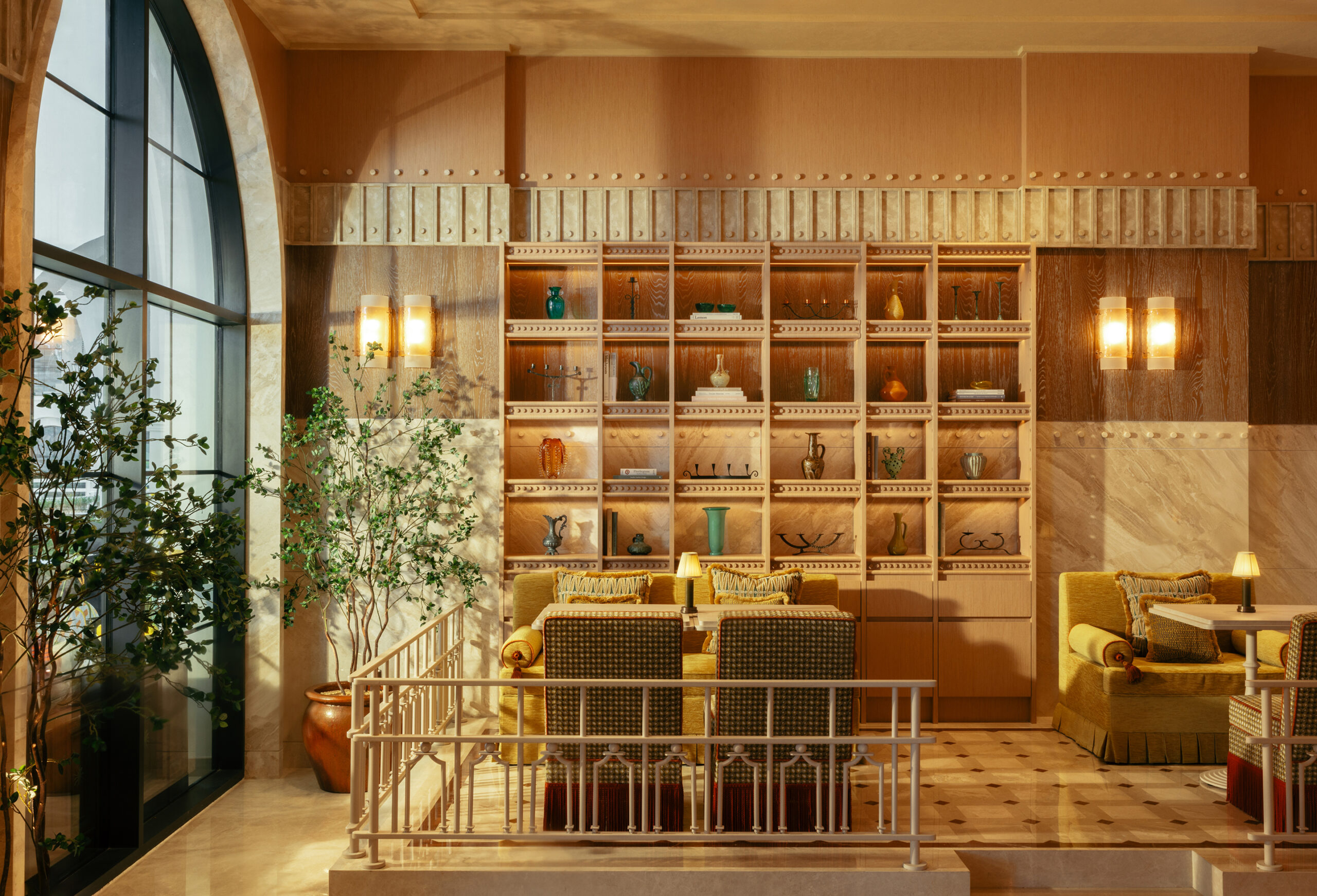
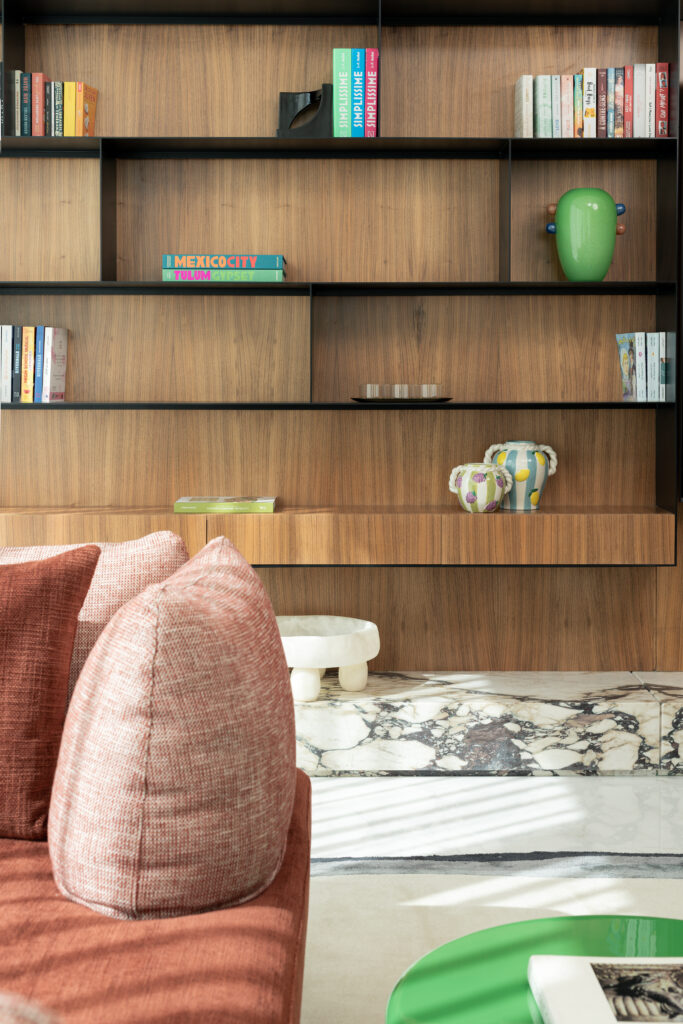
Materiality was approached as a form of emotional vocabulary. Calacatta Viola and oriental white marble introduce expressive veins that feel both contemporary and rooted in Mediterranean stone culture. Soft upholstery in creamy tones calms the eye; brick and green accents echo Beirut’s gardens, rooftops, and earthy architectural tones; tactile surfaces—bouclé, ribbed wood, matte black metal—invite touch and slow the gaze. “Materials were chosen not just to look beautiful, but to feel beautiful,” the Lebanese designer reflects. “They hold memory and create belonging.”
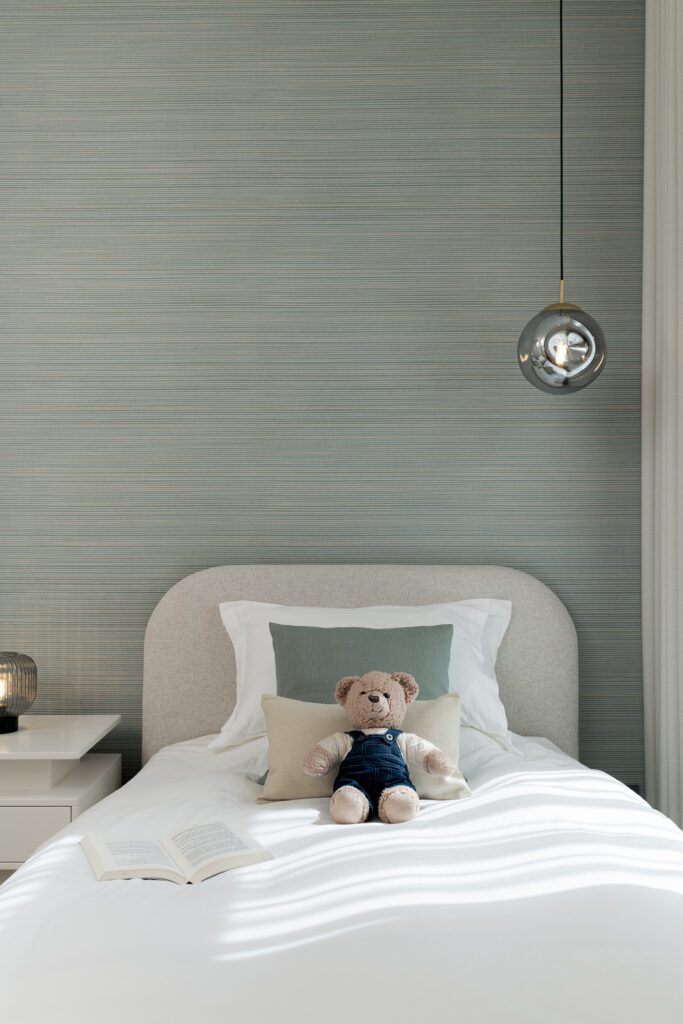
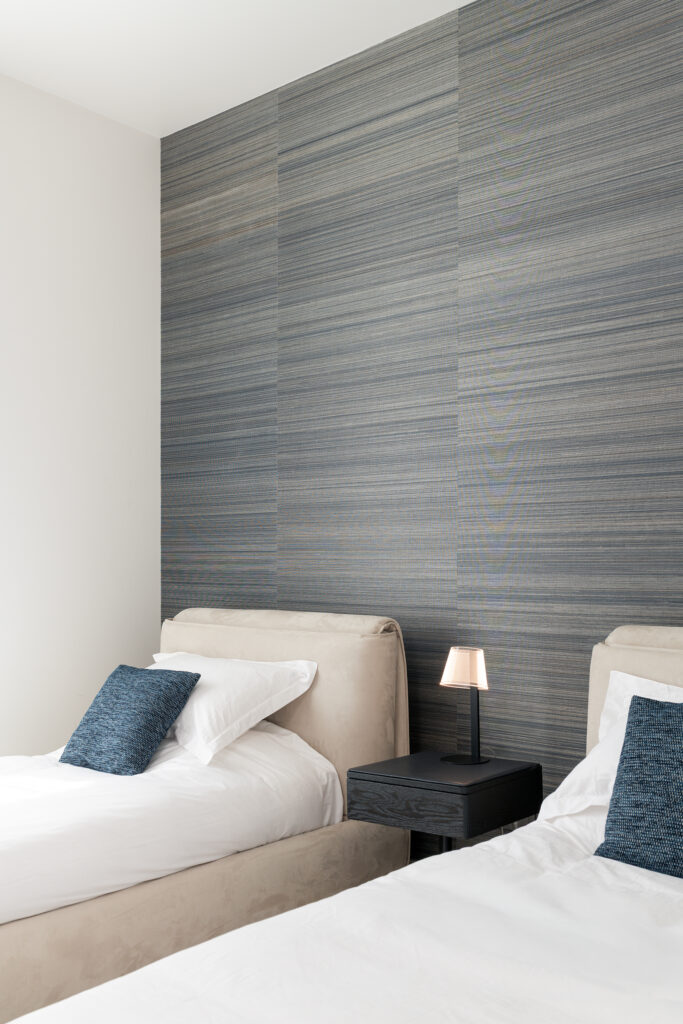
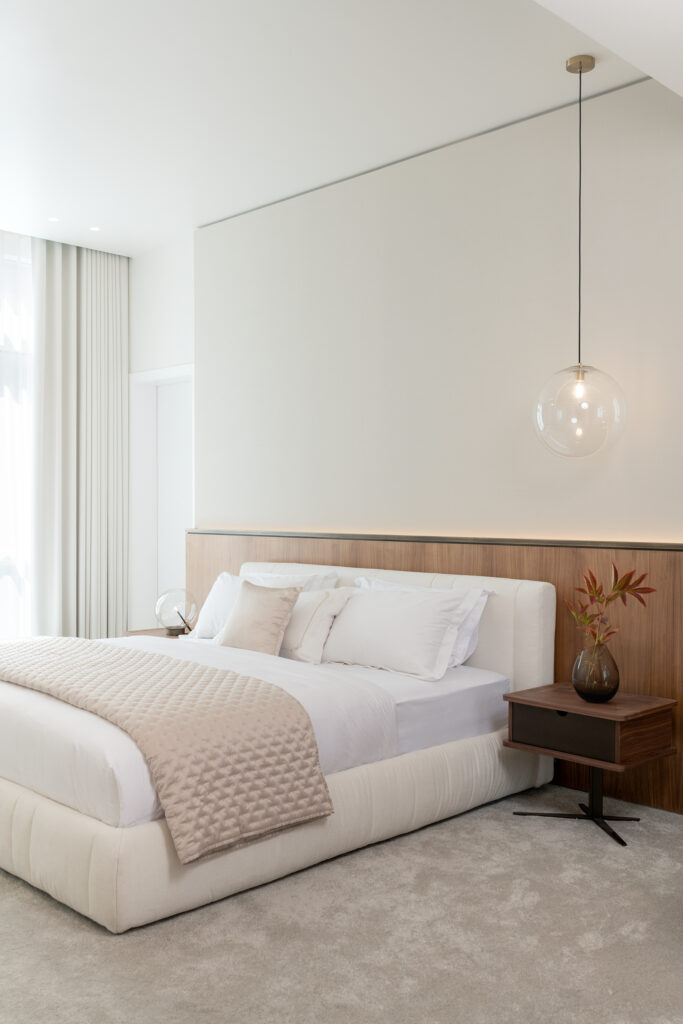
Beneath the elegance lies a deeper narrative: a home designed for owners who live abroad in Ivory Coast and return to Beirut seeking rest, ritual, and reconnection. The interiors express their story without ever being literal. Reading nooks are placed to catch the afternoon sun; the double-sided brick-toned bench is oriented toward the skyline; the library glows softly at night, becoming a place for quiet rituals. The home feels intimate, effortless, and tuned to their rhythms. “Nothing here is thematic,” she explains. “The narrative lives through emotion—how the light shifts, how the space slows you down.”
The transformation, however, came with resistance. The existing interiors fought against the new vision until they were stripped back to their architectural bones. Reworking gypsum, integrating vertical light lines, and aligning long, seamless surfaces required both technical precision and conceptual clarity. What initially felt like obstacles ultimately sharpened the project’s outcome. “Achieving effortlessness required reimagining the space from the ground up,” she admits. “The frictions pushed the design toward greater harmony.”
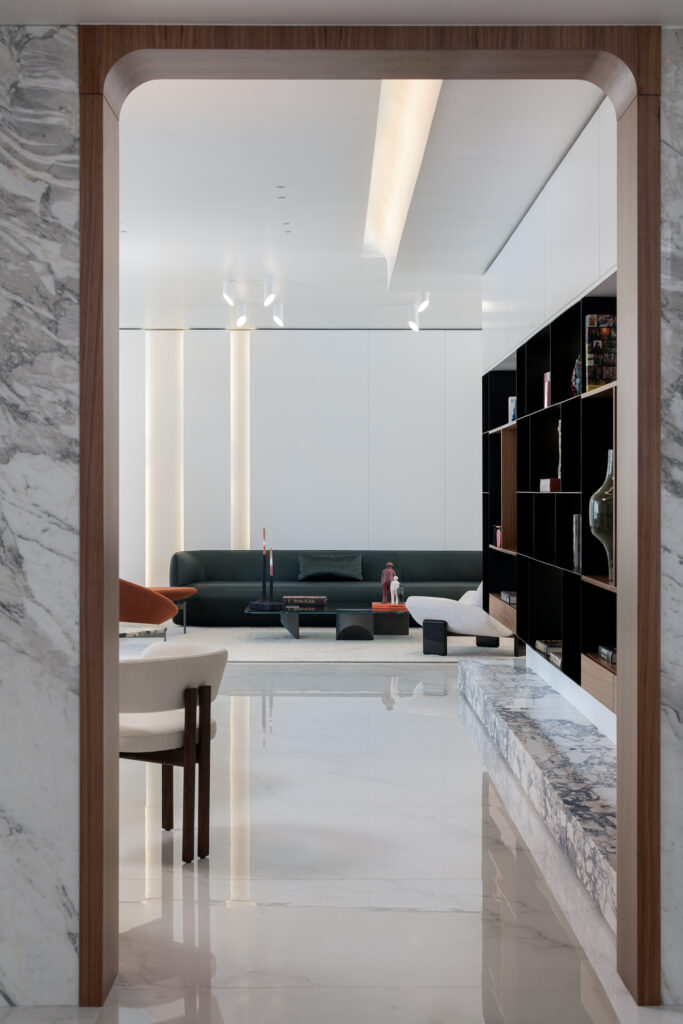
Today, the apartment stands as an articulation of balance—between minimalism and warmth, architecture and intimacy, sculpture and silence. It feels at once spacious and cocooning, expressive yet profoundly calm. It also marks an evolution in the designer’s own language. “My design identity is entering a phase of quiet confidence,” Jbara says. “Simplicity has become expressive, and calmness carries as much weight as form. I’m designing spaces that are felt before they are seen.”
This Beirut home, luminous and weightless, offers more than visual refinement. It offers a new way of inhabiting the city: slower, softer, clearer. A sanctuary shaped by light, guided by restraint, and alive with a quiet, contemporary elegance that lingers long after you leave.