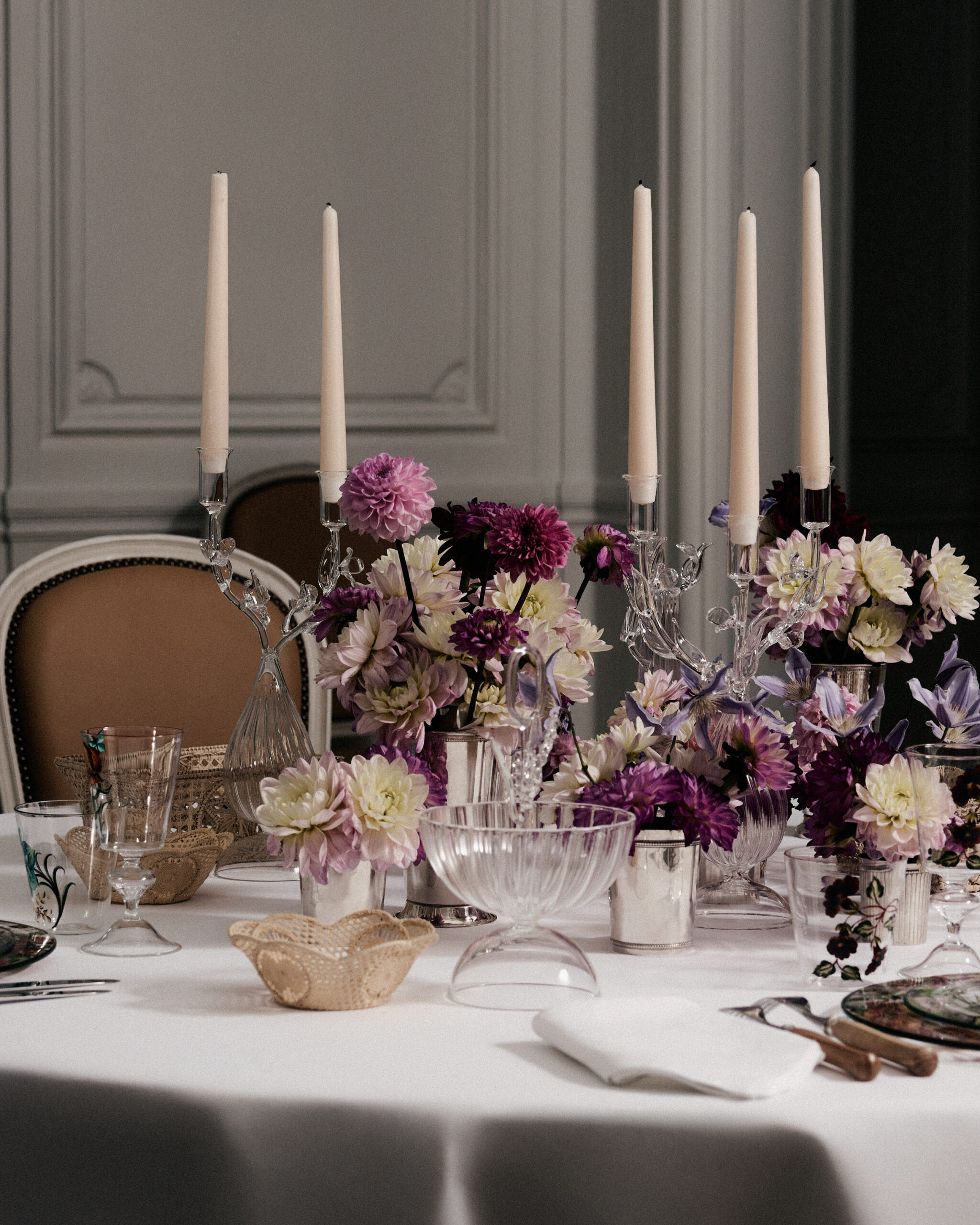
Words by Allegra Salvadori | Photographs by Laora Queyras
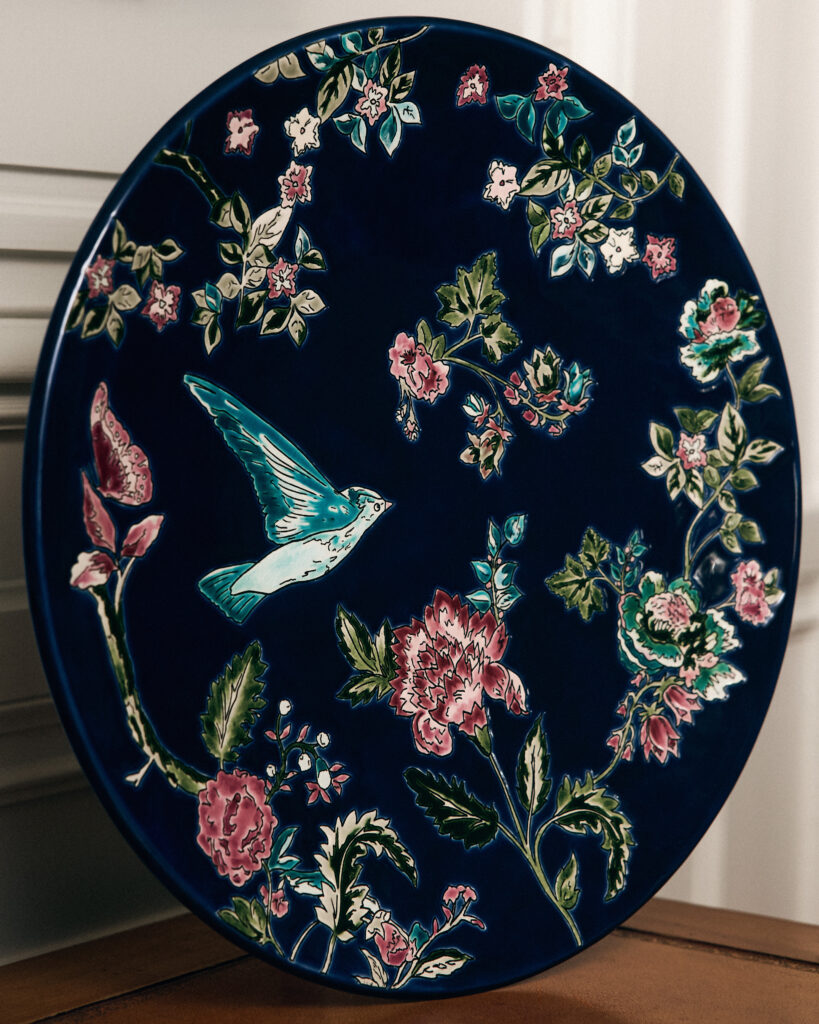
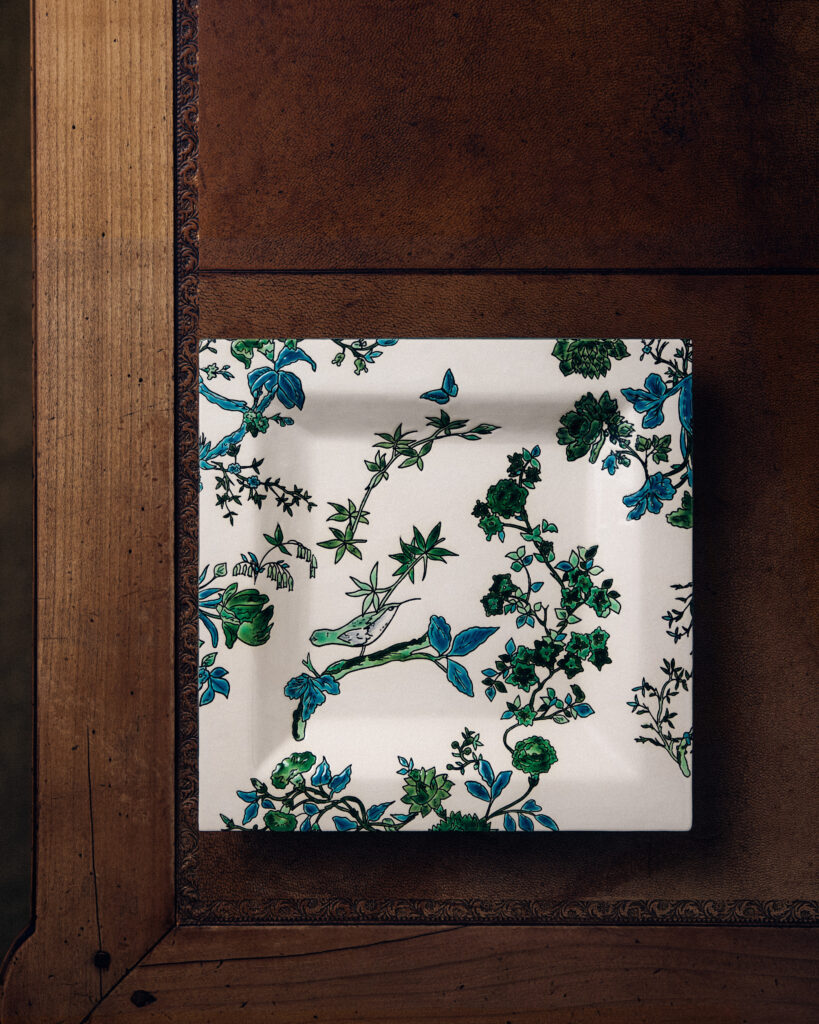
In its latest chapter of decorative refinement, Dior Maison introduces the Ranelagh Collection, a suite of exquisite objects conceived by Cordelia de Castellane as an homage to the landscapes—real and emotional—that shaped Christian Dior’s early imagination. The collection returns to the winter garden fresco of the couturier’s childhood home in Paris’s historic micro-district of Ranelagh, transforming a place of intimate memory into a contemporary expression of domestic poetry.

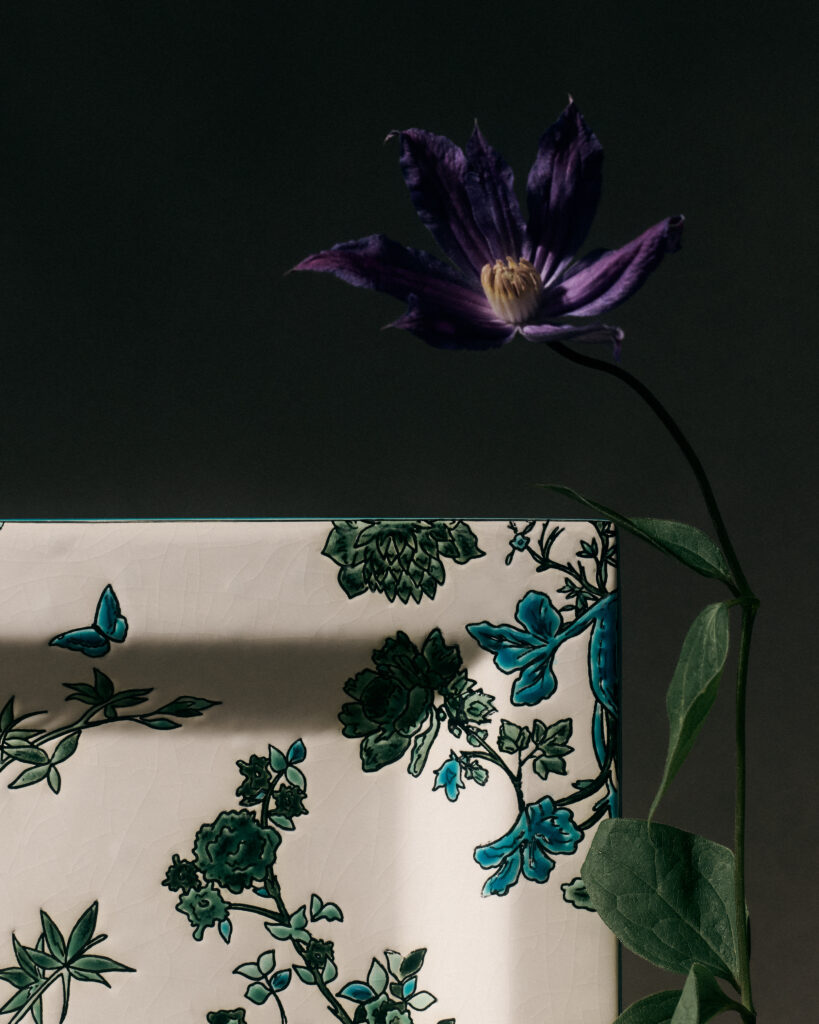
Reinterpreting the garden becomes an act of cultural continuity: not nostalgia, but translation. De Castellane captures the way Dior understood nature—not as ornament, but as a living dramaturgy. Here, bouquets of entwined, richly colored flowers perform a quiet choreography, recalling the promenades that defined the couturier’s youth. It is an aesthetic of tenderness and precision, filtered through the Maison’s unwavering commitment to savoir-faire.
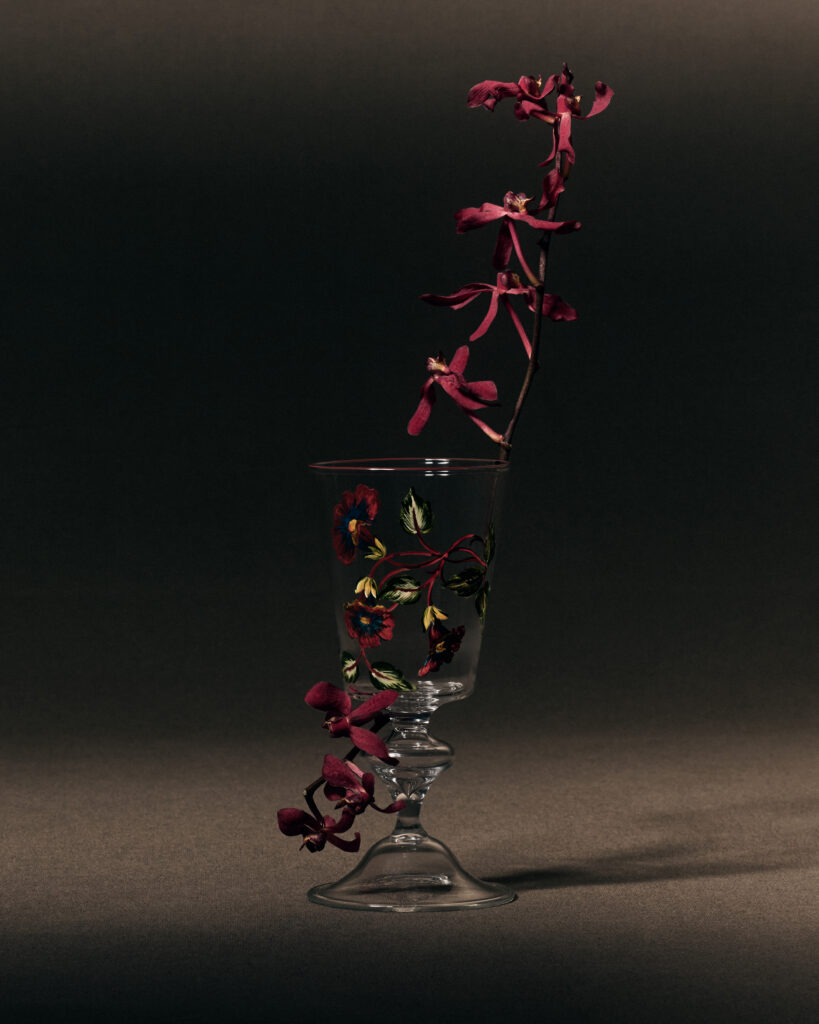
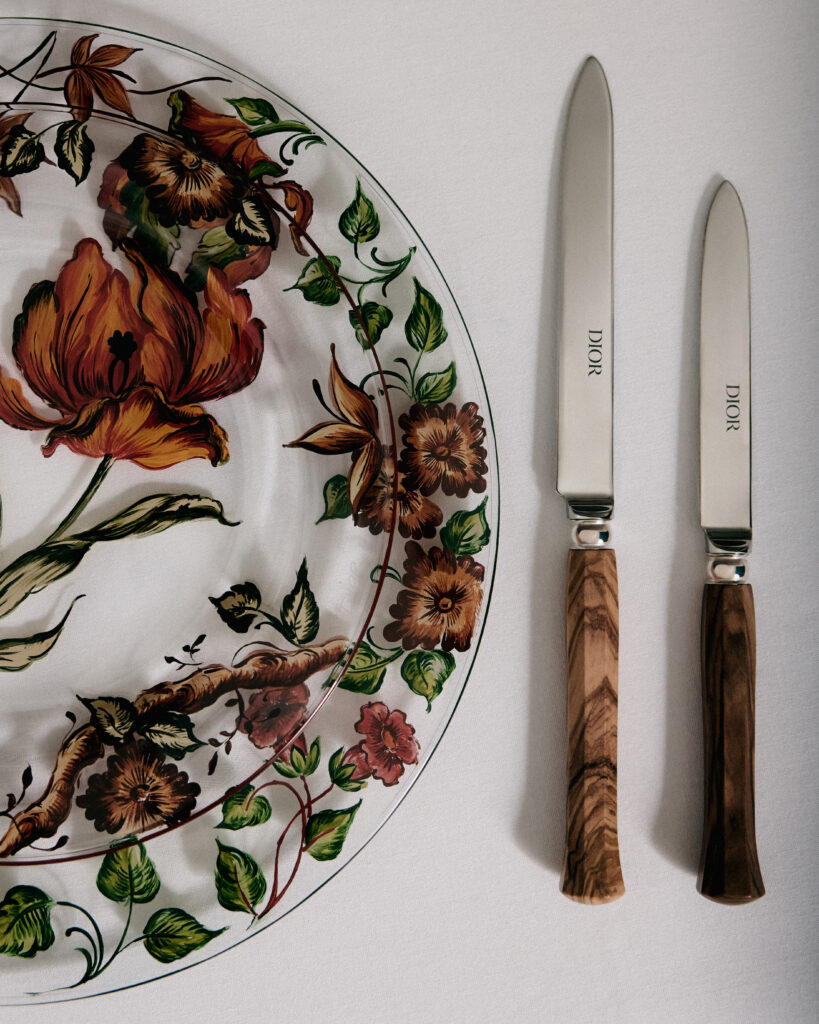
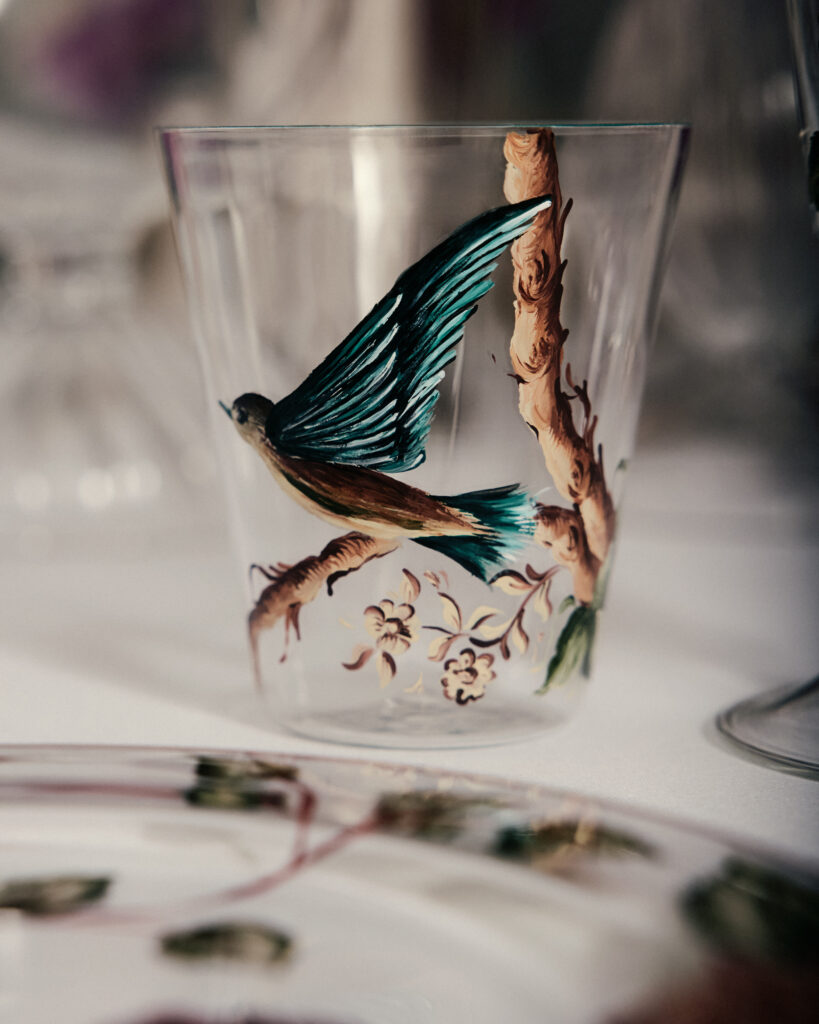
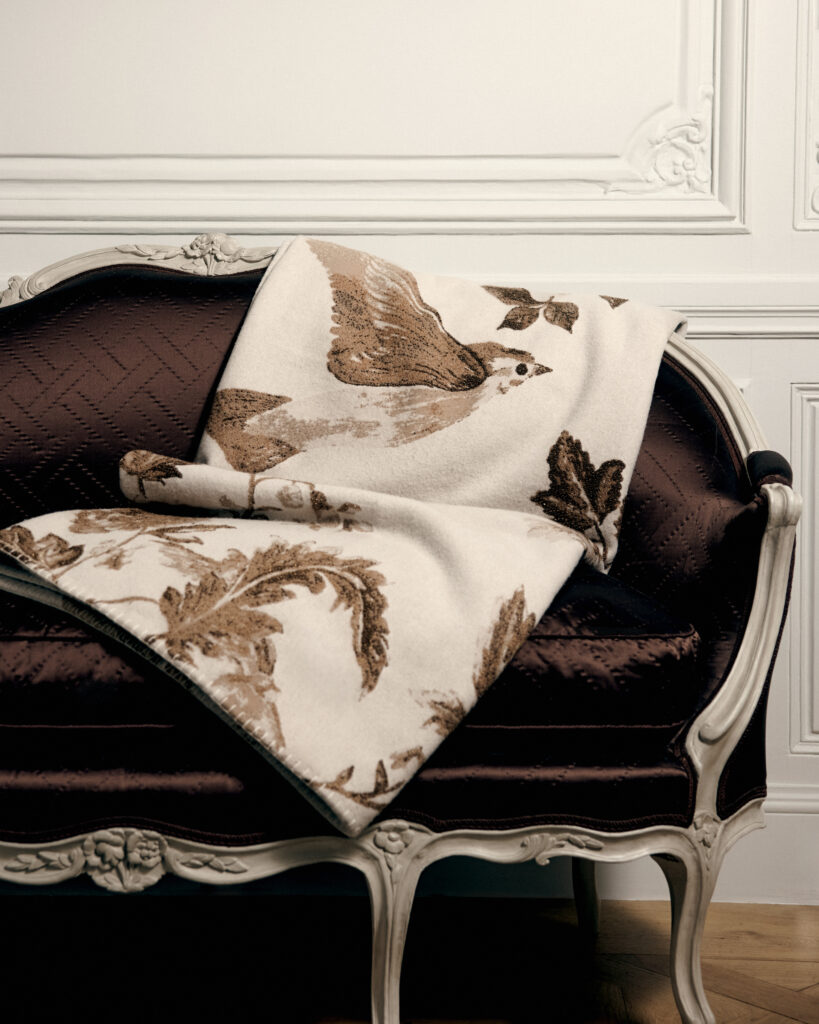
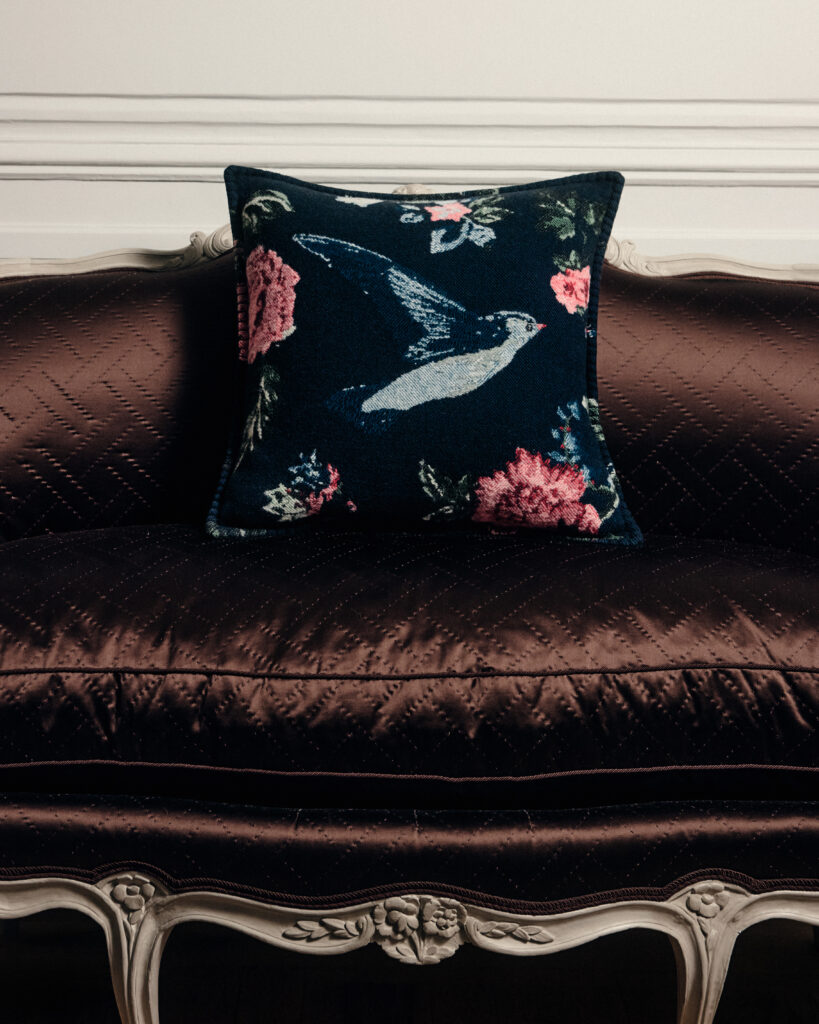
The motif unfolds across pieces that transcend categorization. Cashmere cushions and blankets, offered in deep black or luminous white, function like tactile landscapes—soft, enveloping, almost contemplative. Hand-painted glassware, from plates to delicate stemware, introduces another register: a table dressed not simply for dining, but for ceremony, gesture, and attention. Presented through the lens of photographer Laora Queyras, these objects reveal a quiet but assertive clarity where the object becomes experience.

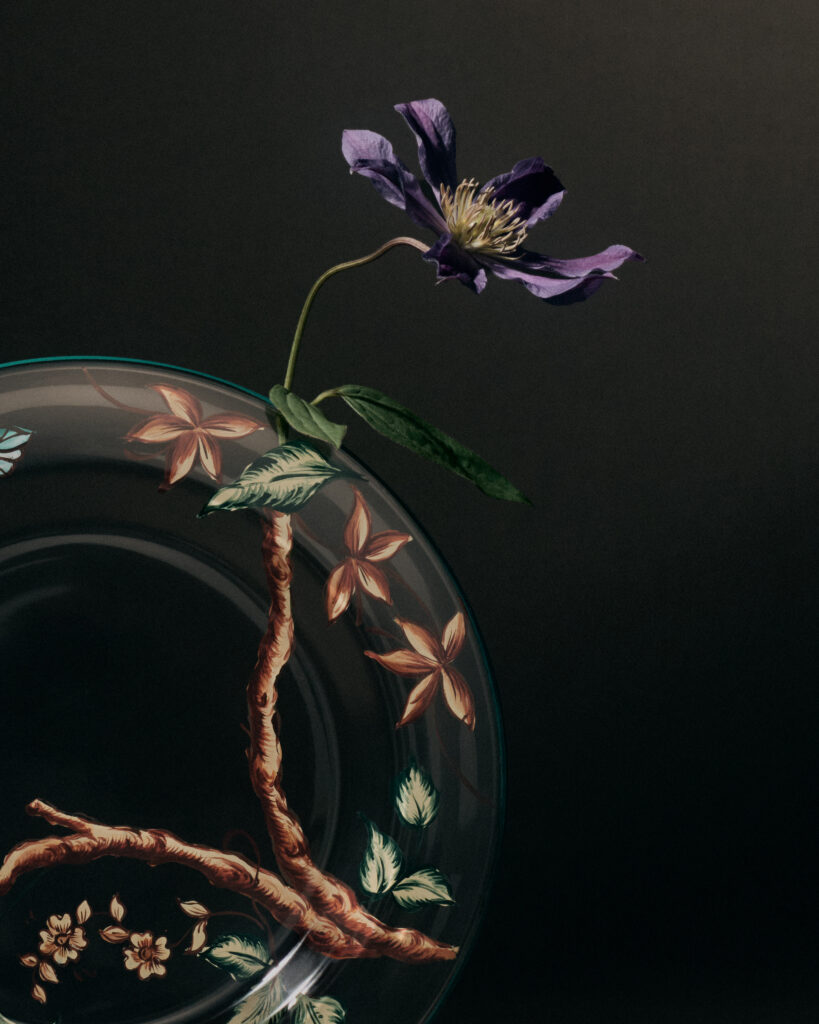
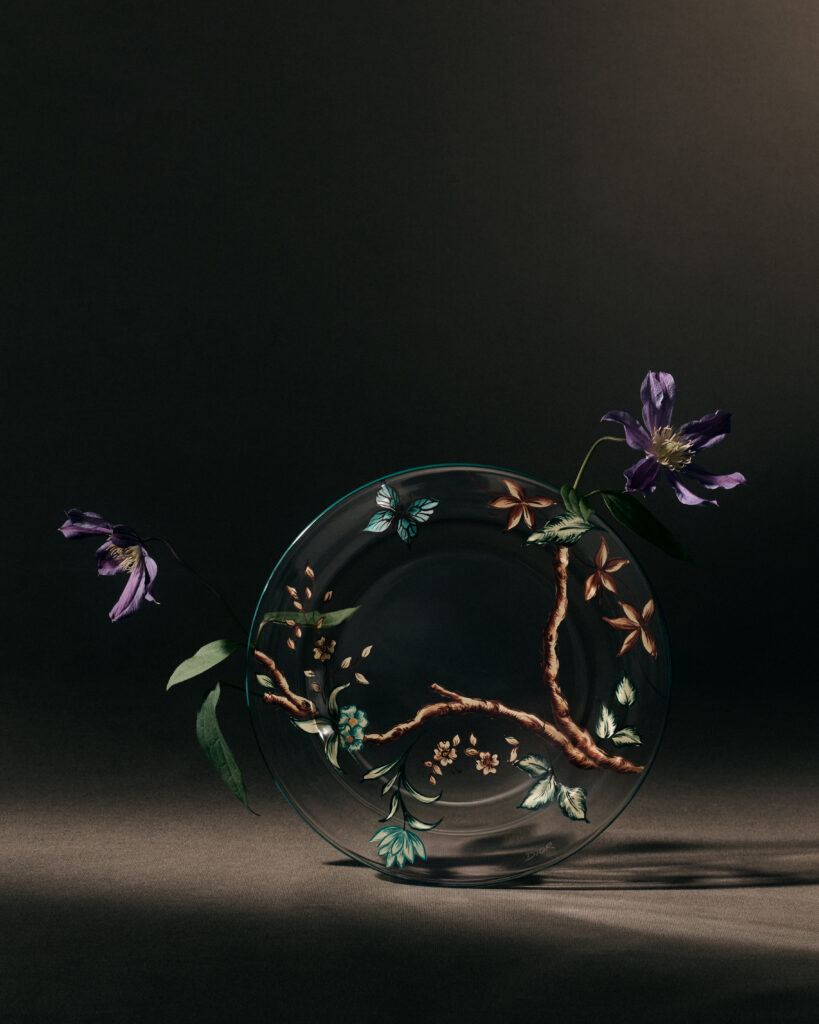
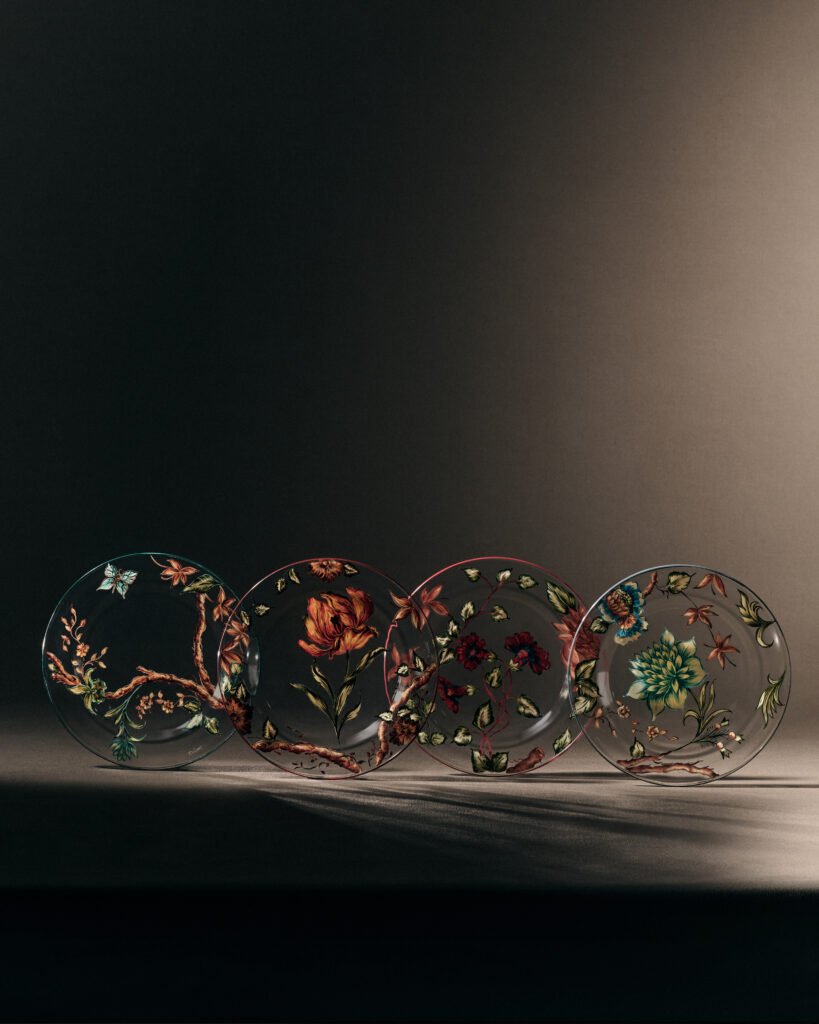
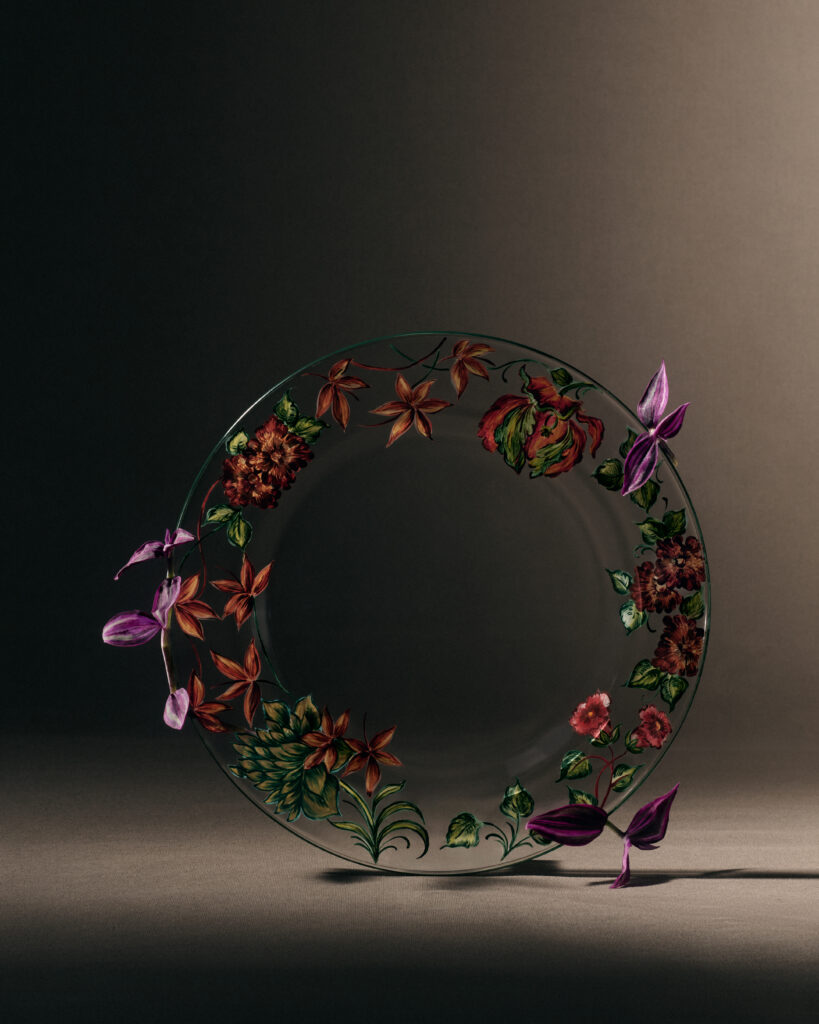
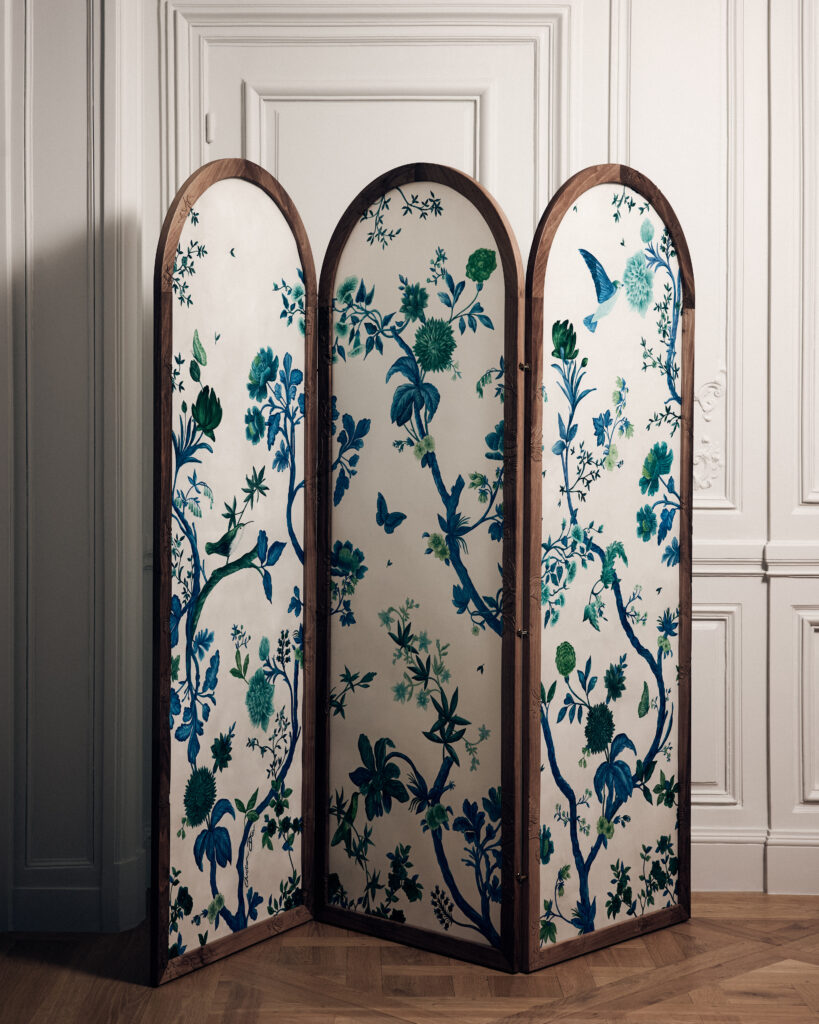
The collection expands into sculptural forms that articulate Dior’s approach to interiors as an extension of couture: paravents, hand-carved frames, ornate candlesticks, and delicate jewelry boxes. Each piece speaks to a house style that is neither trend-driven nor nostalgic, but anchored in a timeless grammar of elegance.
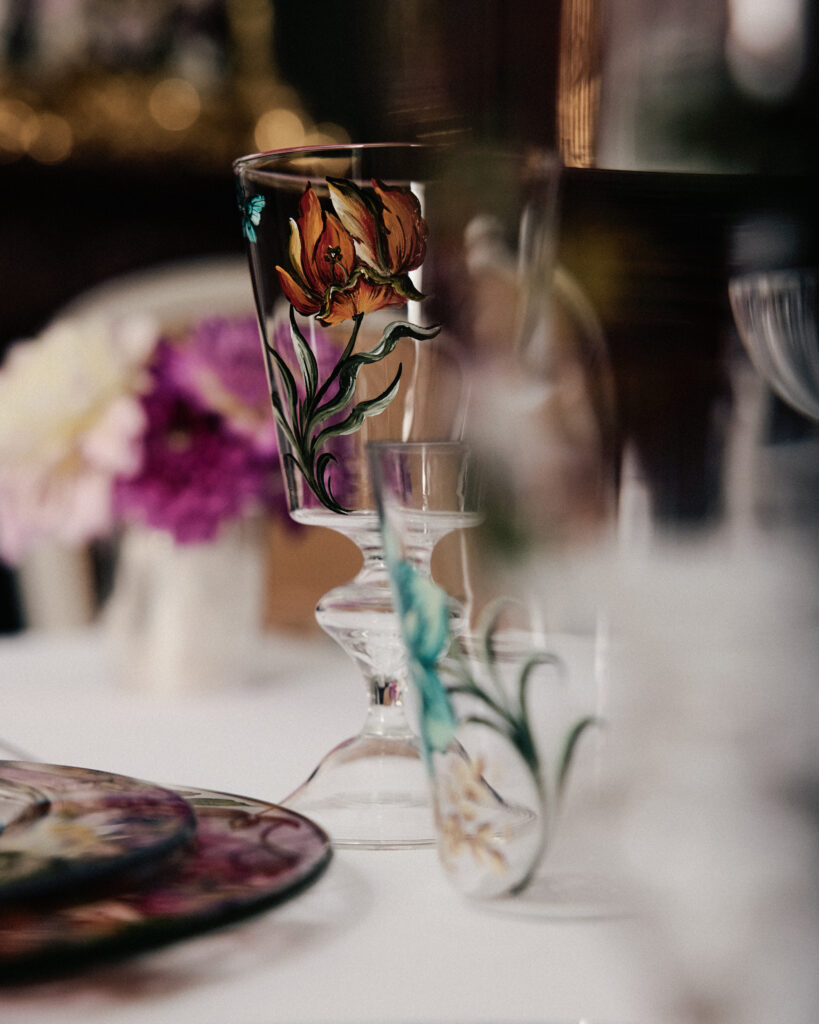
And then, the unexpected: an amphora of unprecedented proportions, a work whose scale alone becomes a declaration of craft mastery. It is both vessel and sculpture—an object that captures the tension between ancestral techniques and contemporary imagination. Here, Dior’s Ateliers reaffirm their role not only as guardians of heritage, but as authors of its evolution.
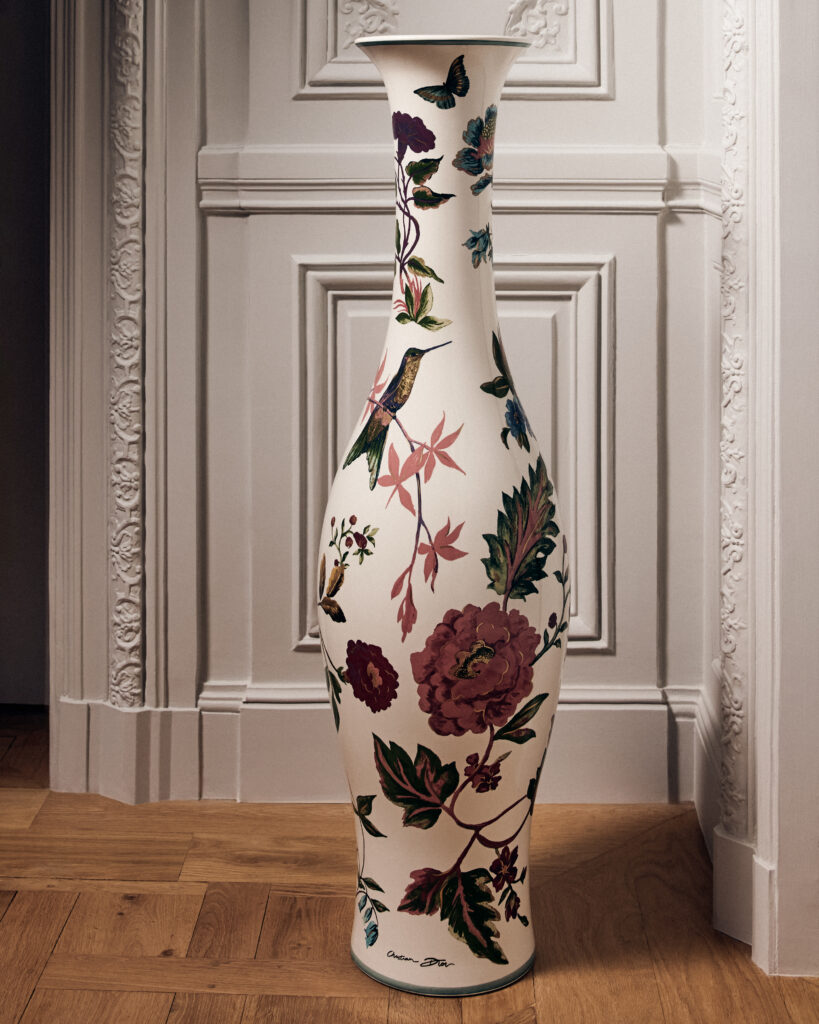
With Ranelagh, Dior Maison explores a deeper truth about interiors: that beauty is not an accessory, but a form of cultural memory. The collection is less about decoration and more about the atmospheres that define a life—how a motif can hold history, how an object can become a portal, how a home can speak in the quiet language of craftsmanship.

This new chapter positions Dior Maison not simply within the world of luxury, but within the broader discourse of design as storytelling—where refinement is not excess, but intention.