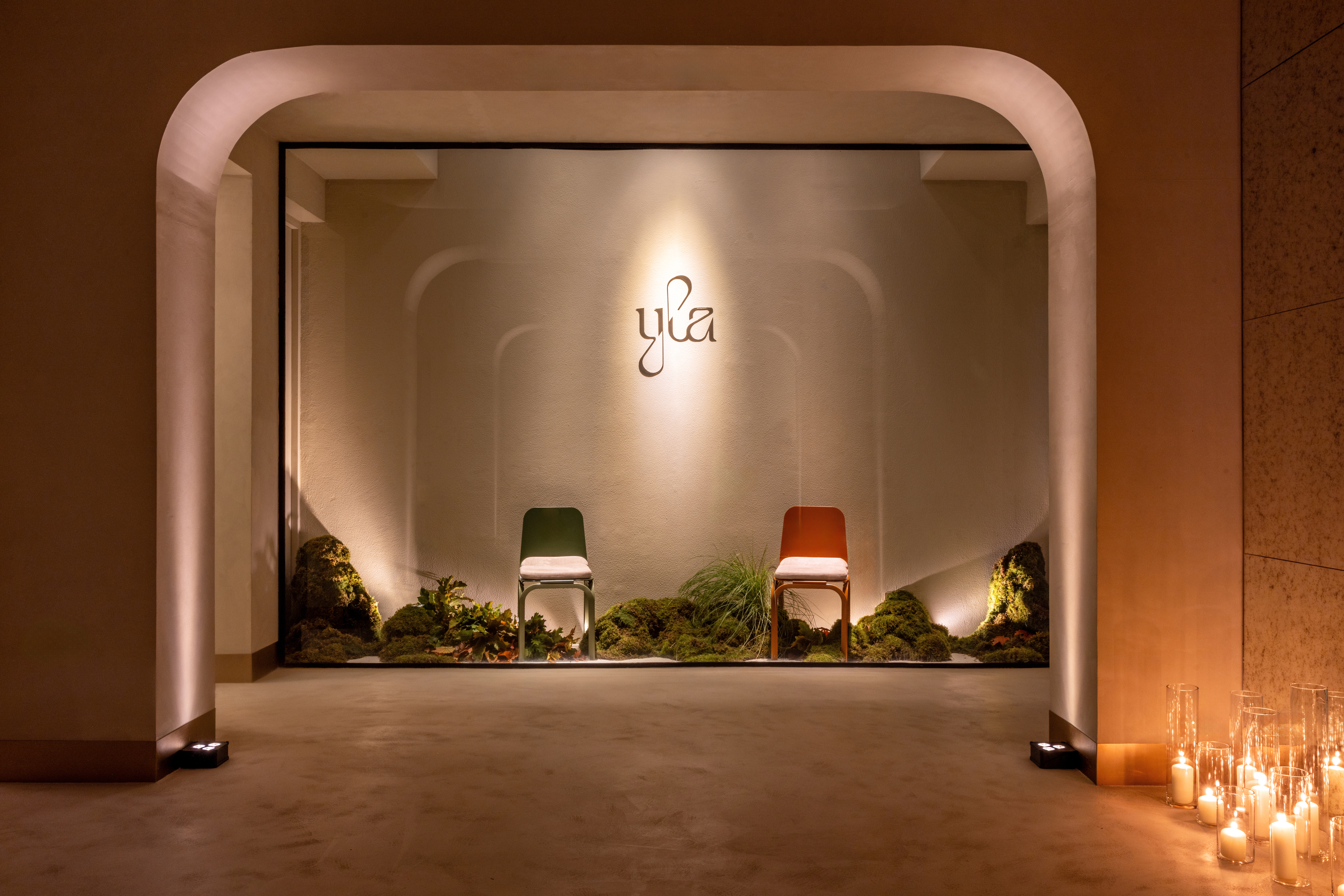
In Dubai, a new design vocabulary is taking form. It is not defined by ornament, nor by nostalgia, but by proximity. Between idea and execution. Between material and meaning. Within this evolving landscape, Yla emerges as a proposition that is at once precise and quietly ambitious.
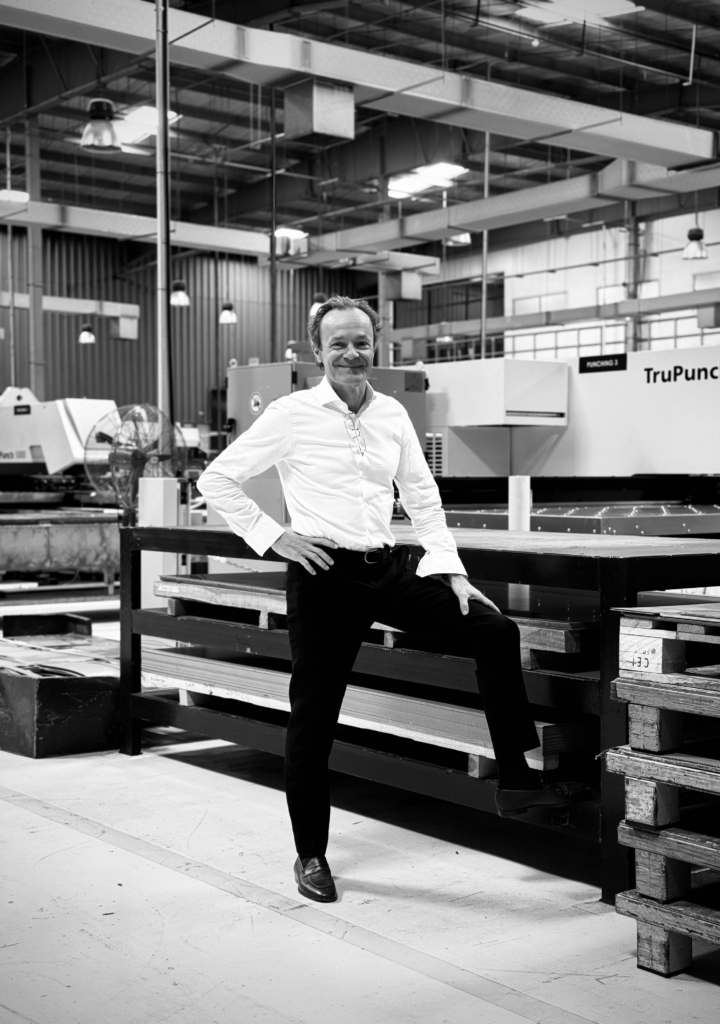
Founded by Benoît Rondard, an engineer who has lived in the UAE for over two decades, the brand is rooted in a dual sensibility. Technical rigor meets an almost emotional reading of material. Metal, here, is not structural alone. It becomes expressive.
“Building Yla from Dubai is both a responsibility and an opportunity,” Rondard reflects. “The UAE has created an environment where entrepreneurship, design, and industry meet in a very direct way. Being a homegrown brand means contributing to that ecosystem while demonstrating that high quality design can emerge from this region.”
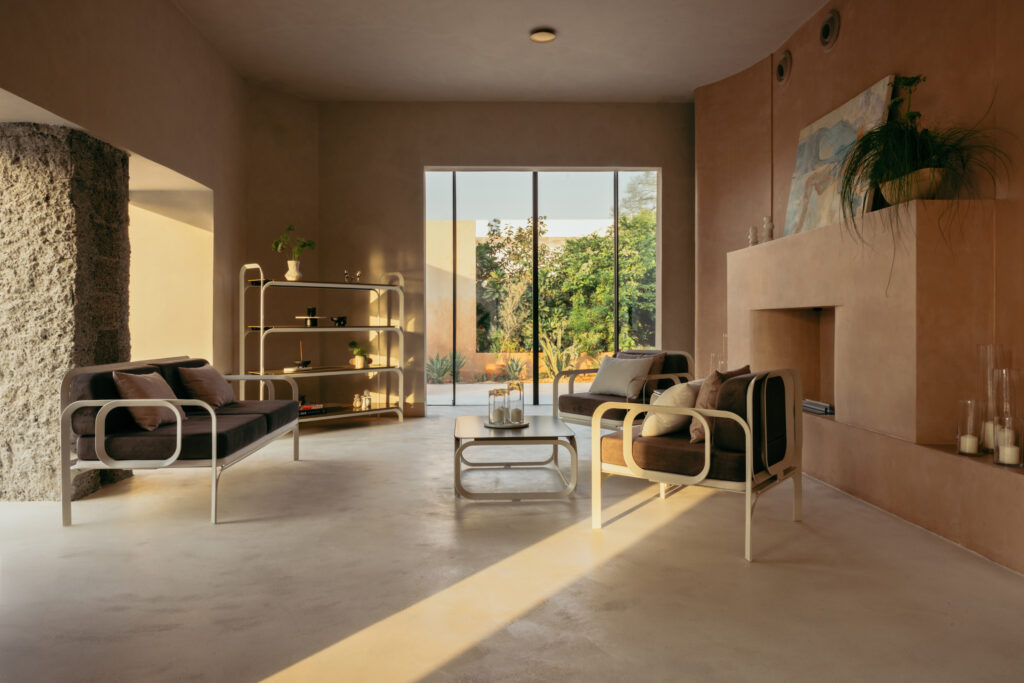
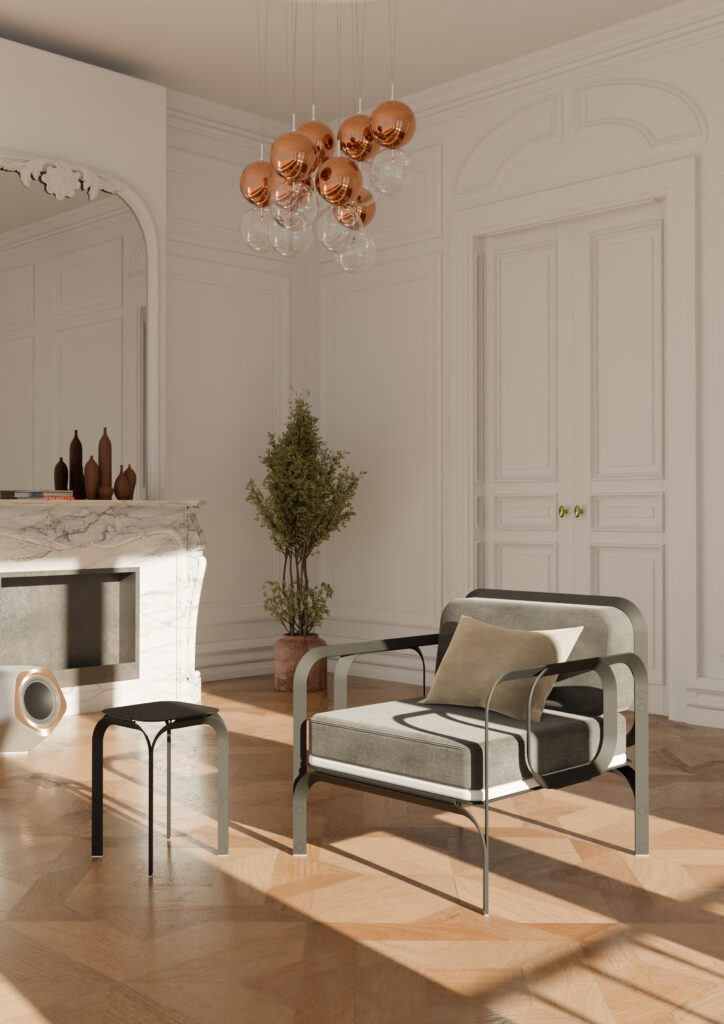
Launched in the summer of 2025, the brand’s debut Audace collection, developed with French designer Remi Damilleville, explores stainless steel and aluminium through a sculptural lens. Seating, tables, and bookcases appear almost softened, their industrial origins recalibrated into something tactile and atmospheric. The gesture is deliberate. It is less about transforming metal than about reframing how it is perceived within the domestic sphere.
This approach is inseparable from where the pieces are made. Produced locally in Jebel Ali, in close dialogue with Rondard’s industrial background at Eurotech, the collection reflects a model of immediacy.
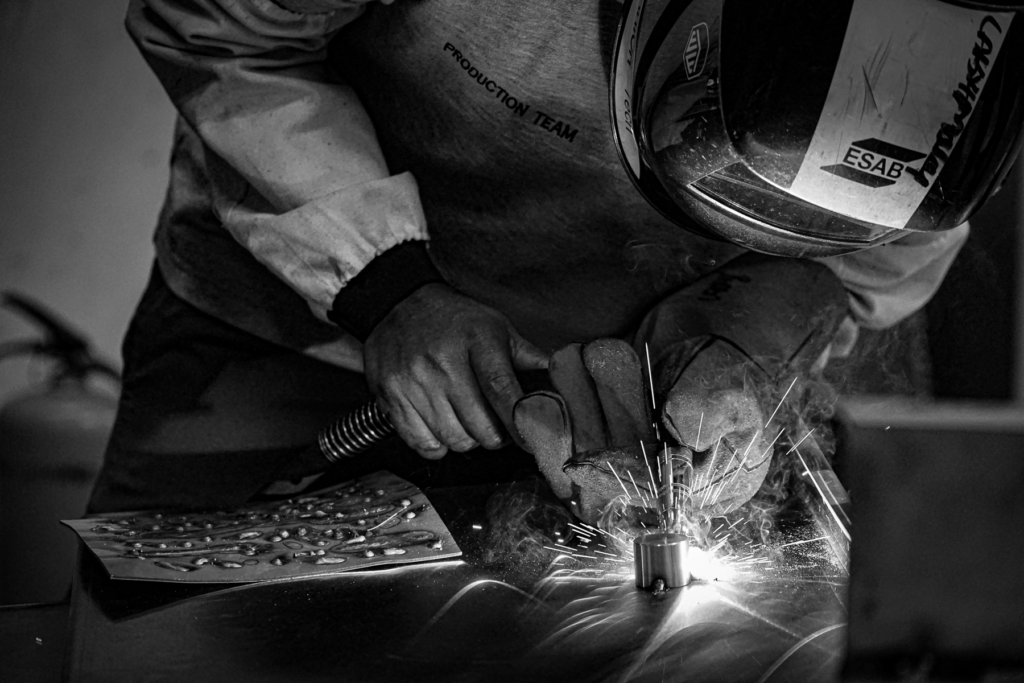
“Yla was conceived and developed in Dubai, and our pieces are produced locally in Jebel Ali using stainless steel and aluminium. This proximity between design, engineering, and production allows us to experiment, refine, and maintain a very high level of craftsmanship. At the same time, it reflects the spirit of the UAE itself: ambitious, international, and open to new ideas.”
In a global context marked by disruption and recalibration, this closeness becomes more than logistical. It becomes strategic. It allows for adaptability, for iteration, for continuity.
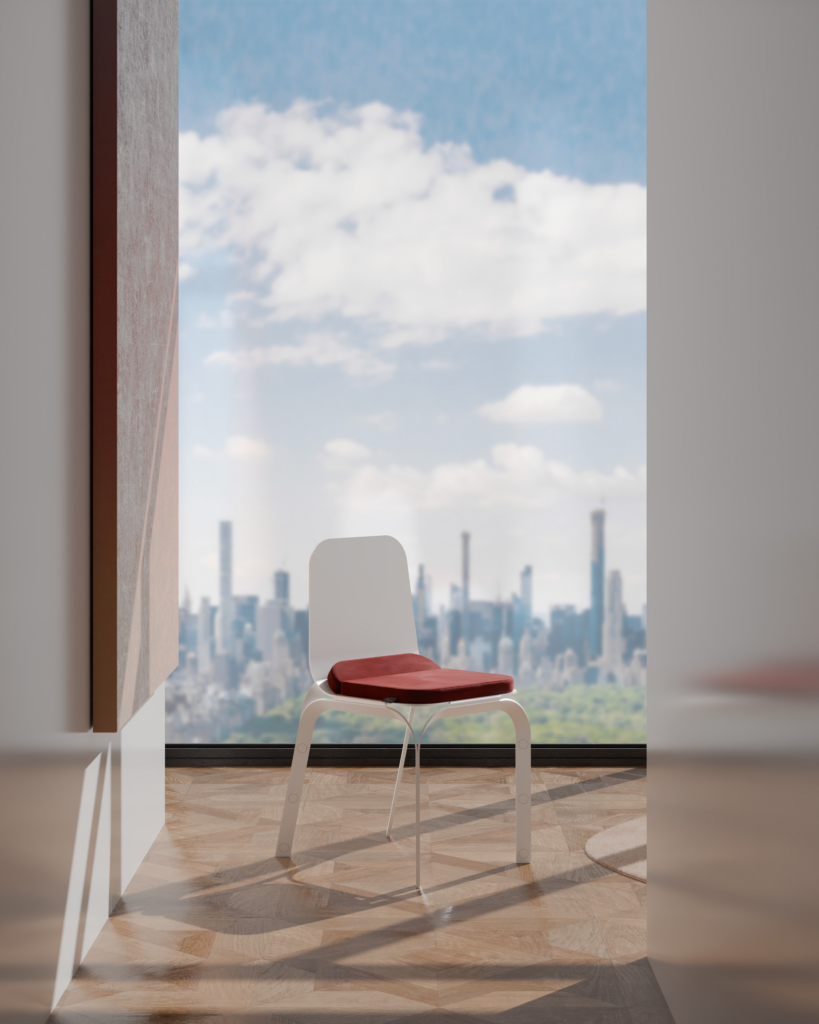
“Our approach is simple: we stay committed to our work while continuing to support the ecosystem around us. Our team continues to build, collaborate with architects and designers, and welcome visitors who want to engage with the brand.”
Dubai, in this sense, operates not only as a base, but as a lens. A place where production and presentation coexist.
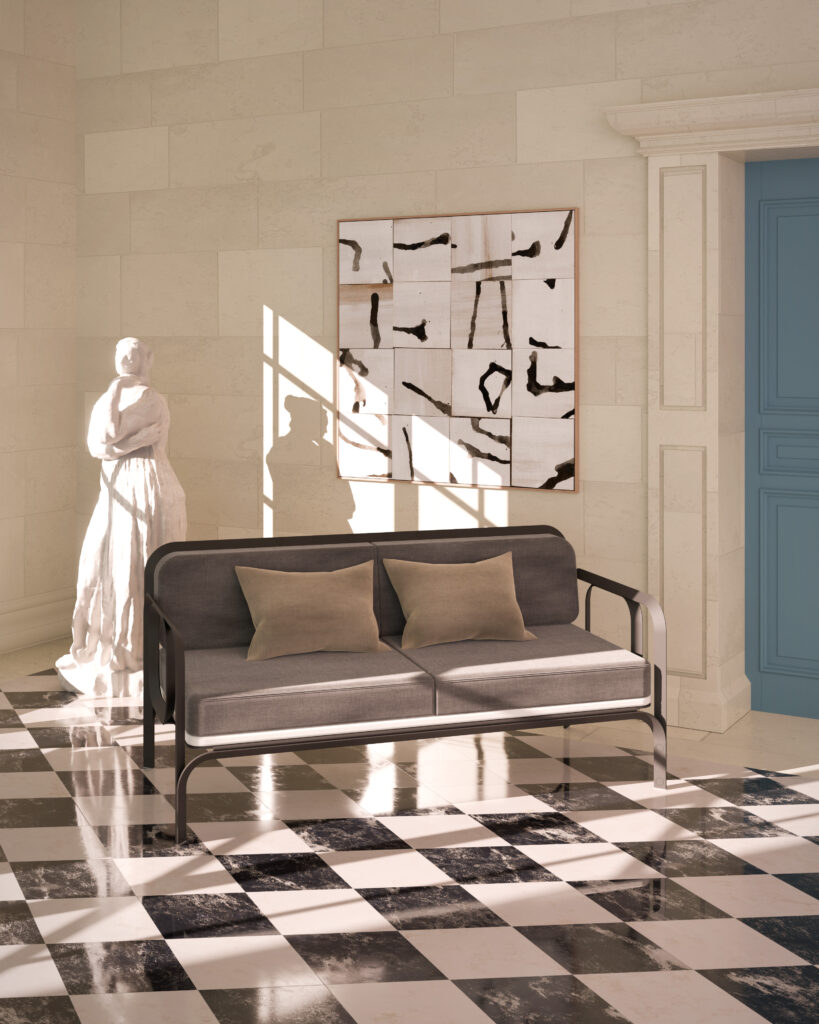
“Few cities in the world allow a founder to design, produce, and present a brand to a global audience from the same place. The city is also incredibly international. Designers, architects, investors, and entrepreneurs from many countries operate here, which creates a dynamic environment for collaboration and exchange of ideas.”
For Yla, this condition is not incidental. It is foundational.
“We design pieces inspired by nature and contemporary living, but we present them to a global community of architects, designers, and hospitality professionals who reside in or pass through Dubai every day.”
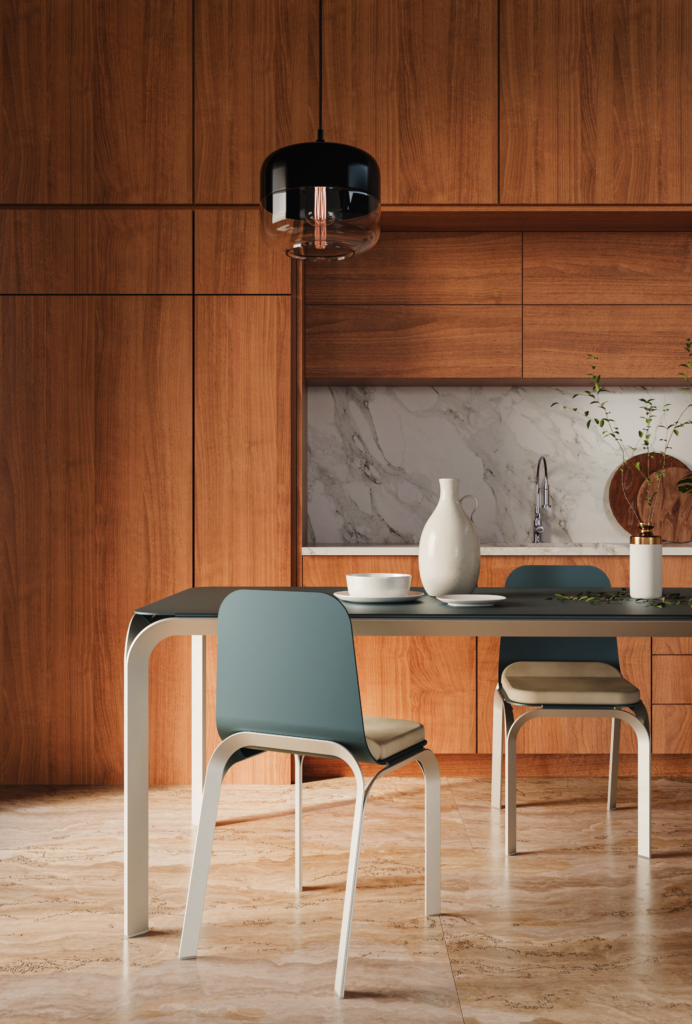
What emerges is a form of design that is neither regional nor detached from it. It is anchored in place, yet outward looking. A balance that increasingly defines the UAE’s creative economy.
“As the region continues to invest in culture, design, and architecture, locally developed brands can bring perspectives rooted in this region while remaining globally relevant. The next decade will see more brands emerging with the confidence to compete internationally.”
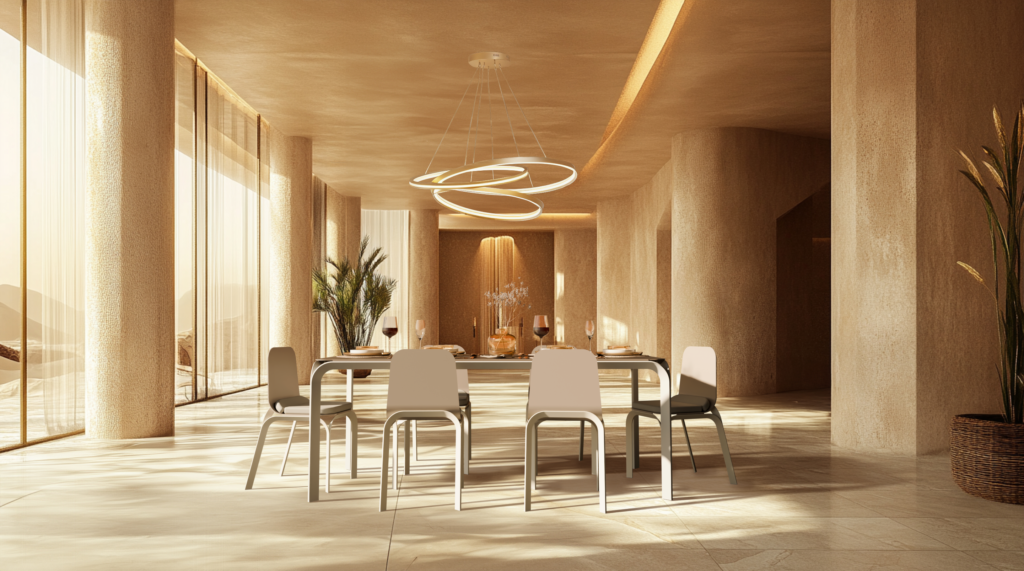
The trajectory of Yla follows this momentum. With new evolutions of the Audace collection and nature inspired colourways anticipated for Spring 2026, the brand positions itself not as a fixed statement, but as a living system.
“Design should evolve,” Rondard says. “It grows, it breathes, and it transforms.”
In this, Yla does not simply reflect a moment. It participates in shaping it.