Words By Allegra Salvadori
Casa Batlló, completed in 1907, is often admired for its fantastical façade and dragon-like roofline. Yet its real significance lies in Gaudí’s approach to design, which extends far beyond architecture. More than a building, it is a holistic study in how form, material, and function can merge into a coherent and innovative domestic environment.
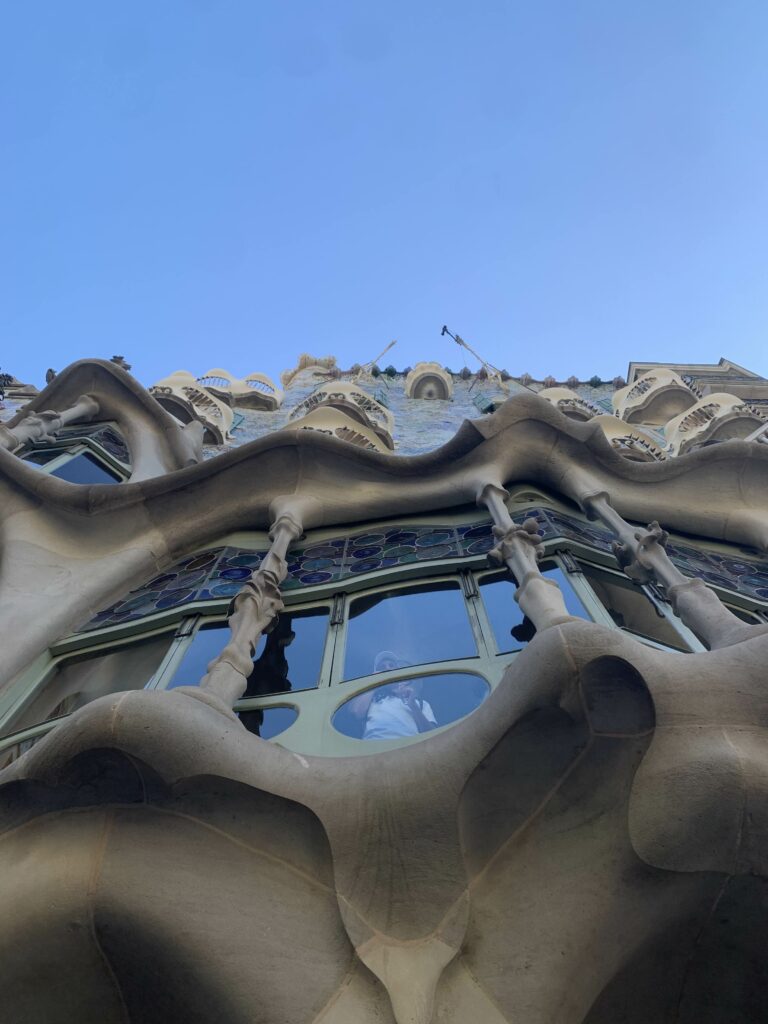
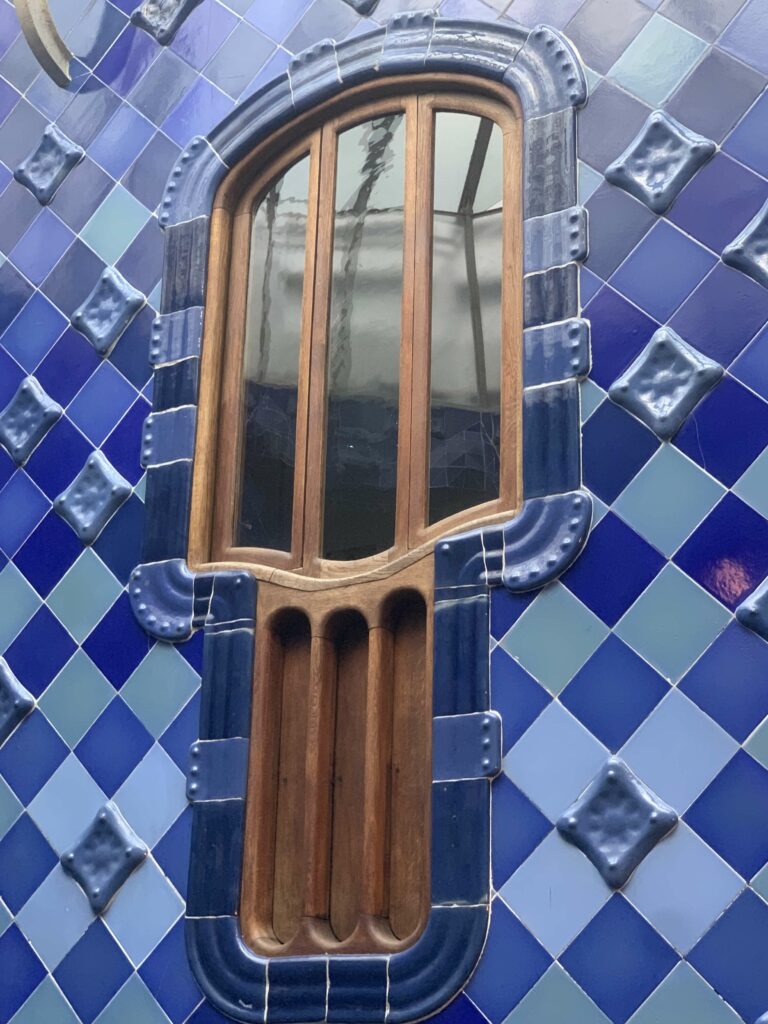
Gaudí did not construct Casa Batlló from scratch but transformed a conventional 19th-century townhouse into a total design project. He reshaped not only its structure but every object within it, treating doors, handles, ceilings, and staircases with the same attention as the façade. The doors and handles, sculpted in wood, were modelled to fit the human hand, combining ergonomics with visual harmony. The central staircase, with its smooth wooden banister curving like a spine, illustrates Gaudí’s ability to make functional elements sculptural without compromising comfort or use.
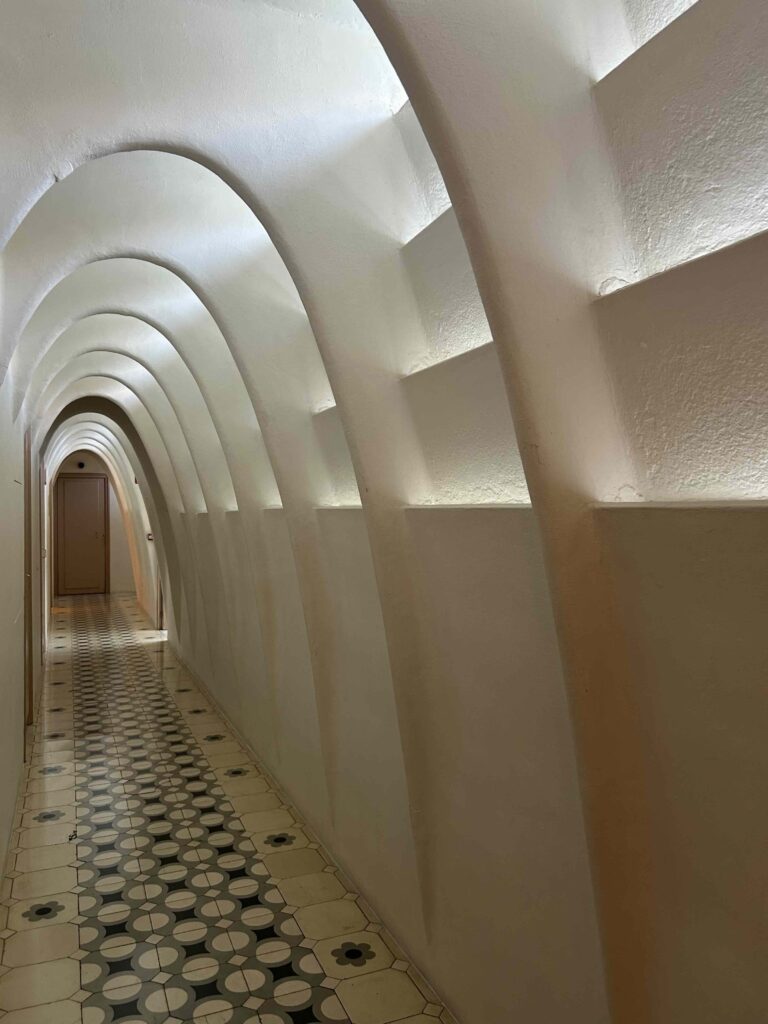
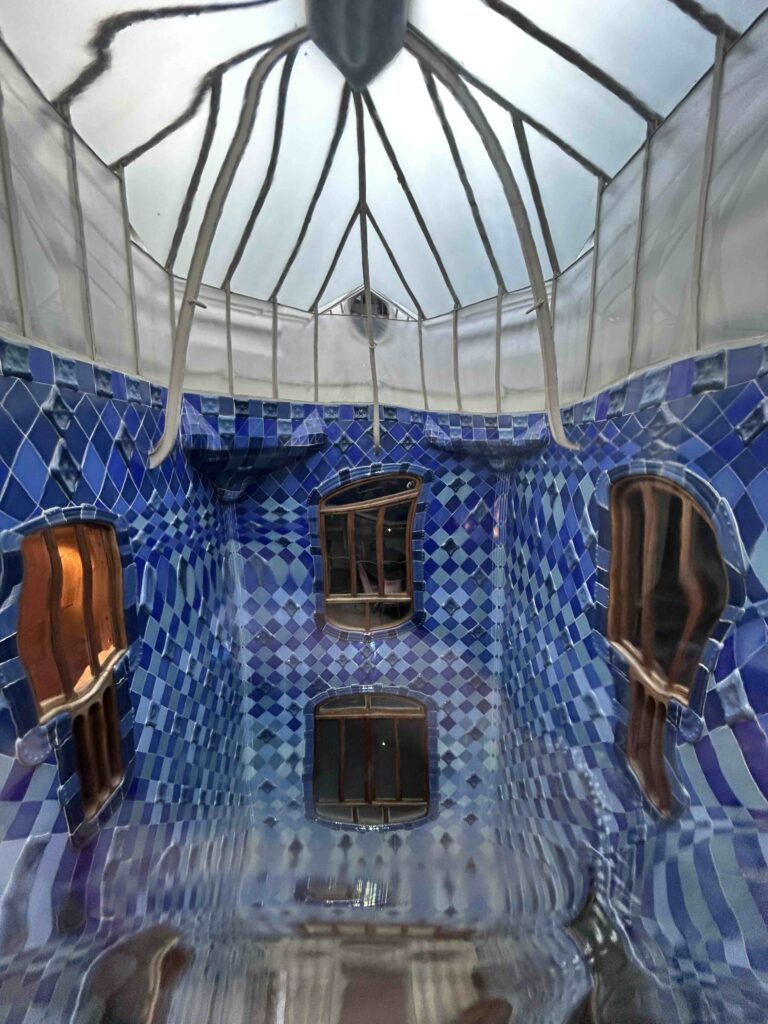
Material choices are equally deliberate. The central patio, lined with ceramic tiles shifting from dark to light blue, is designed to optimise natural light distribution across floors, not just for aesthetic effect. The trencadís mosaics, assembled from hand-cut ceramics and glass, are not purely decorative; their irregular texture captures and reflects sunlight, animating the interiors throughout the day. Even the roof, often celebrated for its dragon-like silhouette, operates as a designed surface, its mosaic cladding and sculpted chimneys integrating ventilation and weather protection into a visually striking composition.
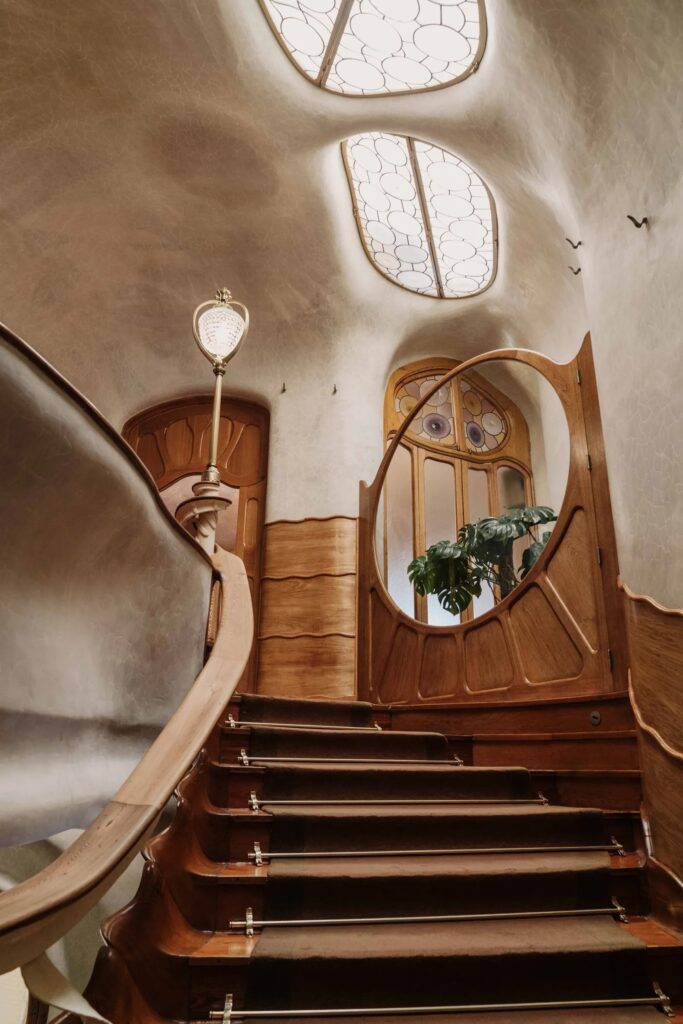
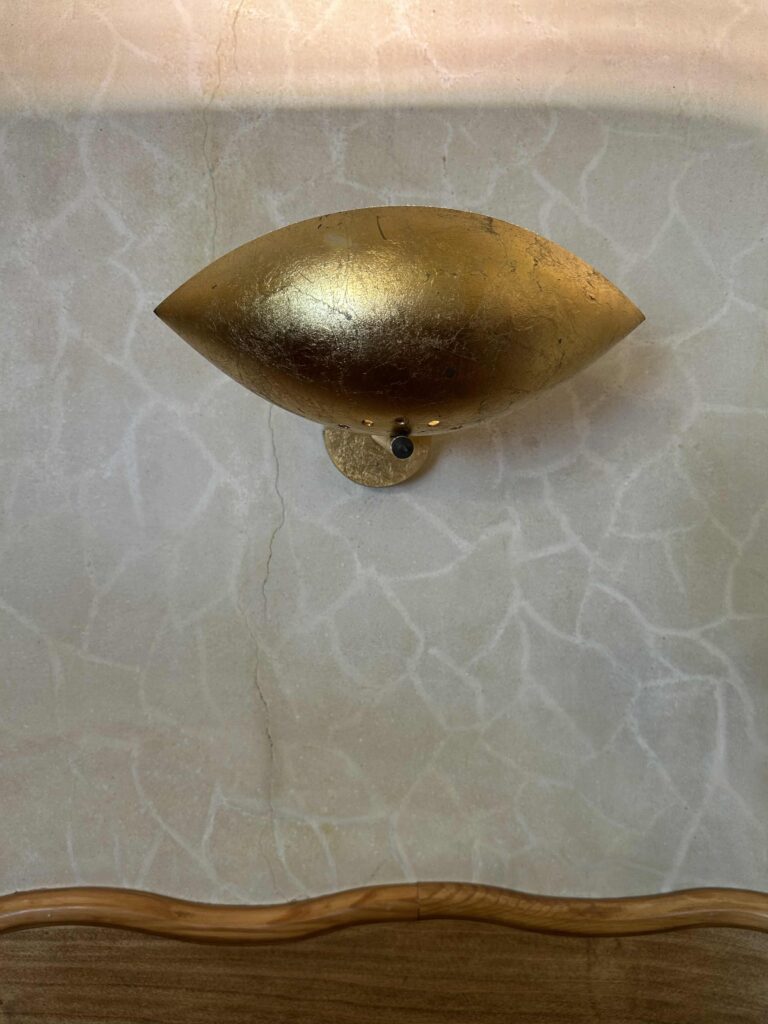
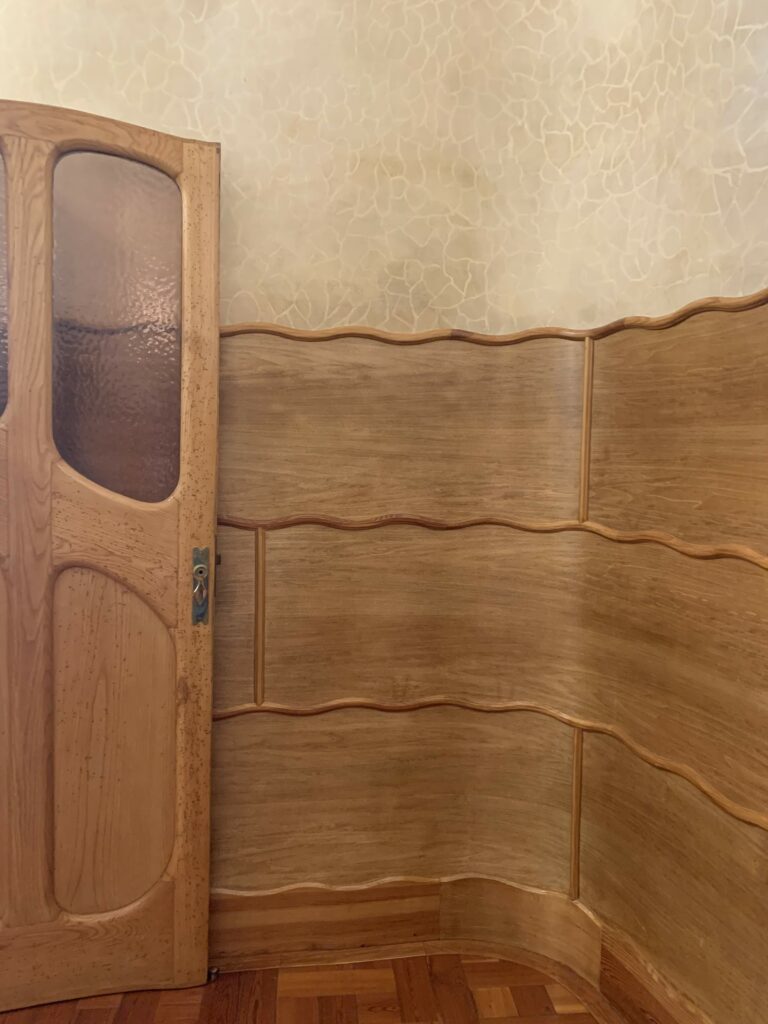
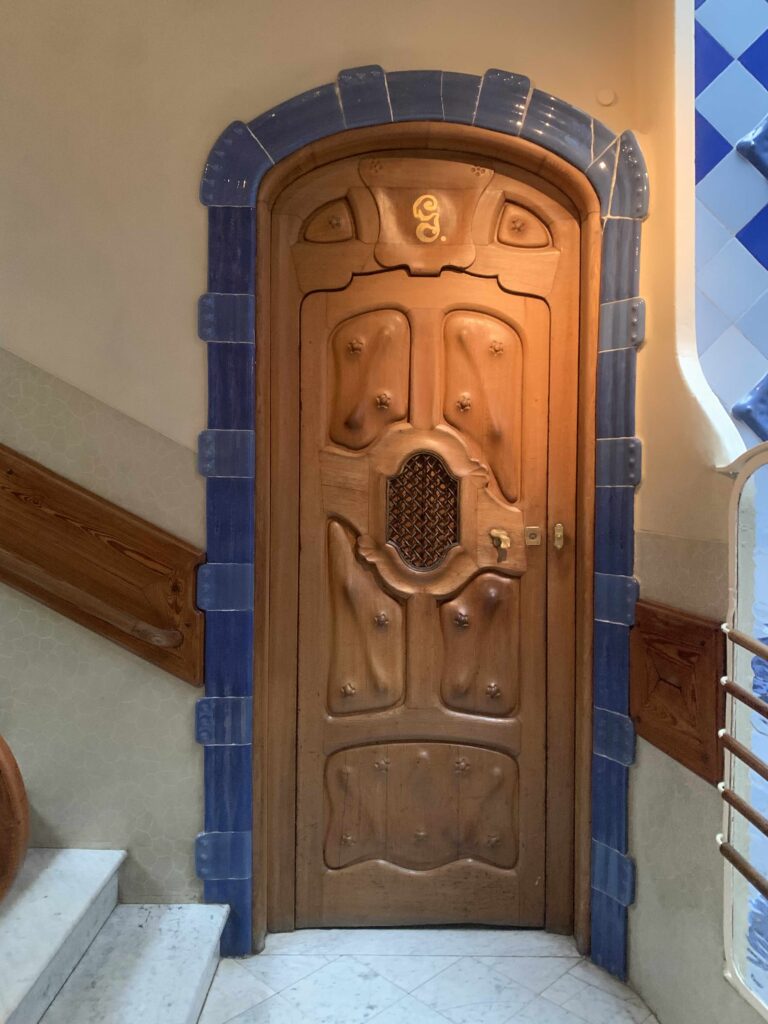
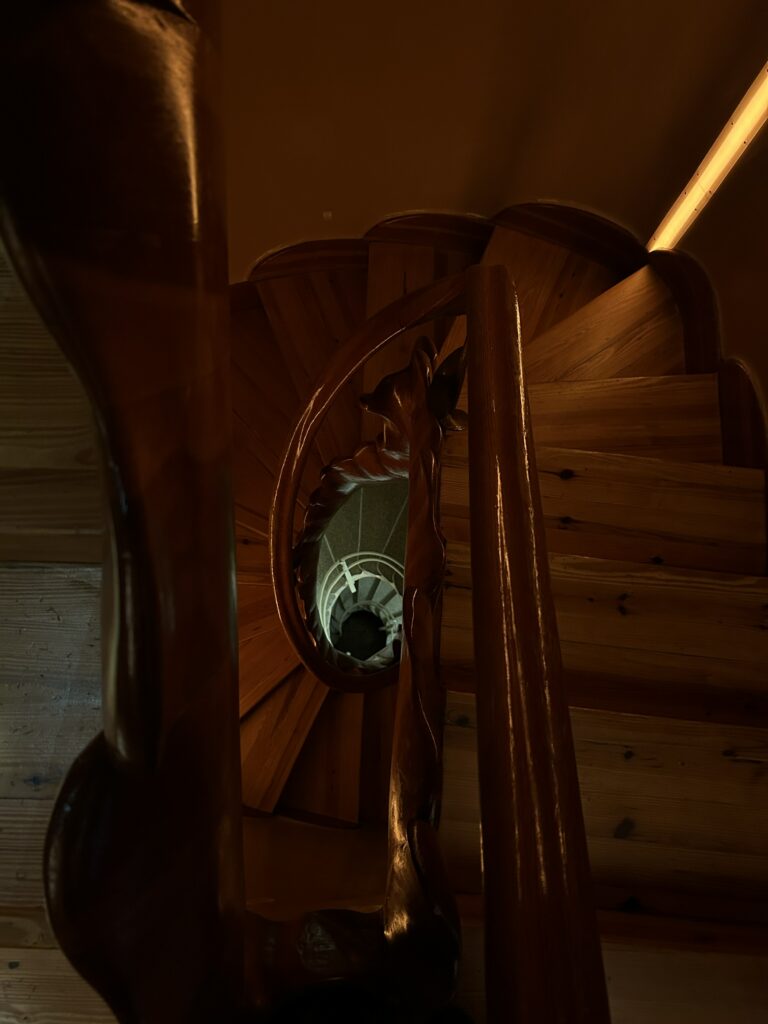
What makes Casa Batlló so compelling is how Gaudí unites these elements into a single vision. Every detail—from a handle to a skylight—reflects his belief that design should serve both function and sensory experience. Over a century later, the house remains a case study in how comprehensive design can elevate a private residence into a lasting cultural and artistic statement.