Words By Allegra Salvadori
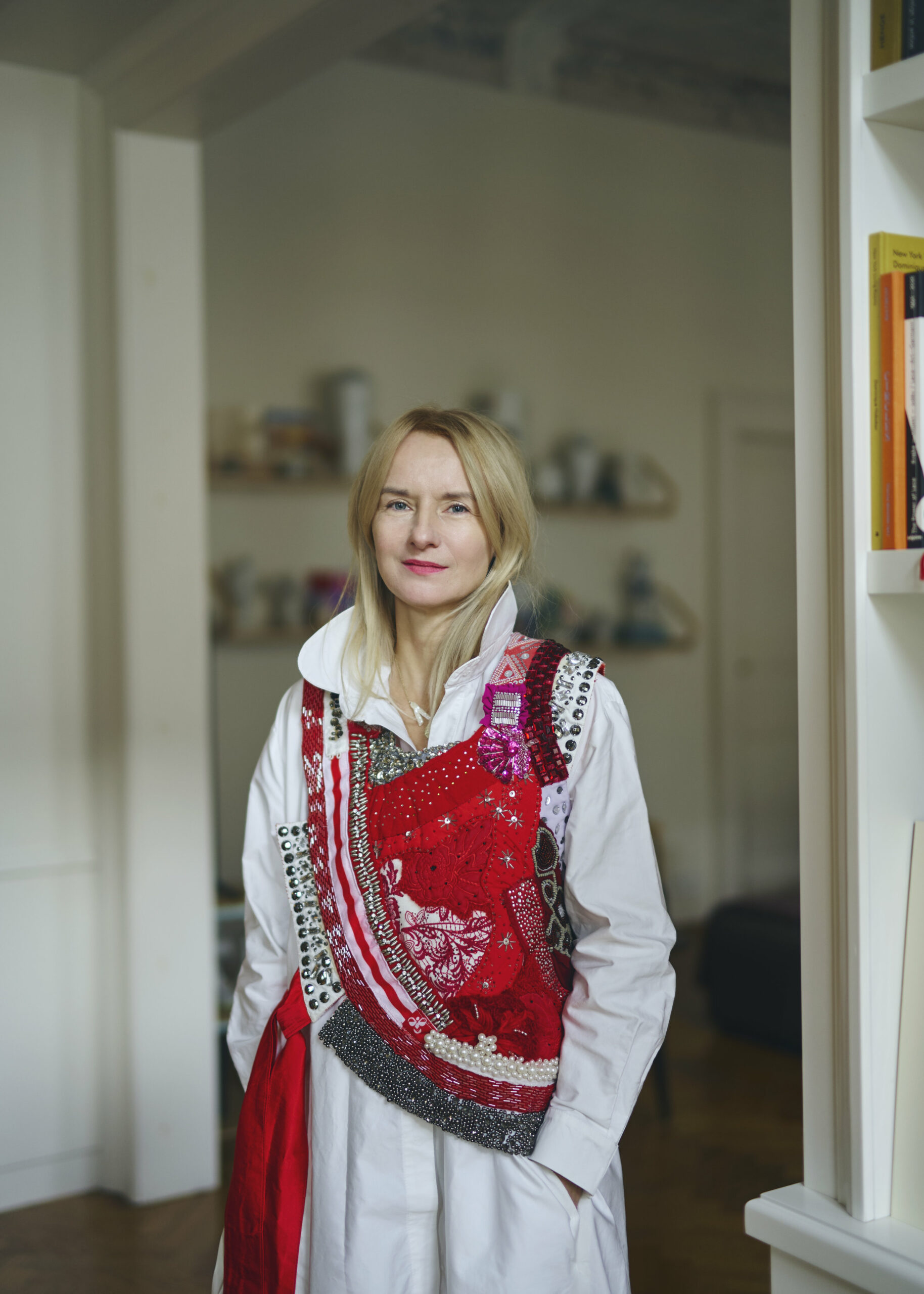
“Autumn is my favourite time of the year,” says Jana Zielinski, as she paints a scene that belongs more to memory than to map. “The leaves are beginning to colour, but not yet falling. The air smells of water and ground.”
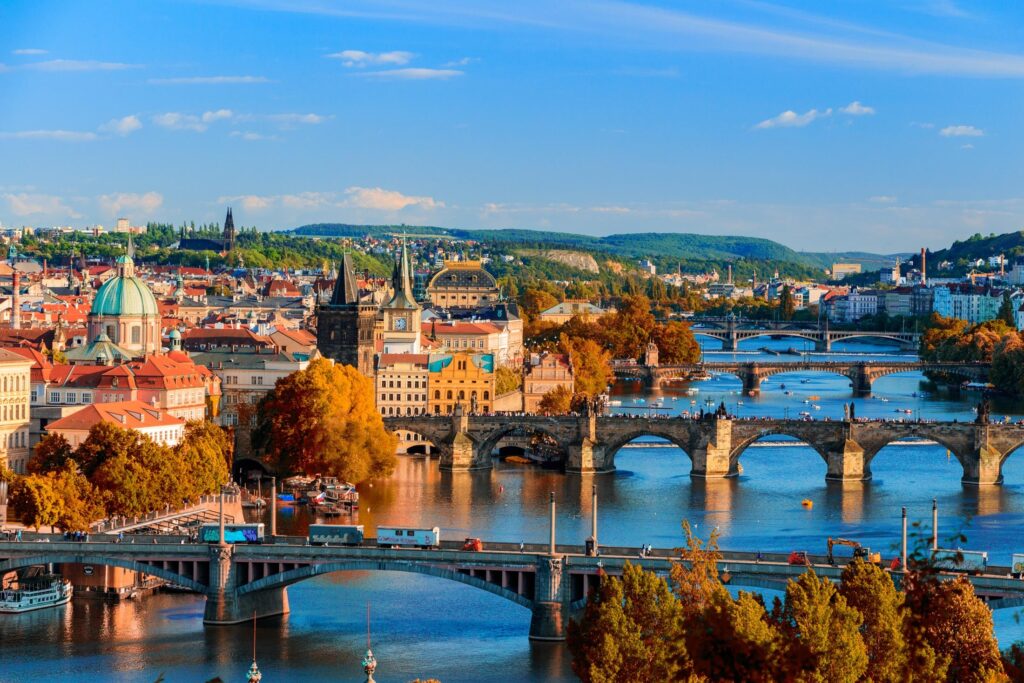
For the Director of Designblok, Prague’s annual international design fair, from the 8th of October to the 12th, the Czech capital is more than just a backdrop — it is a living palimpsest of histories, gestures, and atmospheres. It’s a place where design reveals itself slowly, folded into the rhythm of the day and the texture of old stones.
Zielinski lives in Malá Strana, one of Prague’s oldest districts. Her mornings often begin with a walk through Kampa Park, along the edge of the Vltava River. “The sun is bashfully shining through the mist coming from the river. You hear the sound of the water. There are just a few people walking their dogs. The tourists are still asleep. It feels like the rest of the world doesn’t exist.”
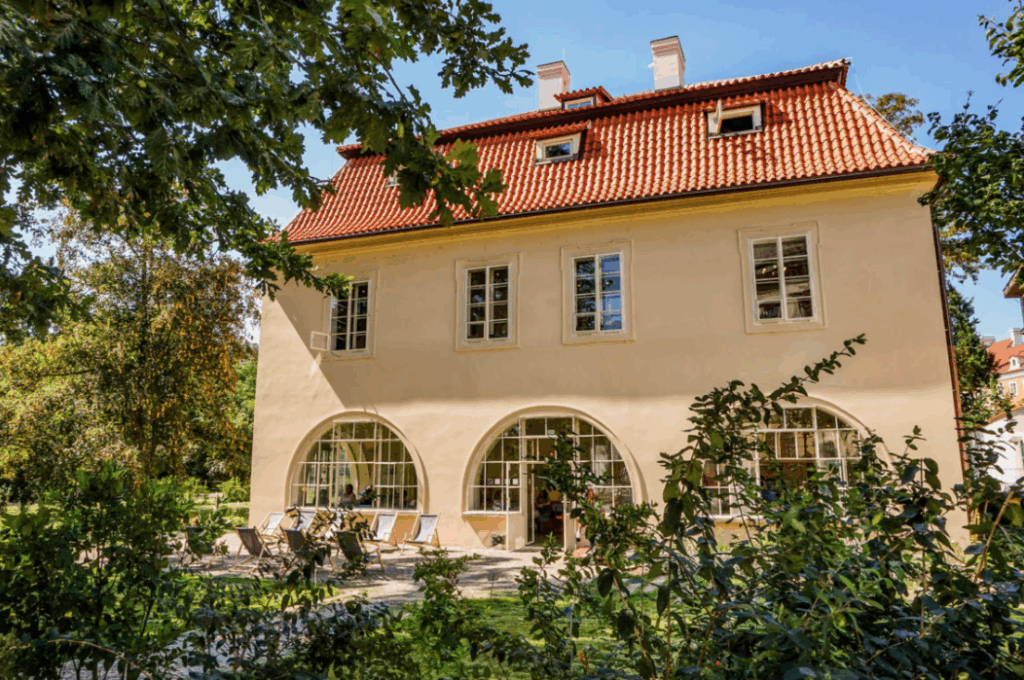
She suggests a stop at Villa Werich, tucked within the park, where she recommends coffee and “a small cake — though in reality, the cakes in this café are art pieces.” This is Prague as Zielinski experiences it: quiet, tactile, steeped in detail. A city that whispers more than it declares.
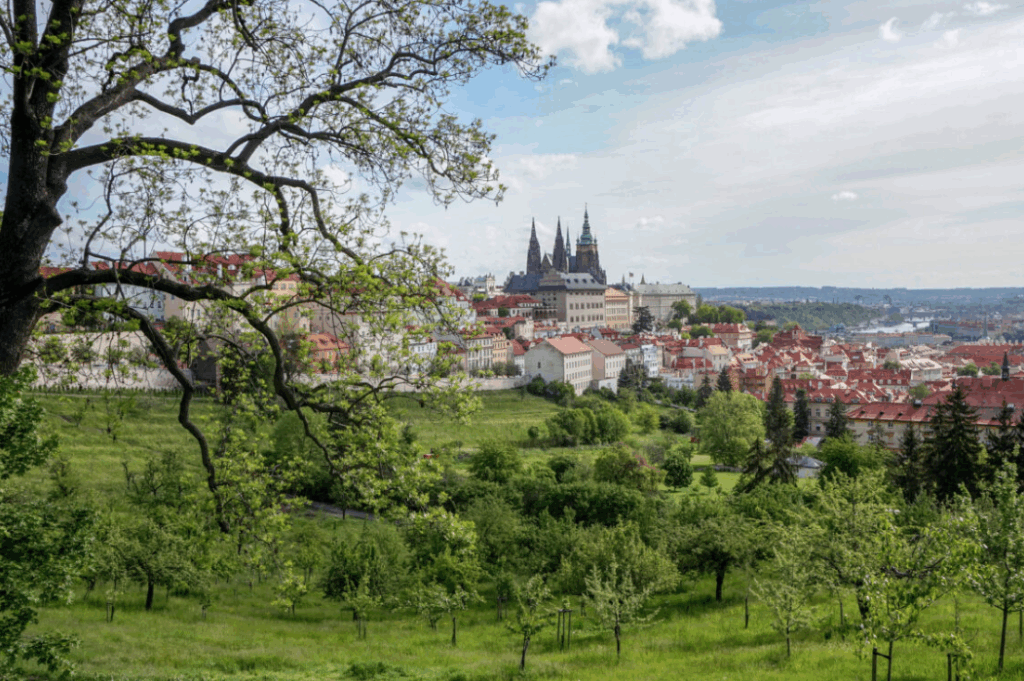
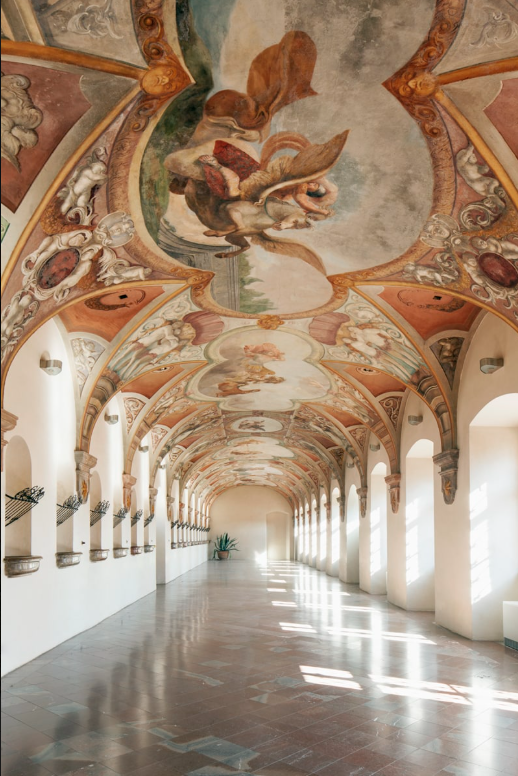
Her ideal walk through Prague begins on Petřín Hill, with its sweeping views over the river and the famous “hundred spires.” You can climb on foot or take the old funicular. From there, continue through the Strahov Monastery, down past private homes and hidden gardens, and into a small park called Holubička — “Little Dove.” There, you’ll find sculptures by Czech artist Krištof Kintera: miniature monuments to Czech architecture over the last 70 years. “Across the street, there’s the Kunsthalle — formerly an electrical transformer station — with a beautiful café on the third floor,” she adds. “It’s my favourite combination: old crème de la crème with the new one.”
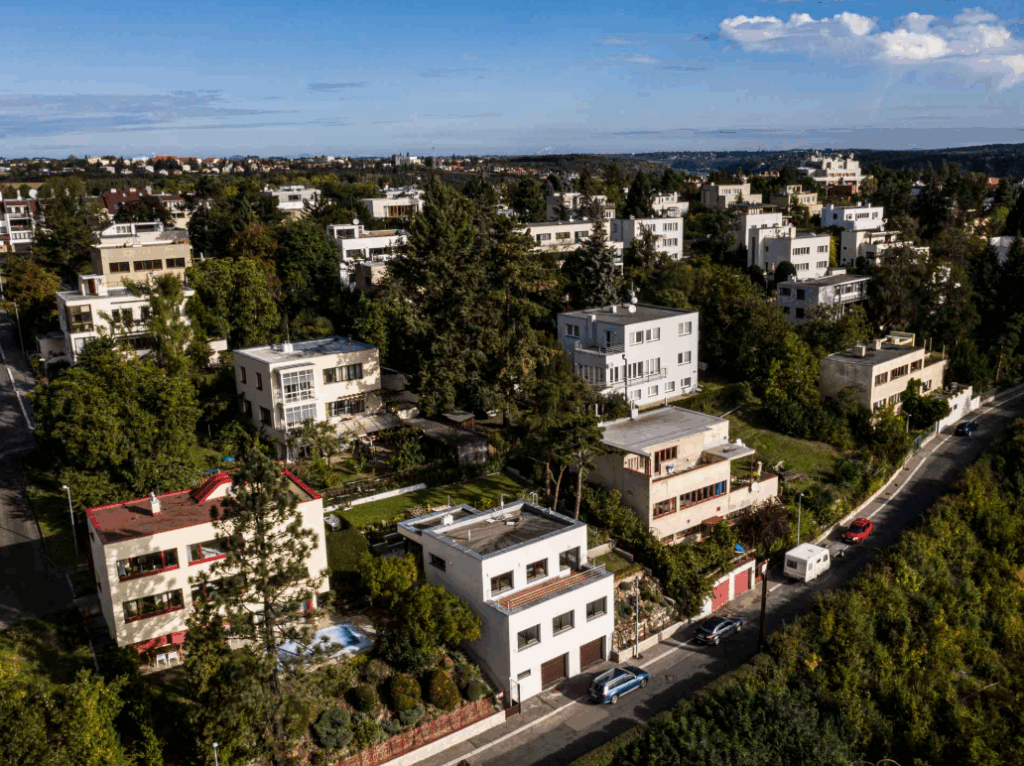
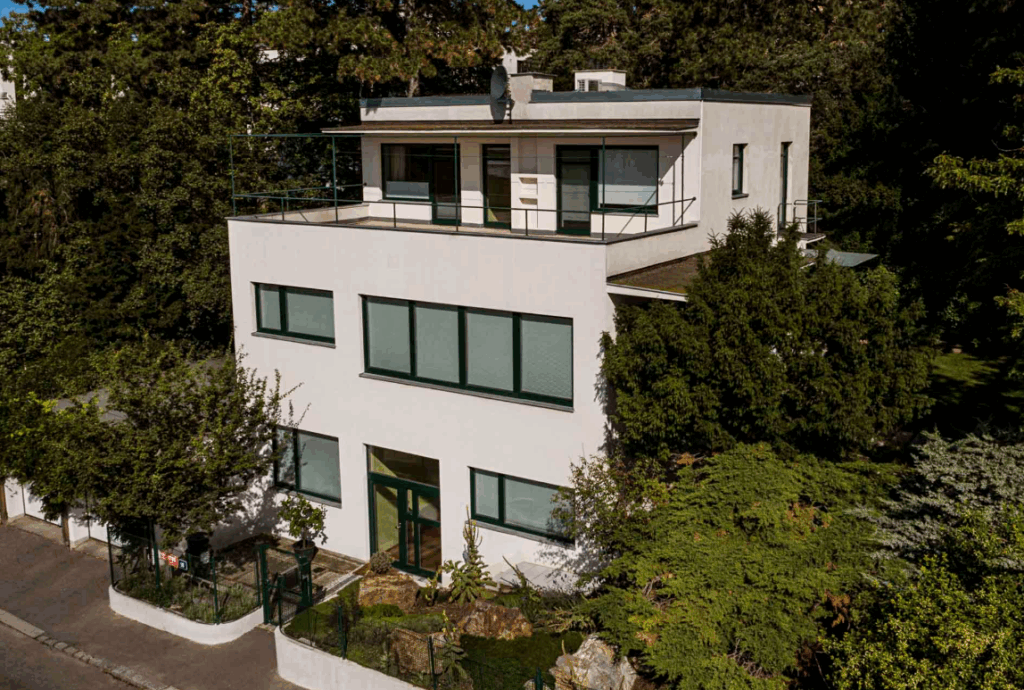
Zielinski is passionate about design as lived experience — and her Prague invites that kind of slow encounter. She suggests visiting the Baba Settlement in Prague 6, a 1920s–30s housing development often called the “Czech Bauhaus.” Built by some of the country’s most avant-garde architects for designers, artists, and intellectuals, the area still feels like a radical experiment in modern living. “It’s breathtaking — and still inhabited,” she notes.
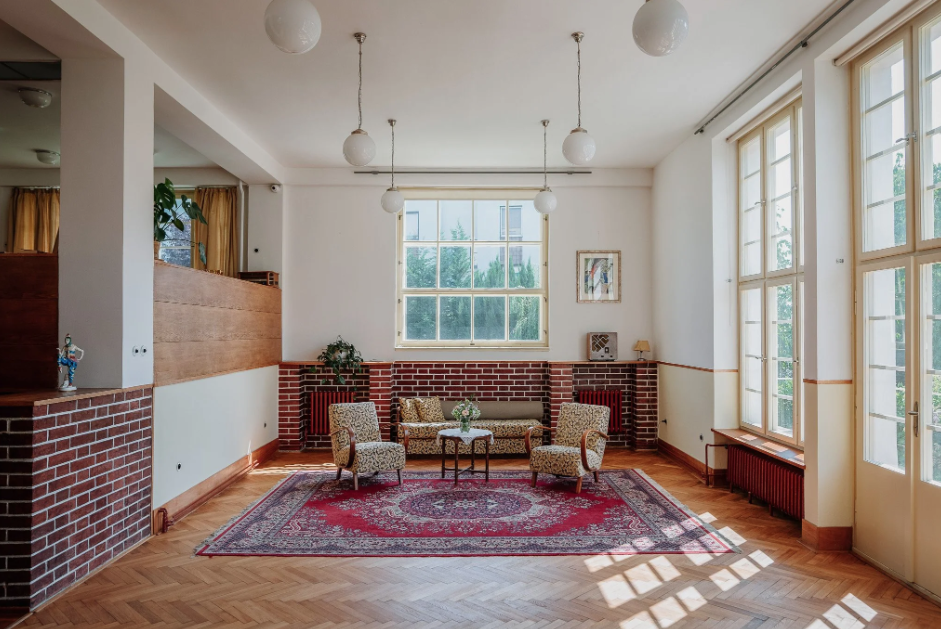
When asked about hidden masterpieces of design, she doesn’t name museums — but homes. “I love private villas from the interwar period,” she says. “The Müller Villa, the Winternitz Villa by Adolf Loos, the Rothmayerova Villa, and the Bílkova Villa, which is now a museum of František Bílek’s work.” All are open to visitors by reservation. “These homes hold the personal stories of Czech families, and at the same time, they trace the broader history of the nation in the 20th century.”
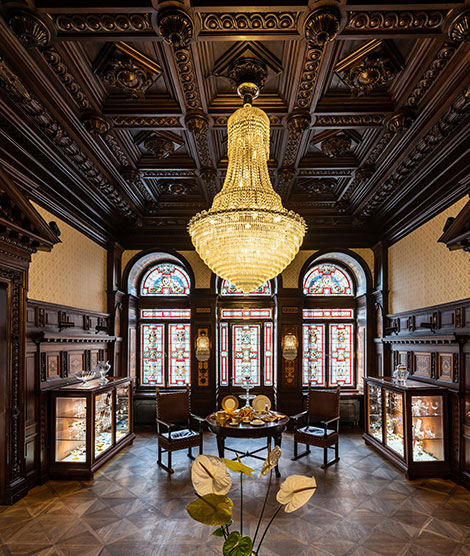
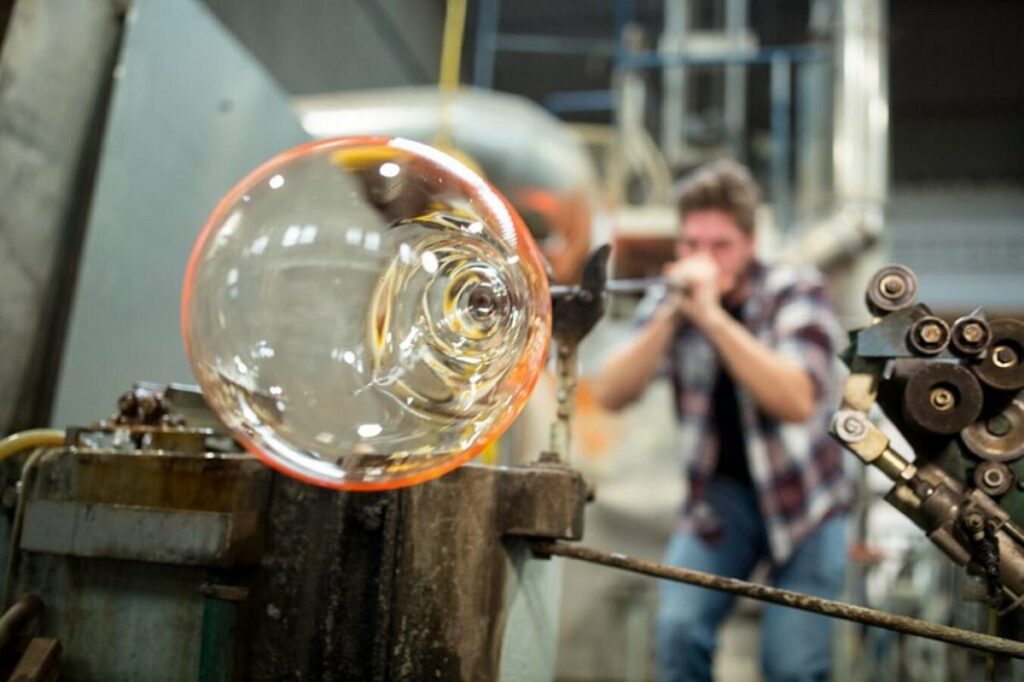
Craft is equally central to her map. At Moser’s flagship boutique in Na Příkopě, visitors can experience over a century of Czech glass artistry in a space that feels more like a grand salon than a store. “It’s an old historic apartment protected as a national heritage site,” she explains. For those wishing to dive deeper, she recommends a visit to the Rückl Glassworks in Nižbor, just 15 minutes from the city. “You can even try engraving the glass yourself,” she adds, “and there’s an outlet shop that’s absolutely worth it.”
When she craves beauty — in any form — Zielinski often returns to the Hradčany district near Prague Castle. “It’s all historical baroque and classicist houses, still inhabited. There are cafés, romantic corners, quiet squares like Tržiště.” For families, she suggests crossing Stromovka Park to the Prague Zoo — or even better, reaching it by boat on the Vltava.
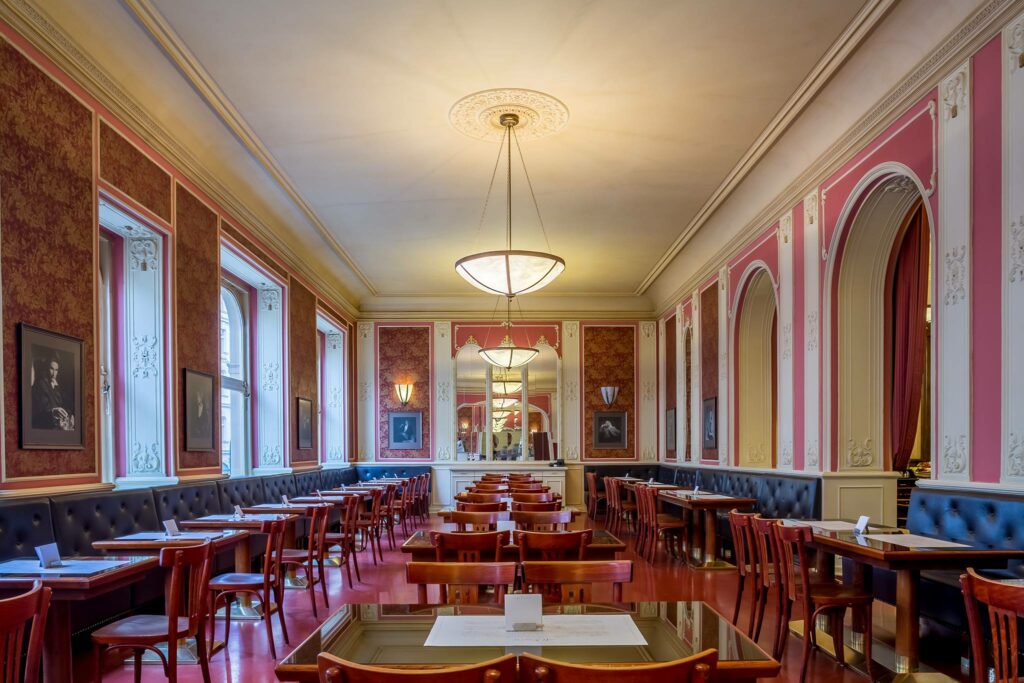
Her favourite places to simply be? “The cafés,” she says. “Villa Werich, again. Café Savoy. Café Letka, a hipster spot in a design-forward district. Or Café Louvre, where Kafka and Einstein used to sit.” And for those who want to follow the city’s contemporary culinary trail, she suggests browsing gastromapa.hejlik.cz, a curated map of the best gastronomic spots across the Czech Republic.
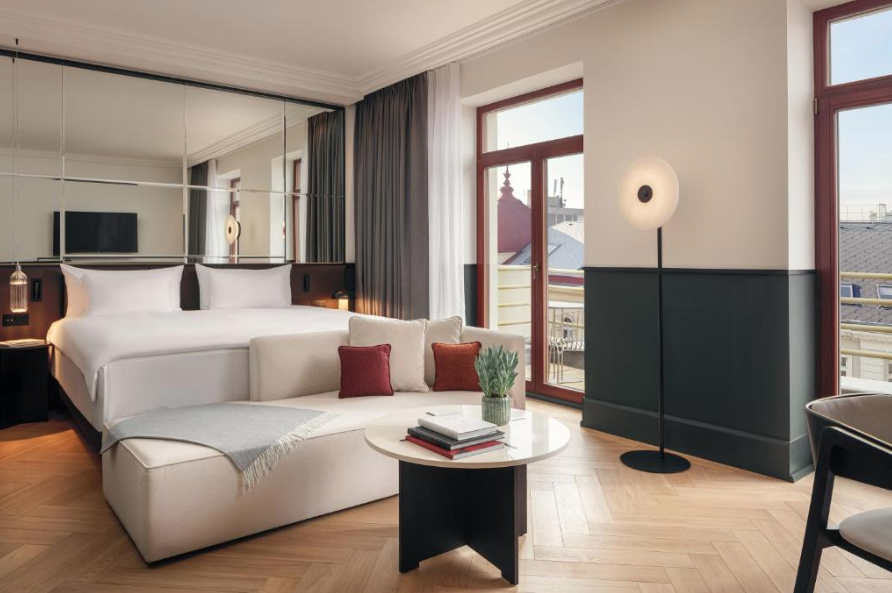
As for where to stay, Zielinski offers a trio of places that embody Prague’s layered character: the Almanac X Hotel, a revived modernist landmark in the heart of the city; the Fairmont Golden Prague, rich with Czech art and glass design, just steps from the luxury boutiques of Pařížská Street; and the W Hotel, formerly the historic Hotel Šroubek — a jewel of fin-de-siècle elegance reborn with energy and flair.
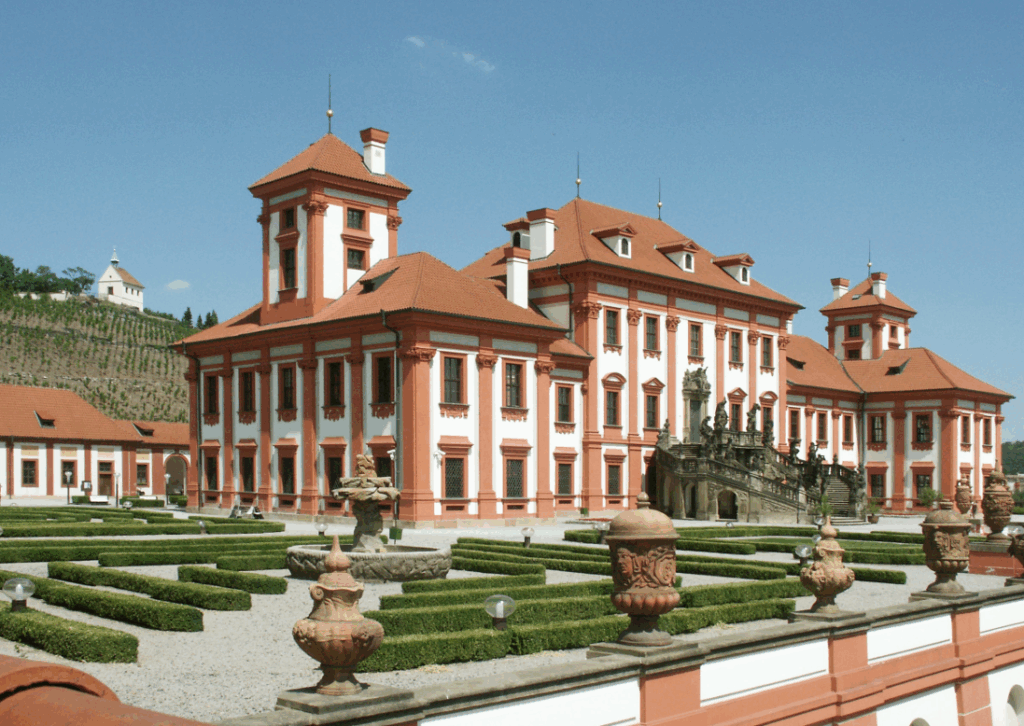
As the day winds down, Zielinski looks outward. “If I have time to leave Prague,” she says, “I go to the castles.” Her favourites include the romantic Červená Lhota, built on the water; the grand Lednice Castle, three hours from the capital; or, closer to home, Trója Castle, near the zoo. “It has a fantastic garden and beautiful exhibitions. It’s the perfect pause.”
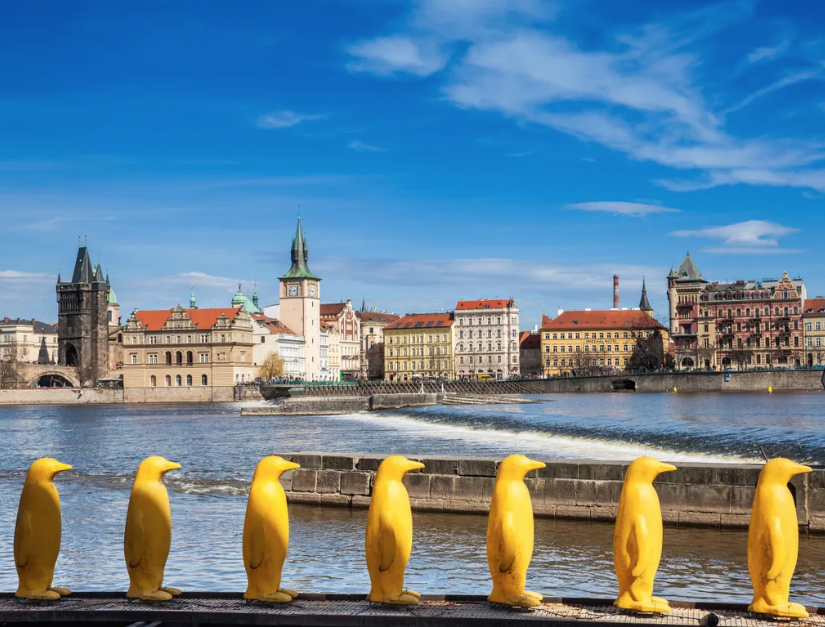
For Zielinski, Prague is not a city of big gestures. It’s a city of reverberations — where a single sculpture in a park, or the weight of light on a river, is enough to hold your gaze. And if you let it, it will shape how you move through space — with curiosity, stillness, and a touch of awe.