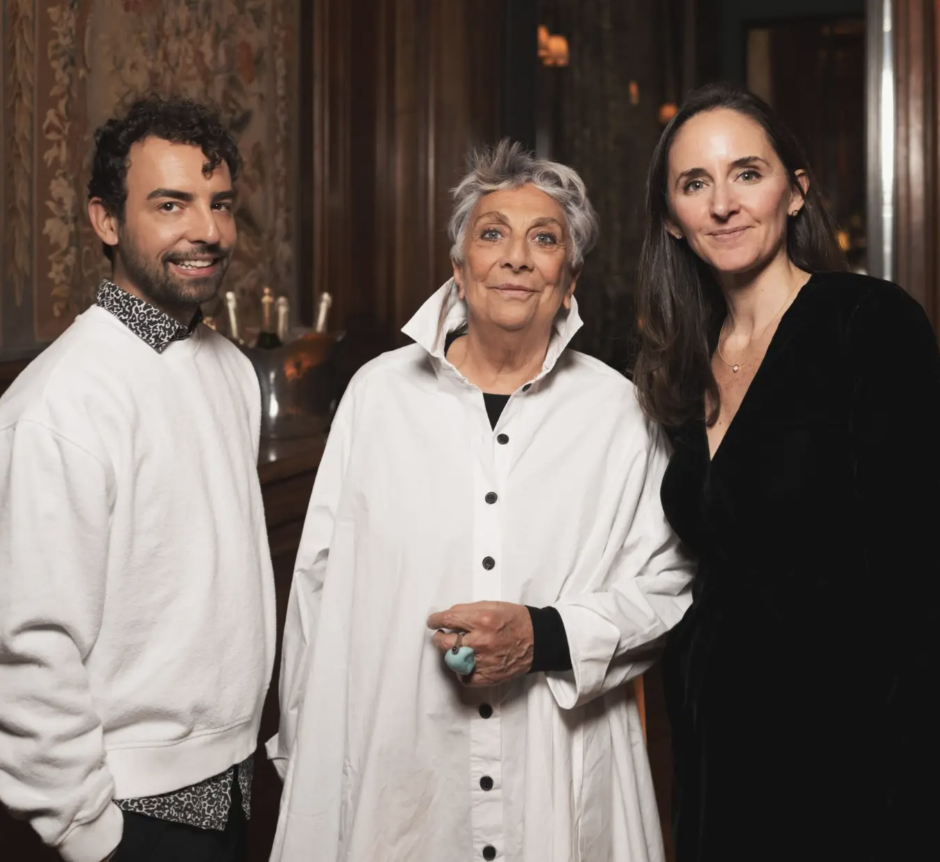
Words by Allegra Salvadori | Images courtesy of Say Who Jean Picon.
Julie Pradier, Marketing & Communication Director of Maison&Objet, is not just shaping the image of one of the world’s most influential design fairs — she is also rethinking the way visibility is given within the industry. With Women in Design, she has launched a global network that is less about “adding women” and more about seeing the women who are already there. From dinners in Paris and Dubai to awards in Hong Kong, her initiative is reframing how design is celebrated. I sat down with Julie to understand why she believes the industry is already female, and why she insists it should be called “Humans in Design.”
Julie, why did you create Women in Design in the first place?
Julie: We realized that women in the industry are already there. If you look at statistics in the US, 69% of people working in design are women, and only one third are men. In France, it’s 50-50. So it really is a women’s industry.
Yet when you look globally?
Julie: That’s where the gap shows. I did a quick exercise—if you Google “most renowned interior designer in the world,” you’ll find 17 men and just 5 women. Women are present, but they’re not visible.
So unlike tech, where it’s about bringing women in…
Julie: Exactly. In design, they’re already here. The real question is: how do we give them visibility?
And that’s why you launched Women in Design?
Julie: Yes. That was the starting point.
But you also stress that it’s not only about women…
Julie: Right. We shouldn’t even call it Women in Design—it could be Humans in Design. The point is, it’s a network of both men and women working to give women the visibility they deserve. Sometimes men would ask, “Why am I invited to a Women in Design event?” At first I was surprised. But I realized it’s important to explain: this isn’t against men. They’re part of the story. They should support women, not feel threatened.
How did you bring the idea to life?
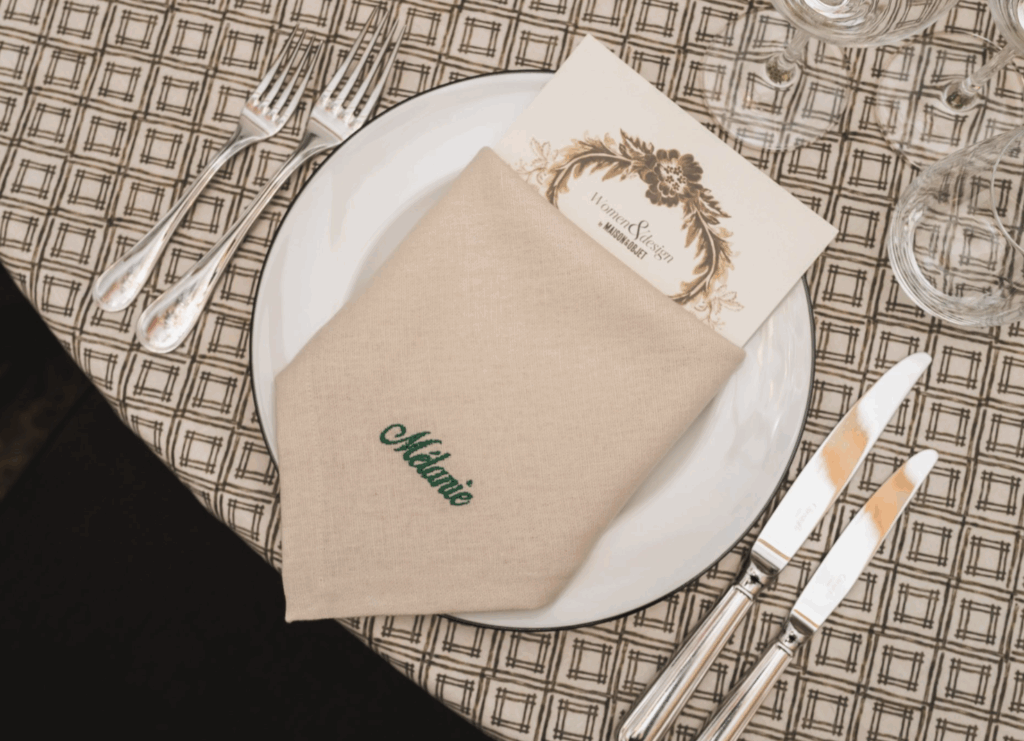
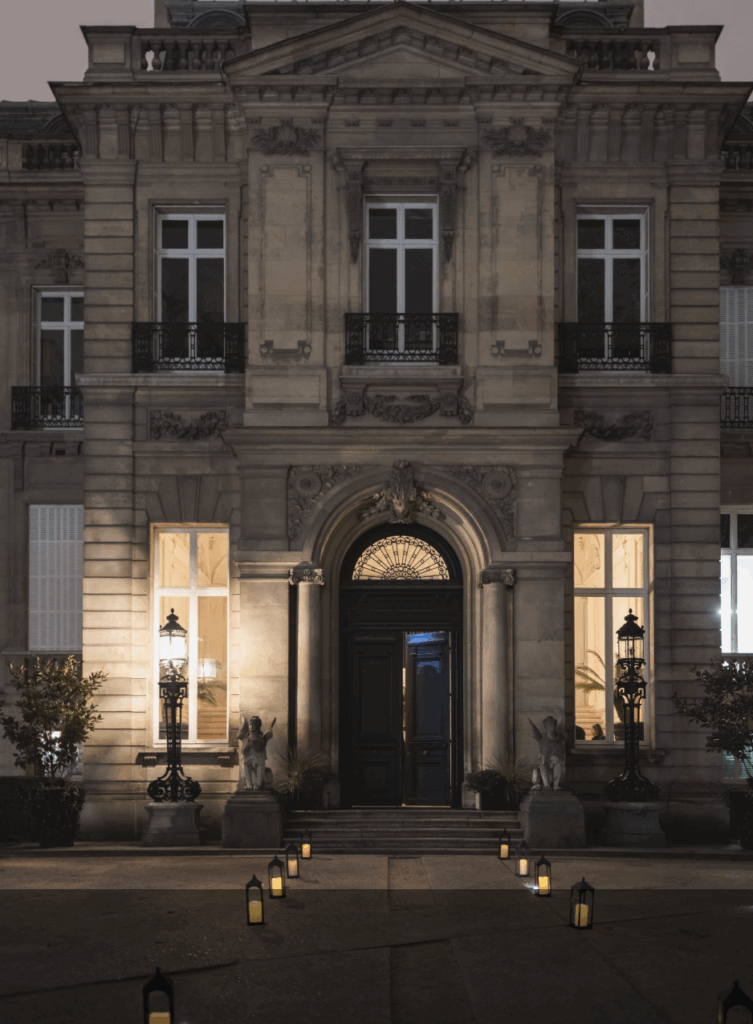
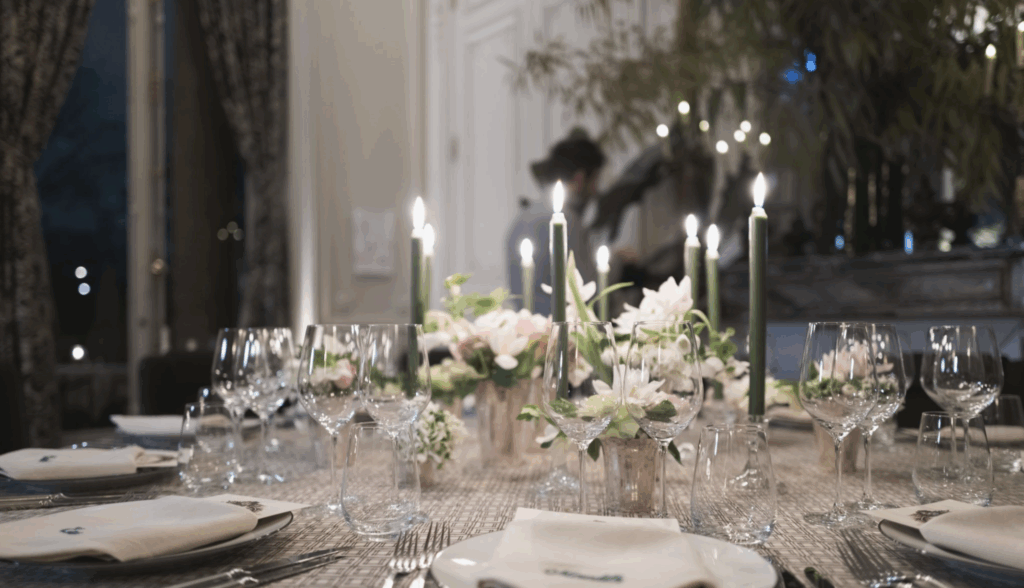
Julie: We started with dinners. Six so far: two in Paris, one in Dubai, one in New York, one in Munich, and one coming up in Hong Kong. And Saudi is on the list—we know we’ll do it there, even if we haven’t yet decided with whom.
And who comes to these dinners?
Julie: They’re eclectic by design. Mostly women, but men too. Interior designers, fashion designers, artists, media. Maison&Objet has a 360° view of decoration—we’re not a manufacturer’s fair, we’re not a technical solution fair. Our dinners reflect that breadth.
In Paris, for example, we had fashion designers and Thomas Jolim, artistic director of The Gaze. The mix is inspiring: ideas, culture, different perspectives. About 30 people per dinner—so across six dinners, almost 200 humans.
Humans, not just women.
Julie: Exactly. Humans at the dinners.
And after the dinners came the awards?
Julie: Yes. That was the second step: the Innovation Award. We had a jury, with three candidates per region—Middle East, Asia, US, and Europe. Then we selected one international winner and one French.
Two women stood out. In Hong Kong, Elaine—she works in fashion, mixing fabric and new technology to create pieces that are almost artworks. And then Sophie Salager, who took over La Manufacture de Couleur, an old porcelain house, and is reviving it for today. Elaine is more of an artist, Sophie more business-driven—they’re complementary.
What’s next for Women in Design?
Julie: We’ll continue the dinners and the awards. But we don’t want this to be a passing trend—we want to expand, include more women and men, and find new ways forward.
And of course, communication is key. With over a million followers on Instagram and 500,000 subscribers to our newsletter, we can give visibility quickly. We share stories of women doing innovative, inspiring work, both in newsletters and on social media.