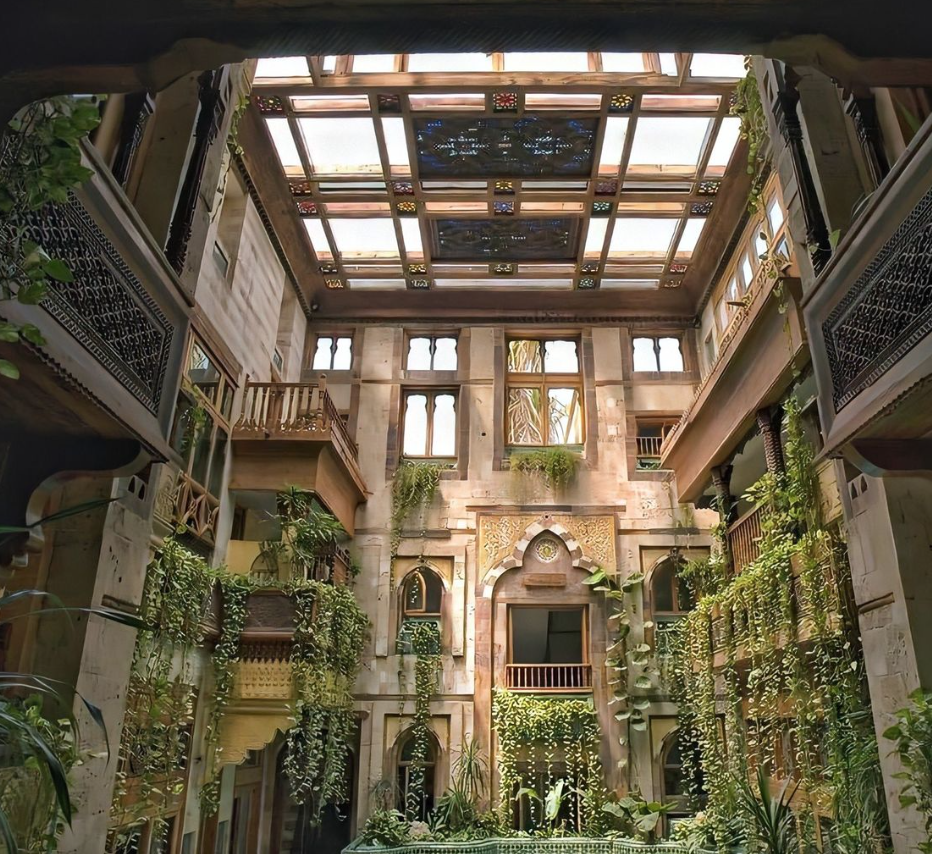
Words by Allegra Salvadori | Photography courtesy of Sami Angawi Architects; additional imagery via public archives.
In Jeddah, along the shimmering coast of the Red Sea, architect and cultural historian Sami Angawi has given shape to an idea that has guided him for a lifetime: Al-Mizan — the balance between body, soul, and environment. His residence, Dar Al-Makkiyah, is less a private home than a philosophical experiment in built form, where architecture becomes a meditation on harmony.
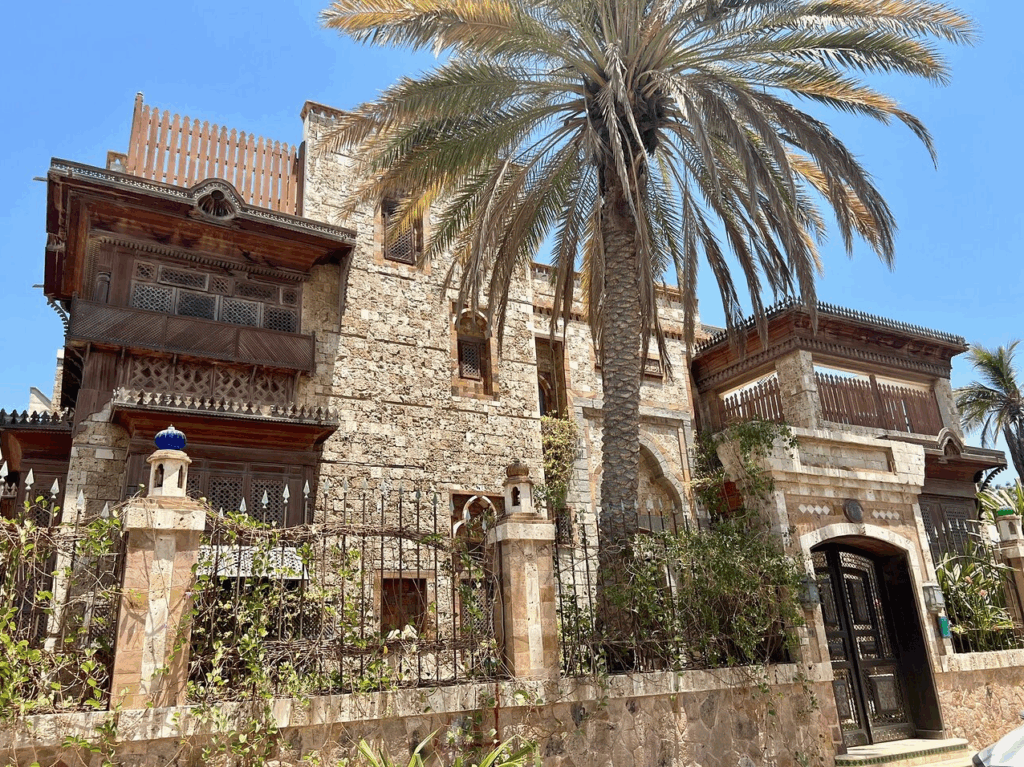
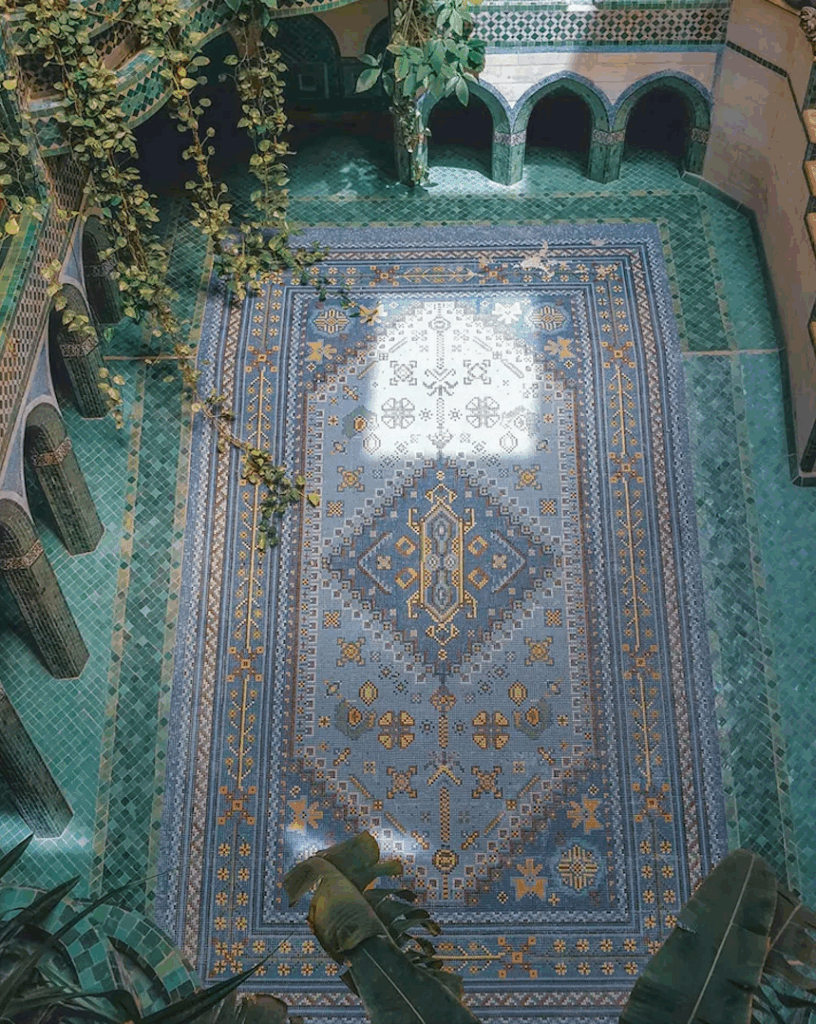
The house draws on the language of Hejazi architecture, reinterpreting its coral stone walls, lattice-screened windows, and shaded courtyards for the present day. Light is filtered through carved wood and colored glass; air circulates through spaces arranged for both privacy and openness. At its center, a tranquil pool reflects the sky, uniting water and geometry in a constant dialogue between the natural and the crafted.
Angawi’s design ethos was formed through a life that bridged cultures and disciplines. Educated in the West yet deeply rooted in the spiritual landscape of Makkah, he absorbed lessons from architects such as Hassan Fathi and Frei Otto, whose humanist approaches reinforced his belief that design must respond to both climate and culture. His long academic and professional work — from urban research to heritage preservation — has consistently sought to reconcile tradition with innovation, faith with modernity.
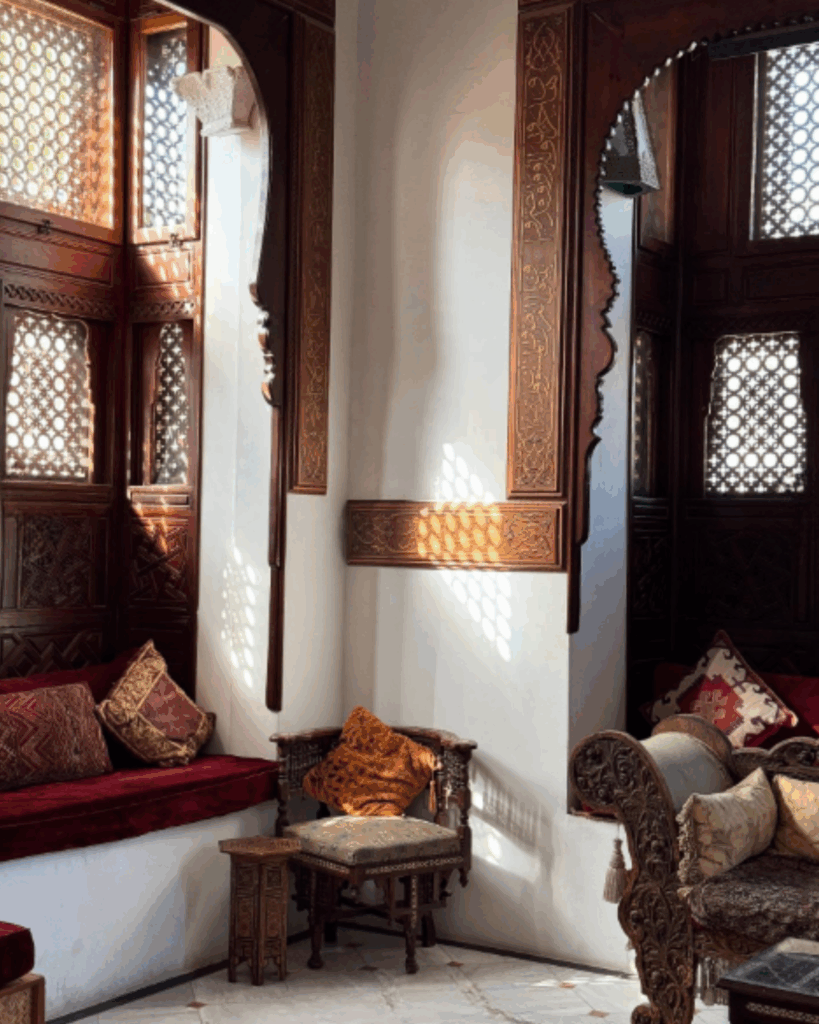
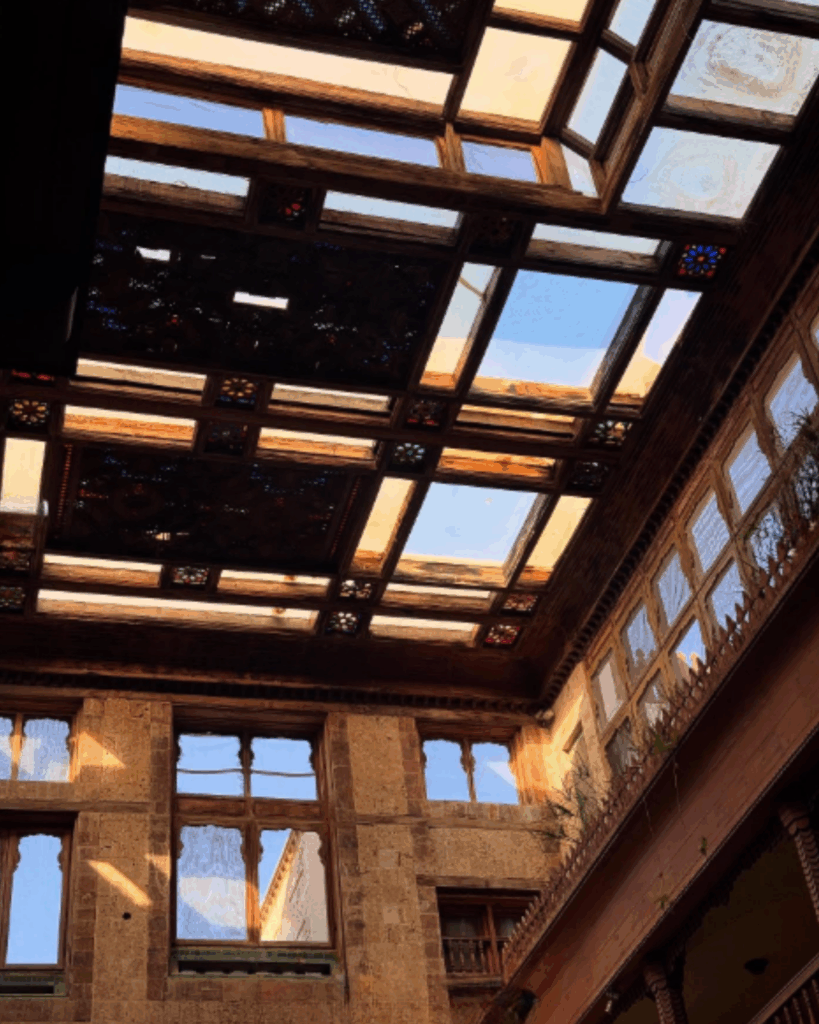
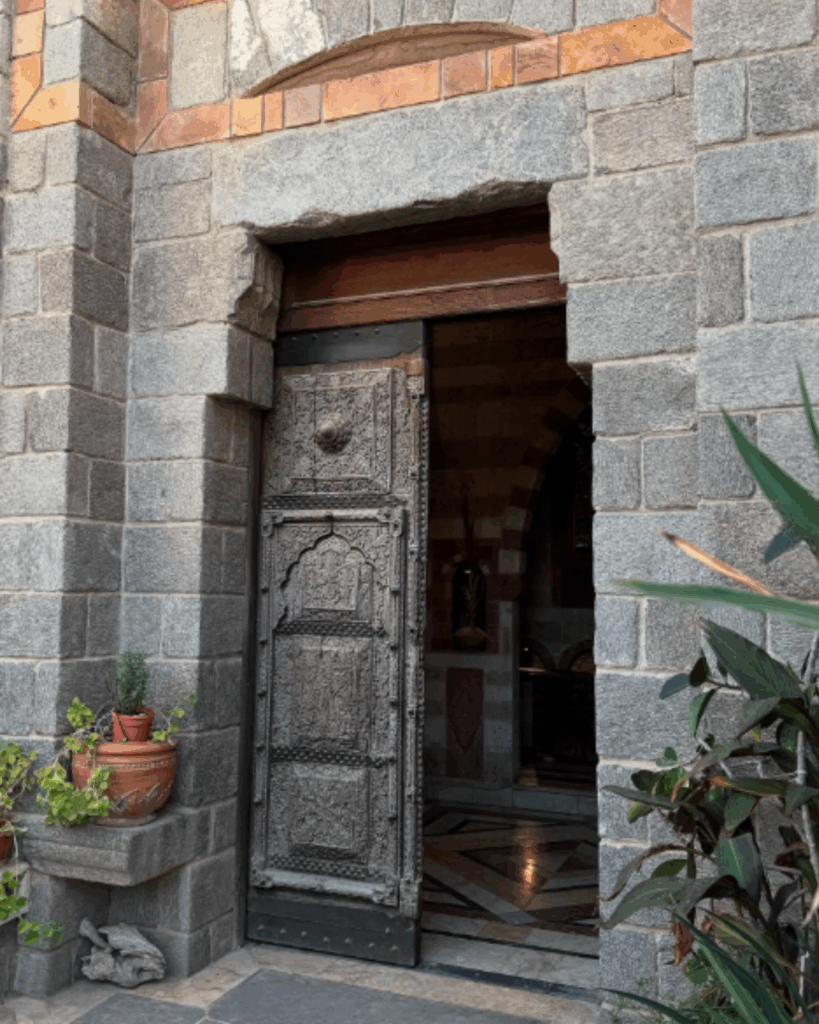
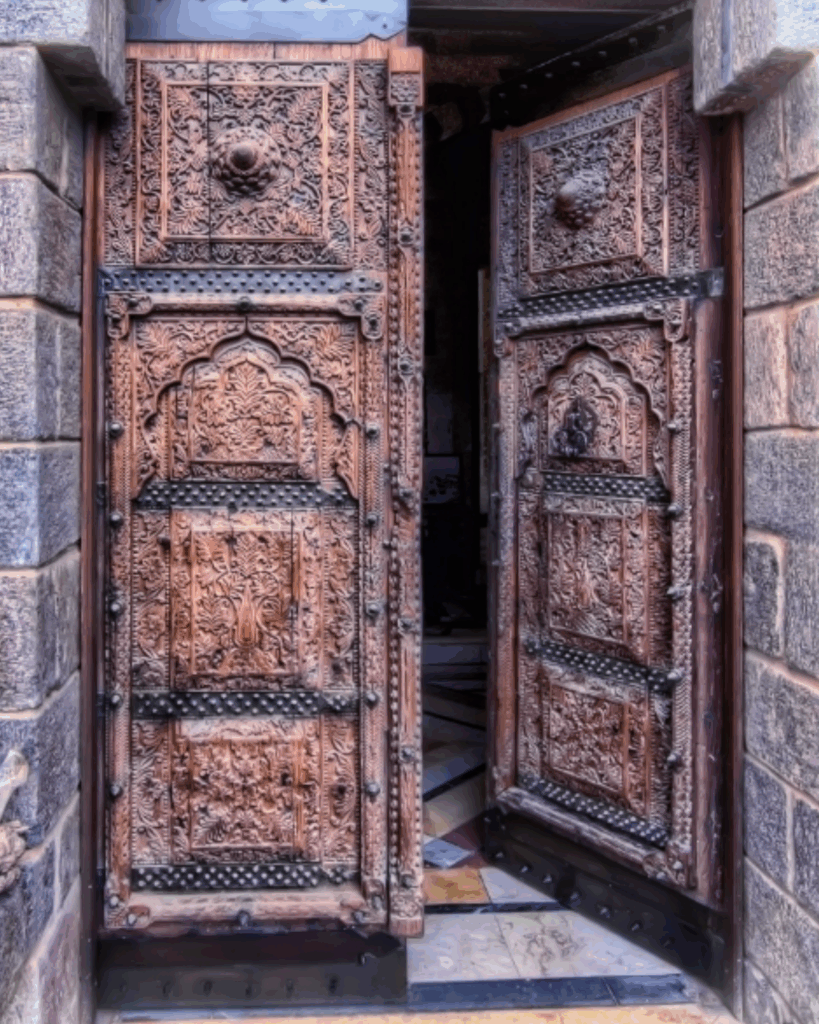
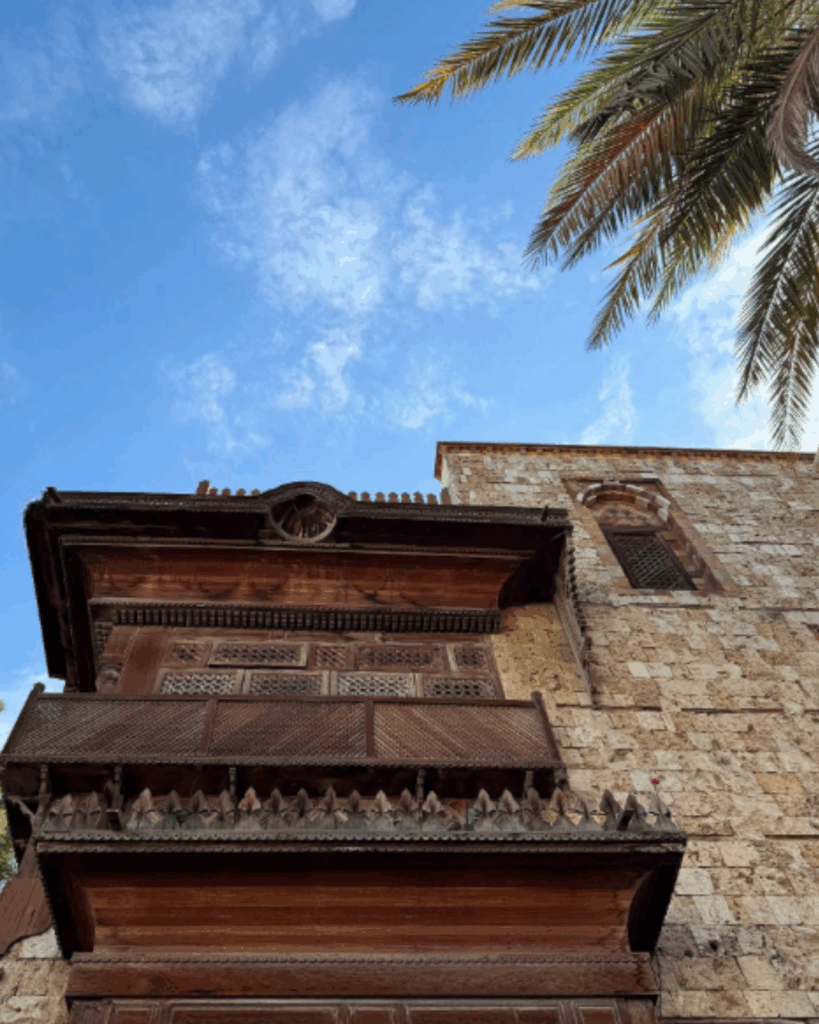
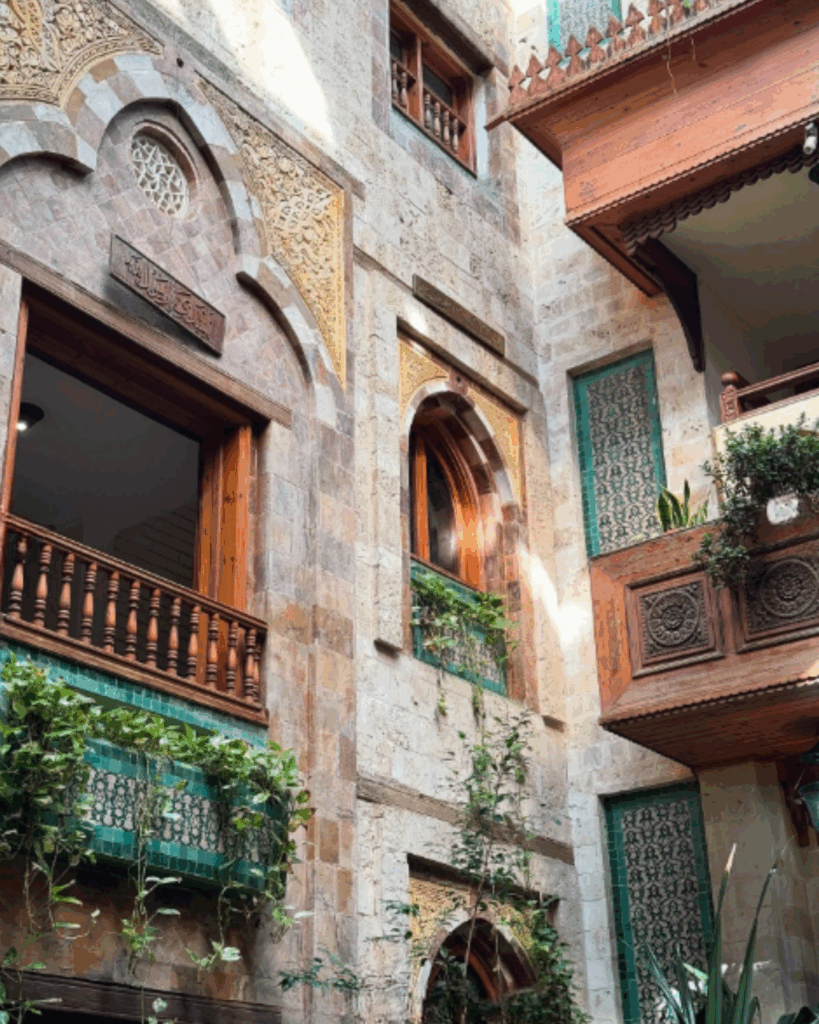
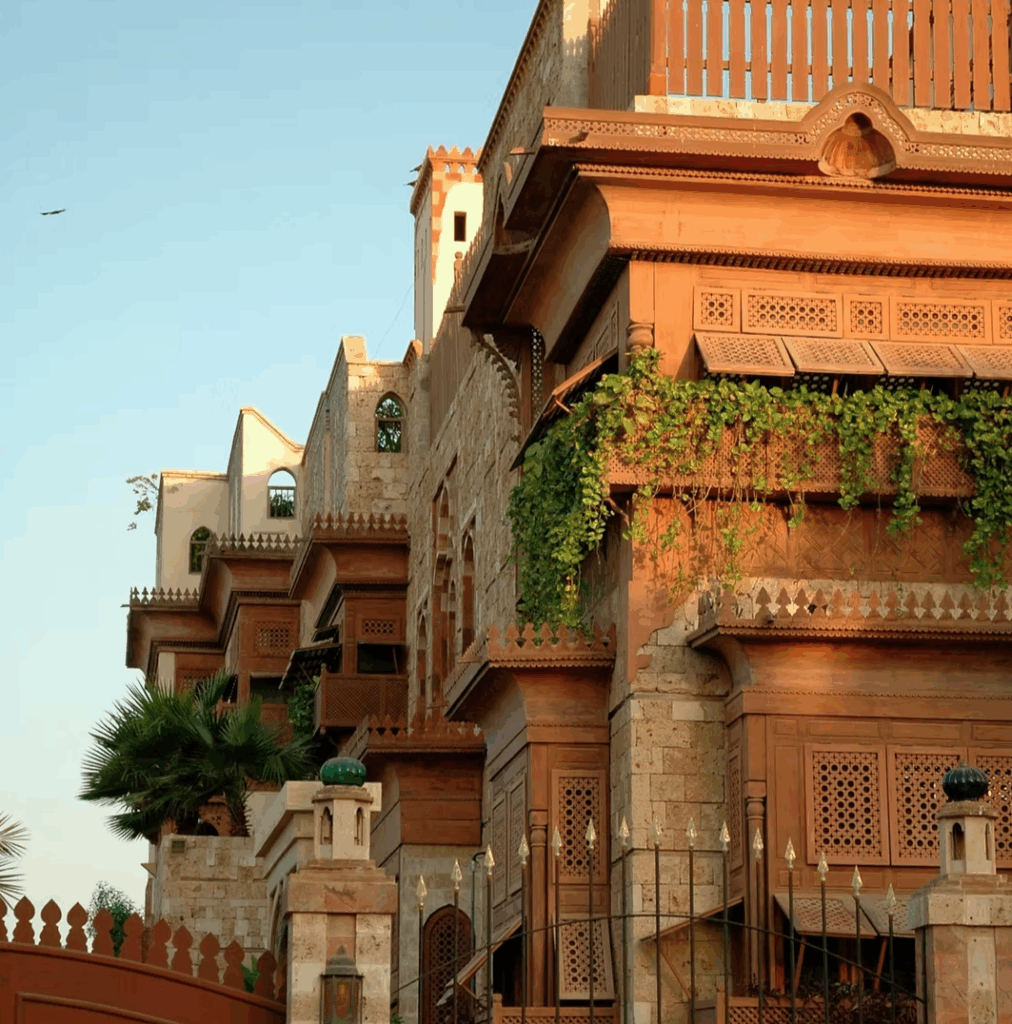
Today, Dar Al-Makkiyah serves as an open space for reflection and exchange. Through his studio, Sami Angawi Architects, he welcomes architects and thinkers to experience the house as a living workshop — an invitation to engage with a design philosophy that places equilibrium at its core.
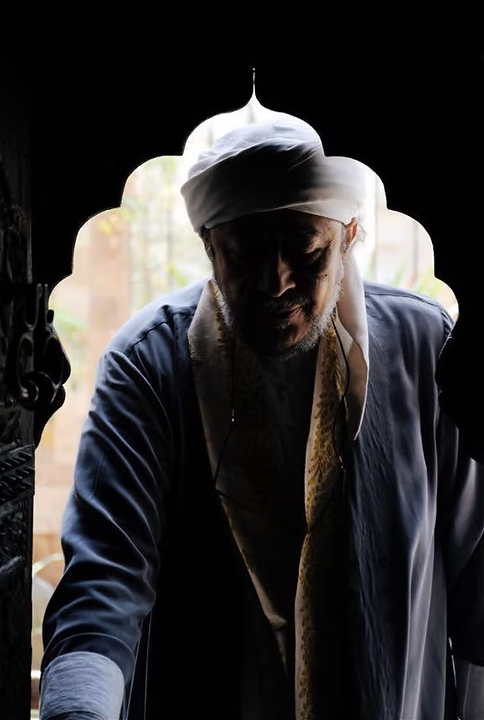
To visit the house is to encounter a different rhythm: one that resists spectacle in favor of serenity, one that reminds us that progress is most meaningful when anchored in memory. In Angawi’s world, architecture is not a symbol of wealth or power, but a search for peace — a conversation between man, nature, and the divine.