Words by Allegra Salvadori | Images Courtesy of Puiforcat
In an age defined by speed and ephemerality, Puiforcat stands as a reminder that true luxury lies in mastery—an elemental dialogue between the hand, the material, and time itself. Founded in 1820 in a modest cutlery workshop in the Marais, the House has spent two centuries evolving from a family atelier into one of the world’s most emblematic guardians of French silversmithing. What began with the entrepreneurial instinct of Émile and Joseph-Marie Puiforcat became, generation after generation, a laboratory of refinement, shaping the very language of the arts de la table.
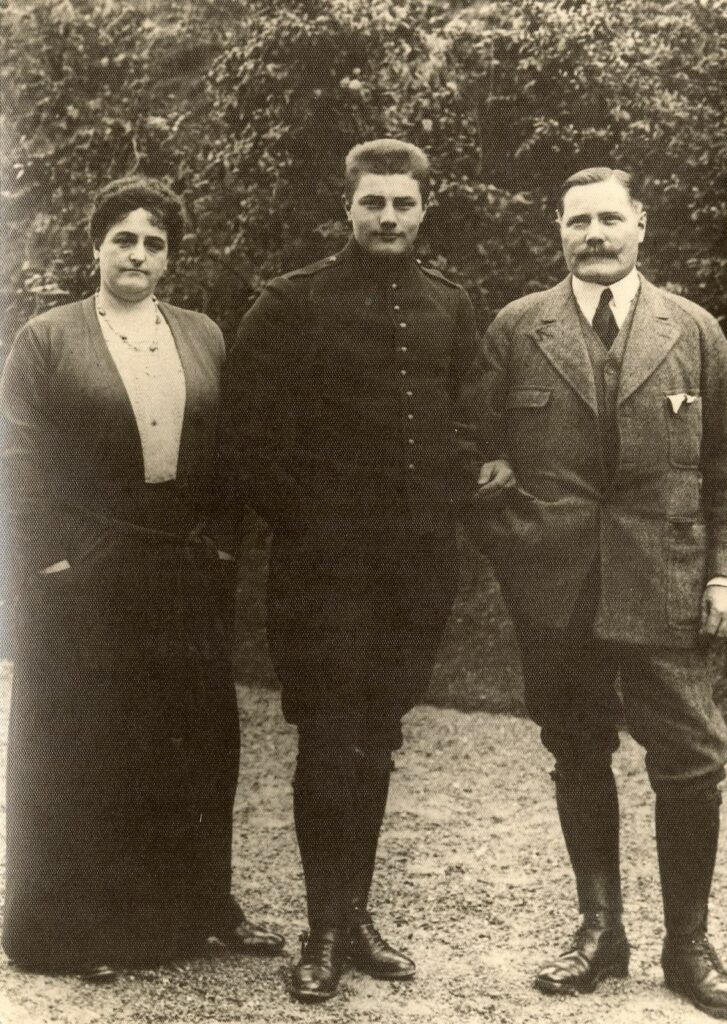
Puiforcat’s reputation reached new heights in the early 1900s, when Louis-Victor Tabouret—married into the Puiforcat family—reimagined the Maison at a moment when industrialization threatened the survival of classical craftsmanship. His ambition was radical in its simplicity: to return the brilliance of hand-wrought silver to the dining rooms of Paris. Under his stewardship, candelabras, vermeil services, tapered sauceboats, and sterling silver cutlery reclaimed their rightful place as emblems of savoir-vivre. These were not mere objects, but the instruments through which rituals of conviviality were elevated to art.
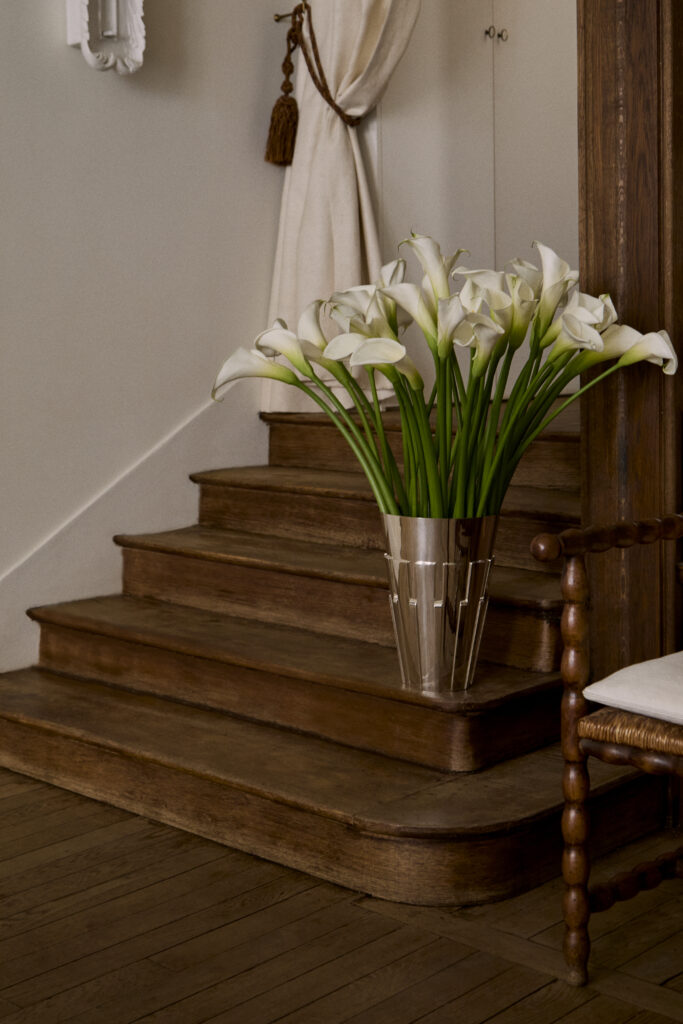
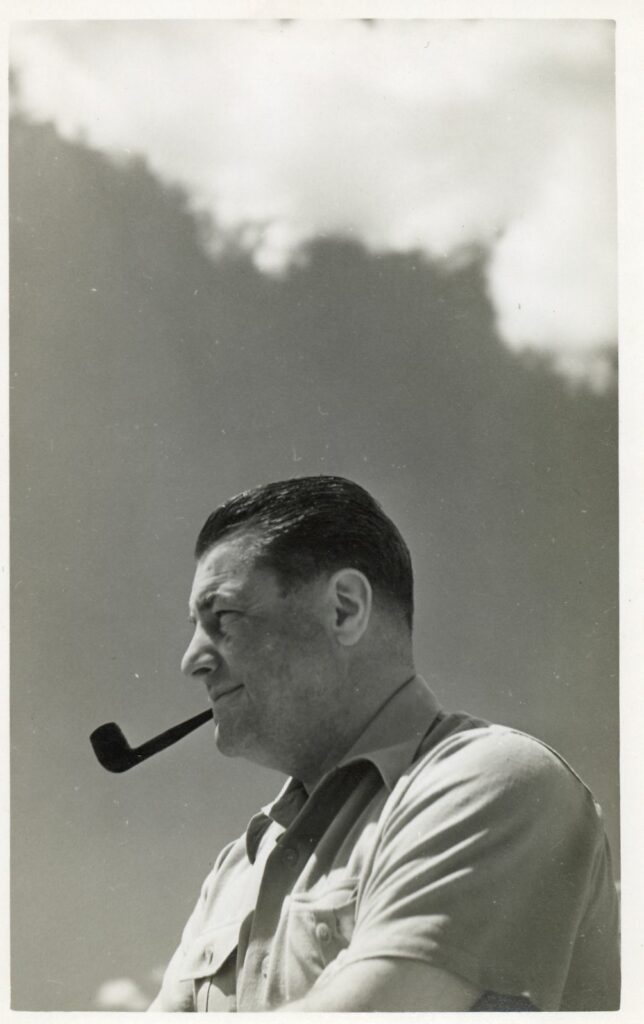
Yet it was Jean Puiforcat, a visionary of Belle Époque Paris and a central figure of early modern design, who would inscribe the Maison’s aesthetic into the canon of the 20th century. Both artist and silversmith, Jean fused the sensuality of sterling silver with the pure geometries of the emerging Art Deco movement. His creations—angular coffee services etched with subtle fluting, perfectly weighted flatware, rigorously tapered candlesticks—distilled form to its essence. They remain, a century later, reference points for collectors, historians, and designers exploring the genealogy of modern taste.
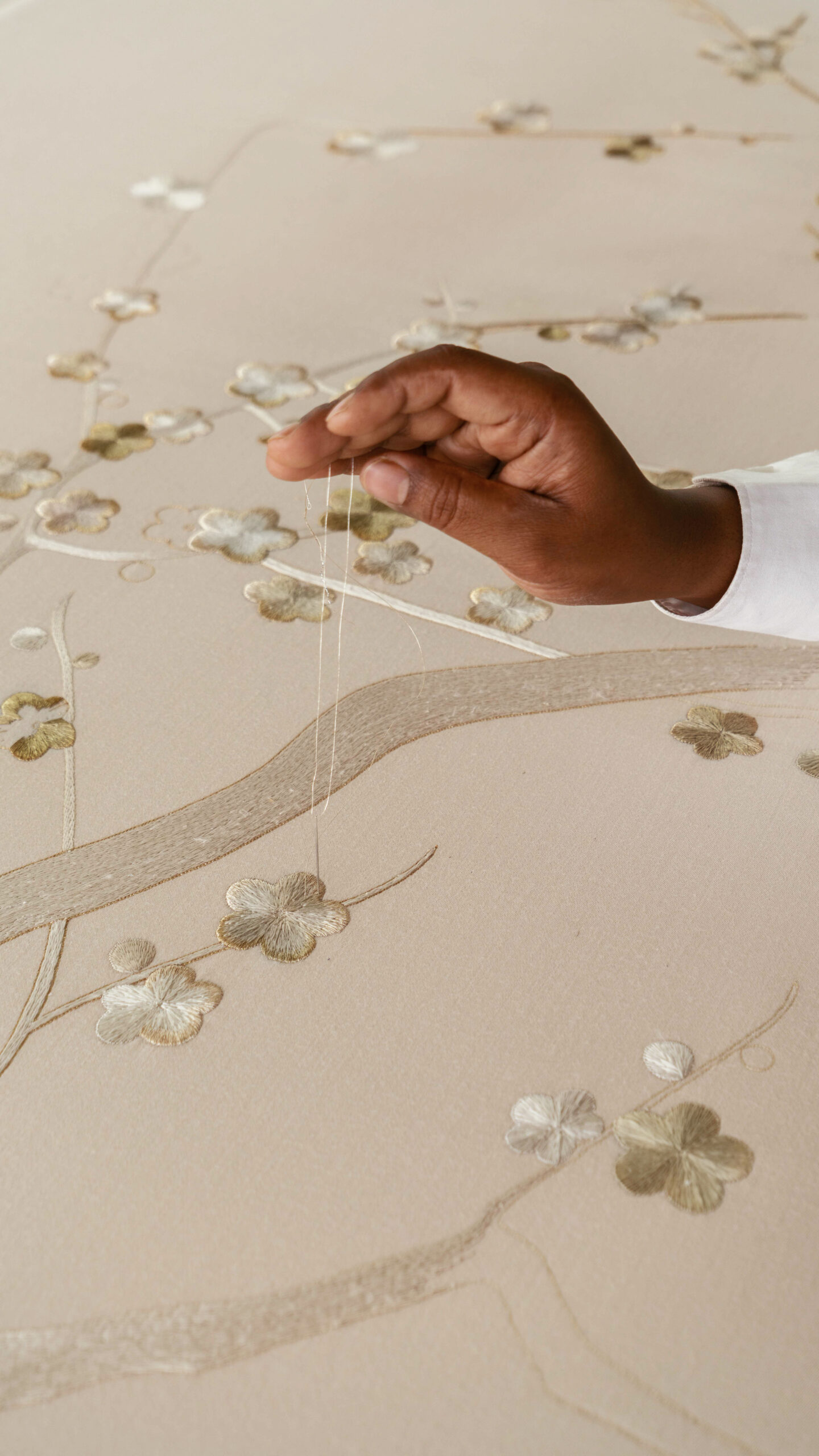
Today, Puiforcat continues its pursuit of excellence within the Hermès Group, where the Maison’s Haute Orfèvrerie workshop operates as a sanctuary of traditional craftsmanship. Here, artisans still engage in the same physical choreography—hammering, planishing, spinning, chasing—performed by the great silversmiths of past centuries. Every gesture is a commitment to precision; every piece, the result of an intimate conversation between muscle, metal, and memory. In an era of automation, Puiforcat upholds the radical idea that the human hand remains irreplaceable.
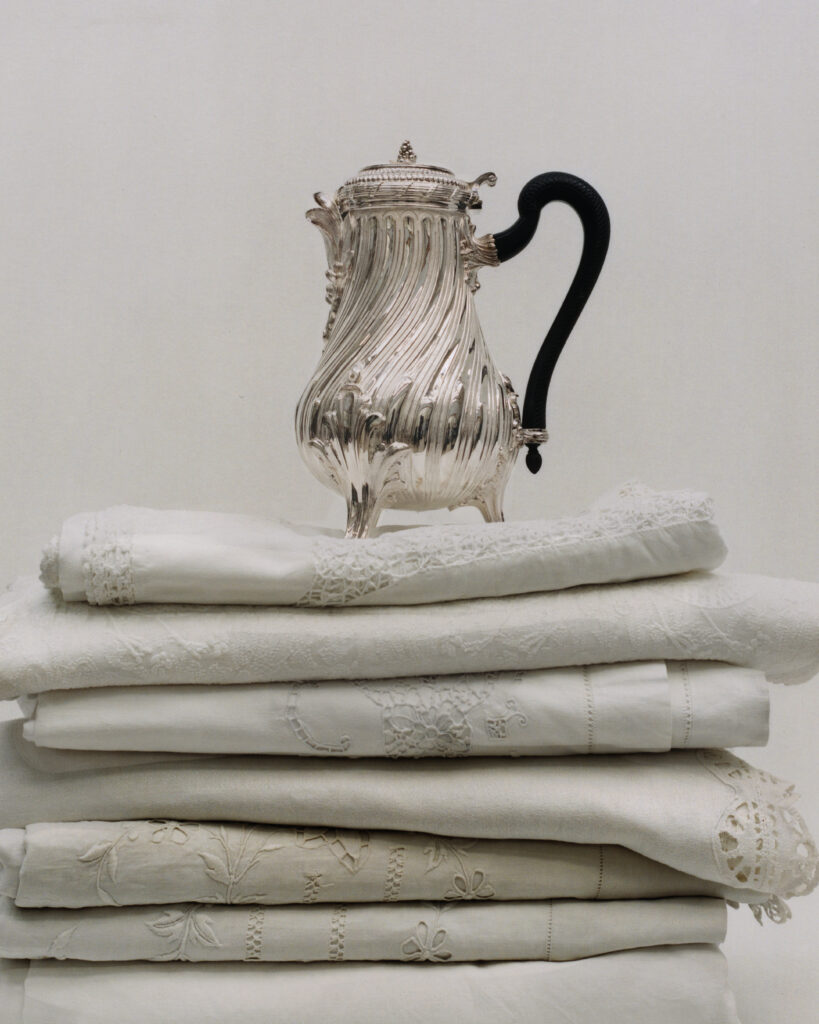
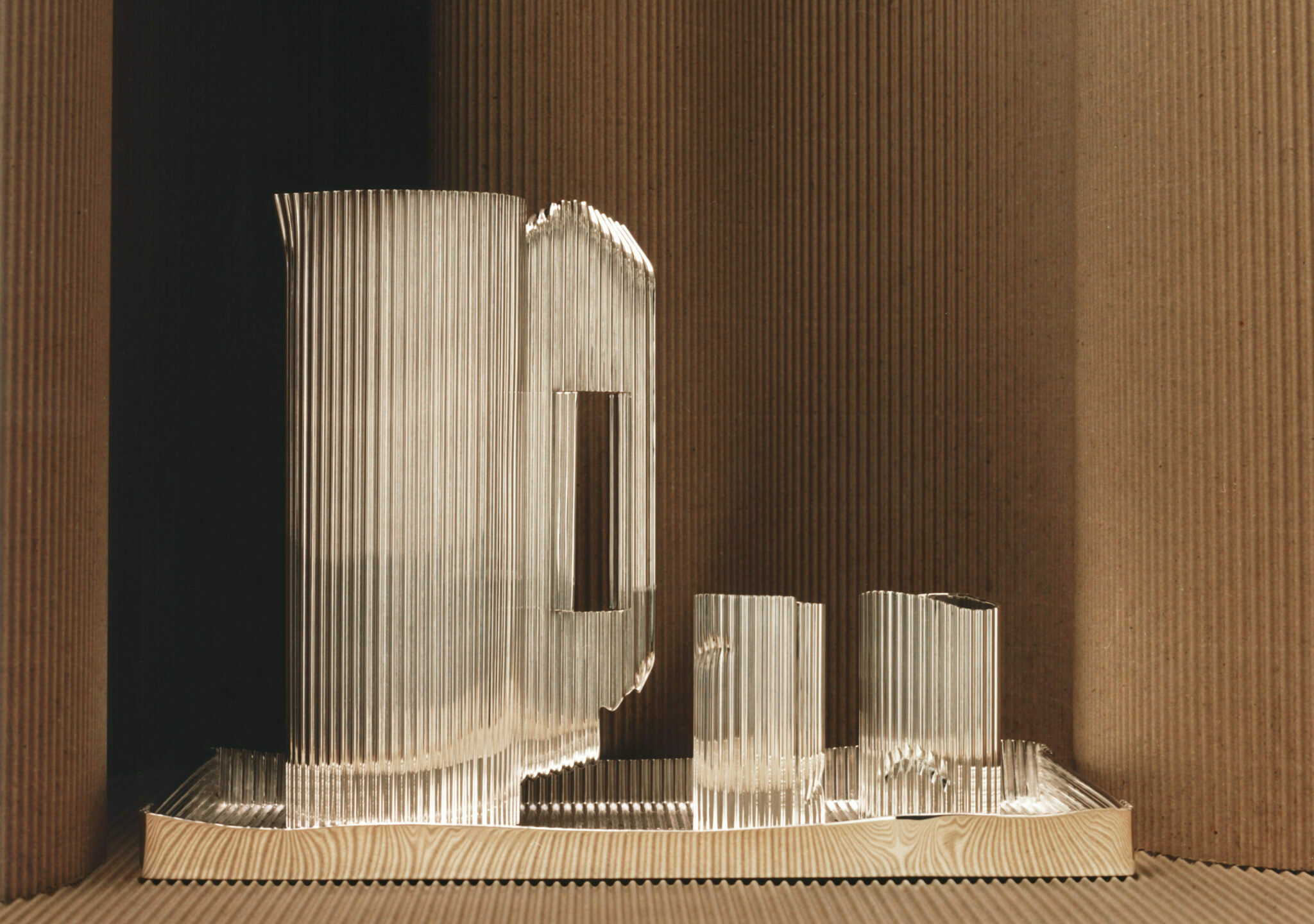
But fidelity to tradition does not imply nostalgia. Under the artistic direction of Charlotte Macaux Perelman and Alexis Fabry, Puiforcat has entered a fertile dialogue with contemporary creation. Collaborations with figures such as the Donald Judd Foundation for the Dinner Service or Alev Ebüzziya Siesbye for Séléné expand the Maison’s vocabulary while honoring its underlying rigor. Most recently, the Silver Set 2025 by British artist Rachel Whiteread signals a bold new chapter, one in which conceptual minimalism meets centuries-old savoir-faire.
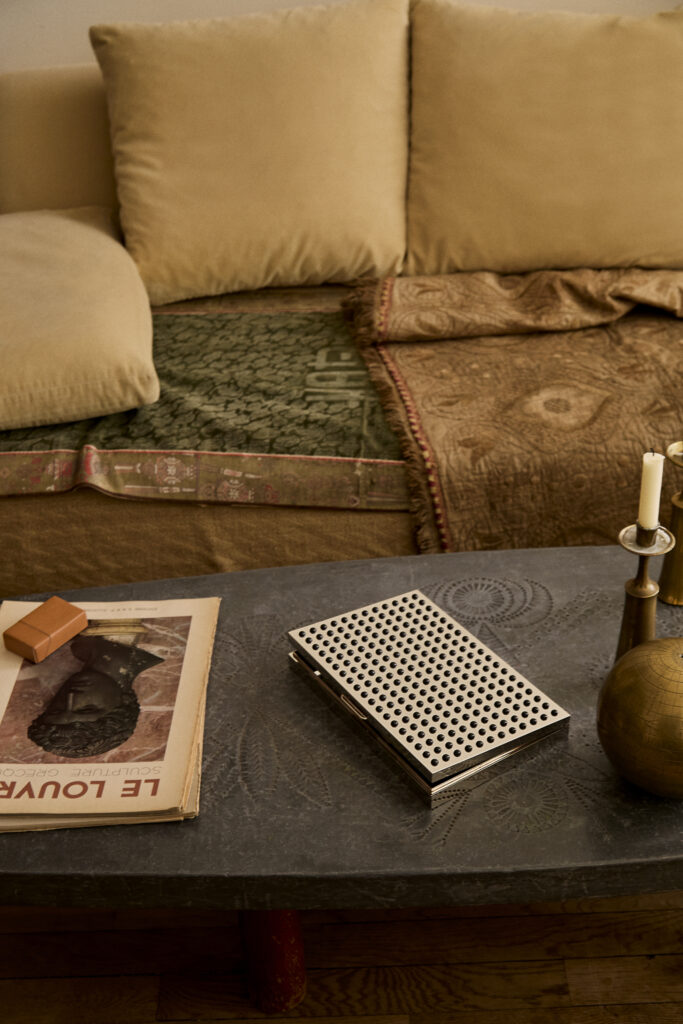
It is precisely this duality—heritage and experimentation—that Puiforcat brings to Dubai. On the occasion of unveiling Silver Set 2025, the Maison presents an exceptional constellation of classical, Art Deco, and contemporary pieces at Hermès Dubai. In a city where craft, innovation, and global luxury cultures intersect, the exhibition becomes more than a showcase; it becomes a meditation on beauty’s evolution across time.
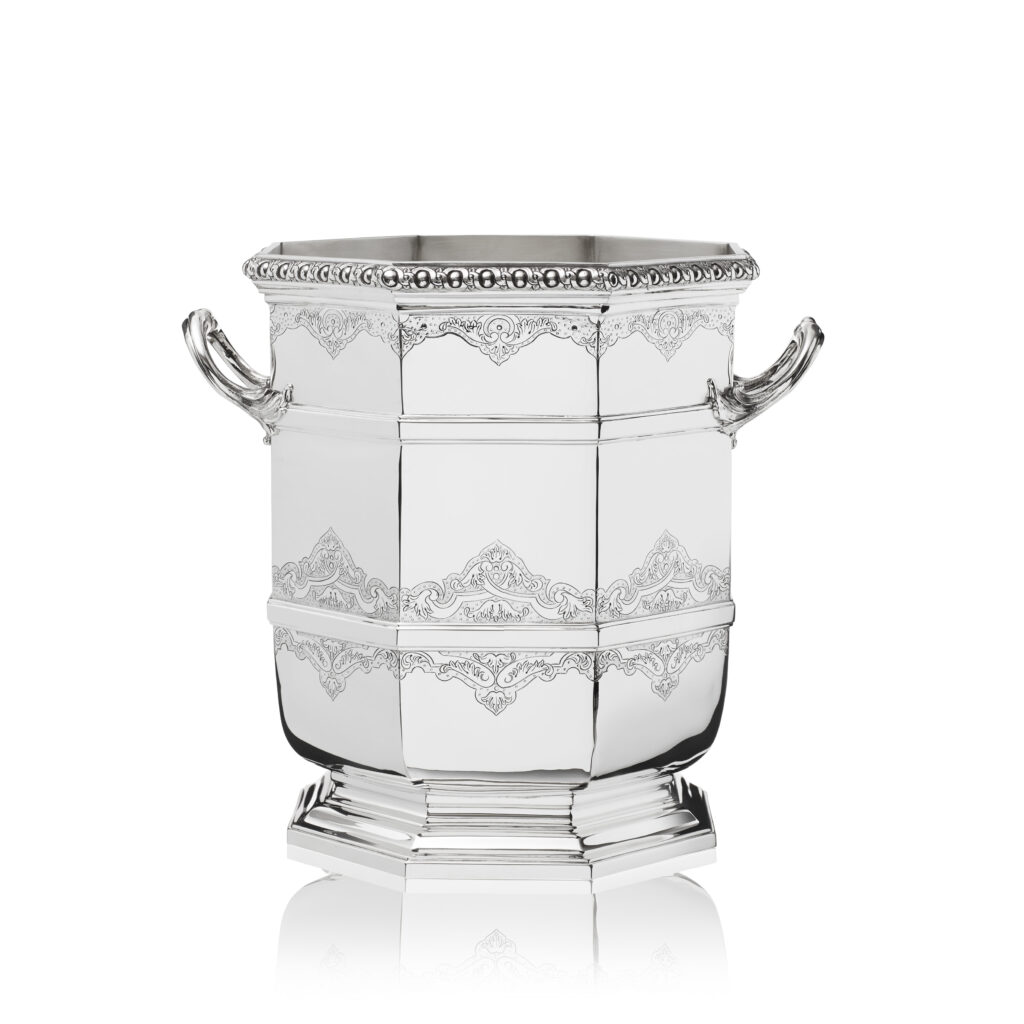
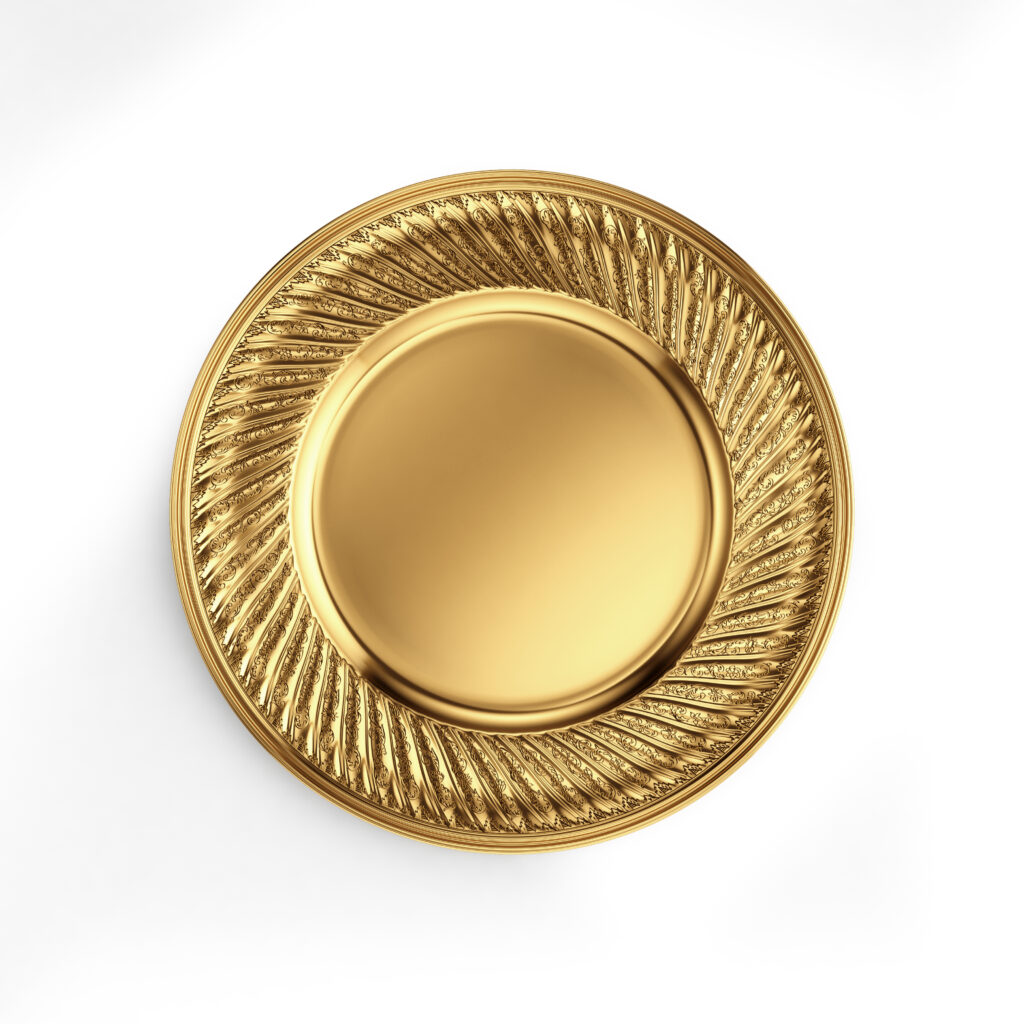
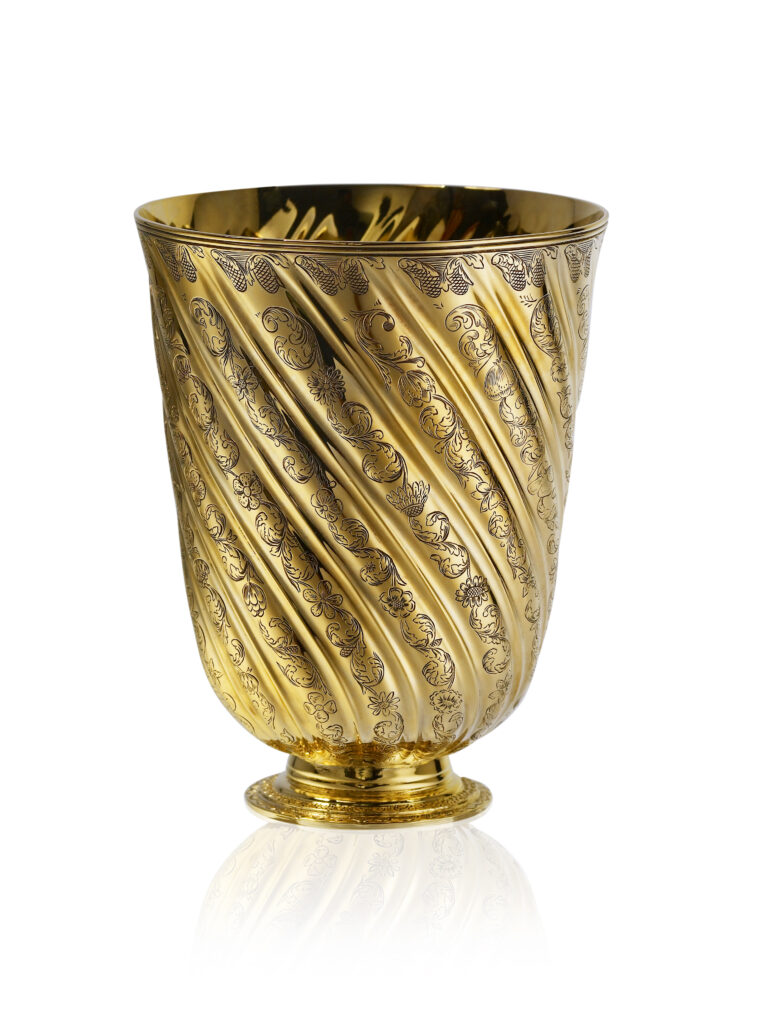
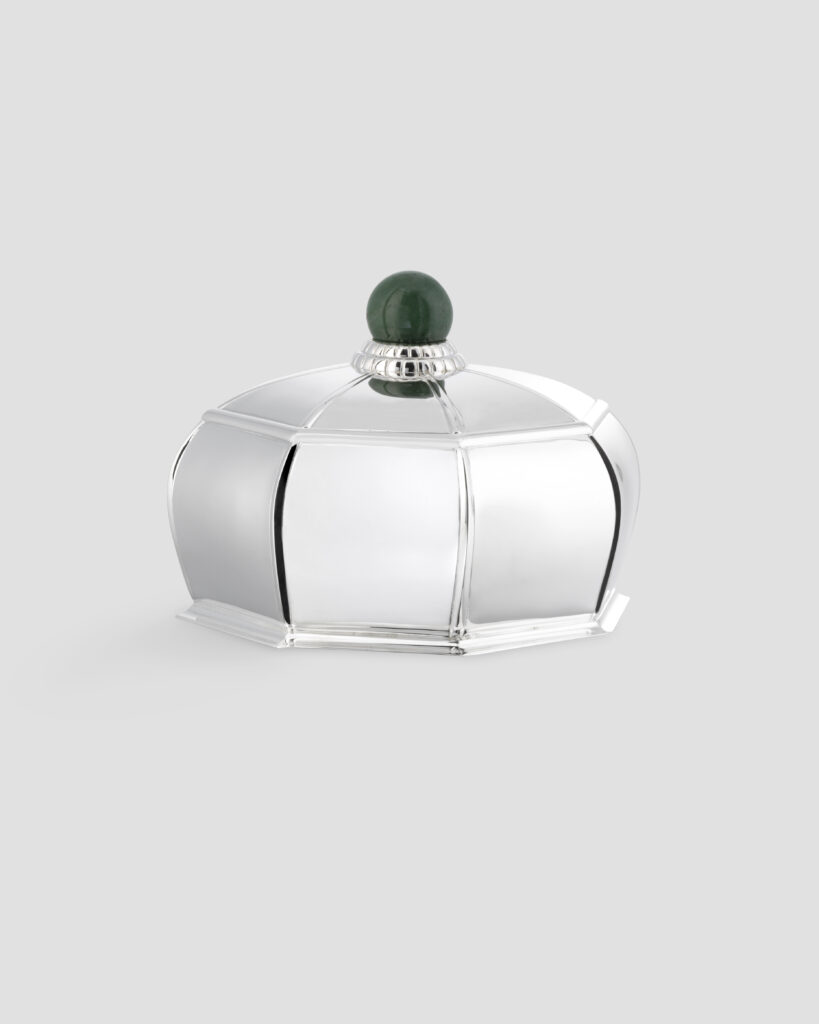
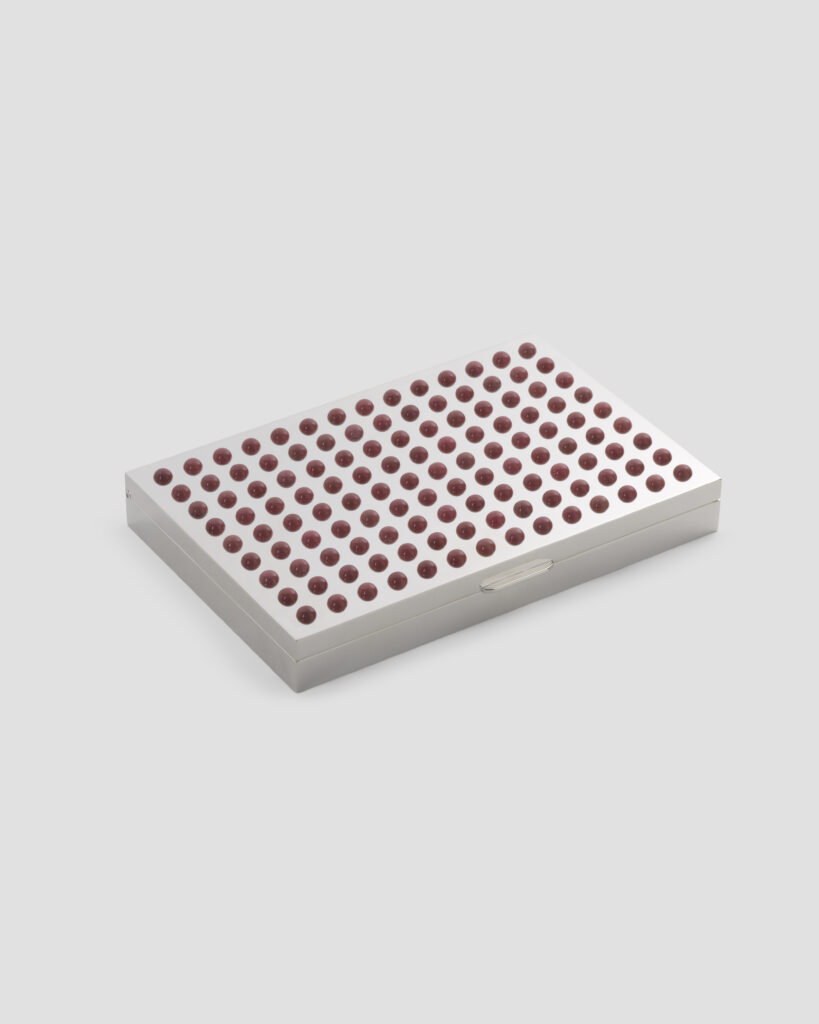
Dubai, with its growing community of collectors and design aficionados, offers fertile ground for Puiforcat’s philosophy: that the exceptional is not a matter of extravagance, but of intention. Whether through personalized engravings on a beaker, initials carved into a flatware handle, or a commissioned object born from collaboration, Puiforcat’s bespoke approach transforms the everyday into the extraordinary. It restores meaning to the rituals that shape domestic life—reminding us that the table, like design itself, is a stage on which culture is made visible.
For those who encounter Puiforcat in Dubai, the experience is not merely visual. It is an encounter with lineage, with craftsmanship transmitted from one generation to the next, and with a Maison that continues to sculpt the future of silversmithing while remaining profoundly anchored in its past. If luxury today is defined by authenticity, rarity, and mastery, then Puiforcat stands among its most eloquent interpreters.