Words by Allegra Salvadori
Poliform has long cultivated a design language grounded in restraint, material intelligence, and a precise understanding of domestic architectures. Its know-how is not merely technical; it is conceptual. Before becoming a physical gesture, each Poliform piece begins as an inquiry: how can form and function coexist without hierarchy? How can comfort carry cultural meaning? The brand’s sofa collection is perhaps the clearest expression of this philosophy, where proportion, tailoring, and spatial clarity converge to define a new grammar of contemporary living.
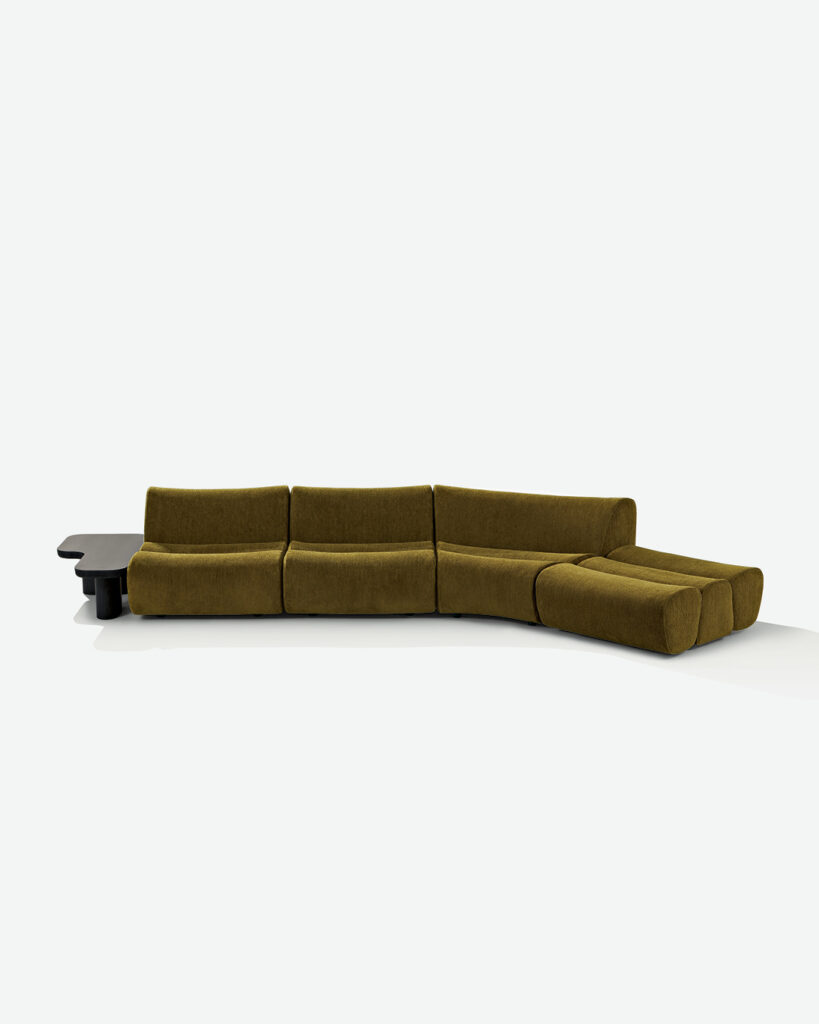
Ernest — Comfort as a Spatial Proposition
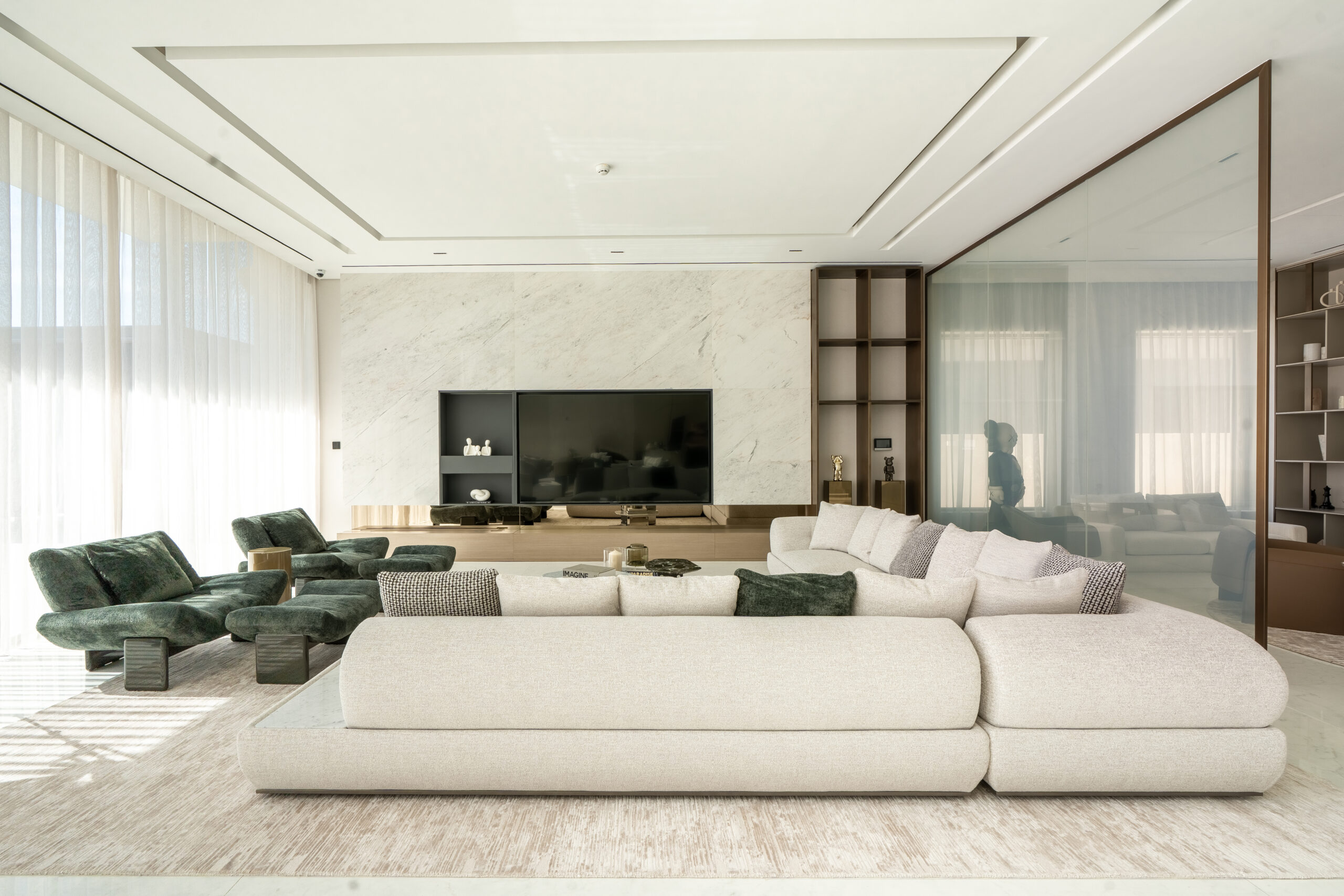
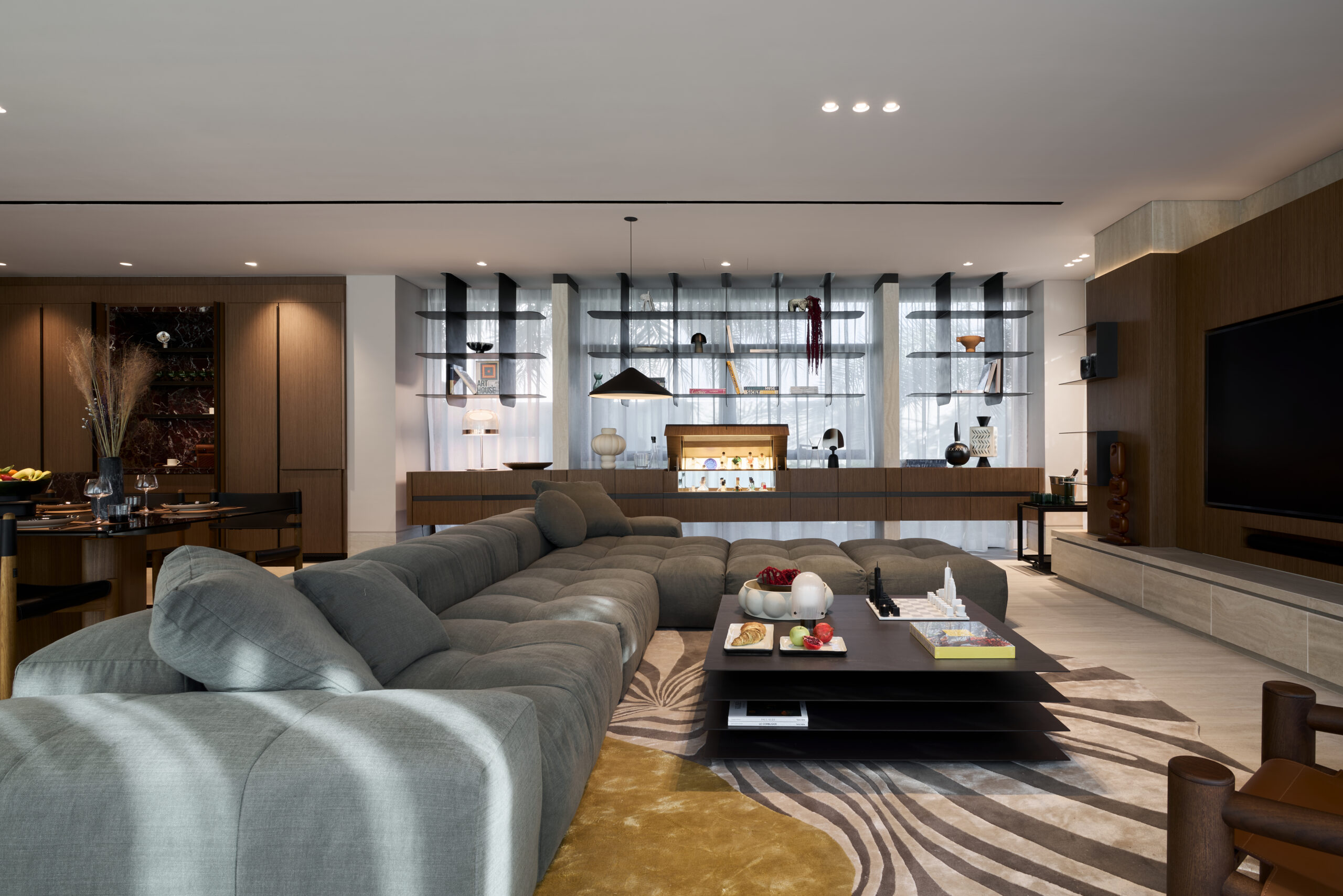
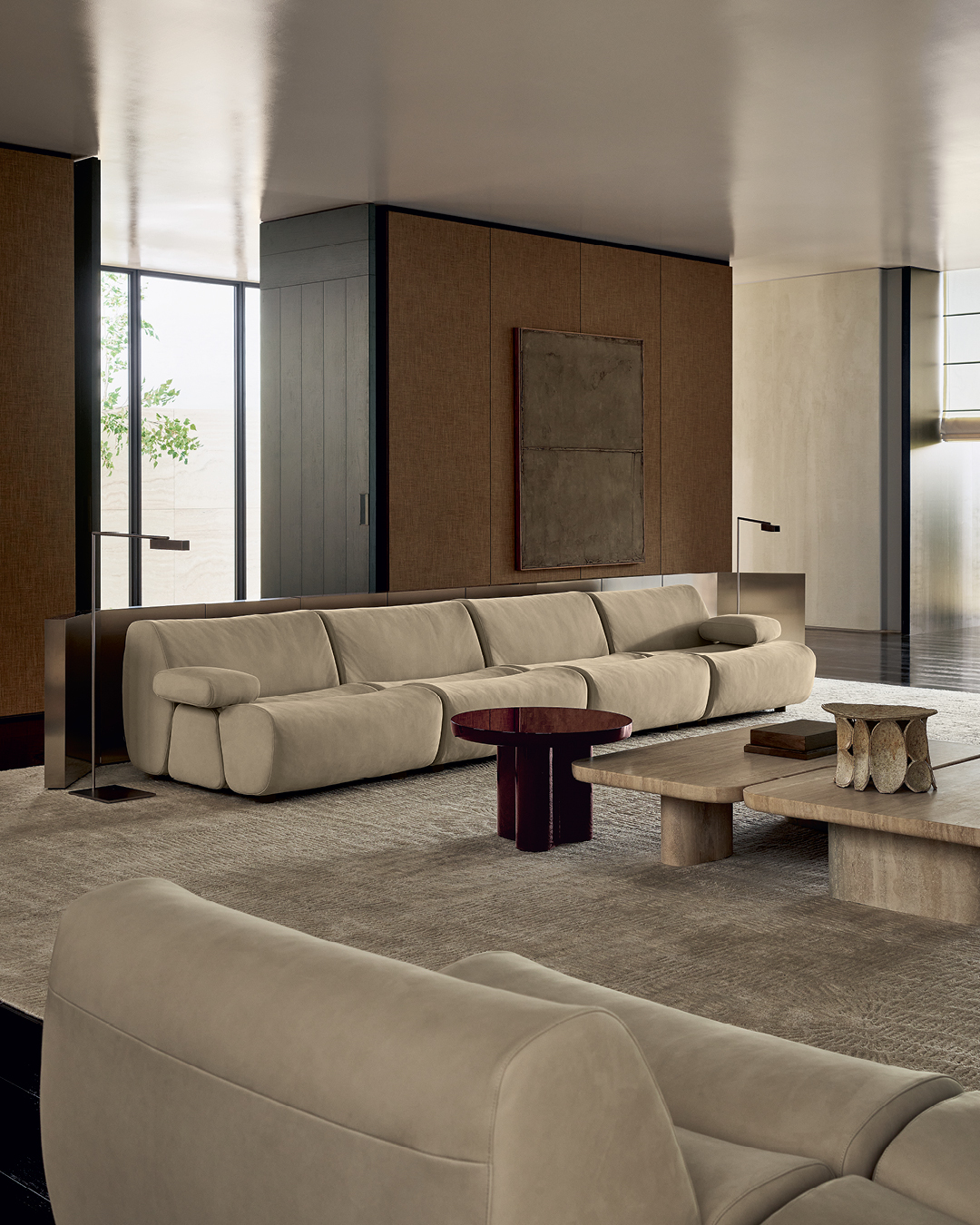
With Ernest, Jean-Marie Massaud approaches the sofa not as an isolated object, but as a modular landscape—a topography of softened forms that reconsiders the relationship between the body and space. Rather than insisting on structure, Ernest loosens it. Its volumes feel deconstructed yet intentional, a softened geometry that recalls the natural settling of a down cushion. The gesture is familiar, but the interpretation is distinctly architectural.
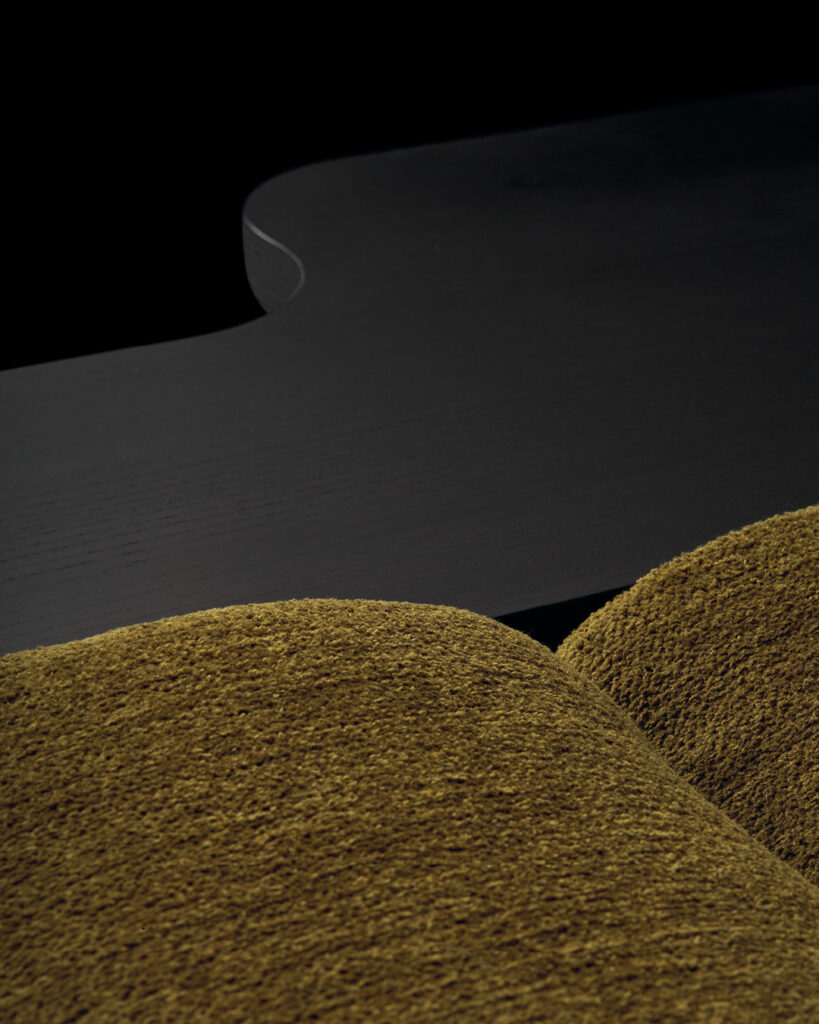
Modularity here is not an accessory; it is the project. Each element becomes a component in a broader spatial composition, allowing Ernest to shift scale and presence with ease: a quiet two-seater in a reading corner, an elongated line anchoring an open living plan, or an enveloping L-shape that defines a room’s social rhythm. The vocabulary is flexible, but the aesthetic remains disciplined—informal in spirit, yet meticulously calibrated in form.
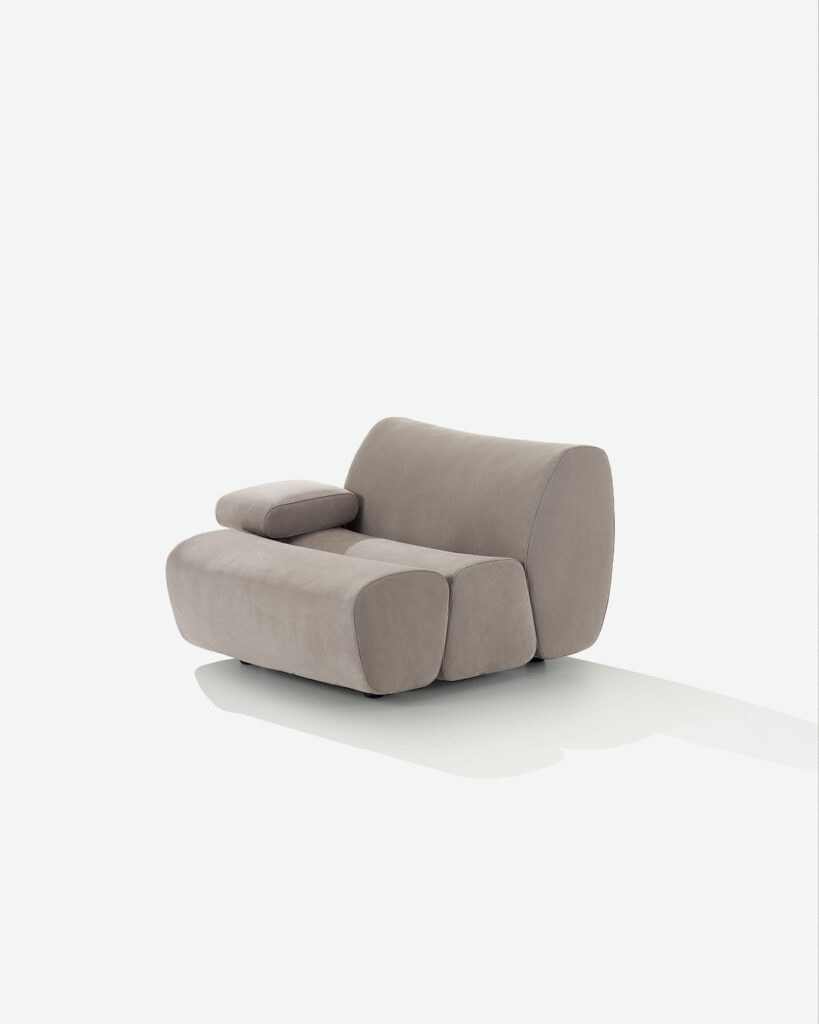
What emerges is a tension between ease and precision. The sofa’s softness is not laissez-faire; it is sculpted and deliberate, balancing generosity of volume with a subtle formality. Ernest does not dominate a space, yet it holds its ground. It invites rather than announces, its presence felt through the quiet authority of proportion and materiality.
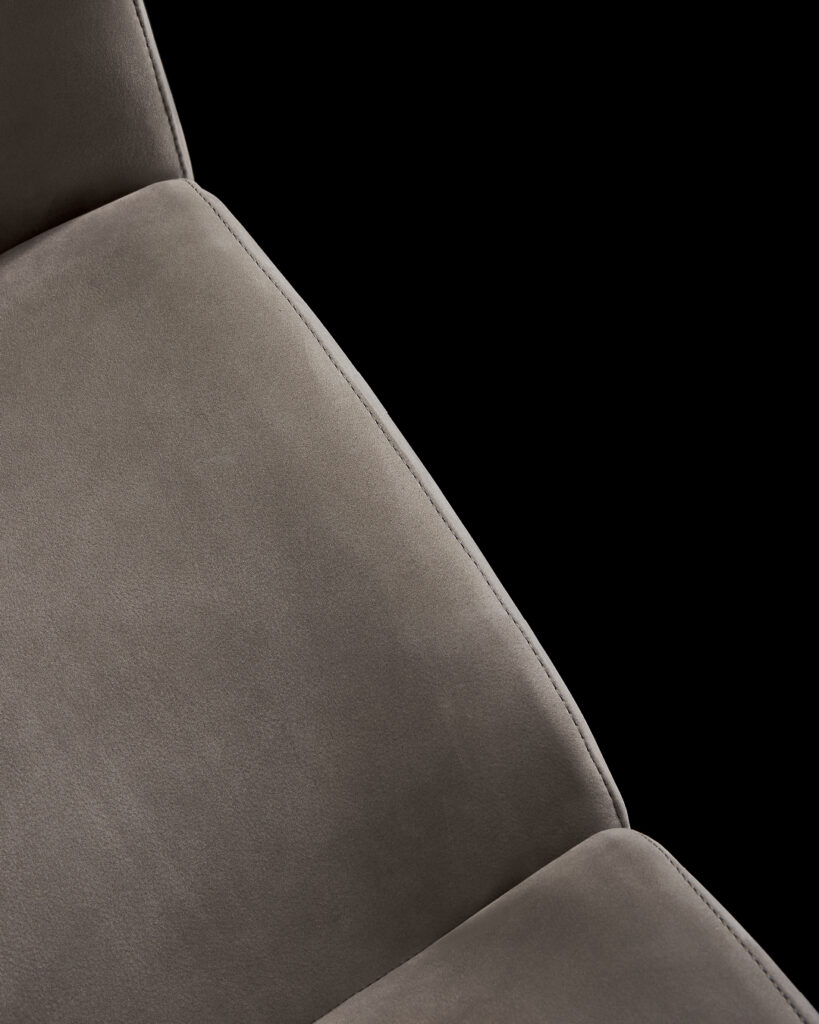
Within Poliform’s broader collection, Ernest articulates a particular idea of comfort: not decorative, not indulgent, but designed—an inquiry into how the domestic realm can support new rituals of living. In this sense, Ernest is less a sofa than a spatial tool, a piece that adapts, expands, contracts, and evolves with the life unfolding around it.
A place not simply to sit, but to inhabit.