Words by Allegra Salvadori | Photography by Osama Mohammad
In Dubai’s Garhoud district, where some of the city’s earliest residential communities still hold the quiet imprint of the 1990s, interior designer Masoomeh Hilal was tasked with transforming a family villa steeped in personal history. The client grew up in this house—once his parents’ home—and returned decades later with a single directive: preserve its soul, but let it evolve.
What emerged is not a renovation in the conventional sense, but a refined act of cultural continuity. Hilal approached the project as an emotional archaeology, peeling back layers without erasing the narrative embedded in walls, thresholds, and the atmospheres of memory.
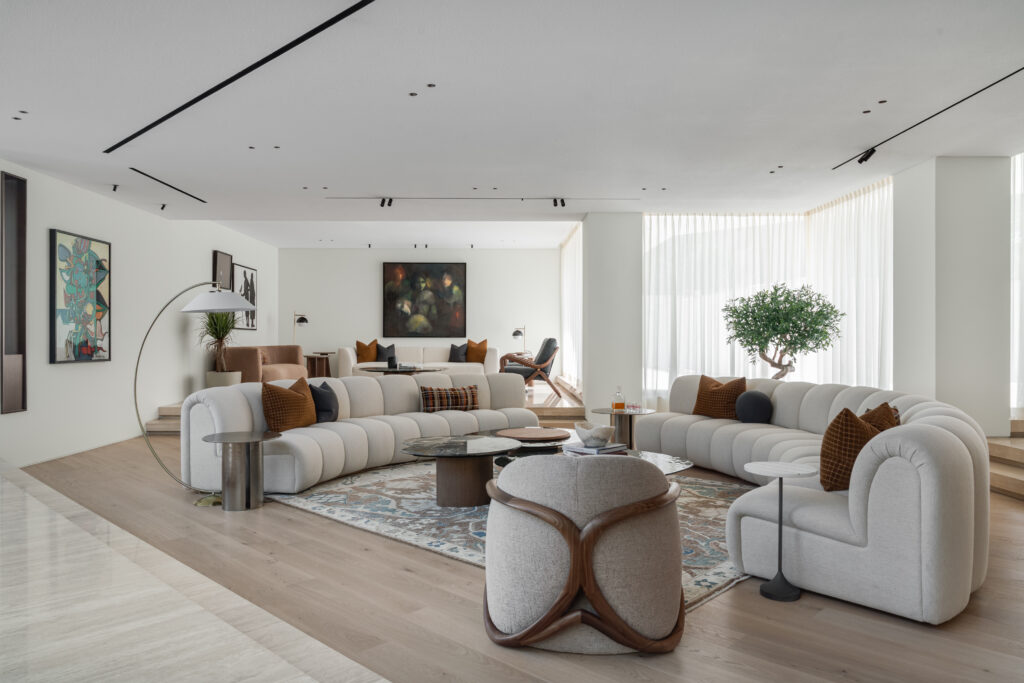
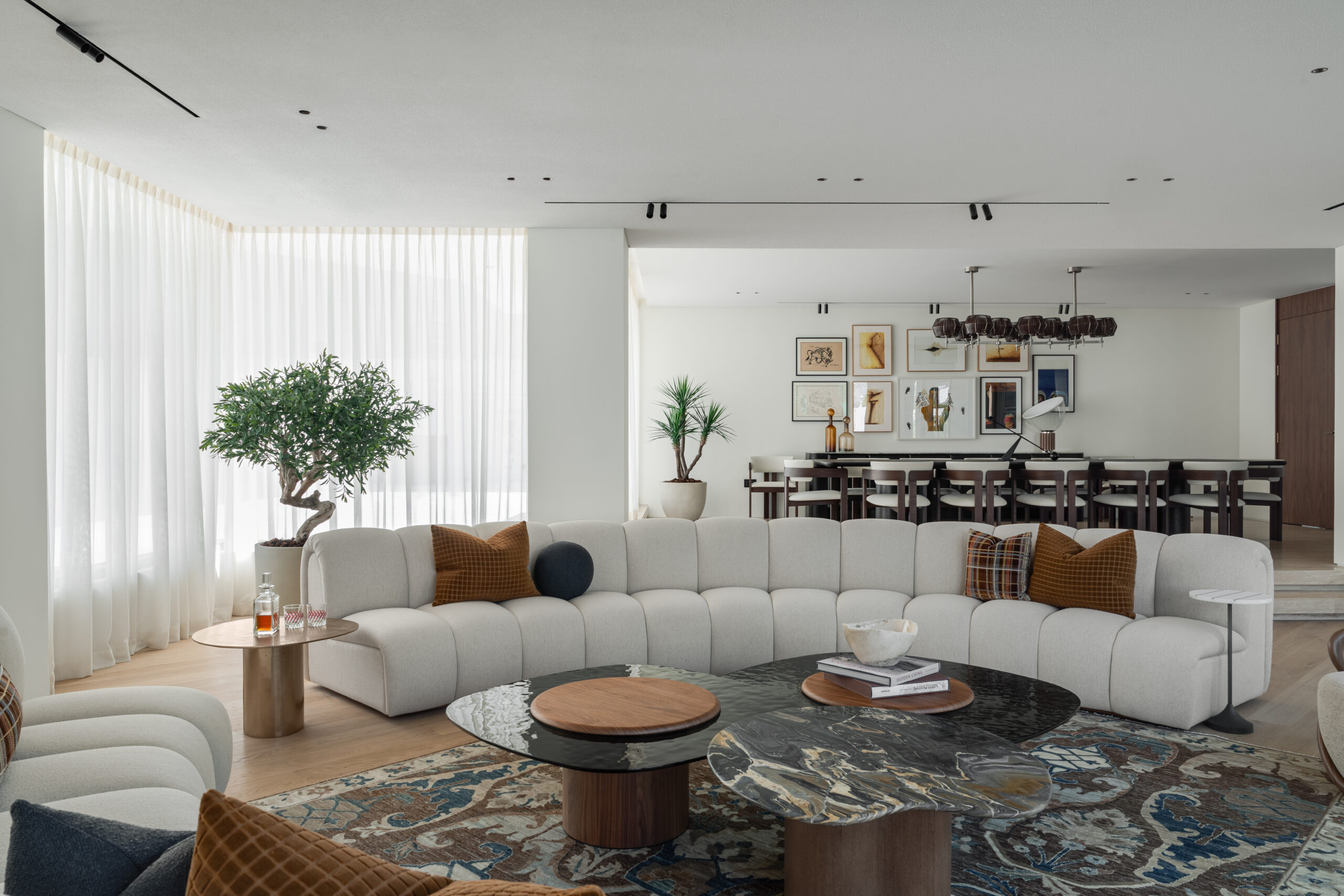
Rather than overwrite the home’s distinctive 90s Emirati character, Hilal amplified it. She retained the home’s spatial generosity, its inherent warmth, and its tradition of gathering—all hallmarks of Emirati domestic life at the time. But she introduced a new architectural clarity: edited color palettes, grounded geometries, elevated craftsmanship, and a deeply thoughtful curation of textures.
Every object is treated as a continuation of the family’s story. Personal artworks, collected over decades, serve as cultural anchors—bringing emotional authenticity into the redesign. The result is a residence that feels simultaneously renewed and remembered.
Upon entering the villa, the visitor is met with a compelling dialogue between light and form. The Array Pendant Lights by Vibia declare a modern architectural presence—clean, dynamic, and sculptural. They illuminate a delicately contoured foyer table by The Line Concept, whose quiet sophistication sets the tone for the home. This interplay between contemporary minimalism and handcrafted detail becomes a defining language throughout the project.
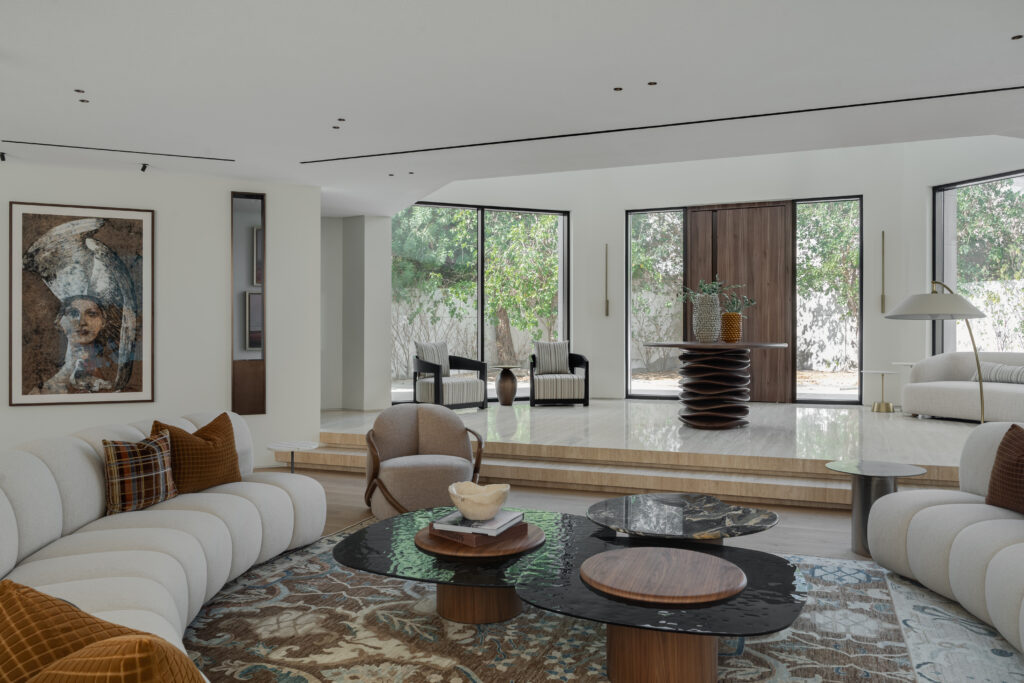
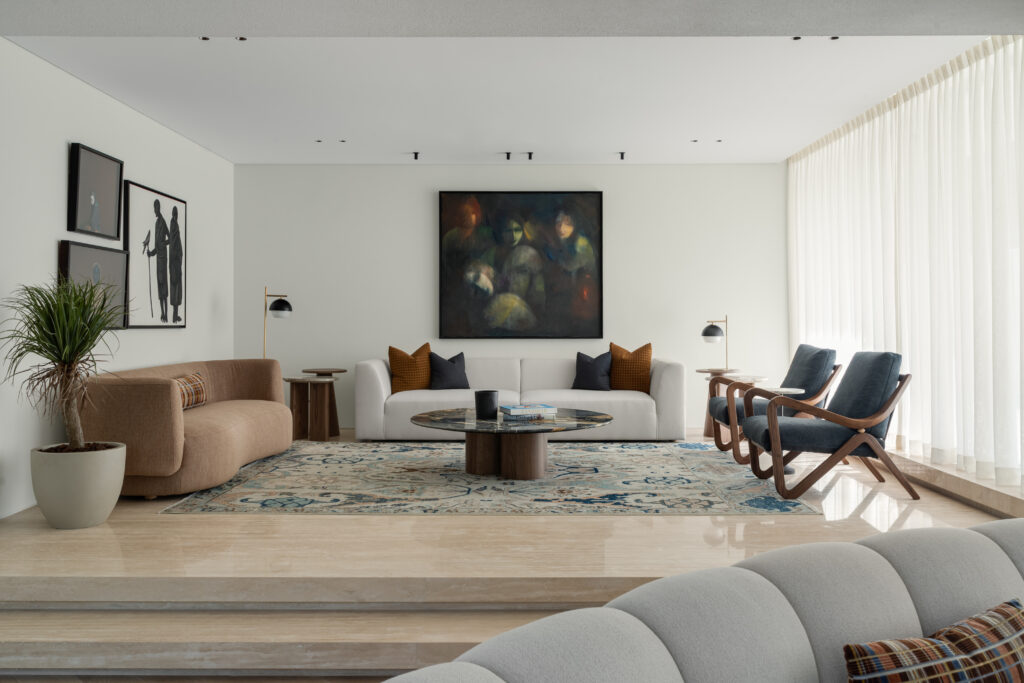
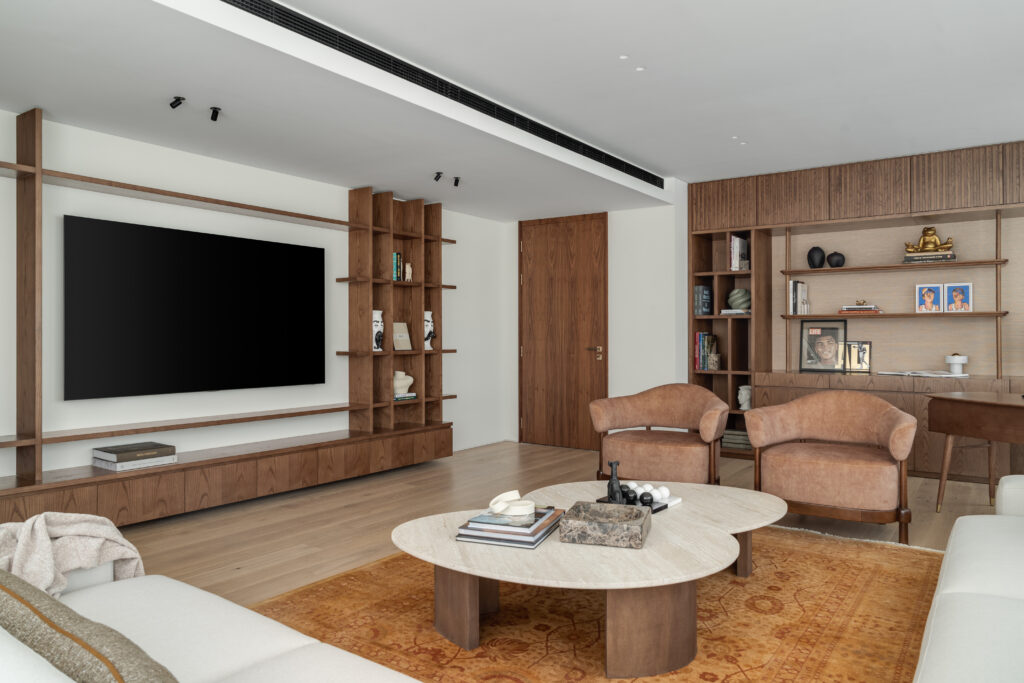
The heart of the home lies in its dual living zones—a sunken lounge and a raised seating area—each designed to honor the Emirati tradition of convivial gathering while embracing today’s aesthetic sensibilities.
In the sunken living room, Hilal introduced Morica Design coffee tables from Artemest, their smooth geometry grounding the space atop a heritage hand-knotted rug preserved from the family’s original collection. Nearby, the Hug Chair by Giorgetti brings sculptural softness, adding modern refinement without disturbing the space’s nostalgic resonance.
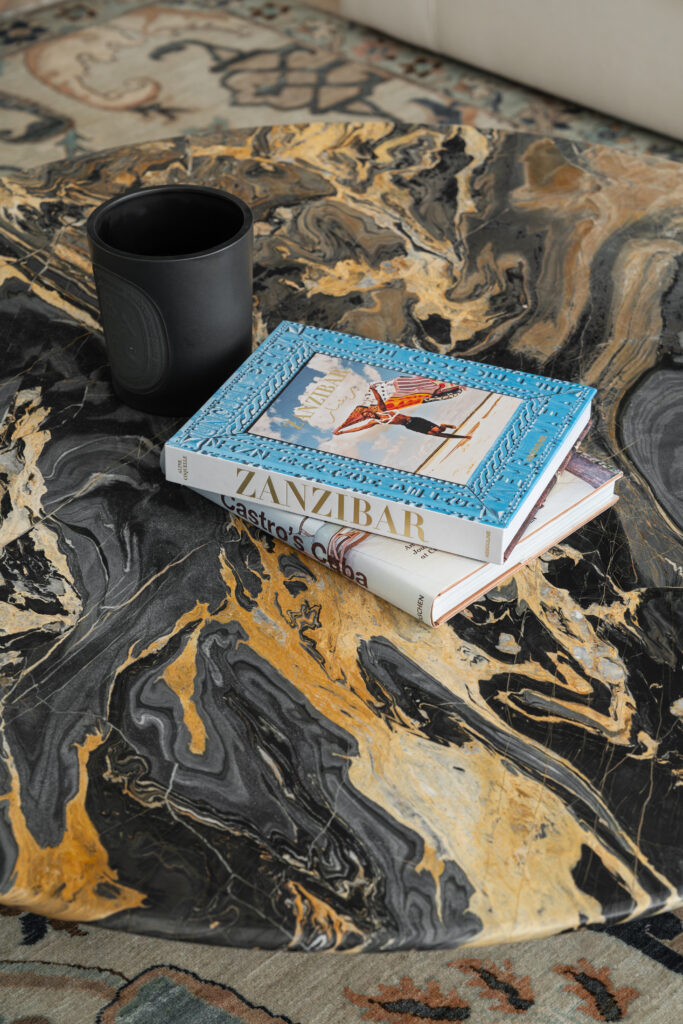
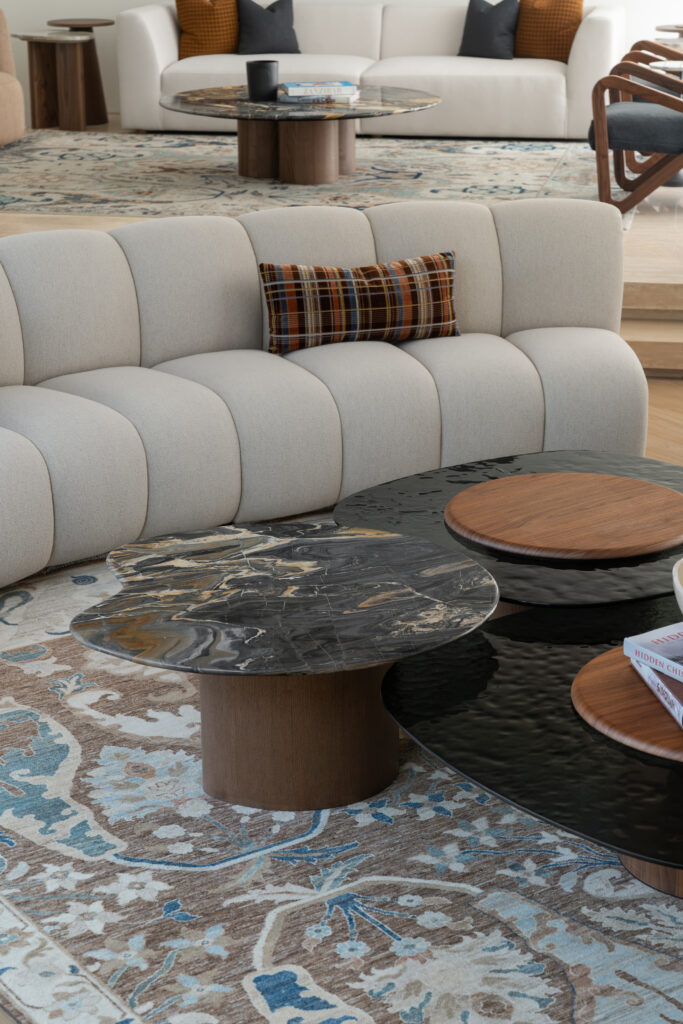
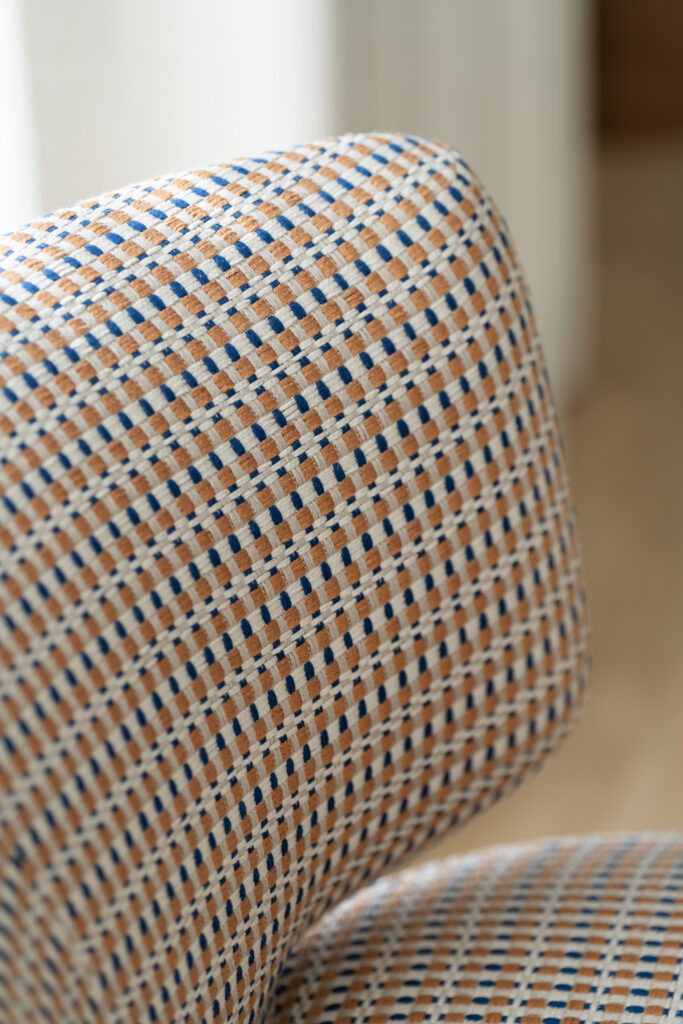
On the raised living level, Taylor armchairs by Borzalino contribute expressive warmth and a sense of lived sophistication. The pairing of contemporary silhouettes with enduring materials allows the two living zones to converse fluidly—distinct yet harmonized.
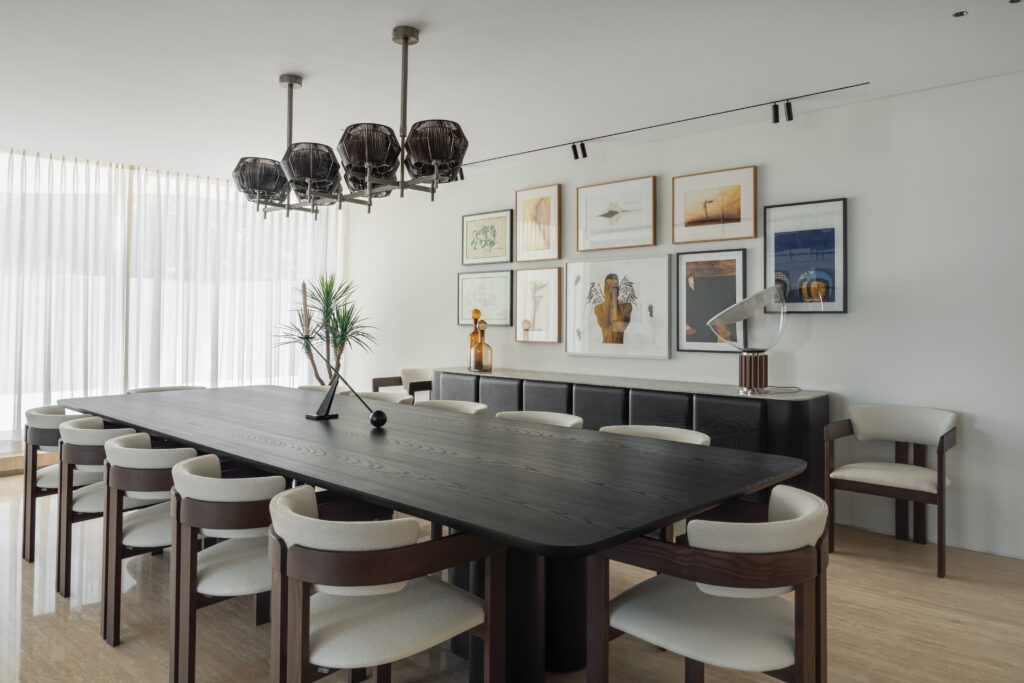
In the dining area, the theme of balance continues. The Novecento Chandelier by Patrizia Garganti casts a warm architectural glow over the Ines dining chairs by Pacini & Capellini, their slender profiles echoing the sculptural elegance of the dark-wood dining table and buffet. Each element speaks its own language, yet together they form a refined, cohesive composition.
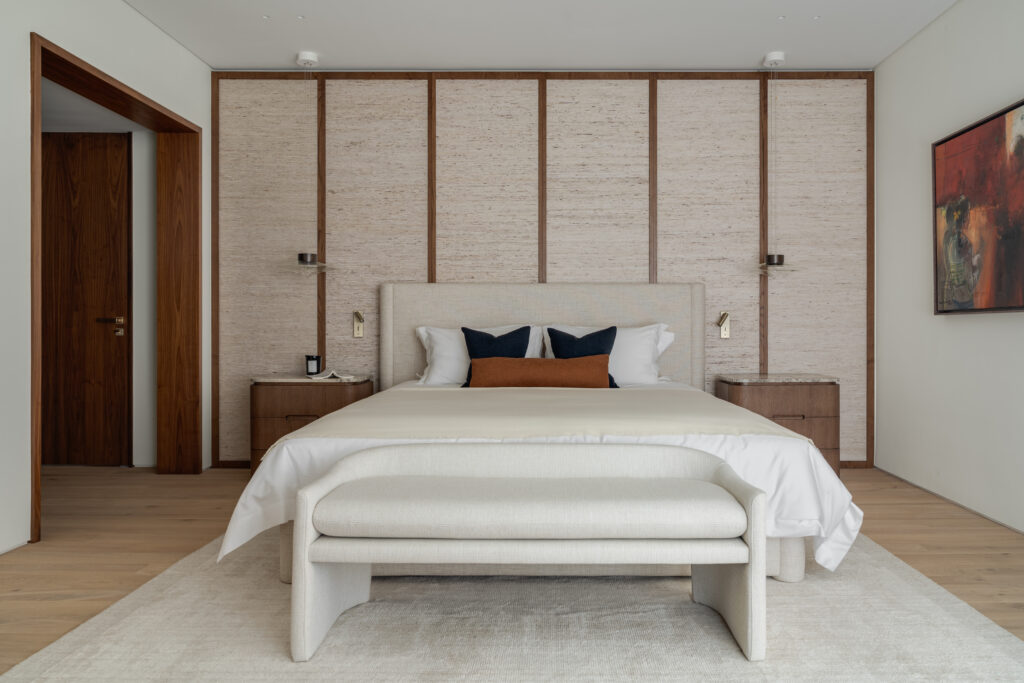
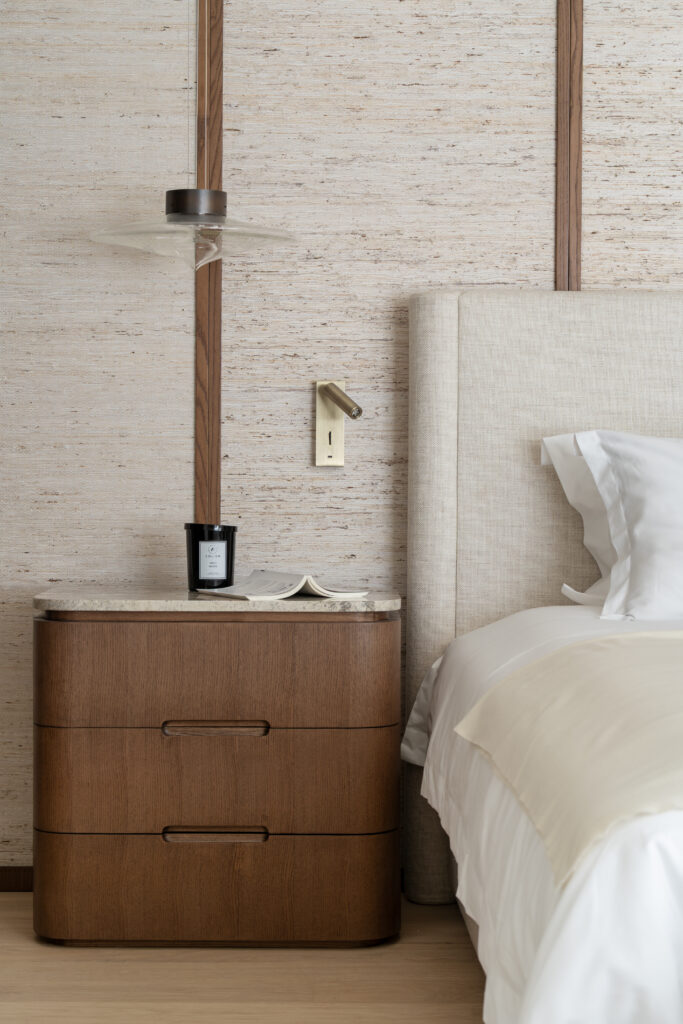
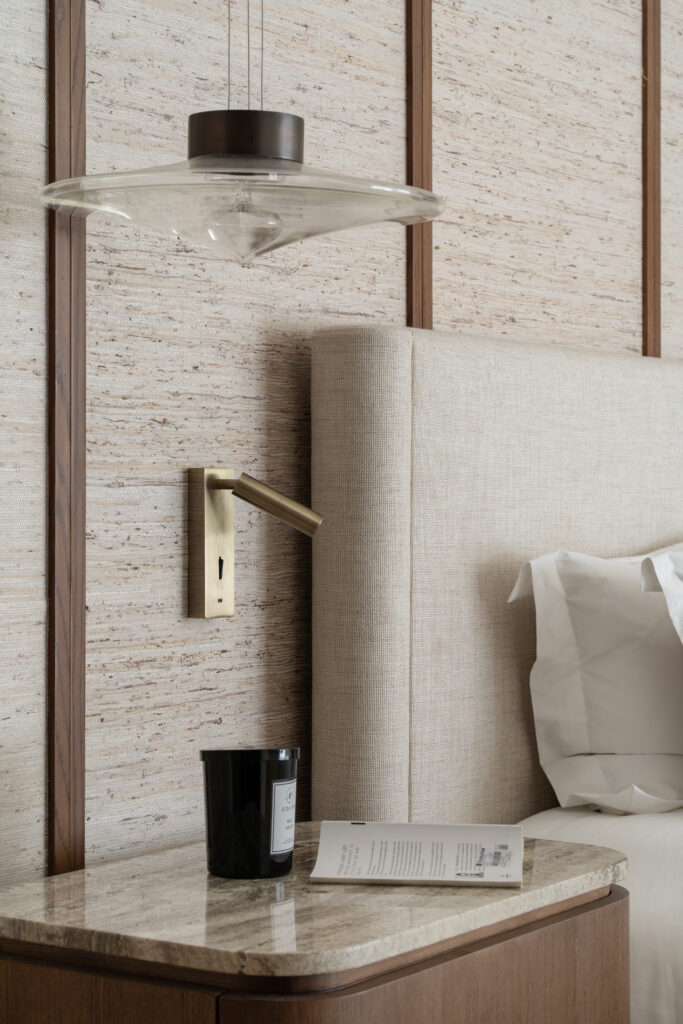
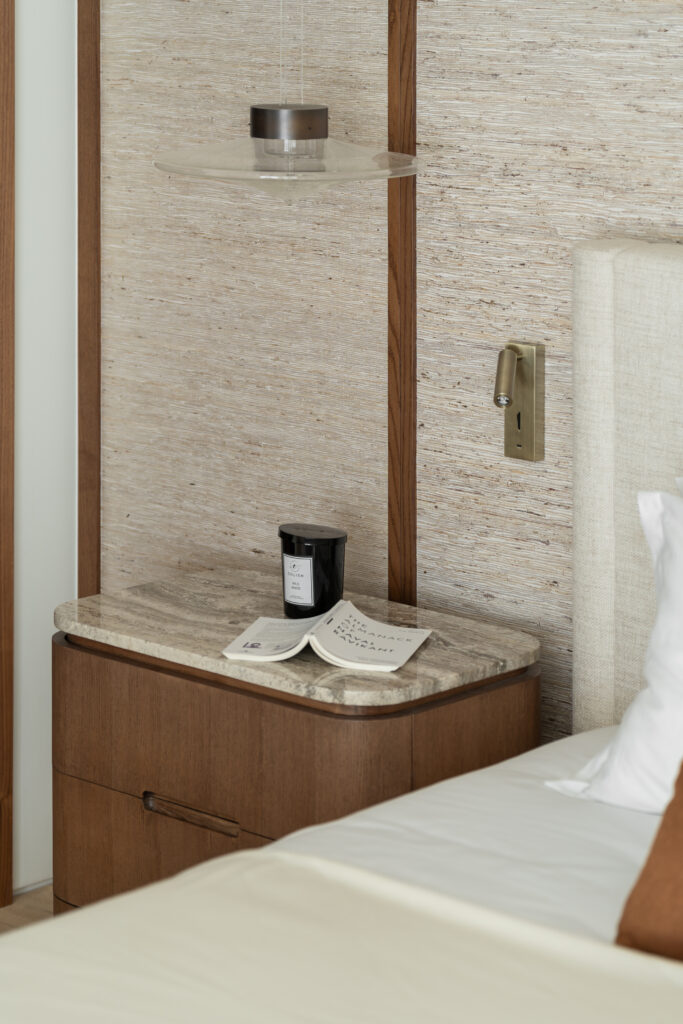
The guest bedroom retreats into serenity: muted hues, layered textiles, and the gentle radiance of Desideria Pendant Lights by Fisionarte. Designed to offer comfort without ornamentation, the room evokes the understated calm of private family life.
In the study, Hilal balances functionality with emotional depth. Clean architectural lines are softened by rich wood finishes and objects from the family’s personal collection. The Vancouver armchairs from Morello Gianpaolo bring gravitas and warmth, making the space equally suited to focused work or quiet contemplation. It is a modern workspace that still carries the familiarity of the home’s original character.
For Masoomeh Hilal, the Garhoud villa was less a renovation than a cultural conversation—between generations, between past and present, between the home that once was and the home that could be. Every choice was guided by respect: for heritage, for emotional resonance, and for the understated poetry of lived spaces.
The result is a residence that transcends time. It is a place where modern craftsmanship coexists with nostalgia; where design becomes a vessel for memory; where the spirit of a family home is not only preserved, but elevated. A home reimagined, not replaced—built on the belief that the most meaningful interiors are those that remember.