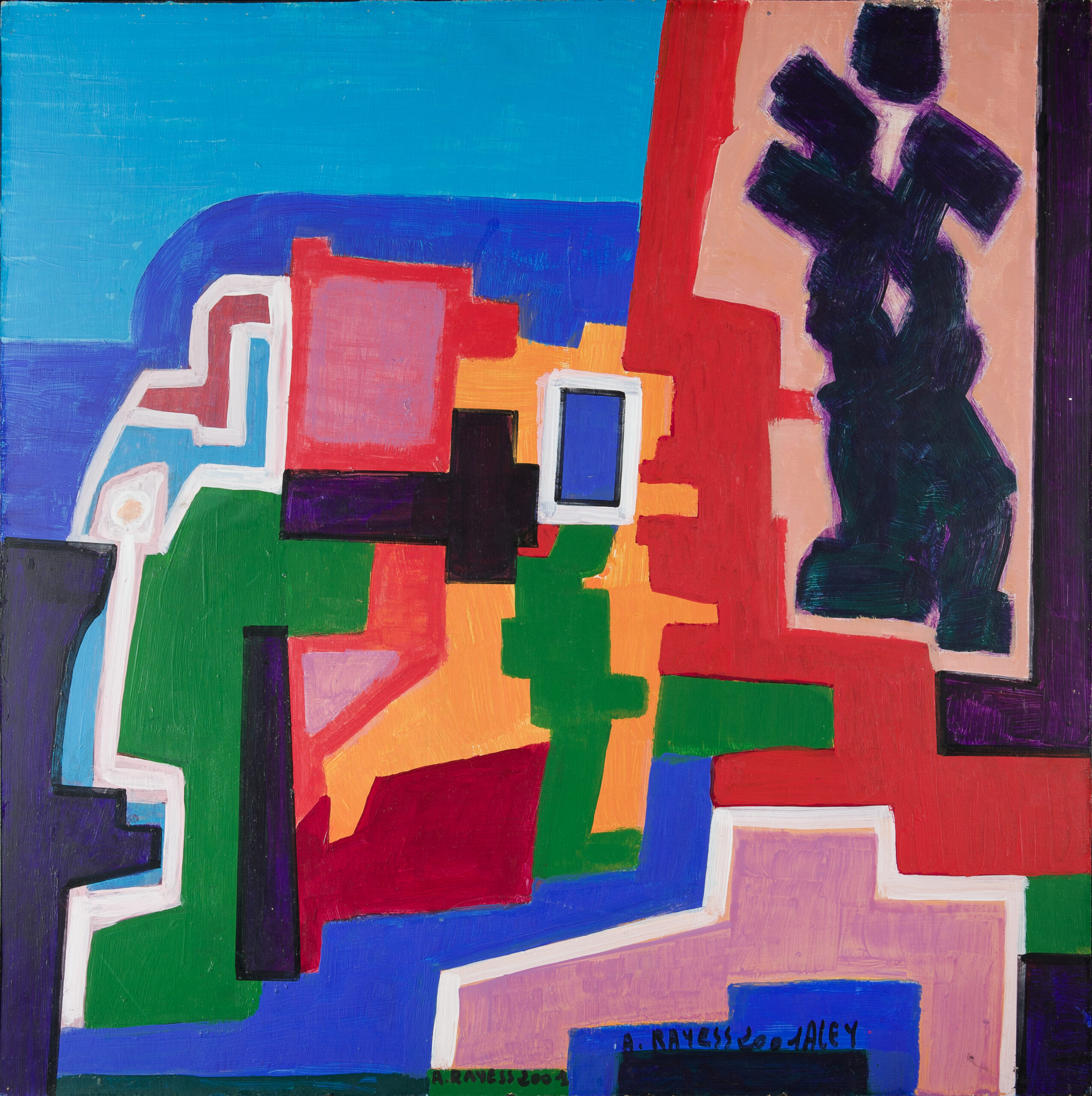
Memory is never a passive archive; it is constructed through gesture, circulation and care. With its fourth edition, Dubai Collection positions memory as an active cultural infrastructure, unfolding across fourteen days of exhibitions, studio visits and conversations that reconsider how art lives within a city.
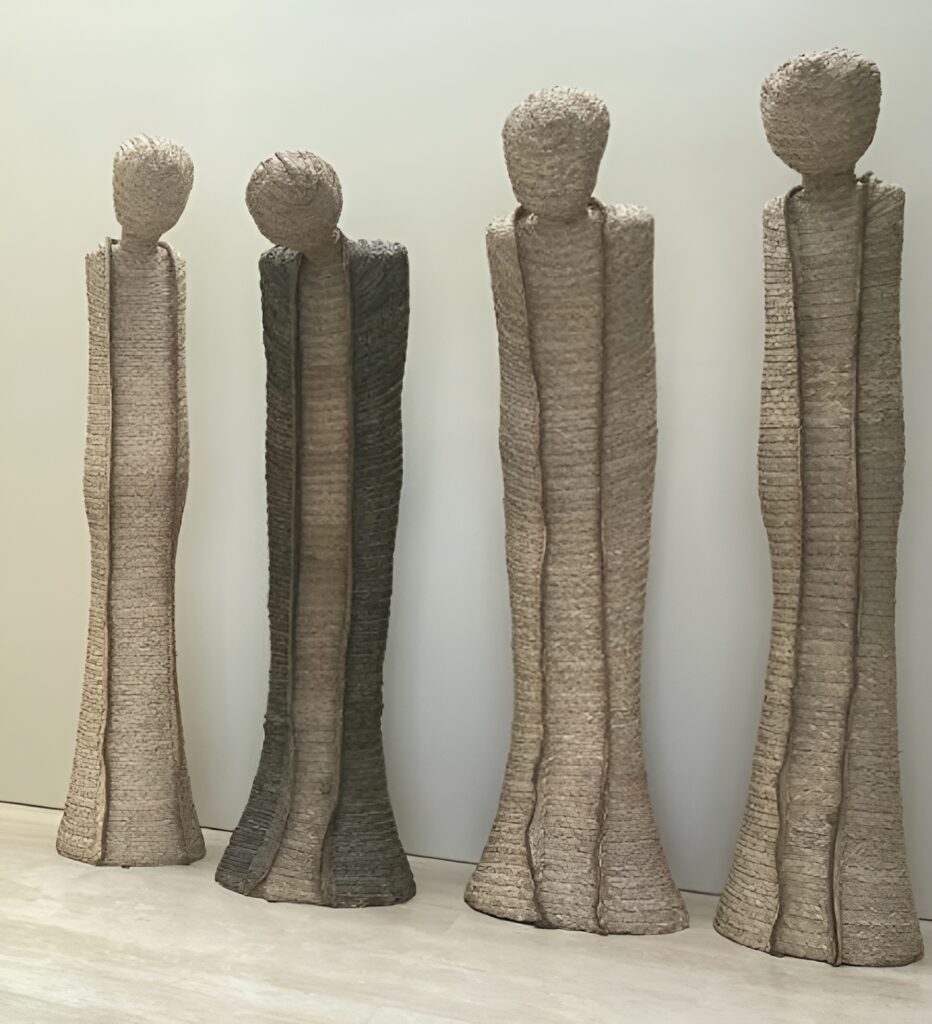
Anchored at Al Safa Art and Design Library, Dubai Collection Nights 2026 responds to the theme Mapping Memories: Landscapes in Flux and Geometries of the Imagination. The title suggests a form of cartography: landscapes understood not as fixed territories but as evolving terrains, and geometry as the intellectual structure through which experience is organised. At its centre is In Attunement, curated by Jumanah Abbas, which draws from works held in private collections and reframes them within a shared spatial and historical dialogue.
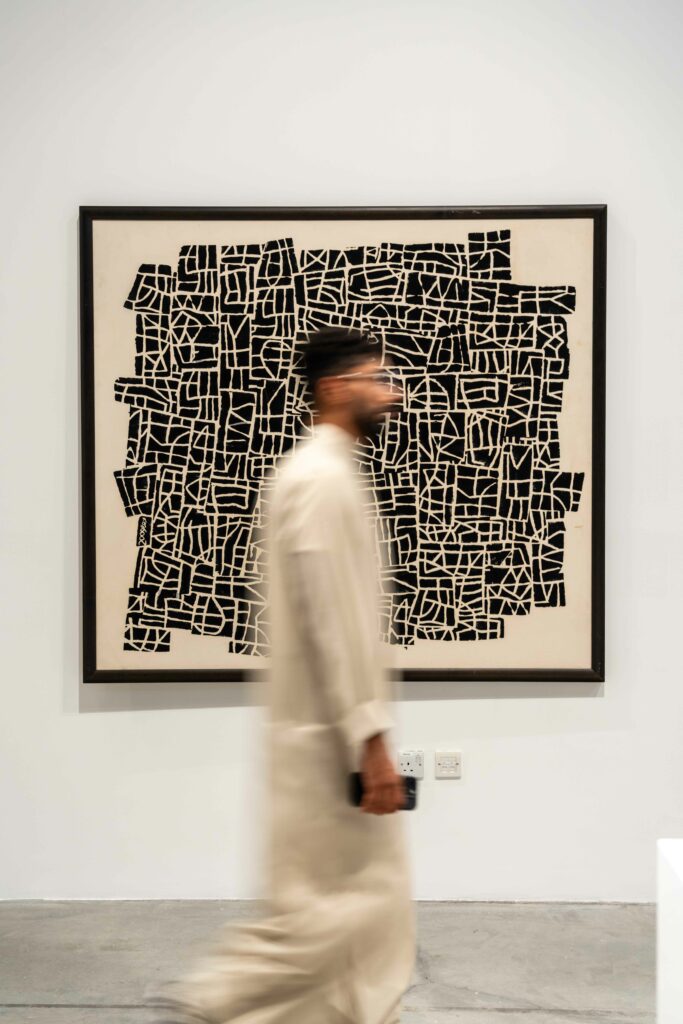
Abstraction forms the exhibition’s conceptual axis. In the accumulative rigor of Hassan Sharif, the chromatic architectures of Samia Halaby, the luminous minimalism of Rana Begum, and the carved wooden poetics of Chaouki Choukini, form becomes mnemonic device. These works do not depict landscape directly; they encode it — through repetition, rhythm, surface and spatial tension. As Abbas explains, abstraction operates “not only as a visual language, but as a framework through which histories are remembered and new spatial possibilities take shape.” The exhibition thus invites a “slower mode of looking,” encouraging viewers to attune themselves to subtle relationships between material, form and environment.
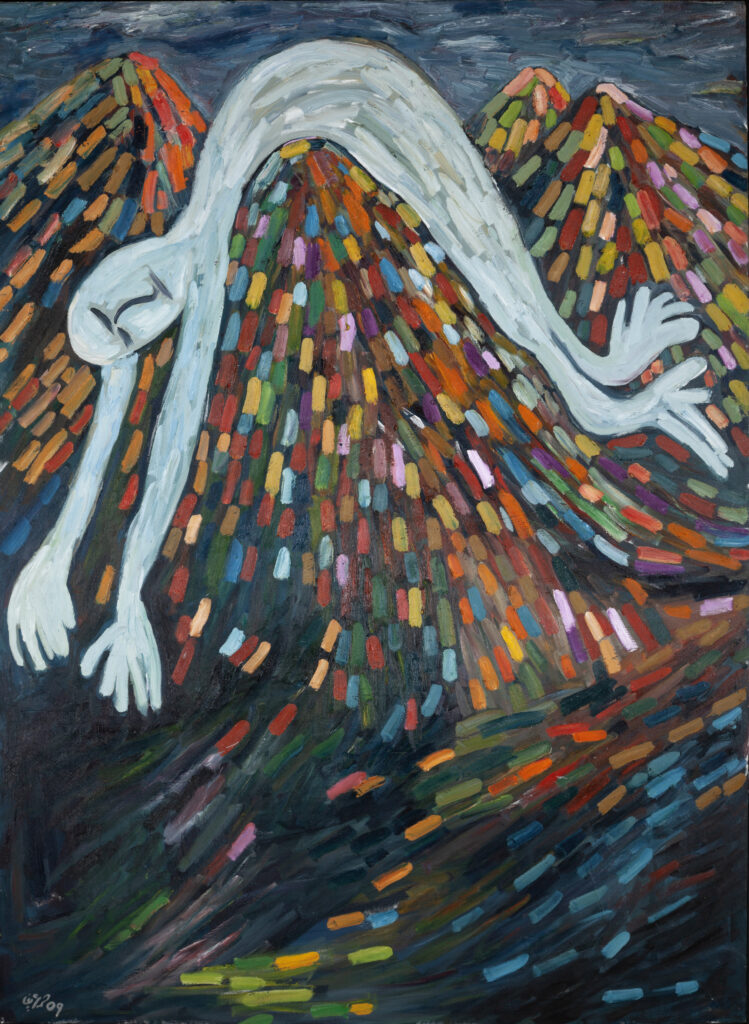
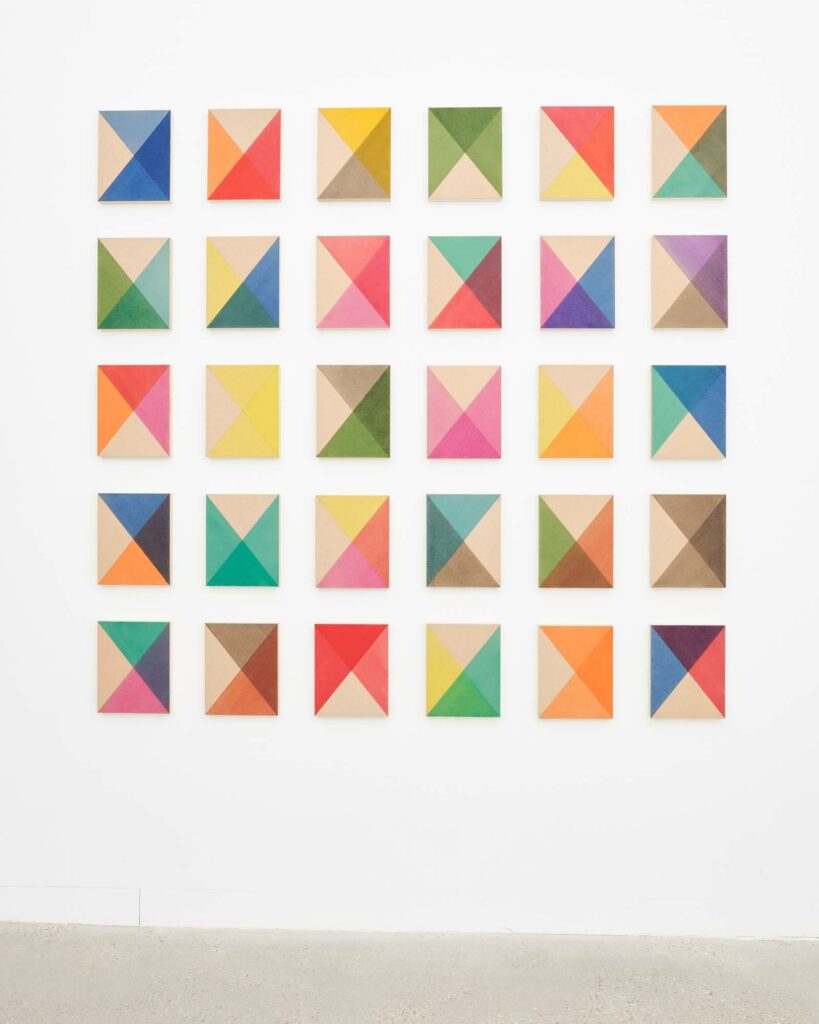
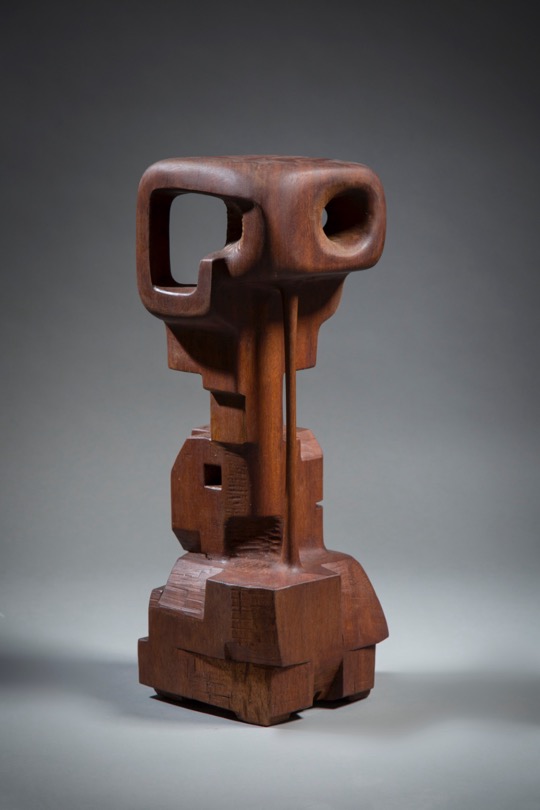
Yet the more radical gesture lies in the Collection’s structure. Launched by Dubai Culture & Arts Authority in partnership with Art Dubai Group, the Dubai Collection is built on a long-term loan model. Works ordinarily encountered within private homes or corporate settings are temporarily repositioned within public discourse. Rather than consolidating ownership under a single institutional authority, the Collection distributes responsibility across patrons, artists and curators.
For Muna Faisal Al Gurg, this transforms collecting into “an act of stewardship,” allowing artworks “held in private care” to participate in communal cultural memory. In doing so, the initiative challenges traditional museum frameworks that often fix narratives into canon. Here, the archive remains provisional — relational rather than encyclopaedic.
The programme extends beyond the exhibition walls through studio visits with artists such as Hazem Harb and Saif Mhaisen, panel discussions on patronage and archiving, and workshops that translate abstraction into embodied practice. These encounters situate art not as spectacle but as process: something negotiated in dialogue, revisited over time.
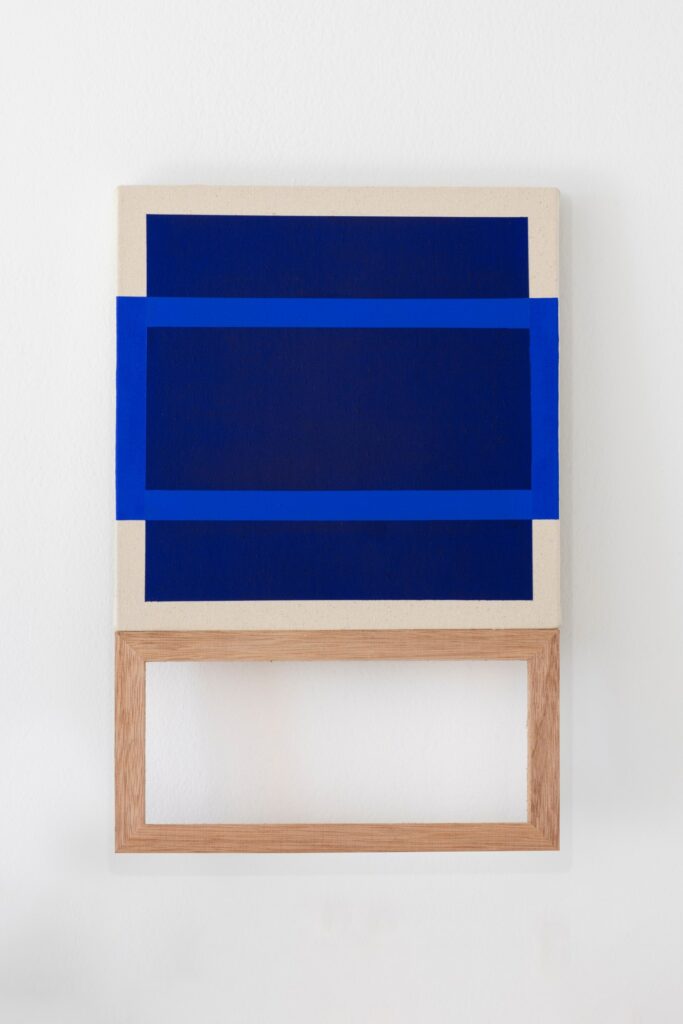
If much of Dubai’s cultural narrative has been framed through futurity, Dubai Collection Nights proposes a complementary axis — memory as method. Not monumental, but accumulative. Not static, but in flux. In mapping what has been gathered, the Collection ultimately reveals something more enduring: the evolving consciousness of a city learning how to remember itself.