A ceramic bowl slips from the hand and fractures across the floor. In most homes, the story would end there — the pieces swept away, the object replaced. But in Japan, for centuries, another path has existed. It is called Kintsugi, the art of repairing broken ceramics with lacquer enriched with gold.
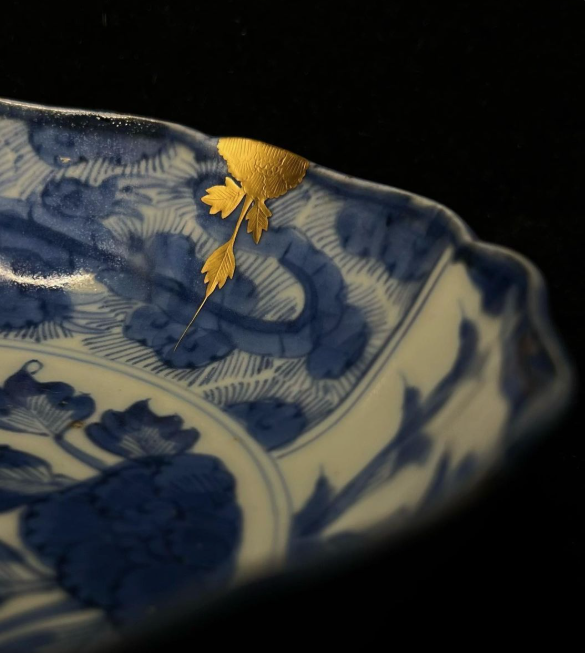
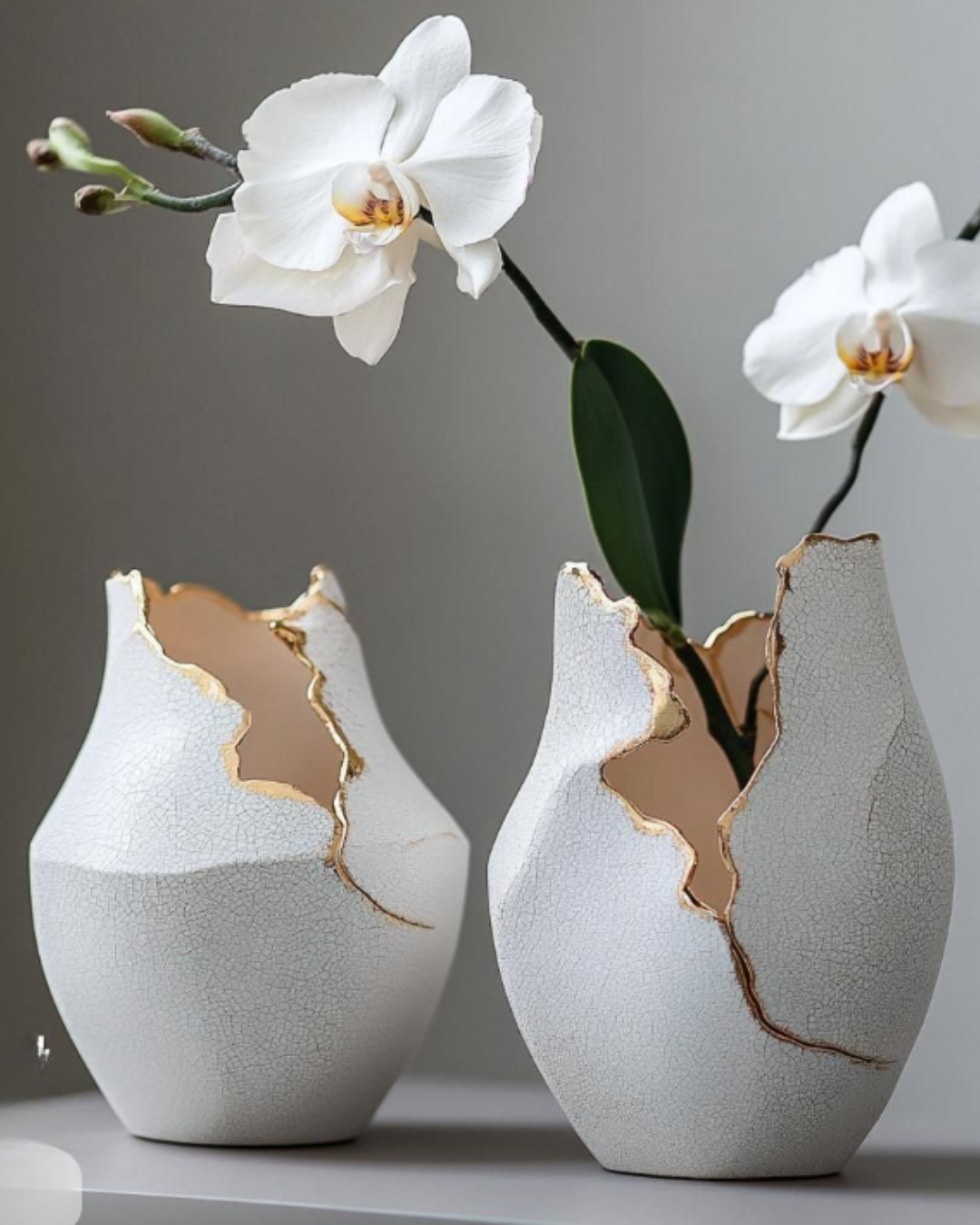
Rather than disguising the break, Kintsugi reveals it. The crack is carefully traced with gold, silver, or platinum, transforming the fracture into part of the object’s history. What was once broken returns to the table — altered, yet somehow more meaningful.
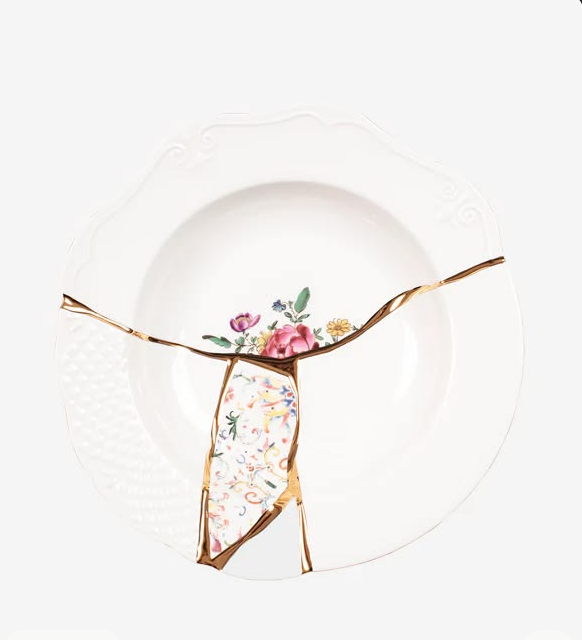
The process itself is quiet and deliberate. The fragments are first gathered and gently cleaned, then reassembled using a natural lacquer adhesive. Once the structure has been restored, a fine metallic powder is brushed along the seam, allowing the repair to shimmer softly across the surface. The crack remains visible — not as damage, but as a line of memory.
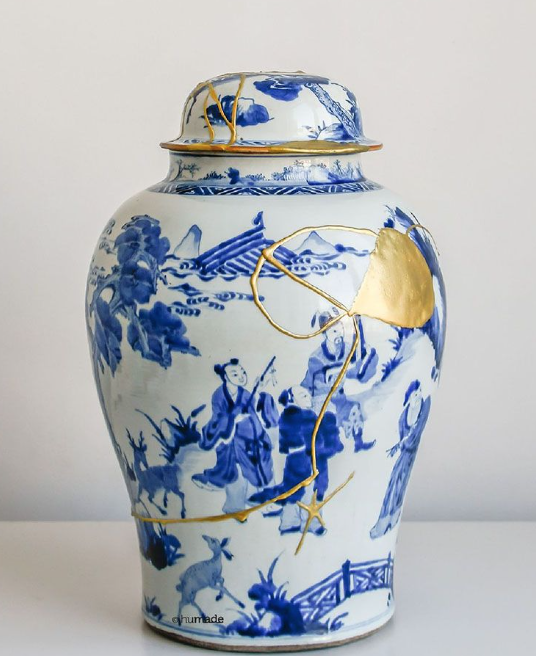
The philosophy behind the craft is deeply connected to the Japanese idea of wabi-sabi, an aesthetic that honours imperfection and the beauty of things shaped by time. A repaired bowl becomes a testament to care and patience — a reminder that wear and rupture are not the end of an object’s life.
Today, the philosophy resonates far beyond ceramics. In moments when the world itself can feel fragile or uncertain, Kintsugi offers a quiet metaphor: repair is possible, even if the traces remain.
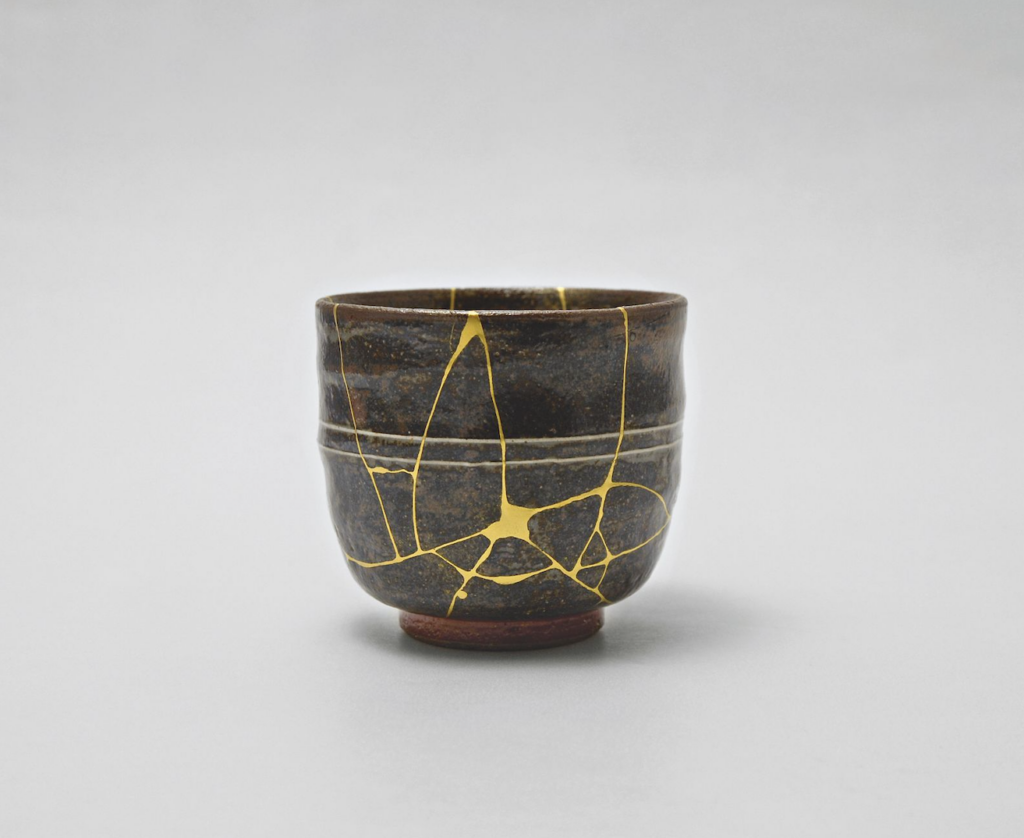
For those curious to try the practice at home, the gesture itself is simple. Gather the broken pieces of a ceramic object, clean them carefully, and join them using a strong adhesive or lacquer. Once the surface has dried, trace the seam with gold powder or gold paint, allowing the fracture to become a visible line of restoration.
The result will never look exactly as it once did — and that is precisely the point. Kintsugi reminds us that beauty does not lie in returning to perfection, but in honouring the marks left by life.