The architectural landscape of Downtown Cairo bears witness to a history of cultural exchange, where European influences, Egyptian traditions and successive visions of urban modernity have shaped the city’s identity. Within this complex urban fabric, Mazeej Balad introduces a contemporary interpretation of Egyptian hospitality, taking the architectural and cultural memory of its surroundings as the point of departure for its design.
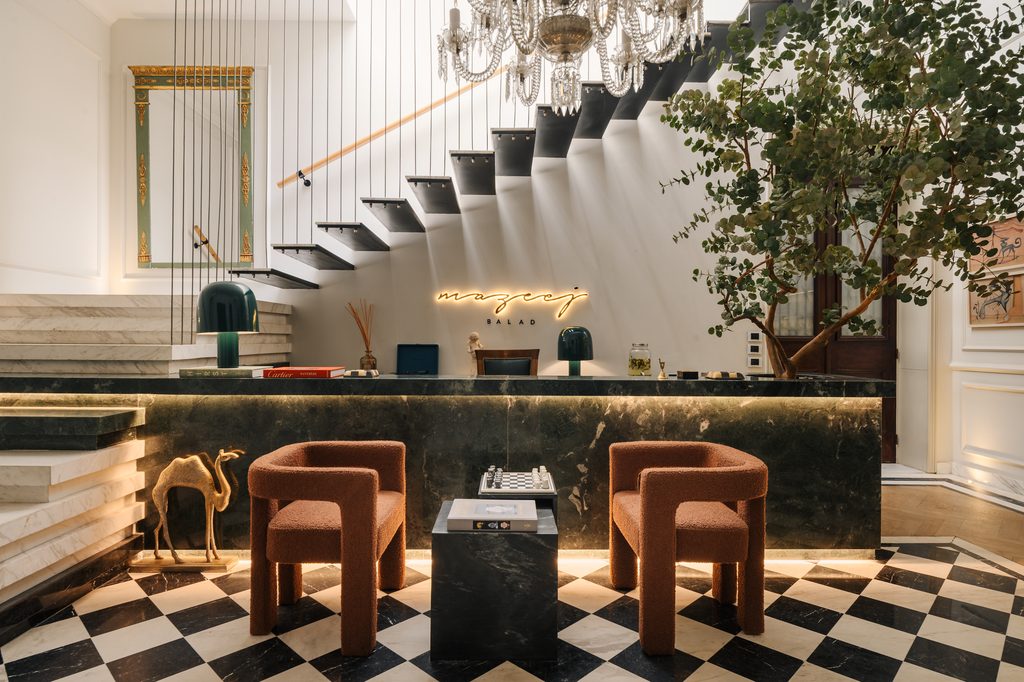
Occupying La Viennoise, an architectural landmark dating back to 1883, the hotel forms part of a conversation about the future of Downtown Cairo and the role contemporary design can play in its transformation. Developed by gnk group in partnership with Ismaileya Group, the project considers architectural heritage not as a finished chapter, but as material for contemporary interpretation.
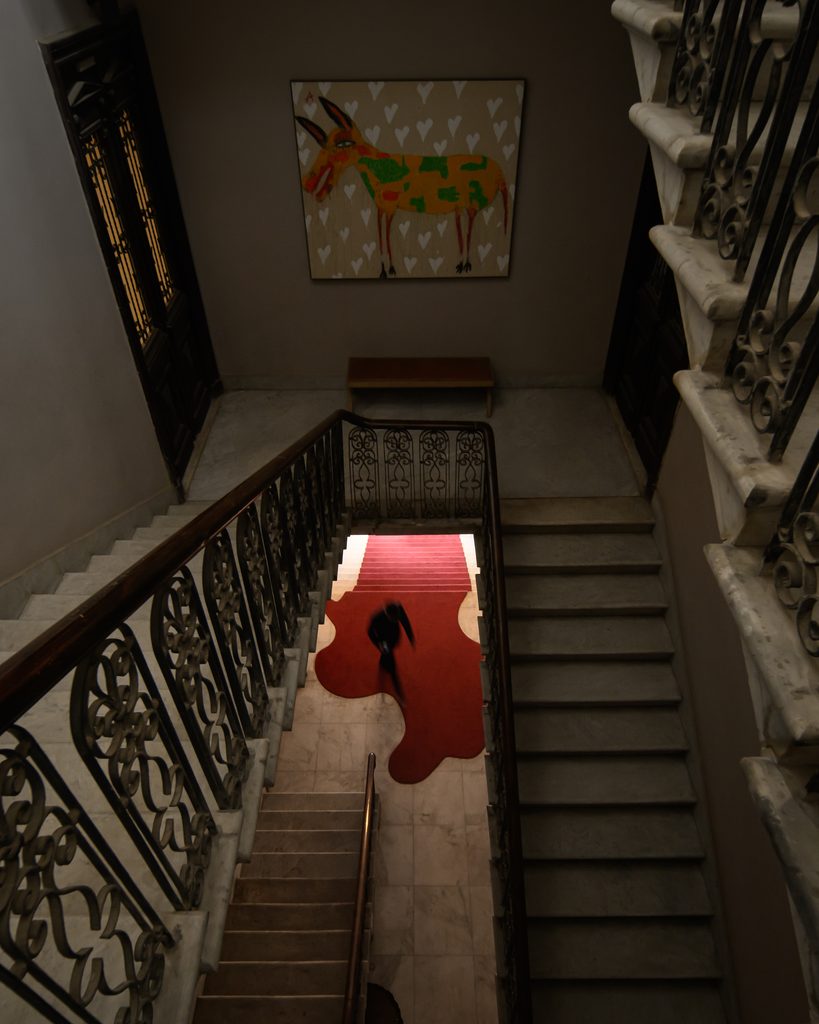
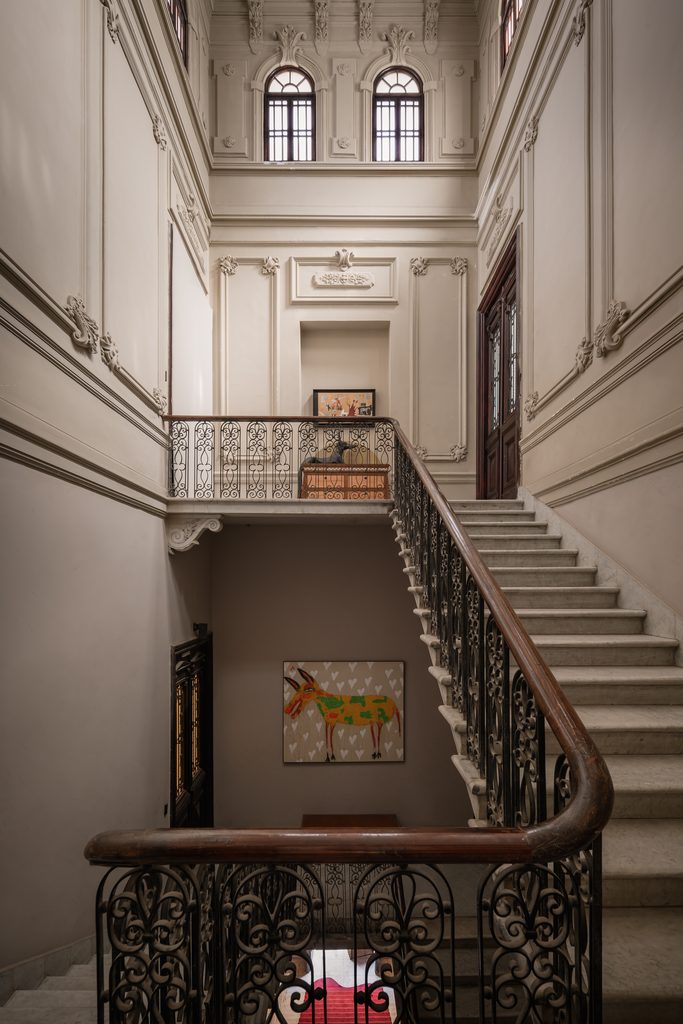
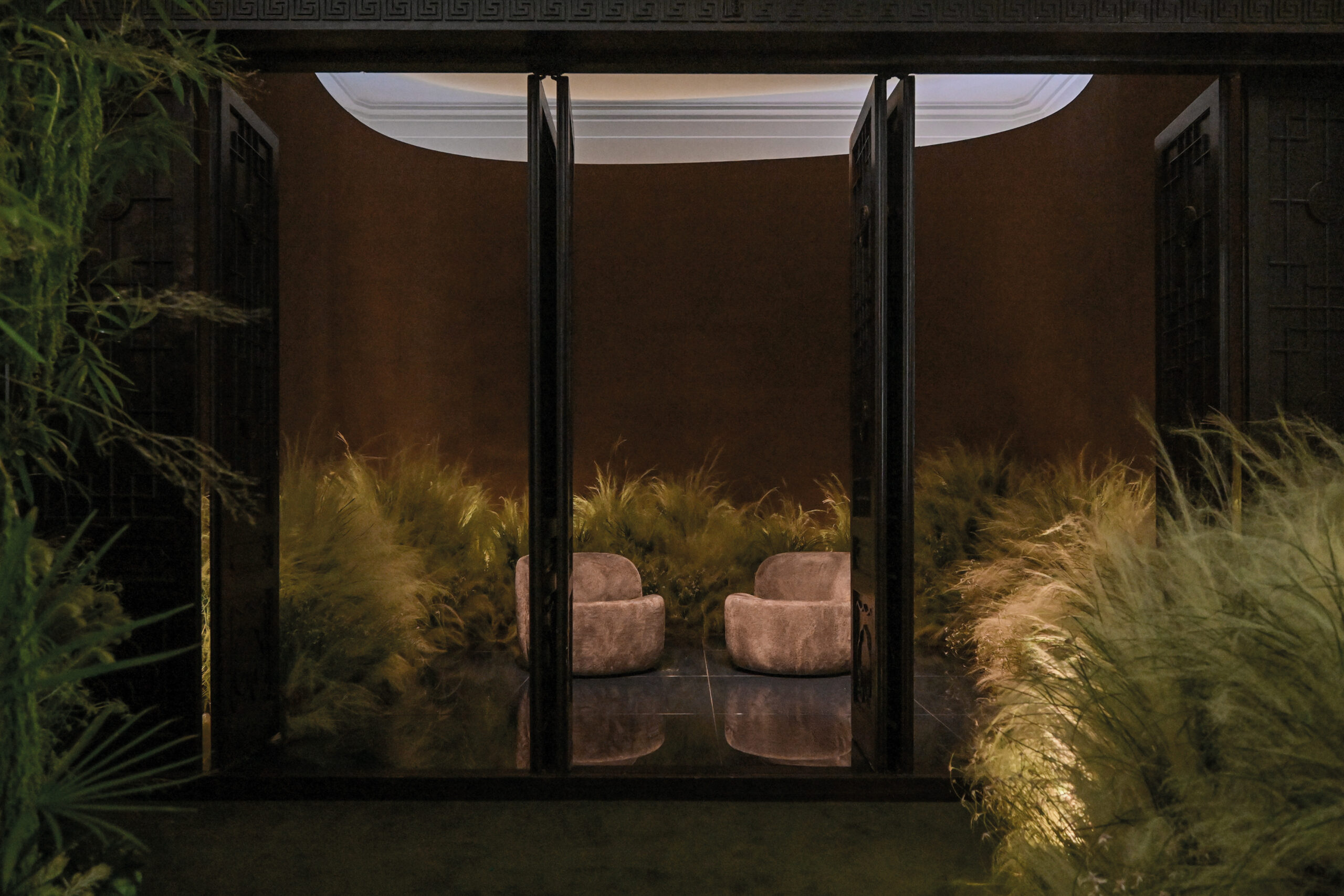
Under the direction of Egyptian architect Malak Orfy, the interiors explore the relationship between the inherited architecture and a contemporary vocabulary of materials, textures and artistic expression. Each space possesses its own character, resisting the uniformity that has come to define much of international hospitality. The building provides the framework for a design language that acknowledges its history without attempting to reproduce it.
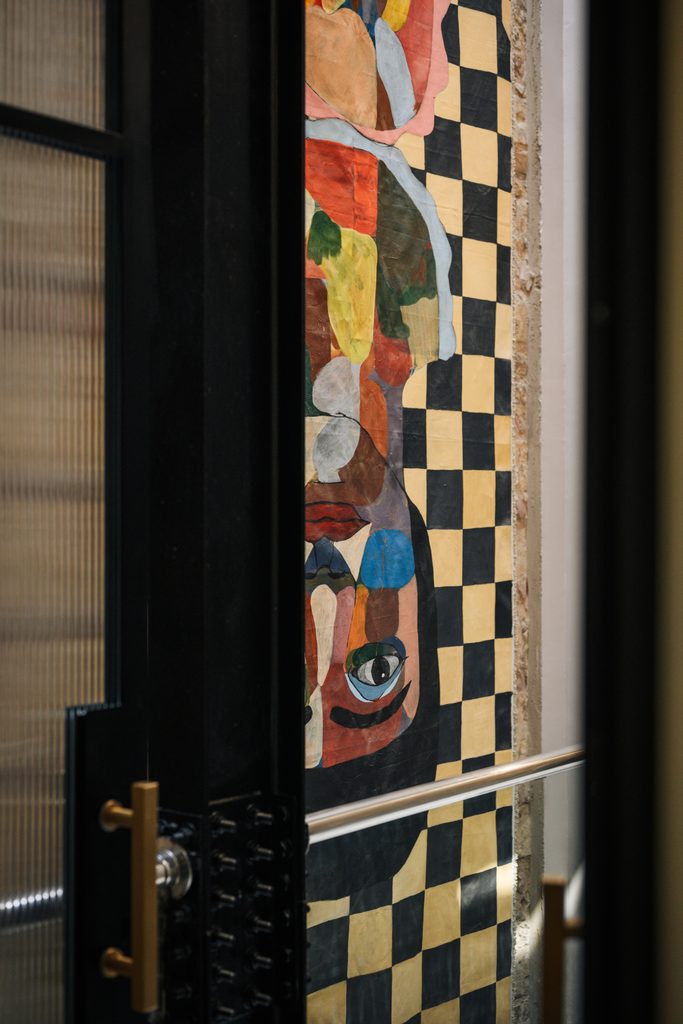
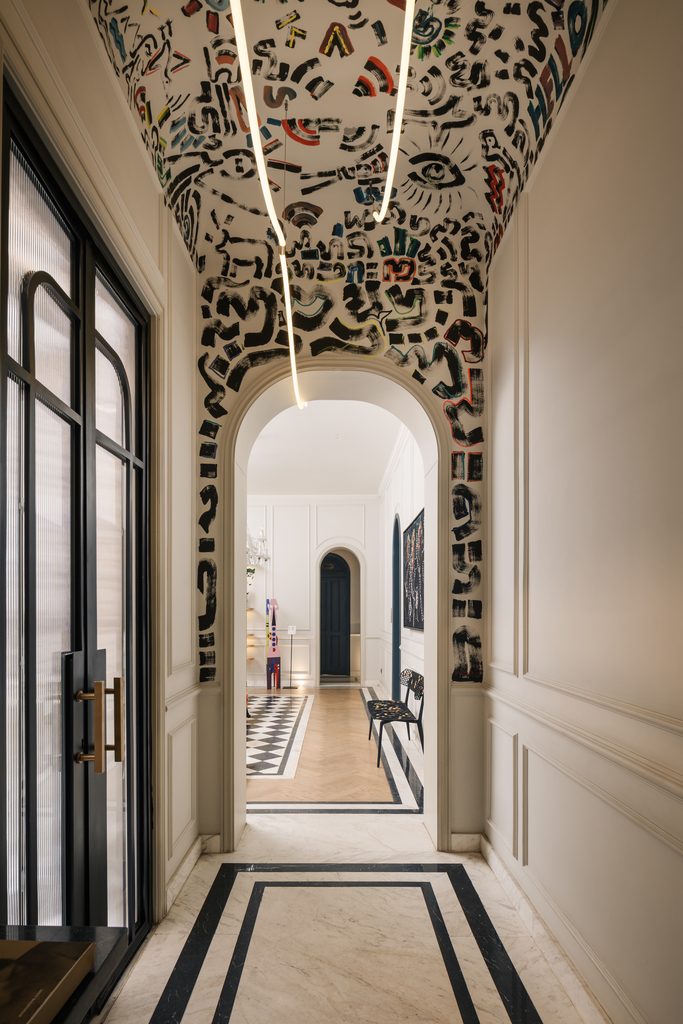
The name itself offers a key to understanding the project. Derived from the Arabic word for mixture or medley, Mazeej embraces the notion of cultural plurality. It is a concept that finds particular relevance in Cairo, a city whose architectural identity has emerged through centuries of exchange, adaptation and reinterpretation.
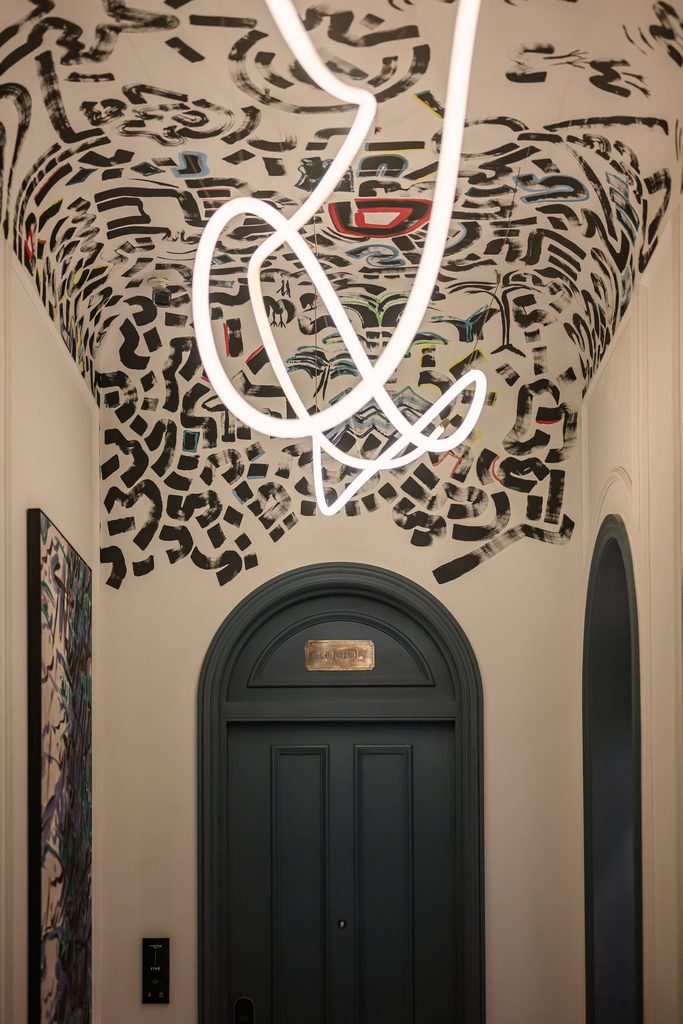
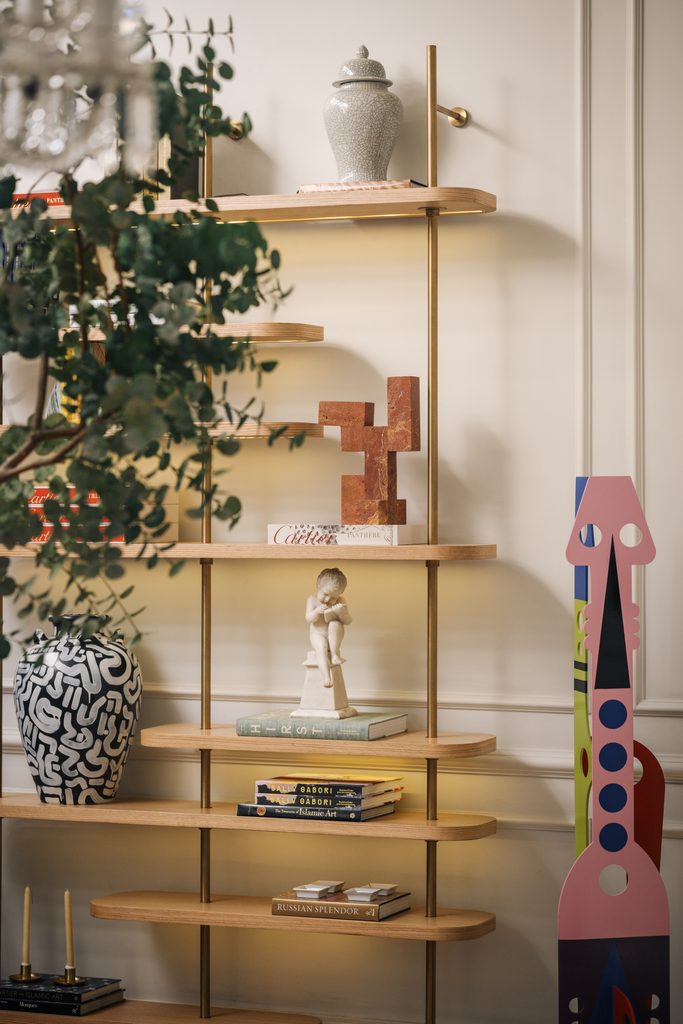
This philosophy raises a broader question about the representation of Egyptian identity within contemporary design. How can a hotel express its cultural origins without reducing them to a collection of recognisable motifs? At Mazeej Balad, the answer lies in the relationship between architecture, art, materiality and the experience of inhabiting a place.
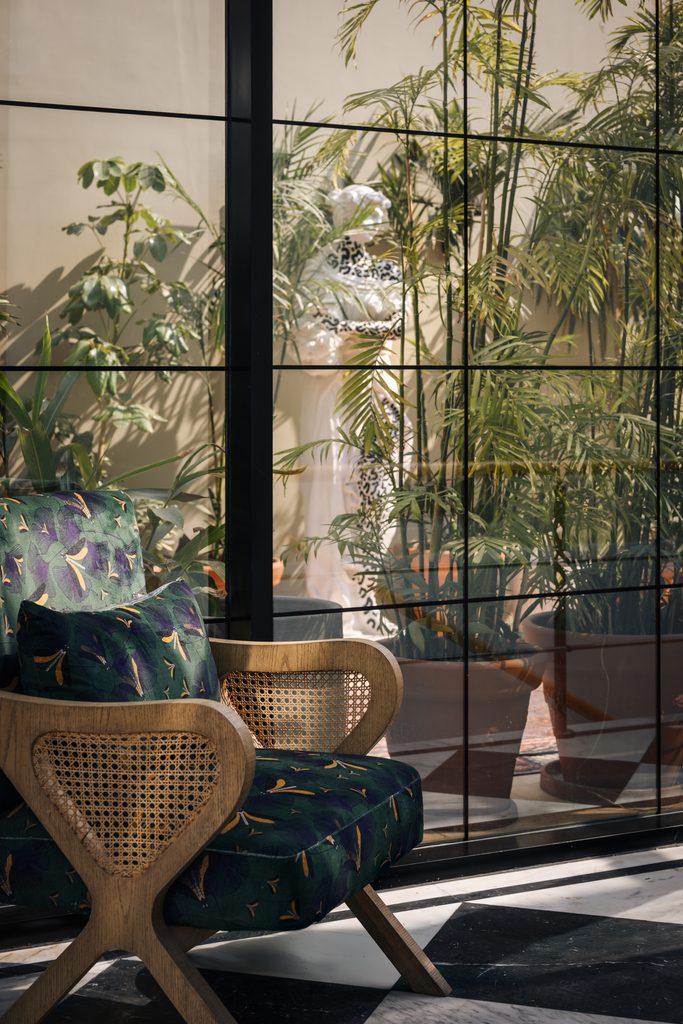
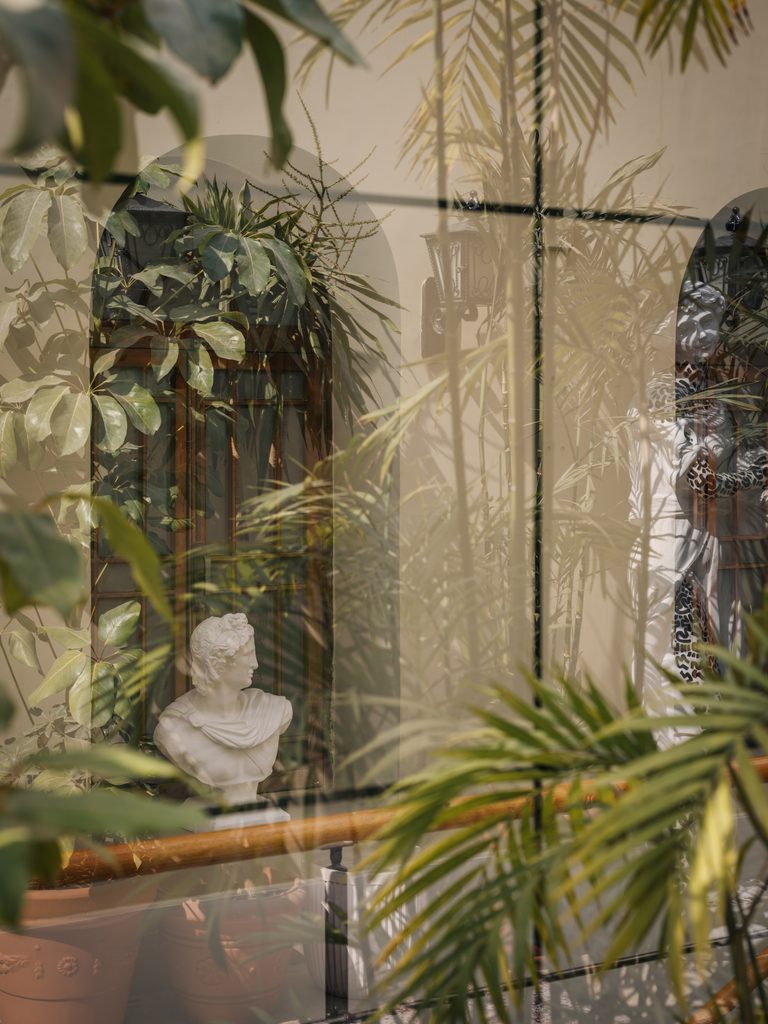
The dialogue extends to the rooftop restaurant, where the reinterpretation of Egyptian culinary traditions mirrors the architectural approach. Familiar dishes such as lesan asfour and koshary assume new forms through the techniques of risotto and arancini. Both the interiors and the cuisine share an interest in the possibilities that emerge when tradition becomes a foundation for experimentation.
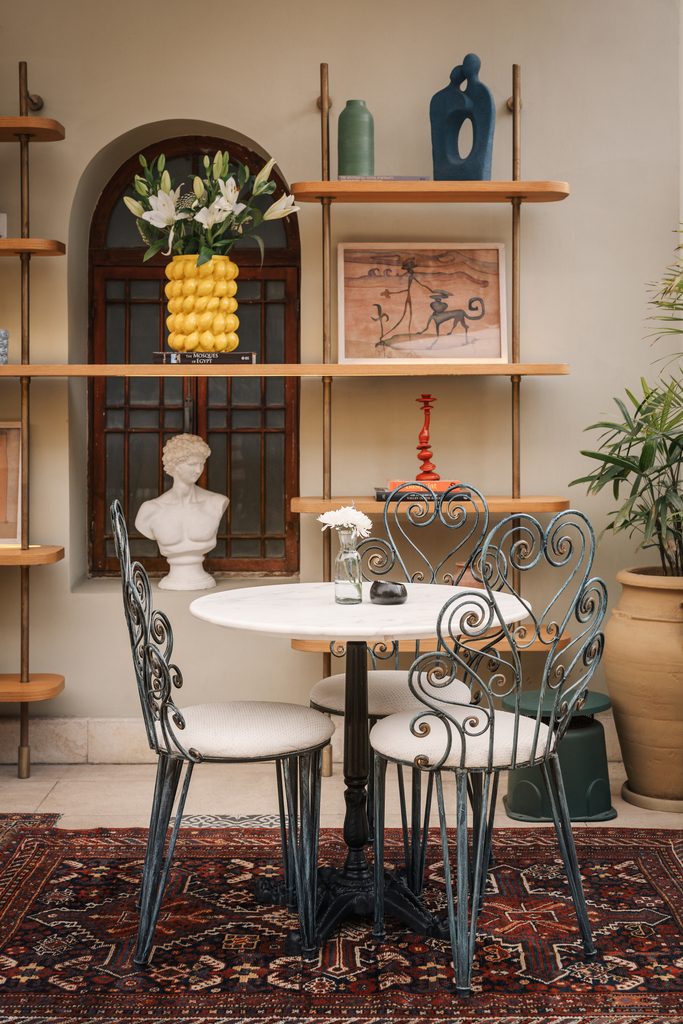
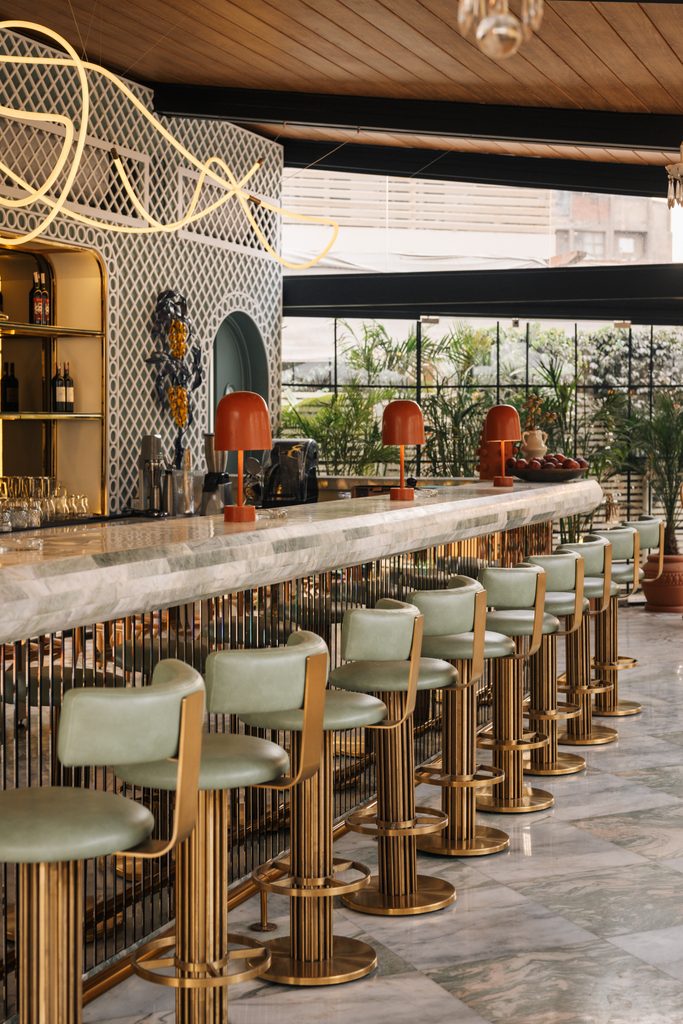
During Cairo Design Week 2026, Mazeej Balad became the first Egyptian property to join Design Hotels, introducing its vision of hospitality to an international network of independent properties. For founders Ahmed El Ganzoury and Kareem Nabil, the recognition marks a chapter in the development of a collection of destinations conceived around the architectural and cultural identities of their surroundings.
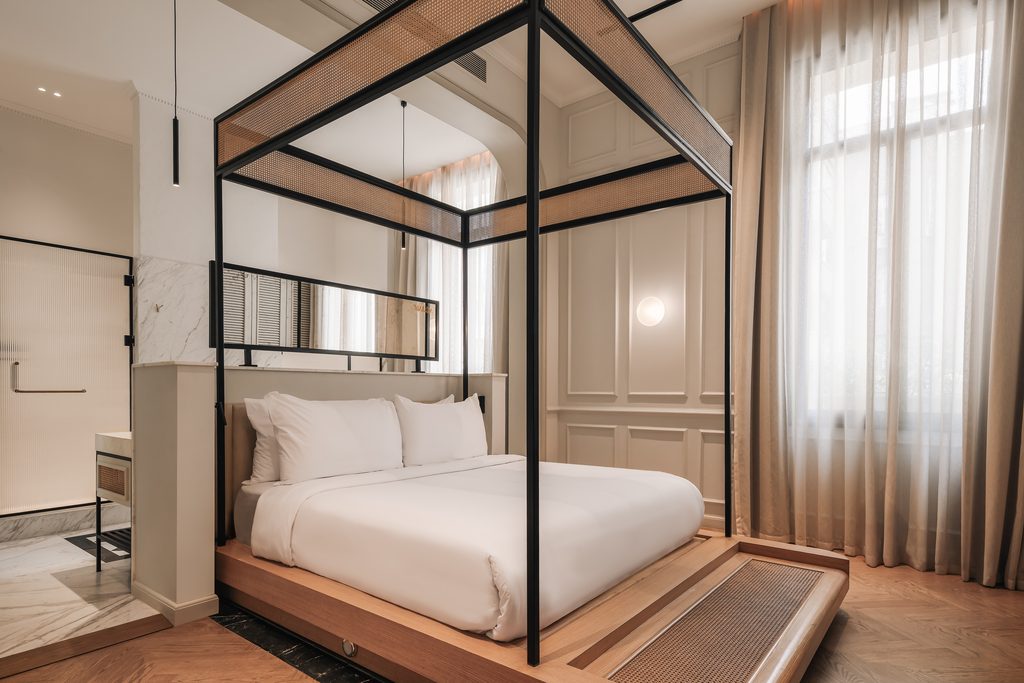
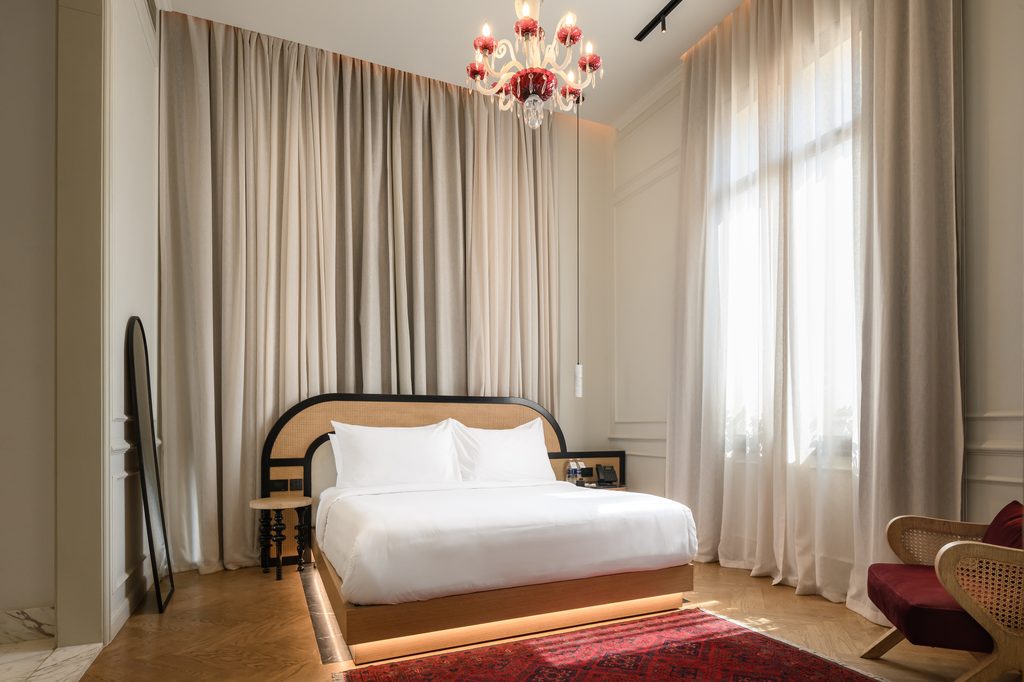
Yet the significance of Mazeej Balad extends beyond its inclusion in an international hospitality portfolio. At a time when cities confront the tension between preservation and development, the project offers a perspective on how historic buildings can participate in contemporary urban life.
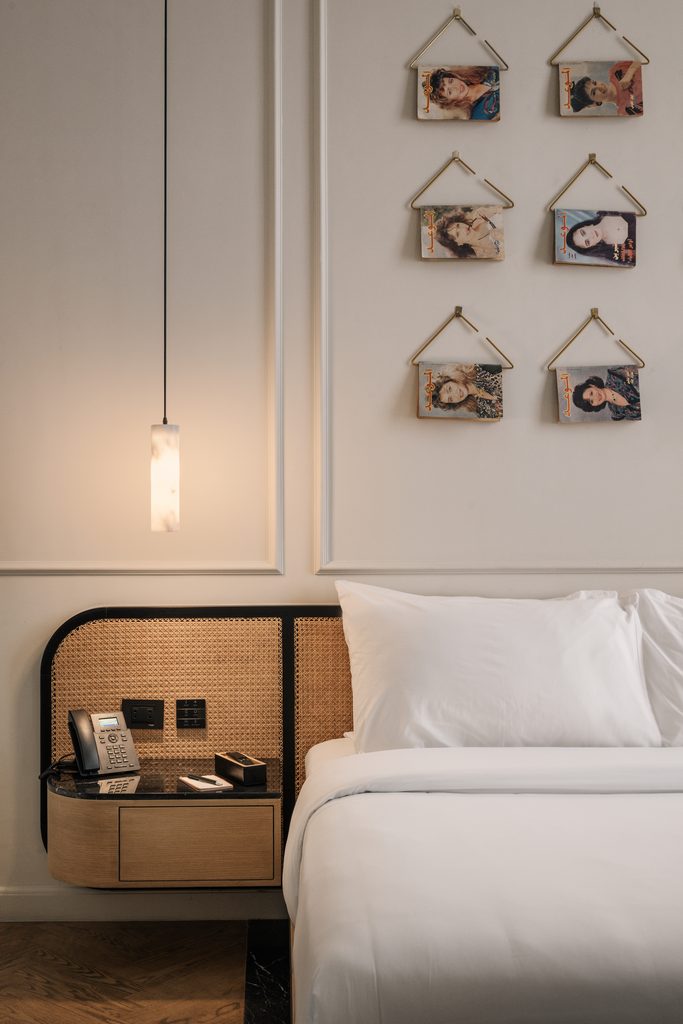
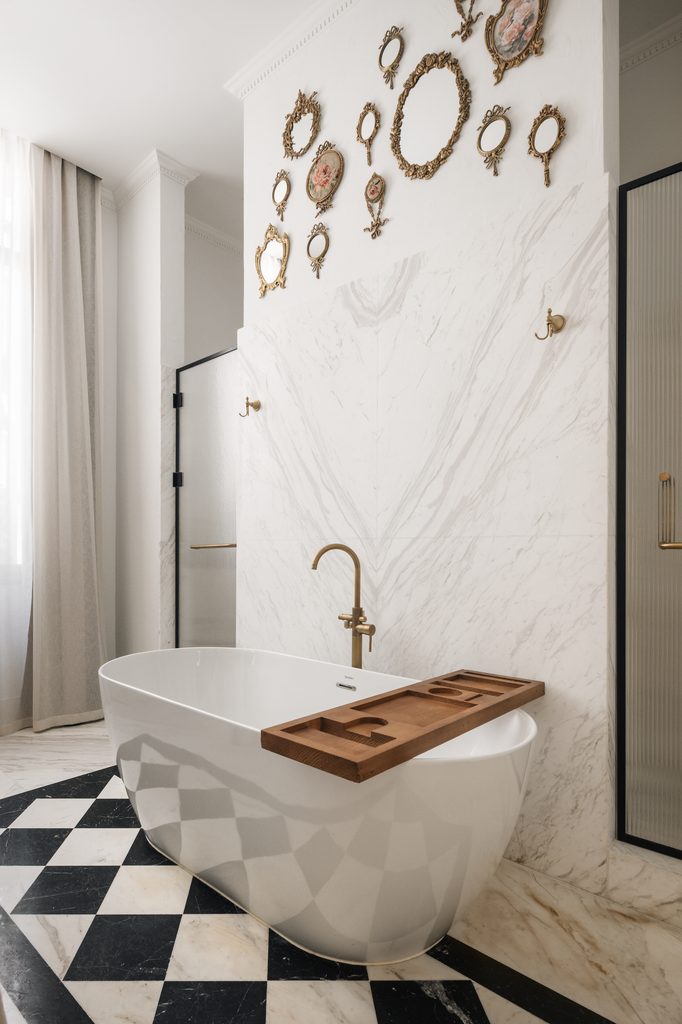
The future of Cairo’s architectural heritage may depend as much on its capacity to accommodate new forms of inhabitation as on the preservation of its past. Mazeej Balad proposes hospitality as one means of sustaining that continuity.