Words by Allegra Salvadori
Design ecosystems rarely announce themselves loudly. They emerge quietly, through spaces that privilege exchange over display and process over spectacle. IF Hub’s opening in Umm Suqeim marks precisely such a moment for Dubai’s design community.
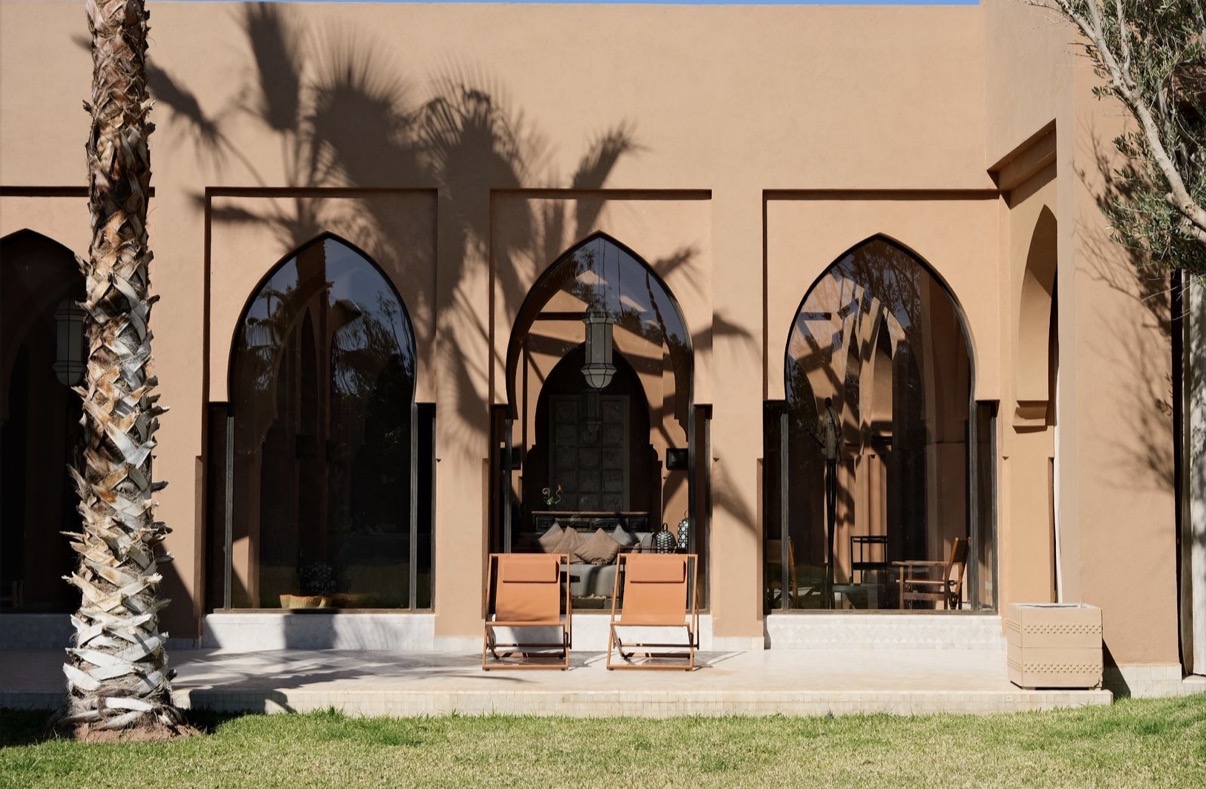
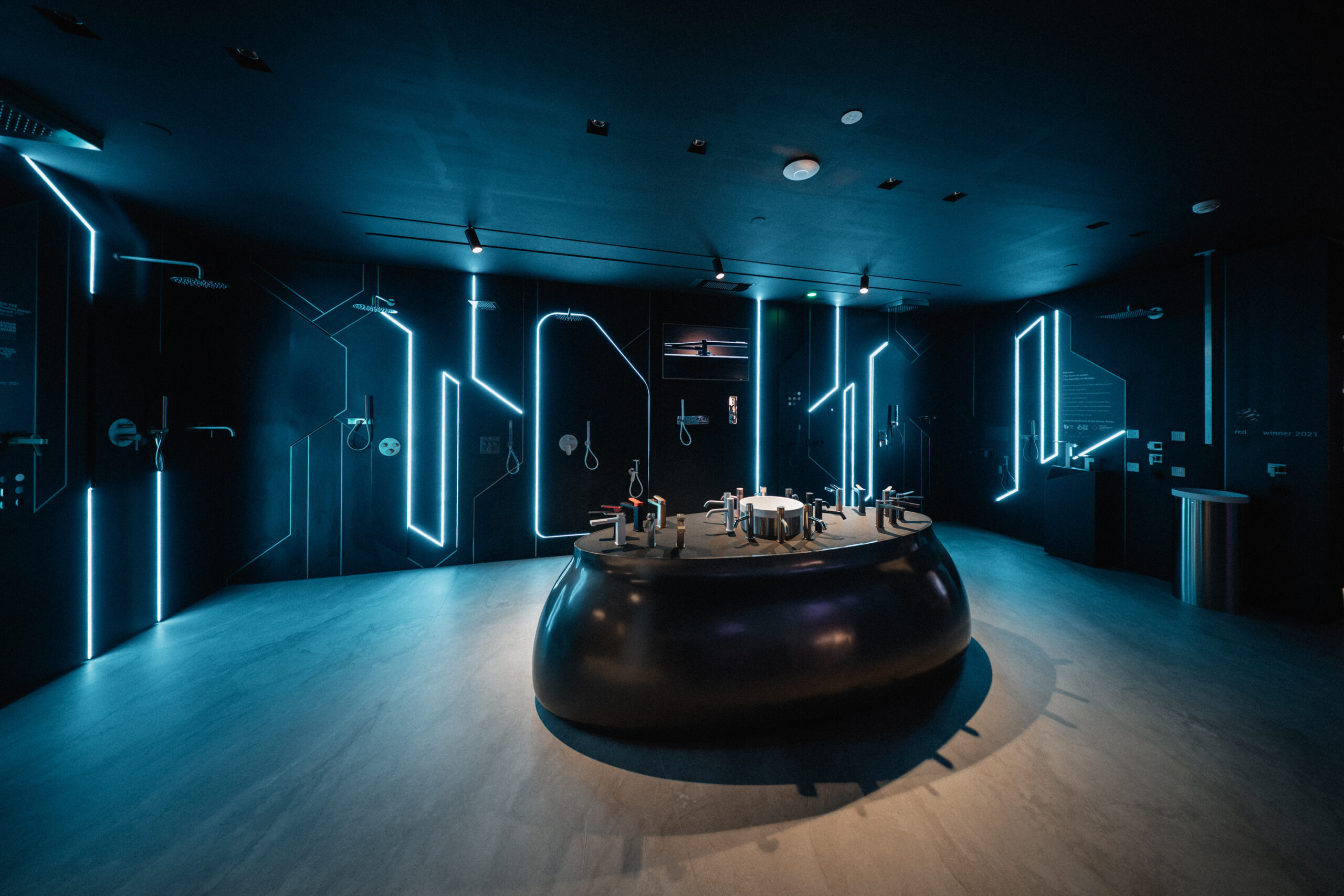
Spanning more than 3,168 square metres, IF Hub positions itself at the intersection of concept and execution. It is a space where designers, architects, developers, and clients move fluidly between inspiration and specification, between conversation and creation. At its core, the project responds to a growing need within Dubai’s maturing design landscape: a place that prioritises collaboration over transaction, and craftsmanship over surface spectacle.
“Our aim is to support the design community and empower professionals,” says Fady Friberg, Co-Founder of IF Hub. “The space is designed for interaction — a hub where meaningful connections happen naturally.”
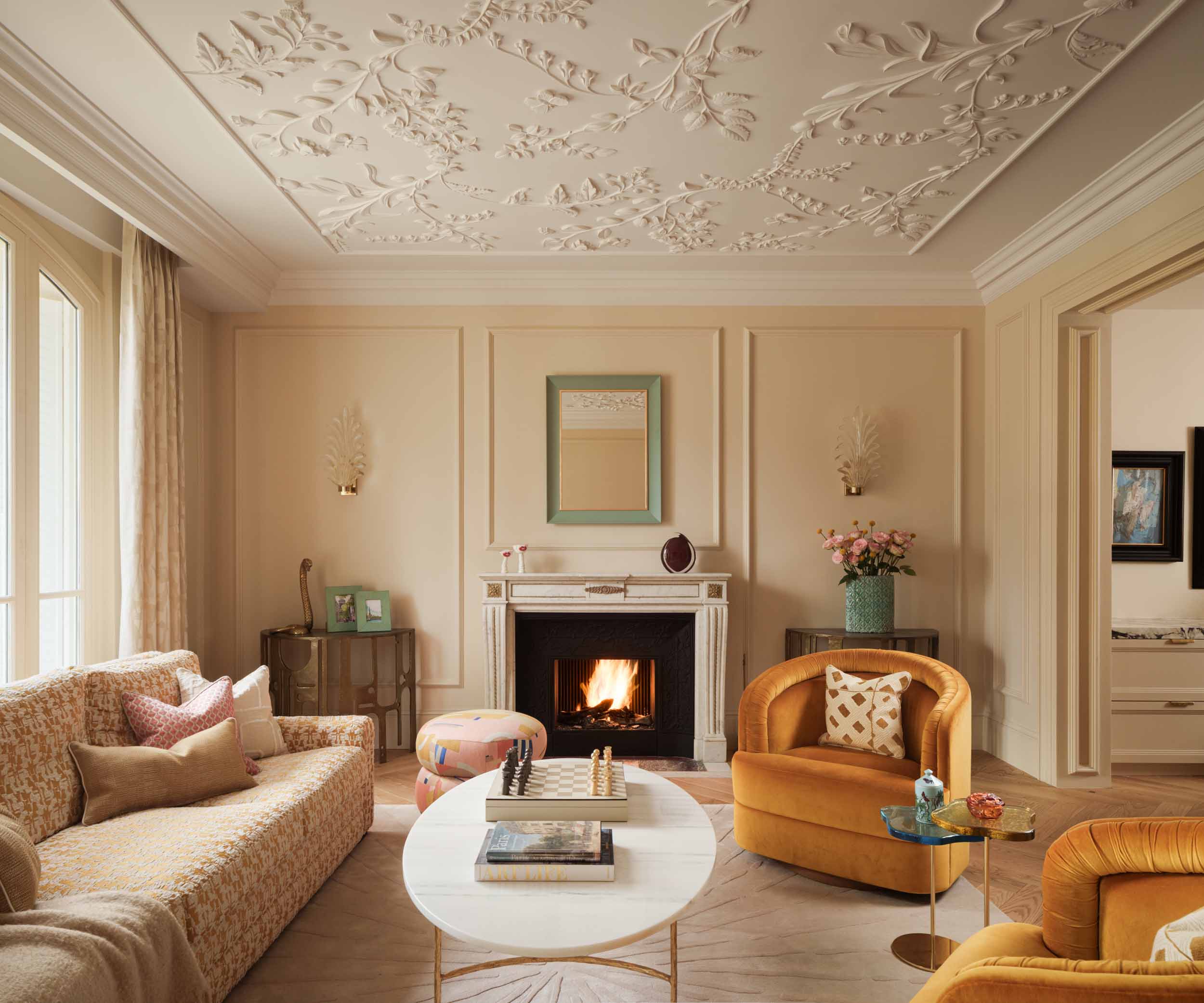
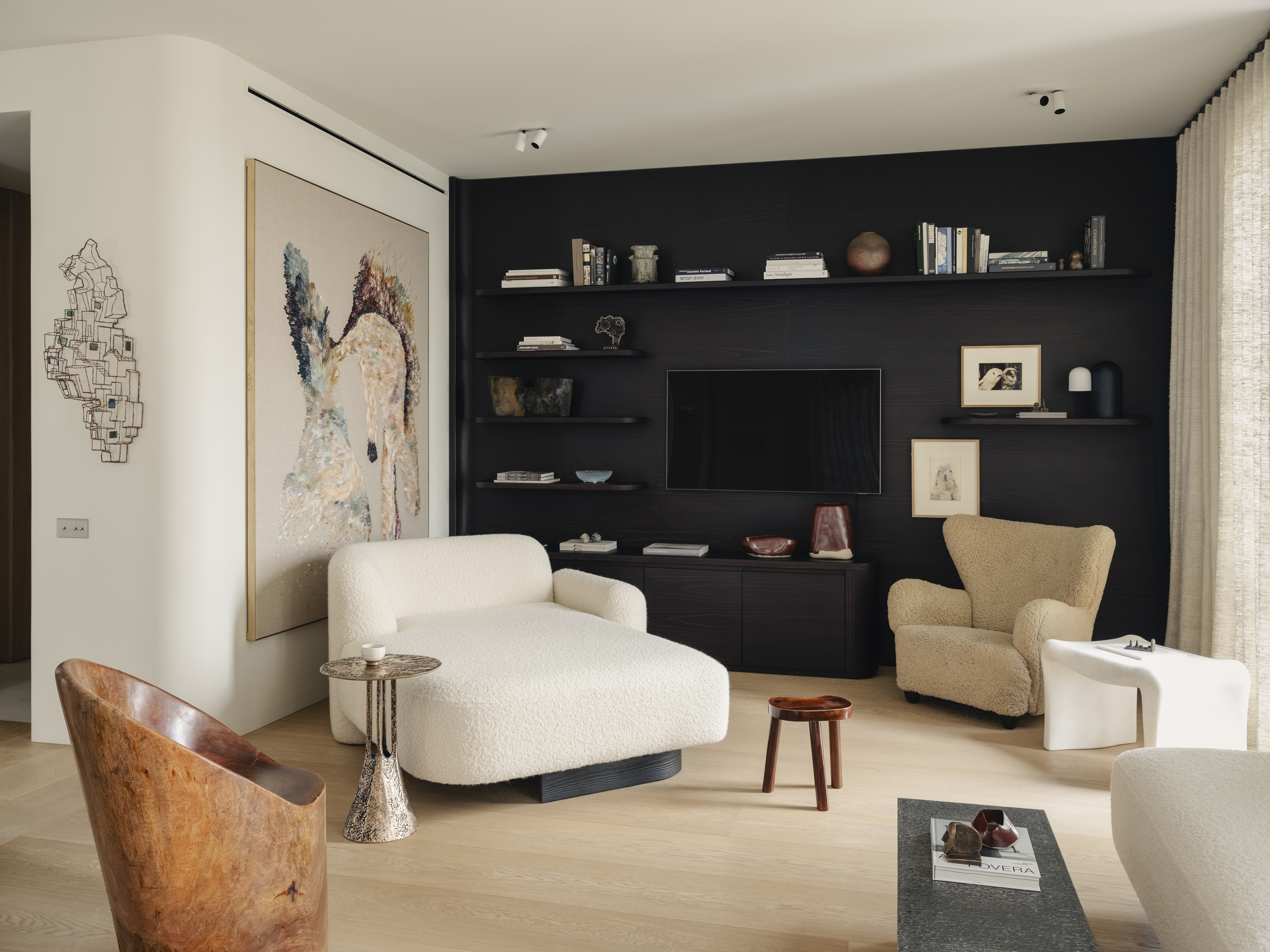
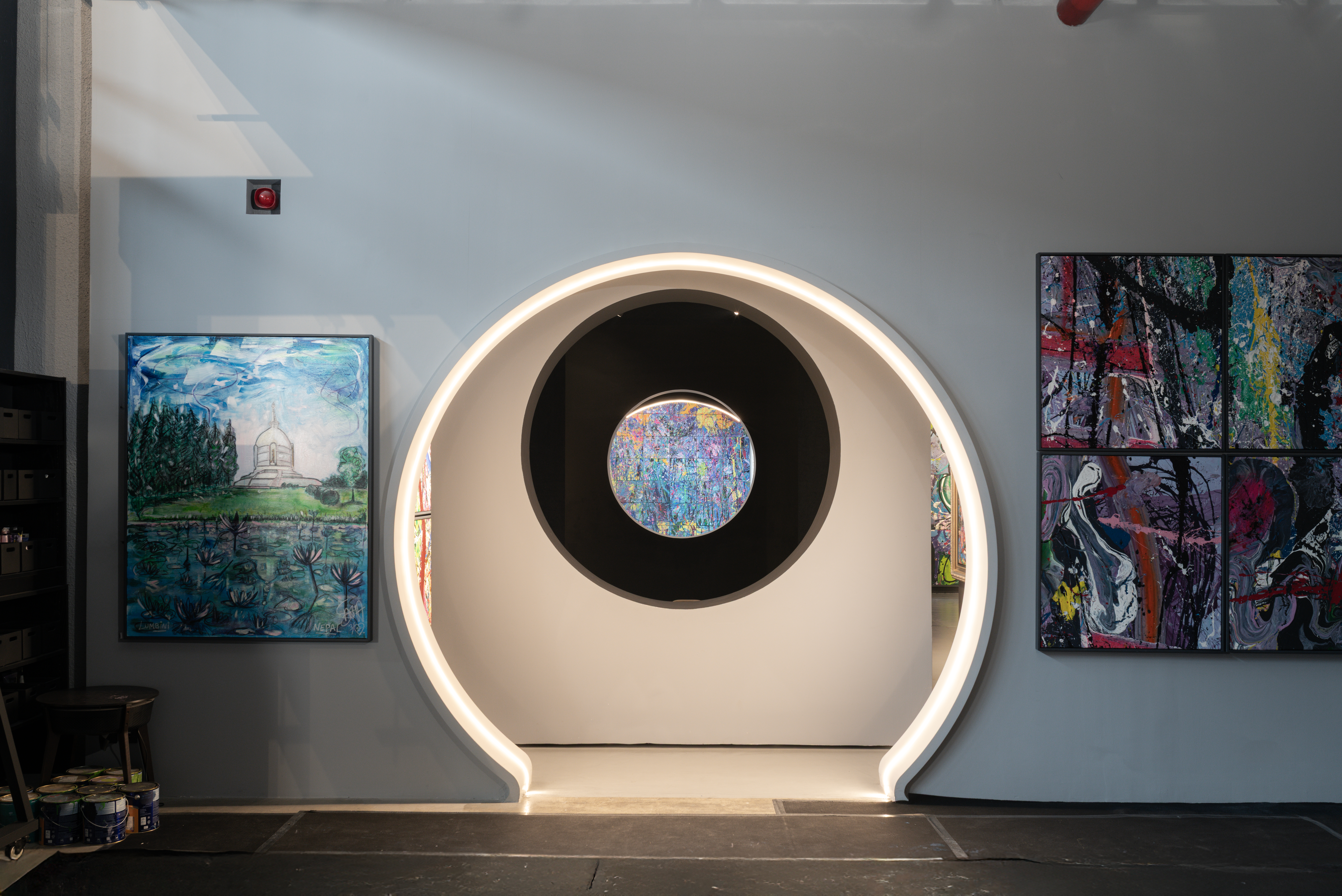
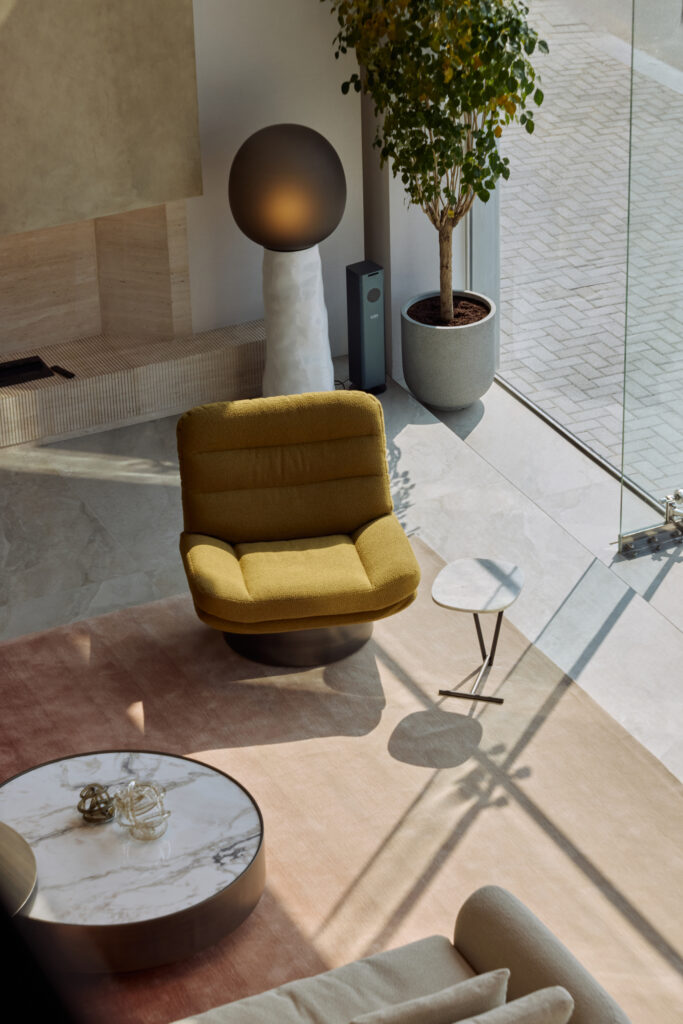
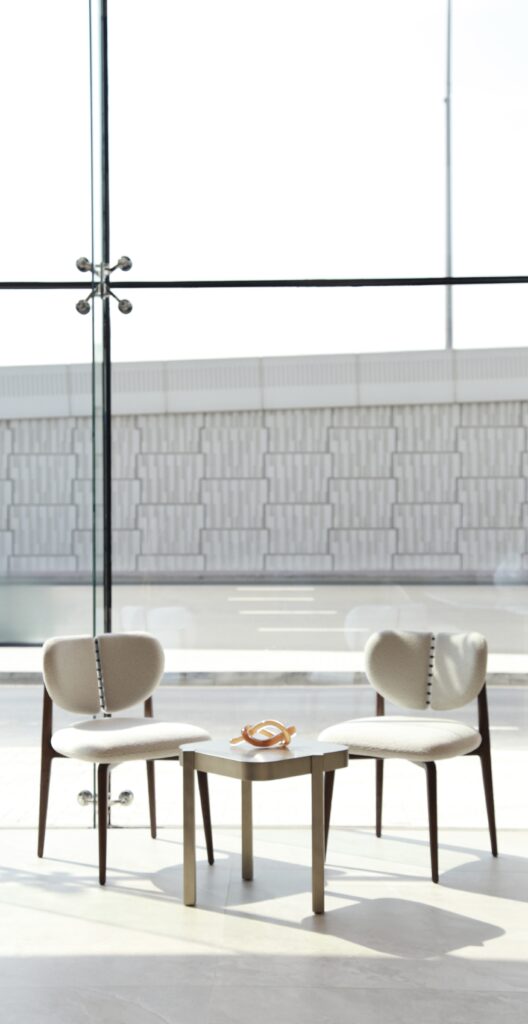
Unlike conventional furniture showrooms, IF Hub is conceived as an immersive, multi-sensory environment. The layout encourages exploration through curated spatial narratives, tactile materials, and layered setups that allow visitors to experience design rather than simply observe it. Moving through the space feels less like navigating a retail floor and more like entering a creative campus — one where ideas unfold gradually through touch, dialogue, and shared reference points.
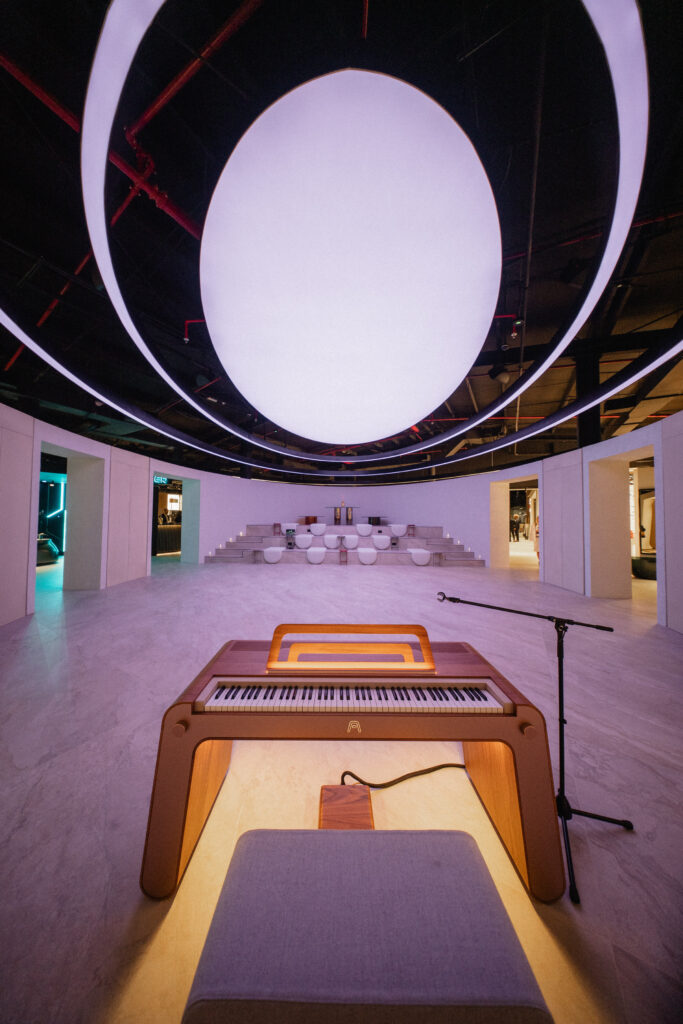
This philosophy extends to the Hub’s programming. An in-house barista anchors the space socially, while a dedicated events arena hosts panel discussions, design breakfasts, workshops, and industry gatherings. These moments of exchange transform IF Hub into a cultural platform — one that positions design as a collective, evolving practice rather than a fixed outcome.
“Walking into our showroom should feel like entering a creative ecosystem,” Friberg adds. “Immersive, inspiring, and highly personal.”
At the heart of IF Hub lies a deliberately curated portfolio of over 70 international brands, balancing iconic Italian heritage with more niche, contemporary voices. The selection includes established names such as Fantini, Tonino Lamborghini, Mariner, Reflex, Tonelli, IDL, Monography, and Pellizzoni, alongside design-forward collections like My Face, Creative Salansky, and Atmosphera.
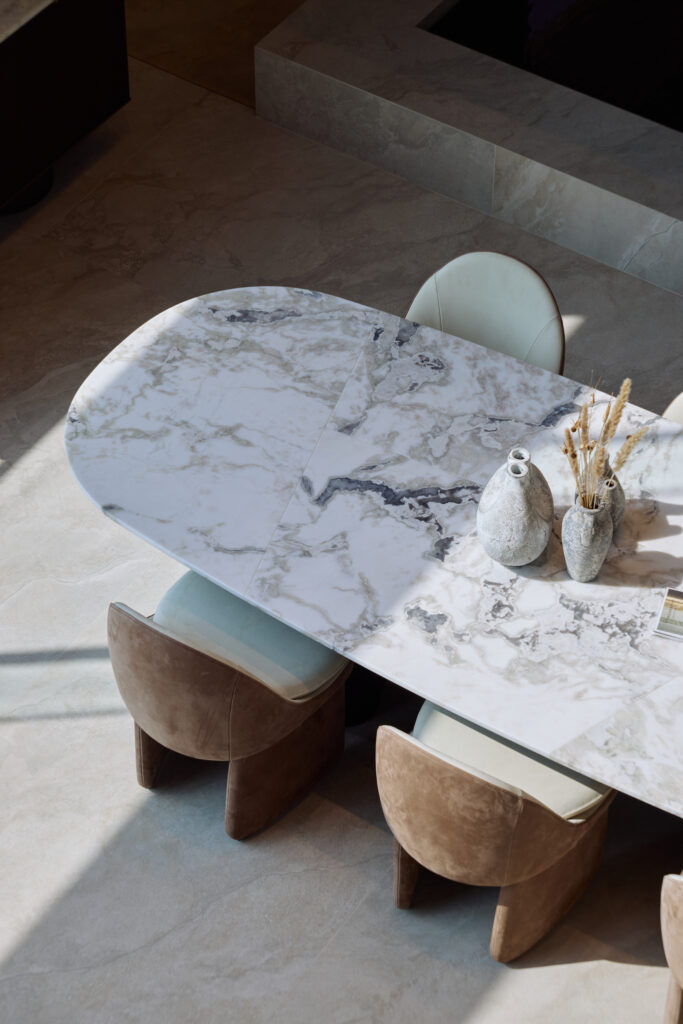
Rather than overwhelming through scale, the curation is editorial in spirit. Brands are presented in dialogue with one another, allowing materials, finishes, and forms to converse across categories — from furniture and lighting to surfaces and accessories. For architects and interior designers, this creates a rare one-stop destination: a place where entire projects can be imagined, specified, and refined under one roof.
IF Hub’s opening arrives at a pivotal moment for Dubai’s design industry. As the city moves beyond rapid development into a phase of cultural consolidation, there is growing emphasis on craftsmanship, sustainability, and considered authorship. IF Hub aligns itself with this shift, positioning design not as decoration, but as a cultural and collaborative act.
By fostering dialogue and facilitating long-term partnerships, the Hub seeks to redefine how the industry works. Its role is as much about shaping conversations as it is about showcasing collections.
IF Hub proposes a new way of working — one rooted in connection, material intelligence, and the belief that the most compelling design emerges where people, ideas, and processes intersect.