Words by Allegra Salvadori
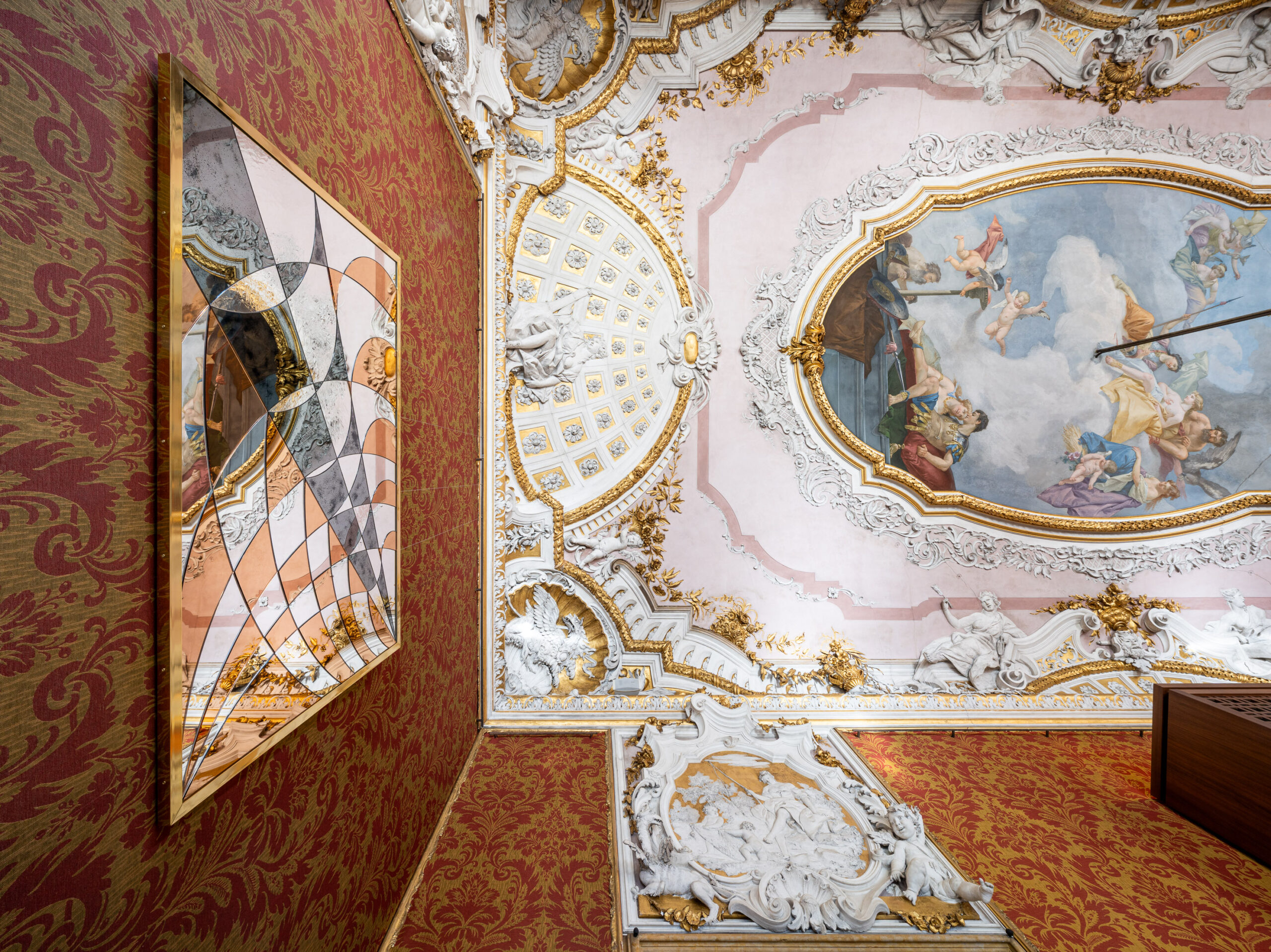
In the hushed halls of Palazzo Papadopoli, where gilded frescoes meet the shimmer of the Grand Canal, glass has always been more than material — it’s memory made visible. For Giberto Arrivabene Valenti Gonzaga, the Venetian designer behind Giberto Venezia, creation is an act of dialogue between past and present. His latest collaboration, Clessidra, a Murano glass chalice made with Maison Codognato, now bridges another world entirely — connecting Venice’s centuries-old craft with the refined sensibilities of the Middle East.
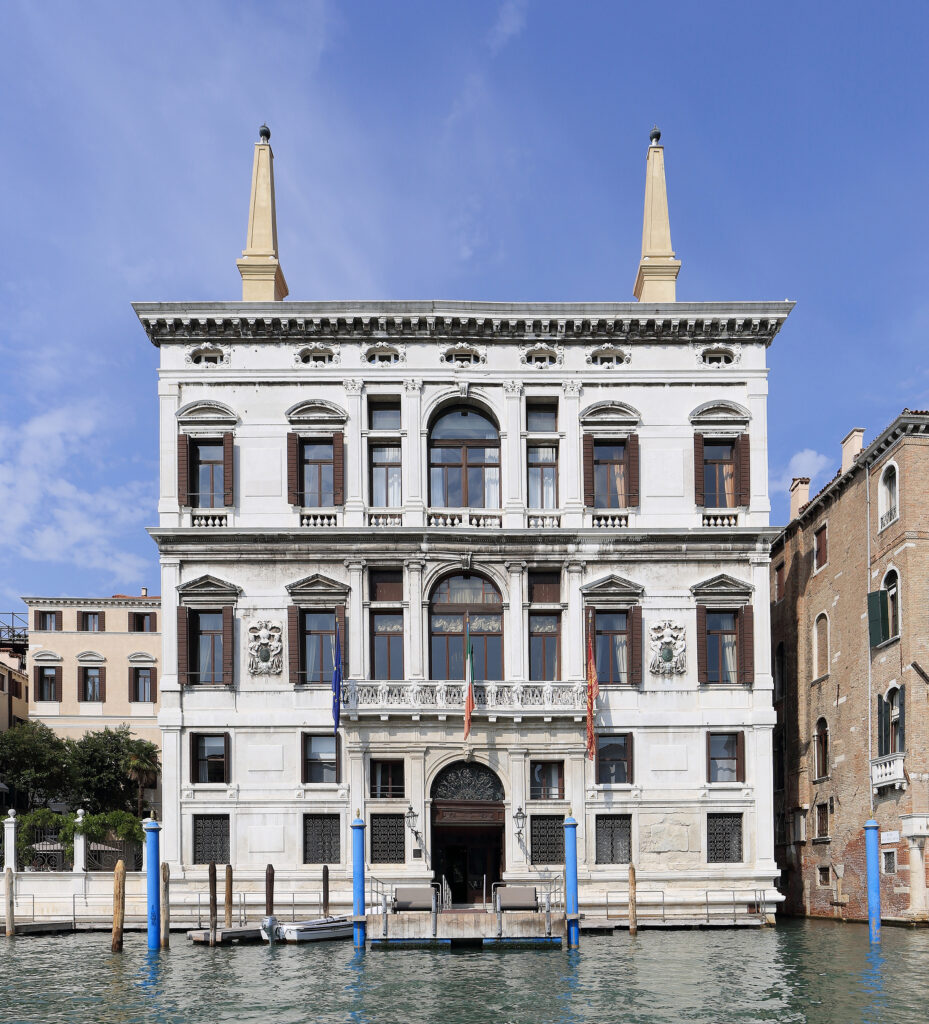
“Venice is not only my city, it is my greatest teacher,” Giberto reflects. “Growing up around Palazzo Papadopoli, surrounded by centuries of art, history, and beauty, I learned that objects are never merely functional — they carry memory, soul, and meaning.” This reverence for heritage lies at the heart of his practice, where Murano glass becomes a vessel for stories, designed not for display alone, but for living.
Objects with Soul: The Art of Giberto Venezia Murano Glass
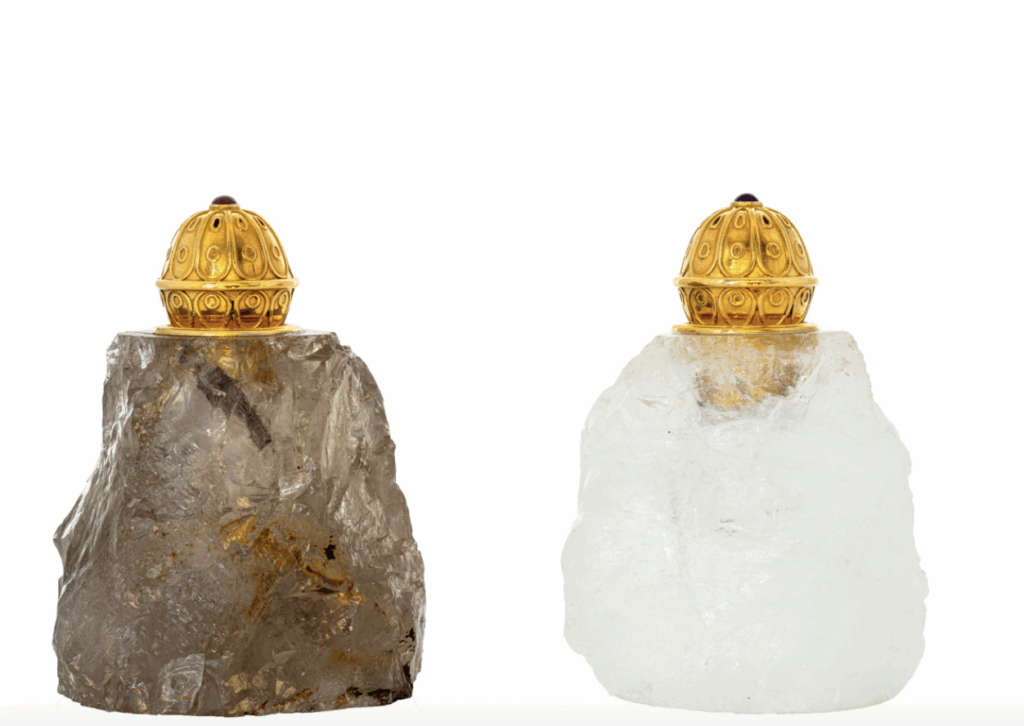
Each Giberto Venezia Murano glass creation — from his etched Palazzo vases to the jewel-like Salt & Pepper shakers — tells a quiet story of light, shadow, and intimacy. “An object for the home should not just decorate the space; it should become part of the family’s story,” he says. In his hands, glass becomes both poetic and practical, precious yet approachable — something to be used every day, not kept behind glass.
This sensibility resonates deeply with the values of timeless living. In Giberto’s world, beauty is never loud. It’s in the reflection of a flame on a crystal surface, or the way light bends through a carafe at breakfast. His work captures what Venetians have long understood: that elegance is a form of restraint, and refinement is born of history.
Clessidra: A Dialogue of Eternity
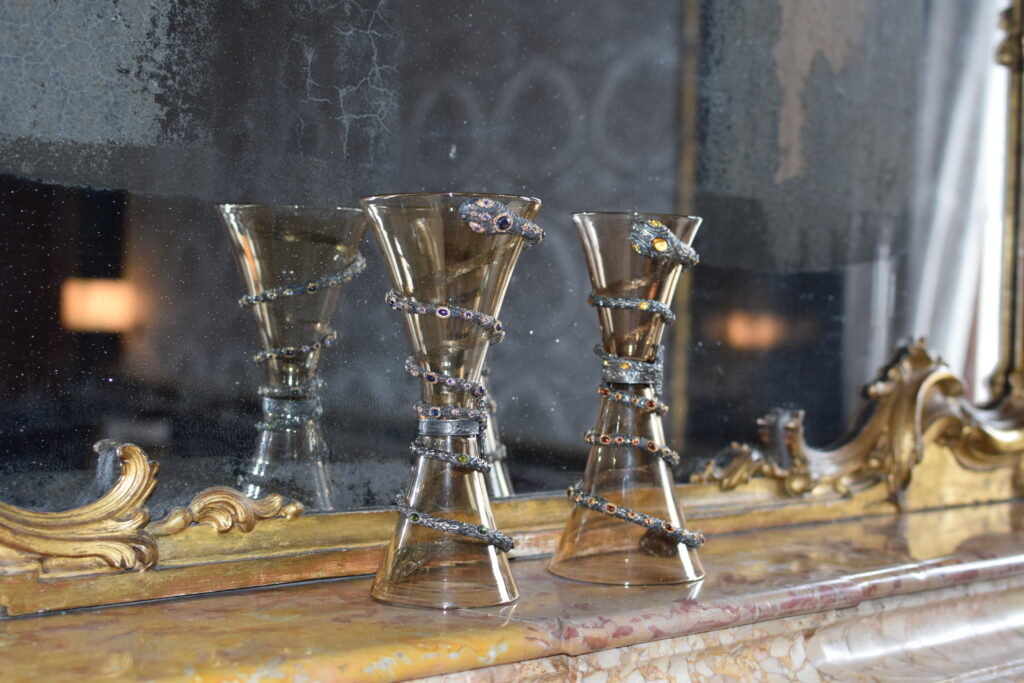
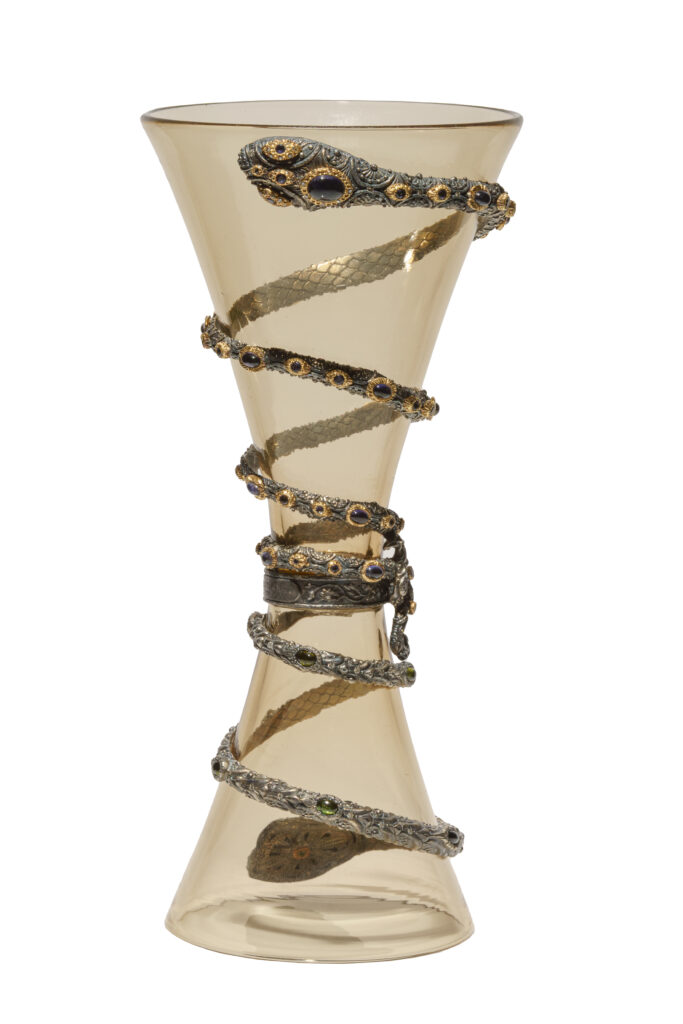
With Clessidra, a sculptural chalice born from a collaboration with Maison Codognato, Giberto enters a new realm of collectible design — one that intertwines the art of glassmaking with the language of high jewelry. “Clessidra was born from a conversation about time, beauty, and transformation,” he explains. Working alongside Mario Codognato, son of the late Attilio Codognato — a legendary figure in Venetian culture — the two envisioned an object that embodied both fragility and permanence.
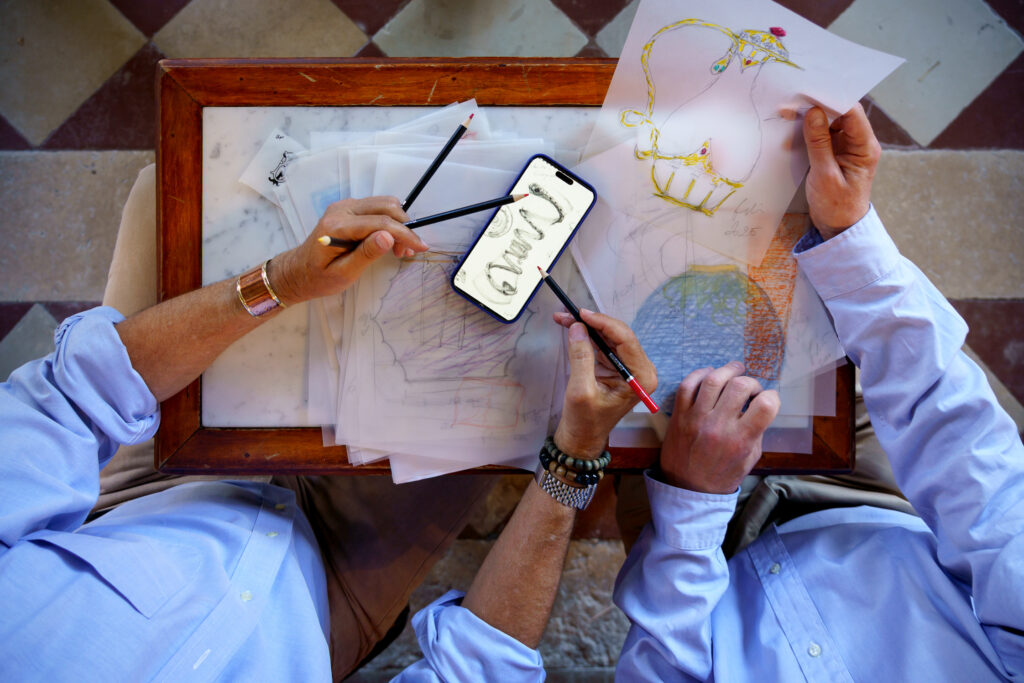
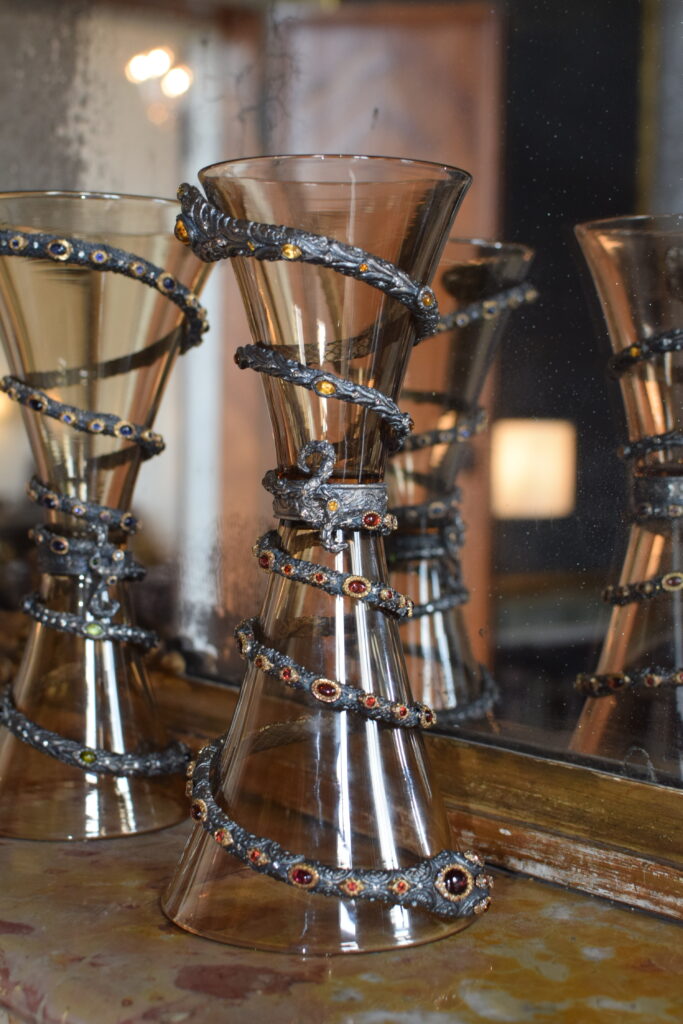
Formed from hand-blown Murano glass and adorned with entwined silver serpents set with precious stones, Clessidra required over 200 hours of craftsmanship. “The challenge was to unite two worlds: the delicacy of Murano glass and the strength of precious stones, without ever losing the harmony of the piece,” Giberto recalls. “I find it beautiful that such a strong material must adapt itself to something so fragile.”
The symbolism runs deep. The serpent, a recurring motif in Codognato’s universe and a personal totem for Giberto, represents wisdom, rebirth, and continuity — much like Venice itself. “In Venice, the Grand Canal has historically been associated with the image of a serpent, because if seen from above, it looks just like a huge S cutting the city in half,” he notes. In Clessidra, that serpentine form encircles time itself — an emblem of eternity frozen in glass.
From Venice to Bahrain
This autumn marks a new chapter for Giberto Venezia, as the brand opens its first concession in Bahrain at the Jewellery Centre, expanding its dialogue from the Adriatic to the Arabian Gulf. “It is an immense honour,” says Giberto. “The Middle East has a profound appreciation for craftsmanship, beauty, and storytelling through objects. To present Giberto Venezia in Bahrain is to begin a dialogue between Venice and the Arab world, two cultures that have been connected by trade, art, and ideas for centuries.”
In Arab homes — where hospitality and artistry are central to daily life — he imagines his glass creations as companions to rituals of gathering and conversation. “I see my pieces as part of a home’s atmosphere — on a table, in a library, or within a collection, where they can be admired but also touched and used,” he says. “They are companions to conversation, beauty, and the rituals of daily life.”
A Future Built on Dialogue
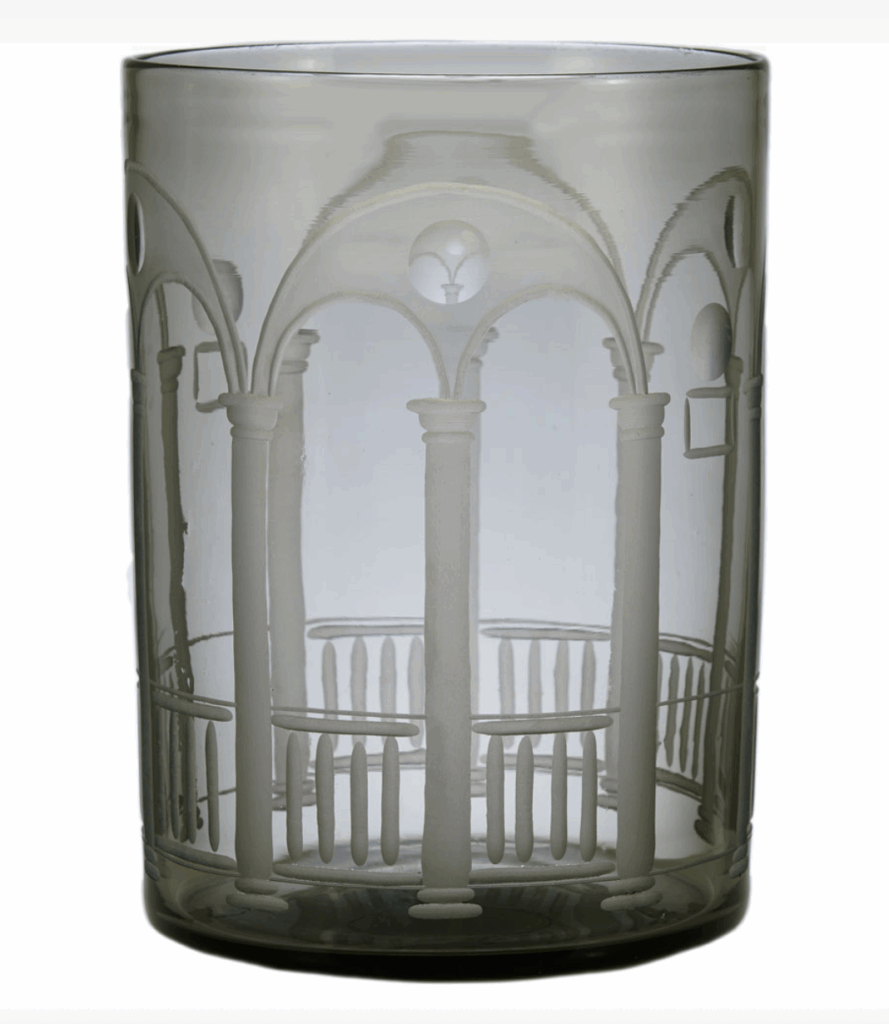
Beyond Clessidra, Giberto continues to explore the duality that defines his practice: fragility and endurance, tradition and modernity. His Palazzo vases, engraved with Venetian architecture, and his Salt & Pepper shakers, combining stone and glass, both encapsulate his belief that luxury should be lived with. “Each piece reflects the desire to make the ordinary extraordinary,” he says. “Objects to be lived with, not just admired.”
As his work reaches new shores, Giberto envisions future collaborations that echo this spirit of exchange. “I would like to continue building bridges between Venice and other cultures, perhaps through collaborations with artists and craftsmen from the Middle East,” he shares. “The future, for me, lies in dialogue — where different heritages meet to create something entirely new, yet timeless.”
In Clessidra, time flows through glass; in Giberto’s universe, tradition flows through generations. From Venice’s mirrored waters to Bahrain’s luminous sands, his creations remind us that beauty — like time — is eternal, so long as it’s shared.
More on collectible design here.