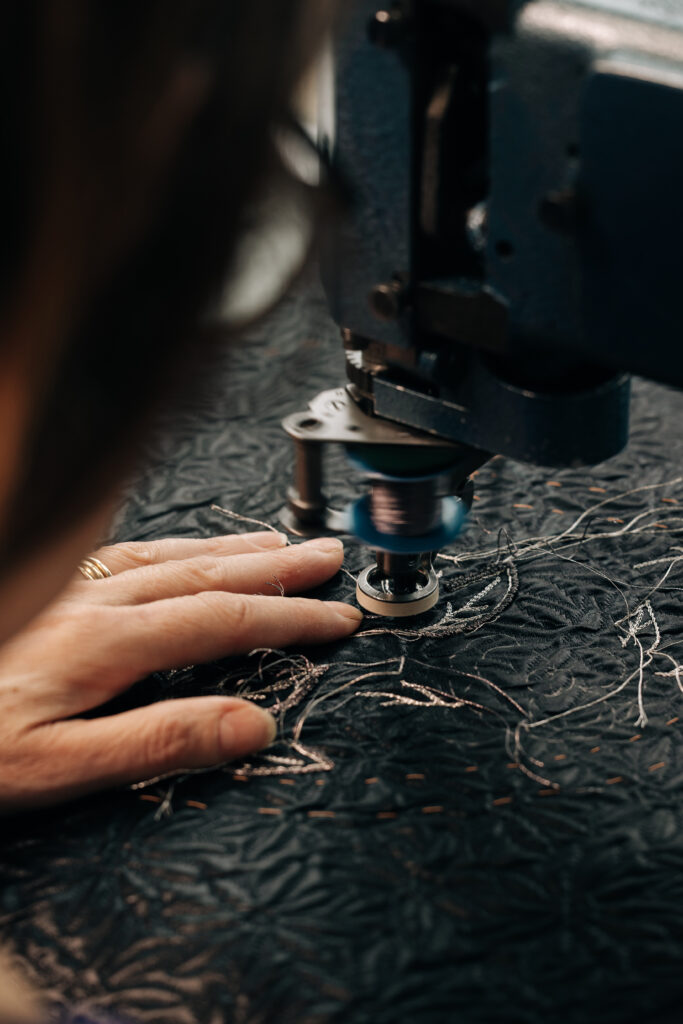
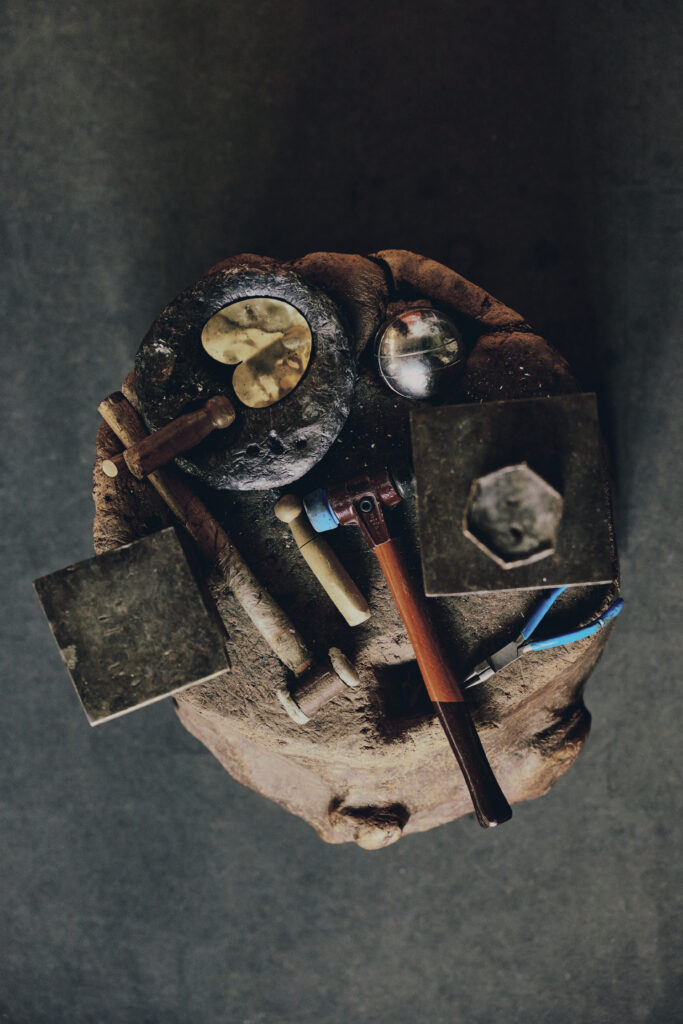
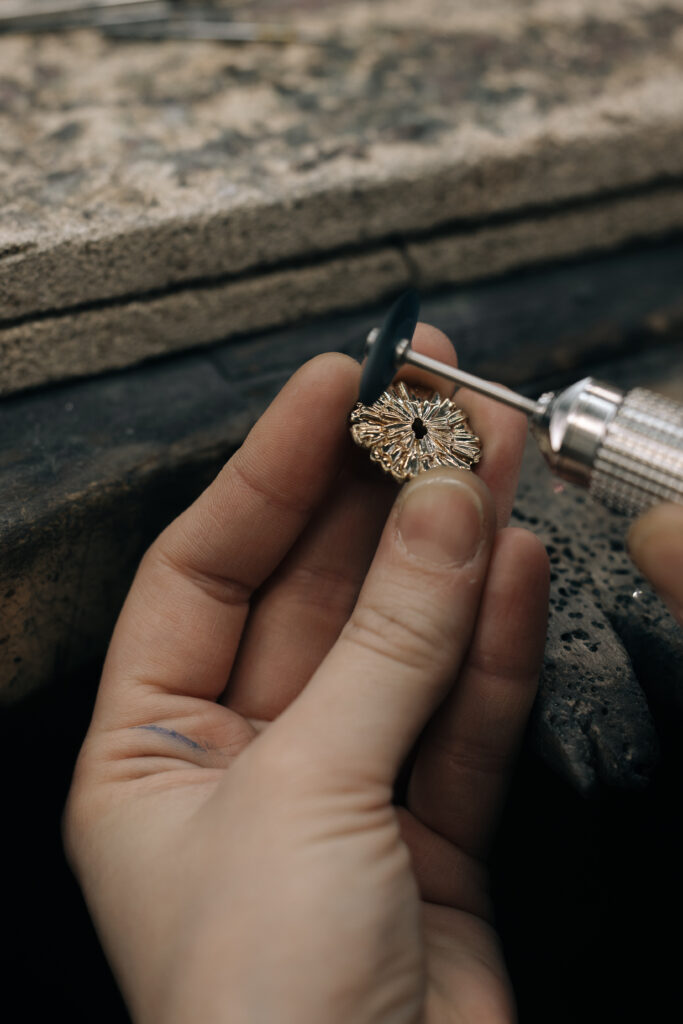
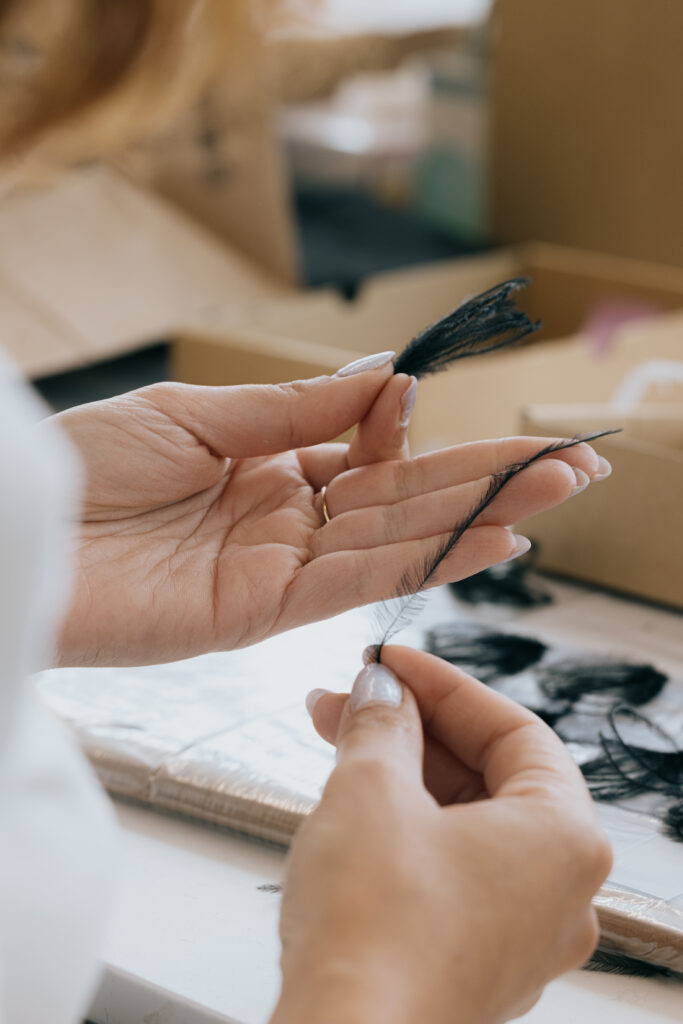
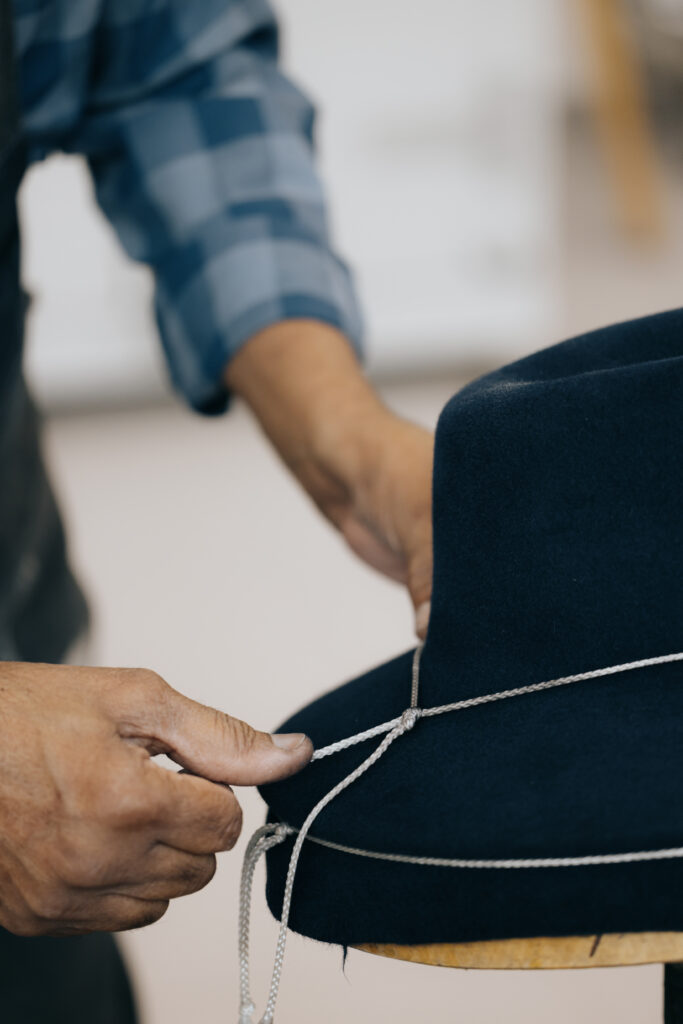
There is a particular kind of intelligence that lives in the hands. Not in the idea, not in the sketch, not in the brief, but in the moment when fingers meet material and something shifts. A bamboo weaver in Wuzhen knows it. So does an embroiderer in the 19th arrondissement of Paris. They have never met. They do not share a language. And yet, in the third-floor galleries of the Museum of Art Pudong this autumn, they will be speaking the same sentence.
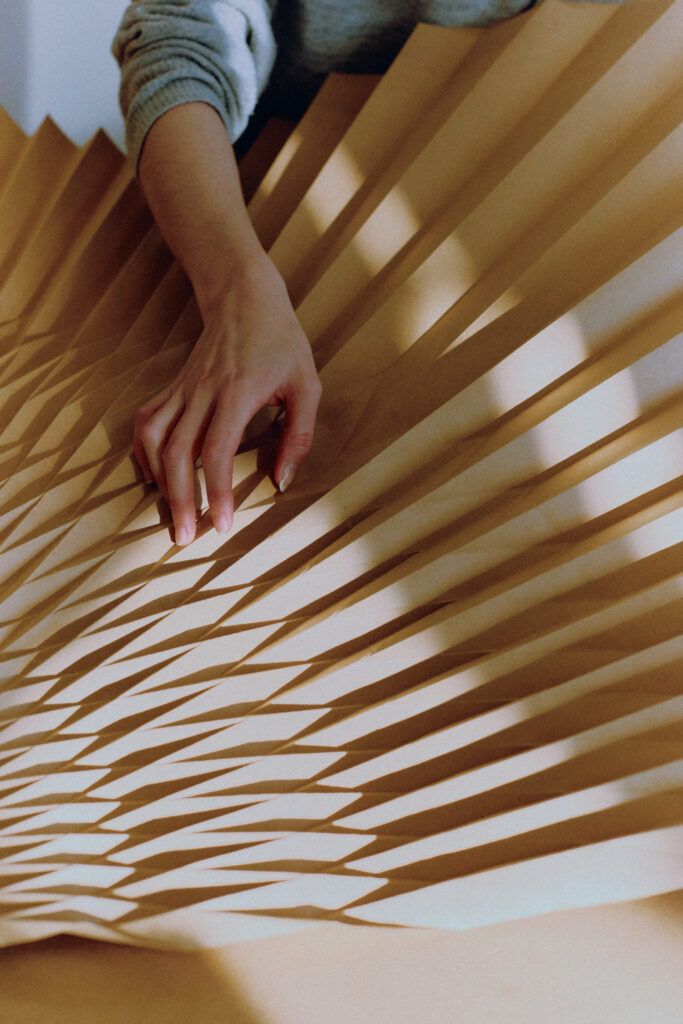
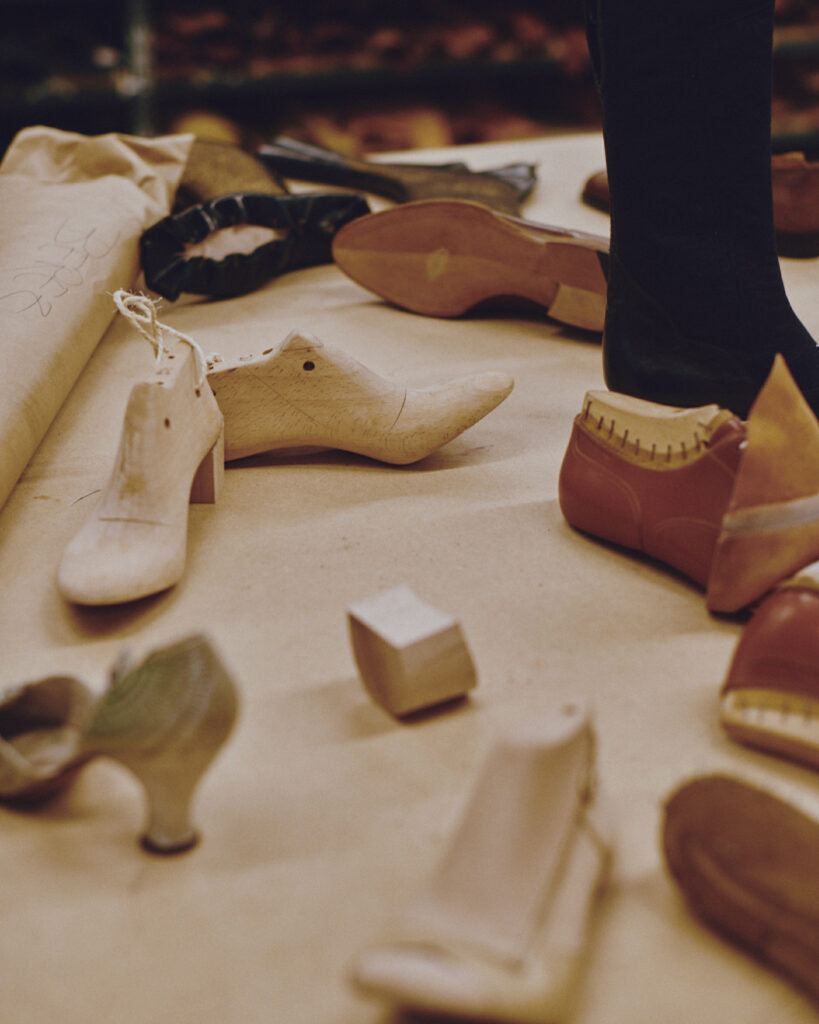
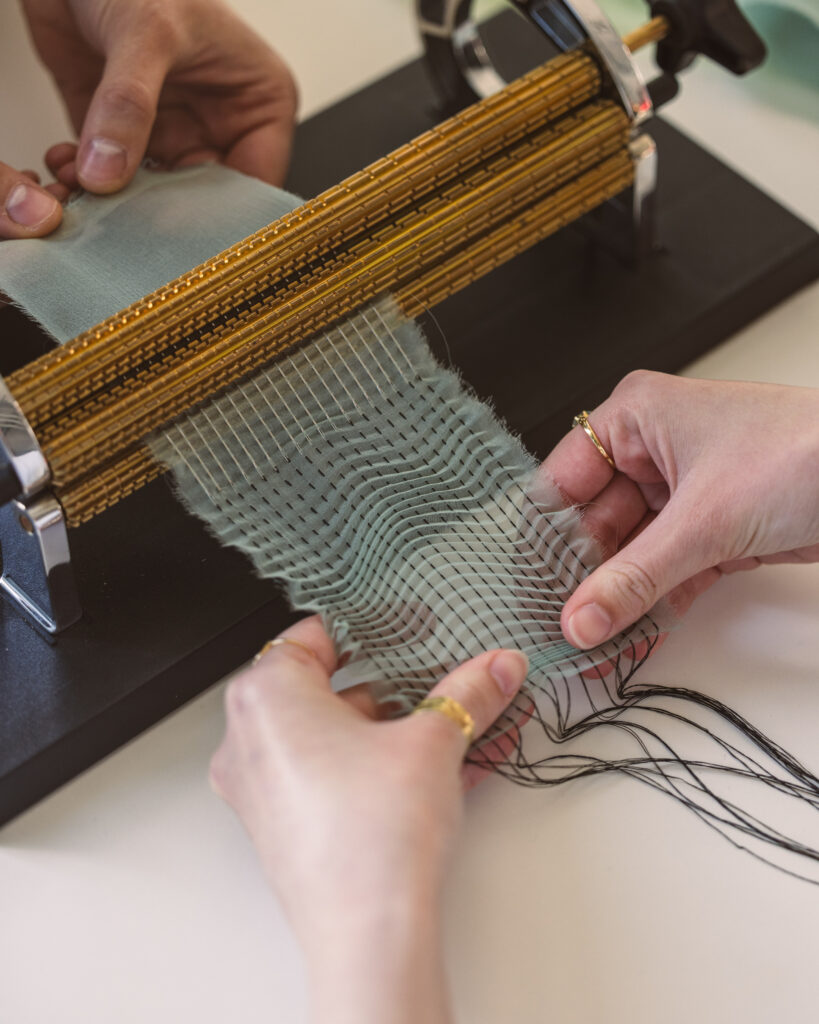
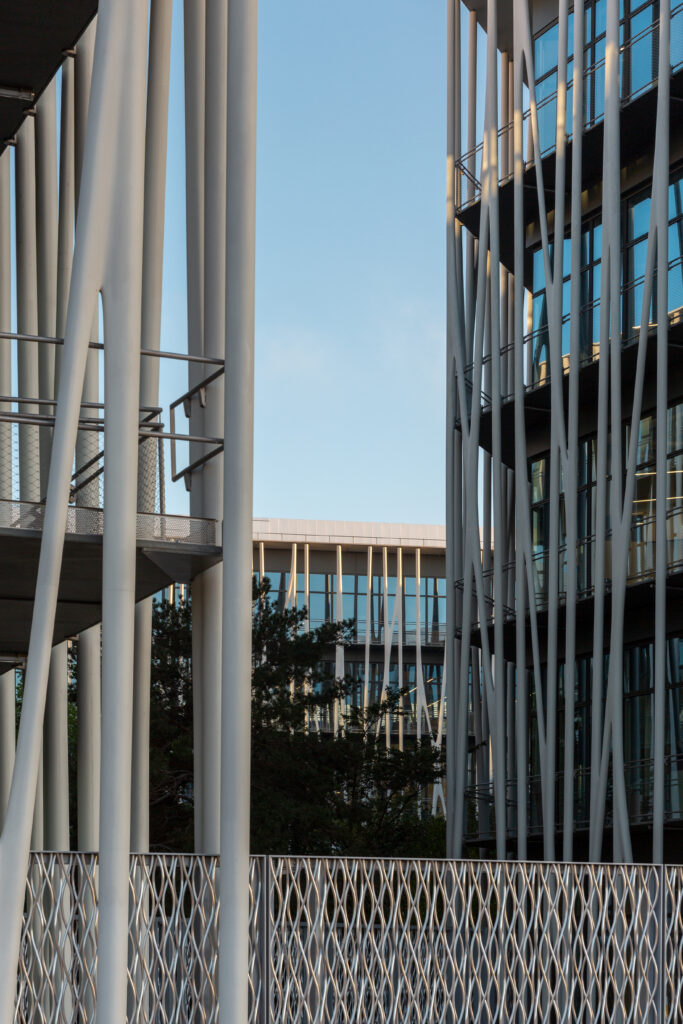
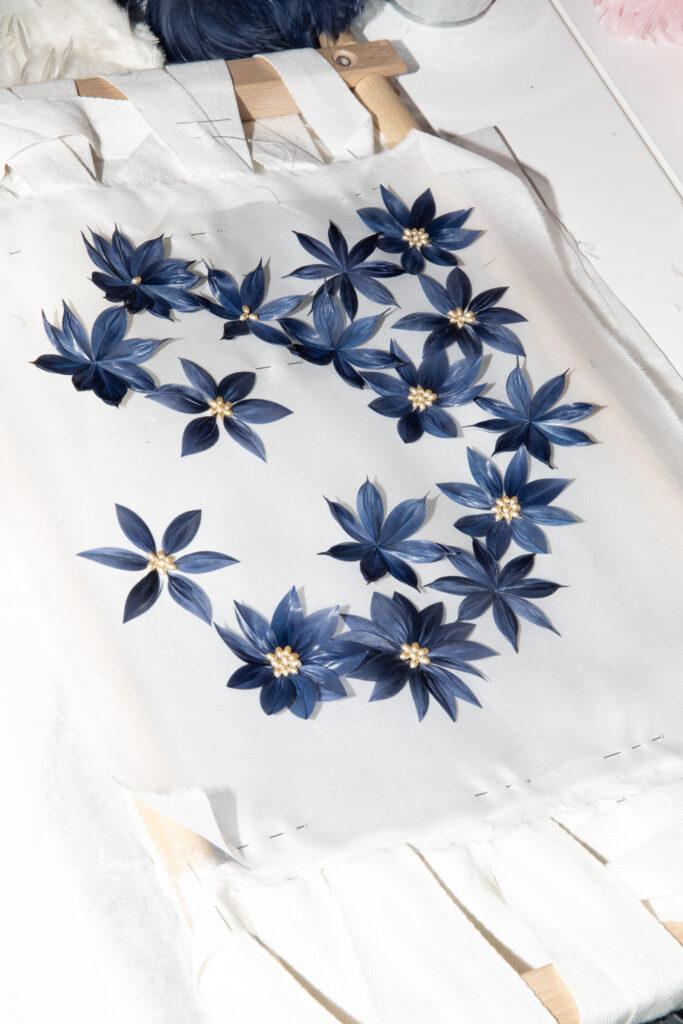
This is the premise, and the quiet ambition, of la Galerie du 19M SHANGHAI, a project that travels from Paris to Shanghai between September 25 and November 15, 2026, occupying the entirety of MAP’s third floor. Founded by CHANEL in 2021, le19M is the home of eleven Maisons d’art, Lesage, Lemarié, Goossens, Massaro, Maison Michel and their peers, nearly 700 artisans whose combined savoir-faire represents one of the most concentrated archives of hand knowledge anywhere in the world. What arrives in Shanghai is not a touring show. It is a proposition.
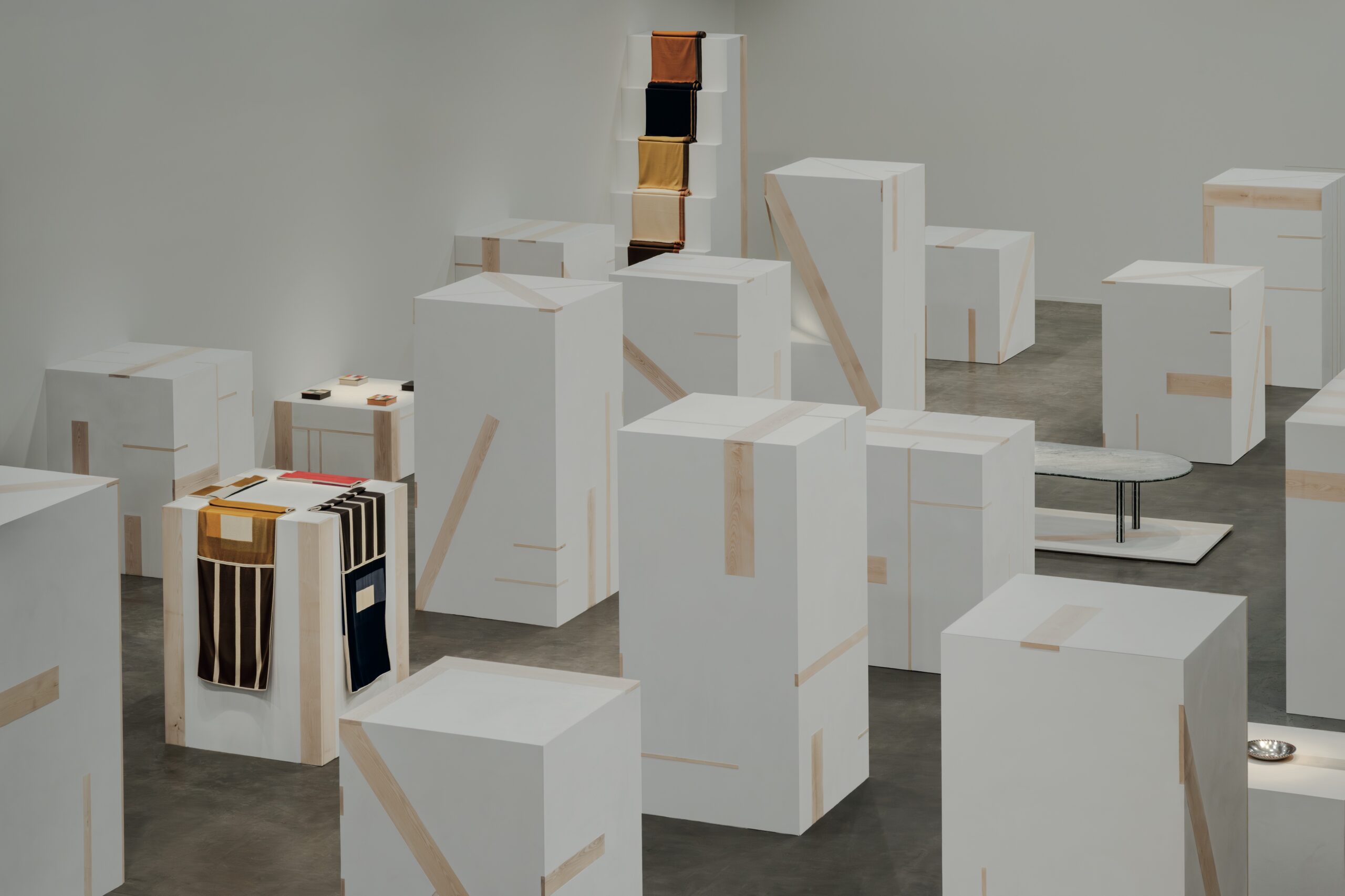
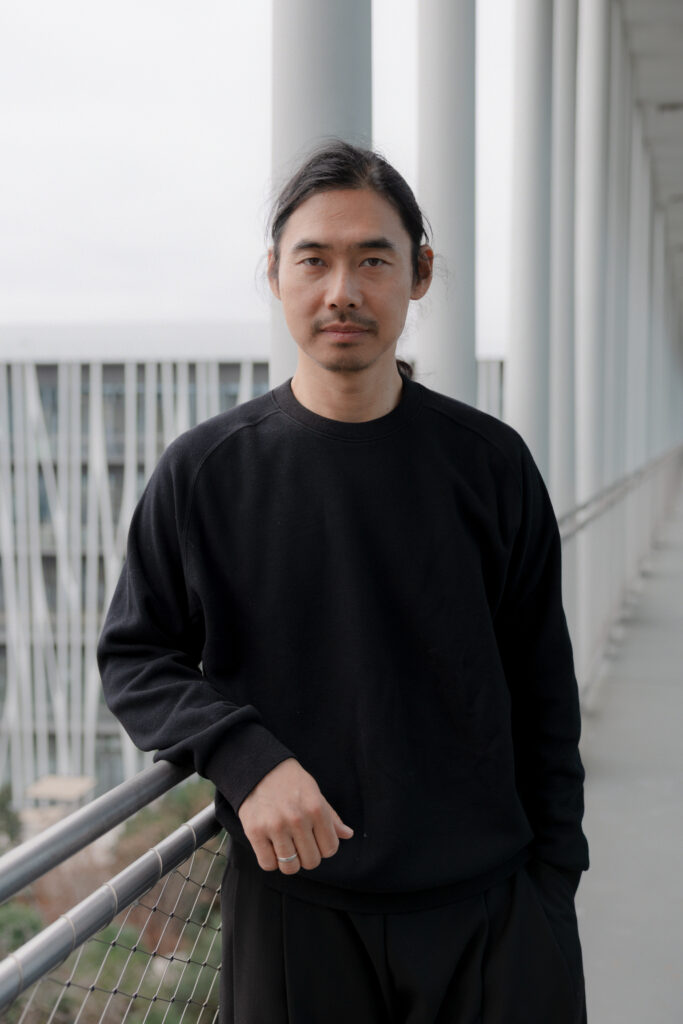
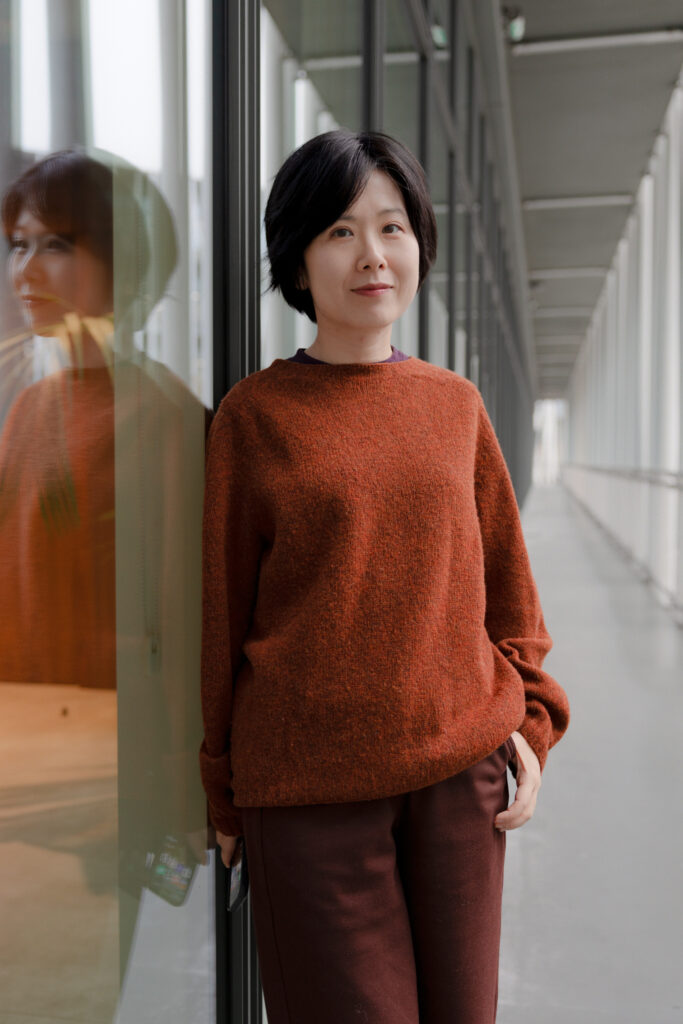
The centrepiece exhibition, A Sense of Touch, is curated by an editorial committee of four voices: GONG Yan, director of the Power Station of Art; artist LIN Tianmiao; designer ZHANG Lei; and Christelle KOCHER, artistic director of Lemarié. These are not ambassadors. They are thinkers who happen to work with their hands, or who have spent careers thinking about what it means to do so. GONG Yan frames it with characteristic precision: the exhibition, she says, “unfolds like a living, growing garden, where the distinct visual languages of Chinese and French artists, designers and artisans converge and interact, continuously challenging conventional perceptions of materiality and tradition.”
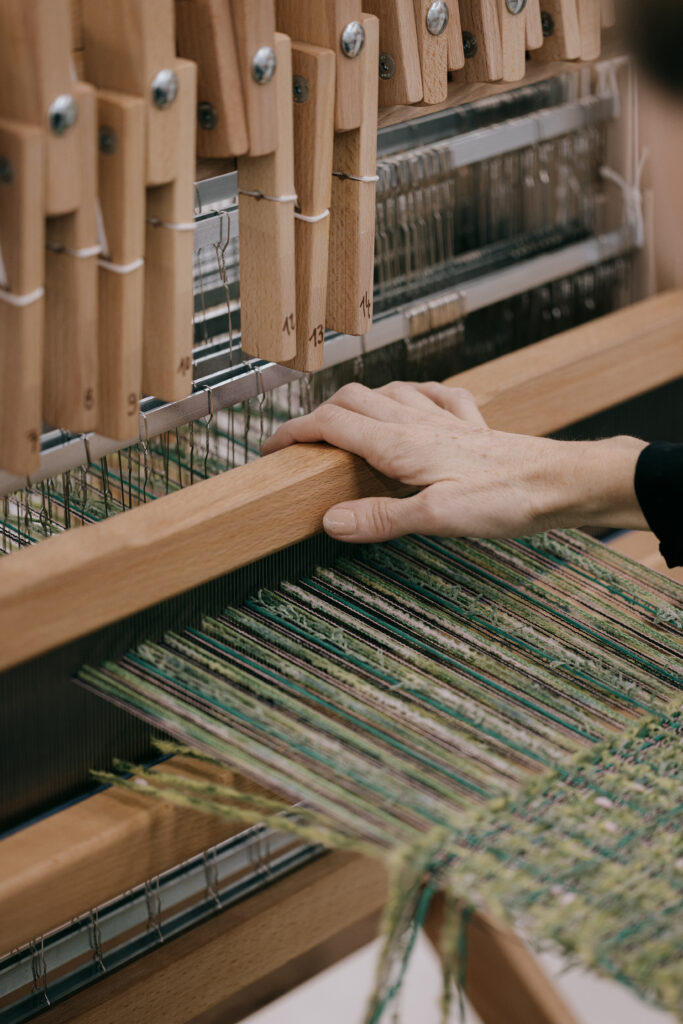
The artists assembled around them, DING Yi, YIN Xiuzhen, SHEN Yuan, WU Jian’an on the Chinese side, and Mathilde Albouy, Diane Chéry, Julian Farade among the French, were not chosen for decorative harmony. They were chosen for friction. For the productive discomfort of genuine encounter. The French artists undertook residencies, learning alongside Chinese artisans and artists. The result, rendered through textiles, ceramics, lacquer, bamboo weaving, embroidery and installation, is less an exhibition than a record of what happens when curiosity is taken seriously. Touch, here, is not metaphor. It is method.
LIN Tianmiao, one of the first contemporary Chinese artists to achieve international recognition and a member of the curatorial committee, puts it with the directness of someone who has spent decades thinking through thread: “Art and craftsmanship resonate with one another and pierce the human heart, nourishing touch, hearing, sight, smell, and taste, and deepening our understanding and perception of life.”
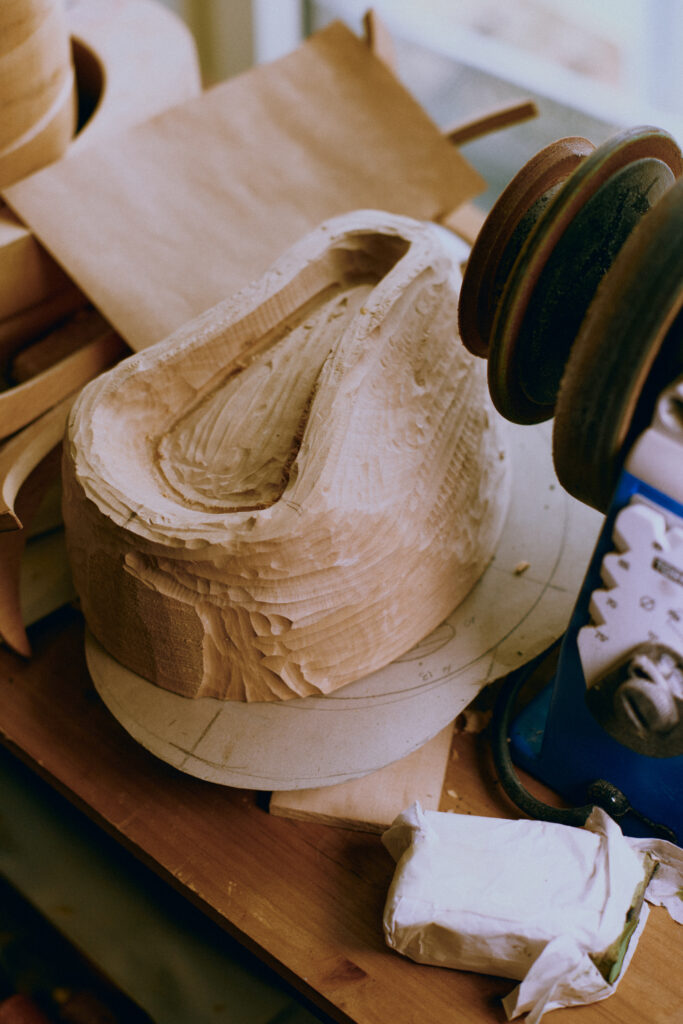
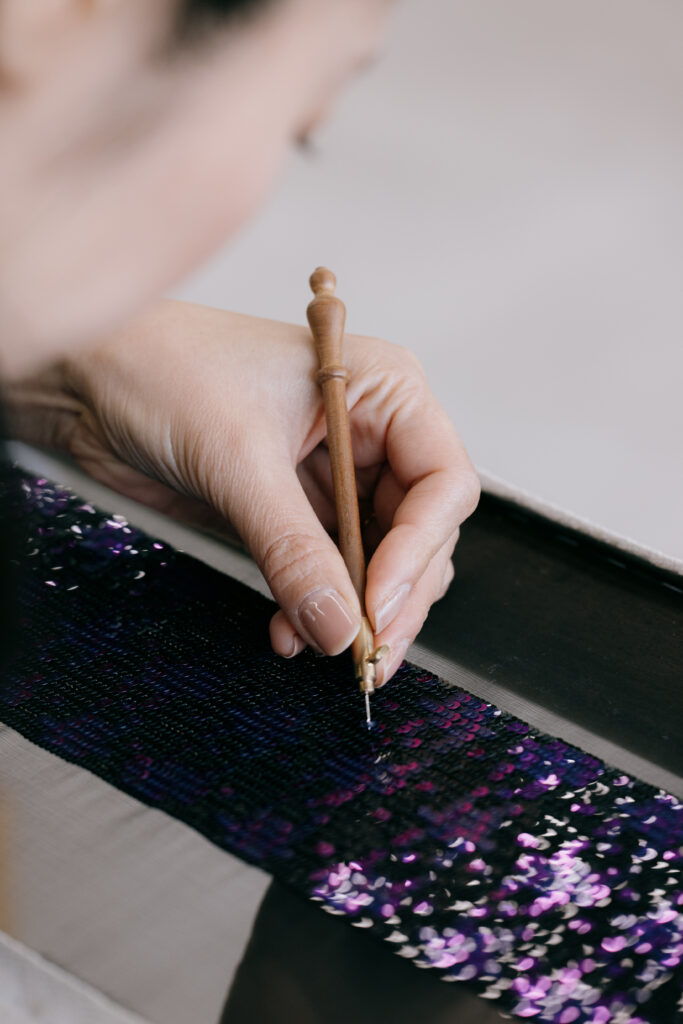
Running alongside is Lesage. 100 Years of Fashion and Decoration, developed jointly with Émilie HAMMEN, director of Palais Galliera, and this is where the story deepens into something almost vertiginous. Lesage, founded in 1924, holds an archive of 75,000 embroidery samples. Each one is a timestamp. Each one is also, quietly, evidence of a dialogue with China that has never really stopped. Gabrielle Chanel’s Coromandel lacquer screens became a recurring source for Lesage’s ateliers, translating lacquer into thread, needle into brushstroke. More recently, Lesage Intérieurs undertook the full reconstruction of the Chinese silk embroideries of Victor Hugo’s Red Salon, working from surviving fragments, guided by archival photographs, faithful to the original techniques. A French house, painstakingly reconstituting a Chinese craft tradition, for a French writer’s home. The loops are long, and they hold. As Hammen herself notes, celebrating over a century of Lesage embroidery in Shanghai becomes “an opportunity to reflect on shared inspirations and long-standing ties between French Haute Couture and Chinese designs and artefacts.”
The graphic identity of the whole project, designed by Éric Pillault and Ying LEI, is built around the kite, cerf-volant in French, literally a flying stag. A form that is both children’s toy and ancient craft object, both Chinese and universal, both tethered and airborne. Like an invisible thread, as the artistic directors describe it, the project evokes the connections between those destined to meet. It is a quietly perfect choice.
What makes this moment feel genuinely significant, rather than simply well-executed, is captured by ZHANG Lei, founder of PINWU Design Studio and a voice that has spent years arguing for craft as a living, evolving discipline: “The future of craftsmanship must advance toward art, toward the avant-garde, and toward the young.” Le19M in Shanghai is not a monument to what has been made. It is an argument for what the hand can still do.
The workshops, talks and cultural programme details will be announced in September. The rest, you will want to see for yourself.