Words By Allegra Salvadori
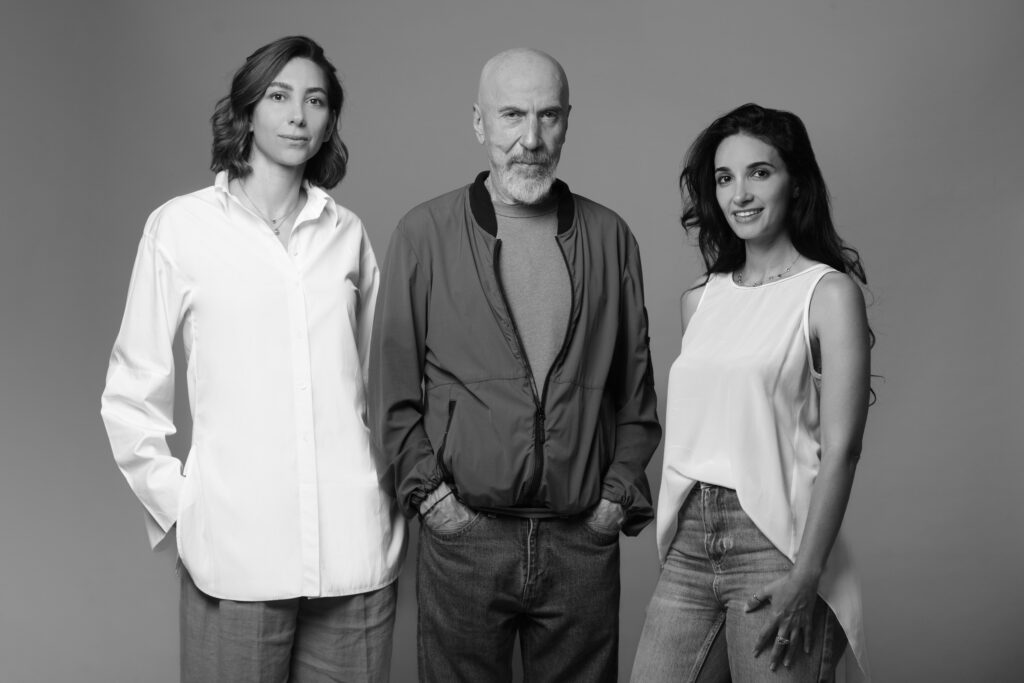
This September, Beirut unveils Fragmenta: The Revival of Lost Forms, a pioneering design initiative that reimagines stone as both heritage and possibility. Founded by Nour Najem and Guilaine Elias, and curated by Gregory Gatserelia, the project invites designers to transform forgotten stone fragments into collectible works of art and design.
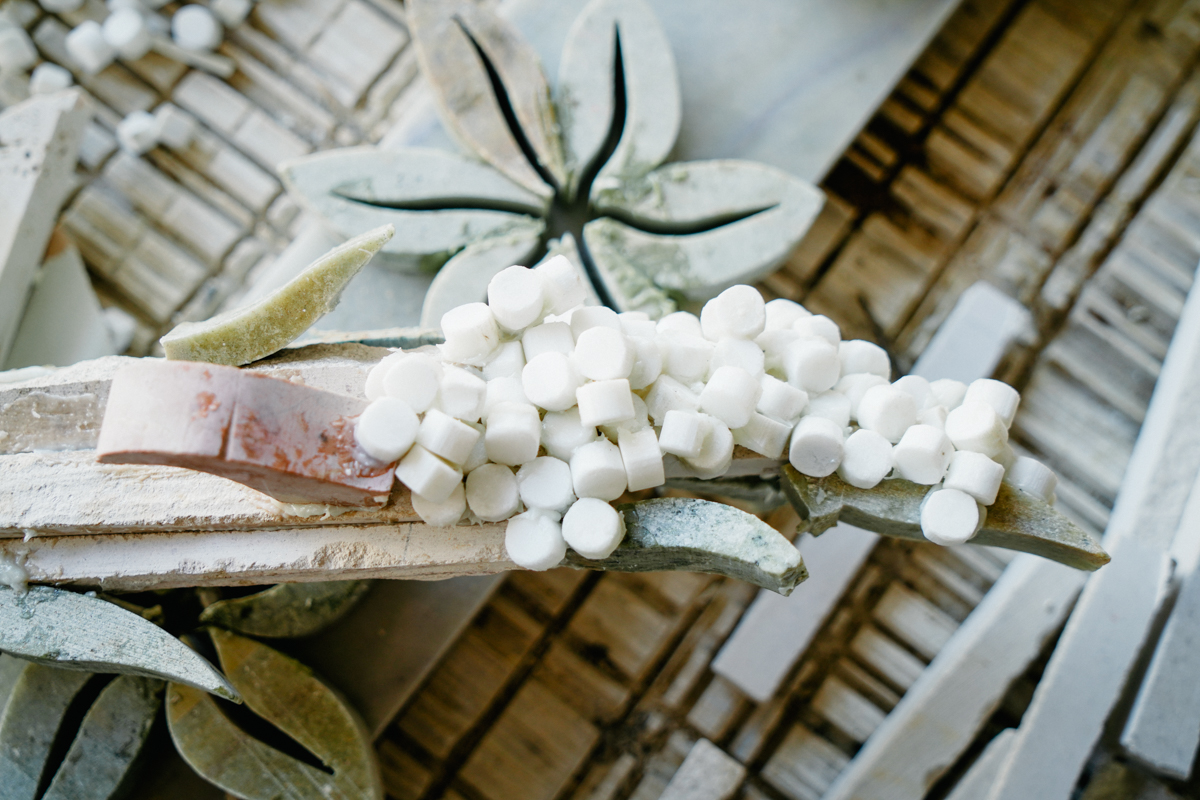
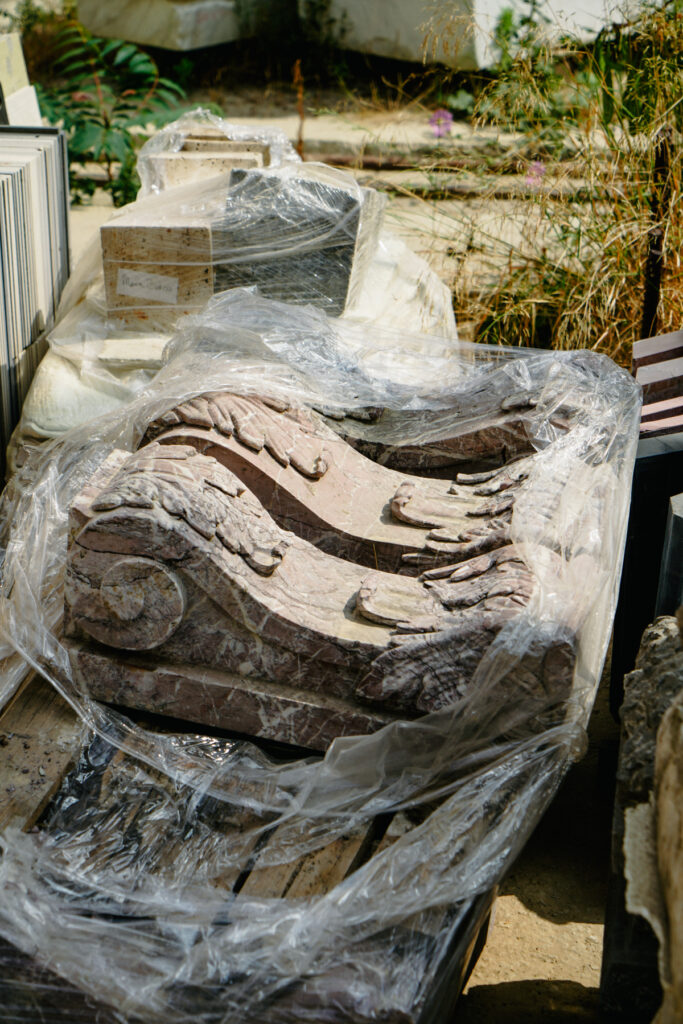
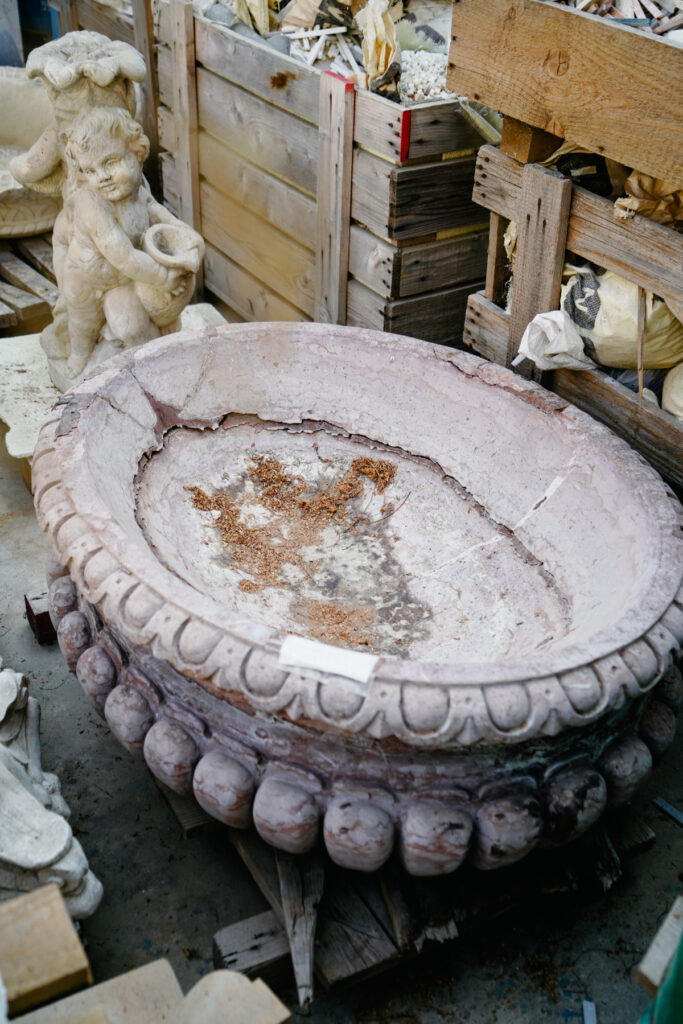
“Fragmenta is about opportunity, transformation, and the poetic awakening of stone, each fragment carrying its own silent story and marking the beginning of a new one,” explains Gatserelia. What once lay dormant in archives and workshops — broken slabs, offcuts, long-forgotten samples — becomes the raw material for creation, proving that even fragments hold cultural and aesthetic value.
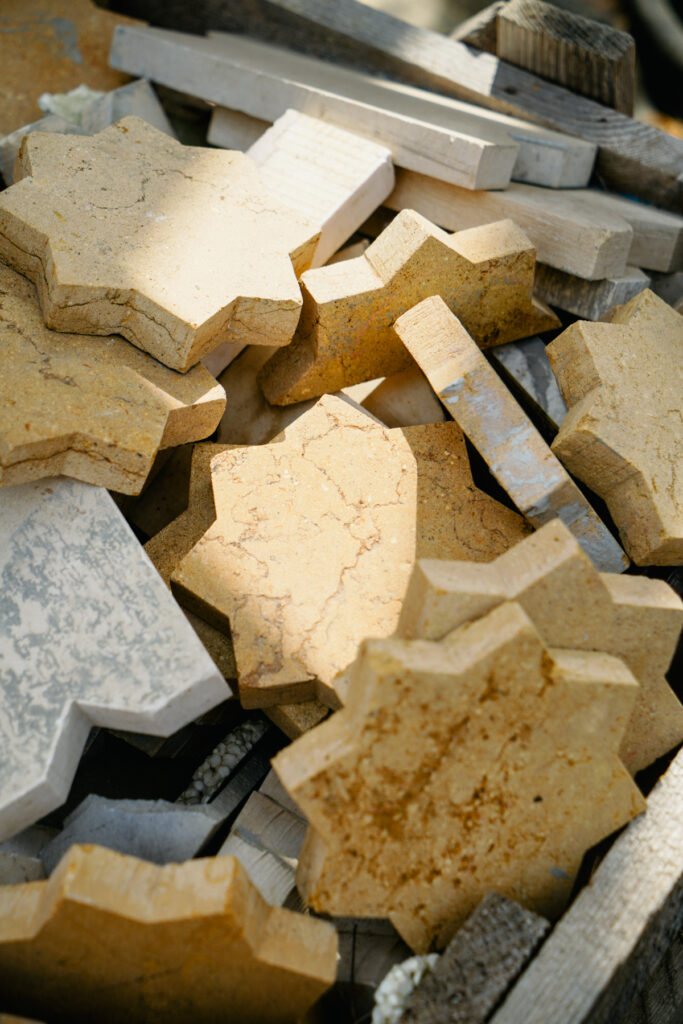
Produced in collaboration with the artisans of Najem Group, a family-run marble atelier with over four decades of expertise, each piece is required to retain marble as its essence, constituting 70% of the final design. This discipline ensures a continuity between material legacy and contemporary vision, pairing tradition with innovation.
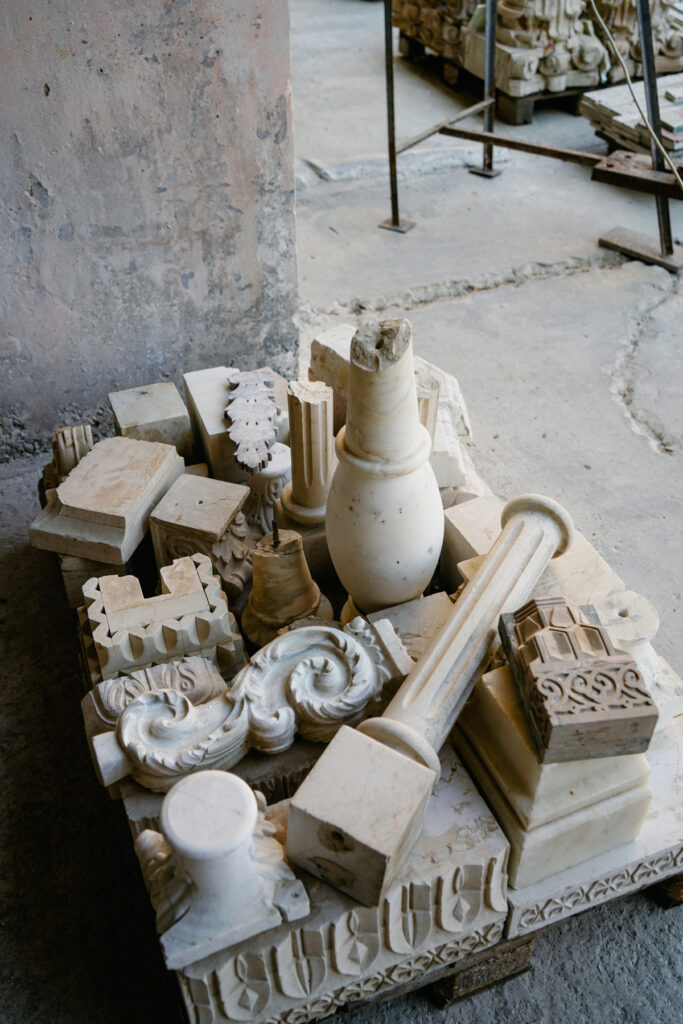
The inaugural edition brings together a remarkable roster of talent, including Carlo & Mary Lynn Massoud, Karen Chekerdjian, Richard Yasmine, Editions Levantine, Ahmad Bazazo, Andrea Mancuso, and Georges Mohasseb of Studio Manda. Their works will be unveiled on September 18, 2025, at the Najem Group factory, in a setting where raw stone and industrial machinery form a backdrop for dialogue between past and future.
“Fragmenta is a one-of-a-kind project that honours both material and memory,” note founders Najem and Elias. “It bridges identity, design, sustainability, and social responsibility.”
In celebrating this collective effort, Beirut asserts itself once more as a crucible of design — resilient, inventive, and deeply rooted in craft — offering a vision of sustainability not as compromise, but as renewal.