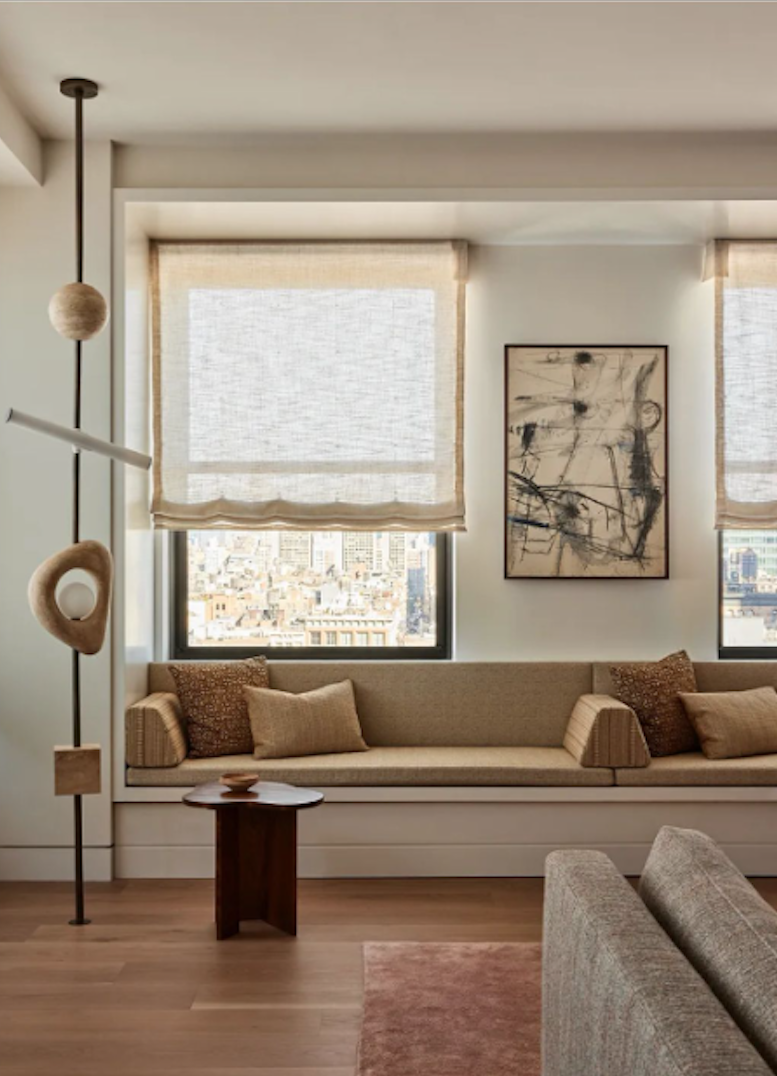
In moments when the world feels unsettled, the home quietly assumes a new role. No longer just a backdrop to daily routines, it becomes a place of restoration — a space where the nervous system can slow down and the mind can briefly settle. While calm is often associated with large transformations or architectural reinventions, in reality it is frequently the result of small, thoughtful gestures.
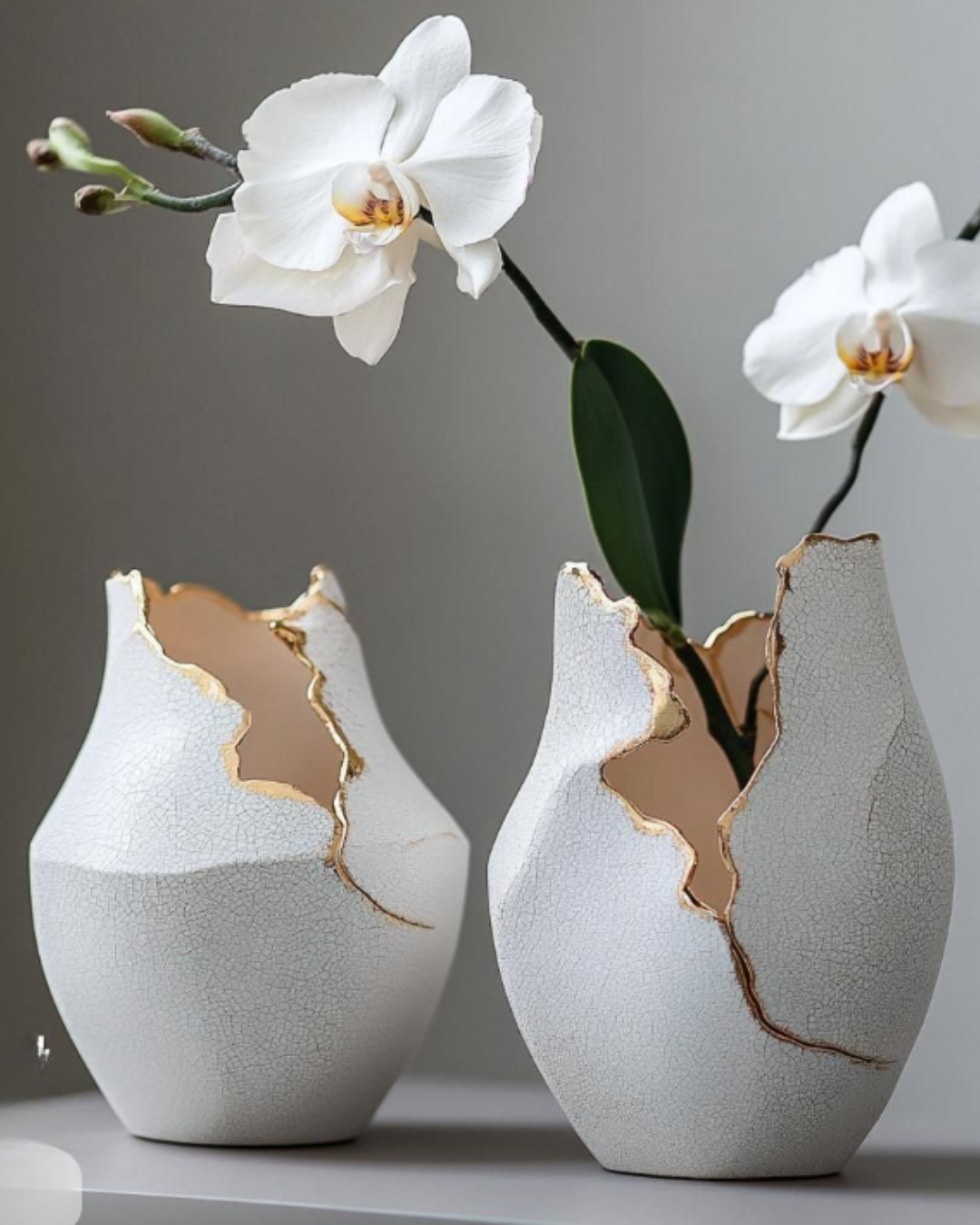
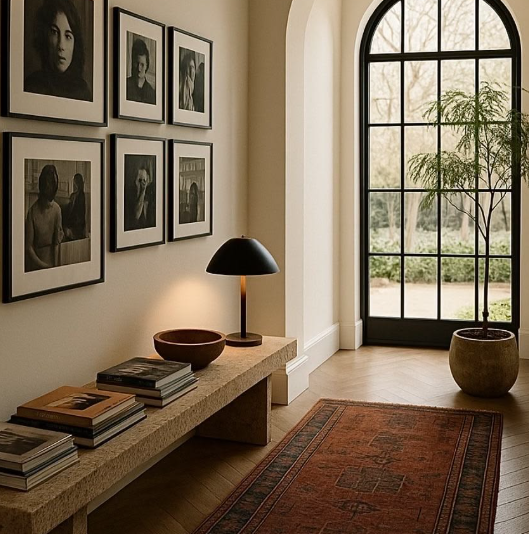
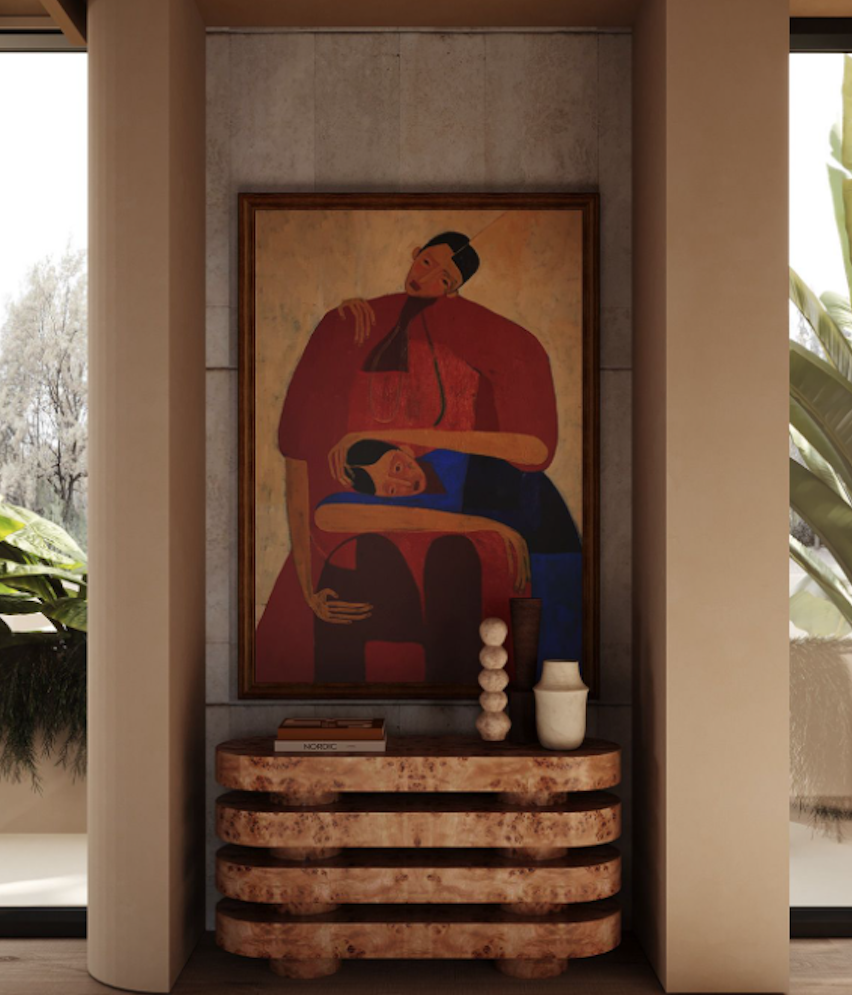
It begins at the threshold. The entrance to a home sets the emotional tone long before one reaches the living room or bedroom. A simple console, a ceramic vessel, a piece of art, or even a single plant can transform a transitional space into a gentle moment of arrival — a visual signal that the outside world has been left behind.
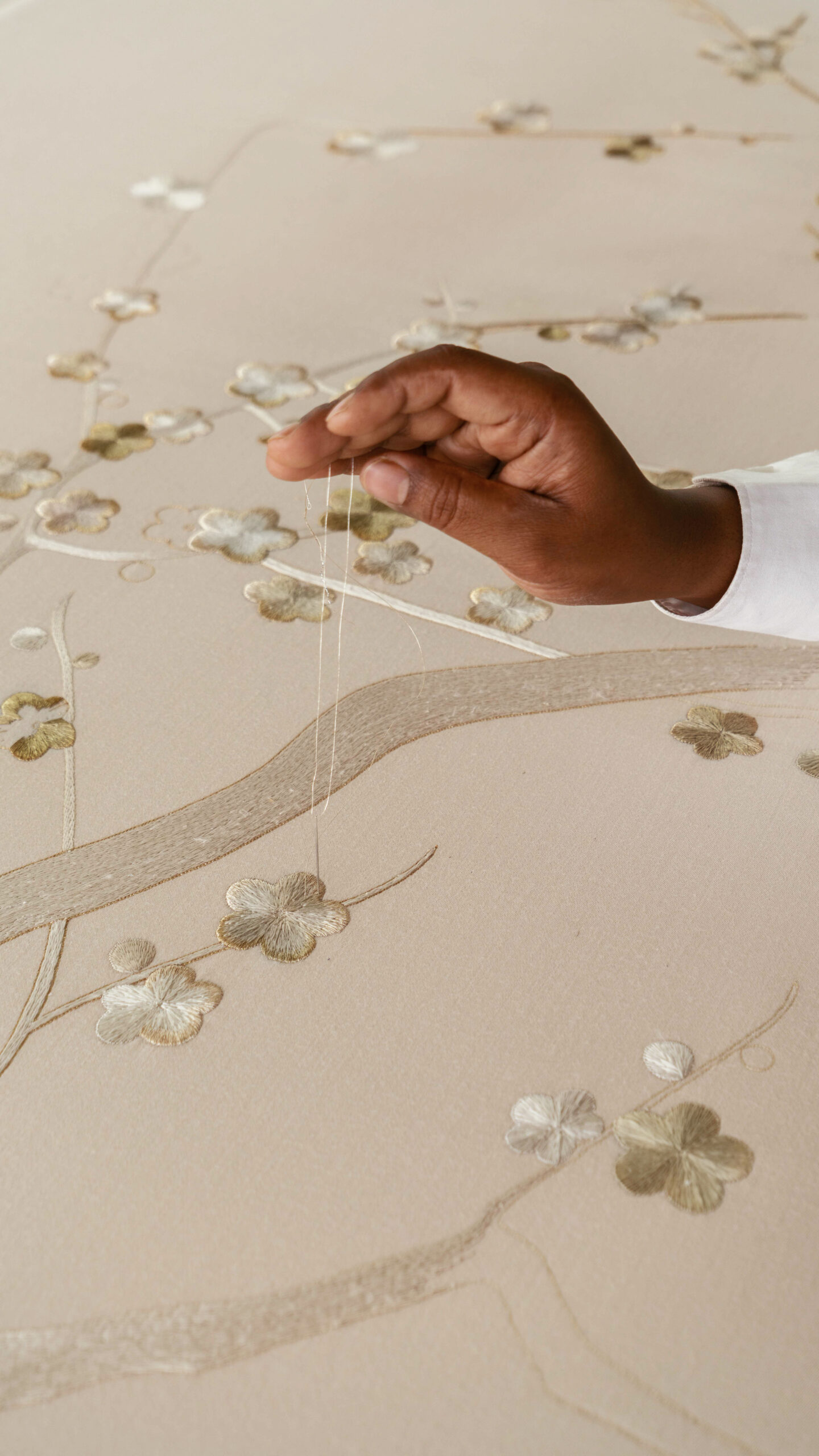
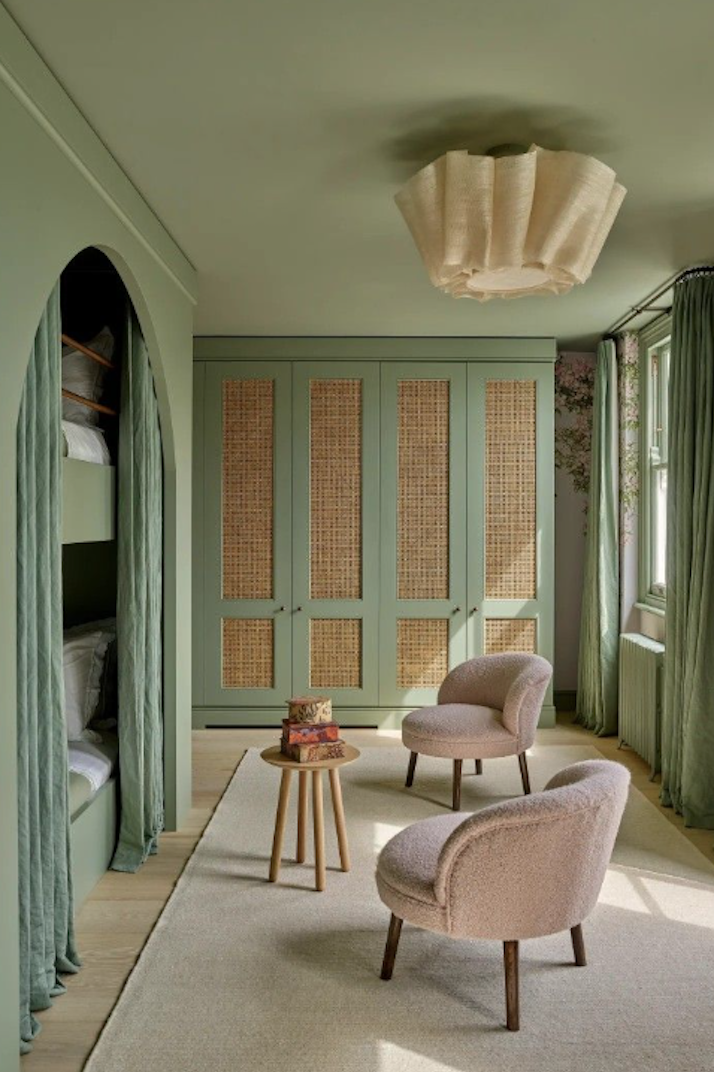
From there, the atmosphere of a room is often shaped by what is not present. Visual noise has a powerful effect on how we feel, which is why restrained palettes tend to feel inherently calming. Working within a range of soft, tonal colours allows natural materials — linen, wood, stone — to emerge quietly, bringing depth without overwhelming the eye.
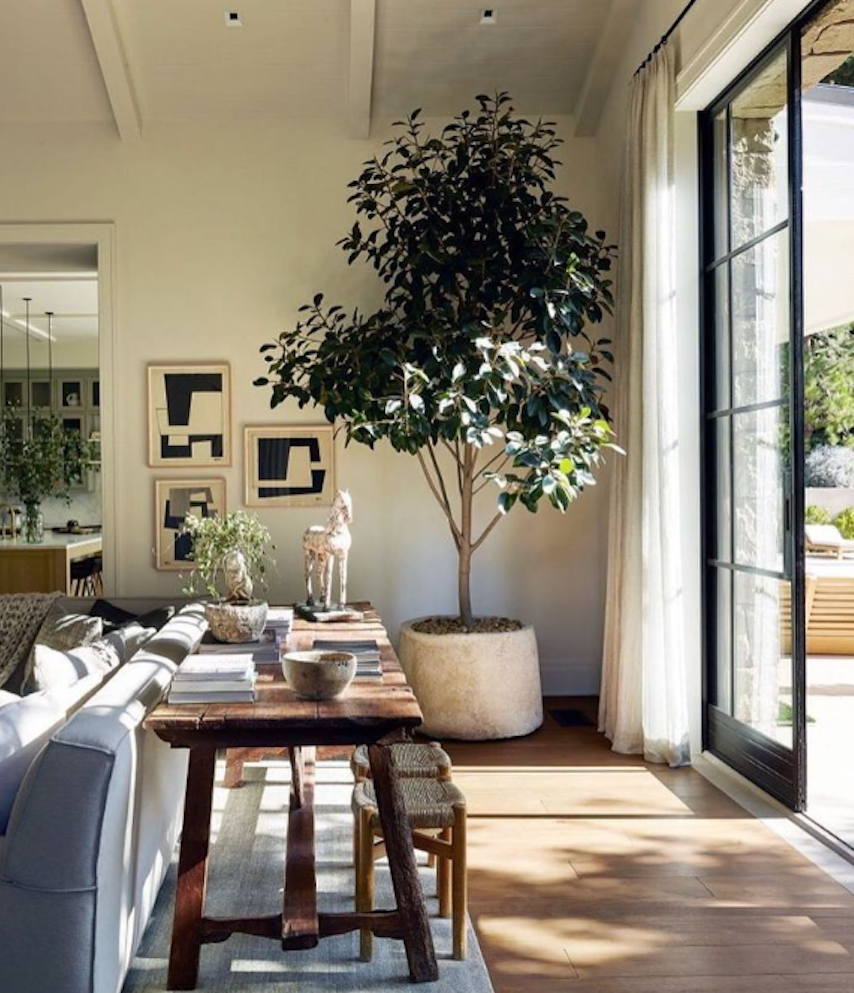
Nature, too, has an almost immediate softening effect. A plant placed near a window, a cluster of herbs in the kitchen, or a simple branch in a vase introduces a living rhythm into the interior. These gestures reconnect the home to the natural world just beyond its walls.
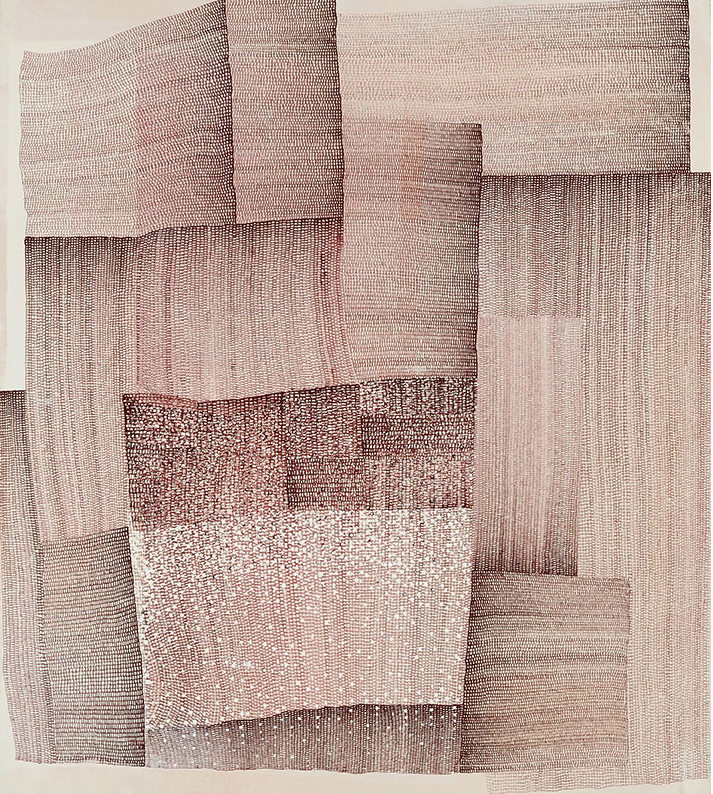
Art plays a similarly subtle role. Images inspired by landscape, abstract forms, or gentle colour fields can act as visual pauses within a room — small moments where the eye can rest.
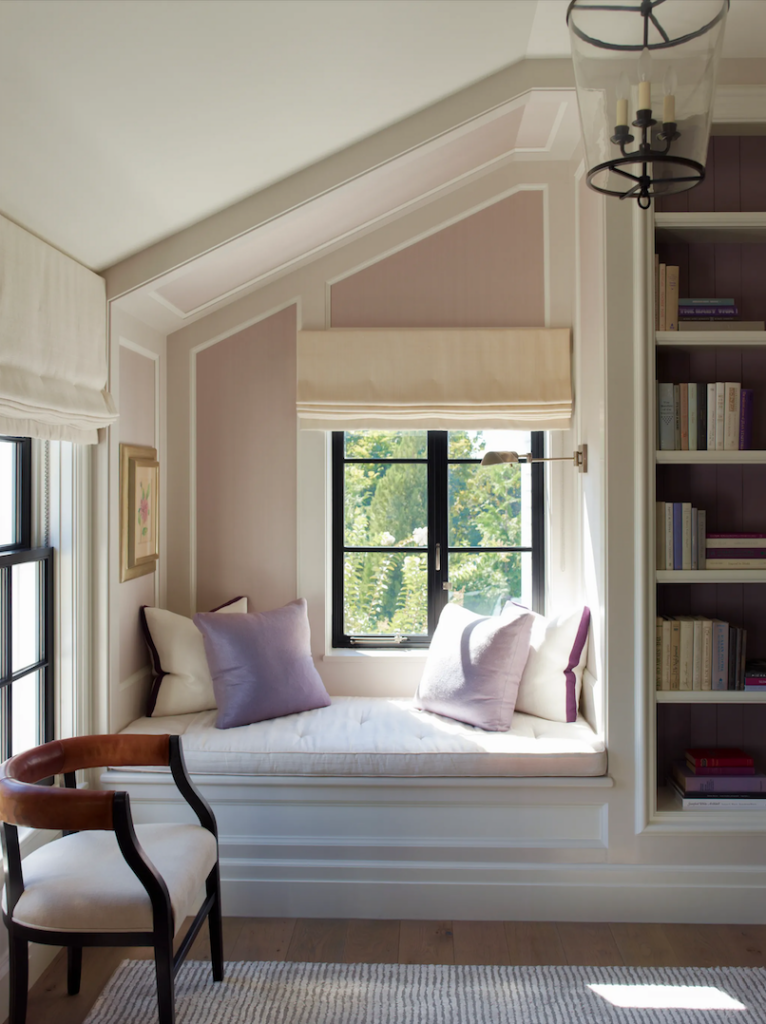
Often, the calmest spaces are those closest to light. A chair positioned by a window invites a daily ritual of pause: a place to read, reflect, or simply watch the shifting light throughout the day.
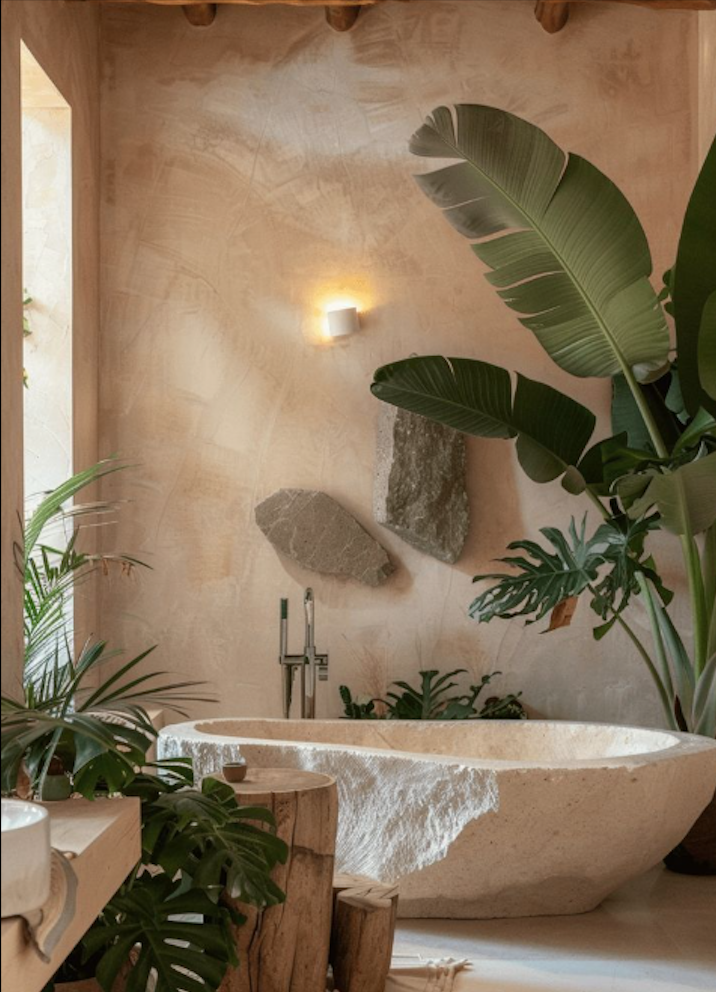
Further inside the home, the bathroom can become an unexpected refuge. Soft lighting, natural textures, and the quiet ritual of water transform an everyday routine into a moment of retreat.
.