Words by Allegra Salvadori
Amsterdam is a city of contrasts — medieval rooftops reflected in glass towers, Belle Époque theatres set against industrial shipyards. For Esra Lemmens, design strategist and curator, this duality is what makes it endlessly inspiring. “What I love about Amsterdam is how the city constantly shifts between eras — you walk from centuries of history straight into bold contemporary statements. That duality is what inspires me most.”
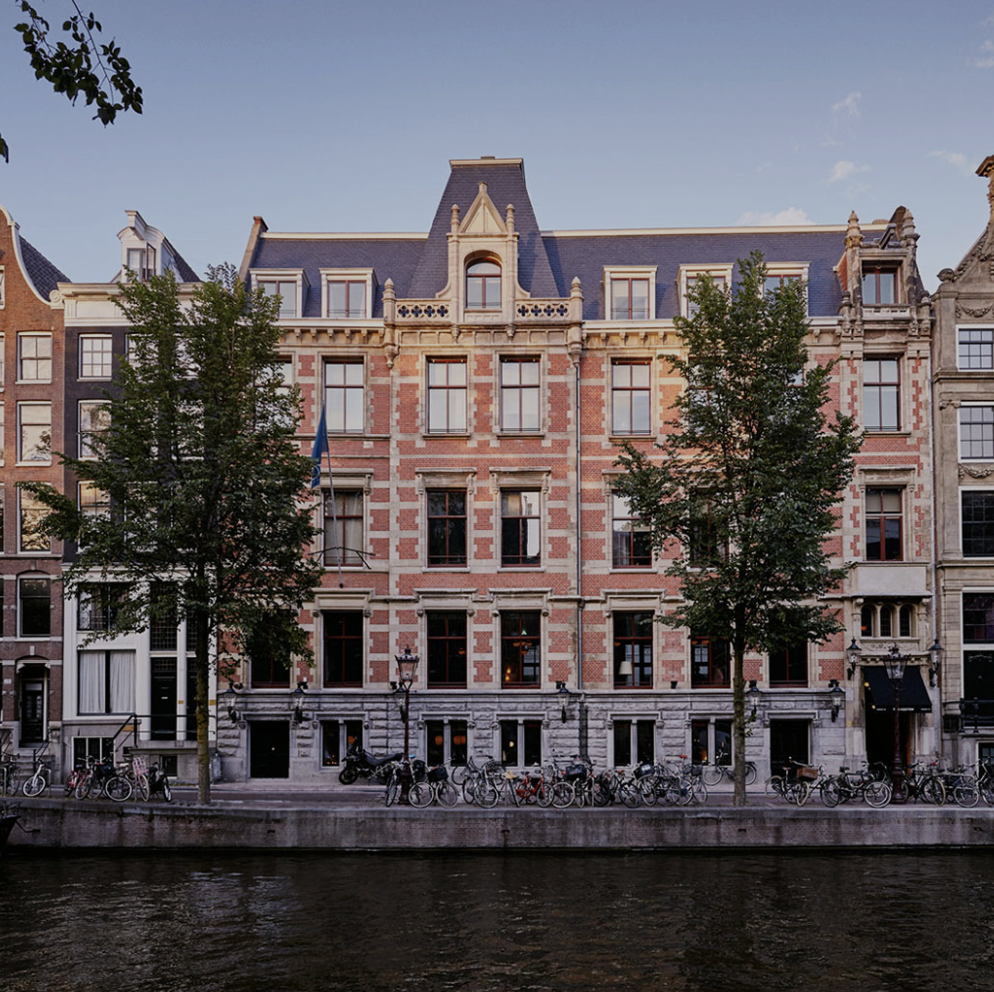
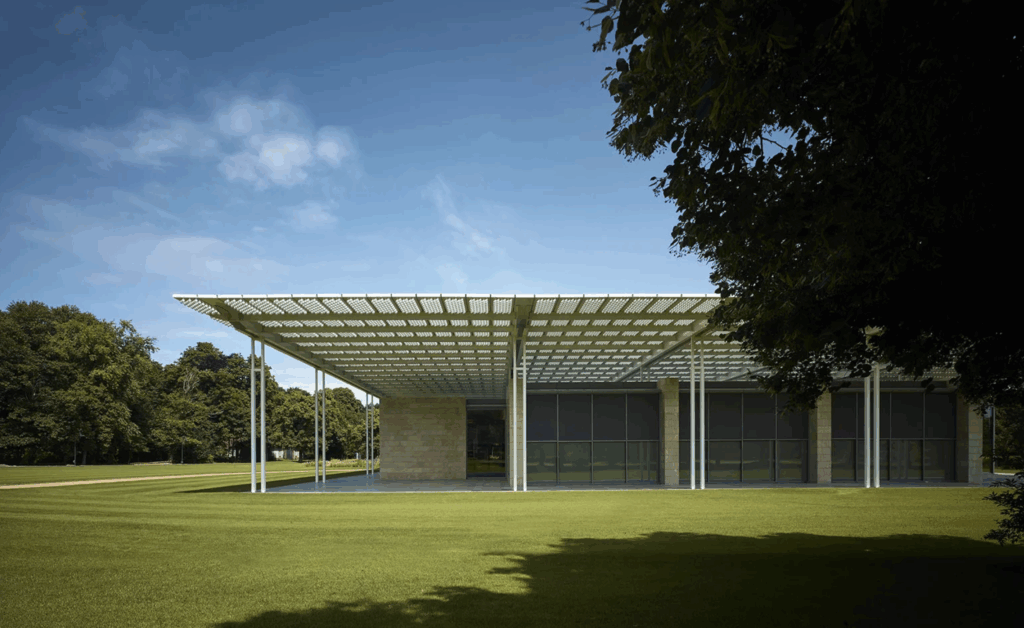
Her Amsterdam design guide begins in the stillness of Museum Voorlinden, just beyond the city limits. A minimalist building dissolves into the surrounding landscape, slowing her pace and sharpening her gaze. “It makes me really see both the art and nature together,” she says. Opened in 2016 by King Willem-Alexander, Museum Voorlinden is home to the Caldic Collection, the Netherlands’ largest private art collection, and has hosted exhibitions by artists such as Giuseppe Penone, Alex Katz, Anselm Kiefer, and Ron Mueck. Back in town, the Rijksmuseum carries an entirely different weight. For Esra, Pierre Cuypers’ neo-Gothic architecture is more than a frame for masterpieces: “Every archway feels like it carries the Dutch spirit.”
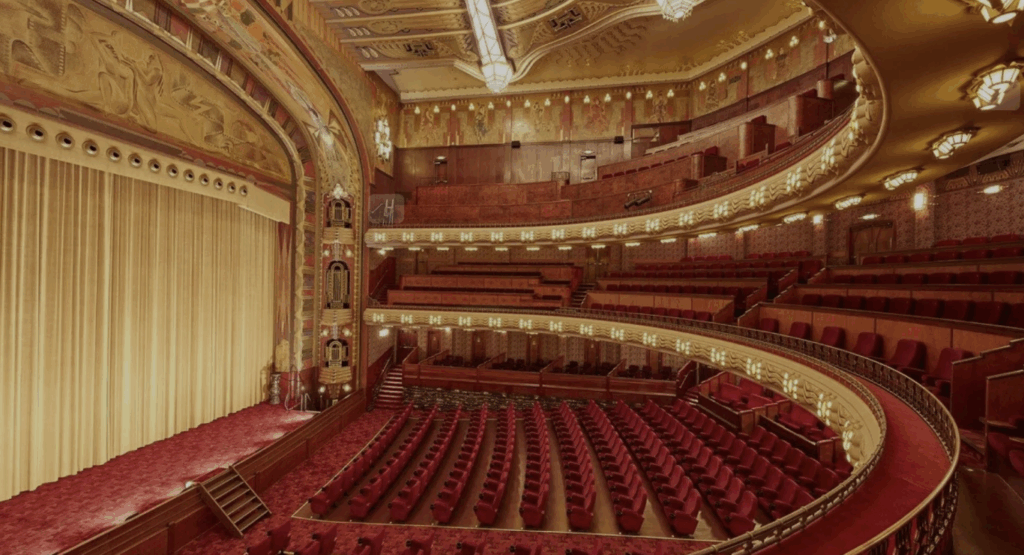
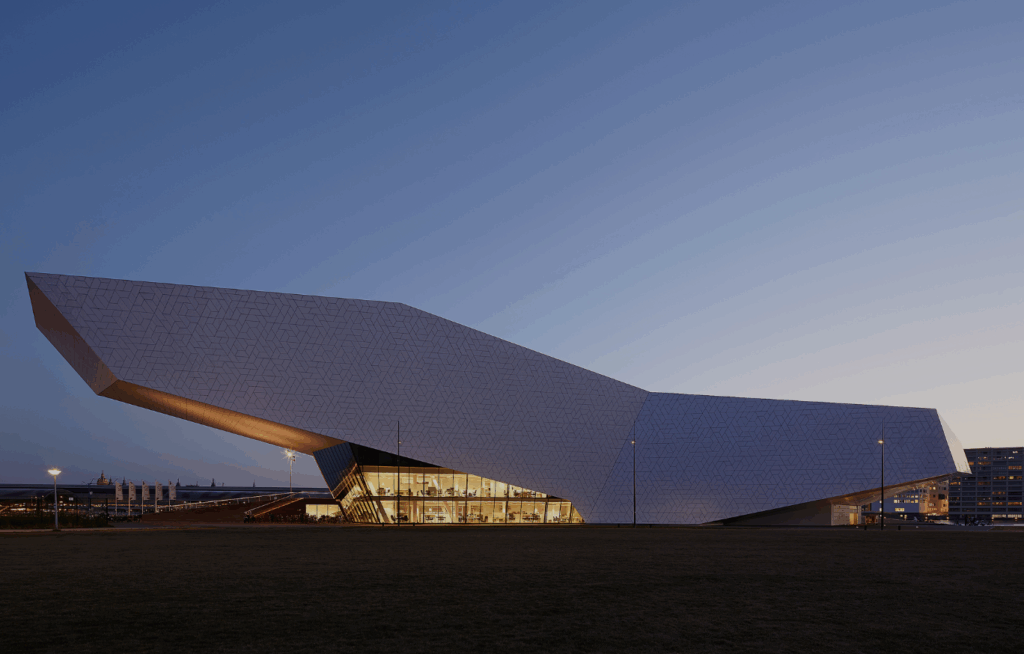
From there, Amsterdam turns theatrical. At the Royal Theater Tuschinski, a symphony of stained glass, carved wood, and velvet ornament envelops visitors in a true gesamtkunstwerk (a total work of art). Across the IJ, the futuristic Eye Filmmuseum gleams white against the water, a reminder that in this city architecture is never static — it changes with the light, it merges with its site, it breathes.
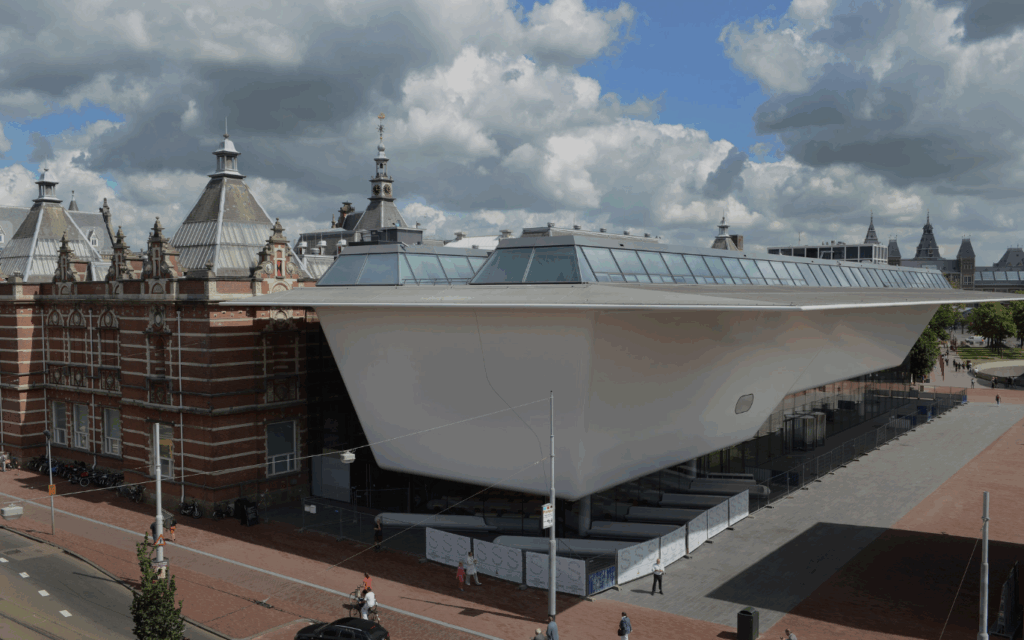
Cultural life in Amsterdam, Esra explains, is defined by experiment. “Amsterdam’s cultural spaces always strike me as laboratories — places where ideas are tested, heritage reimagined, and communities brought together.” The Stedelijk Museum captures that tension in its very skin, where 19th-century brick collides with a daring white “bathtub” extension. The vast NDSM Wharf, once a shipyard, is now a playground for artists and graffiti — raw, messy, alive.
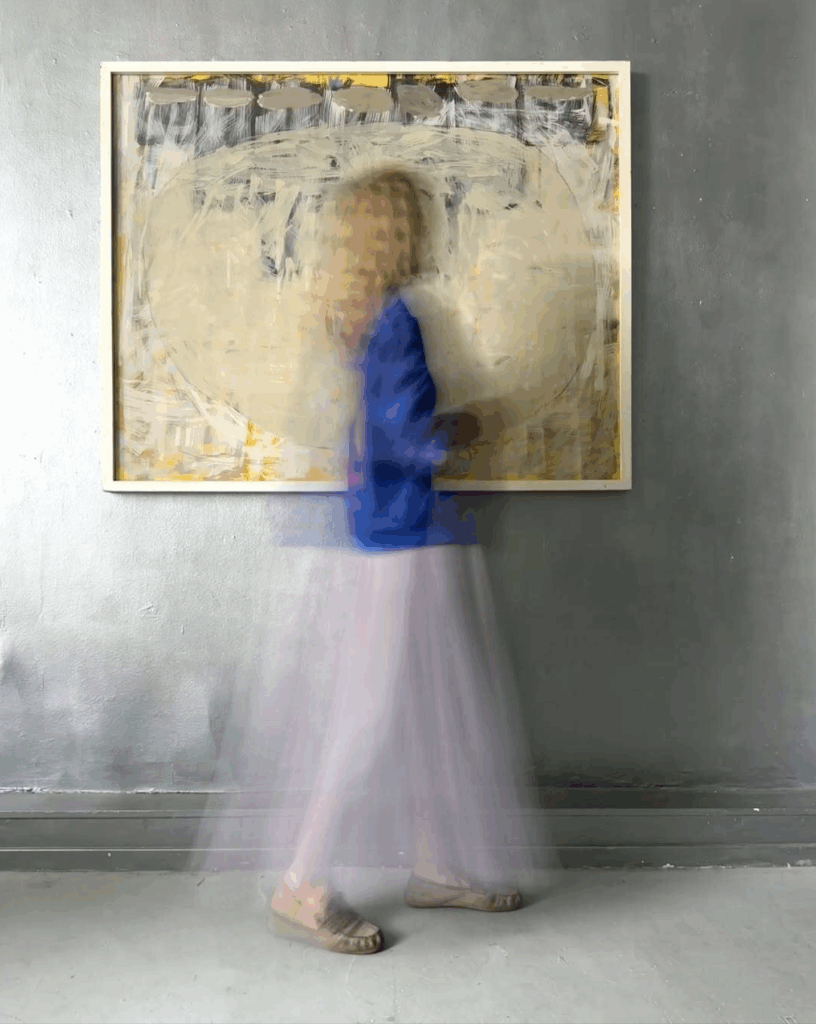
OODE Gallery in Amsterdam gives a second life to “orphaned art” — works once housed in museums but deaccessioned and placed in storage. By curating these forgotten pieces alongside contemporary design objects, the gallery creates a dialogue between past and present. Its concept highlights the cultural and emotional value of art that might otherwise remain unseen, turning absence into renewed relevance.
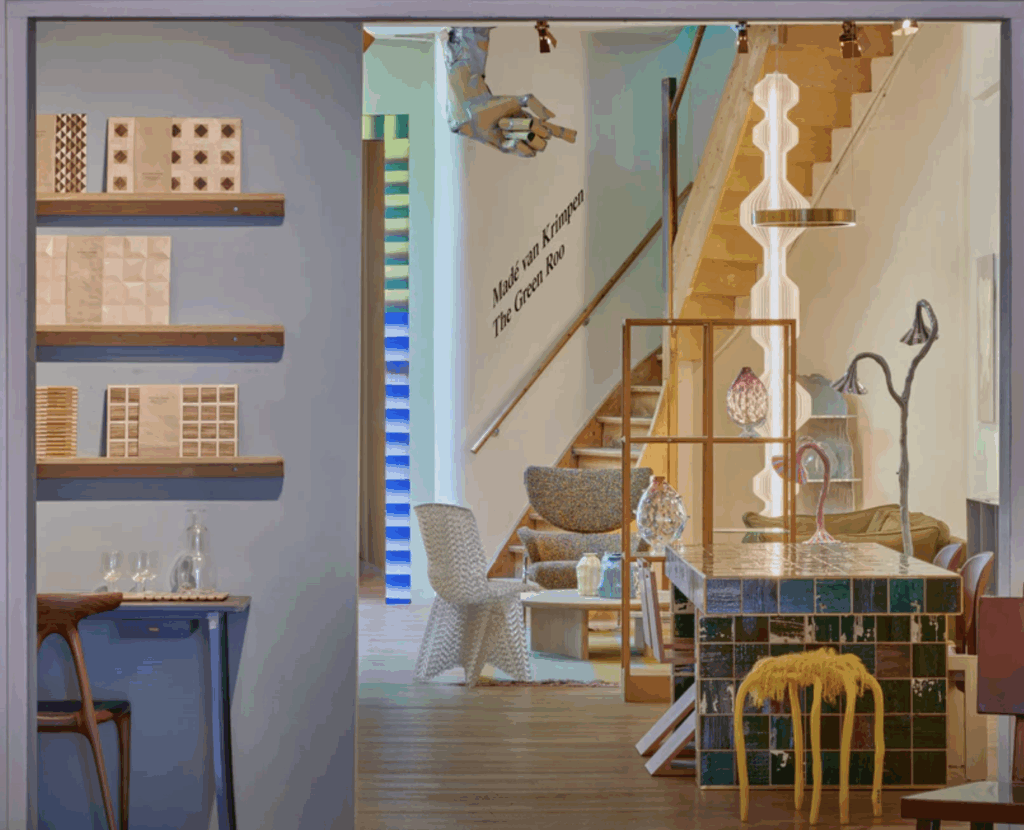
For Esra, shopping is no less curatorial. “What fascinates me about Dutch design is its mix of wit and pragmatism. We love to provoke, but always with a sense of purpose.” At Droog, the collective where her own career began, she still finds work that is clever, irreverent, and meaningful. At The Frozen Fountain, she wanders into surprise, discovering collectible furniture alongside emerging designers’ experiments. And at Extreme Cashmere, Amsterdam’s practicality becomes fashion: a flagship conceived as a walk-in closet, where trying on clothes feels like being at home.
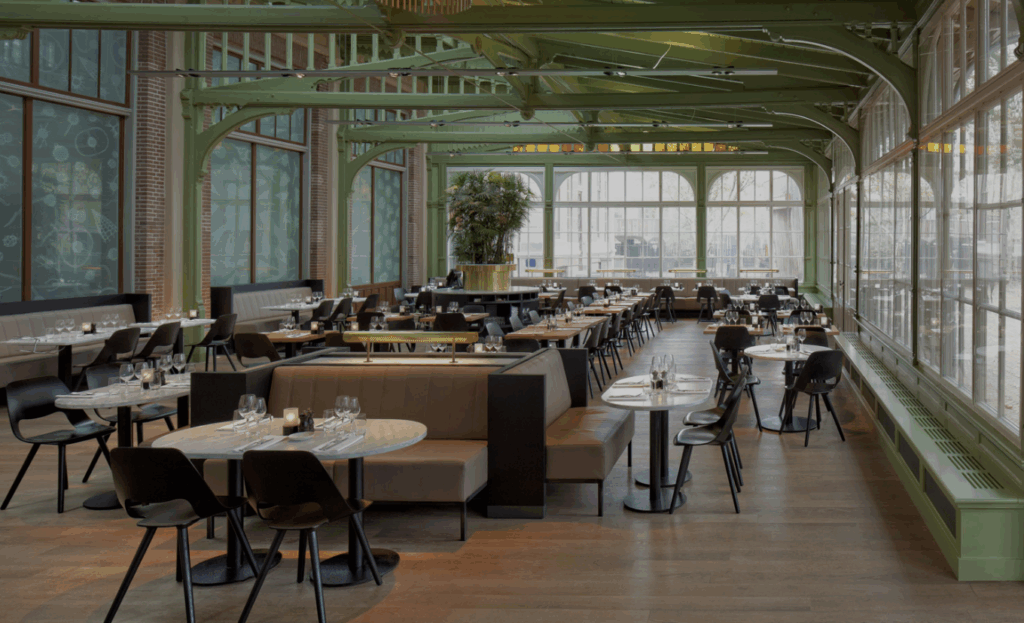
Dining, too, is inseparable from design. In the Belle Époque splendour of The Duchess, a former bank vault glitters with chandeliers, turning dinner into theatre. The Café Americain hums with Art Deco detailing and the rhythm of locals, while The Plantage offers greenhouse serenity — light, plants, and calm in the heart of the city. At Soho House Café, layered interiors and an international creative crowd reflect Amsterdam’s cosmopolitan spirit.
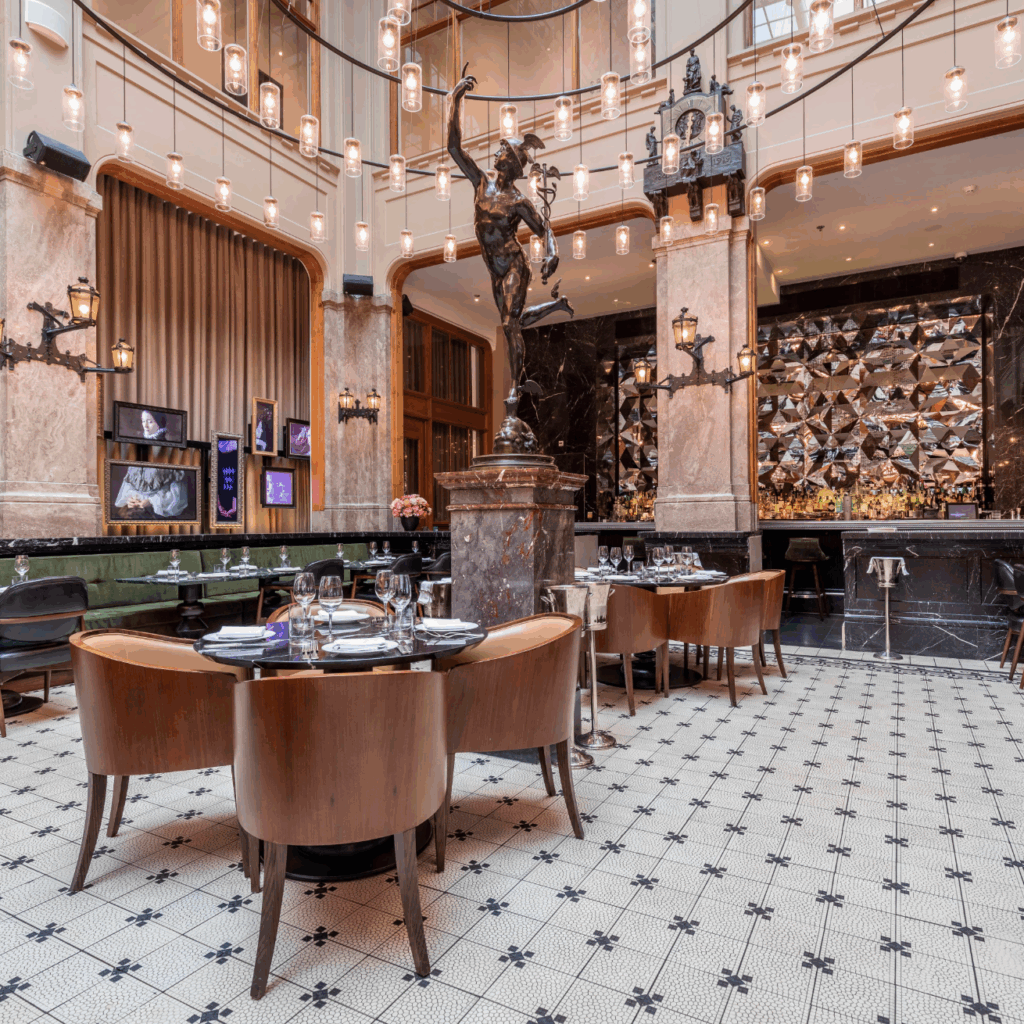
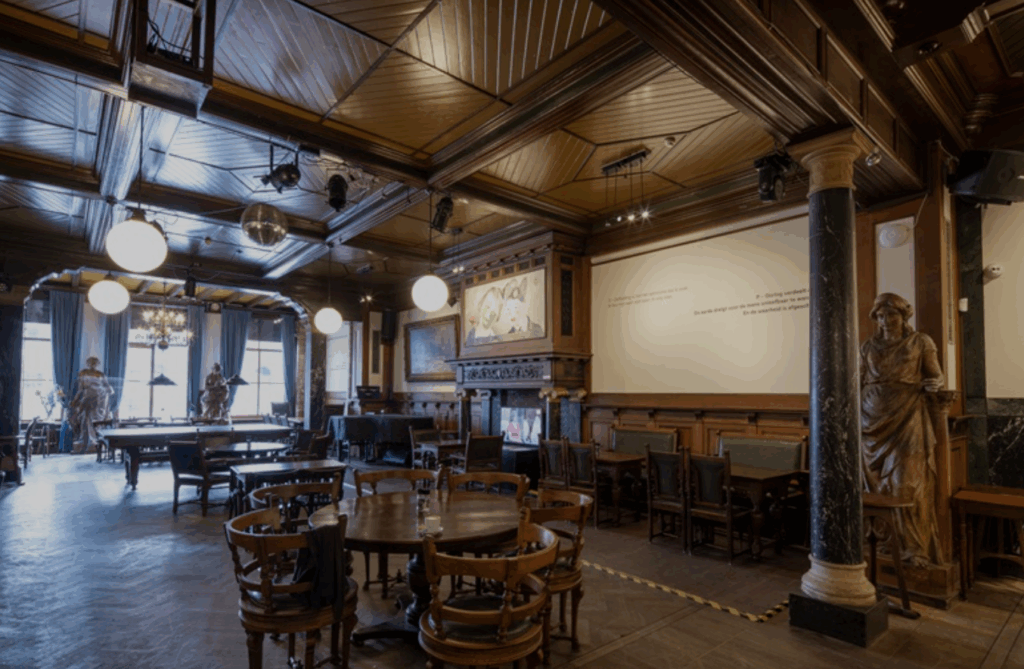
Even her retreats carry a design imprint. At the Hortus Botanicus, monumental palms rise beneath futuristic glass extensions, an architectural frame for calm. And at Arti et Amicitiae, a historic artists’ society, cultural heritage becomes a private refuge from the city’s buzz.
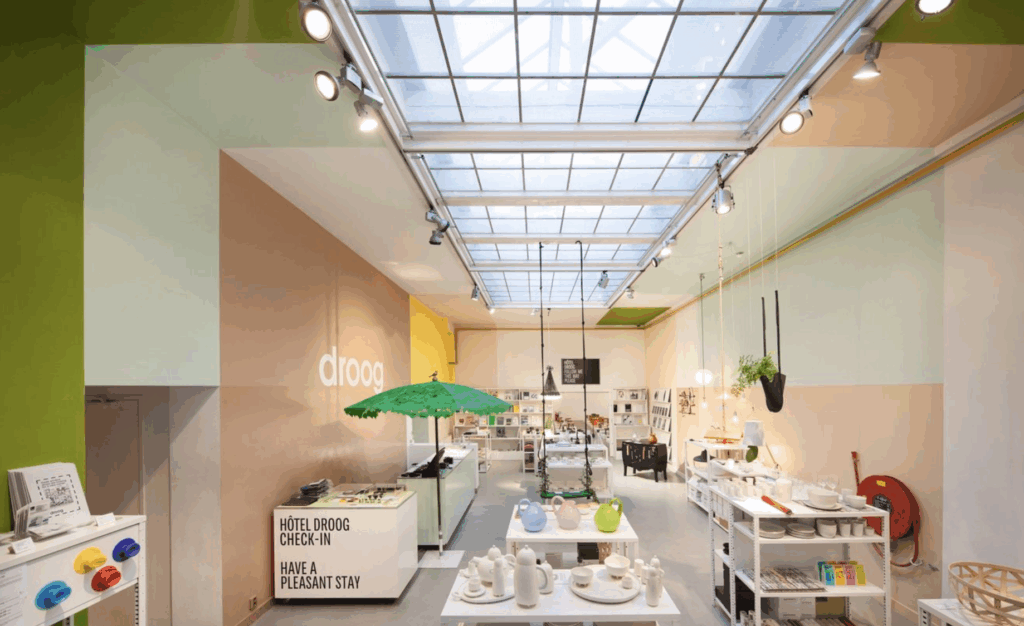
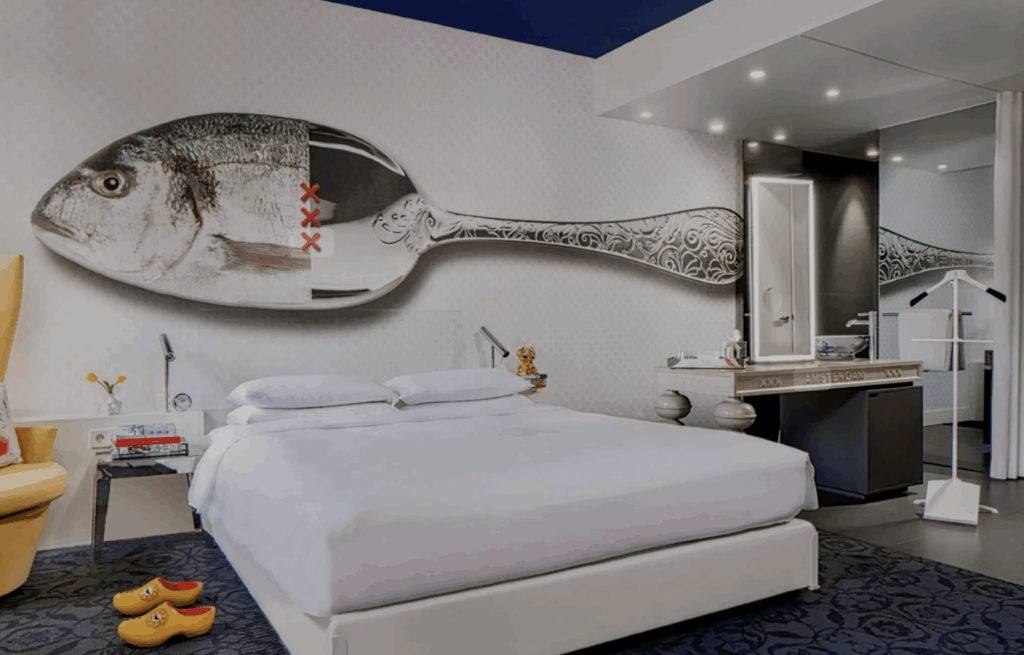
Esra insists that even hotels in Amsterdam tell stories. At the Conservatorium, a glass atrium slices through neo-Gothic stone, harmonising old and new. The Andaz Amsterdam, designed by Marcel Wanders, feels like stepping inside his imagination — witty, theatrical, steeped in Dutch symbols. And then Hotel Droog, an insider’s secret: a single suite perched above a design store, blurring the very definition of hospitality.
Her Amsterdam is not a postcard of canals and bicycles, but a living experiment — a city where heritage and provocation coexist, where galleries and cafés test new ideas, and where even a hotel can be a design manifesto. As she puts it: “Amsterdam inspires because it never stands still.”