Words By Allegra Salvadori
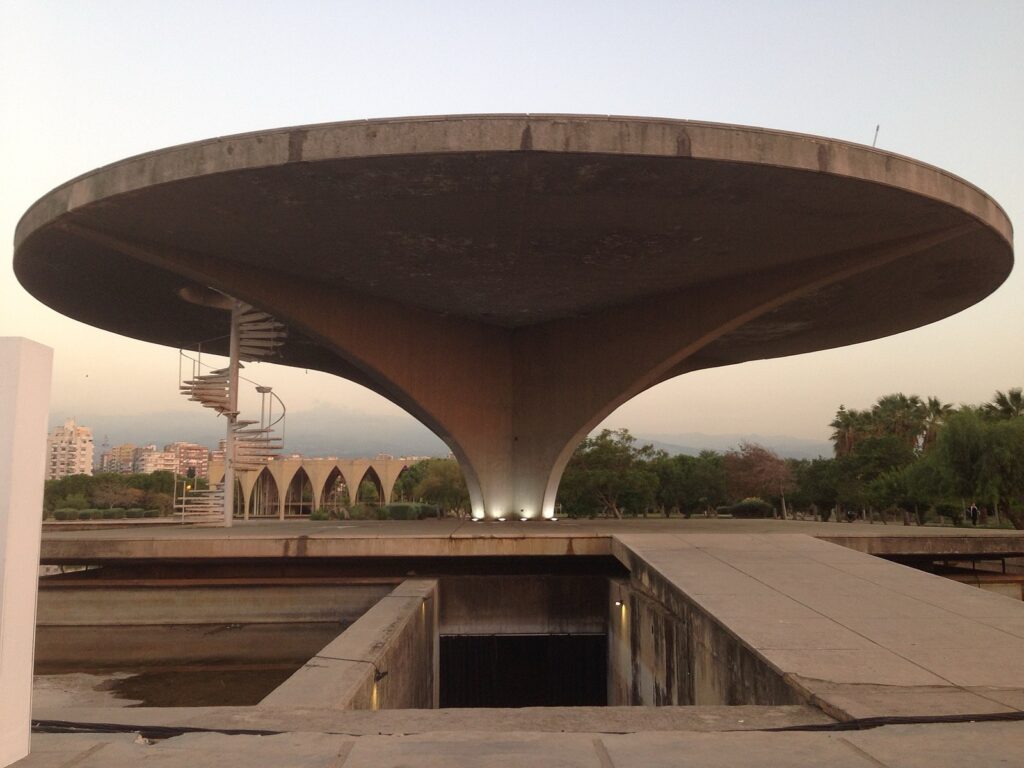
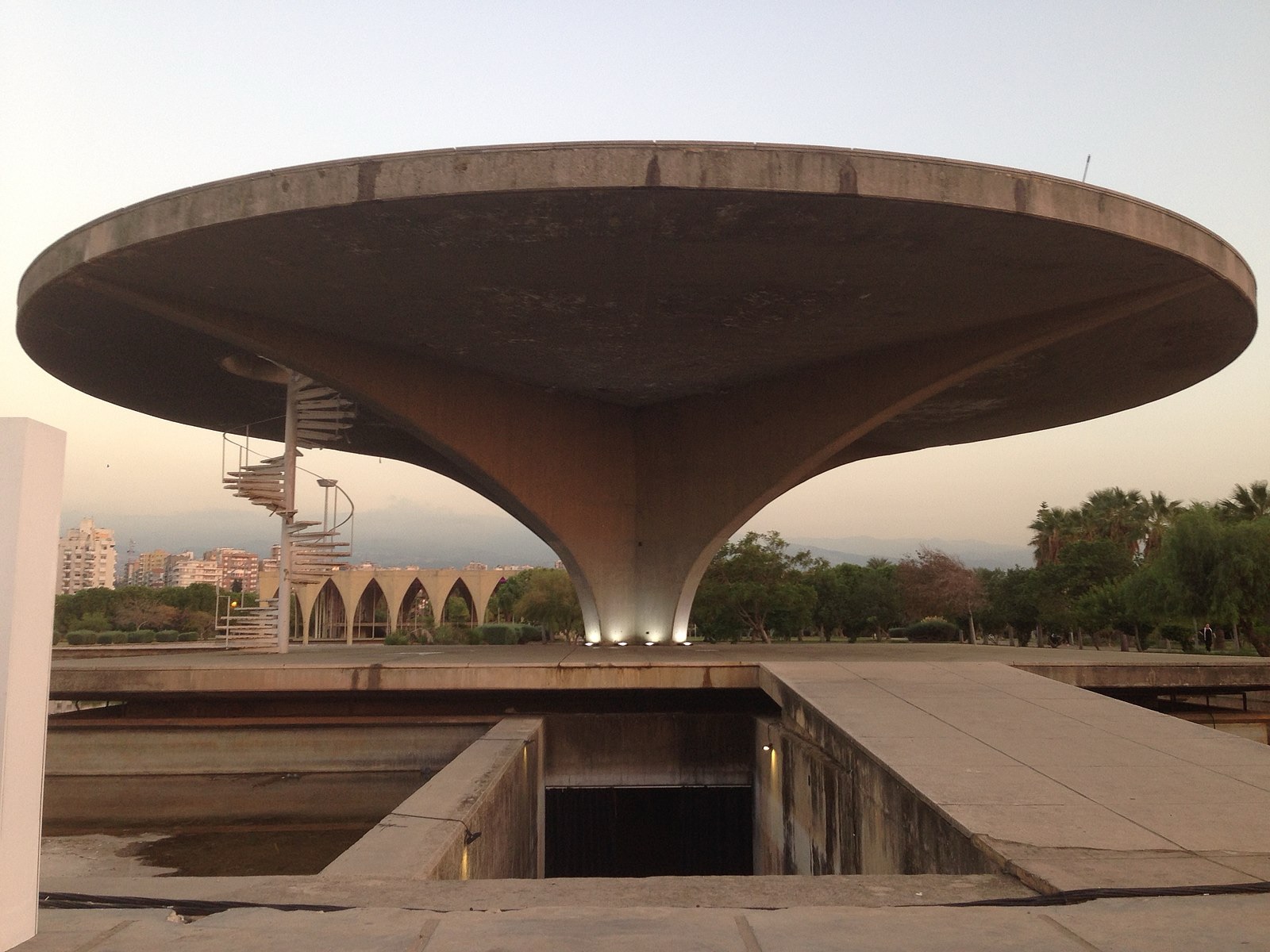
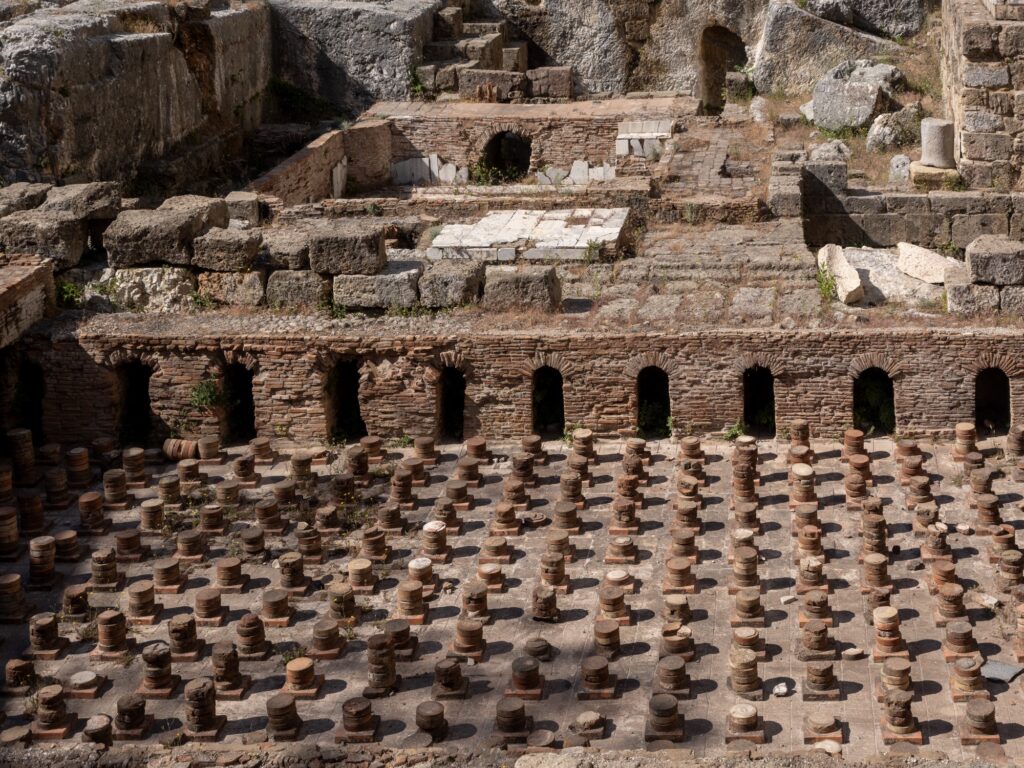
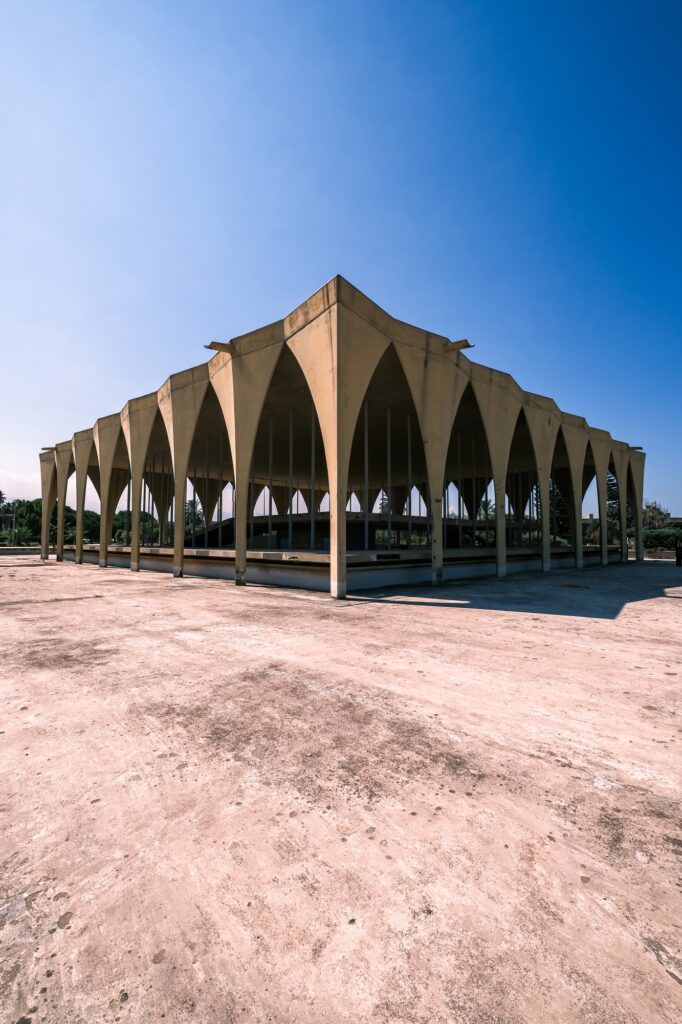
Tripoli. Photograph by Karim Sakr.
In a city layered with memory and rupture, Mariana Wehbe doesn’t just stage a design fair. She offers a new vocabulary for Beirut — one that begins not with objects, but with place.
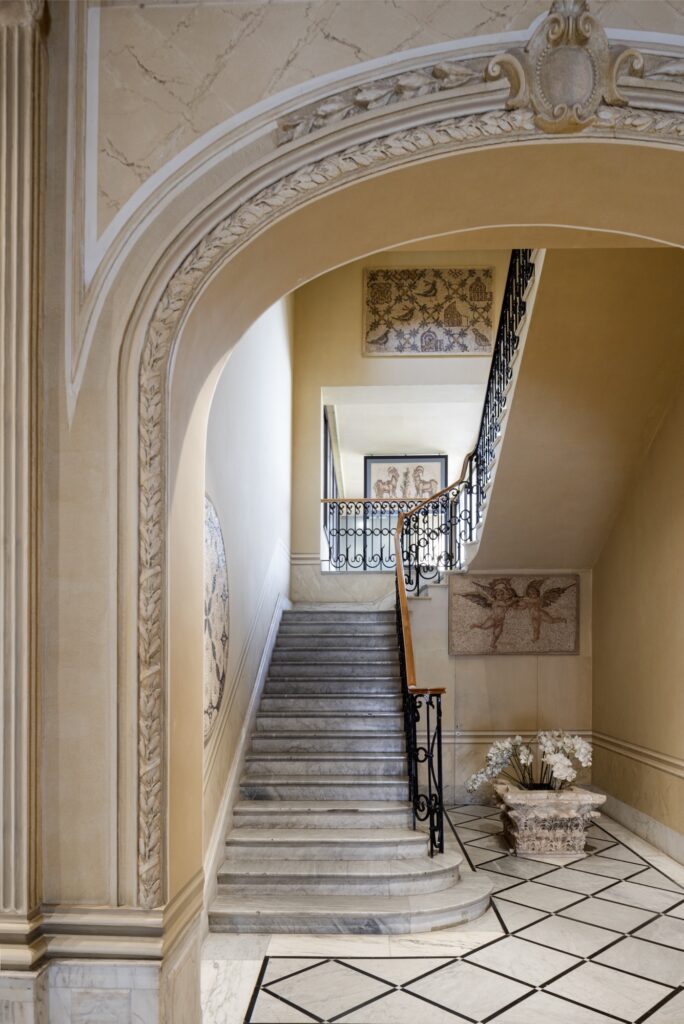
As founder and CEO of We Design Beirut, Wehbe treats the city itself as her material. “I’ve always been curious about spaces I didn’t have access to,” she says. “This is how the fair began — as a way of entering those forgotten rooms, and opening them to the public once again.”
Her curatorial lens is civic, emotional, and architectural. The 2025 edition, marking 50 years since the outbreak of the Lebanese Civil War, is not confined to a single venue — it unfolds across five landmark locations, hosting eight exhibitions in heritage homes, university campuses, ruinous structures, and public landmarks. It is a spatial manifesto, inviting young designers and international visitors alike to see Beirut not as a backdrop, but as a living archive. “What we have isn’t polished,” Wehbe explains. “But what we do have is raw, human, and unfinished — and that’s where I see beauty.” Alongside her vision, Samer AlAmeen, Partner and Creative Director of We Design Beirut, shapes the program’s creative direction. “Design is for everyone,” he says. “Design is a process, a way of thinking. It’s solutions, it’s techniques, it’s a lot of things — not just a piece of furniture.”
There is a particular skyscraper in Beirut that haunts Wehbe’s imagination — once the tallest in the region in 1975, construction halted with the outbreak of war. It was later used as a detention site, then quietly abandoned. Today, it’s absorbed into the skyline, unnoticed by most. “People drive past it without seeing it,” she says. “But it’s still there. Still filled with meaning.” For her, these unacknowledged monuments are Beirut’s most urgent architectural narratives.
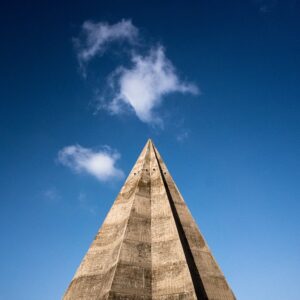
The fair also grapples with the city’s more recent trauma. One of its key exhibitions — curated by Gregory Gatserelia — responds to the 2020 port explosion not with horizontal surfaces, but with vertical presence. “He designed a forest of totems,” Wehbe says. “Nothing on the ground. He wanted people to look up.” Totems, in this context, become symbols of resistance — of rising after flattening.
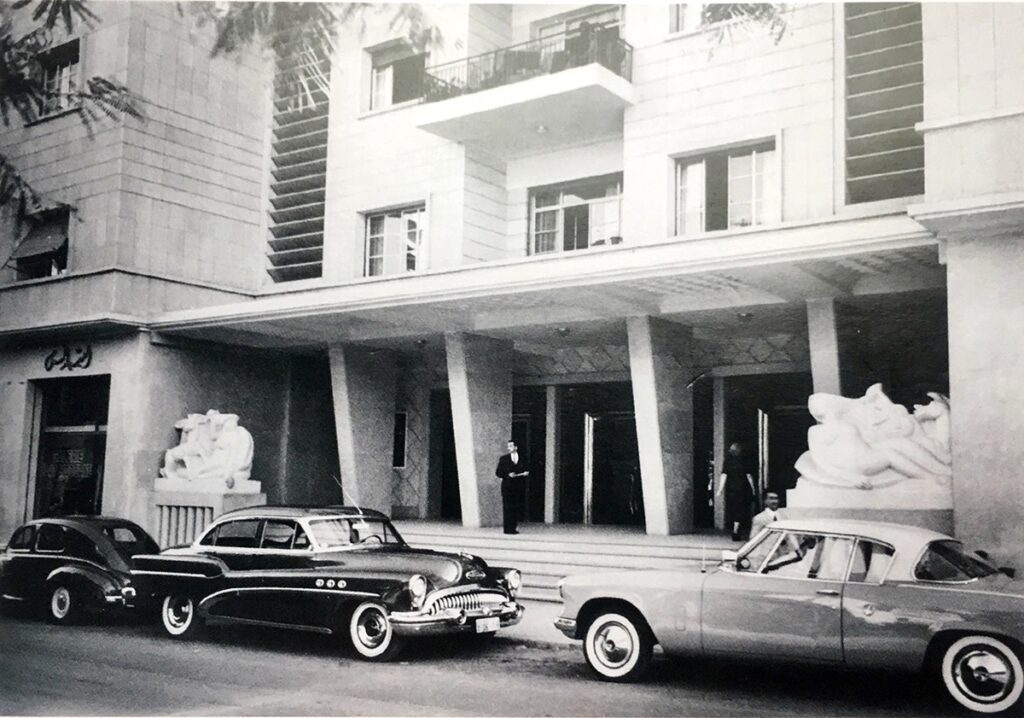
Design here is not a luxury aesthetic but a methodology for reclaiming memory. Wehbe speaks of Beirut as a child might describe a half-dreamed playground: scattered, contradictory, full of potential. “Our city has been deprived of so much,” she says. “Yet it is a city of magic — and there are places of magic still to be discovered.”
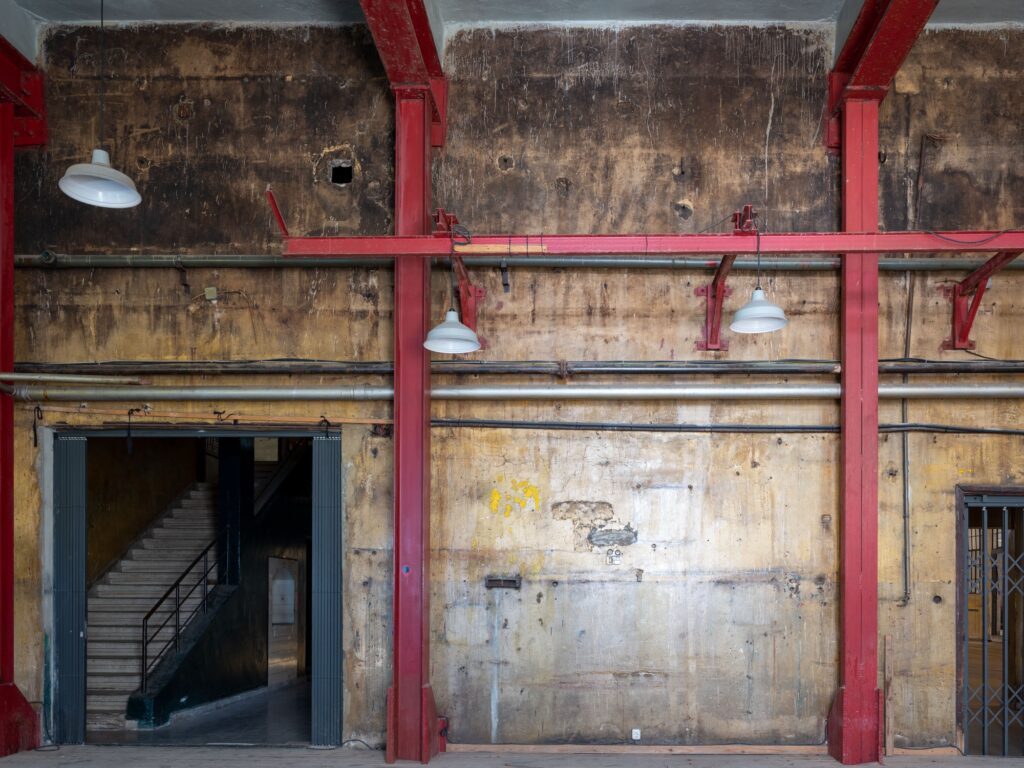
Asked what she would show a visitor, Wehbe refuses the conventional itinerary. Instead, she speaks of places that carry emotional charge — sites that resonate rather than impress. She insists on slowness, on noticing light, patina, silence. “To walk through Beirut during We Design is to experience the city differently,” she says. “You begin to see it not through what it lacks — but through what it could become.”
We Design Beirut –
Full program may be found here: https://www.wedesignbeirut.com/
Instagram Profile: @wedesignbeirut
All exhibitions run from 11 AM to 9 PM, except for the two exhibitions at Immeuble de l’Union, which are open from 5 PM to 11 PM.