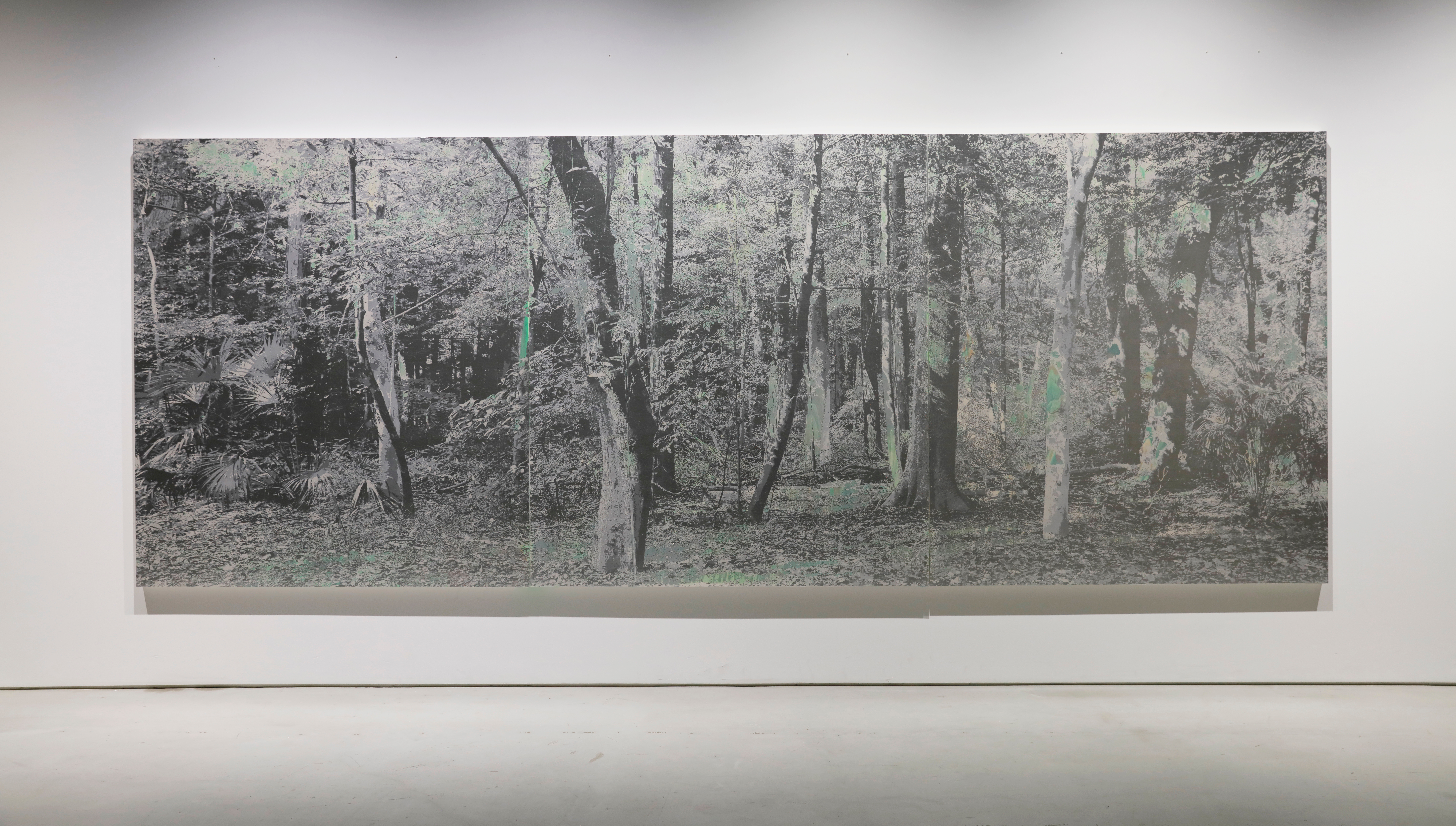
Across the exhibitions that opened last week in Dubai, certain words kept reappearing: unfolding, memory, observation, organic matter, ecological rhythms, stillness. In a city historically associated with speed, spectacle, and perpetual construction, a quieter sensibility seems to be emerging among a younger generation of artists and galleries. What connected many of the presentations surrounding Art Dubai this year was not a shared aesthetic, but a shared resistance to acceleration itself.
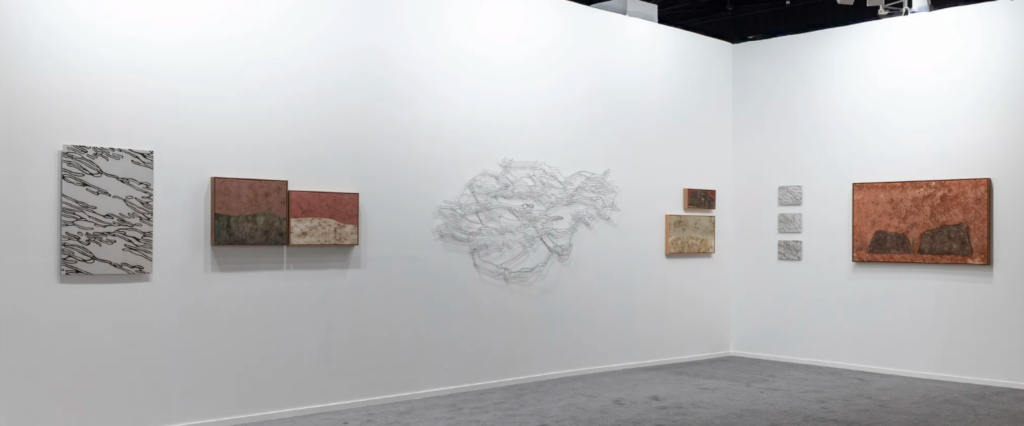
At Iris Projects’ presentation at Art Dubai, emerging Emirati artists Safeya Sharif Al Awadhi and Alyazia Al Nahyan each approached material and perception through radically different yet equally introspective practices. Al Awadhi works through what the gallery describes as “the architecture of illusion,” constructing environments where perception becomes unstable and spatial experience feels suspended between reality and mirage. Al Nahyan, meanwhile, turns toward organic material and transformation, developing works that feel less constructed than cultivated. Al Nahyan’s works emerge from fabrics dyed with turmeric, hibiscus, henna, rust, neem leaves and diluted bleach, allowing pigments to oxidise, stain and decompose over time. Working across painting, relief and video, her practice treats material transformation itself as image making, producing abstract surfaces that resemble aerial landscapes or environmental residues. Together, the pairing moves away from the polished monumentality long associated with Gulf visual culture and instead embraces ambiguity, fragility, and process.
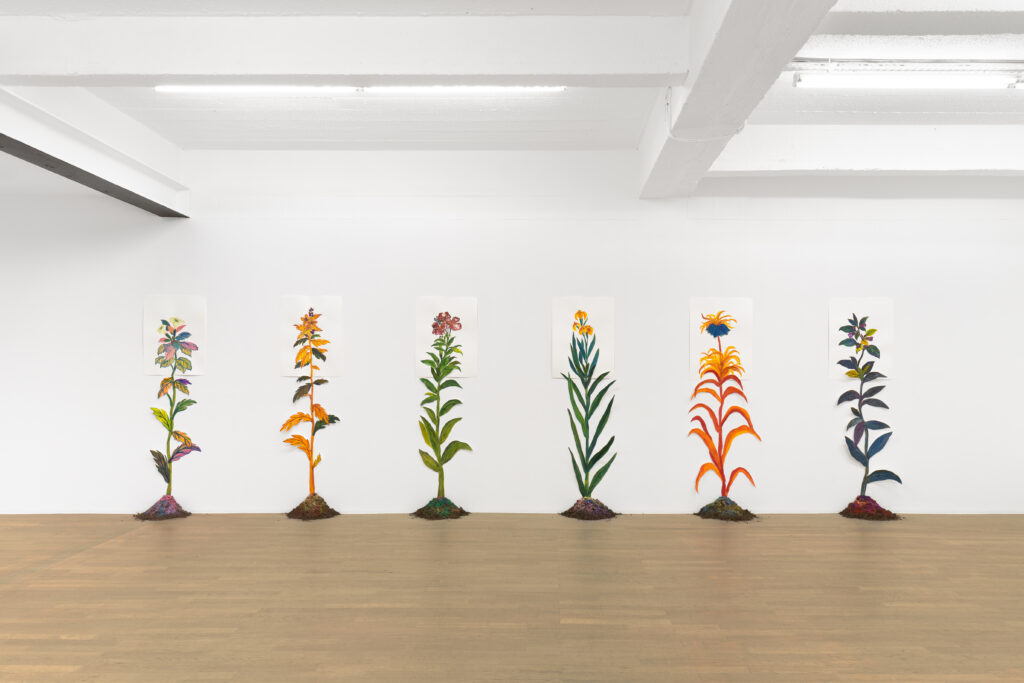
The same atmosphere extended into Dom Art Projects’ group exhibition Time That Grows Slowly, that opened last week at Al Khayat Avenue. Even the exhibition’s title feels revealing. Curated by Alexander Burenkov, the exhibition brought together artists exploring alternative notions of time inspired by vegetal and ecological rhythms, proposing slowness not as nostalgia, but as another way of inhabiting contemporary life. Positioned against Dubai’s culture of immediacy and constant visibility, the exhibition suggested a different temporal framework entirely: cyclical rather than linear, reflective rather than productive.

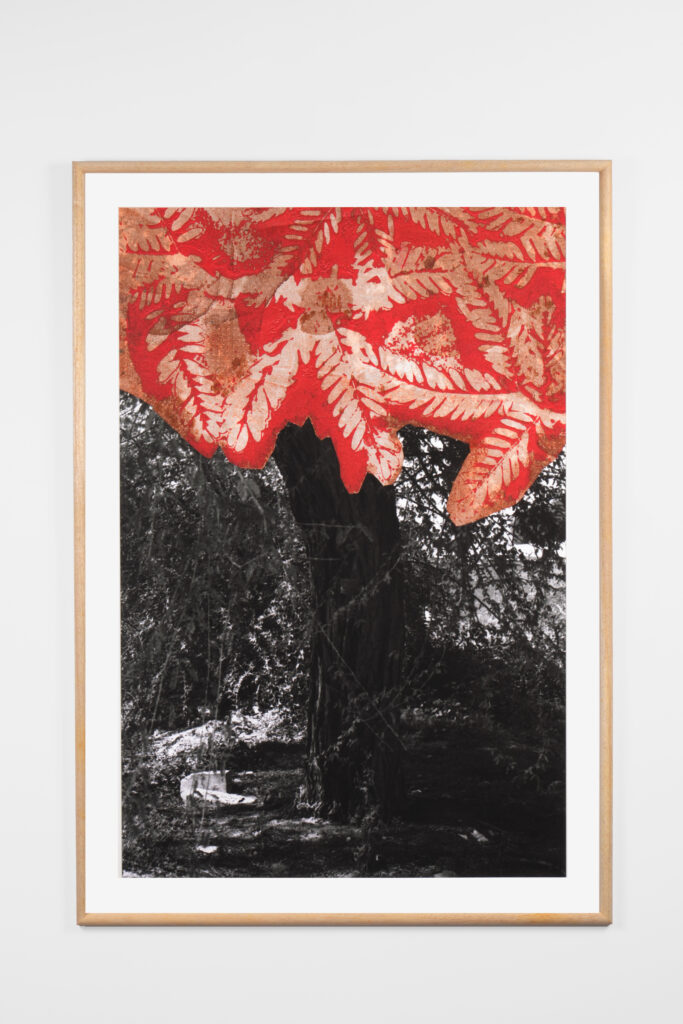
At Tashkeel, Emirati artist Moza Al Falasi’s first solo presentation, Unfolding, similarly centres on memory, loss, and the passing of time. Developed during the institution’s year long Critical Practice Programme, the exhibition privileges research, accumulation, and emotional residue over spectacle. Here, time appears less as chronology than material itself, embedded within gestures, surfaces, and acts of making.
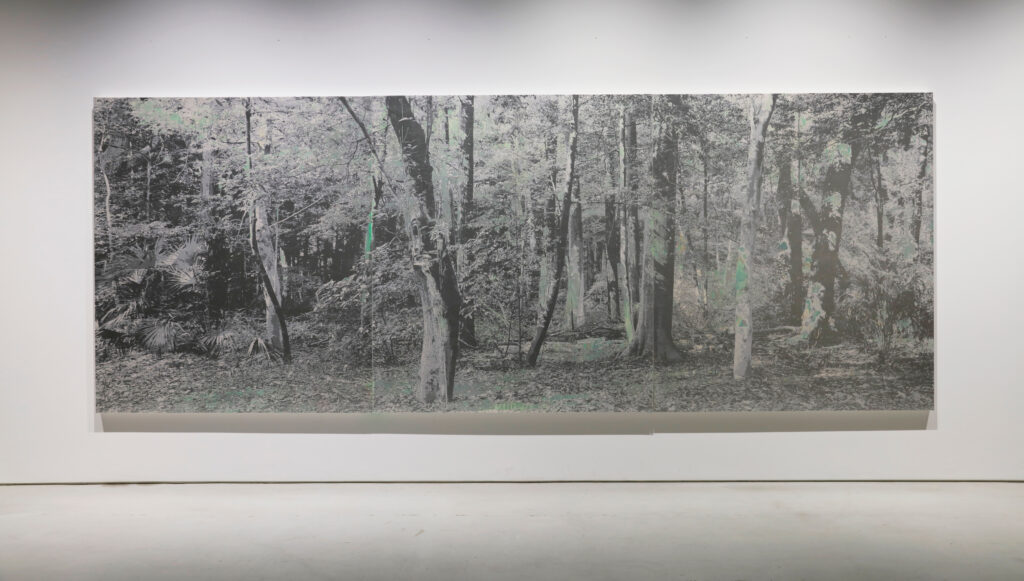
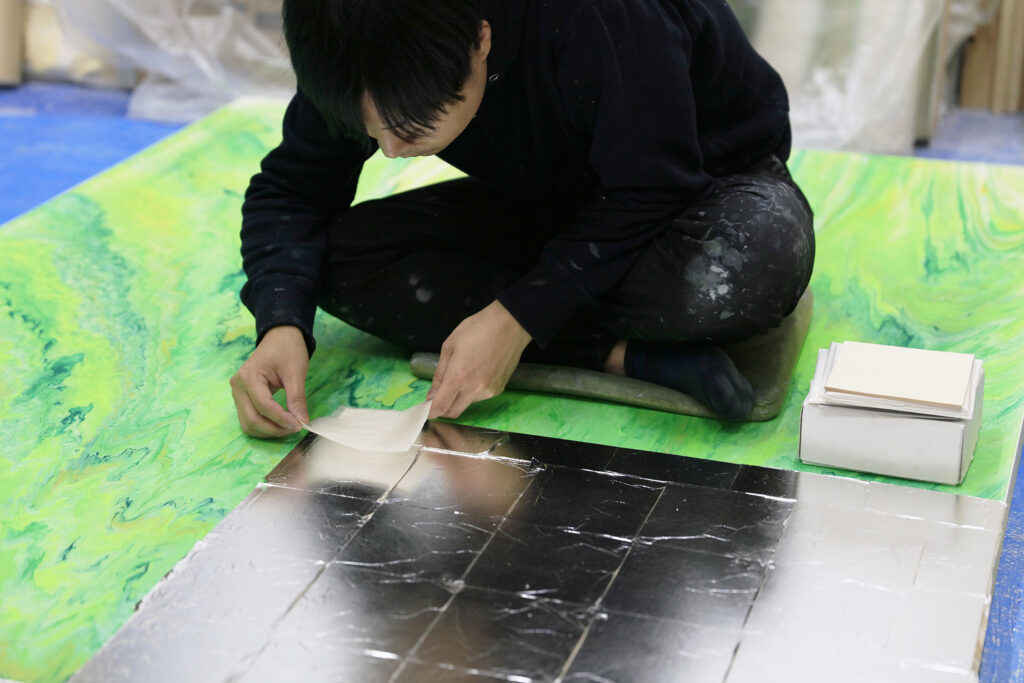
Even international presentations that arrived in Dubai last week seemed to share a similar sensibility. At JD Malat Gallery, Japanese artist Masayoshi Nojo’s exhibition Hone Intuition explores memory, perception, and observation through layered surfaces inspired by traditional Japanese aesthetics and the legacy of the Rinpa school. Combining silkscreen, acrylic, silver, and aluminium leaf, the works subtly transform through light and movement, inviting viewers into a space of stillness and prolonged attention rather than immediacy.
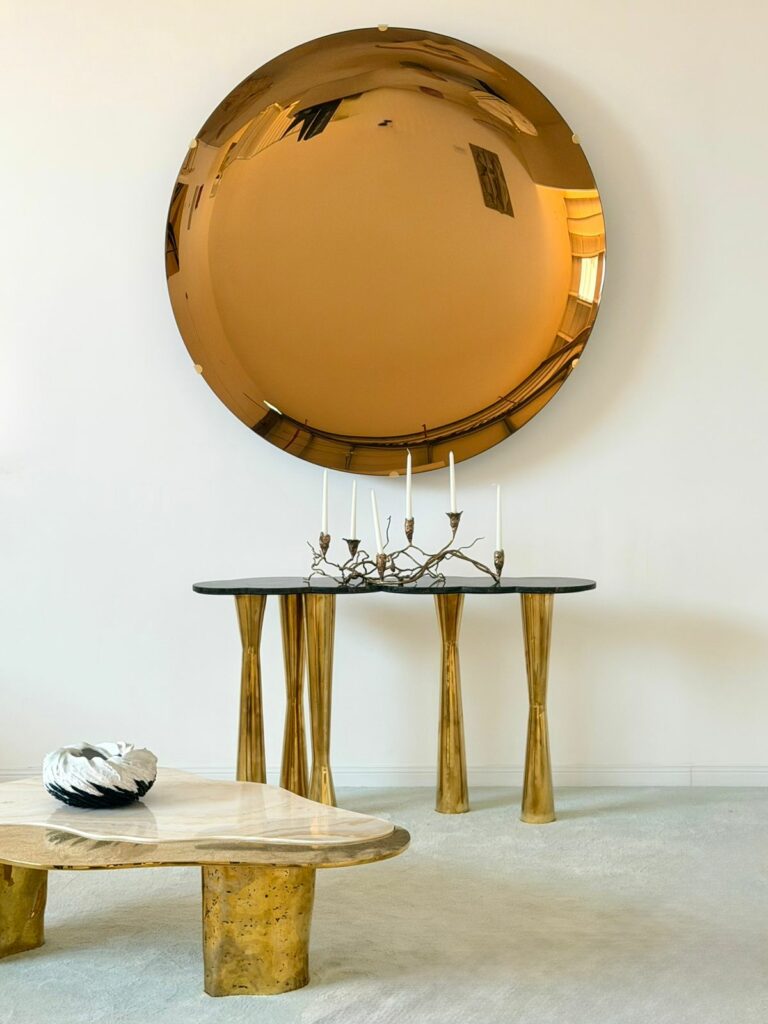
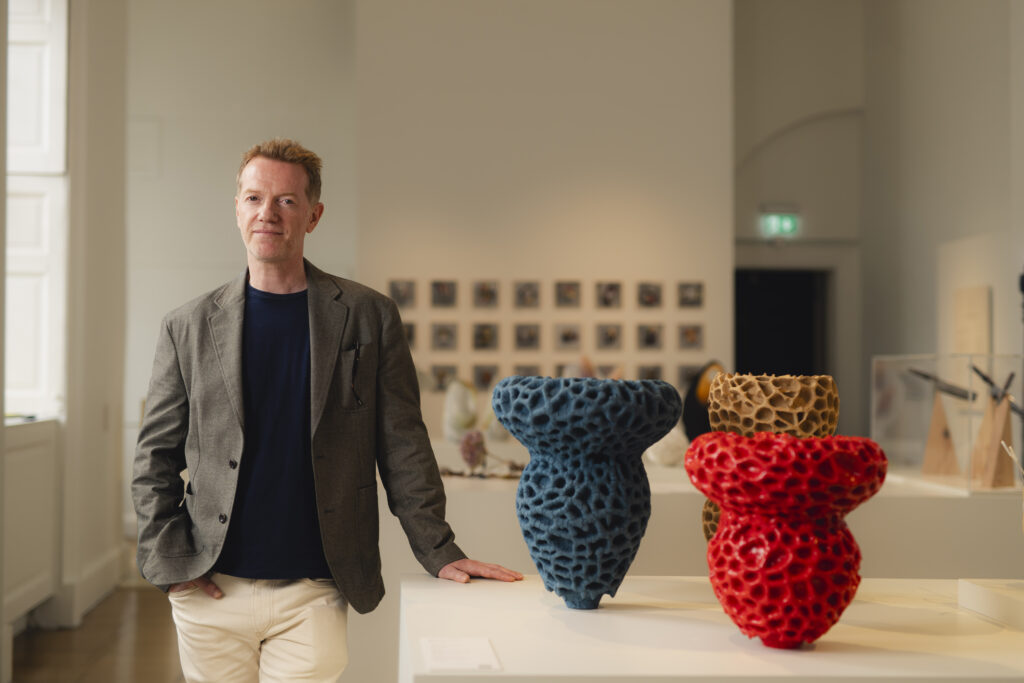
The same shift can also be felt within Dubai’s growing collectible design scene. Opening during the first edition of Al Khayat Avenue’s Art Seeding Festival, Hestia Gallery’s exhibition Objects d’Art: Beyond Function focuses on works that resist clear distinctions between sculpture, craft, and design. Across crystallized enamel porcelain by Studio Ombre d’Or, intuitive ceramic works by Dubai based artist Rawa Al Mahdawe, and the quietly atmospheric pieces of Irish ceramist Michael Rice, material itself becomes the primary language. Rather than functioning as decorative objects alone, the works foreground process, texture, instability, and surface, reflecting a wider interest in slower forms of making.
What is striking is how frequently younger artists and institutions in the region are beginning to move toward tactile, research driven, and materially sensitive practices. Across contemporary art and collectible design alike, there is a visible shift away from purely image driven work toward atmosphere, craft, ecology, and duration. In many ways, this reflects a broader cultural fatigue with hyper visibility and constant production, replacing the aesthetics of speed with works that demand sustained attention.
Perhaps this is why so many of the most compelling exhibitions around Art Dubai this year felt unexpectedly quiet. Rather than competing with the scale and velocity of the city around them, these artists seemed more interested in suspension, reflection, and slowness. In Dubai today, that may be the most radical gesture.