Words By Allegra Salvadori | Photographs by Walid Rashid
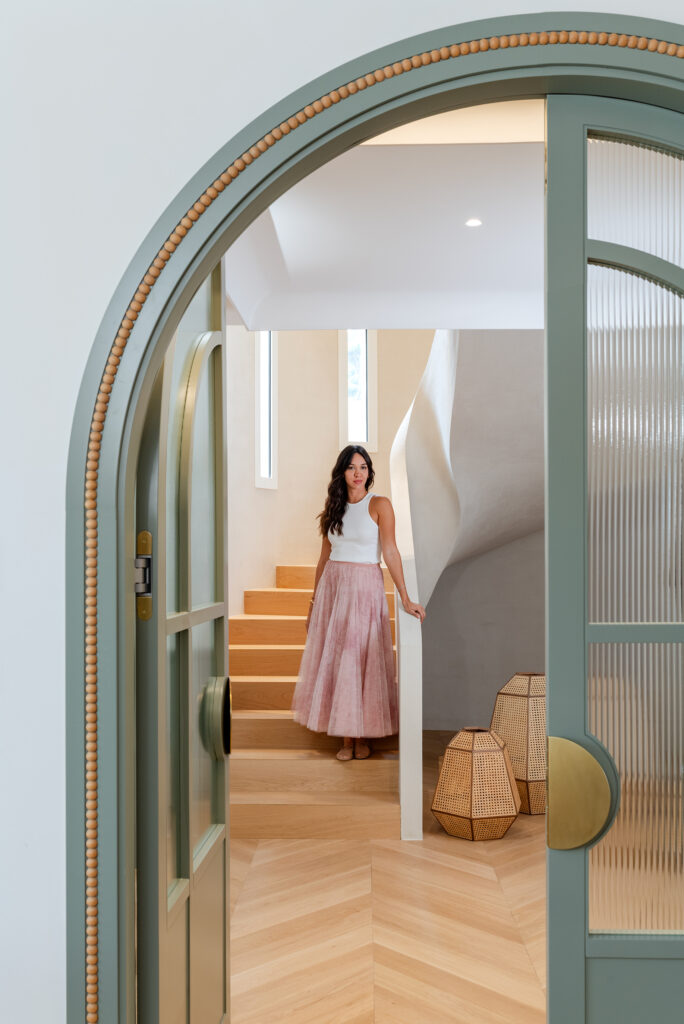
Set in the quiet residential hills of Baabdat, this villa underwent a complete transformation — from a dated residence into a serene family home. Conceived as a “lifting transition,” the renovation respected the home’s past while reshaping it to reflect the lifestyle and taste of a young family.
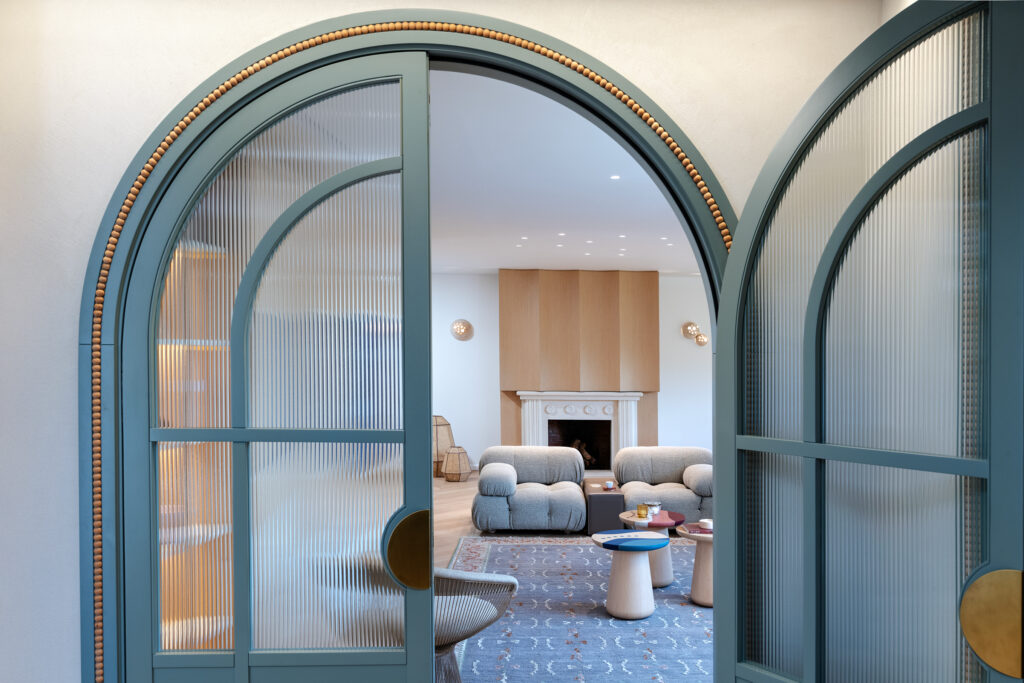
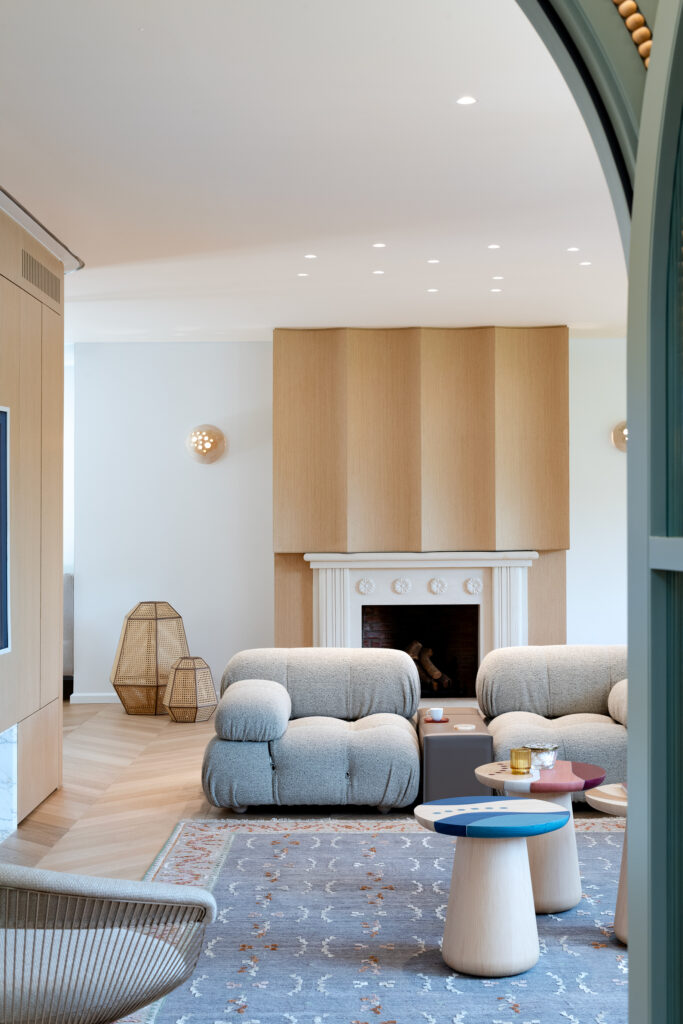
Designed by Nour Al Zaim, founder of Design in Frame studio, this project strikes a delicate balance between memory and renewal. Elements with strong sentimental value—like the fireplace in the main salon—were preserved and reimagined as focal points within the redesigned spaces. The result is an atmosphere that is both bright and calm, where every room feels welcoming yet distinctly personal.
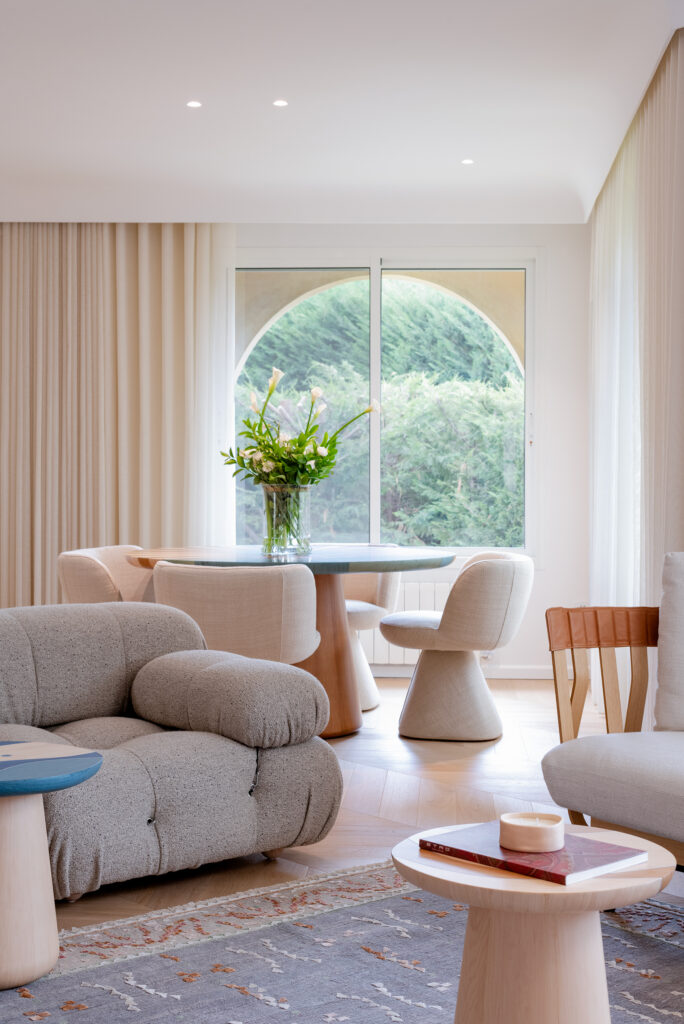
Custom woodwork and tailored joinery give the interiors a cohesive rhythm, while lighting design enhances the architectural lines and mood of each space. Bespoke pieces by Bspoke Interiors form the foundation, complemented by collectible design and artworks.
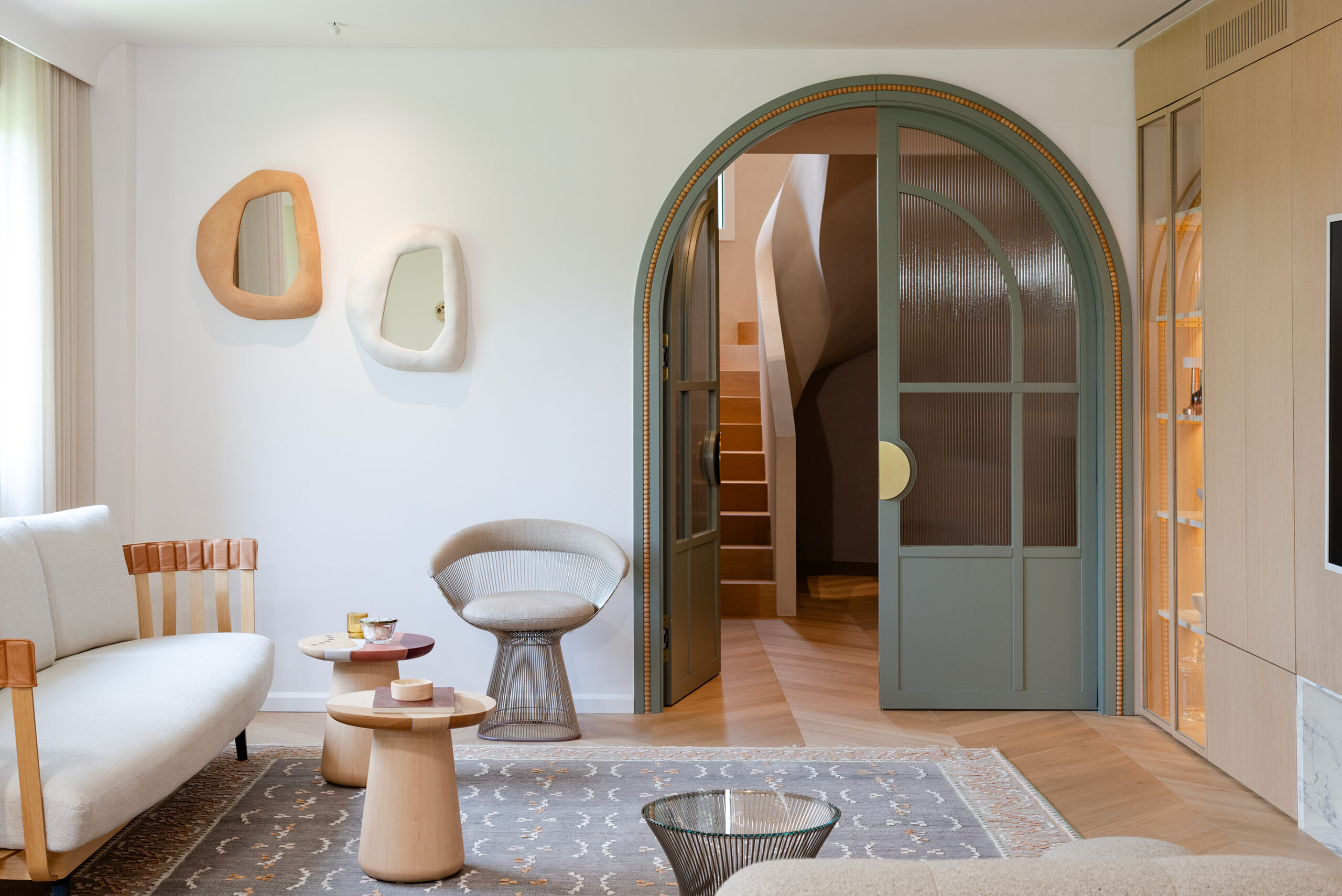
Lebanese designers and artisans are celebrated throughout: rugs from Iwan Maktabi (designed by David/Nicolas), wall lights from PIK’D, floor lamps by Nayef Francis, tables by Alain Howayek (The Art Nook), and Editions Levantine’s striking creations for the reception. Mirrors from The Mirror Project, handcrafted by Ukrainian artisans, add sculptural depth. The lighting design by Atelier Trente Trois also played a crucial role, with unique fixtures selected and integrated to emphasize the architectural lines and shapes and enhance the mood.
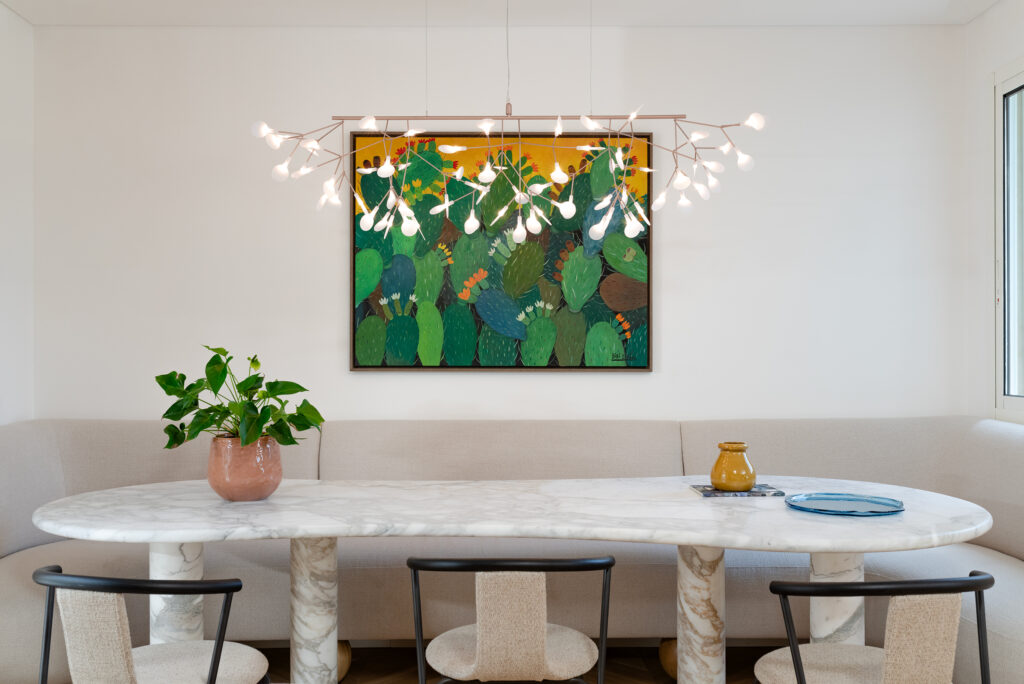
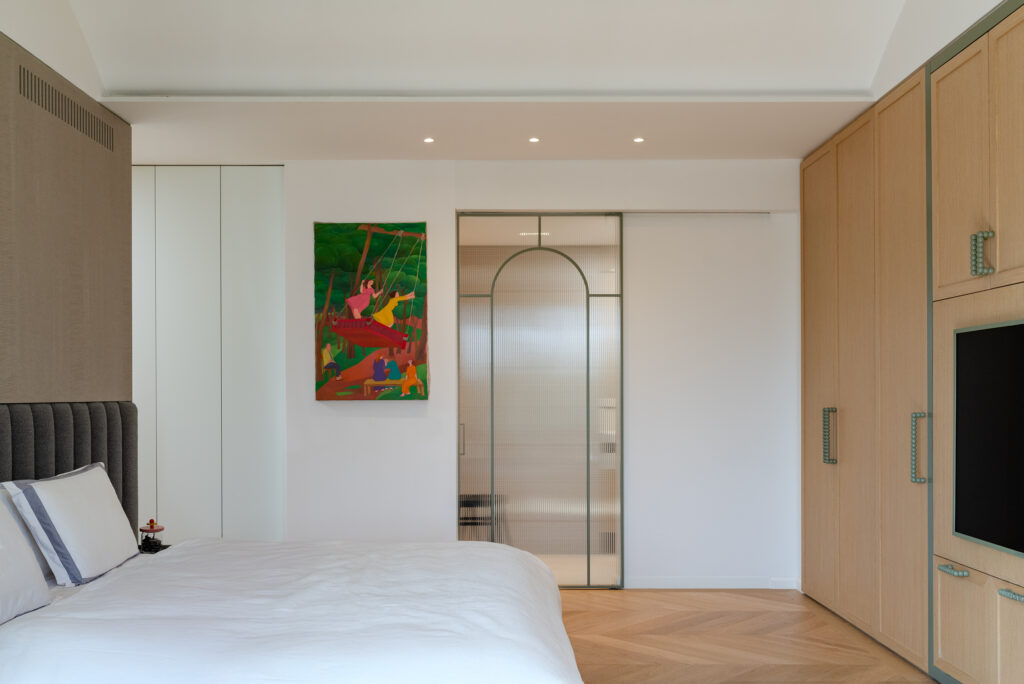
Art plays a defining role. From Karim Massoud’s collection, Celia El Hadi Moadad’s The Whisper greets guests in the entrance, Bibi Zogbé’s Cactus Tree anchors the dining room, and Mahmoud Safa’s The Swing brings lyrical movement to the master suite.
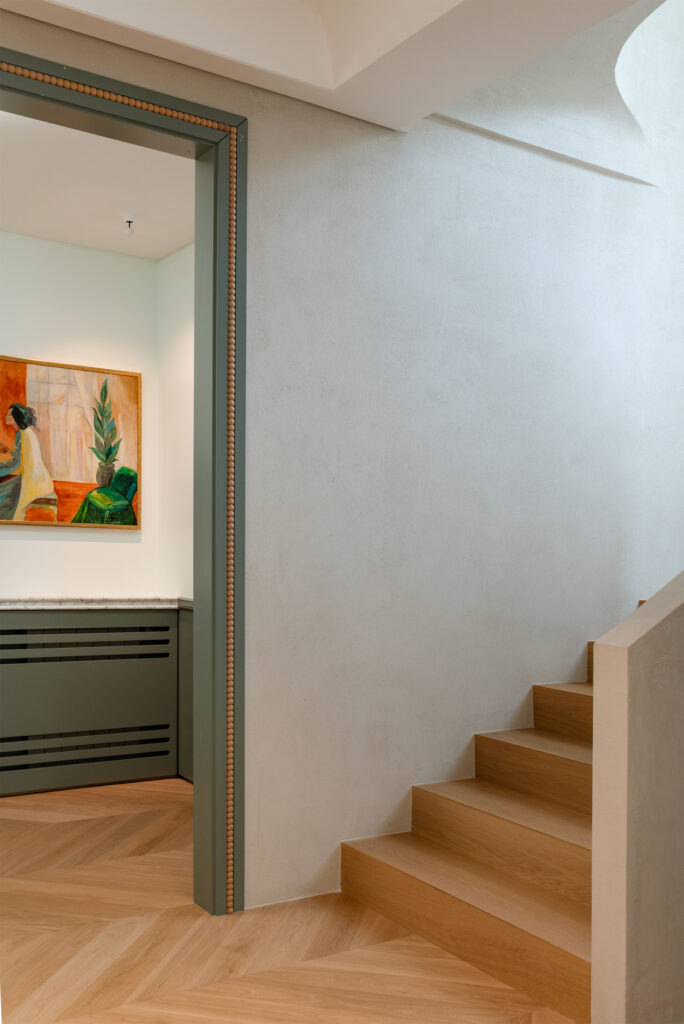
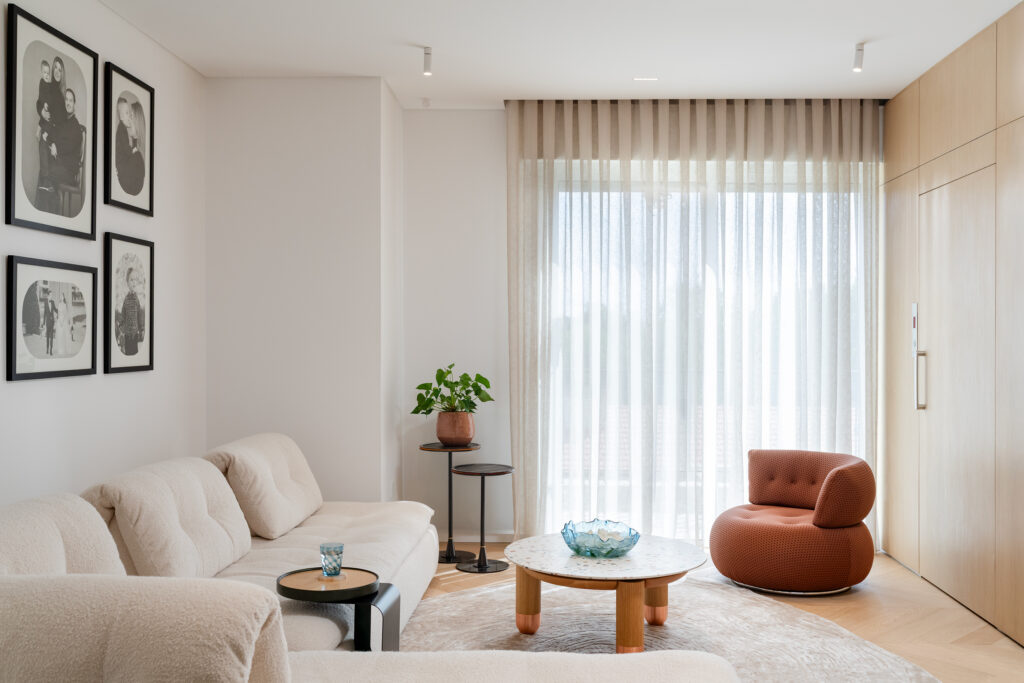
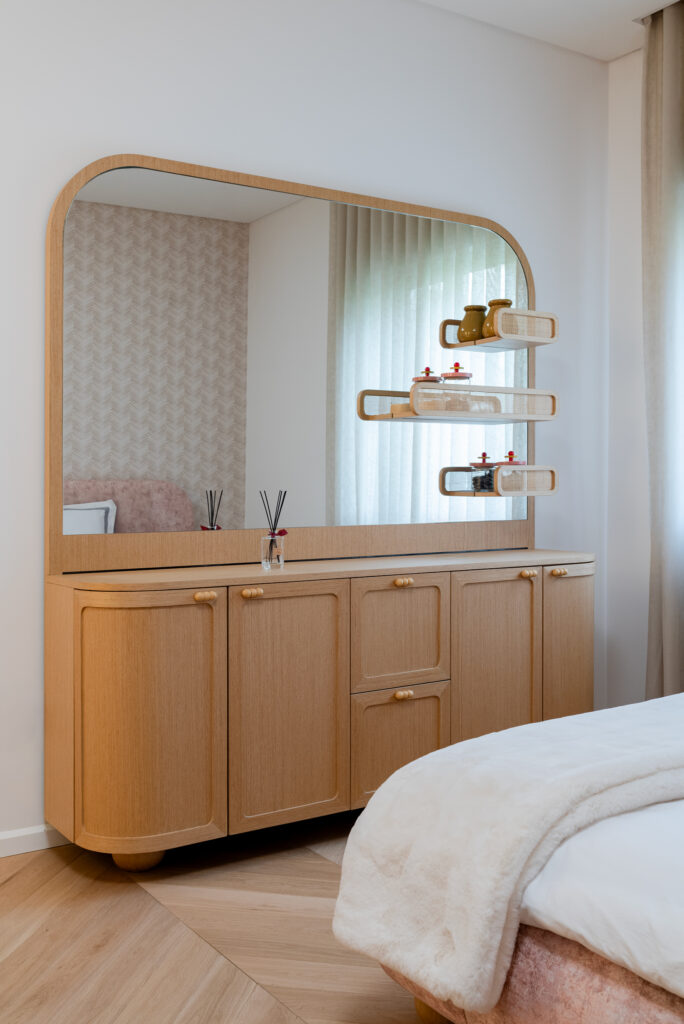
International icons sit alongside local craftsmanship: Alias’s Atelier Oï sofa, B&B Italia’s Camaleonda, Knoll’s Platner pieces, Roche Bobois’s Conversation Sofa, and Moroso’s Moon chairs. Together, they enrich without overpowering.
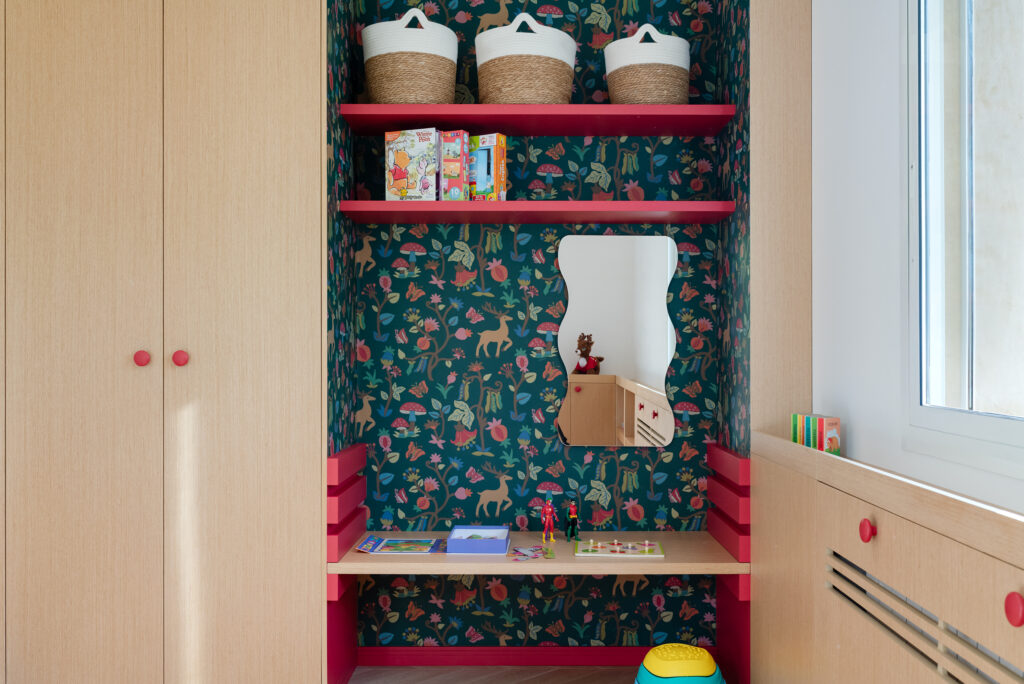
Photographed by Walid Rashid, this villa emerges as a deeply personal sanctuary — contemporary in spirit, yet rooted in cultural resonance and family memory.