Words by Allegra Salvadori
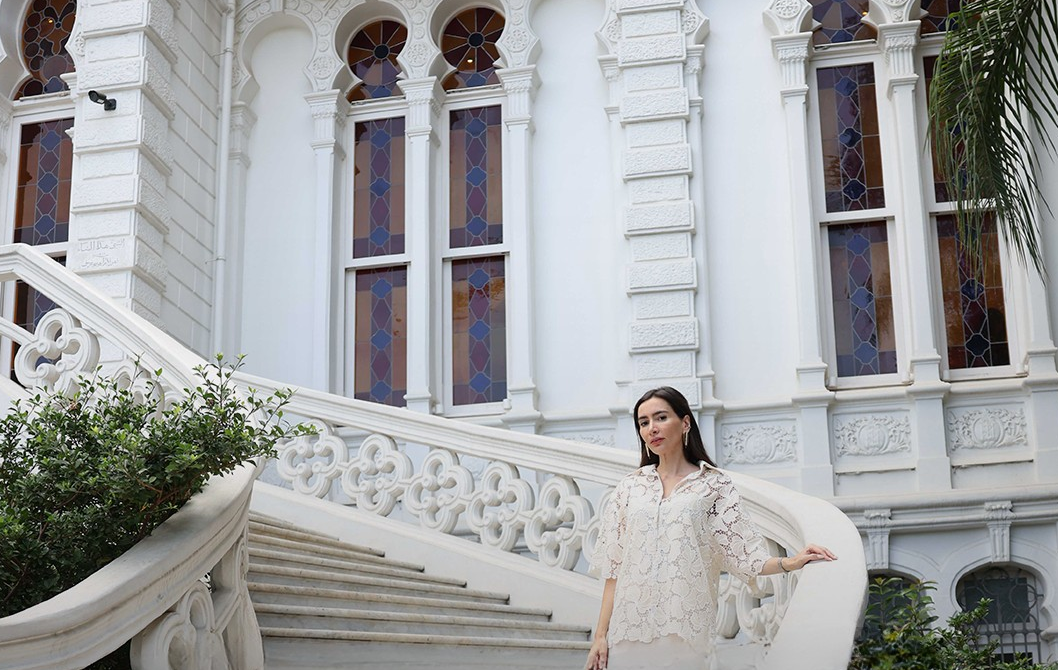
With her effortless poise and captivating storytelling, Sara Abou-Khalil has become one of the Arab world’s most engaging voices of arts and culture. As an art patron and advisor, she opens the doors of Lebanon’s cultural institutions with a rare combination of scholarship and warmth, making art not only accessible but deeply personal. Through her bespoke art tours, Sara connects visitors to the stories behind each collection — stories of visionaries, of legacy, and of a country whose cultural heart continues to beat through its art.
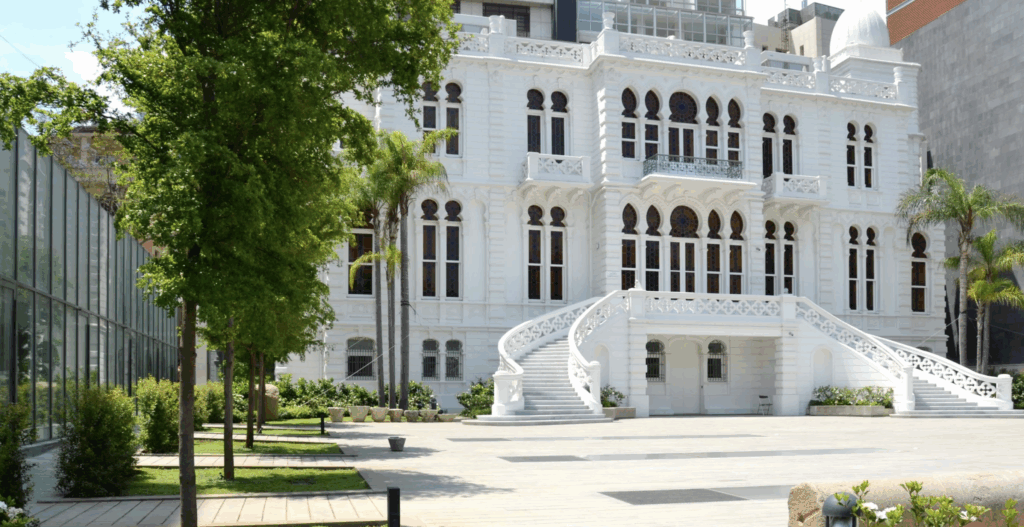
In her latest video, Art with Sara Abou-Khalil x Sursock Museum, she takes us inside one of Beirut’s most emblematic landmarks. The Sursock Museum, perched in the city’s historic Ashrafieh district, stands as a testament to the transformative power of generosity. In 1952, Nicolas-Ibrahim Sursock donated his estate and collection to the city — an act of philanthropy that gave birth to one of the Arab world’s most iconic museums. “If Nicolas Sursock didn’t donate his home and collection,” Sara reflects, “we wouldn’t have the Sursock Museum.”
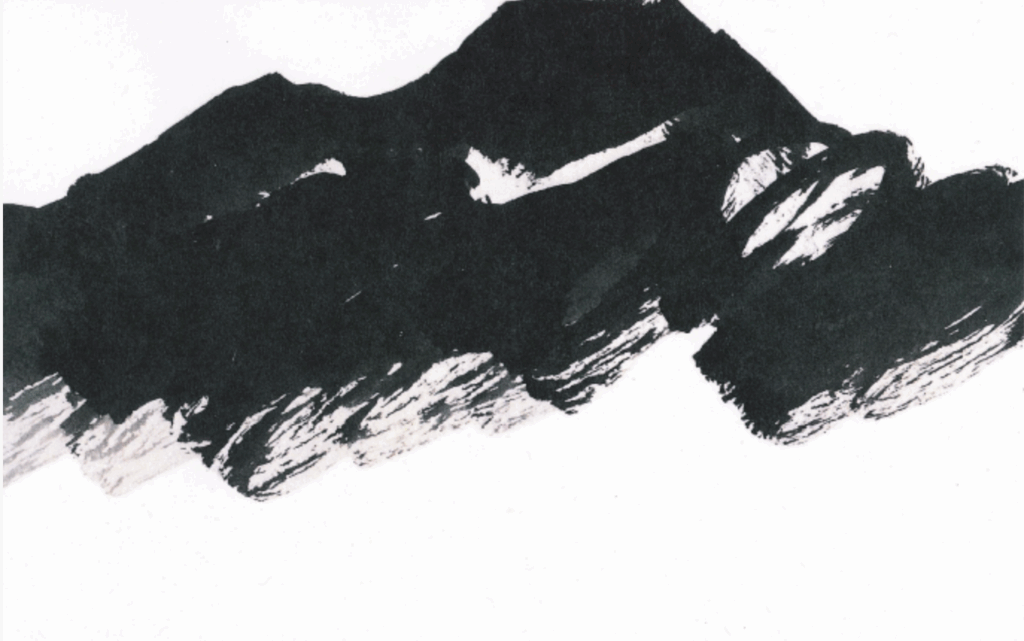
As she guides viewers through the galleries, Sara highlights works by Etel Adnan, Saloua Raouda Choucair, Shafic Abboud, and Juliana Seraphim, pausing by Adnan’s luminous Mount Tamalpais — a rare painting she affectionately calls “a conversation with a best friend.” At the entrance, she stops before Youssef Howayek’s The Weeping Women, a sculpture once lost during the civil war and recovered decades later — a moving symbol of Lebanon’s resilience and remembrance.
But for Sara, this exploration goes beyond art appreciation; it’s a reflection on patronage and the civic duty of giving. “One gift, one single act of patronage shaped history,” she says. Her family, too, has long been committed to supporting cultural institutions and opening their home to the community. It’s a continuation of the same spirit that built the museum — a belief that art, when shared, has the power to unite and heal.
Through Sara’s eyes, the Sursock Museum becomes more than a destination — it’s a living reminder that generosity, vision, and culture are inseparable threads in the story of Beirut.”