Words by Allegra Salvadori | Images Courtesy of The Royal Commission of AlUla
From 16 January to 14 February 2026, the fifth edition of AlUla Arts Festival marks a clear turning point in AlUla’s cultural trajectory. What began as a seasonal programme has matured into a coherent intellectual ecosystem—one that positions the desert not as a backdrop, but as an active agent in shaping contemporary artistic thought. This anniversary edition unfolds across landscape, institution and community, articulating AlUla’s ambition to operate simultaneously as site, subject and future centre for global cultural exchange.
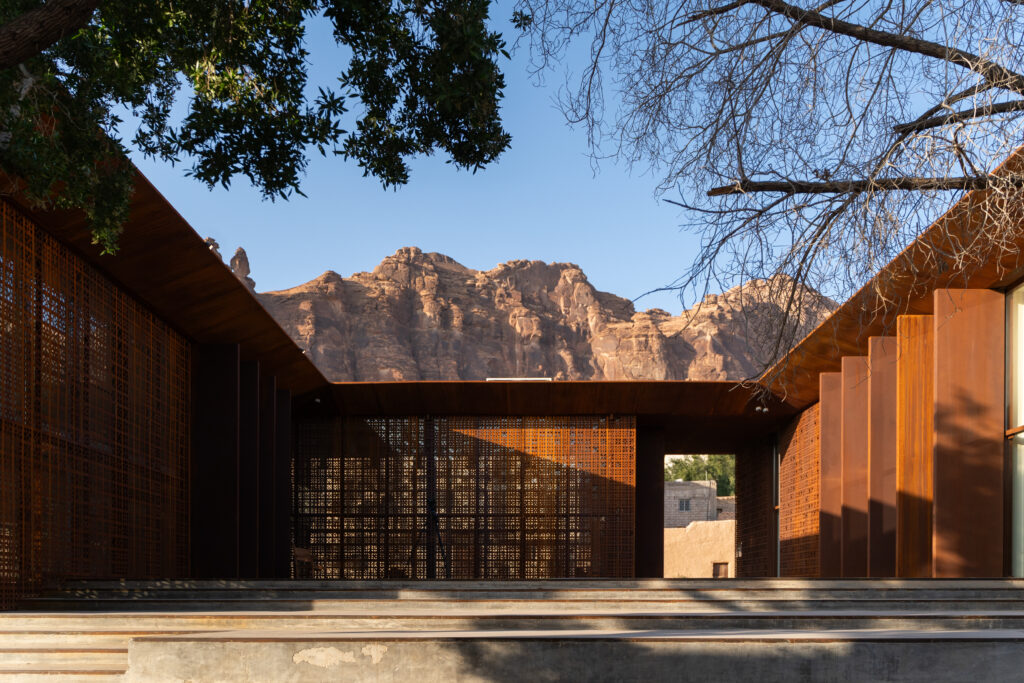
The festival’s conceptual strength lies in its ability to connect scale with intimacy. Open-air commissions are placed in direct dialogue with museum-grade exhibitions, while design, performance and public programming are embedded into everyday spaces across AlJadidah Arts District. AlUla’s historical identity as an oasis on the Incense Road—long a place of refuge, exchange and contemplation—quietly underpins the entire programme, framing creativity as a continuum rather than a rupture with the past.
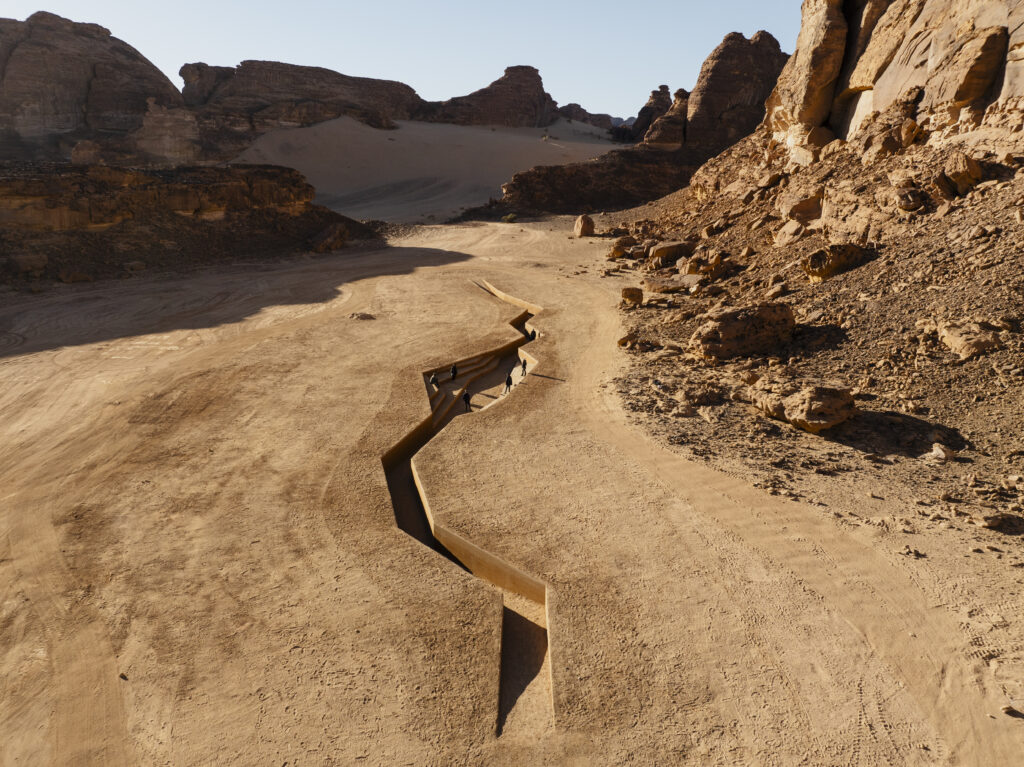
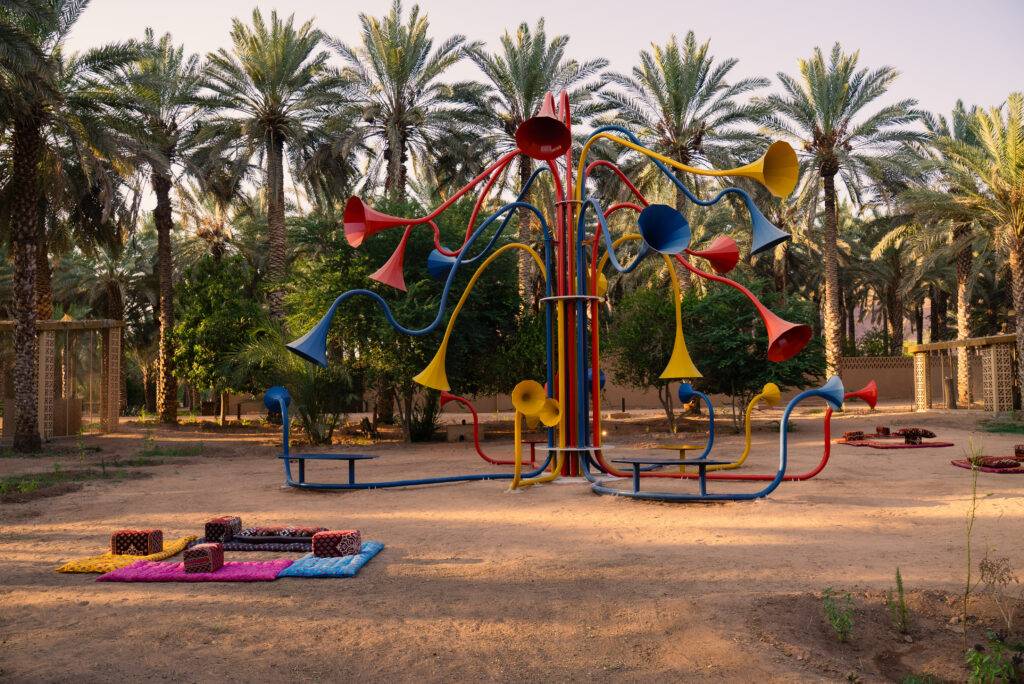
This logic is most visibly expressed in Desert X AlUla, returning from 16 January to 28 February 2026 for its fourth edition under the theme Space Without Measure, inspired by the writings of Kahlil Gibran. Artistic direction by Neville Wakefield and Raneem Farsi, with curation by Wejdan Reda and Zoé Whitley, brings together eleven Saudi, regional and international artists whose practices span sound, sculpture, ecology and participation. Figures such as Agnes Denes, Ibrahim El-Salahi, Maria Magdalena Campos-Pons, Tarek Atoui, Vibha Galhotra and Héctor Zamora are joined by Saudi voices including Sara Abdu, Mohammad Alfaraj, Basmah Felemban and the late Mohammed AlSaleem, whose rarely seen sculptural works re-enter the landscape as modernist meditations on desert, geometry and cosmos. Rather than imposing form onto nature, these commissions propose acts of listening—through rammed earth, sound archaeology, kinetic movement and living structures—treating the terrain as archive, instrument and collaborator.
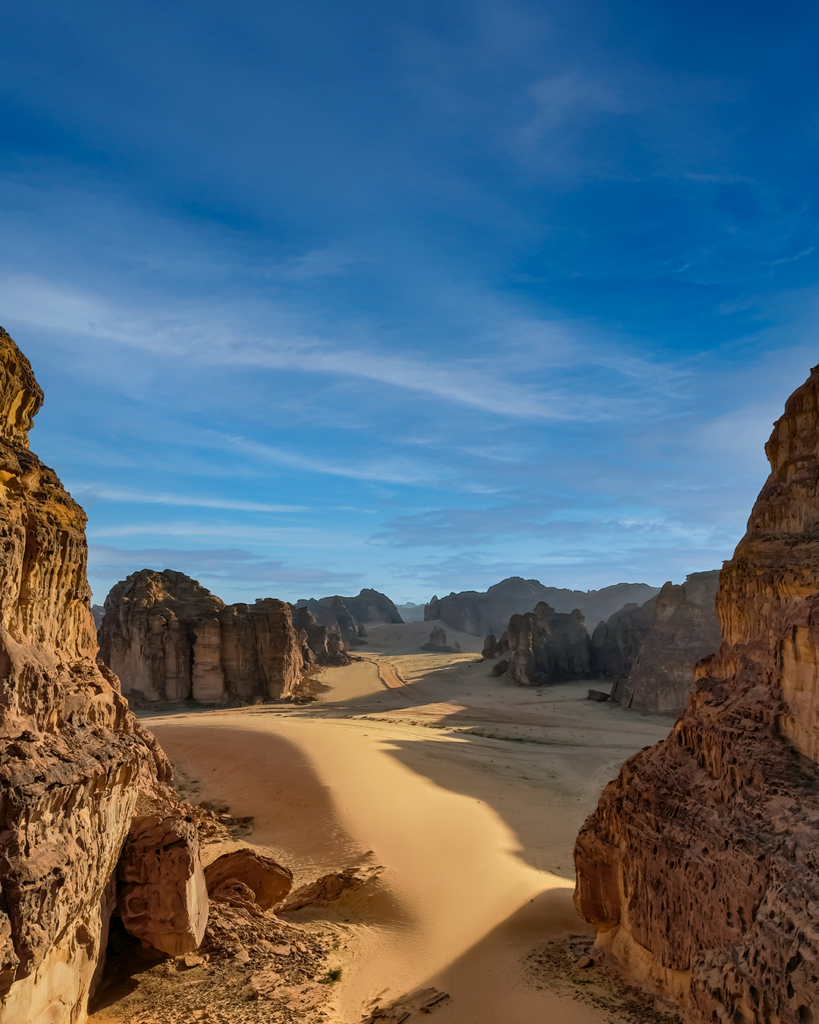
If Desert X articulates AlUla’s thinking in the open, Arduna signals a parallel institutional ambition. Opening 1 February and running until 15 April 2026, Arduna is co-curated by the forthcoming contemporary art museum in AlUla in partnership with Centre Pompidou, offering an early glimpse into the museum’s intellectual positioning. Bringing together more than 80 works from Saudi Arabia, the region and beyond—alongside major loans by artists such as Picasso, Kandinsky, Joan Mitchell and David Hockney—the exhibition takes the idea of the “garden in the desert” as its point of departure. Organised into six thematic chapters, it explores how artists have represented nature across modern and contemporary art, while engaging urgent questions around climate, land, displacement and coexistence. Importantly, Arduna also introduces new commissions by artists including Ayman Zedani, Dana Awartani and Tarek Atoui, asserting the museum’s role not only as custodian, but as producer of new cultural knowledge.
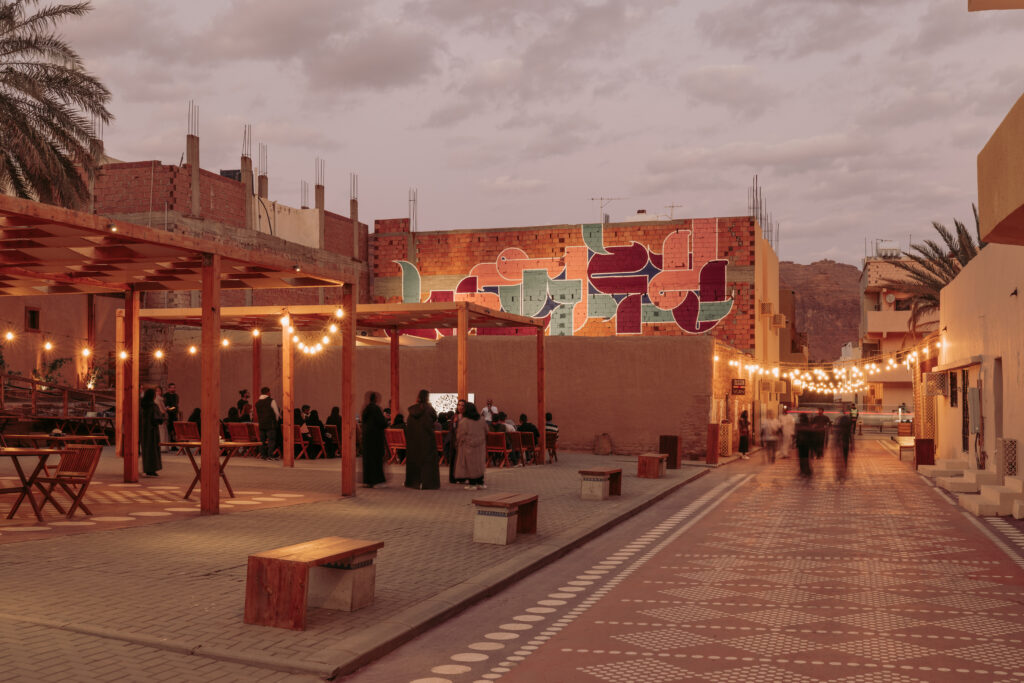
Design completes the triad, with Design Space AlUla foregrounding research-led practices emerging from residencies and awards rooted in craft, material intelligence and local collaboration. Across the wider programme—music, film, performance and education—culture is treated as a lived experience rather than a rarefied event.
At five years in, AlUla Arts Festival no longer asks whether contemporary art belongs in the desert. Instead, it proposes a more ambitious question: how landscape, history and imagination can jointly shape new ways of thinking, making and being together—without measure.