Nestled in the alpine village of Klosters, a 1950s chalet has been revived by Miriam Frowein into a vibrant, handcrafted retreat where bold colour, artisanal detail, and family life coexist effortlessly.
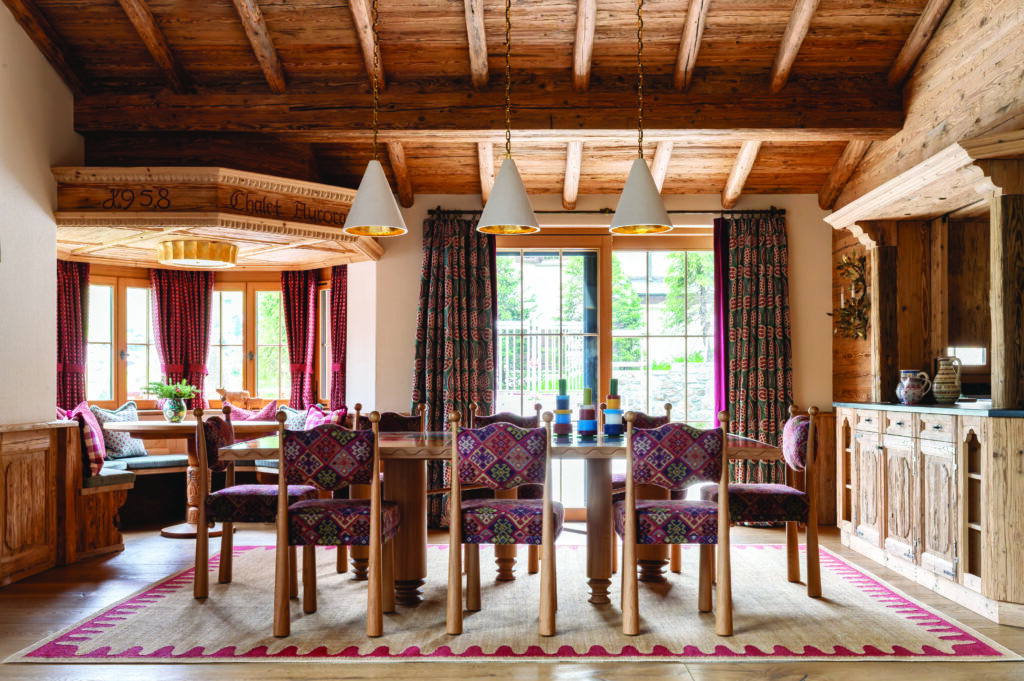
Klosters has long epitomised a discreet kind of luxury. Tucked into Switzerland’s alpine landscape, the village is known for its royal visitors, dramatic peaks, and understated charm. Against this backdrop, a 1950s chalet has been transformed by Miriam Frowein Interiors into a bold, joyful home that balances tradition with cosmopolitan energy.
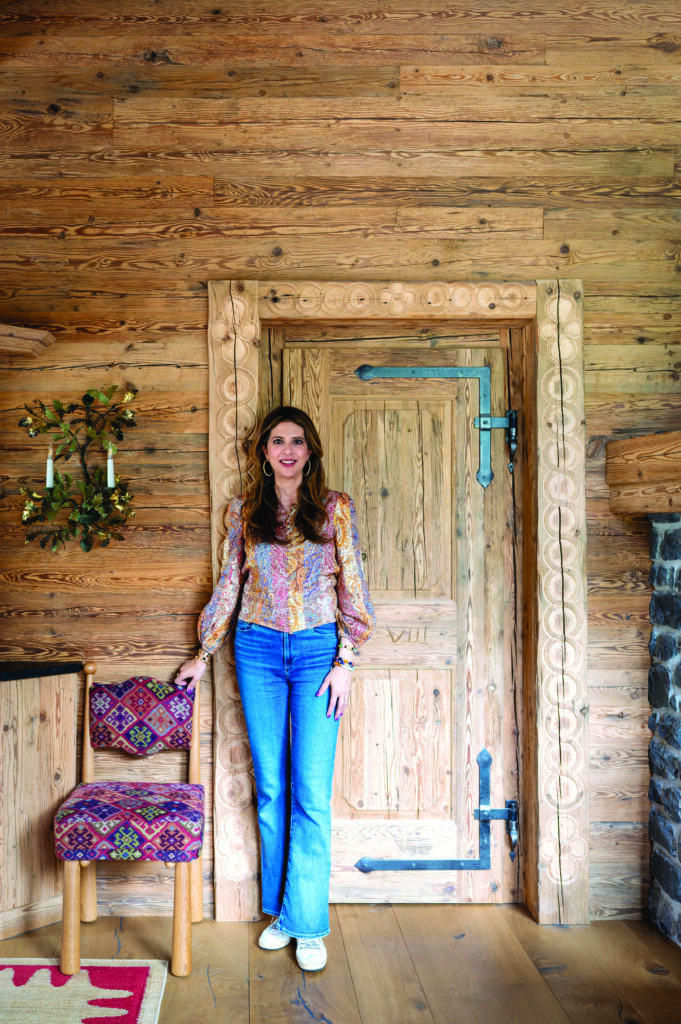
Originally built in 1958, the chalet underwent a complete renovation and an extension of 150 square metres. Commissioned by an international family – long-standing clients of the studio – the brief called for the soul of the structure to be preserved while reinterpreting it with colour, craftsmanship, and warmth. For Miriam, the project can be summed up in three words: “maximalism, colourful, and family”. The result is a home that embraces boldness while feeling entirely comfortable and lived in, a place that wears its character proudly without pretension.
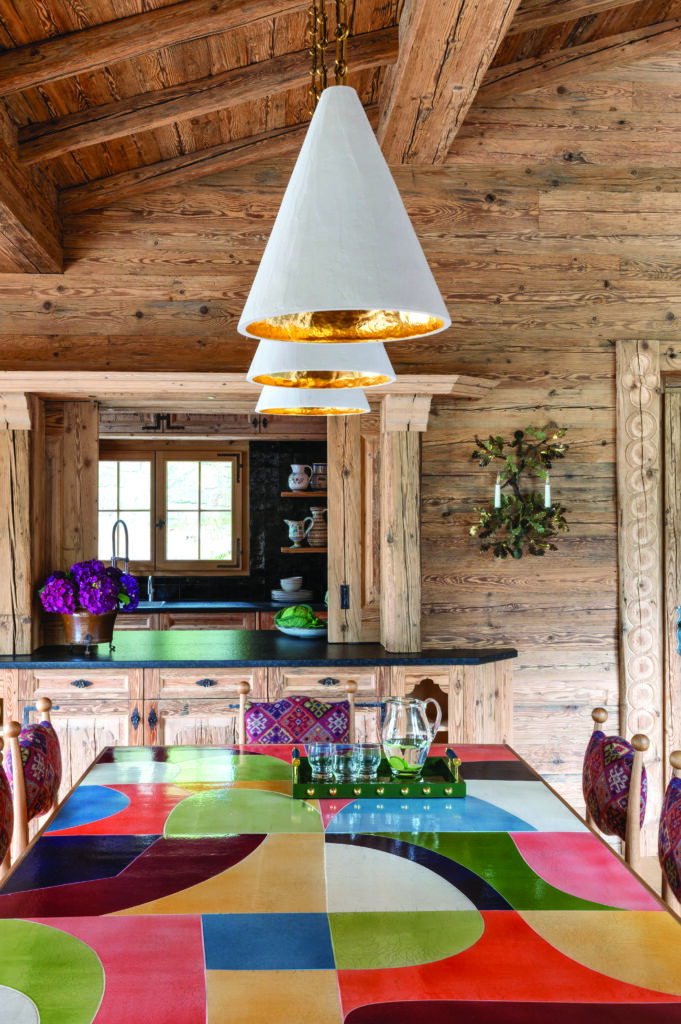
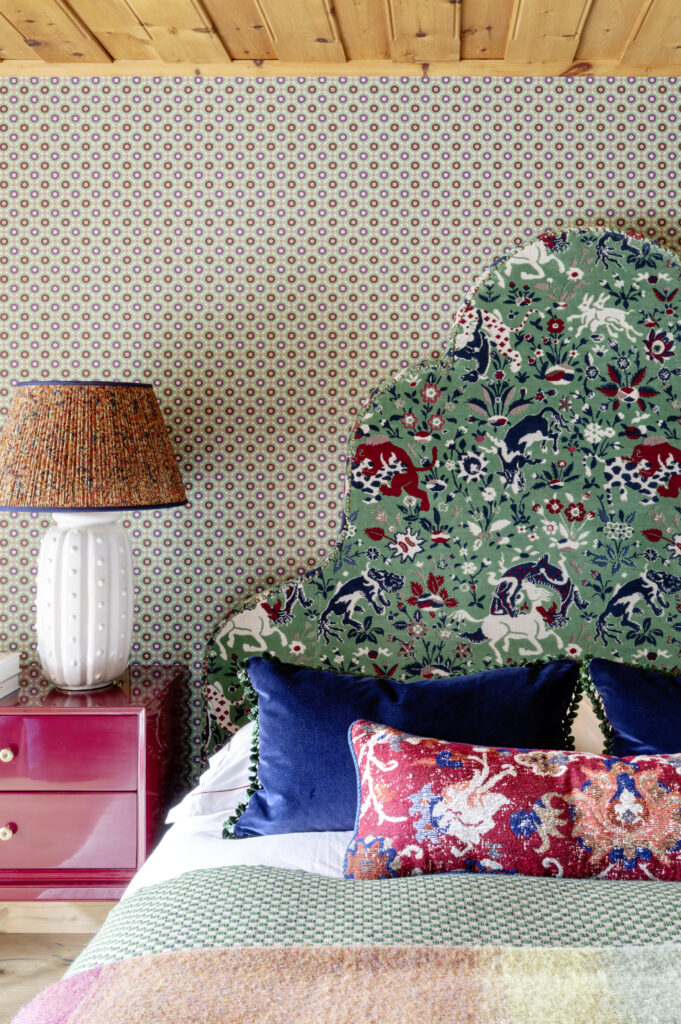
Colour was central to the vision from the very beginning. Frowein is known for her mastery of vibrant palettes, and she applies them with discipline. “You always need to have a protagonist, and then you design around it,” she explains. “In the dining room, it’s definitely the Laura Gonzalez table.” From there, the rest of the room unfolds: chairs upholstered in traditional woven fabrics sourced from the US, artisanal lighting that casts a gentle glow, and walls that balance the boldness of the central table. This idea of a strong starting point allows her to be fearless in layering. “I’m also not scared to mix different paints,” she says. “Even from the same colour family – I don’t really mind if you have the same colours repeated in different shades.”
The effect is exuberant but never overwhelming, grounded in intuition and what she calls bravery rather than perfectionism. The family who commissioned the project has four children and frequently welcomes friends, which shaped the way the interiors were conceived. “They wanted the house not to look in any way pretentious,” Frowein recalls. “We decided to have lots of areas throughout the main living room and family room where everyone can hang out. The idea is that everyone is together while maintaining their privacy.”
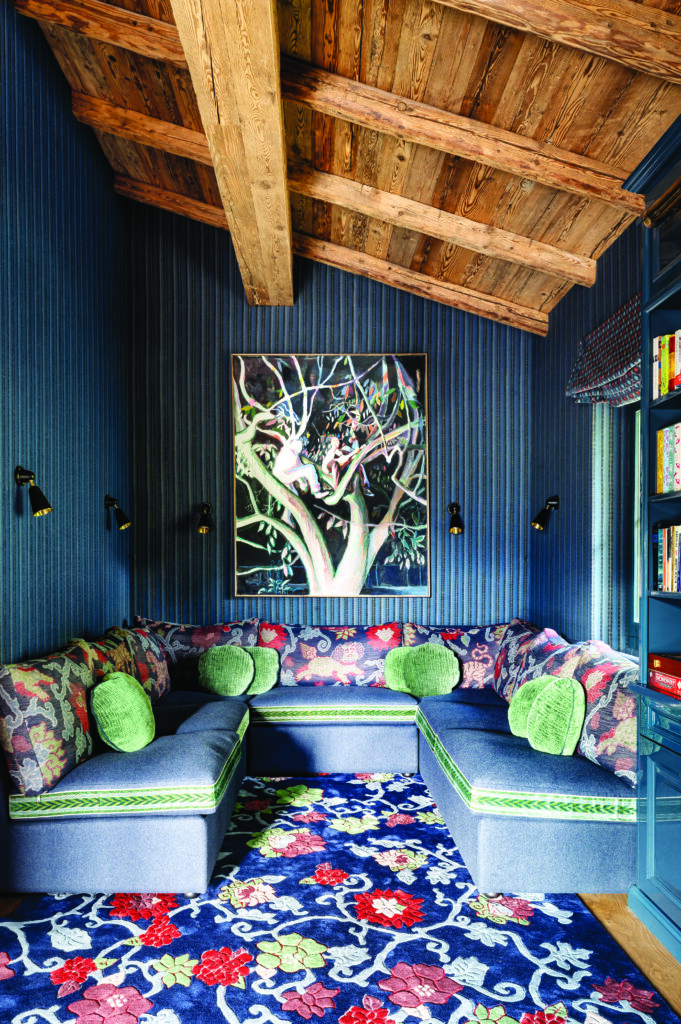
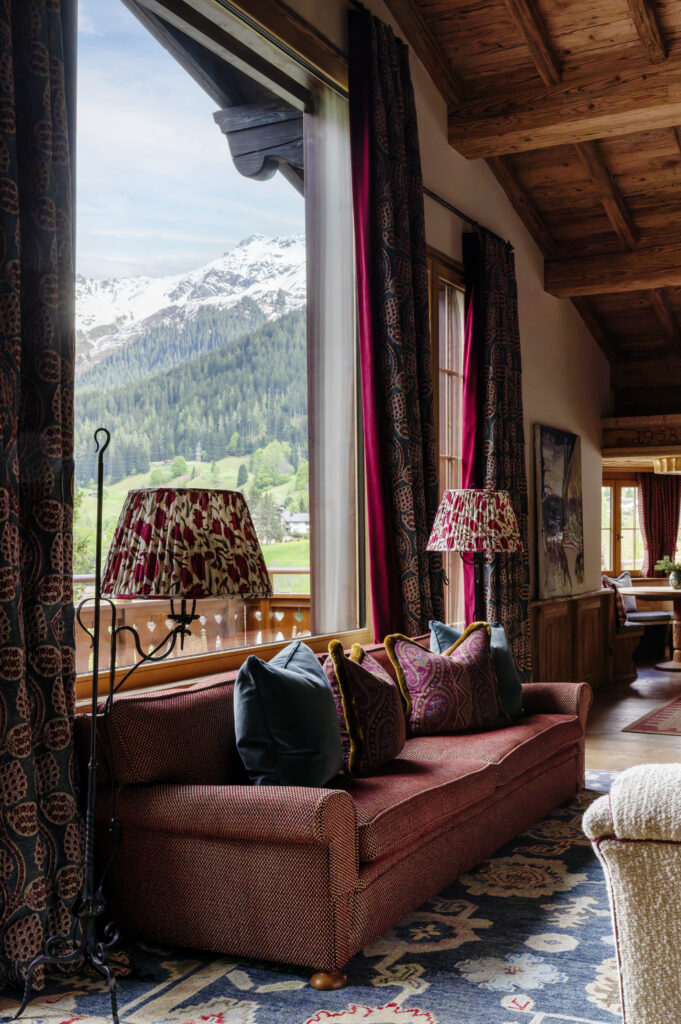
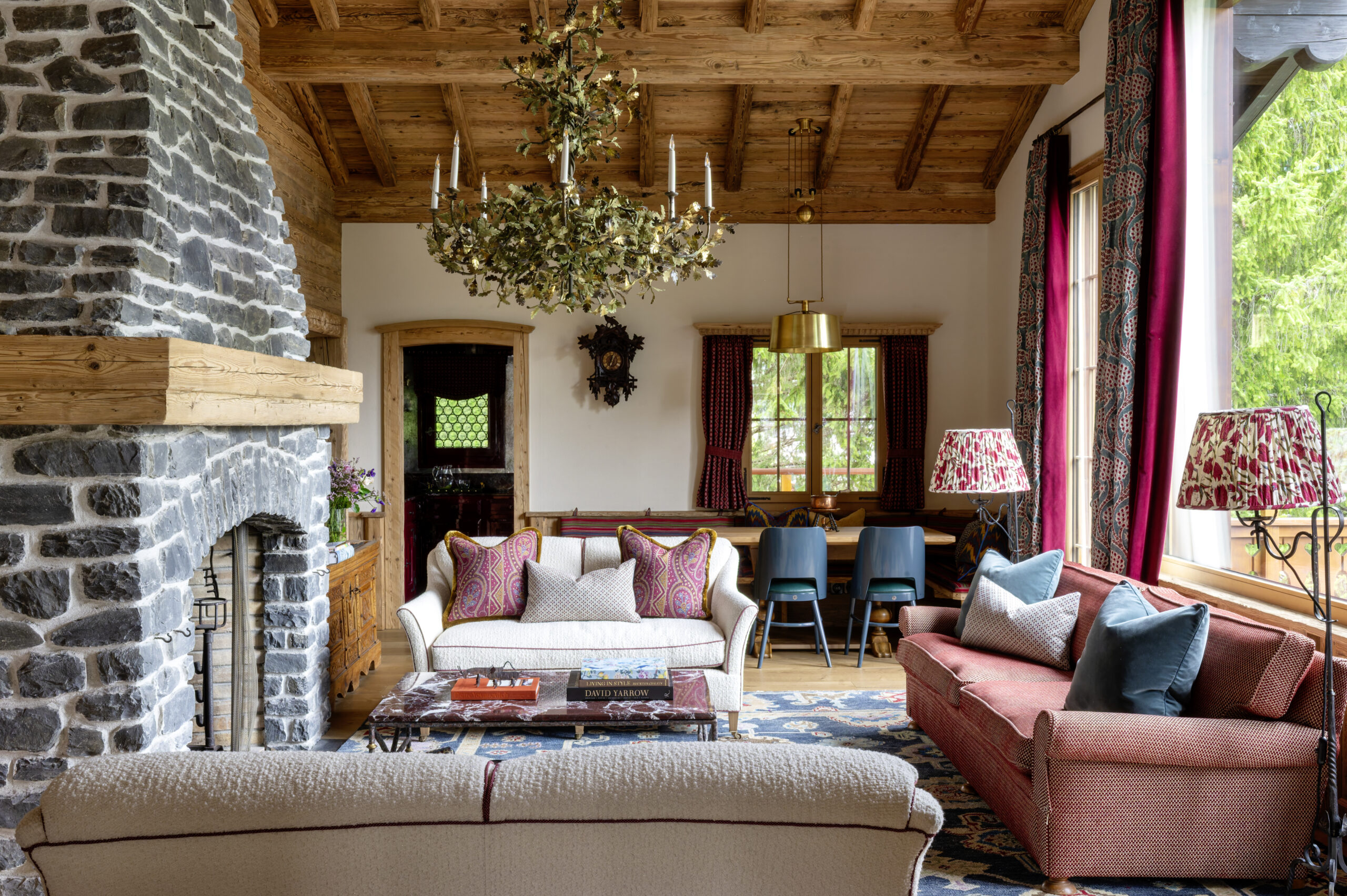
Three sofas arranged for conversation, two dining spaces, and pockets of seating throughout make the chalet feel generous and flexible. Craftsmanship plays an essential role in this authenticity. Hand-carved doors, gold-leafed lighting, and stained-glass windows created by local artisans give the chalet layers of depth and individuality. “It’s the depth that people like – items which have been touched by hands,” she reflects. “Every piece is different because it has been finished by hand. And when you are in the mountains and in a small village, you have these joiners who have been doing this for 50 years, who really take a week or two to carve out a door. They are proud to provide this.”
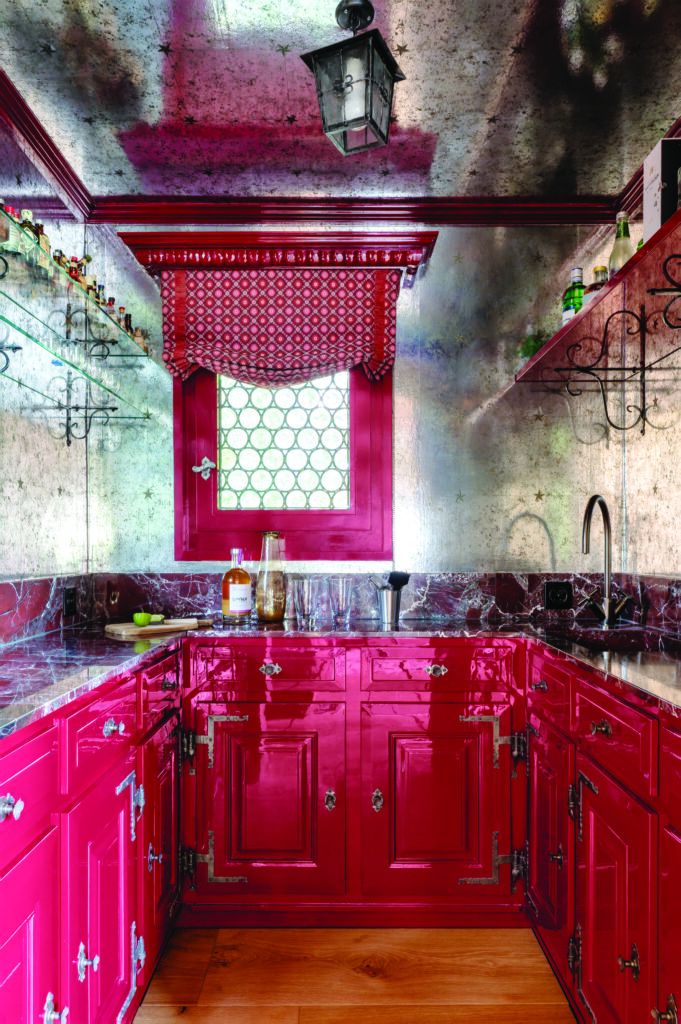
Art too is central to the home’s character. Frowein avoids the temptation of matching artwork to interiors. “That’s my ultimate nightmare,” she laughs. Instead, she guides her clients toward pieces that resonate with them, often by visiting art fairs together and considering emerging artists alongside established names. “Clients always ask me, ‘how do I fall in love with an art piece?’ And I say, you don’t fall in love instantly. It’s a process. You like an art piece, but the falling in love comes later, once you live with it and it becomes part of your home.”
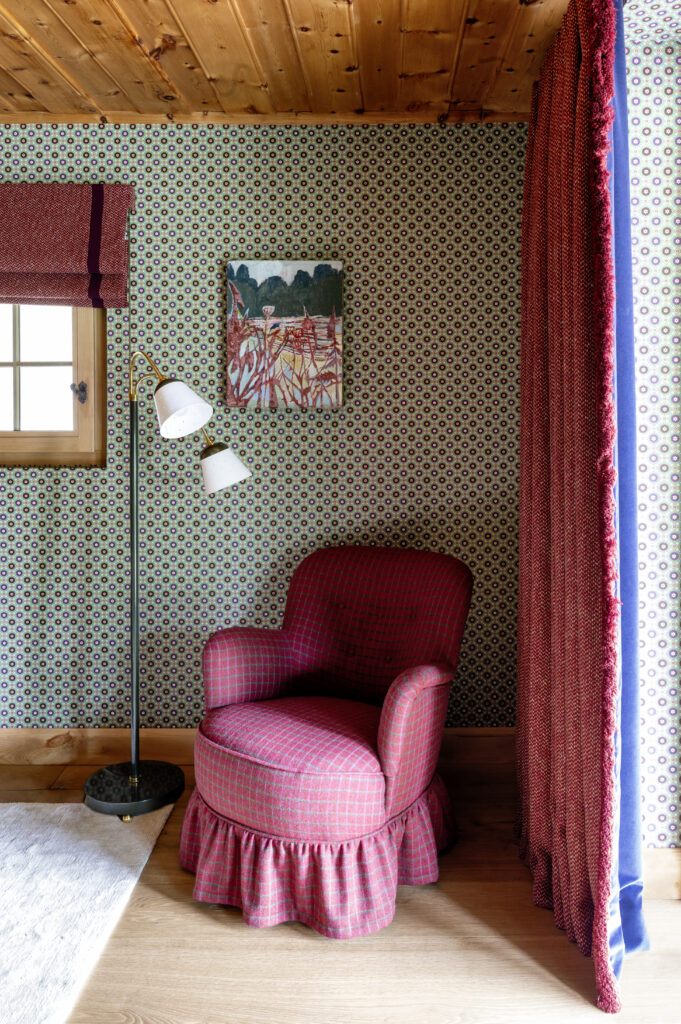
Although filled with colour and pattern, the chalet also maintains a strong connection to its alpine setting. Rather than following the trend for chalets that mimic urban lofts, Frowein looked for subtler ways to echo nature. “The curtains in the living room have a pomegranate pattern,” she explains. “The chandelier is handcrafted from oak leaves. I also brought in a lot of flowers, leaves, and fruits to create that connection to nature.” Even wall coverings in cashmere wool were chosen for their tactile warmth, transforming plain white walls into surfaces that feel alive.
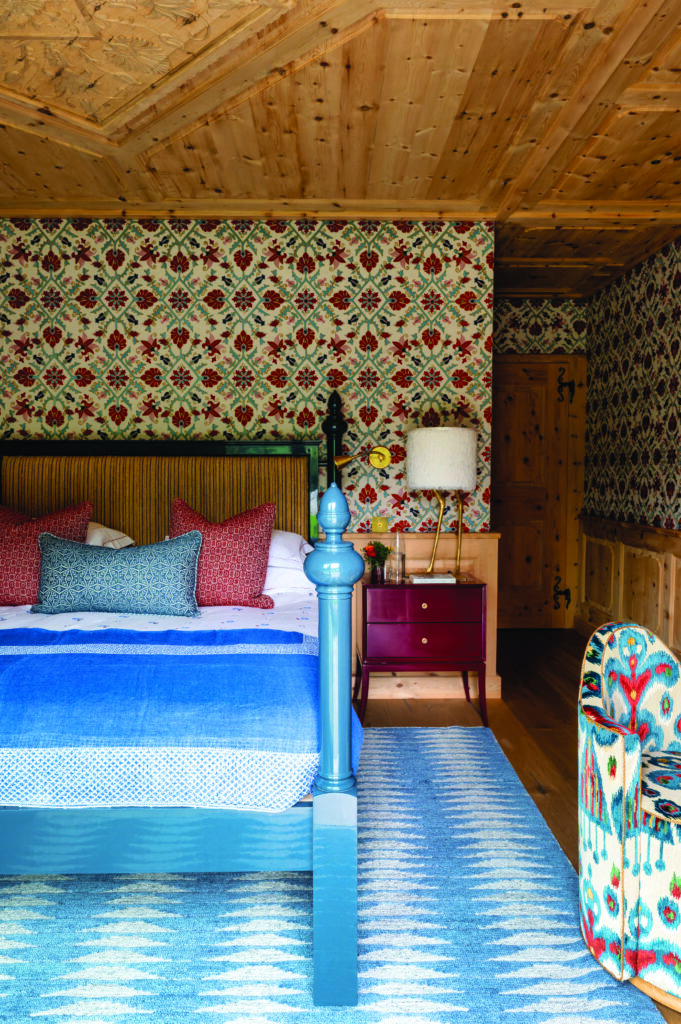
For Frowein, the chalet represents not just a completed project but a philosophy of how homes should be conceived. “I would never create the same project twice,” she insists. “It’s always a different story, a different architecture, different needs, different wishes.”
Her advice to anyone seeking to bring a similar spirit into their own home is to be courageous. “Don’t be scared that you’ll be bored with a certain style,” she warns. “Listen to your intuition. You shouldn’t care what other people think about how you live. It should be for your own best way of living – just be brave.”
In Klosters, those principles come together in a chalet that is layered, soulful, and unapologetically full of character. It is a home that tells a story of contrasts and craftsmanship, of family and conviviality, of courage and cosiness. In a village known for discreet elegance, Miriam Frowein has created a new kind of alpine luxury – joyful, warm, and entirely its own.