Words by Allegra Salvadori | Photo courtesy of Natelee Cocks
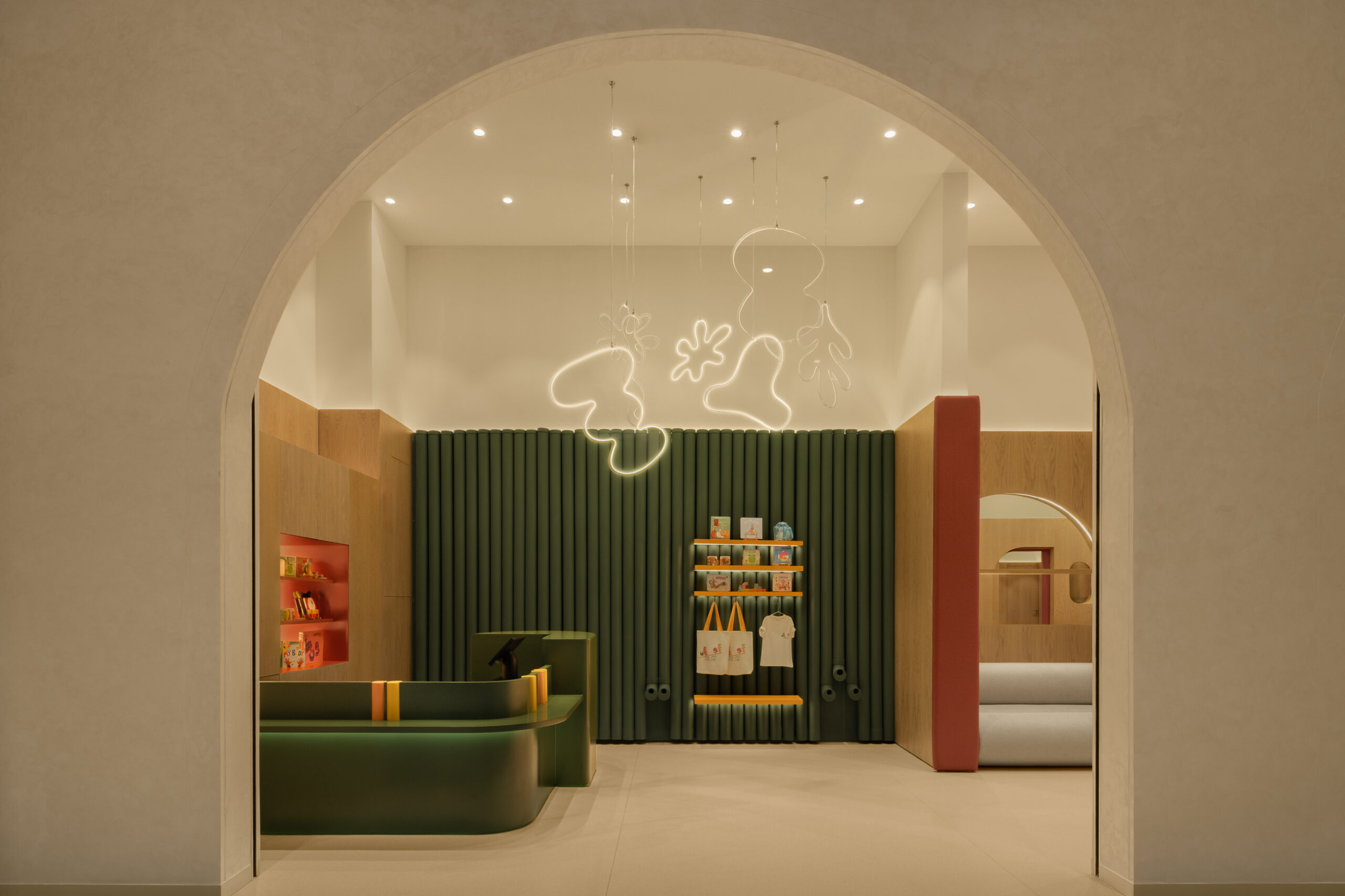
In the heart of Abu Dhabi’s Reem Mall, Titter Totter by Sneha Divias Atelier invites children—and their parents—into a new kind of play space. Spanning 350 square metres, it feels less like a playground and more like a serene microcosm of design intelligence, where every proportion, curve, and texture has a purpose.

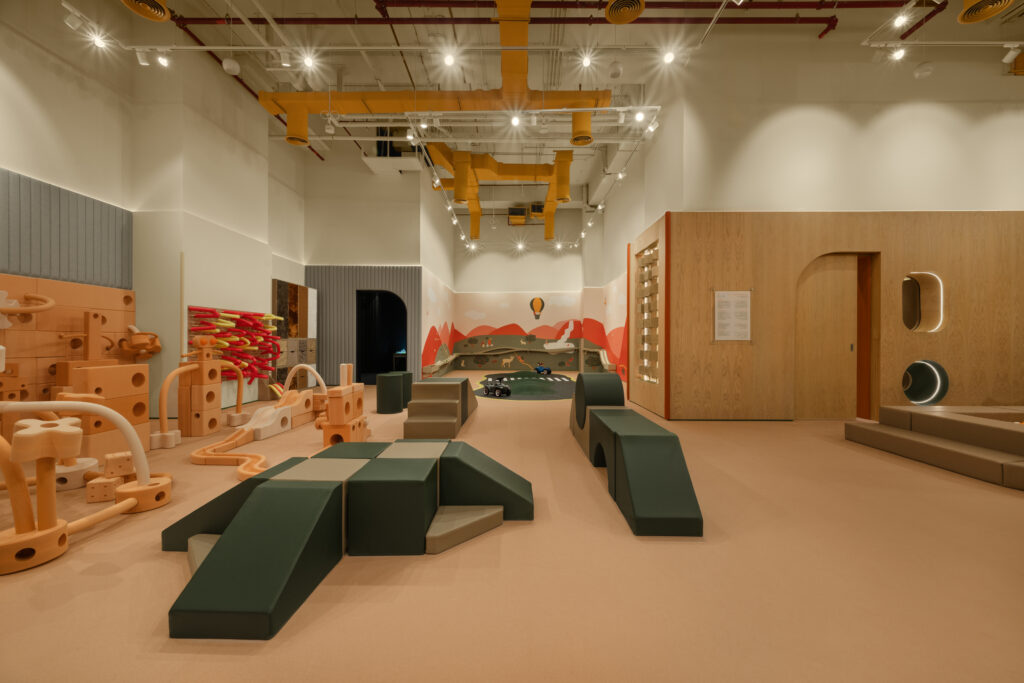
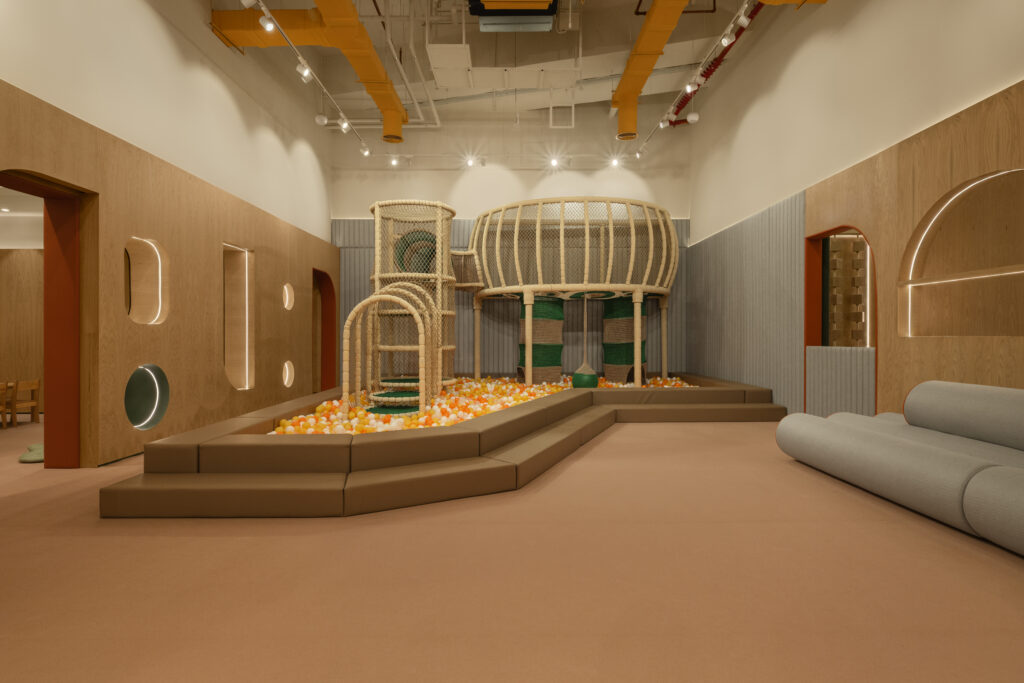
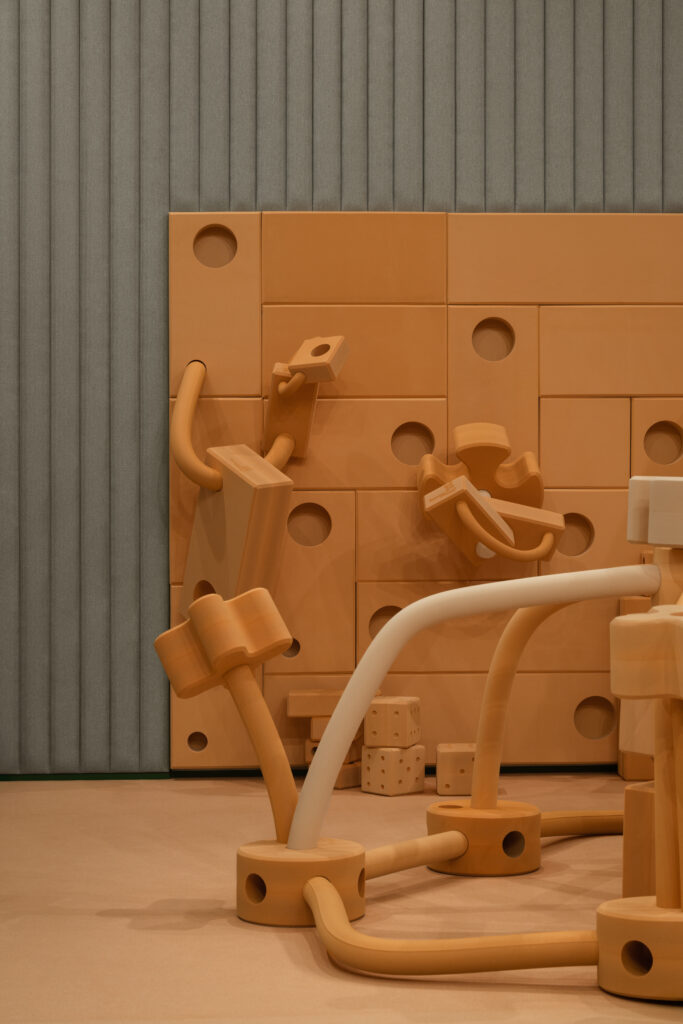
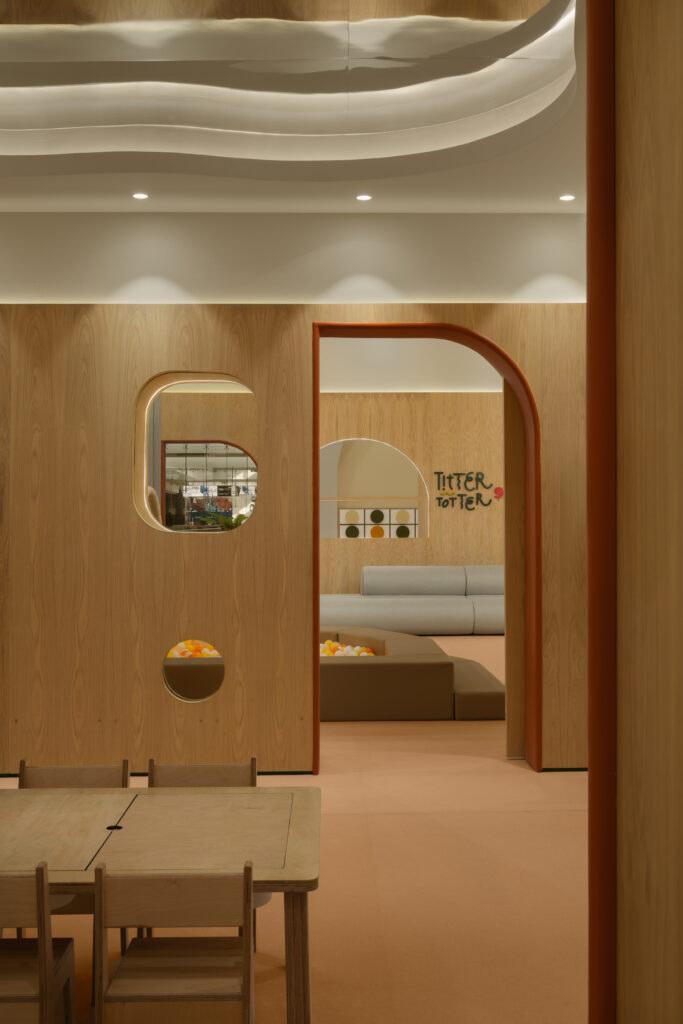
Commissioned as an environment that could nurture imagination without overstimulation, Titter Totter follows Montessori-inspired principles, encouraging independence and curiosity through spatial rhythm rather than spectacle. Rounded oak joinery, terracotta tones and moss-green accents replace the bright plastics of traditional playrooms, creating a palette that is calm, tactile, and reassuring.
“Children don’t need noise to be inspired,” says Sneha Divias. “Give them proportion, texture and light, and they will author the story themselves.”
Architecture here becomes a kind of pedagogy. Arches, niches and tree-like columns structure the experience: a wooden tunnel becomes an adventure, a curved wall a hiding place, a patch of filtered light a moment of wonder. Every surface invites touch. Every scale feels natural.
The space moves in tempo with a child’s day—bursts of energy balanced by quiet retreats. Padded ramps, climbing frames and a marble-run wall sit alongside reading pods and a workshop room for art and storytelling. Parents, often forgotten in children’s environments, are treated as co-inhabitants rather than spectators. Built-in benches and soft leather lounges line the periphery, offering comfort, visibility and a sense of belonging.
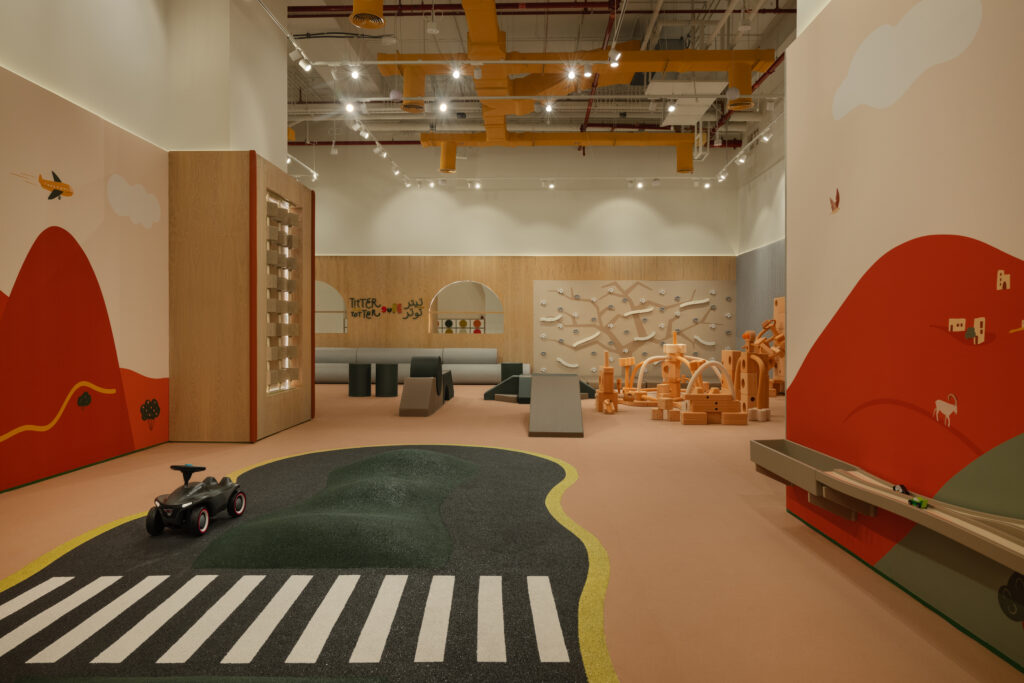
Behind its tranquillity lies the precision of high design. Impact-absorbing floors, antimicrobial finishes and acoustic panels disguised as ceiling clouds ensure safety and calm even at full capacity. Lighting shifts from the brightness of play to the intimacy of evening stories, while advanced air filtration keeps the desert heat at bay.
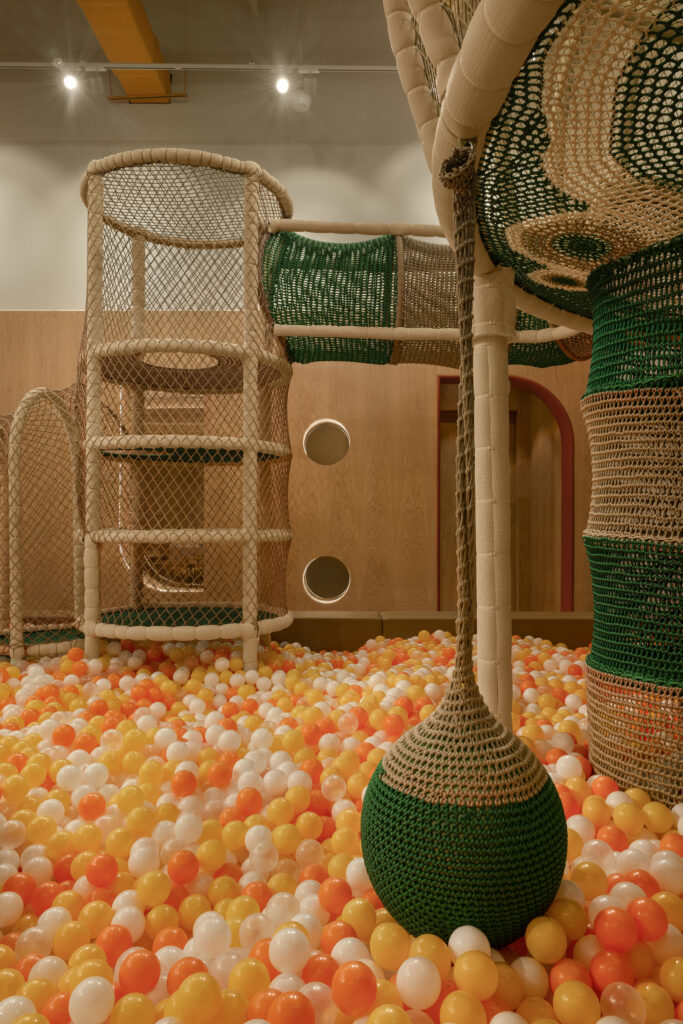
The result is an environment of architectural dignity—where design sophistication and pedagogical sensitivity coexist seamlessly. As Divias notes, “Designing for children is designing for the future. These are the spaces where their first memories are made—and they deserve beauty, warmth and care.”
With Titter Totter, Abu Dhabi joins a growing regional conversation: that the environments shaping childhood should aspire to the same quality, thought, and emotion as those shaping adulthood.