In London, where architecture carries the weight of centuries and façades conceal entire worlds of private ritual, a Georgian townhouse by Sophie Paterson Interiors unfolds as both refuge and statement. Conceived as a summer residence for a Middle Eastern family, the home is less an escape from heat than a migration into another tempo of living, one defined by proportion, restraint, and the quiet authority of history.
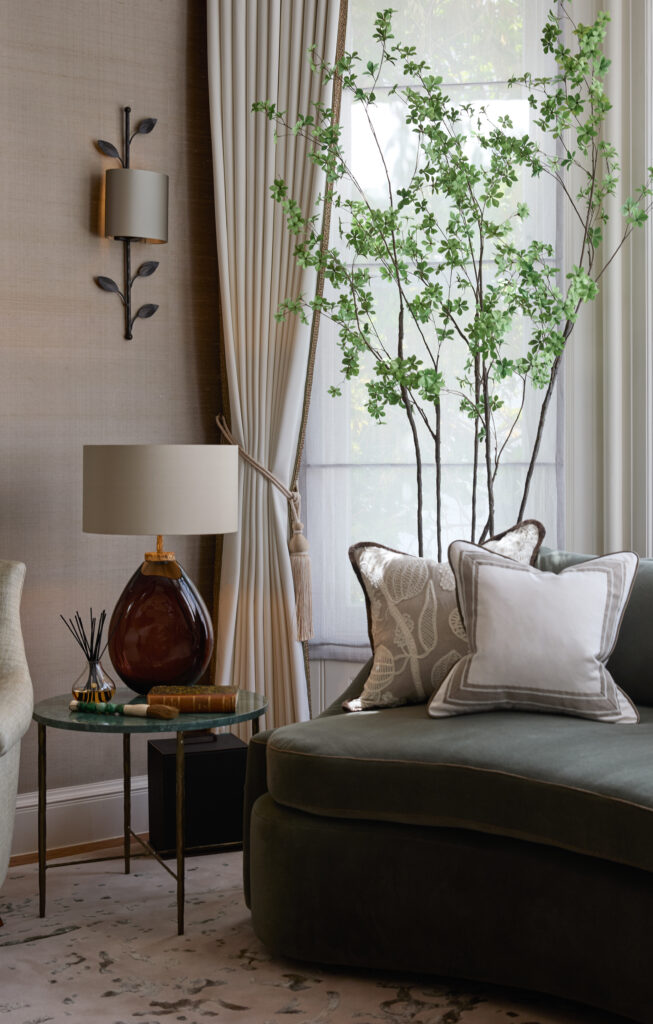
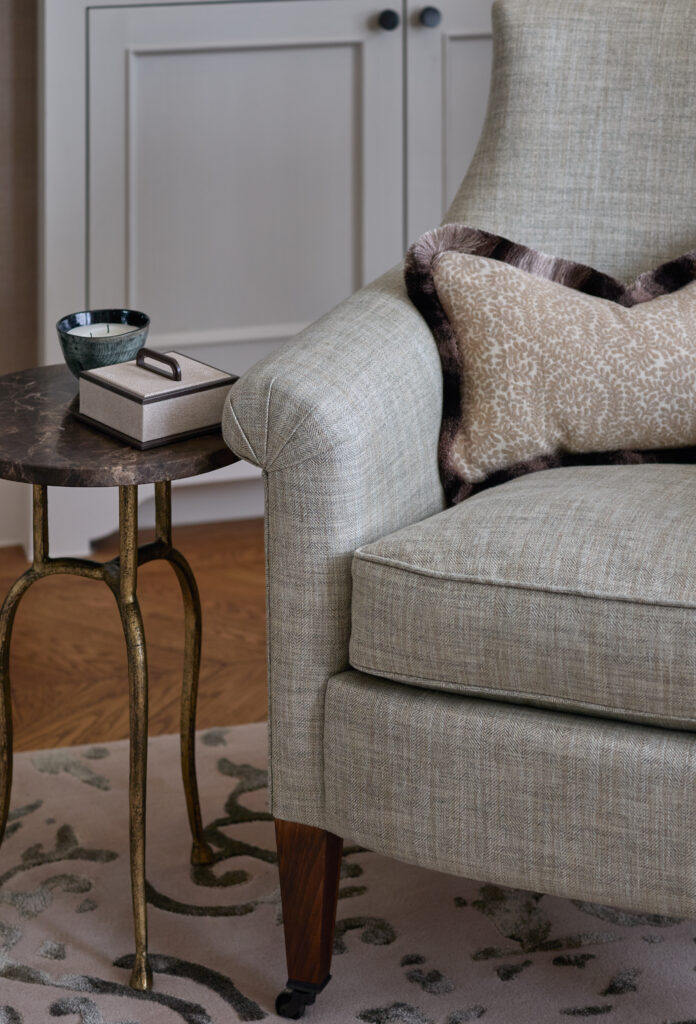
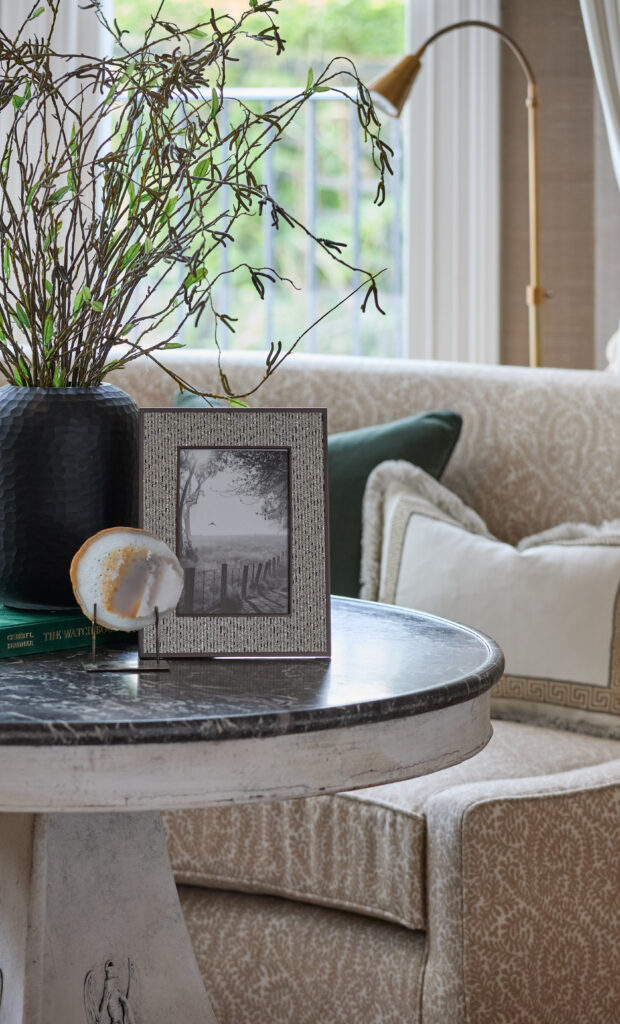
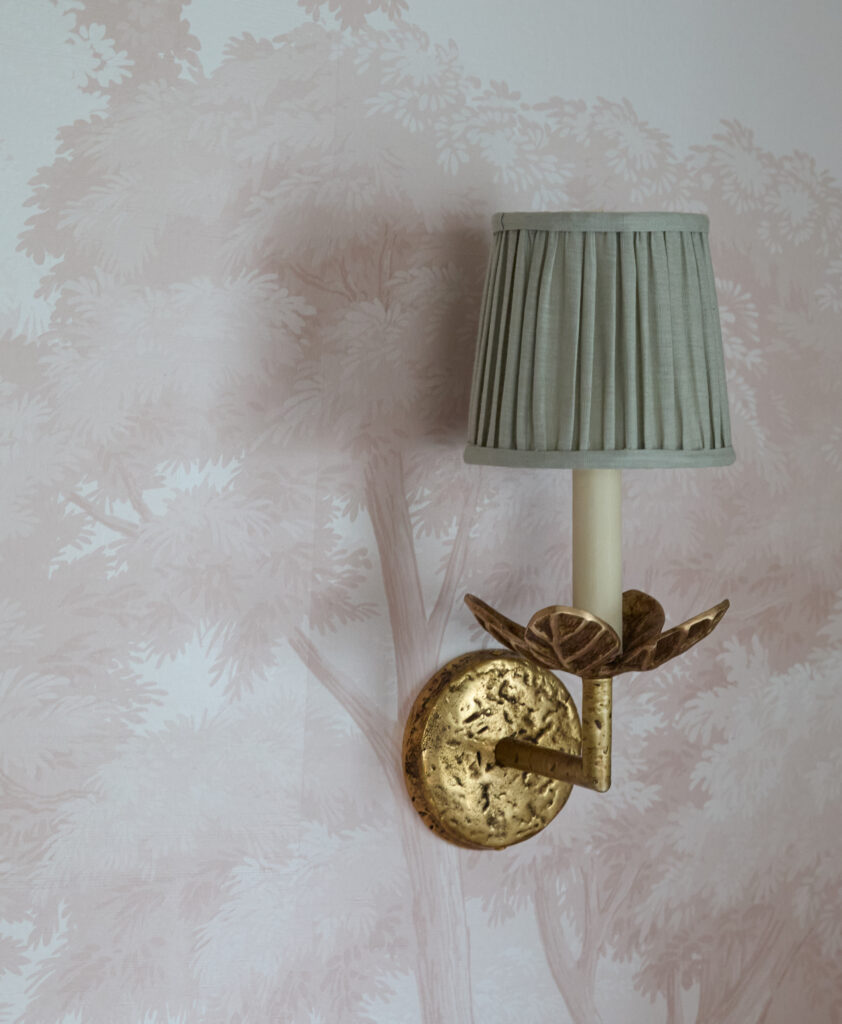
Positioned moments from Harrods and within the orbit of Knightsbridge, the residence inhabits a building once known as The Palace Hotel, a site that historically welcomed royalty and foreign dignitaries drawn to its proximity to Buckingham Palace. That lineage is not treated as nostalgia, but as a framework through which contemporary life is choreographed. The apartment’s language is one of softened grandeur: warm neutrals layered with precision, brushed brass catching the light without ostentation, and natural stone grounding each space in a tactile permanence.
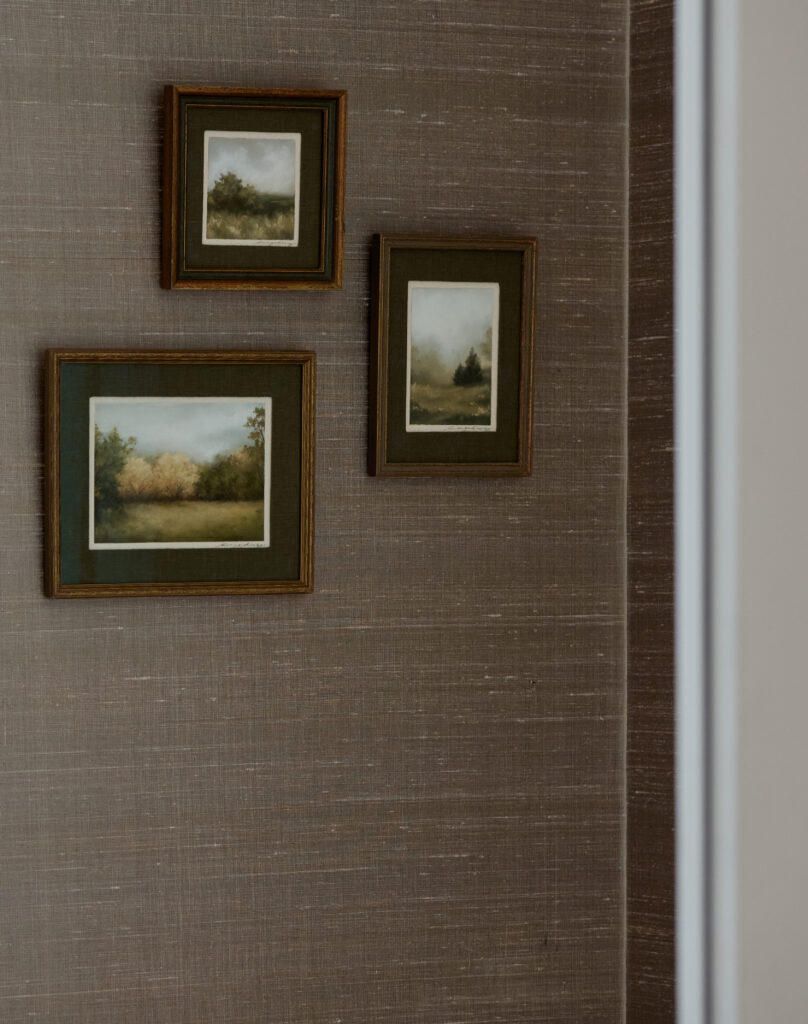
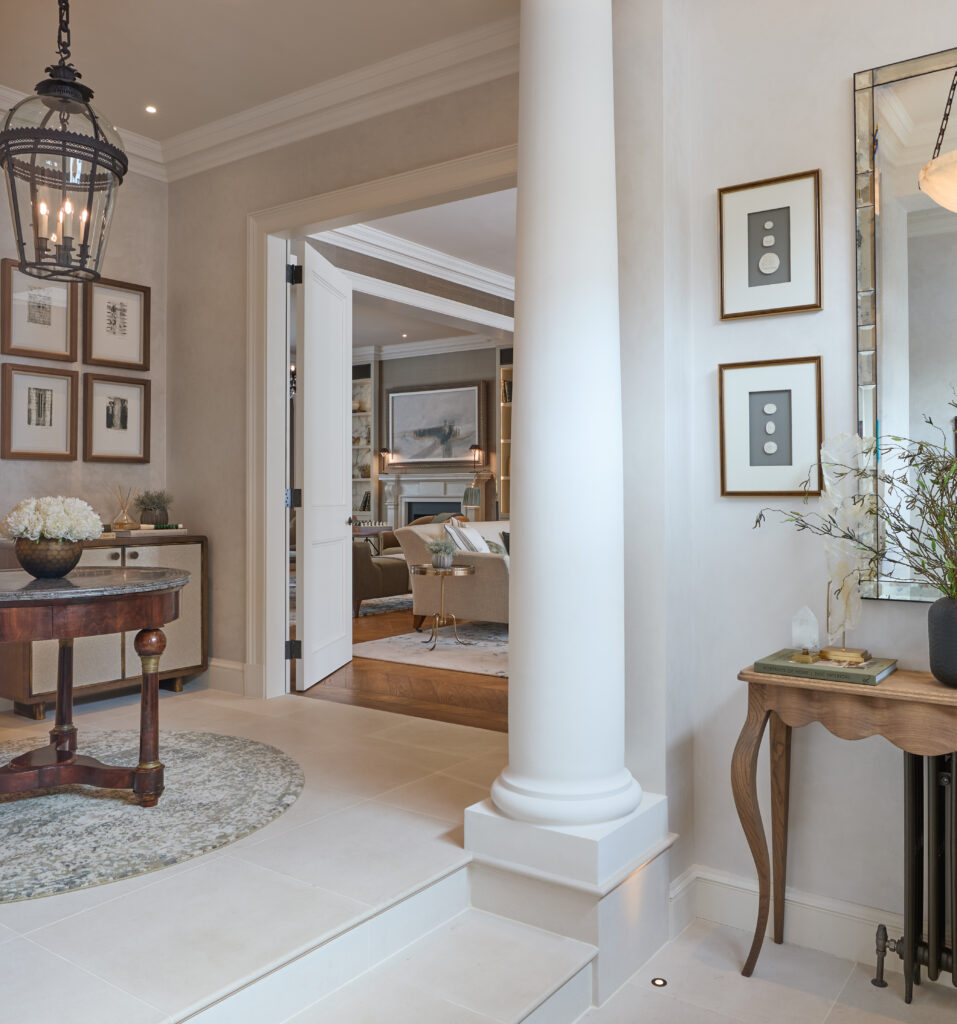
What distinguishes the project is its calibrated negotiation between historical fidelity and present day fluidity. “Our client wanted a very opulent and luxurious interior. They loved chinoiserie wallpapers and layered interiors.” exaplains Paterson. “The house is their London base, which they use as a multi generational family from grandparents, parents all the way through to adolescent children and toddlers. They live in Dubai most of the year and tend to spend the summer months in this residence,” continues Sophie Paterson. In this sense, the project becomes not simply a home, but an instrument for continuity, capable of accommodating shifting generational needs within a singular architectural envelope.
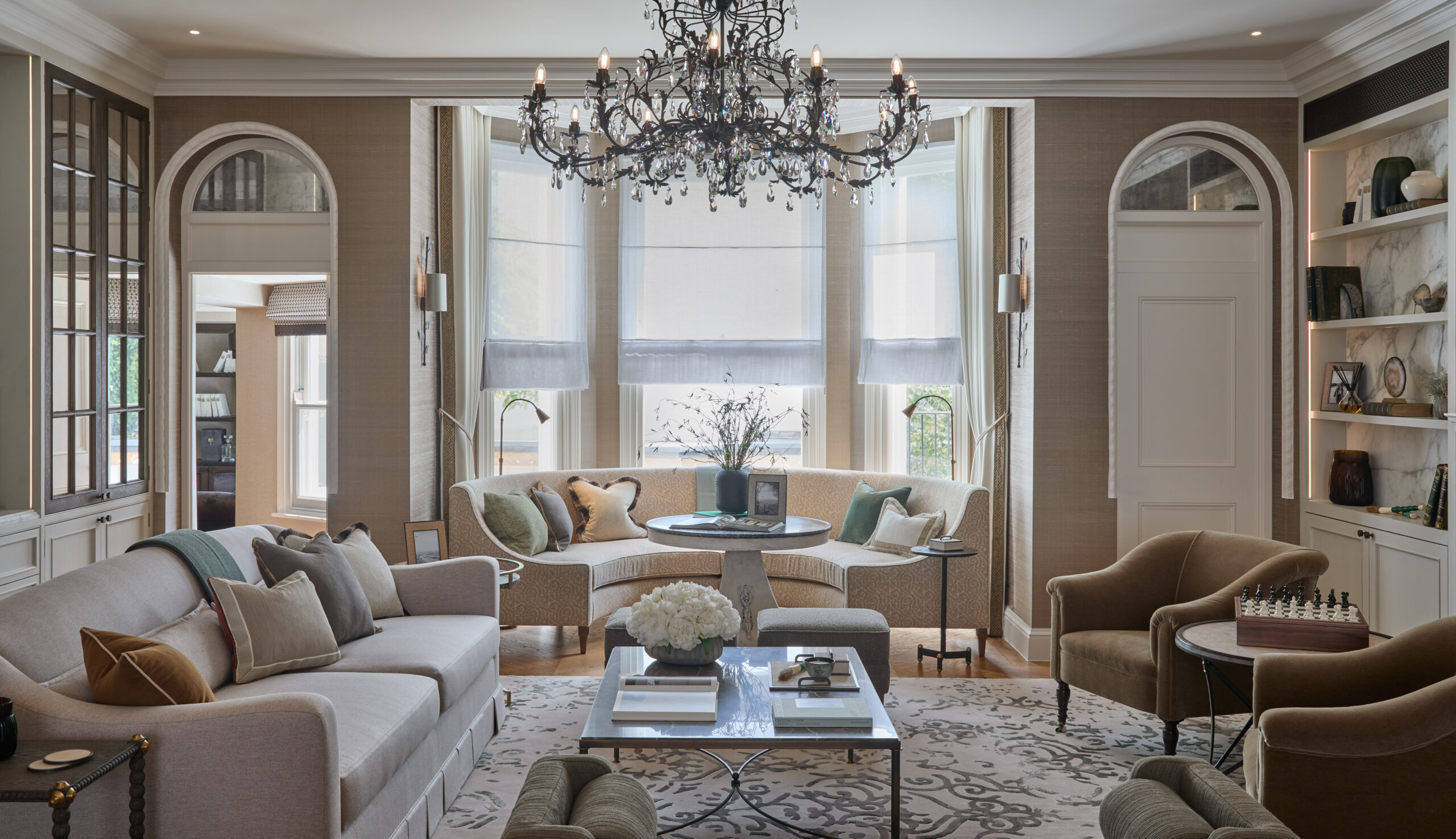
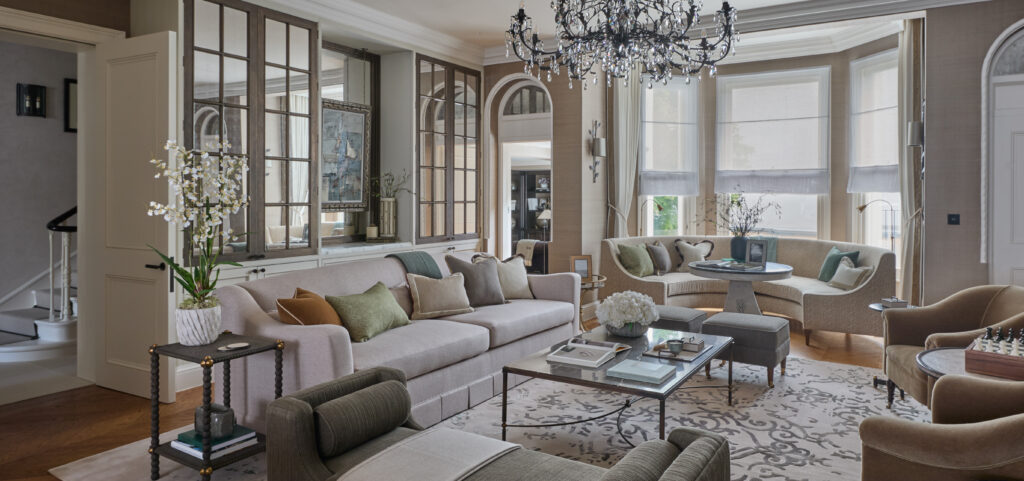
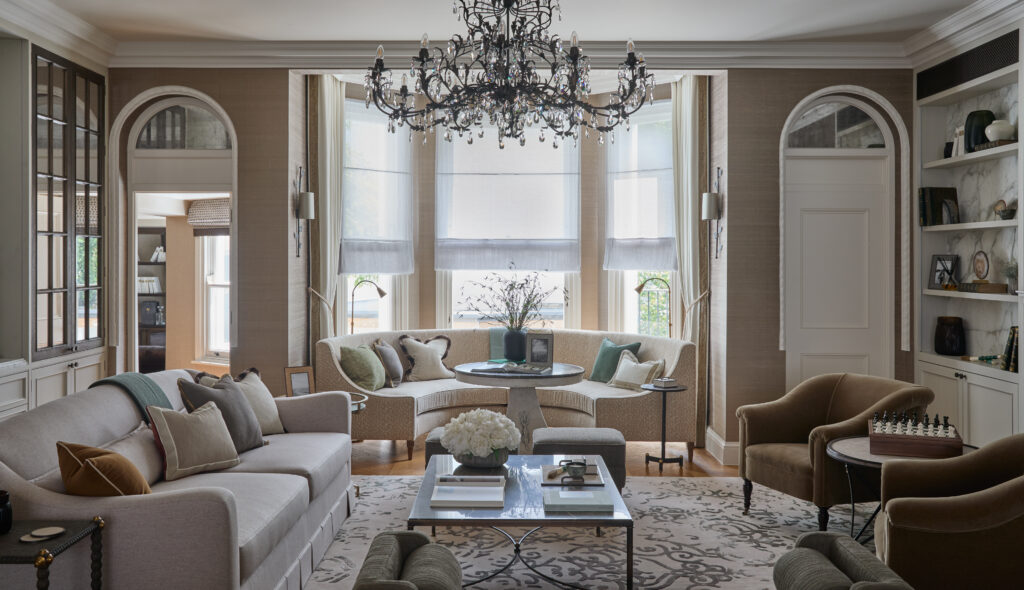
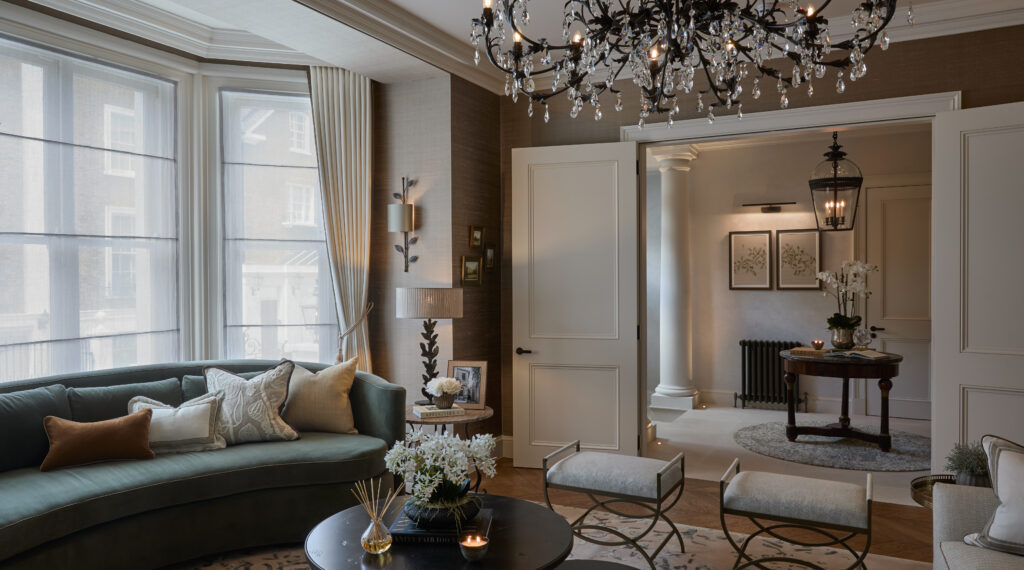
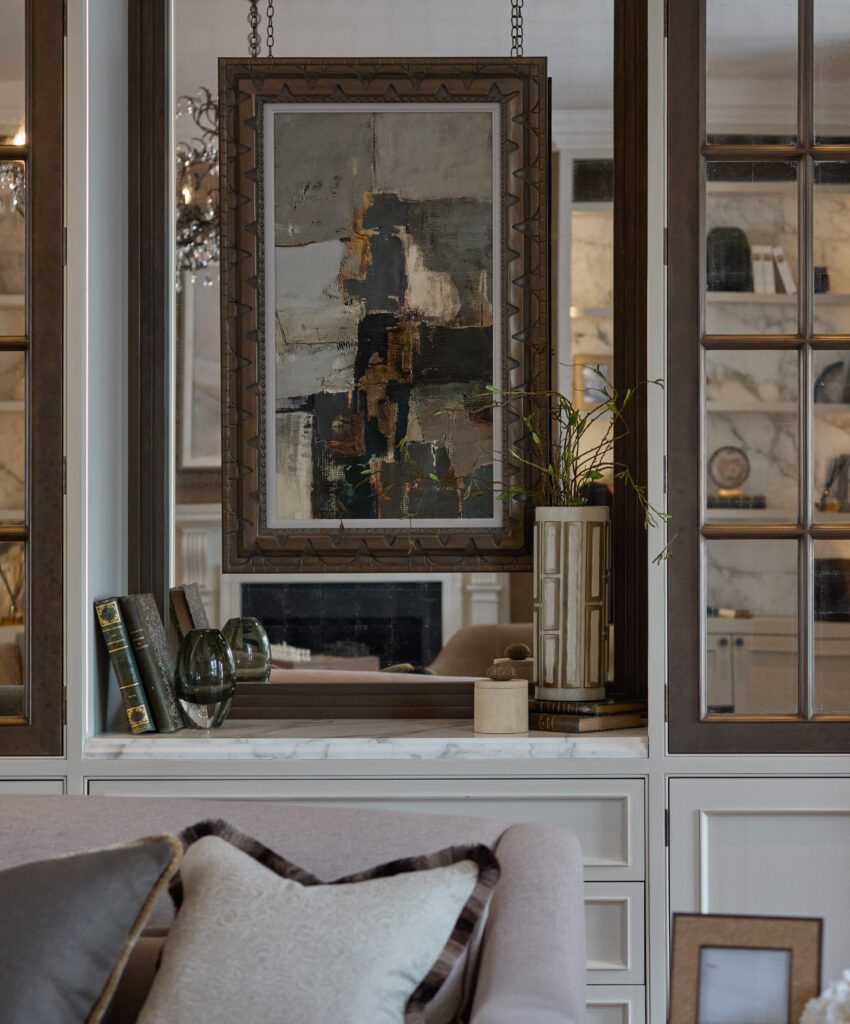
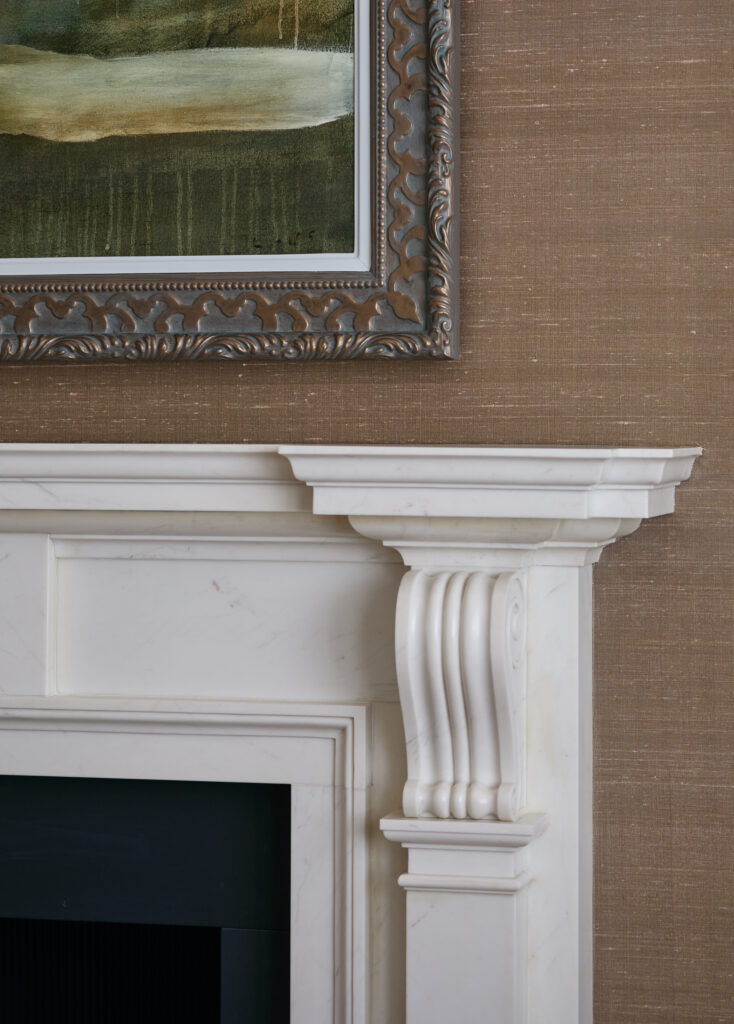
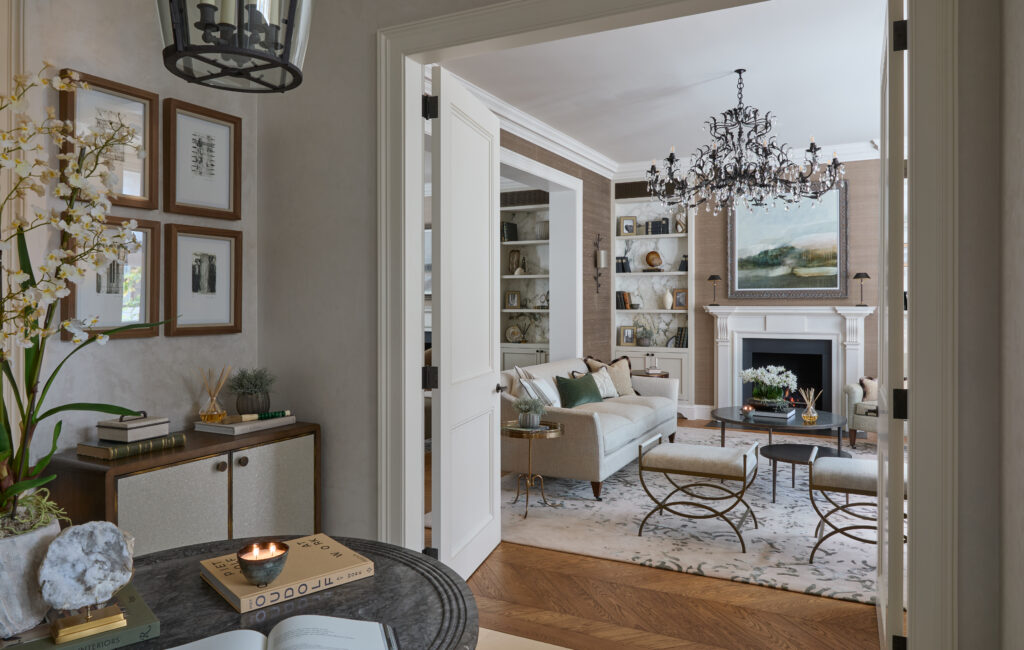
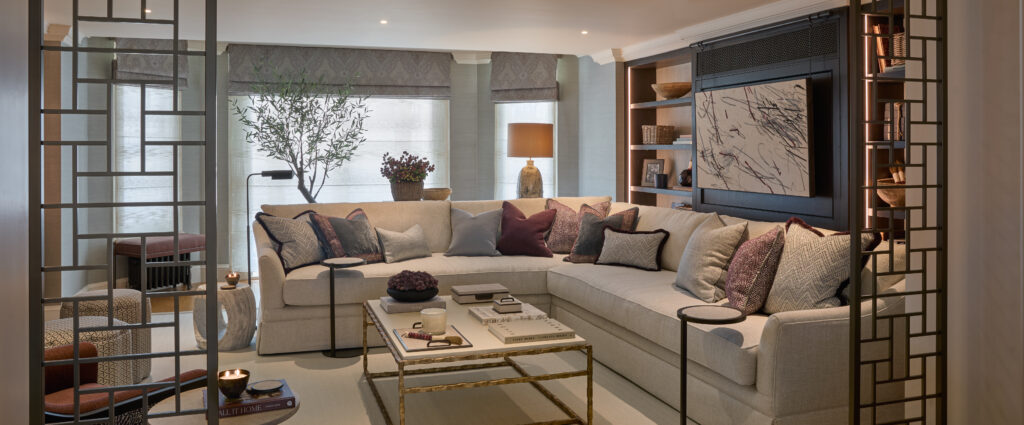
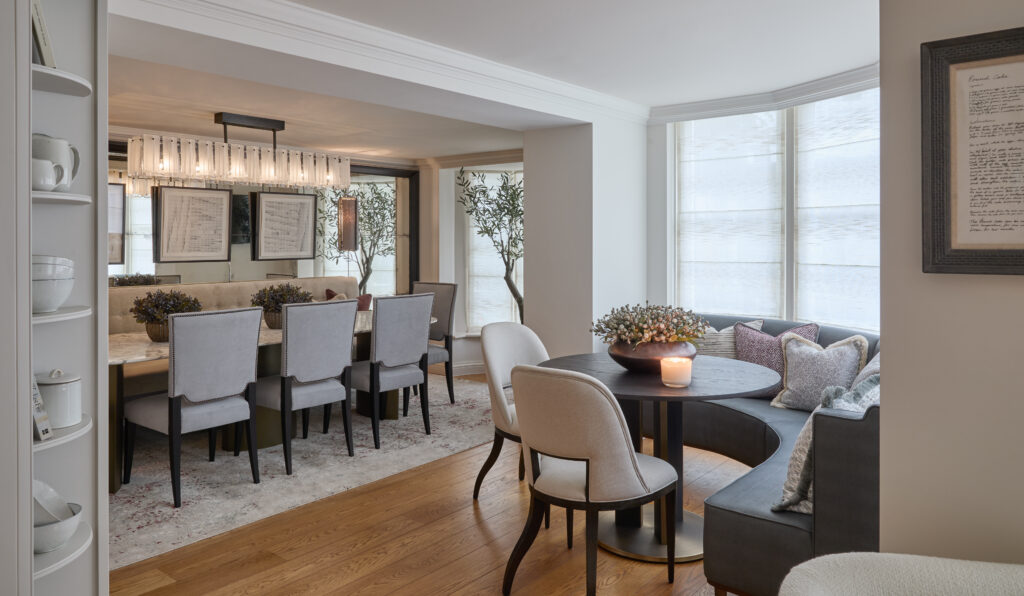
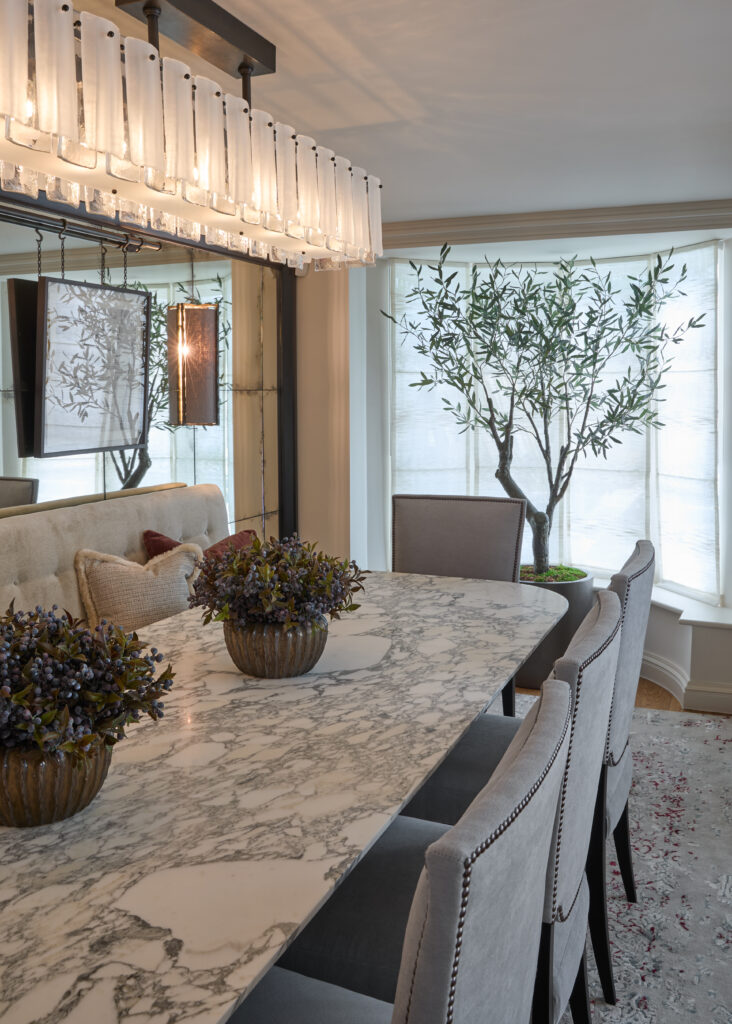
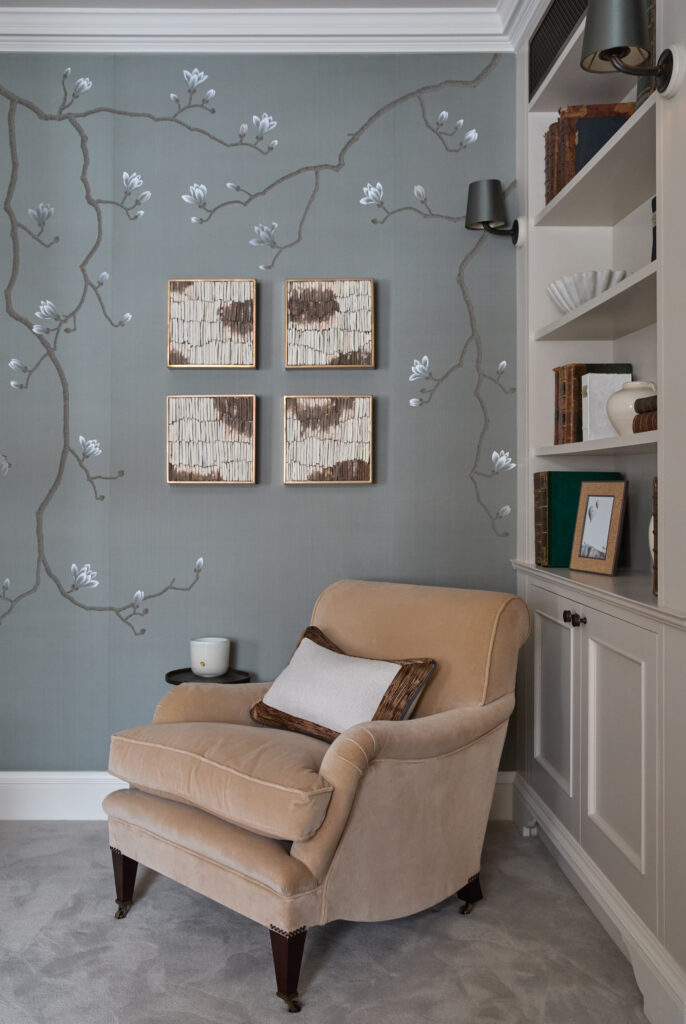
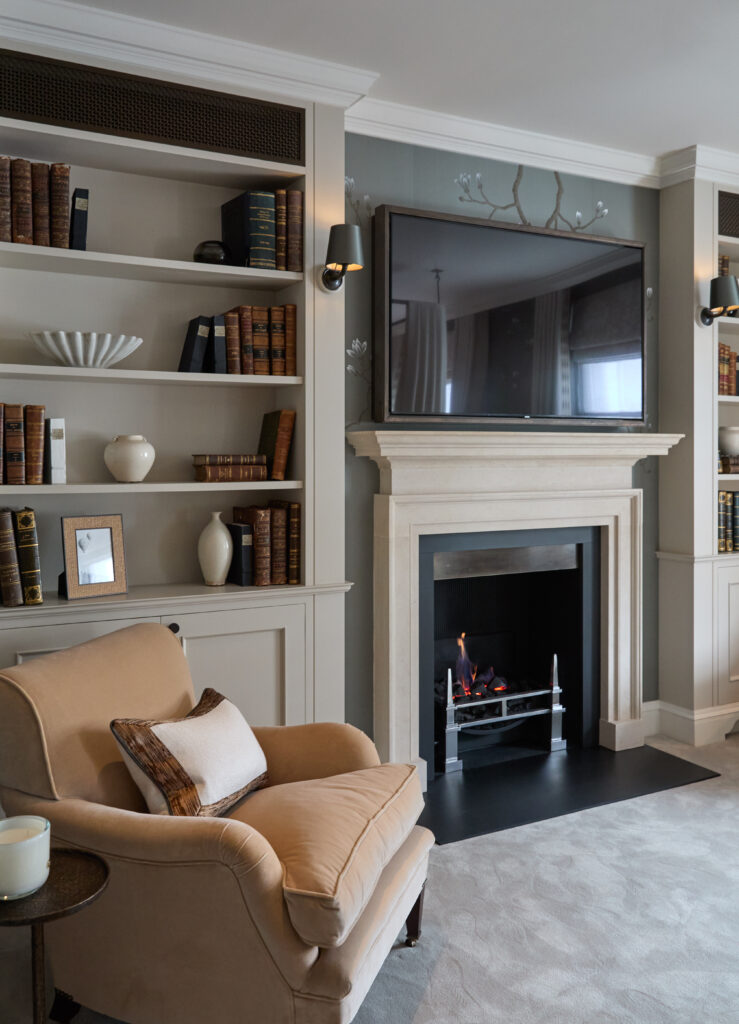
The spatial narrative reaches its most articulated expression in the double reception room, where the idea of formal living is reinterpreted through a sequence of atmospheres rather than a single gesture. “My favourite aspect was the double reception room with all of its various seating areas from the formal sitting area at the front which acts as a majlis type area to the more relaxed seating at the rear where the family can watch television or the games table in front of the fireplace for chess games and the antique table and banquet in the bay window for afternoon teas with the grandparents,” Paterson notes. Here, the architecture performs a subtle cultural translation, where the typology of the majlis is absorbed into a London context, dissolving geographical boundaries through design.
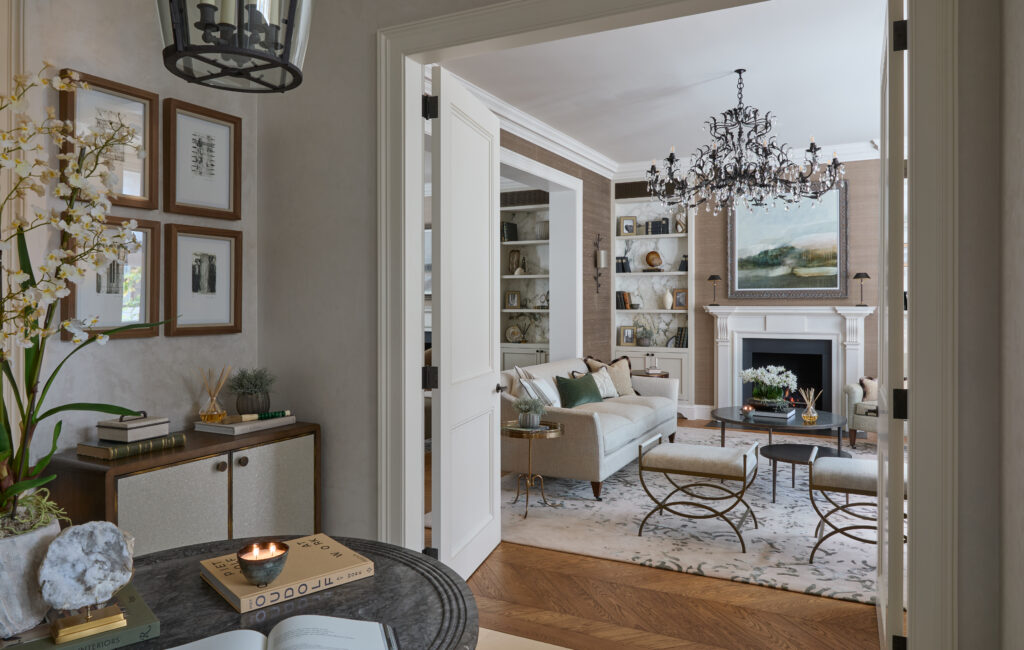
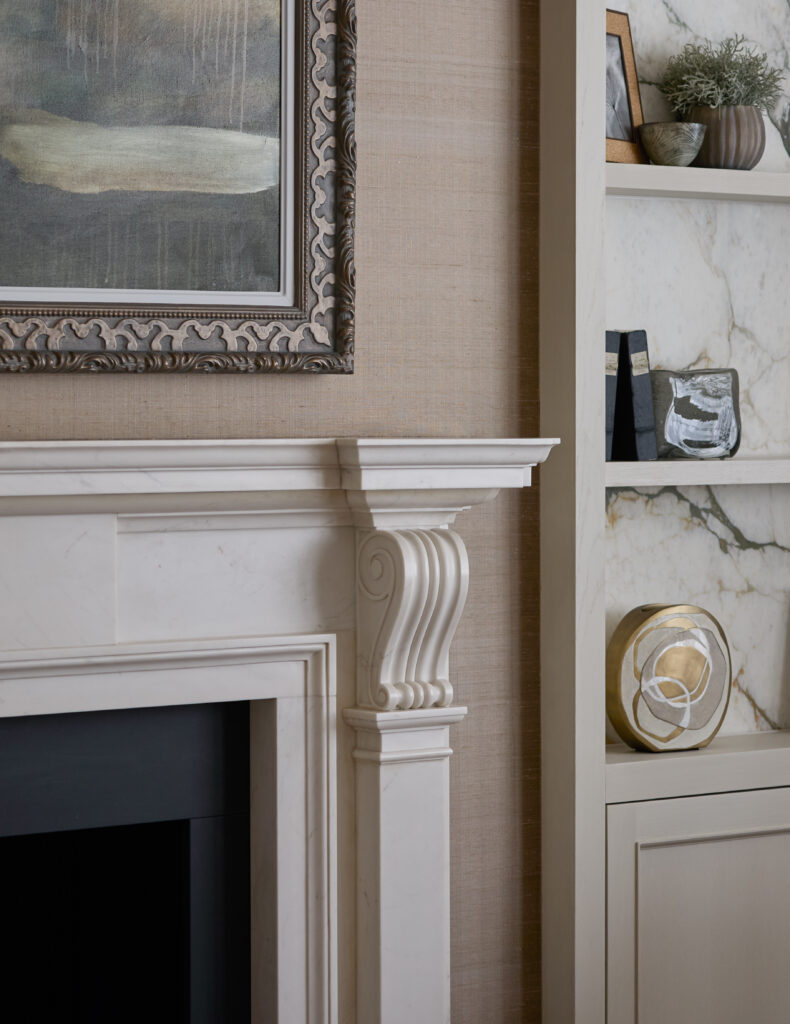
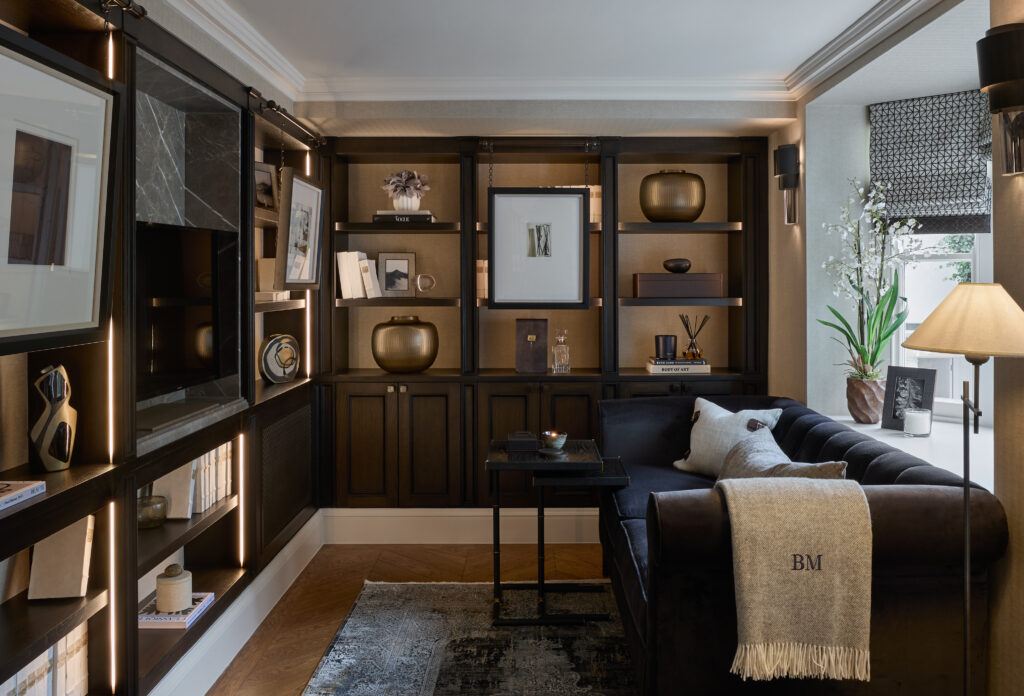
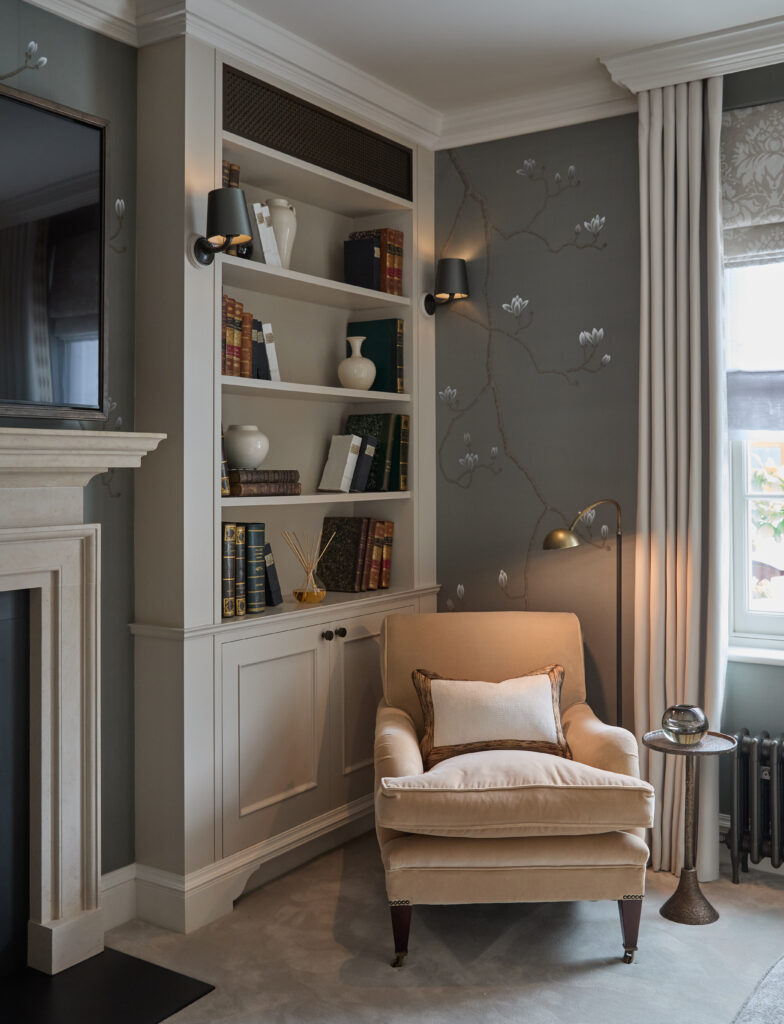
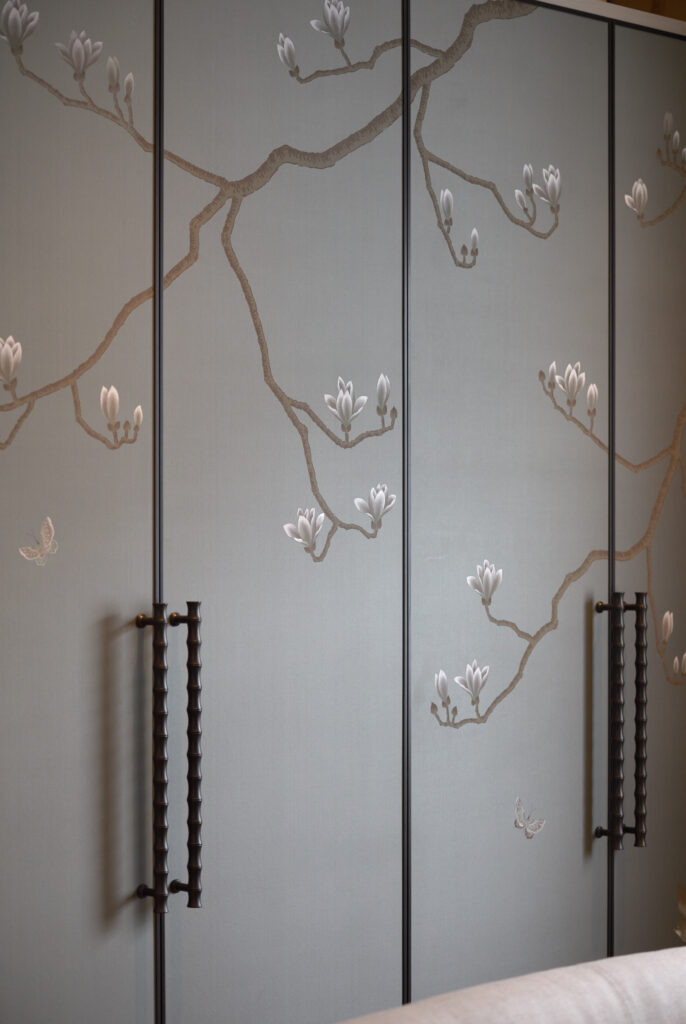
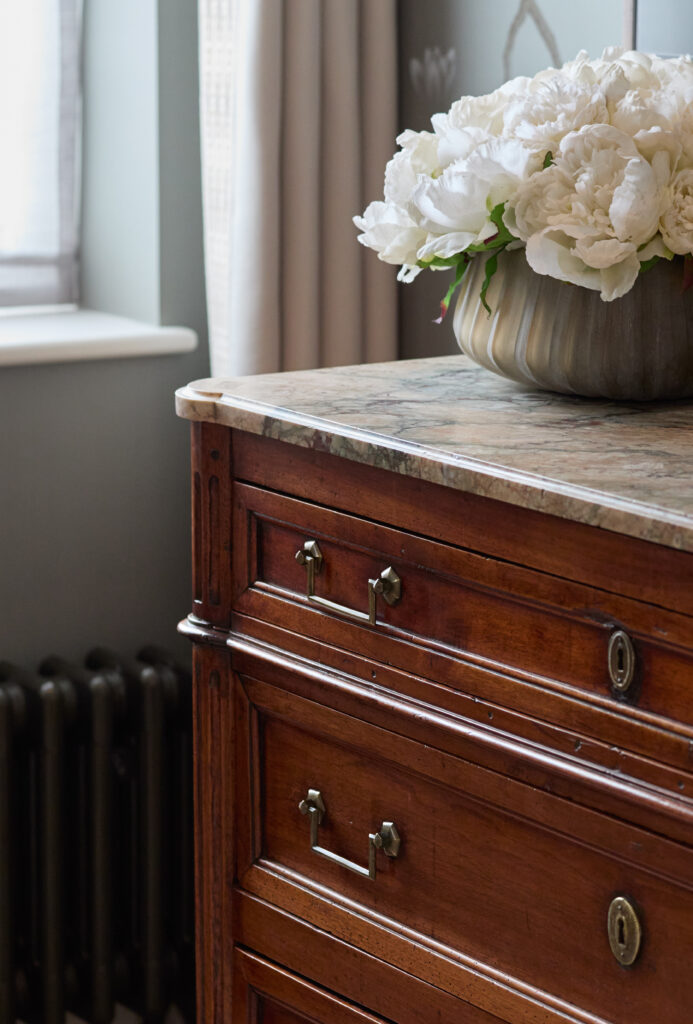
This layering extends beyond program into materiality. The renovation demanded both speed and precision, with a complete transformation executed within nine months. “One challenge we faced was the deadline. The family wanted all custom furniture with a total design and renovation programme of nine months.” Sophie Paterson tells Marie Claire Maison. “We sensitively restored and updated the interior architecture, refinishing existing joinery with a different stain and marble elements such as the back of shelves as well as fully decorating with silk wallpapers from Fromental, carefully curated antiques and custom furniture made by the finest craftsmen across England and Europe.” The intervention is therefore not an erasure, but a recalibration, where each historical element is re tuned to resonate within a contemporary register.
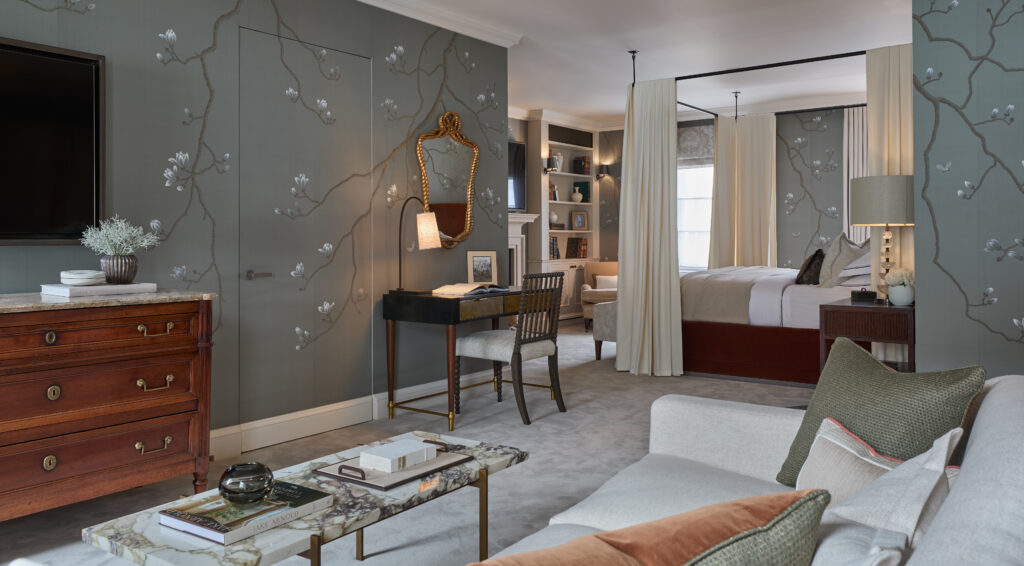
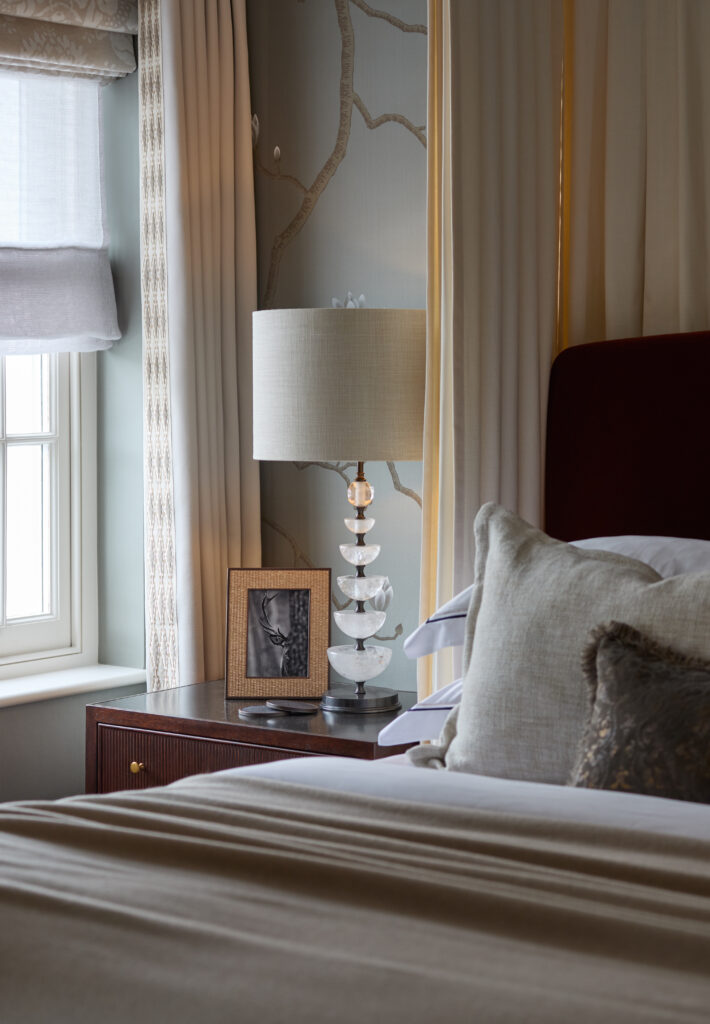
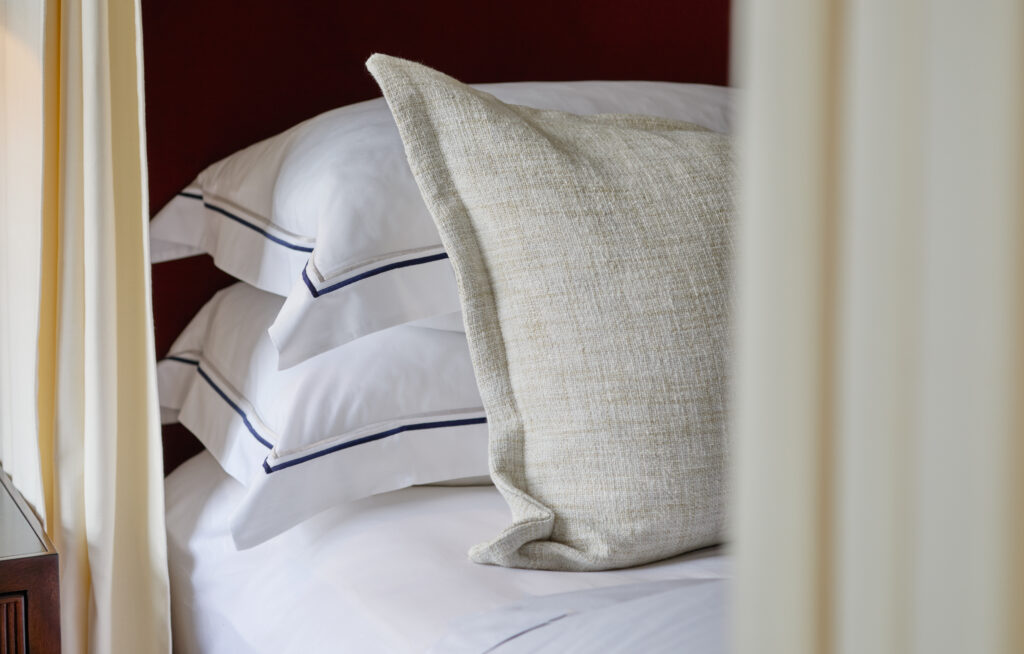
The principal suites extend this sensibility into the realm of retreat. Each occupies an entire floor, transforming the notion of the bedroom into a sequence of experiences. In one, a richer palette unfolds through Fromental wallcoverings and a contemporary interpretation of the four poster bed, where fabric is suspended with an almost theatrical delicacy. In the other, lightness prevails, with tonal compositions layered through textiles and bespoke elements, including a folding screen upholstered in Fortuny fabric. These spaces articulate individuality without fragmentation, maintaining a cohesive domestic language across generations.
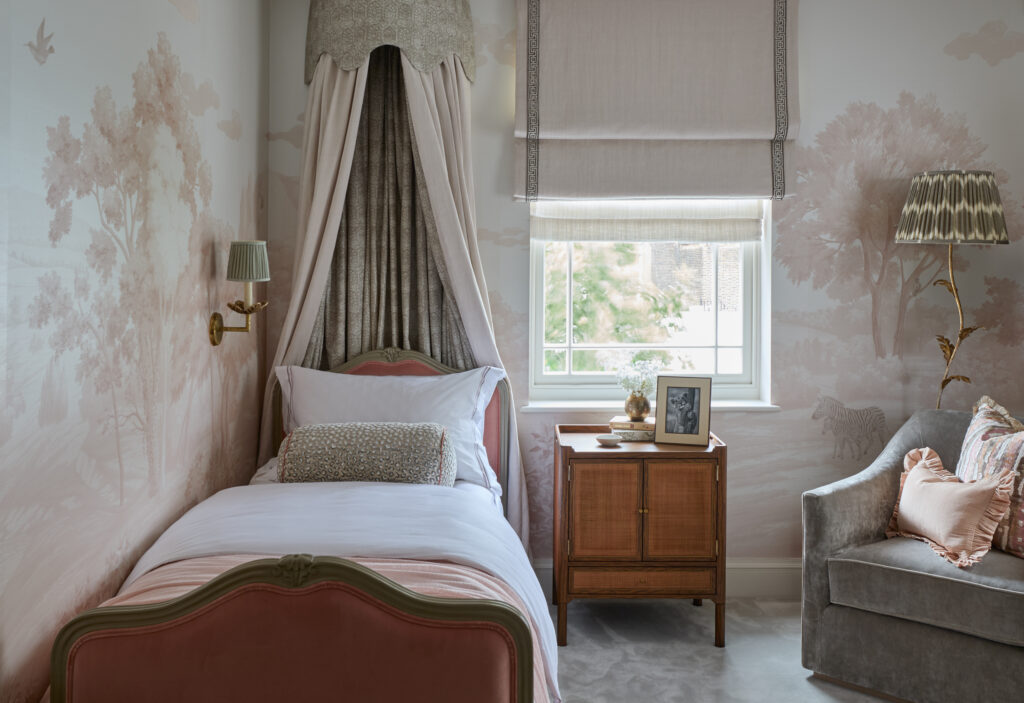
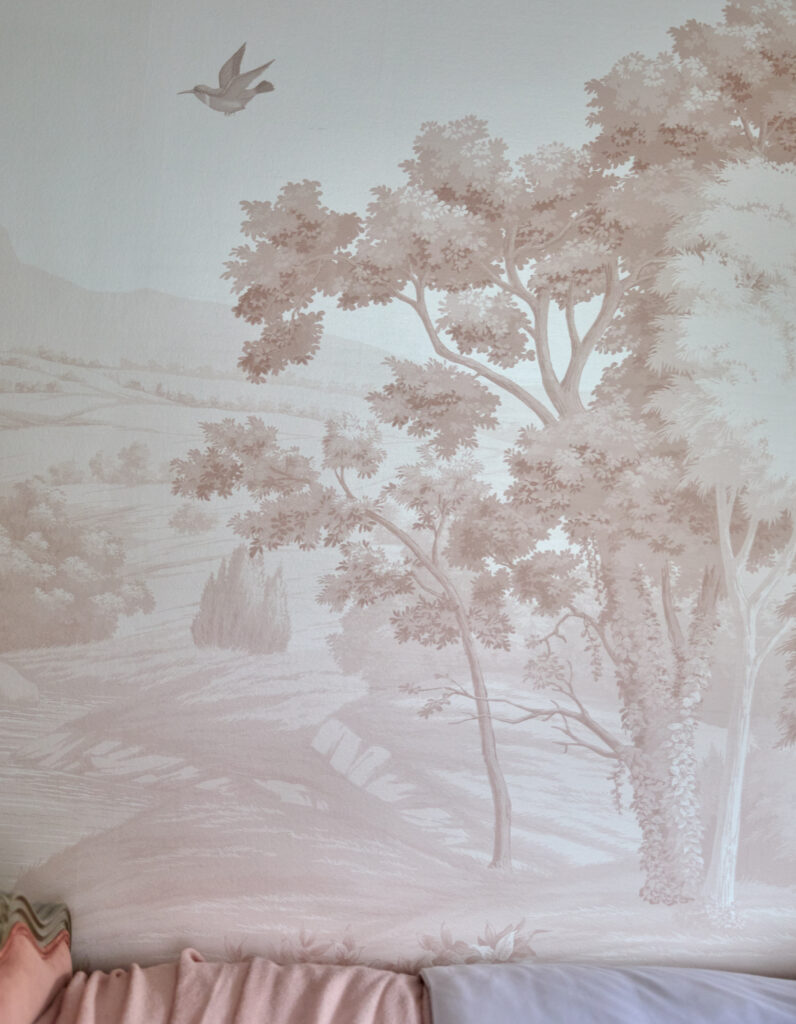
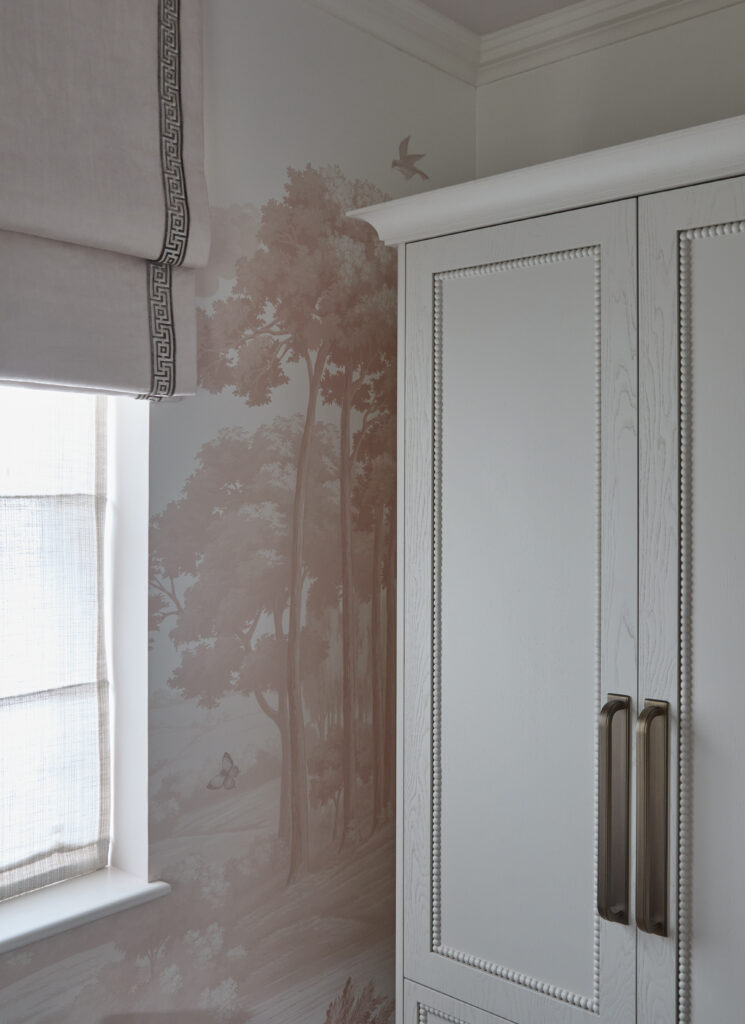
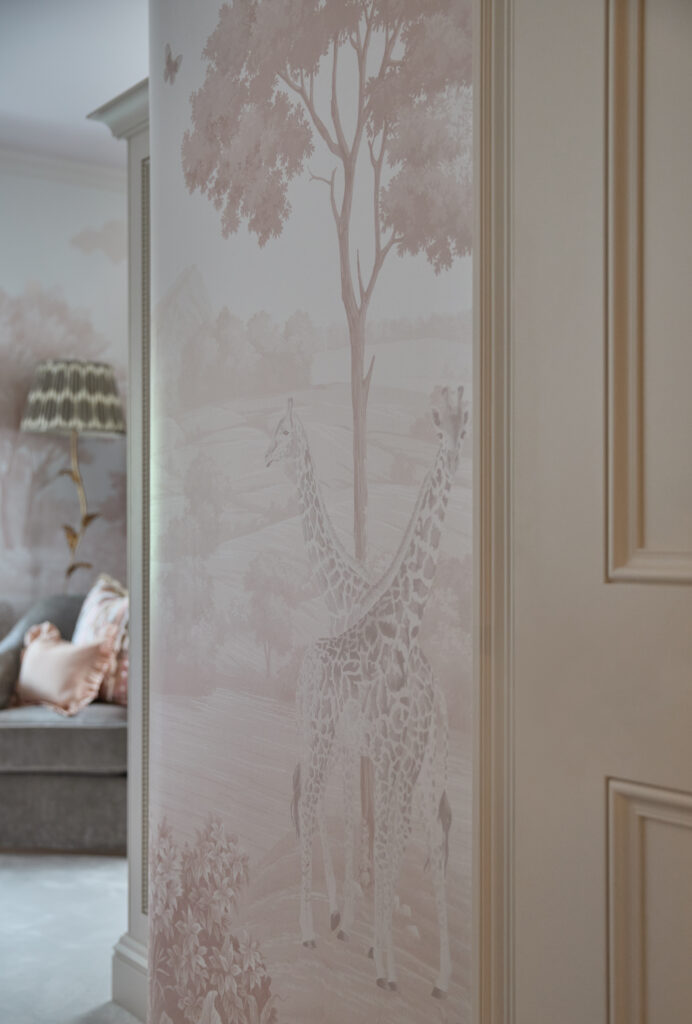
Even the children’s rooms participate in this broader narrative, though with a subtle shift in tone. Here, playfulness is introduced not as rupture, but as variation. Murals, canopies, and carefully calibrated motifs allow for imagination without abandoning the architectural discipline that defines the rest of the home.
“It is a timeless and elegant design but works so well for all the generations of the family,” Paterson concludes. What emerges is a project that resists spectacle in favour of continuity. Rather than asserting itself as a singular vision, the townhouse operates as a framework for living, one that acknowledges its past while remaining open to the contingencies of the present. In a city where history is often performed, this interior proposes something more elusive: a way of inhabiting it.