Words By Allegra Salvadori
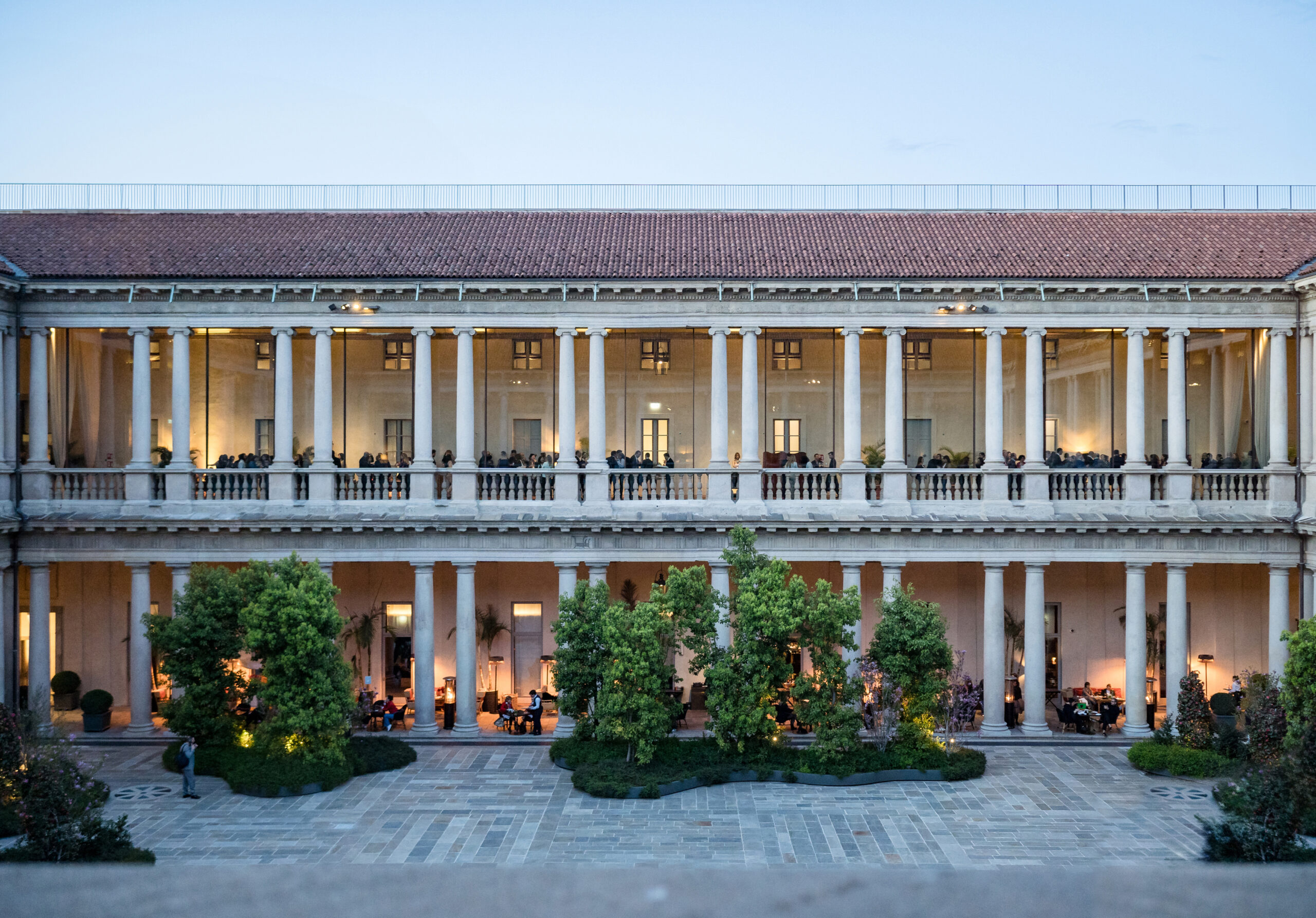
In Milan, where fashion and design intersect with centuries of history, a Renaissance landmark has been reborn as a new cultural epicenter. The former Archiepiscopal Seminary, a 16th-century treasure commissioned by St. Charles Borromeo, now lives again as Portrait Milano, the latest jewel in the Ferragamo family’s Lungarno Collection.
Far more than a hotel, Portrait Milano reimagines a monumental 2,800-square-meter piazza as an open stage for the city: a pedestrian link between Corso Venezia and Via Sant’Andrea, where boutiques, dining, wellness, and art converge in an environment steeped in quiet grandeur. Its transformation, led by architect Michele De Lucchi and his Milan-based studio AMDL Circle, preserves the building’s soul — from its double-loggia cloister to Francesco Maria Richini’s Baroque portal — while reintroducing it as a space attuned to contemporary life.
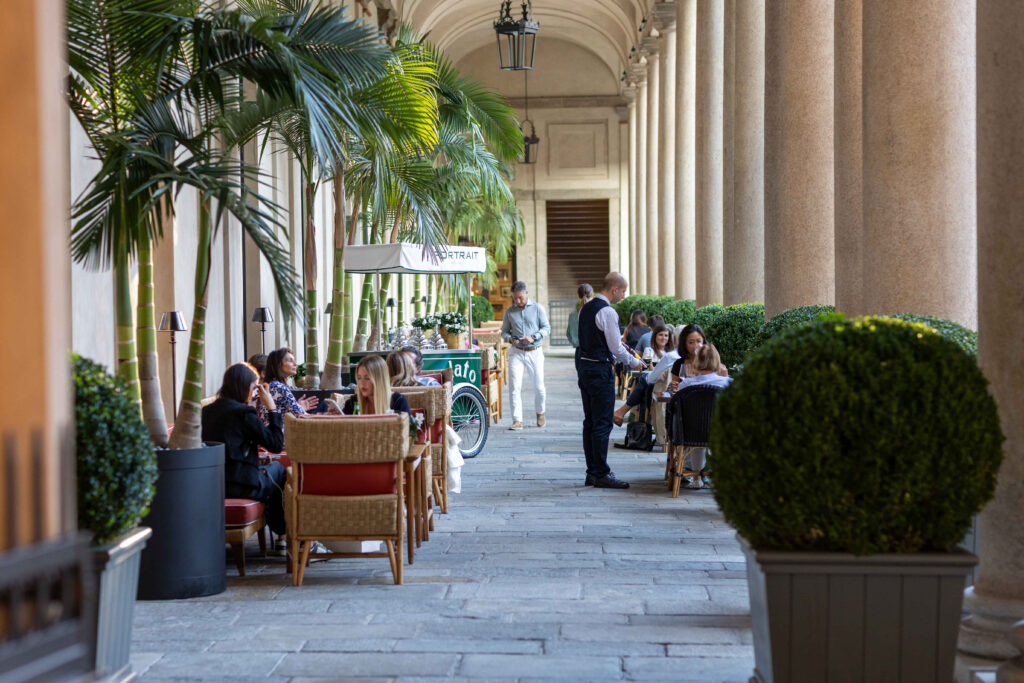
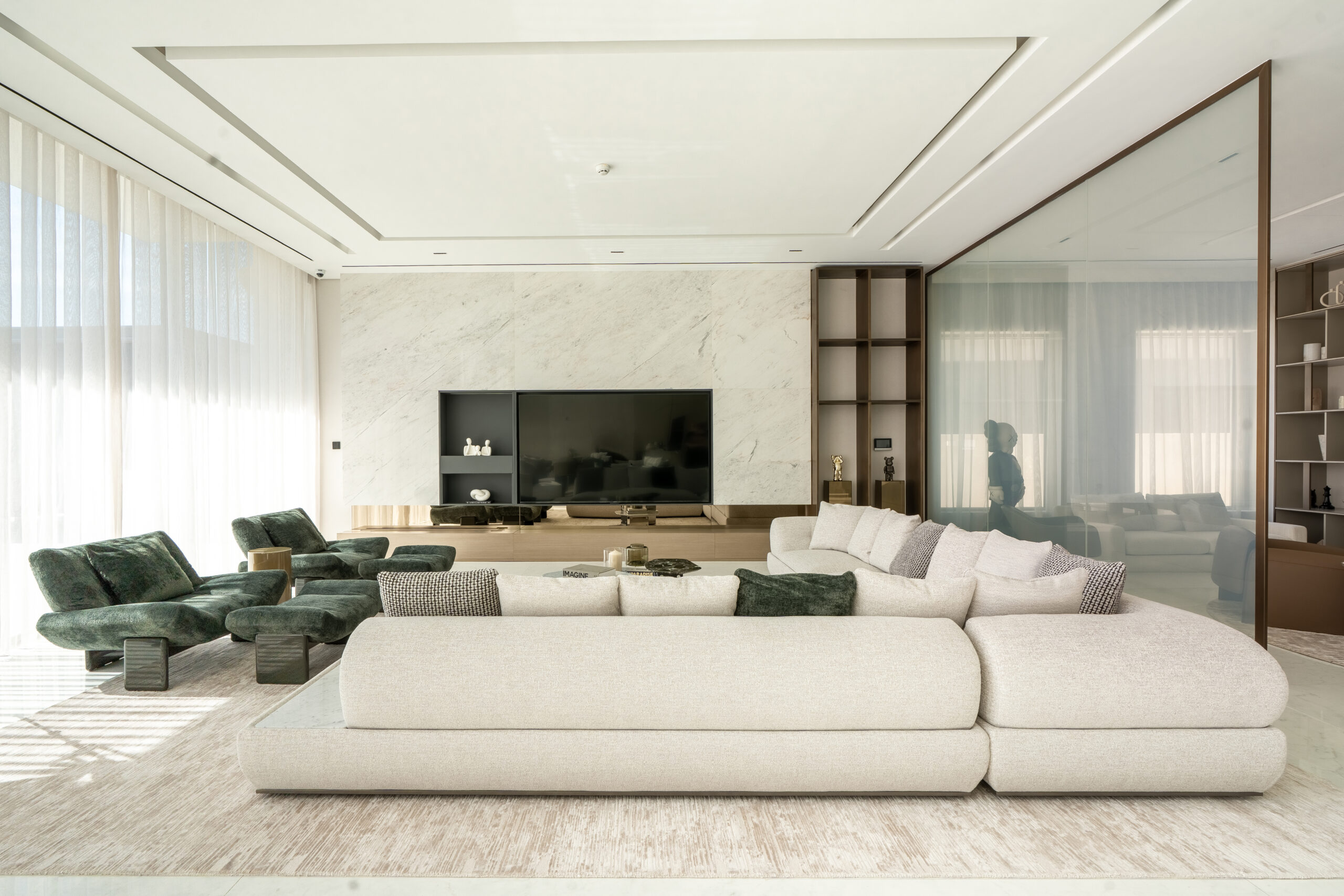
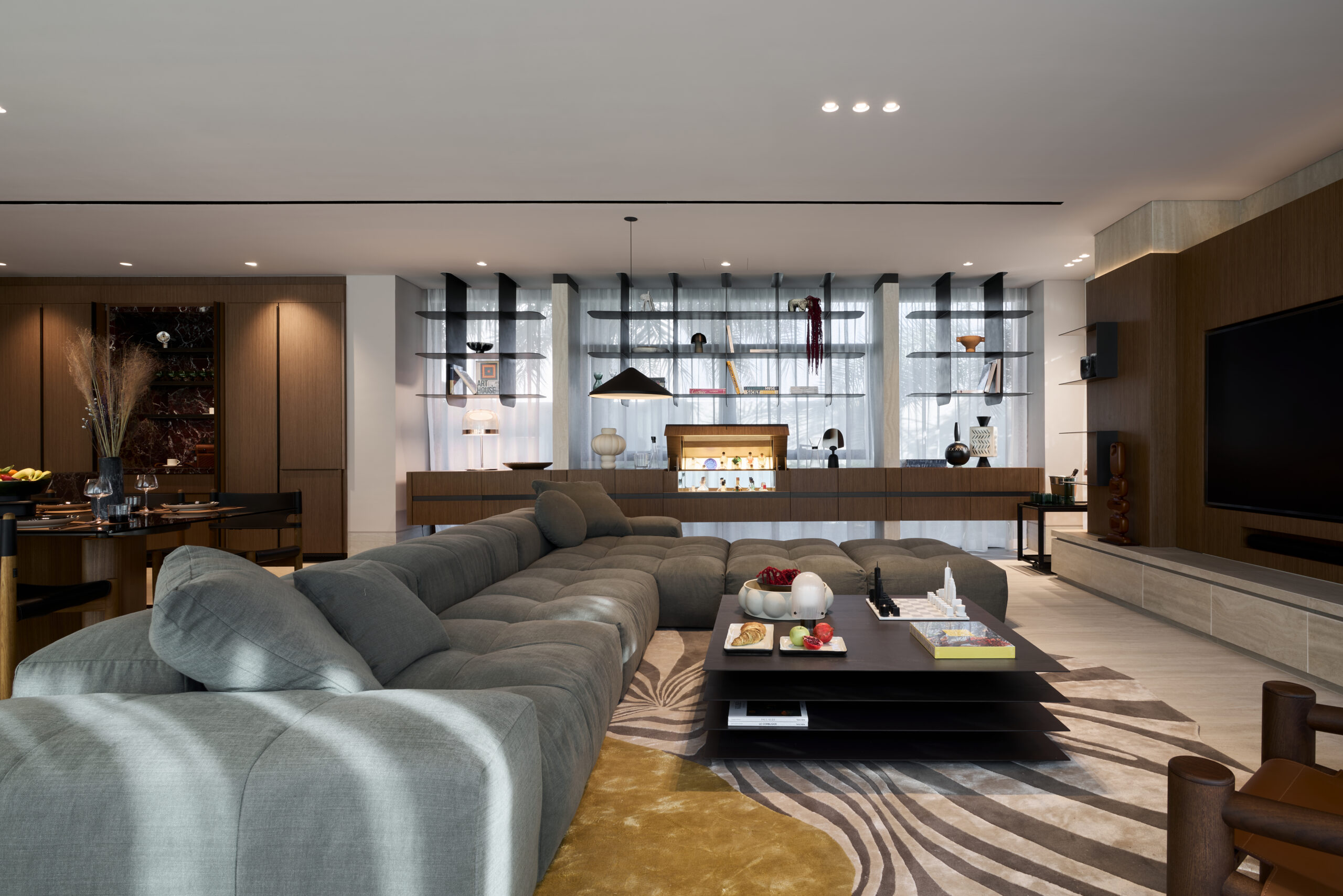
Inside, Michele Bönan, the Florentine architect renowned for translating lifestyle into atmosphere, curates an interior world that feels at once intimate and timeless. His vision marries Milan’s 1950s elegance with Tuscan craftsmanship: walnut and rattan boiserie, Carrara and Porphyry marbles, brass, and leather details. Cardinal red and muted green — hues deeply embedded in Milanese culture — echo through the rooms, a nod to the seminary’s founder.
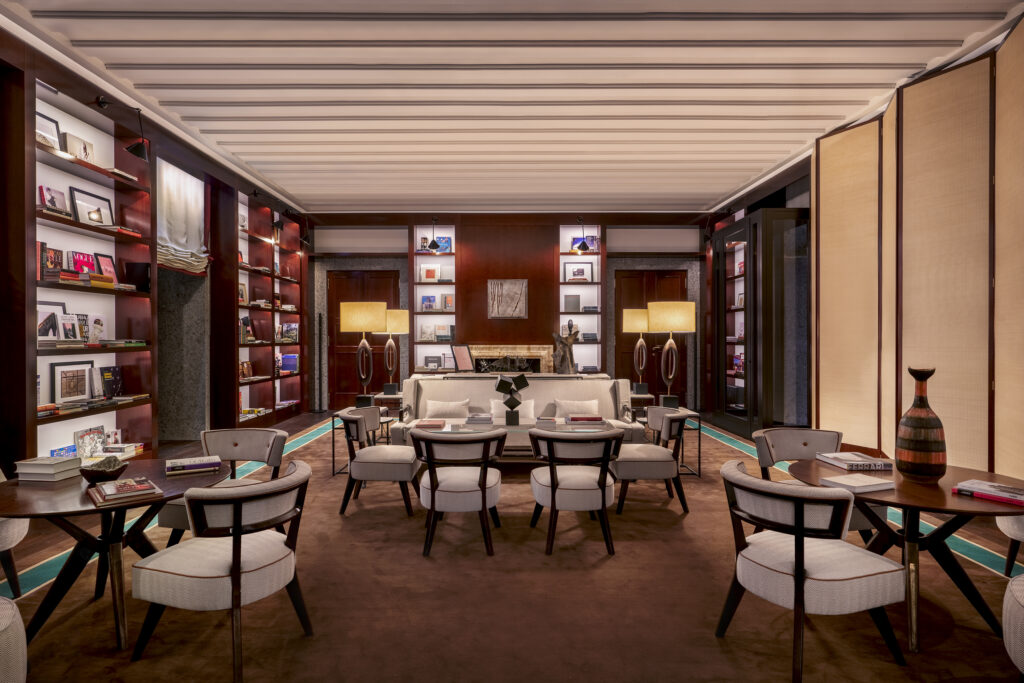
The 73 rooms and suites, many overlooking the cloister or private garden, invite guests into a rare urban sanctuary. Complementing the experience are destination dining at Beefbar and 10_11, the curated Antonia and So-Le Studio boutiques, and a The Longevity Spa with pool, gym and wet area.
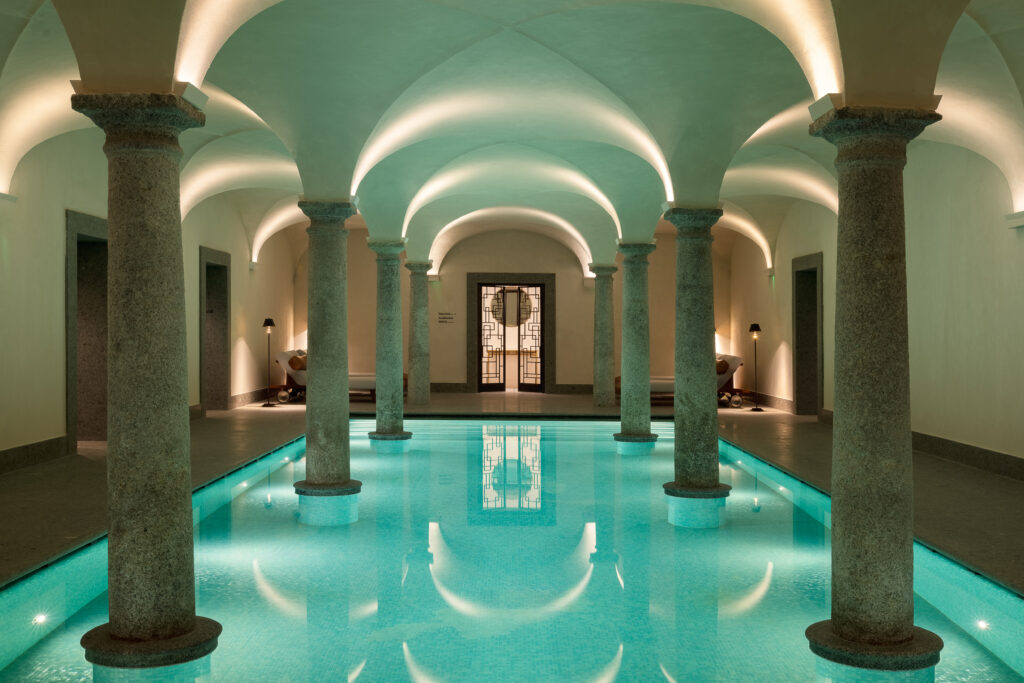
Here, design is not decoration but dialogue, turning a Renaissance cloister into a destination that feels both timeless and unmistakably Milanese.