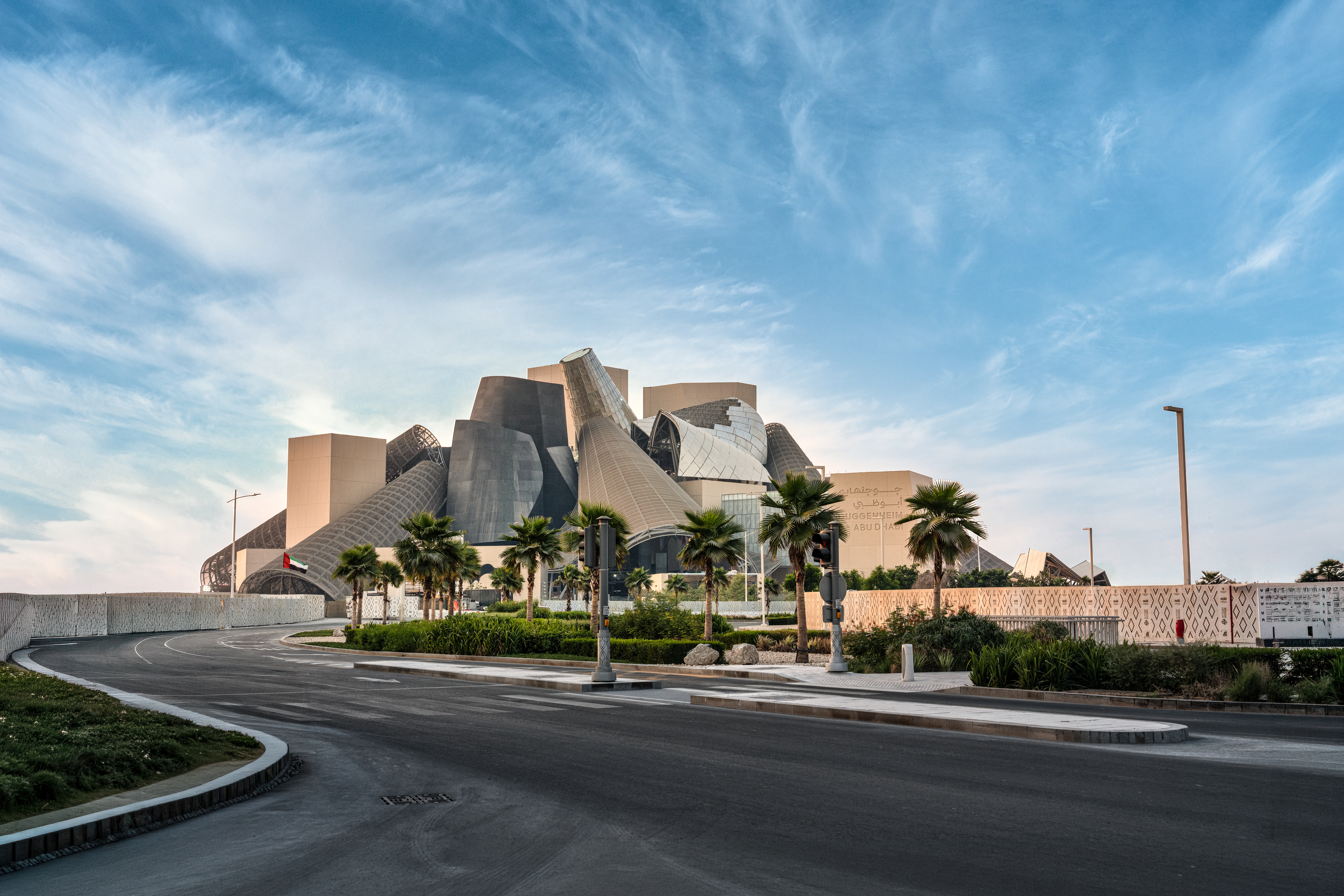
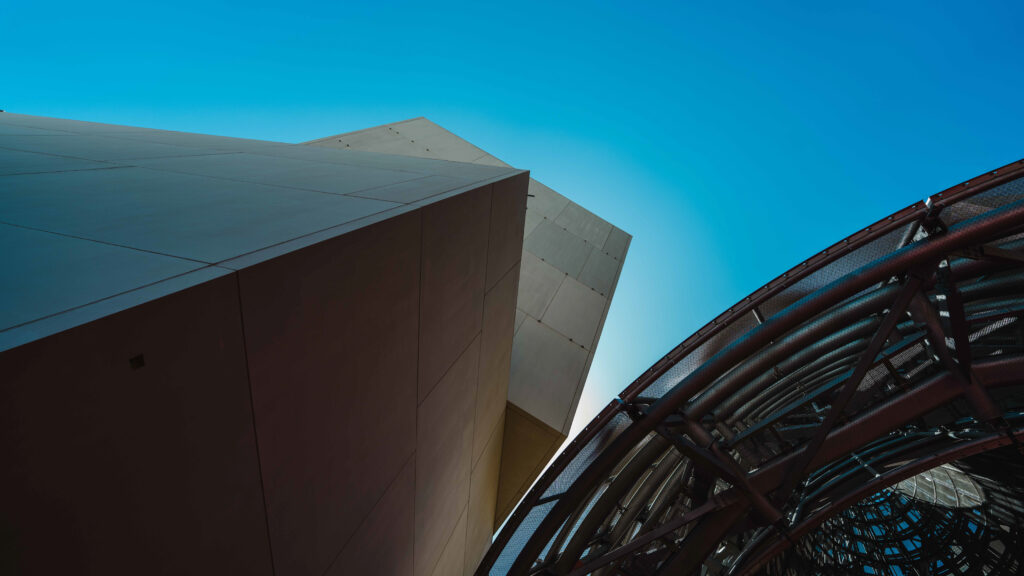
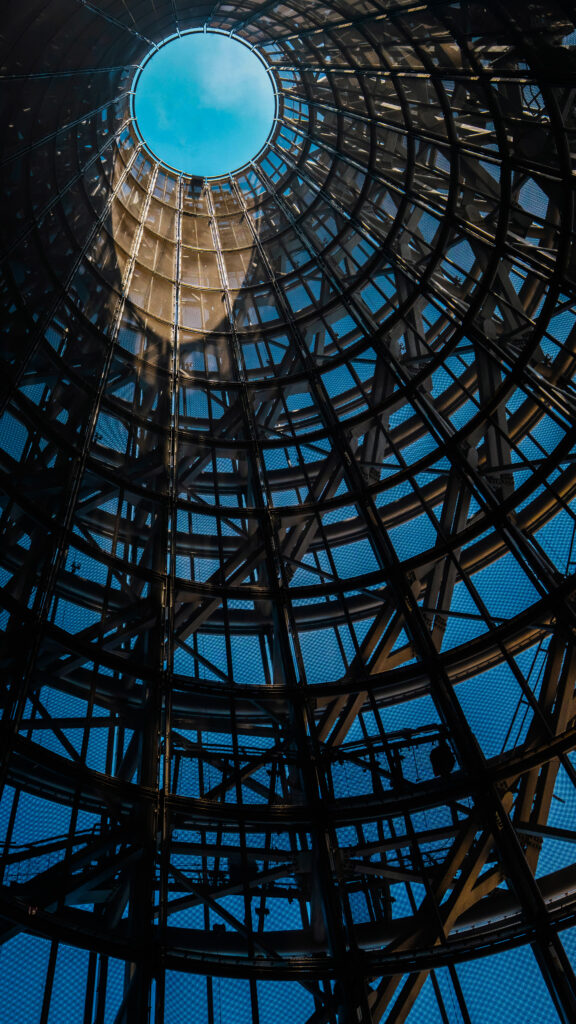
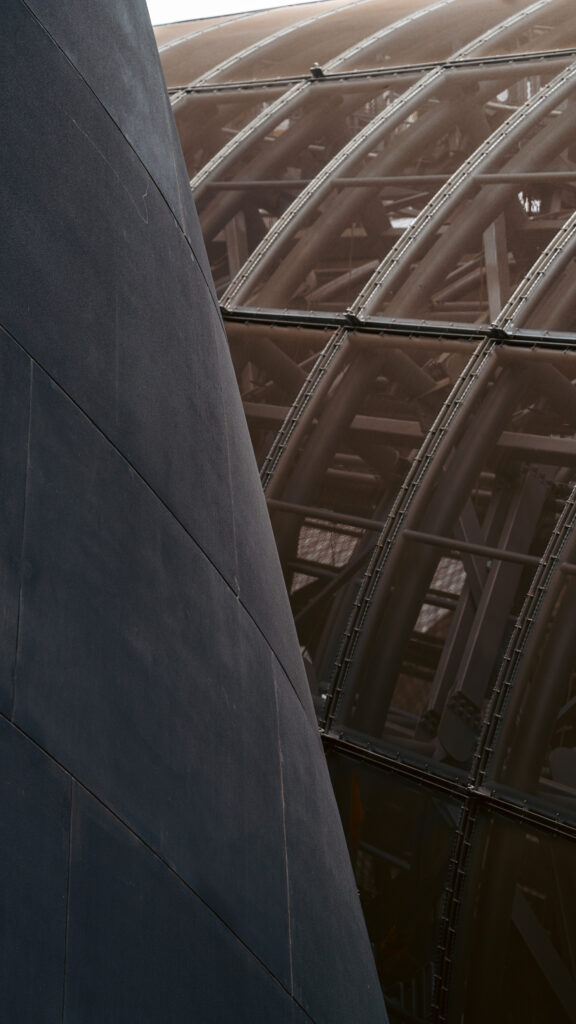
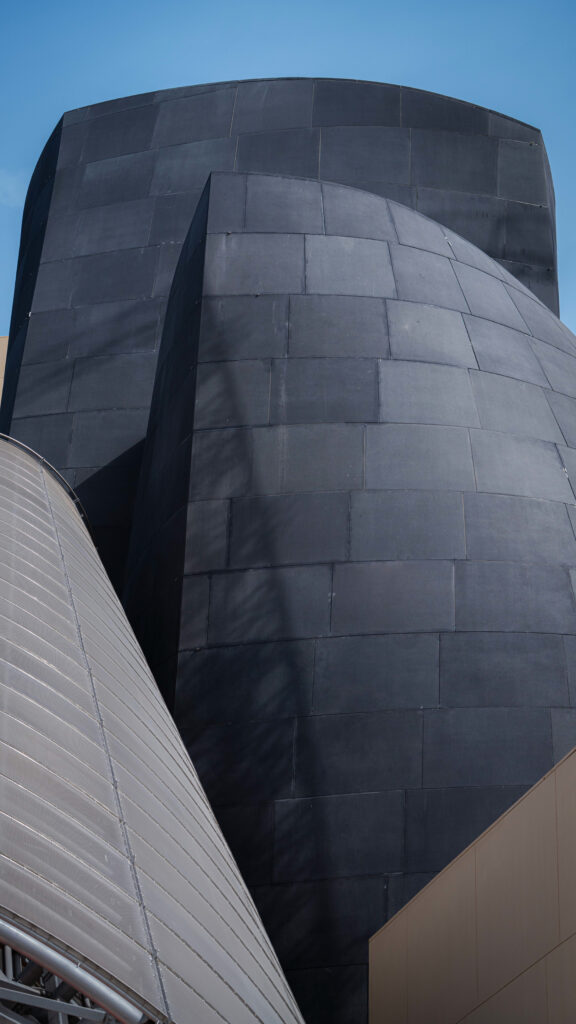
Ten sculptural cones catch the light above Saadiyat Island, nine wrapped in stainless steel mesh, one in onyx and glass, rising 88 metres over a museum that took two decades to arrive. On 11 December 2026, Guggenheim Abu Dhabi opens its doors for the first time, a year and six days after the death of the architect who conceived it.
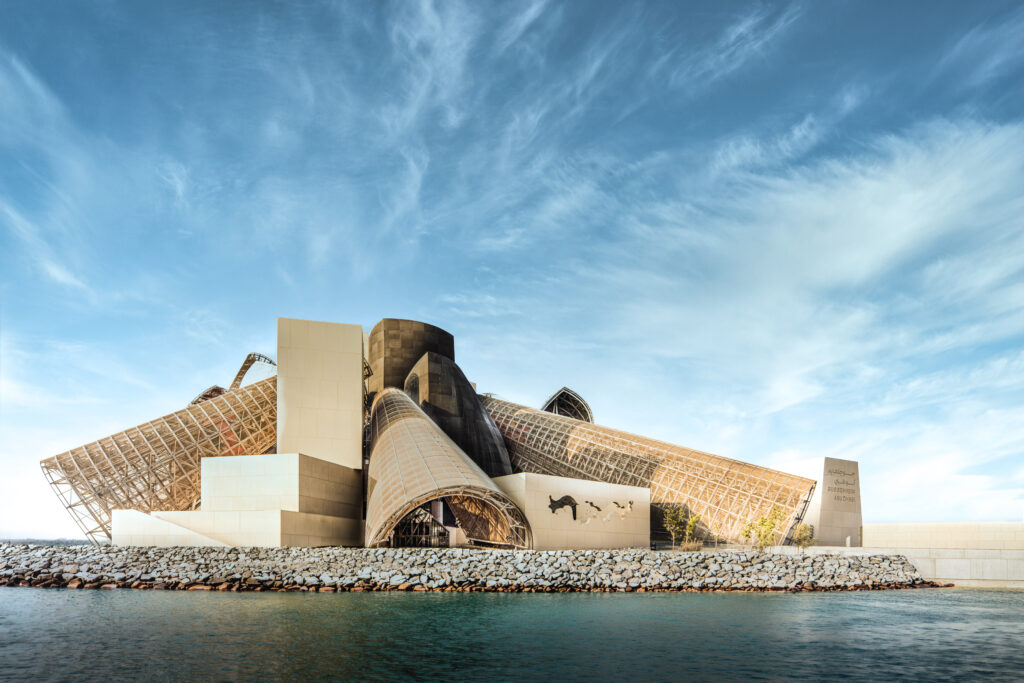
Frank Gehry died in December 2025, aged 96, without seeing his largest museum completed. The building now stands as his final major work, a fact that reframes an announcement otherwise built from familiar numbers: 80,000 square metres of built area, 30 galleries, 11,600 square metres of interior space, 23,000 square metres of terraces and cones given over to art in the open air.
The Guggenheim name has been shaped twice before by architecture rather than by collection. In 1959, Frank Lloyd Wright closed his career with a spiral on Fifth Avenue that scandalised critics before it became a landmark. In 1997, Gehry’s titanium curves in Bilbao did for a struggling Basque port what no acquisition ever could, turning a museum into an argument for what a building might do for a city. Abu Dhabi completes something like a circle. The architect who reinvented the Guggenheim once now closes his account with it, on a larger scale than either predecessor attempted.
Saadiyat Cultural District has absorbed this kind of ambition before, with Jean Nouvel’s Louvre and Norman Foster’s Zayed National Museum standing nearby as evidence that architecture, not only art, draws the eye first on this stretch of coast. Guggenheim Abu Dhabi enters that company as the most sculptural of the group, its cones providing shade and natural ventilation as well as silhouette, a building engineered for the Gulf rather than transplanted onto it.
Inside, the collection built since 2009 avoids a single chronological spine, organising instead around Abstractions, Popular Culture, Land, Language and Storytelling, themes that let works from different decades and geographies address one another directly. It is a curatorial position that matches the moment, an institution founded on West Asia, North Africa and South Asia rather than one borrowing a Western timeline and adding a regional footnote.
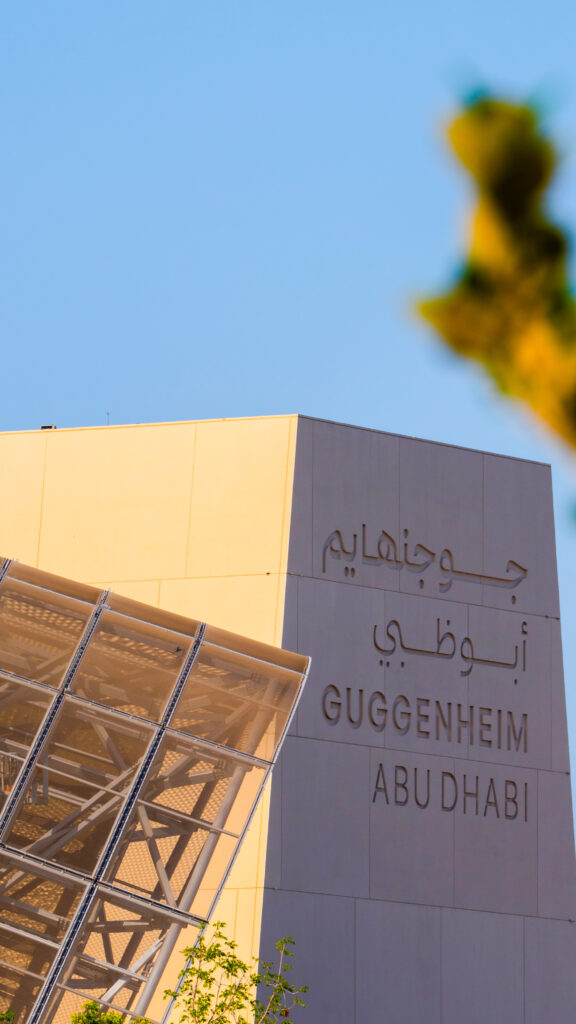
The collaboration behind the building has run longer than most museum partnerships survive intact. The Department of Culture and Tourism, Abu Dhabi and the Solomon R. Guggenheim Foundation first announced the project in 2006, watched construction pause for years, then resume in 2019, and have now delivered a building neither party could have built alone. Patience of that order belongs more naturally to institutions than to architects, and it shows in a museum that arrives finished rather than compromised.
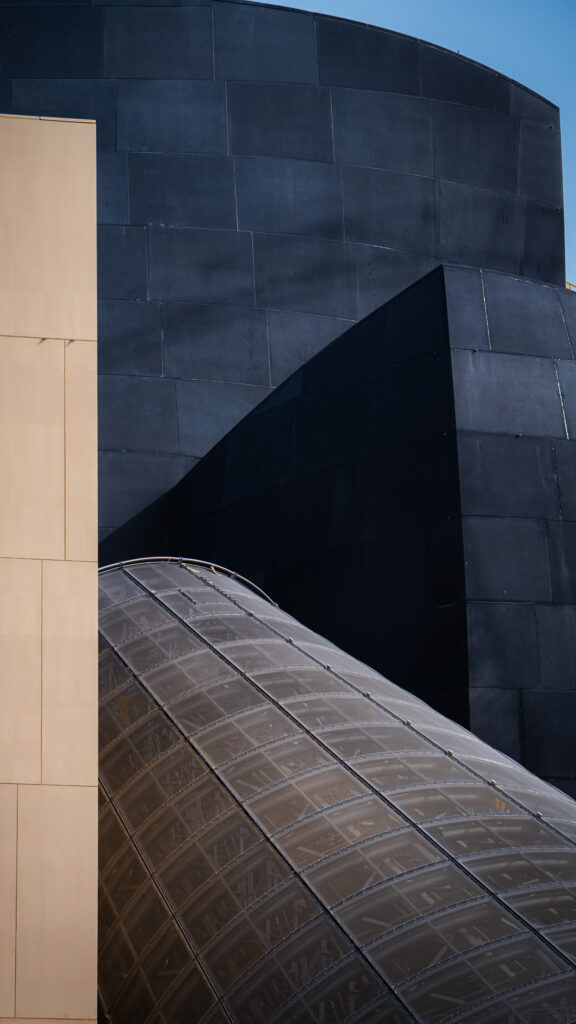
What makes the opening worth attention beyond the ribbon cutting is the timing nobody chose. Gehry’s death and the museum’s completion sit twelve months apart, close enough that the building now reads as elegy as much as landmark. Every Guggenheim carries the fingerprint of the architect behind it more than any single show inside. This one will carry the last fingerprint Gehry left, cast in steel mesh and onyx above a city he never saw the museum finished in.