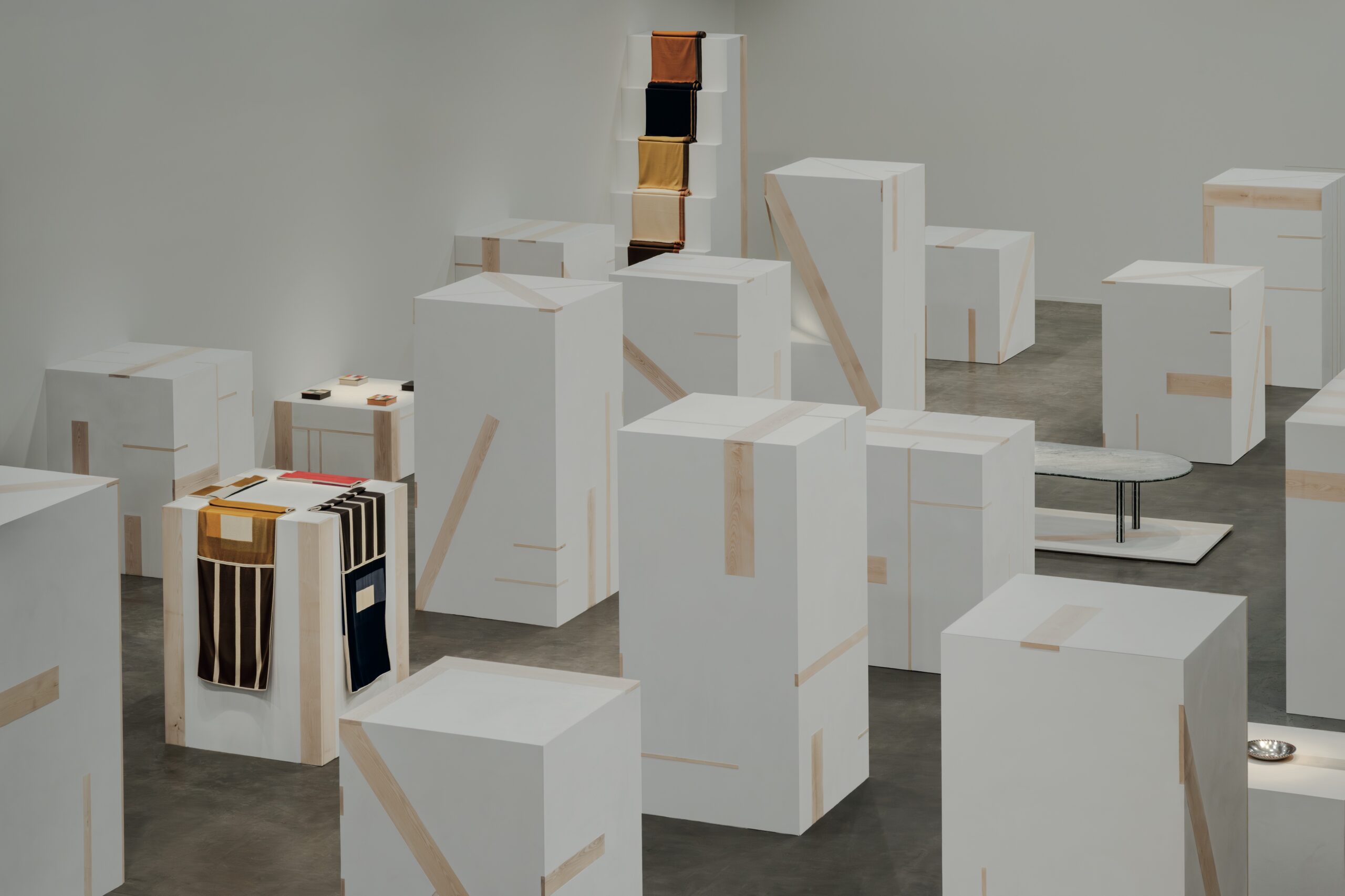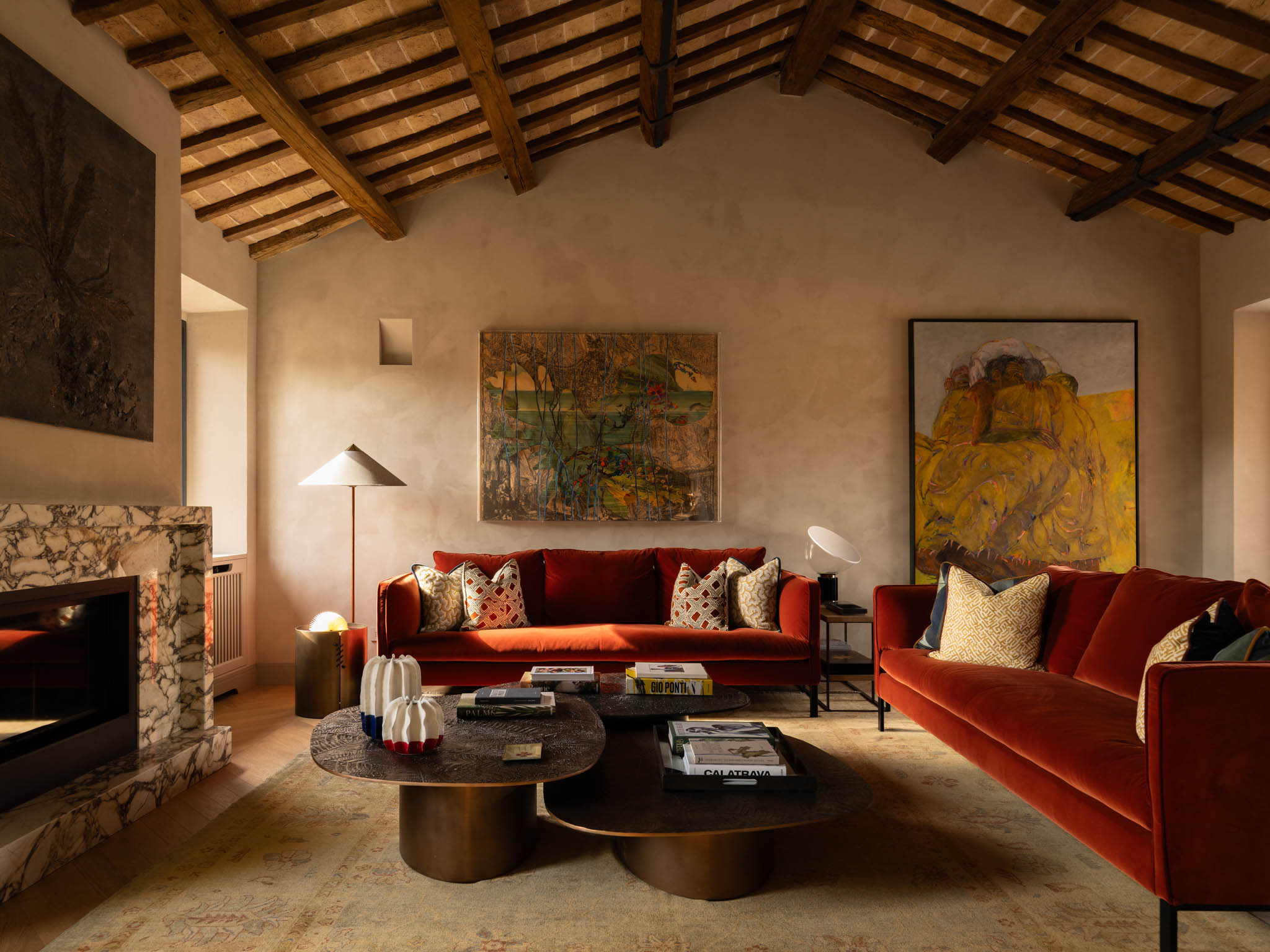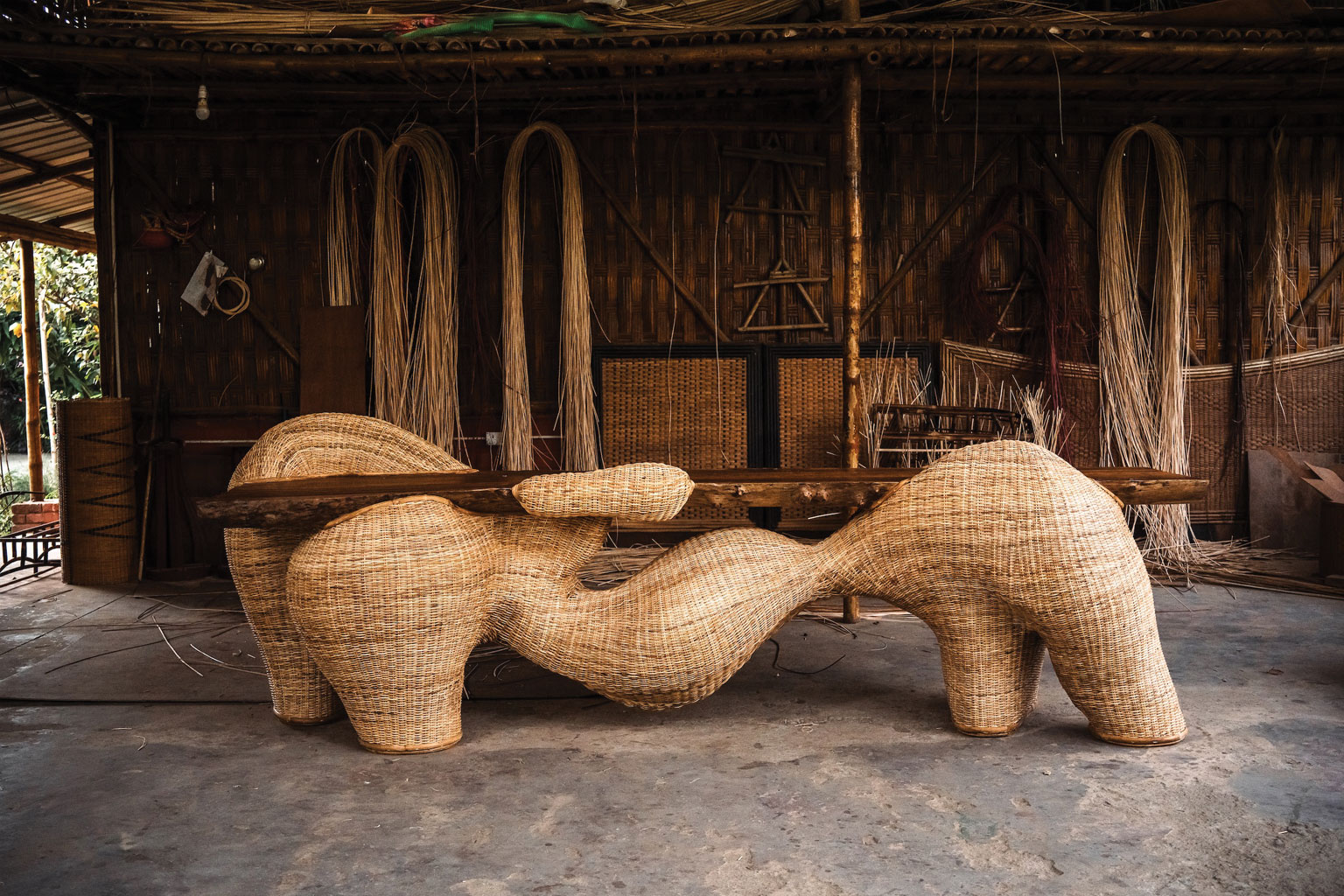
Shalini Misra has long championed the idea that craft is not a relic of the past but a living, evolving language. Through her initiatives – most notably the Shakti Design Residency – Misra brings designers and Indian ateliers into meaningful exchange, creating space for collaboration that honours both heritage and innovation. As the residency presents work by its second cohort on the global stage at Alcova during Milan Design Week 2026, she reflects on the importance of reciprocity between designer and artisan, the cultural intelligence embedded in traditional making, and why safeguarding craft knowledge is essential in an era defined by speed and mass production.
As the founder of the Shakti Design Residency, you speak often about heritage as something living rather than preserved. What does contemporary relevance truly mean to you when working with Indian craft traditions, and how do you ensure this exchange remains reciprocal rather than extractive?
For me, contemporary relevance is not about applying a modern aesthetic to something traditional. It is about allowing craft to evolve in dialogue with the present. Indian craft traditions have always been adaptive. They have absorbed influences, responded to new patronage, and travelled across geographies. To freeze them in time is to misunderstand their history. When I describe heritage as living, I am recognising artisans as innovators, not simply custodians of inherited techniques. Reciprocity begins with respect and authorship. Within the residency, ateliers and craftspeople are not treated as fabricators executing someone else’s vision. They are creative partners developing work through sustained exchange. Ideas are shaped together, techniques are pushed together, and credit is shared. The intention is to build long-term relationships that strengthen both the designer and the artisan. When the exchange is rooted in dialogue and equity, it becomes collaborative rather than extractive.
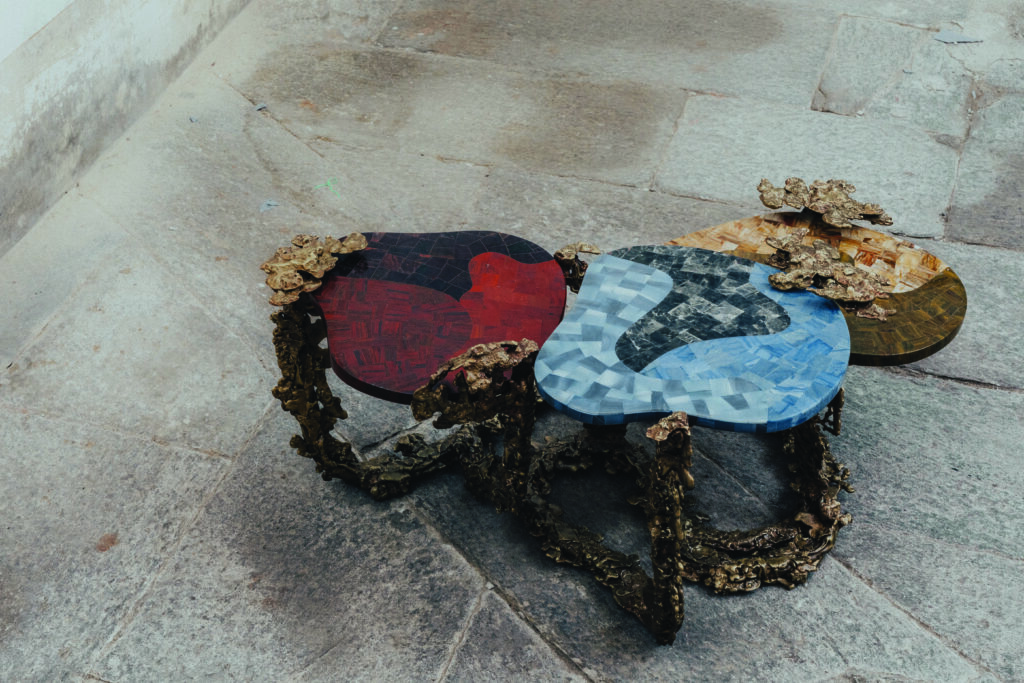
The Shakti Design Residency’s presence at Alcova situates Indian craft within a global contemporary design dialogue. What conversations, cultural, political, or material, do you hope these collaborations spark on an international stage?
Alcova offers a context that celebrates experimentation and critical inquiry. By presenting Indian ateliers there, we are entering a discourse that hasn’t always been open to India as a place where ‘design’ originates. I hope it prompts a reassessment of hierarchies between concept and making, between designer and maker. Positioning Indian craft as a driver of contemporary innovation challenges outdated perceptions of it as decorative or folkloric. On a material level, many craftspeople hold generations of tacit knowledge. In a moment when sustainability is a global concern, that embodied intelligence feels profoundly relevant. I hope the collaborations open conversations about value, authorship, and the definition of innovation itself.
What excites you the most about the directions the designers are taking together this year?
The depth of engagement. The designers are not approaching the ateliers as sources of ornament. They are engaging with process, labour, time, and structure. Some are testing the technical limits of what is possible, while others are allowing the inherent rhythm of handwork to shape the final outcome. There is also a growing confidence in the partnerships. The dialogue feels more exploratory and less cautious. That sense of mutual trust allows for risk. When designers and artisans are willing to challenge one another constructively, the work gains complexity and authenticity.
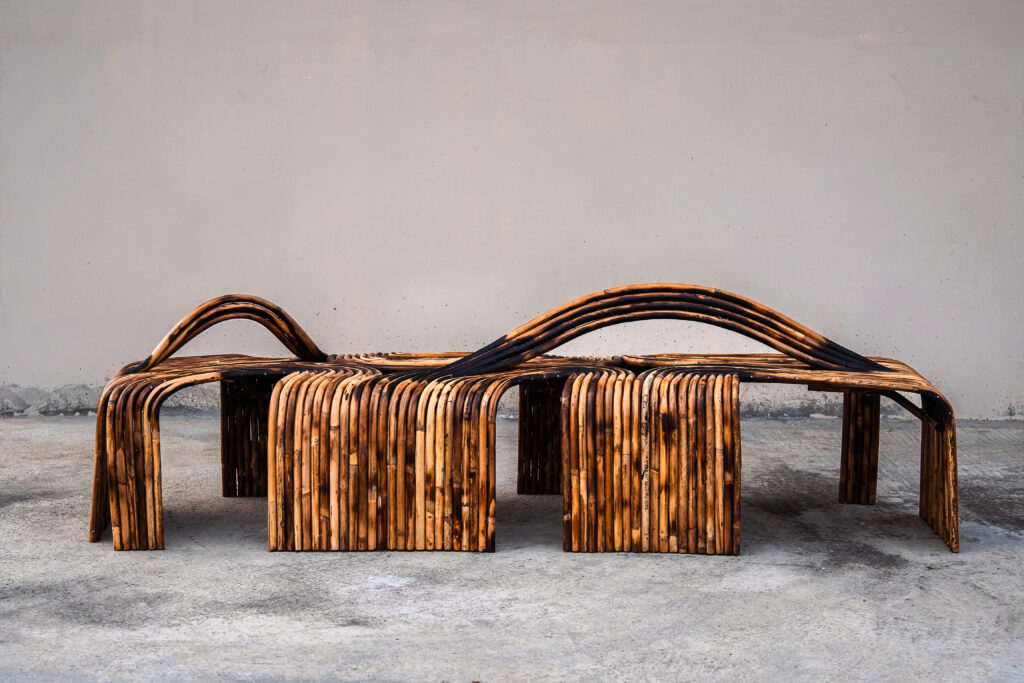
In an era of rapid production and digital acceleration, the preservation of craft feels increasingly urgent. Why do you believe safeguarding artisanal knowledge matters today, and how is the residency actively contributing to this goal?
We live in a culture that equates speed with efficiency and efficiency with value. Craft operates on a different logic. It is iterative, embodied, and deeply responsive to material behaviour. Safeguarding artisanal knowledge is not about nostalgia. It is about protecting ways of thinking and making that cultivate patience, attention, and accountability to material and community. The residency contributes by creating both visibility and viability. Presenting ateliers and craftspeople on an international platform reframes their work as contemporary rather than peripheral.
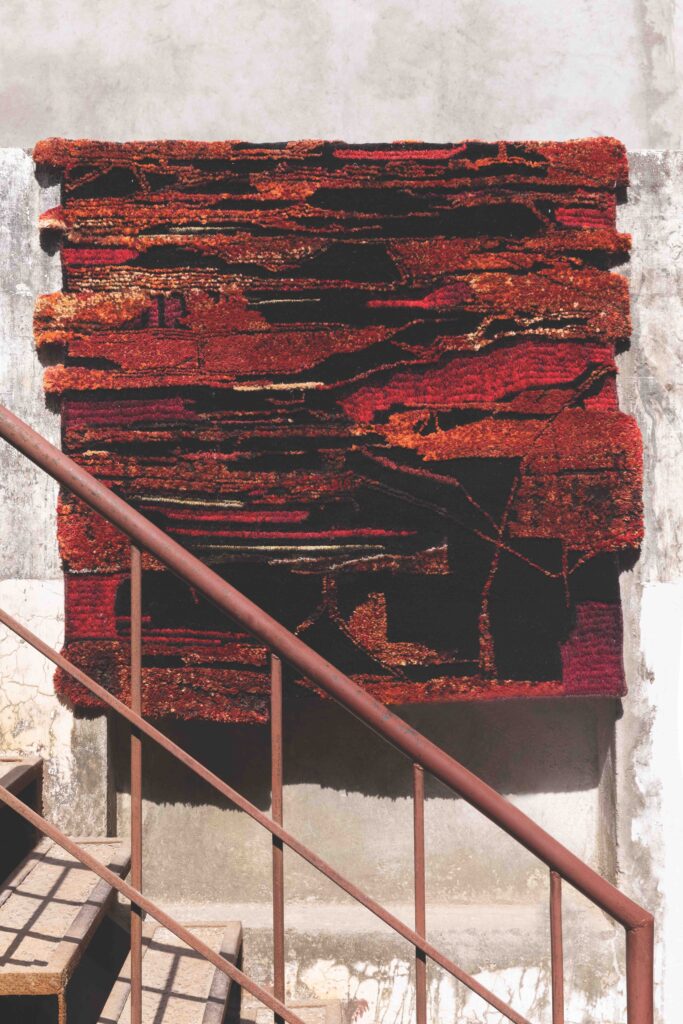
As both a collector and a patron, you move fluidly between commissioning, curating, and mentoring. How do you identify designers or artisans whose work carries the potential to shift perceptions of craft beyond nostalgia and into the realm of cultural agency?
I look for depth of inquiry and a deep sense of curiosity. It is not enough for work to be visually striking. I am interested in the thinking behind it. Designers and artisans who can shift perceptions are often those who are willing to question inherited assumptions while still respecting tradition. Cultural agency emerges when craft is understood as a medium for ideas rather than decoration. My role as a patron is to create conditions for confidence in this to grow, to connect people meaningfully, and to advocate for their work in contexts where it can be understood as intellectually and culturally significant.
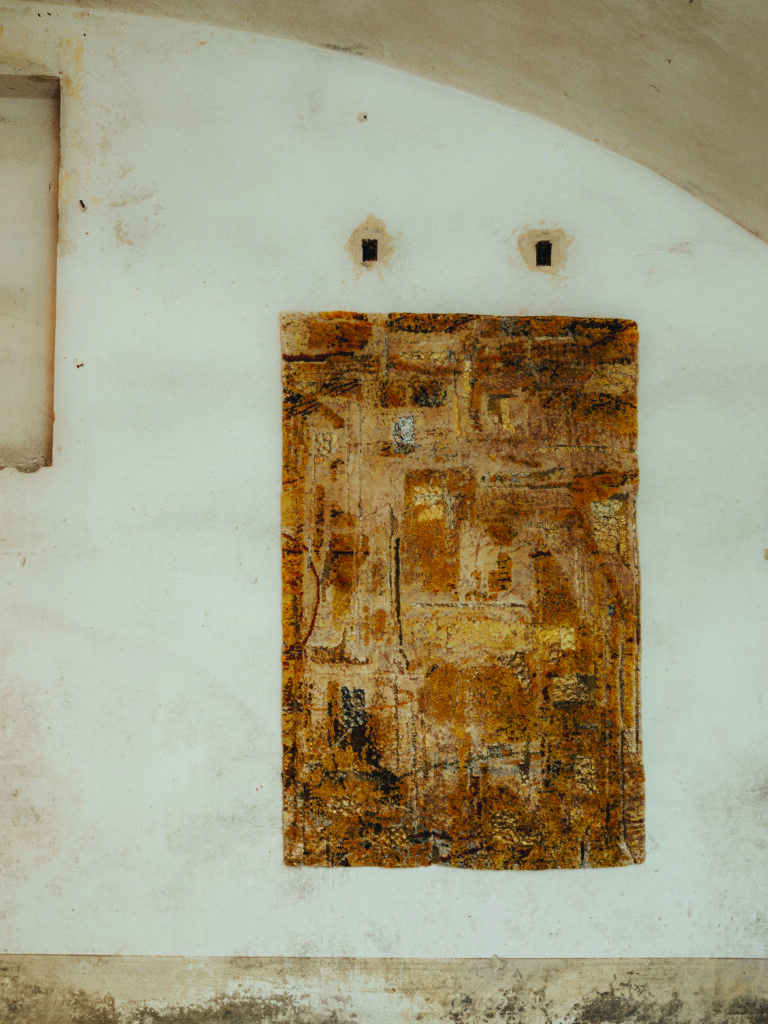
Looking across your multidisciplinary world – interiors, retail, philanthropy, and education – what responsibility do you believe designers now carry in shaping ethical production systems, and how can beauty remain central without becoming complicit?
Designers today have a profound responsibility because we operate at the intersection of culture, commerce, and aspiration. The choices we make about materials, labour, sourcing, and storytelling shape not only aesthetics but systems of value. We cannot separate beauty from the conditions under which it is produced. For me, beauty must be rooted in integrity. When materials are responsibly sourced, when makers are credited and compensated fairly, and when narratives are honest rather than romanticised, beauty gains depth rather than losing it. Ethical production does not diminish aesthetic ambition. It refines it. It asks us to consider longevity, relevance and impact alongside form. In that sense, designers are not only shaping objects or spaces. We are shaping the frameworks within which those objects and spaces acquire meaning.