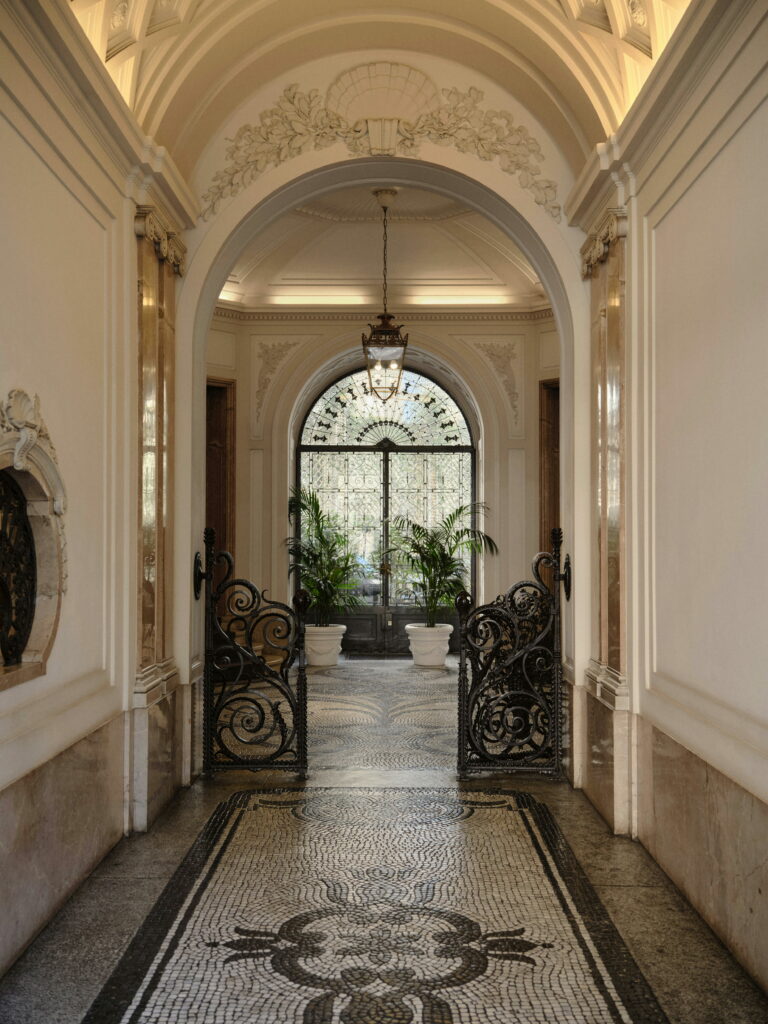
Within the fourth edition of L’Appartamento by Artemest, an invitation-only exhibition set inside Palazzo Donizetti, Urjowan Alsharif stands as the only Arab designer participating in this year’s presentation.
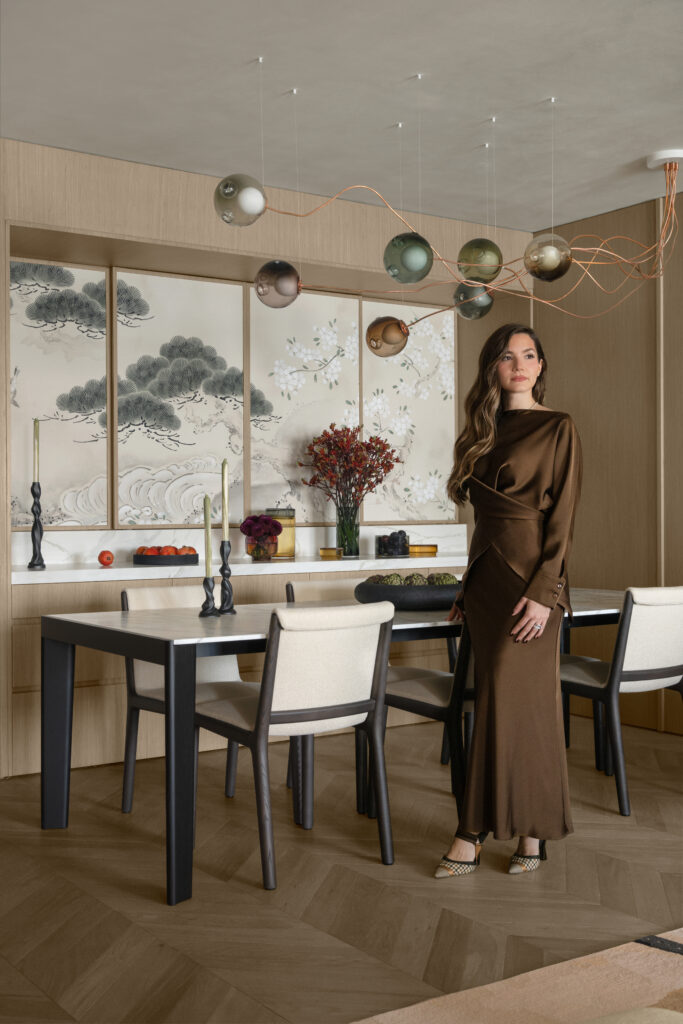
We spoke with her on the occasion of this project, alongside Catalina Ruiz Urquiola Vice President, Middle East Artemest, to understand how this presence operates not as a statement of representation, but as a more precise positioning within a discourse on craft and its contemporary transmission.
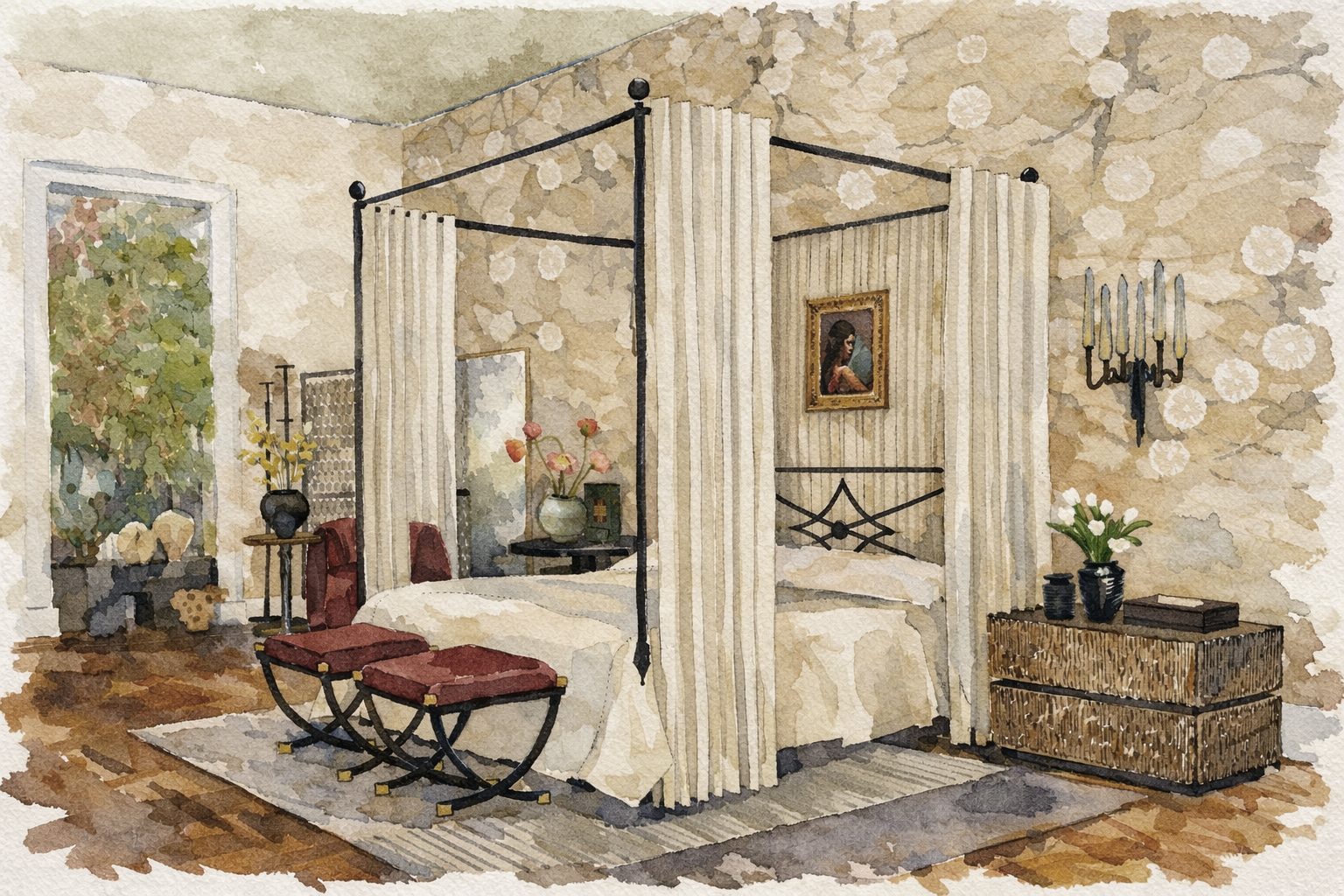
Urjowan’s starting point is the Florentine alcova. Not as an image, but as a way of organising space. Historically, the alcova was not simply a bed placed within a room, but a contained environment within it, where sleeping, receiving, and retreating coexisted. It introduced a different scale of intimacy inside the domestic interior.
“We wanted to create a sense of enclosure without relying on architecture, something that feels intimate through atmosphere rather than structure.”
Her response is direct. There is no attempt to reconstruct a historical setting. Instead, the project isolates a few essential elements and works through them with precision. Drapery is used to define proximity without fixing it. The bed is present, but not exposed. The bathtub shifts the room away from a single function, introducing a slower, more deliberate use of space.
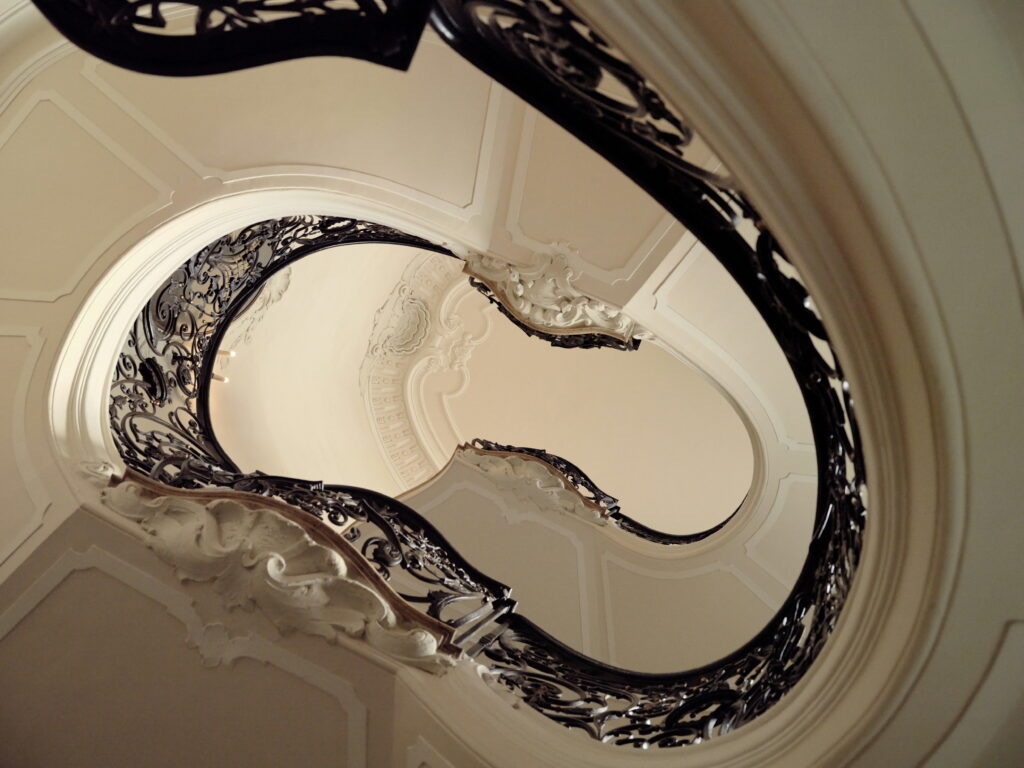
Florence matters here, but not in a decorative sense. During the Renaissance, the city established a model in which craftsmanship, art, and intellectual production were inseparable. What was produced carried both technical and cultural value. That legacy has not disappeared. It remains embedded in the way objects are made, in the attention to detail, in the continuity of workshops and materials.
This is where the project becomes more specific. Urjowan is not importing Florence as a reference. She is working within a shared understanding of making. Her own context is one in which craftsmanship still holds weight, where the relationship between designer, artisan, and client is immediate and often direct. The parallel is not stated, but it is evident in the way the room is constructed.
The presence of Florentine makers such as Il Bronzetto, Badari, and Spini Firenze reinforces this position. These are not additions to the space, but part of its structure. The project depends on them.
As Catalina Ruiz Urquiola notes, “it was essential for us to include voices from the Middle East.” The point, however, is not visibility for its own sake. It is to acknowledge that the conversation around craft is already shared, even if it is not always framed as such. The collaboration between designers and artisans, she adds, often produces results that go beyond the initial drawing. What is designed is only a starting point.
In this context, Urjowan’s room reads as controlled and deliberate. Nothing is overstated. Nothing is used to demonstrate effect. The project holds its position without insisting on it.